Balcony Garden Paradise is reader-supported. When you buy through links on our site,
we may earn a small affiliate commission. Happy Gardening from the team! 🌿
The white bird of paradise stands out as one of the most stunning tropical plants you can grow in a container on your patio or deck. This dramatic tropical evergreen thrives outdoors in the warm months, and you can move it inside before frost—perfect for gardeners in just about any climate.
In the wild, this plant can hit 30 feet tall, but containers keep it manageable and easy to move around.

Maybe you’ve seen this plant at fancy hotels or botanical gardens and thought, “No way could I grow that at home.” Actually, with the right care routine, anyone can keep a white bird of paradise happy and thriving.
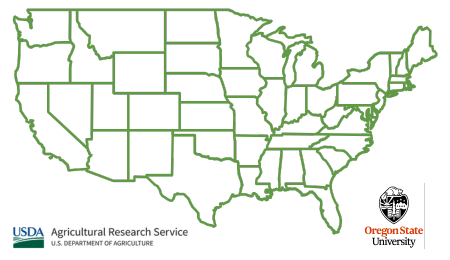
The 2023 USDA Plant Hardiness Zone Map was created by Oregon State University (PRISM Climate Group) and released by the USDA.
Honestly, the biggest mistake people make is overwatering. Root rot wipes out more of these beauties than anything else.
This guide gives you everything you need to know about growing Strelitzia nicolai in containers. You’ll get tips on the light it craves, proper watering, and what to do if you spot trouble.
Don’t forget to grab the free downloadable care guide—it’s handy to keep all these tips nearby while you look after your plant.
Key Takeaways
- White bird of paradise needs at least 6 hours of direct sunlight daily and well-draining soil to prevent root rot.
- You can grow this tropical plant in cold climates by keeping it in containers and moving it indoors before frost hits.
- Watch your plant’s leaves; they’ll tell you exactly what your plant needs, from more water to better drainage.
Why The White Bird Of Paradise Is The Ultimate Patio Statement Plant
The white bird of paradise totally transforms outdoor spaces with its dramatic size and architectural beauty. Grown in containers on your patio, it reaches that wow-factor potential while staying easy to manage and move.
What Makes It A “Living Piece Of Art”
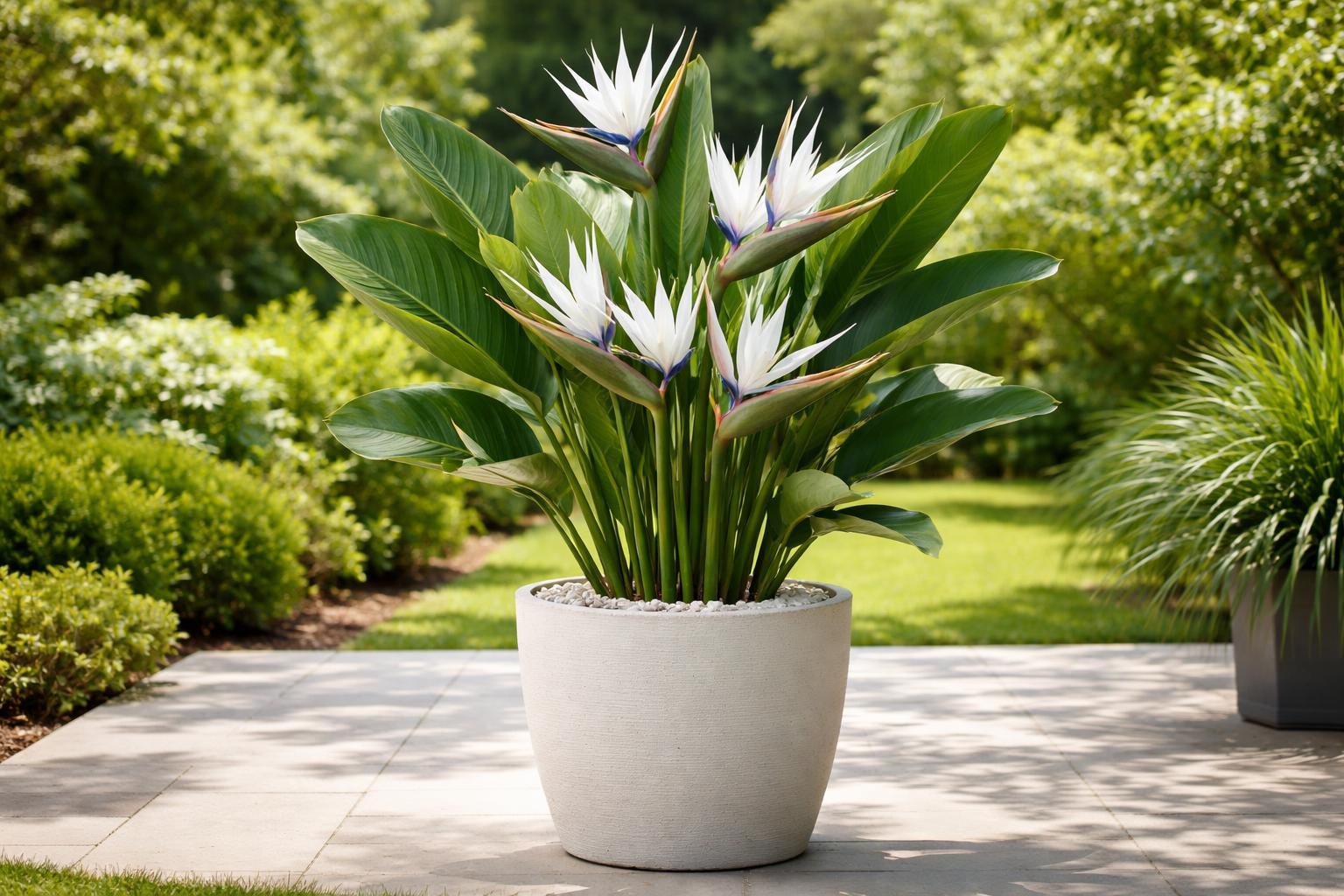
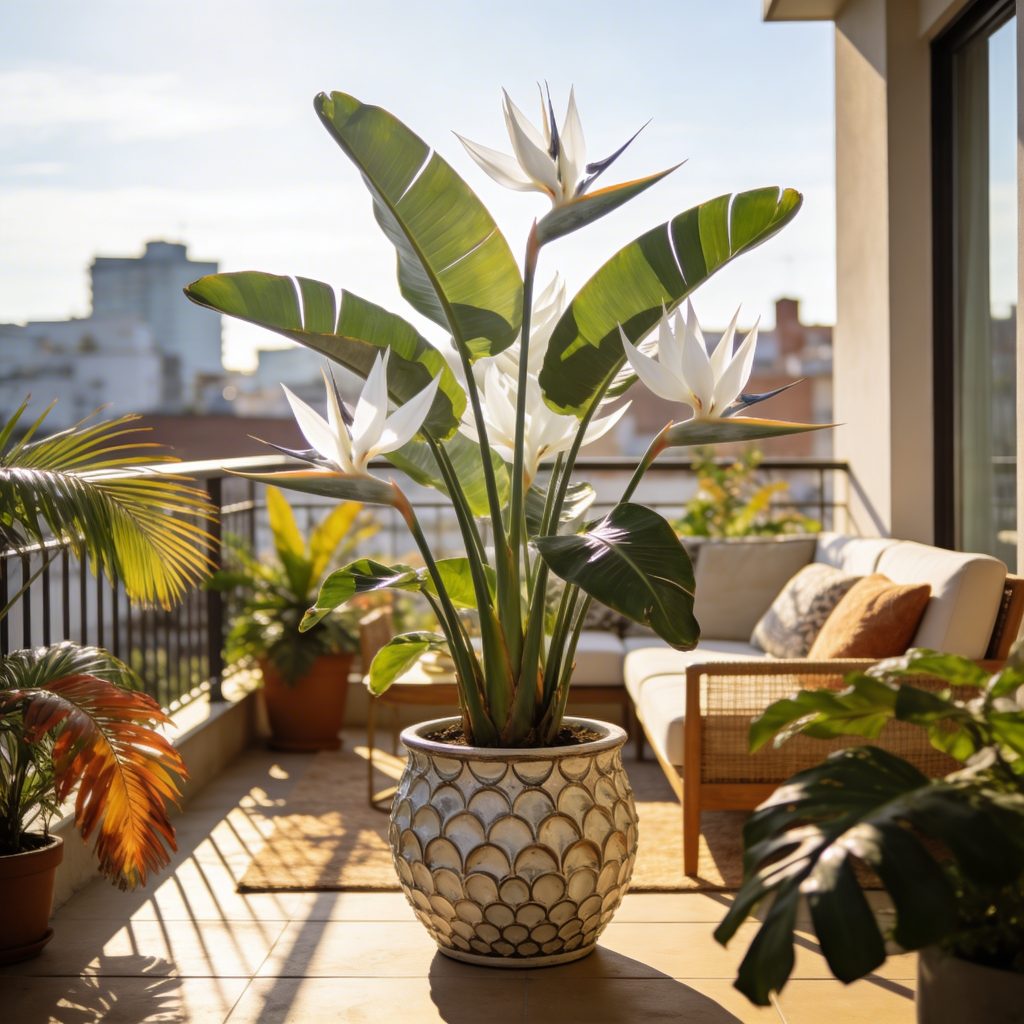
Your white bird of paradise quickly becomes a focal point for your outdoor space. Those massive banana-like leaves can stretch up to 6.5 feet long, making a bold tropical silhouette that’s hard to ignore.
Each leaf fans out with near-perfect symmetry, catching the light and swaying in the breeze. When this plant blooms, it really steals the show.
The white and blue flowers with purplish-black bracts look just like alluring birds perched among the leaves. If you give it the right conditions, you might get blooms year-round for constant visual interest.
Its woody stem can get up to 1.5 feet wide, giving your container garden instant height and drama. Even with all that presence, it doesn’t hog all the floor space—there’s still room for smaller companion plants at the base.
Why Outdoors Beats Indoors For This Plant
Your bird of paradise just loves being outside. Natural sunlight on a patio gives it what it needs—way more than a window ever could.
The leaves grow bigger and brighter when they get consistent outdoor light. Plus, natural air circulation outside helps keep pests away.
Indoors, you’ll often battle spider mites or scale, but outdoors, beneficial insects and fresh breezes help keep things in check. And let’s be honest, space is a big deal.
This plant needs room to really show off—wide and tall. Your patio gives it the space to spread out, while the container keeps its growth in check.
Curious to see your white bird of paradise take off on your patio? Download the free care guide and check out the video walkthrough for extra tips.
Meet Strelitzia Nicolai: The White Bird Of Paradise
Strelitzia nicolai stands apart from its cousin, the orange bird of paradise (Strelitzia reginae), with dramatic banana-like leaves and those stunning white flowers. This tropical beauty brings a strong architectural vibe to your outdoor container garden.
Where It Comes From And How Tall It Grows In The Wild
Your white bird of paradise comes from the coastal forests of South Africa. In the wild, Strelitzia nicolai grows in the forest understory, sometimes reaching 20 to 30 feet tall.
The wild ones develop thick, tree-like trunks and spread through underground rhizomes to form groves. In a container, though, you’ll see much more manageable growth.
Most container plants reach 6 to 8 feet tall, and with great care, maybe up to 10 feet. Limited root space keeps your plant smaller than its wild relatives.
Understanding Split Leaves — A Feature, Not A Flaw
Those splits and tears in your bird of paradise leaves? They’re not damaged. That’s just how the plant adapts to wind in nature.
Strelitzia leaves develop natural splits as they mature, letting wind pass through instead of snapping the whole leaf. Newer leaves pop out whole, then split as they age.
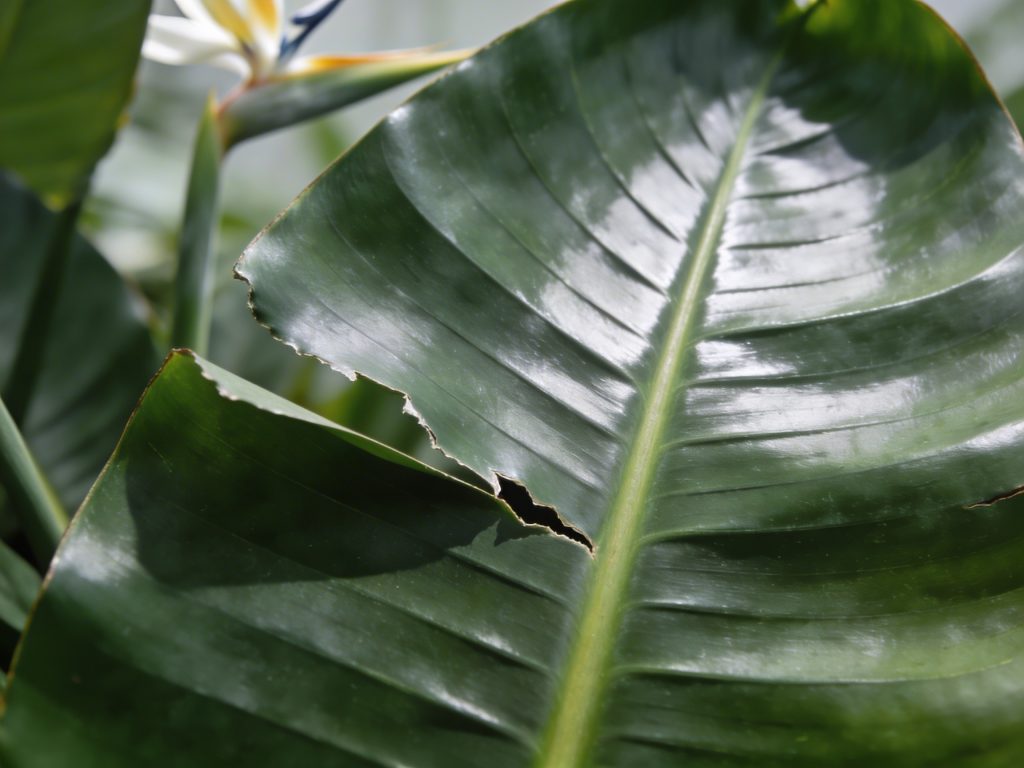
Each leaf can get 3 to 5 feet long and up to 18 inches wide. The splits give it that feathered, tropical look. Don’t trim them—they’re part of what makes your plant so striking.
What About Flowers?
Strelitzia nicolai produces those eye-catching white and blue flowers from dark purple bracts. They look different from the orange bird of paradise, but they’re just as dramatic.
Your plant needs to mature before it’ll bloom—usually 4 to 6 years old and a decent size. The flowers show up on long stalks from the sides of the plant.
Each bloom can last weeks, and you might see several flower stalks during the warm months. Container growing can delay or reduce flowering compared to in-ground plants.
Don’t stress if your plant focuses on leaves at first—those massive fronds are already a showstopper. Want to give your white bird of paradise the best shot? Download the free care guide and check out the full YouTube walkthrough for all the details.
A Note on Toxicity: Keep Pets and Little Ones in Mind
While the white bird of paradise (Strelitzia nicolai) is a showstopper on any balcony, it’s important to know that it is considered toxic to dogs, cats, and horses according to the ASPCA, with ingestion causing mild nausea, vomiting, and drowsiness — primarily from the fruit and seeds. The National Poison Control Center notes that for humans, the plant is considered minimally toxic, and a small, accidental ingestion by a child is unlikely to cause serious harm beyond possible stomach upset — though a large piece could present a choking hazard for young children. All parts of the plant carry some level of toxicity, with the flowers and seeds being the most potent, so if you have curious pets or toddlers sharing your outdoor space, consider placing your plant out of reach or in a gated area of your balcony. If you ever suspect your pet has chewed on the plant, the ASPCA Poison Control hotline is available 24 hours a day at (888) 426-4435.
Can You Grow It If You Have Winters?
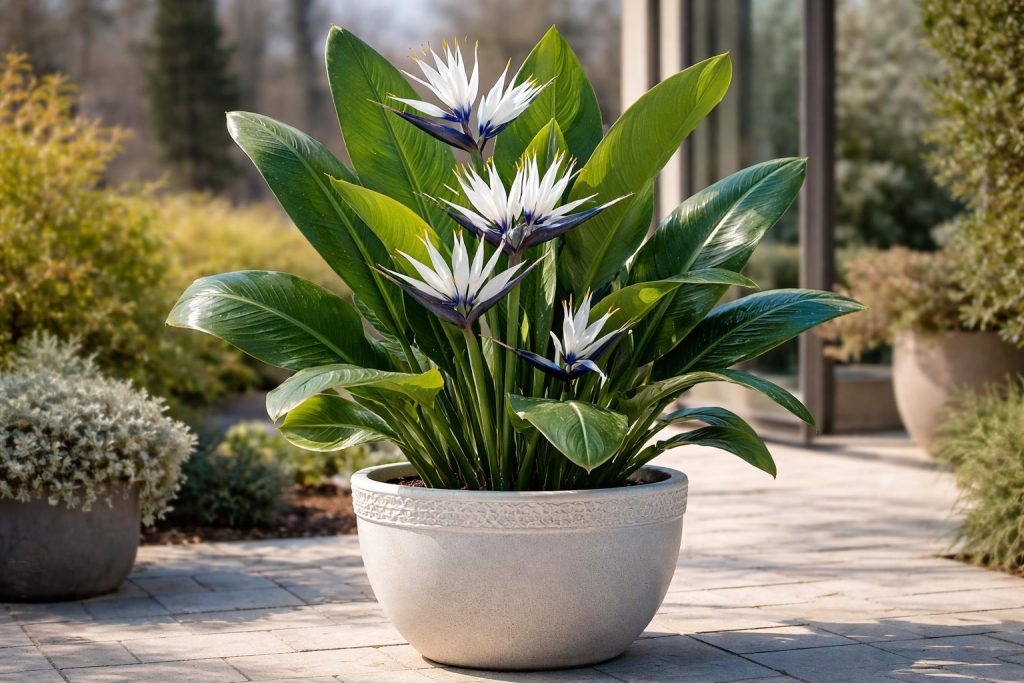
This plant loves the outdoors in warm climates, but you can still enjoy it in colder regions with a container strategy. The trick is knowing if you should leave it outside all year or bring it in when it gets cold.
Zone 10–11: Leave It Out Year-Round
If you’re in USDA zones 10 or 11, you’re set. Your white bird of paradise can stay outside in its container all year—no winter protection needed.
These zones rarely dip below 30–40°F, so frost isn’t a worry. Leave it on your patio, deck, or anywhere in the garden without stressing about cold snaps.
Just make sure your container has drainage holes and water it during dry spells. With steady outdoor conditions, your plant will keep growing and might even bloom more reliably.
Cooler Climates: The Summer/Winter Strategy
If you live in zones 9 or colder, treat your white bird of paradise like a summer guest. Move it outside after the last spring frost—when nights stay above 50°F.
It’ll love the summer outdoors, soaking up bright light and fresh air. Put it in full sun to partial shade, and remember: containers dry out faster, so water regularly.
Before the first fall frost, bring it inside. Find a bright spot near a south or west window so it gets at least 6 hours of indirect light each day.
Growth will slow indoors, but your plant should make it through the winter. Keep the soil a bit drier since it won’t need as much water during this time.
Pruning When It Gets Too Big To Bring Inside
Your white bird of paradise might get too big for your doorway. When that happens, you can either prune it back or divide the root ball to start new, smaller plants.
Grab some clean pruning shears and cut older outer stems as low as possible at the point of attachment, using a clean, angled cut. You can safely remove up to one-third of the plant at a time.
The rest of the stems will keep growing, and new shoots should pop up from the base before long.
If your plant has several stems, try dividing the root ball. Tip the container sideways, slide the root ball out, and use a sharp knife or even a saw to split it up—just make sure each section has at least one stem with healthy roots attached.
Pot up each division separately. That makes things a lot easier if you ever need to move them.
If you want to see how to care for your white bird of paradise year-round, grab our free care guide. You can also check out our YouTube video for a step-by-step walkthrough—sometimes it helps to see it all happen in real time.
The Perfect Care Routine
Growing Tropical
If you want your bird of paradise to thrive in a container, you’ll need to focus on four things: sunlight, well-draining potting mix, watering habits, and using decent water.
Sunlight: 6+ Hours Of Direct Sun, South Or West-Facing
Your white bird of paradise craves at least six hours of direct sunlight every day. Put the pot on a south- or west-facing patio, balcony, or deck so it can soak up as much light as possible.
These plants evolved under blazing sun, so honestly, the more light, the better. If yours isn’t getting enough, it’ll stretch out and look a bit sad, with leaves reaching desperately for the nearest window.
If you spot pale leaves or sluggish growth, that’s your plant begging for more sun. Move it to a brighter spot and, honestly, you’ll probably see the leaves darken and perk up pretty quickly.
Soil: Well-Draining Mix With Perlite Or Coco Fiber
You need a potting mix that drains well—no regular garden soil here. That stuff just holds too much water and will rot the roots.
Mix together two parts good potting soil, one part perlite, and one part coco fiber or orchid bark. That combo lets water run through but keeps just enough moisture for the roots.
If you want, toss in some coarse sand for even better drainage. The mix should feel light and fluffy, not heavy or muddy.
When you water, you want to see the excess drain out in seconds, not just sit on top like a puddle.
Watering: The Finger Test Method
Before watering, stick your finger two inches into the soil. If it feels dry at that depth, go ahead and water until liquid runs out the bottom.
In hot weather, you might need to water every 2–3 days. When it’s cool out, once a week or even less can be enough.
Containers dry out faster than the ground, so check the soil often. Don’t let it get bone dry, but don’t drown it either.
The leaves will droop a bit when they’re thirsty. That’s your cue.
Pro Tip: Use Rainwater Or Filtered Water
White bird of paradise plants can be finicky about water quality. Tap water with lots of fluoride or chlorine will eventually brown the leaf tips.
If you can, collect rainwater for watering. No rain? Let tap water sit in an open container for 24 hours so chlorine can evaporate.
Filtered or distilled water works too. Your plant will reward you with cleaner, glossier leaves.
For a handy checklist, download the free care guide. If you’re more of a visual learner, the full YouTube video walks you through the whole routine.
Feeding And Cleaning
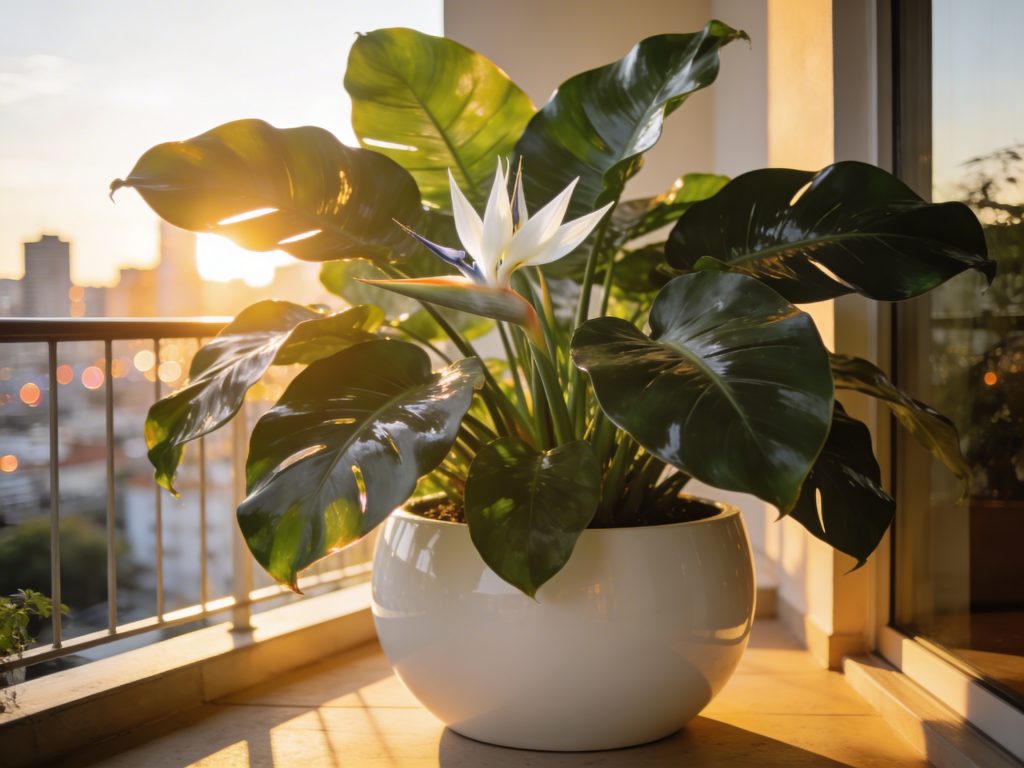
Your white bird of paradise needs regular feeding during the growing season. You’ll also want to remove dead leaves to keep it looking good.
Fertilizing In Spring And Summer Only
Feed your plant every two to four weeks from spring through summer, but only when it’s actively growing. Use a balanced liquid fertilizer at half strength to avoid burning the roots.
Stop fertilizing in fall and winter. The plant goes dormant and doesn’t need extra nutrients. Adding fertilizer during this time can actually do more harm than good.
Best fertilizer options:
- 10-10-10 balanced formula
- 20-20-20 diluted to half
- Organic fish emulsion
Always water your plant before you fertilize. That helps protect the roots from getting burned.
How To Correctly Remove Dead Leaves (Clean Cut, Not Ripping)
Use sharp, clean pruning shears to snip off dead or damaged leaves. Cut as close as you can to the base of the stem, but don’t nick the main trunk.
Don’t rip or tear leaves by hand. That just leaves ragged wounds and invites disease. A clean cut heals faster and looks better.
Wipe your shears with rubbing alcohol between each cut. If you need to trim brown tips, cut at a slight angle so the leaf still looks natural.
How To Read Your Plant’s Leaves
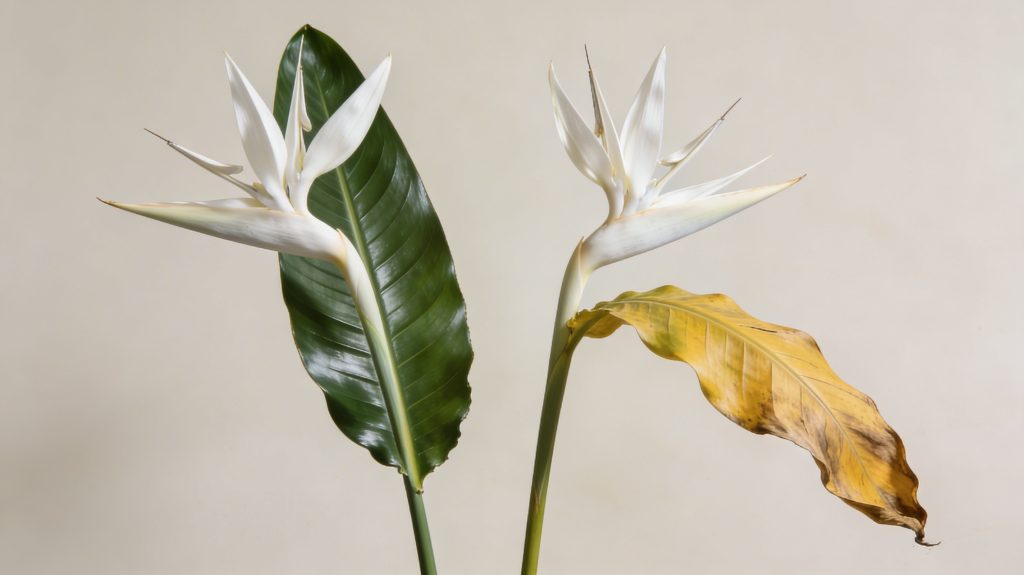
Your white bird of paradise will tell you what it needs—honestly, just look at the leaves. Figure out these two main signals and you’ll keep your container plant thriving.
Curling Inward (Taco Shape) = Thirsty
If the leaves curl inward like tacos, your plant’s thirsty. It does this to save moisture, rolling the edges toward the center.
Check the soil right away. Stick your finger in about two inches. If it’s dry, water thoroughly until it drains out the bottom.
Make sure you soak the entire root ball, not just the surface. Leaves usually flatten out again in a day or two after a good drink.
Drooping And Yellowing = Overwatering Warning
If you see droopy leaves and yellowing, you’re probably watering too much. The stems lose their firmness, and the plant just looks tired—even though the soil’s wet.
Yellow leaves usually show up at the bottom first. They feel soft, sometimes mushy, not crisp. You might see brown spots or edges too.
Stop watering and let the soil dry out. Double-check that your pot has drainage holes. If things don’t improve, you may need to repot with fresh, airy soil to save the roots.
Dealing With Root Rot: Emergency Plant Surgery
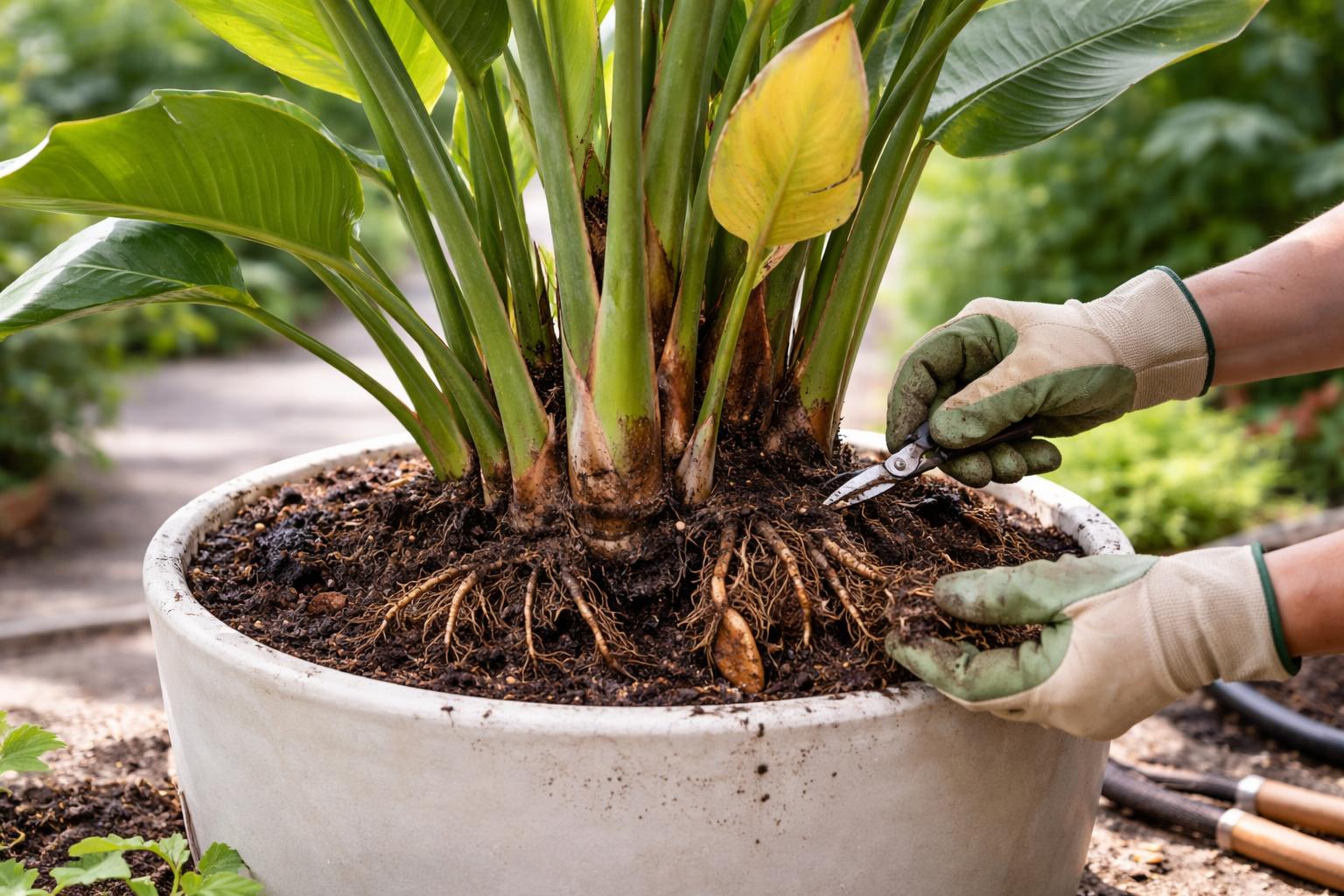
Root rot hits when your White Bird of Paradise sits in soggy soil for too long and the roots can’t breathe. If you spot mushy, brown roots and wilting leaves, you’ve got to act fast.
What Causes Root Rot
Poor drainage is usually the main culprit in container-grown White Bird of Paradise. If water can’t escape or the soil stays wet, nasty fungi and bacteria take over.
Too much water is the enemy here. The roots need air pockets in the soil to breathe.
Heavy, compacted soil can trap water around the roots. Clay-based mixes or plain garden soil just don’t cut it in containers—they hold onto moisture way too long.
Cold weather slows water absorption, so your plant can end up sitting in wet soil even longer during winter. And if your pot’s too big, extra soil means extra water sitting around where the roots can’t reach it. That’s a recipe for a swampy disaster.
Step-By-Step Rescue Process
When you suspect root rot, pull your White Bird of Paradise out of its pot right away. Gently shake off as much old soil as you can to get a good look at the roots.
Check the roots closely. Healthy ones look white or light tan and feel firm. Bad roots turn brown or black and feel mushy or slimy when you squeeze them.
Cut away all the rotted roots with clean, sharp scissors or pruning shears. Wipe your tools down with rubbing alcohol between every cut. Be bold—better to remove too much than leave any diseased stuff behind.
Trim back about a third of the leaves to match the smaller root system. If you skip this, your plant will struggle to support all those leaves with fewer roots.
Let the healthy roots air-dry for a couple of hours before you repot. That little pause helps the cuts heal and lowers the risk of reinfection.
Repotting In Fresh Dry Soil
Choose a well-draining potting mix made for tropical plants or palms. If you prefer, mix regular potting soil with perlite and orchid bark—just aim for equal parts.
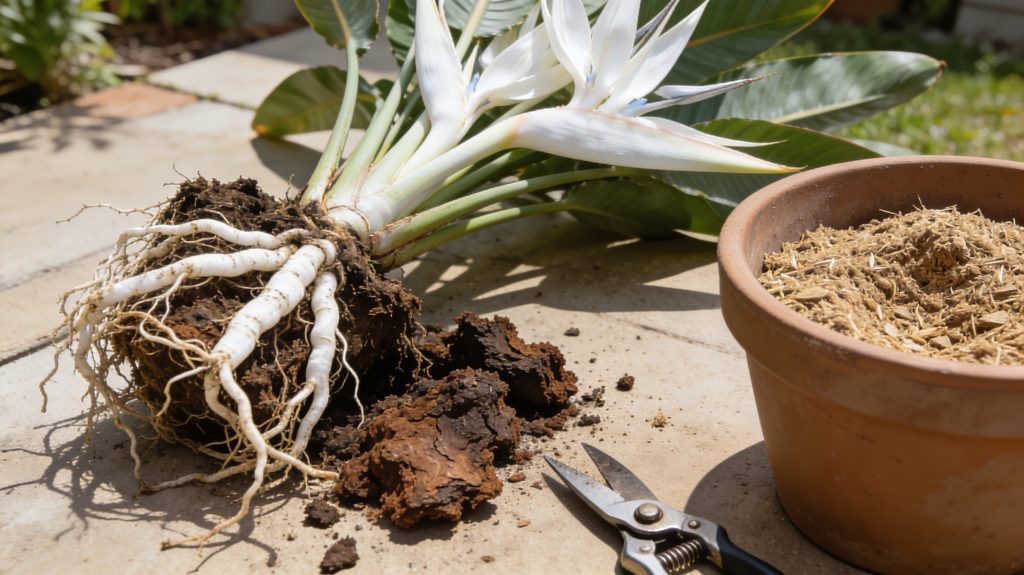
Pick a pot that’s just 1-2 inches wider than your plant’s root ball. This way, you won’t end up with soggy, unused soil.
Scoop 2-3 inches of fresh mix into the bottom of the new pot. Set your plant in at its old depth, then add more soil around the roots.
Press the soil gently to remove air pockets, but don’t squash it down too much.
Wait 5-7 days before watering your repotted plant. That pause gives any damaged roots a chance to heal up and helps keep rot from coming back.
When you finally water, use just enough so the soil feels barely damp.
Place your recovering White Bird of Paradise in bright, indirect light. Keep the temperature steady—somewhere between 65 and 75°F is ideal.

Watch for new growth over the next few weeks. That’s usually a good sign your rescue mission worked.
Want more tips for keeping your White Bird of Paradise happy? Download our free care guide, or check out the full YouTube video for a hands-on walkthrough.
Where To Buy A Healthy White Bird Of Paradise
Finding a healthy White Bird of Paradise starts with picking sellers who care about plant quality and ship with care. I usually trust specialty nurseries, local garden centers, or reputable online shops that guarantee your plant will arrive in good shape.
Why Starting With A Quality Plant Matters
You want to kick off your White Bird of Paradise adventure with a plant that’s strong and well-rooted. A healthy starter plant bounces back from stress and resists disease way better than a sad one from a sketchy seller.
Check for vibrant green leaves—no brown tips, spots, or tears. Stems should stand tall and feel firm, not floppy.
Make sure the soil is damp but not soggy. That usually means the plant’s been cared for properly before you buy it.
Stay away from plants with yellow leaves at the base or any sign of pests—like webbing or sticky stuff. Those problems can drag on for months, and honestly, some never bounce back.
If you start with a plant that’s already struggling, you’ll probably spend more time fixing issues than enjoying your new tropical addition. Why make it harder on yourself?
Costa Farms On Amazon As A Top Recommendation
Costa Farms offers a White Bird of Paradise through Amazon. It usually shows up at your door standing 4-5 feet tall, and honestly, it’s ready for the spotlight right out of the box.
Costa Farms stands out as one of the biggest plant growers in the country. They’ve really nailed their shipping game to cut down on transplant shock, which is a relief if you’ve ever unboxed a sad, wilted plant before.
Their White Bird of Paradise comes with a 100% happiness guarantee. If your plant shows up looking rough and beyond saving, you can just ask for a refund.
The listing spells out care instructions clearly, and their customer service actually responds if you reach out with questions. That’s not always a given, so it’s worth mentioning.
You can also check out white bird of paradise plants at Home Depot and Lowe’s stores. Sometimes it’s just better to see the plant in person.
If you’re itching to become a white bird of paradise expert, you can grab our free care guide. It’s packed with watering routines, fertilizer tips, and troubleshooting tricks.
Related Posts:


balcony garden balcony gardening bird of paradise care container gardening DIY gardening eco-friendly gardening gardening gardening tips indoor outdoor plants outdoor container plants plant care tips plant selection small space gardening statement plants Strelitzia nicolai sustainable gardening tropical balcony plants tropical garden tropical patio ideas tropical plants urban gardening white bird of paradise