🪴Balcony Garden Paradise is reader-supported. When you buy through links on our site,
we may earn a small affiliate commission at no extra cost to you. As an Amazon Associate,
we earn from qualifying purchases. Happy Gardening from the team! 🌿
Companion planting for fall can transform your balcony garden into a thriving oasis of fresh vegetables and herbs. By choosing the right plant combinations, you can increase your yields, deter pests, and make the most of your limited space. This method not only promotes a healthy environment for your plants but also adds beauty and variety to your space as the seasons change.
As the days grow shorter and temperatures begin to drop, it’s essential to know which plants work best together in your balcony garden. Combining plants like carrots with onions or lettuce with strawberries can create a mutually beneficial relationship that enhances growth and helps fend off bugs. Embracing companion planting for fall sets you up for seasonal success while enjoying the satisfaction of nurturing your own homegrown produce.

Getting started with companion planting on your balcony is not complicated. It involves selecting your favorite crops and arranging them to support each other. Each combination has its unique benefits, making your balcony garden a lively and productive space throughout the fall.
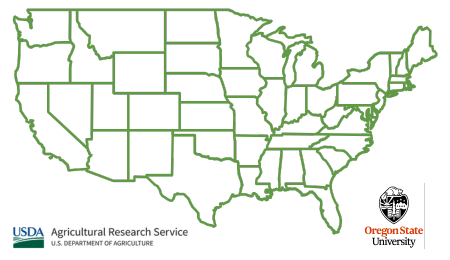
The 2023 USDA Plant Hardiness Zone Map was created by Oregon State University (PRISM Climate Group) and released by the USDA.
Key Takeaways
- Companion planting for fall boosts yields and deters pests in your fall garden.
- Choosing the right plant pairs is crucial for maximizing space and growth.
- A vibrant balcony garden enhances both your space and your homegrown food supply.
The Basics of Companion Planting
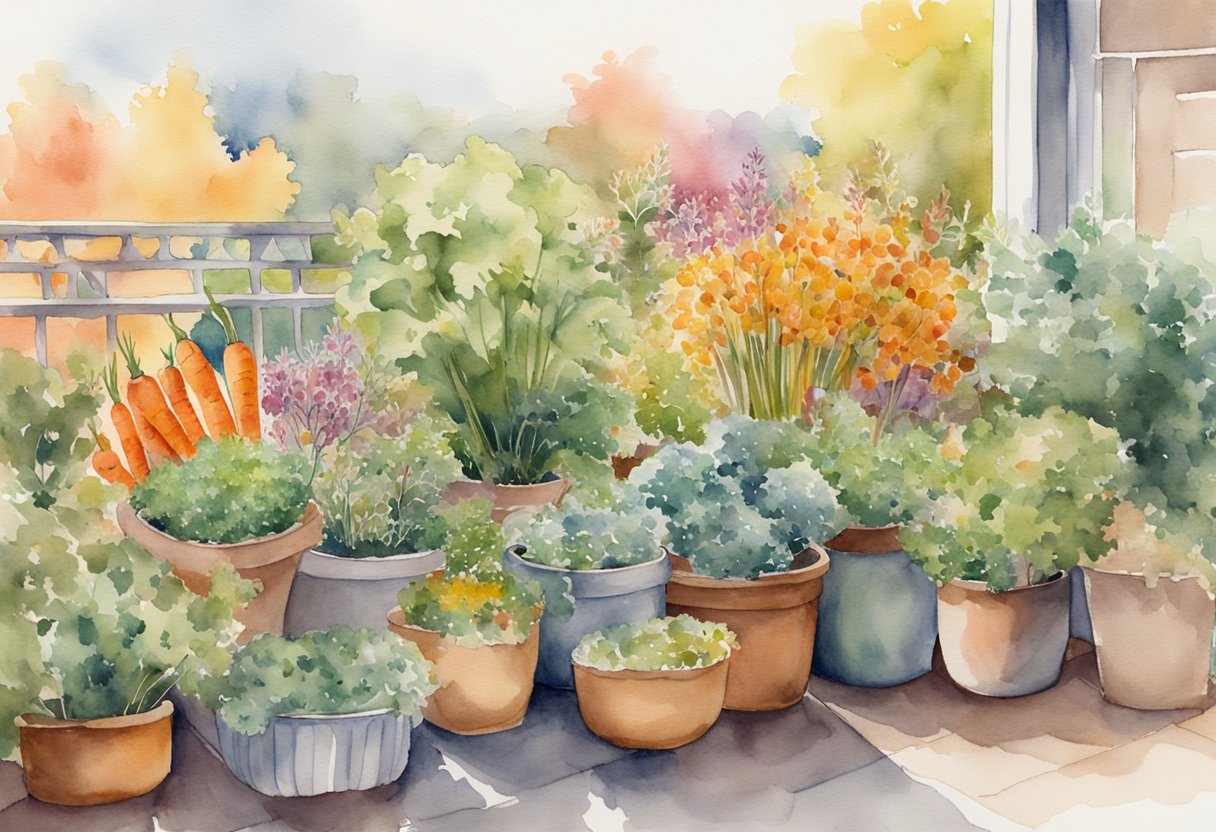
Companion planting is a simple yet effective method to enhance your balcony garden. By understanding the relationships between different plants, you can create a thriving and productive space.
What Is Companion Planting?
Companion planting for fall involves growing different plants close together for mutual benefits. Some plants can help others grow better and protect them from pests. For instance, marigolds are often planted with vegetables to deter harmful insects.
You can pair crops like tomatoes and basil, where basil can improve tomato flavor and keep certain pests away. This practice is rooted in the idea of plant synergy, where the strengths of one plant can boost the growth of another. By choosing your companion plants wisely, you can maximize space and resources in your garden.
Benefits of Companion Planting for Fall
Companion planting offers several benefits that can help your balcony garden flourish. One major advantage is pest control. Certain plants naturally repel insects that may harm your vegetables. For example, planting garlic near roses can keep aphids at bay.
This method also promotes healthier growth. Some plants improve soil nutrients, attract beneficial insects, or provide shade. Additionally, companion planting can lead to higher yields. When plants work together, they use nutrients more effectively, allowing them to thrive in limited spaces.
To get started, create a chart of compatible plants for your vegetable garden. This will make it easier to choose the right companions, ensuring a successful growing season.
Selecting the Right Plants for Your Balcony
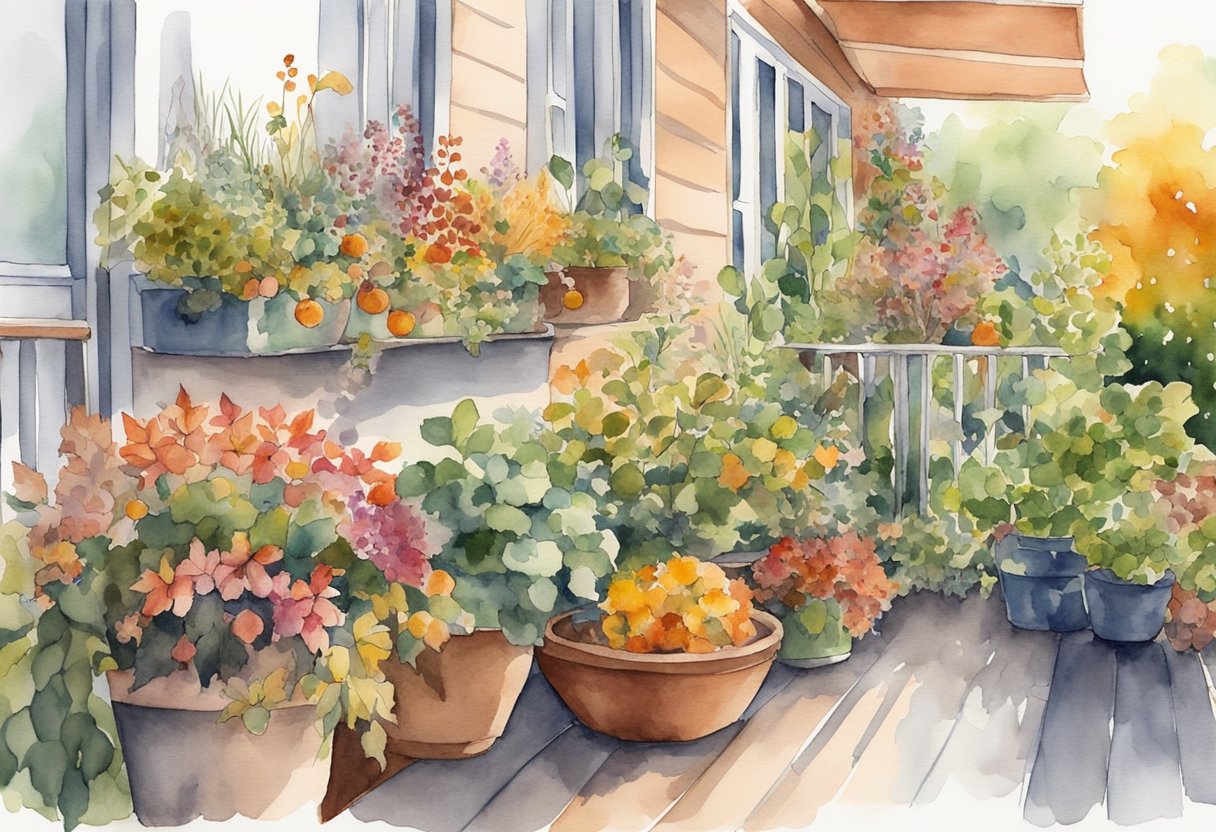
Choosing the right plants is key to a thriving balcony garden. You need to consider factors like sunlight, temperature, and space. Understanding these elements will help you create a successful garden for the fall season.
Understanding Your Climate and Sunlight
Knowing your specific climate and the amount of sunlight your balcony receives is crucial. Check your climate zone to find plants that thrive in your area.
Observe how much sunlight your balcony gets throughout the day. Does it receive full sun, partial shade, or full shade?
- Full Sun: At least 6-8 hours of sunlight. Great for tomatoes and peppers.
- Partial Shade: 3-6 hours. Suitable for lettuce and spinach.
- Full Shade: Less than 3 hours. Best for leafy greens and herbs like parsley.
Watch seasonal changes in sunlight. Adjust your choices according to temperature variations.
Maximizing Space and Soil Usage
Balconies often have limited space, so it’s essential to maximize every inch. Consider vertical gardening to grow more plants without clutter. Use wall planters, hanging pots, or shelves.
Select containers that fit your style and balcony size. Ensure they have proper drainage for healthy roots.
- Soil: Use a high-quality potting mix, rich in nutrients.
Companion planting can also help you use your space wisely. Certain plants grow well together, offering benefits like pest control and space efficiency.
For example, plant herbs with vegetables to enhance growth. Make sure to choose plants that have similar sunlight and watering needs.
By understanding your climate and organizing your space, you can create a vibrant and productive balcony garden for the fall.
Companion Planting for Pest Control

Using companion planting can help keep pests away from your balcony garden. This method allows you to grow specific plants together to create a natural balance, reducing the need for chemical pesticides. Here are two essential methods you can use in your garden.
Natural Pest Deterrents
Certain plants can act as natural deterrents to common pests. For example, marigolds are well-known for repelling aphids, cabbage worms, and spider mites. When you plant marigolds near your vegetables, they can help protect your crops from these pests.
In addition, consider using garlic or onions. Their strong scents can keep aphids and other insects at bay, making them excellent companions for vulnerable plants. By selecting these pest-resistant companion plants, you can enhance the health of your garden without relying on chemicals.
Attracting Beneficial Insects
Companion planting also helps attract beneficial insects. For instance, bees are crucial for pollination and can be drawn to flowering herbs like basil and dill. These plants not only enhance your garden’s productivity but also support the ecosystem.
Additionally, plants like yarrow and clusia will attract predatory insects, such as ladybugs and lacewings. These insects prey on harmful pests like aphids. When you encourage these beneficial insects in your garden, you add a natural layer of protection for your vegetables and flowers.
Fall Favorites: Vegetables and Herbs to Grow
As the weather cools down, your balcony garden can thrive with the right choices. Fall is a great time for planting vegetables and herbs that enjoy cooler temperatures. Here are some favorites to consider for your garden.
Leafy Greens and Root Vegetables
Leafy greens do well in the fall because they can tolerate light frosts. Spinach is a top pick, growing quickly while being rich in vitamins. Kale also thrives in cooler weather, becoming sweeter after a frost. You can plant lettuce varieties like romaine and butterhead, which will offer fresh salads throughout the season.
Root vegetables are fantastic for fall, too. Carrots are easy to grow in containers, and their flavor improves after the temperatures drop. Beets offer a rich taste and can be enjoyed roasted or pickled. Onions and leeks provide depth in dishes; just make sure your pots are deep enough for their roots to spread.
Hearty Herbs for Cooler Weather
Certain herbs thrive even as the temperature drops. Rosemary is a strong choice, resilient in colder climates and perfect for seasoning. Sage and thyme are also excellent, adding flavor to your fall recipes.
You might want to include parsley and dill, both of which can give a fresh flavor to your cooked meals. For a touch of sweetness, try planting mint; it can still grow well in the cooler weather. Don’t forget about chives for a mild onion flavor to top your dishes.
Consider planting marigolds among your herbs. They can help attract beneficial insects, boosting your garden’s health. These plants make great companions to your vegetables, creating a thriving environment.
Companion Planting Pairs and Charts
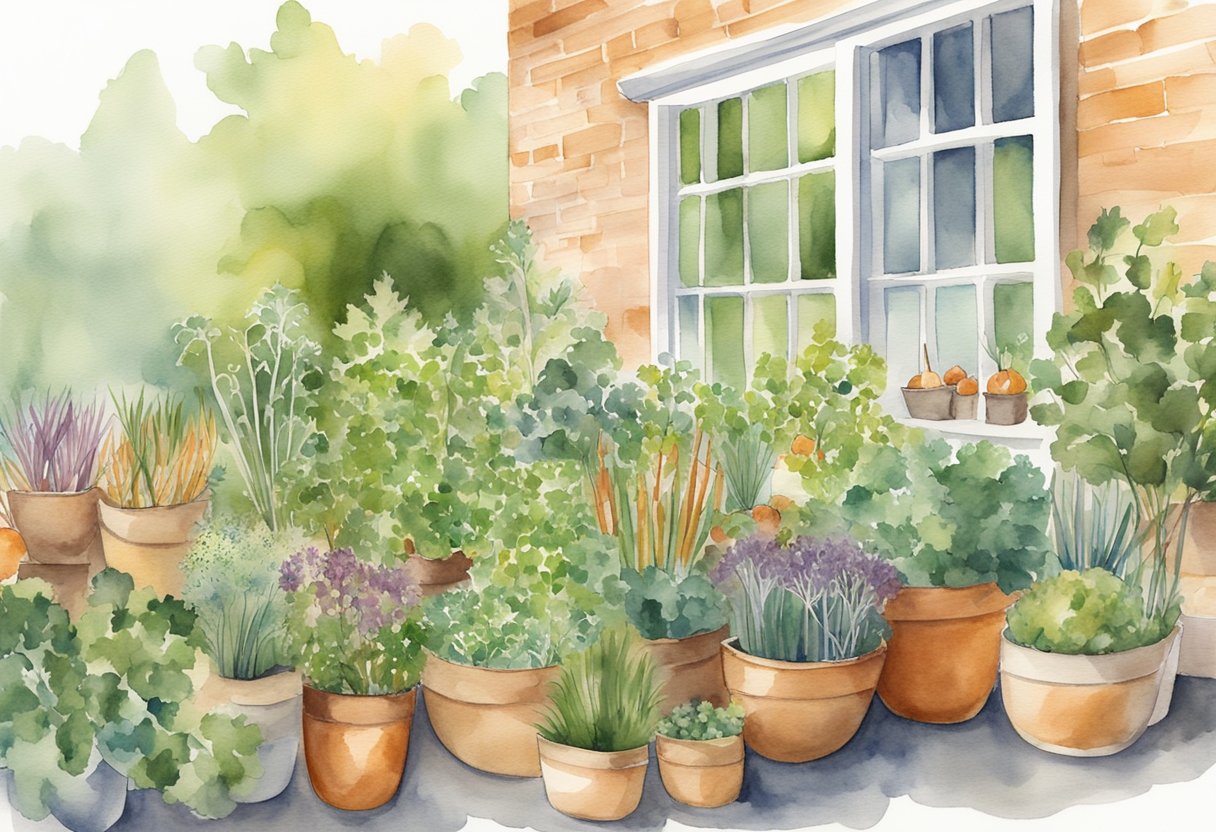
Companion planting involves choosing plant pairings that support each other’s growth. By understanding what vegetables and herbs work best together, you can create a thriving balcony garden this fall.
Vegetable Compatibility Pairings
When selecting vegetables for your balcony, look for combinations that enhance growth and protect against pests. Here are some great pairs:
- Carrots and Onions: Carrots deter onion flies, while onions can help keep carrot pests away.
- Lettuce and Radishes: Radishes grow quickly and can provide some shade for the slower-growing lettuce.
- Tomatoes and Basil: Basil can boost tomato flavor and repel pests like aphids and whiteflies.
Always consult a companion planting chart to see what fits best in your space. Remember, plant health improves with good pairings, so don’t hesitate to try different combinations.
Herb Combinations for Balcony Gardens
Herbs not only add flavor to your meals but can also enhance your garden’s overall health. Here are some effective herb combinations:
- Mint and Cabbage Family: Mint can repel pests that typically damage cabbage, like caterpillars.
- Dill and Cucumbers: Dill attracts beneficial insects that help control cucumber pests.
- Thyme and Broccoli: Thyme can improve broccoli’s health and deter pests.
Using a companion planting chart specifically for herbs can help you find the right matches. This trial and error approach is a fun way to see what works well together in your companion garden. Keep notes on your experiments to predict successful pairings in the future.
Caring for Your Fall Balcony Garden
To keep your balcony garden thriving in the fall, focus on proper watering, fertilizing, and preparing for colder temperatures. Each aspect plays a crucial role in maintaining plant health and ensuring a successful harvest.
Watering and Fertilizing Best Practices
In the fall, your plants may need less water due to cooler temperatures and shorter days. Check the soil moisture regularly. If the top inch feels dry, it’s time to water.
Use a slow-release fertilizer to maintain soil fertility. Look for one that promotes plant health without overwhelming your plants. Applying fertilizer every four to six weeks is generally a good practice.
Tips:
- Water early in the morning to reduce evaporation.
- Avoid watering the leaves to prevent fungal diseases.
- Use mulch around your plants. It helps retain moisture and regulate soil temperature.
Preparing for Temperature Drops and Frost
As temperatures start to drop, you’ll want to protect your plants from frost. Bring potted plants indoors during cold snaps. If that’s not possible, cover them with fabric or frost cloth during the night.
Consider grouping plants together to create a microclimate, which can keep them warmer. Using mulch can also help insulate the soil.
Key Actions:
- Monitor local weather forecasts for frost warnings.
- Water your plants before a frost; moist soil retains heat better than dry soil.
- Remove any dead leaves to prevent pests and diseases from lingering.
Achieving Seasonal Success
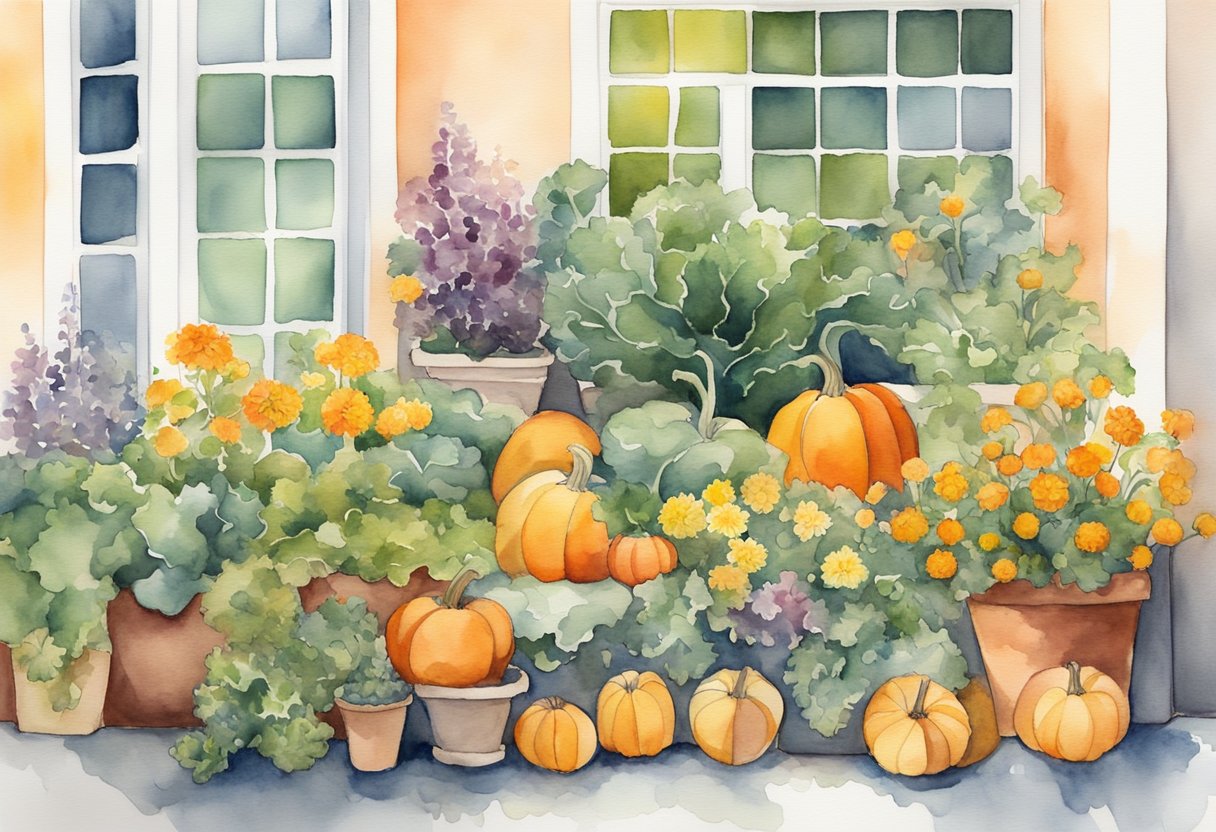
To have a thriving fall balcony garden, focus on monitoring your plants and adjusting care as needed. This ensures you maximize productivity and enjoy a rewarding harvest. Let’s explore how to effectively track your plants’ progress and take advantage of your garden’s potential.
Monitoring Plant Progress and Making Adjustments
Regularly check your plants for signs of pests or illness. Look for yellowing leaves, stunted growth, or unusual spots. Early detection allows you to take action before problems spread.
Keep an eye on soil moisture. With cooler temperatures, plants may need less water. Use a moisture meter or your finger to test the soil. Adjust your watering schedule based on these observations.
Also, observe plant growth patterns. If certain plants are overshadowing others, consider rearranging or pruning them. This creates a healthier environment and boosts your overall garden productivity.
Reaping the Benefits of a Productive Harvest
As your plants mature, it’s time to enjoy the fruits of your labor. Harvest regularly to encourage new growth. For example, snip leafy greens like lettuce or kale often to make room for more leaves to sprout.
Plan your harvest based on the best times for each crop. Some vegetables, like carrots and beets, can be harvested later in the season for sweeter flavors.
Don’t forget to share your bounty with friends or family. A productive vegetable garden can lead to a larger harvest than you can enjoy alone. This creates a wonderful sense of community, enhancing your gardening experience.