🪴Balcony Garden Paradise is reader-supported. When you buy through links on our site,
we may earn a small affiliate commission at no extra cost to you. As an Amazon Associate,
we earn from qualifying purchases. Happy Gardening from the team! 🌿
Growing plants in an urban environment presents unique challenges, especially when it comes to finding sufficient light. If your living space includes a shaded balcony, you might think your options for a green retreat are limited. However, with a bit of planning and knowledge, you can transform even the most shadowy of spaces into a lush, plant-filled oasis. Growing plants on a shaded balcony can give your meals that extra special touch!
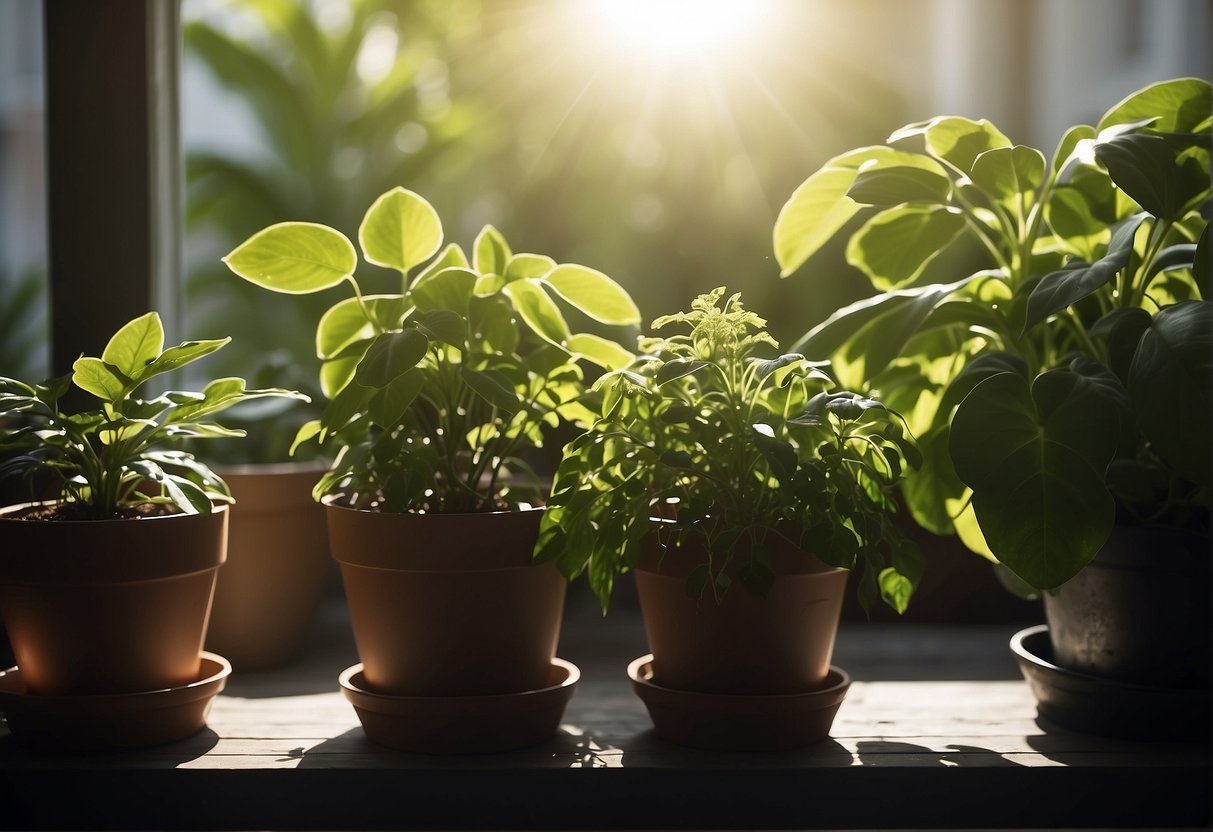
Balcony gardening is a convenient and enjoyable way to bring nature to your doorstep, even in the heart of the city. The key to success lies in selecting plants that not only survive but thrive in low-light conditions. Plants like foxgloves are an excellent choice, with their ability to flourish in partial to full shade.

While you navigate the nuances of limited space and shade, remember that every balcony can become a slice of serene nature. By choosing the right plants and employing creative gardening techniques, you’ll be able to enjoy the rewards of a vibrant balcony garden that serves as a private retreat and a haven for biodiversity right in the urban jungle.
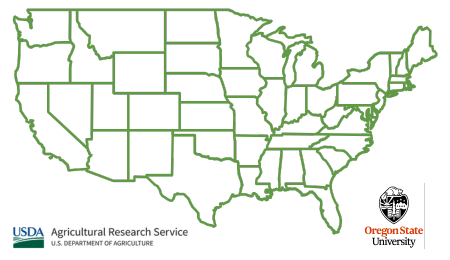
The 2023 USDA Plant Hardiness Zone Map was created by Oregon State University (PRISM Climate Group) and released by the USDA.
Understanding Balcony Environments
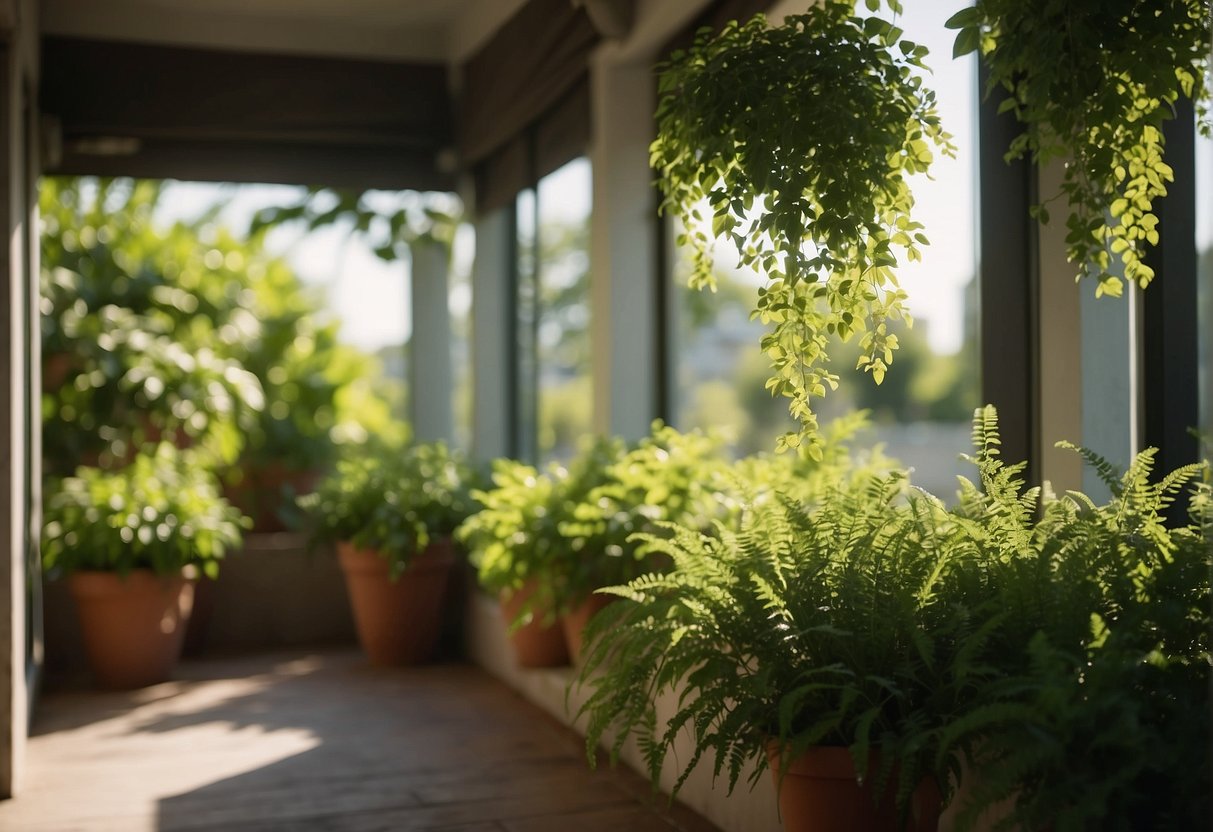
Creating a thriving balcony garden in an urban jungle involves specific growing conditions such as balancing the amount of sunlight and shade, considering the impact of weather elements, and understanding the limitations of your space.
Analyzing Shade and Sunlight
To start, distinguish how sunlight traverses your balcony. Is it a sunny balcony or does it receive partial to full shade? Sunlight is crucial for photosynthesis, but some plants, known as shade-loving plants, can flourish in lesser light. Determine the microclimate of your space by observing when and where the sun hits your balcony throughout the day. Create a simple table to help you track the sunlight pattern:
| Time of Day | Sunlight Intensity | Area(s) Affected |
|---|---|---|
| Morning | Low/Medium/High | Left/Center/Right |
| Midday | Low/Medium/High | Left/Center/Right |
| Afternoon | Low/Medium/High | Left/Center/Right |
| Evening | Low/Medium/High | Left/Center/Right |
Identifying this pattern will guide you in selecting the right plants for your urban jungle.
Considering Weather Elements
Your balcony garden will be exposed to weather conditions like wind and rain. Strong winds can damage plants, dry them out, or even knock over containers. Think about installing a windbreak to protect your green oasis. Observe how rain impacts your balcony. Does water pool in certain areas, or does it drain well? By understanding these factors, you’re able to adjust by choosing plants that tolerate wet conditions and setting up drainage solutions.
Assessing Space and Weight Limitations
Limited space and weight distribution are important factors on balconies. Assess the weight limitations of your balcony and plan your garden with the right containers to avoid overloading. Use a list to itemize what you’ll need based on the space you have:
- Containers of various sizes
- Lightweight potting soil
- Plant supports or trellises
- Space-efficient furniture
Remember, overloading your balcony could lead to structural issues.
Evaluating Urban Wildlife and Pets
Balconies can attract various forms of urban wildlife, like hummingbirds, as well as being impacted by pests. If you have pets, ensure your plant choices and garden layout are safe and non-toxic for them. Hummingbirds may be a delight to watch, but certain pests can wreak havoc on your plants. Explore natural deterrents or barriers to keep unwanted visitors at bay while welcoming friendly ones with suitable plants and feeders.
Designing Your Balcony Garden
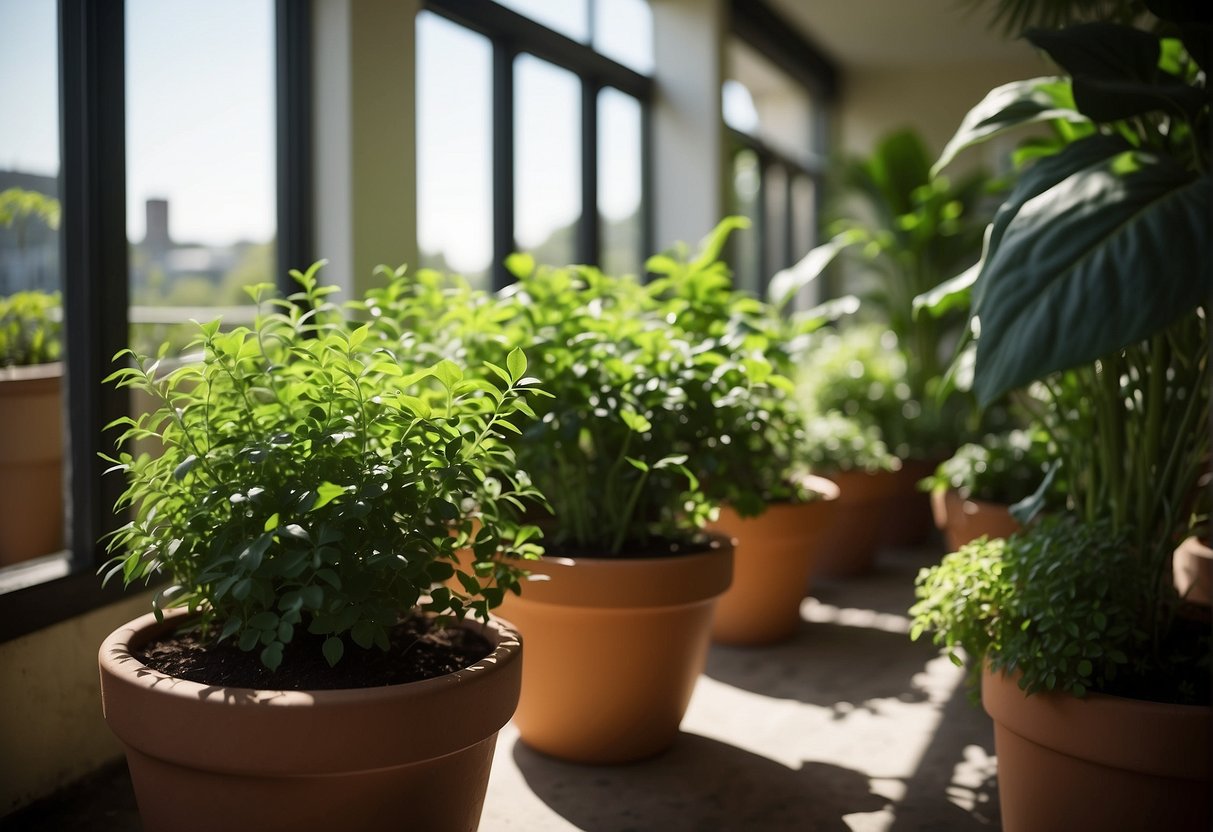
Crafting a balcony garden that flourishes in the shade requires careful consideration of container selection, aesthetic layout, space utilization, and practical maintenance to ensure your greenery thrives.
Choosing the Right Containers
Selecting containers that accommodate the root size of your balcony plants is crucial. For shade-tolerant florals and greens, consider self-watering containers that provide consistent moisture essential for growth. Opt for high-quality soil and ensure pots have adequate drainage.
Creating Aesthetic Appeal
Your balcony garden design should be visually pleasing. Mix ornamental grass with a variety of flowering plants to create texture and color. Consider the overall look of your balcony—cohesive colors and complementary plants can transform your space into an inviting retreat.
Maximizing Vertical Space
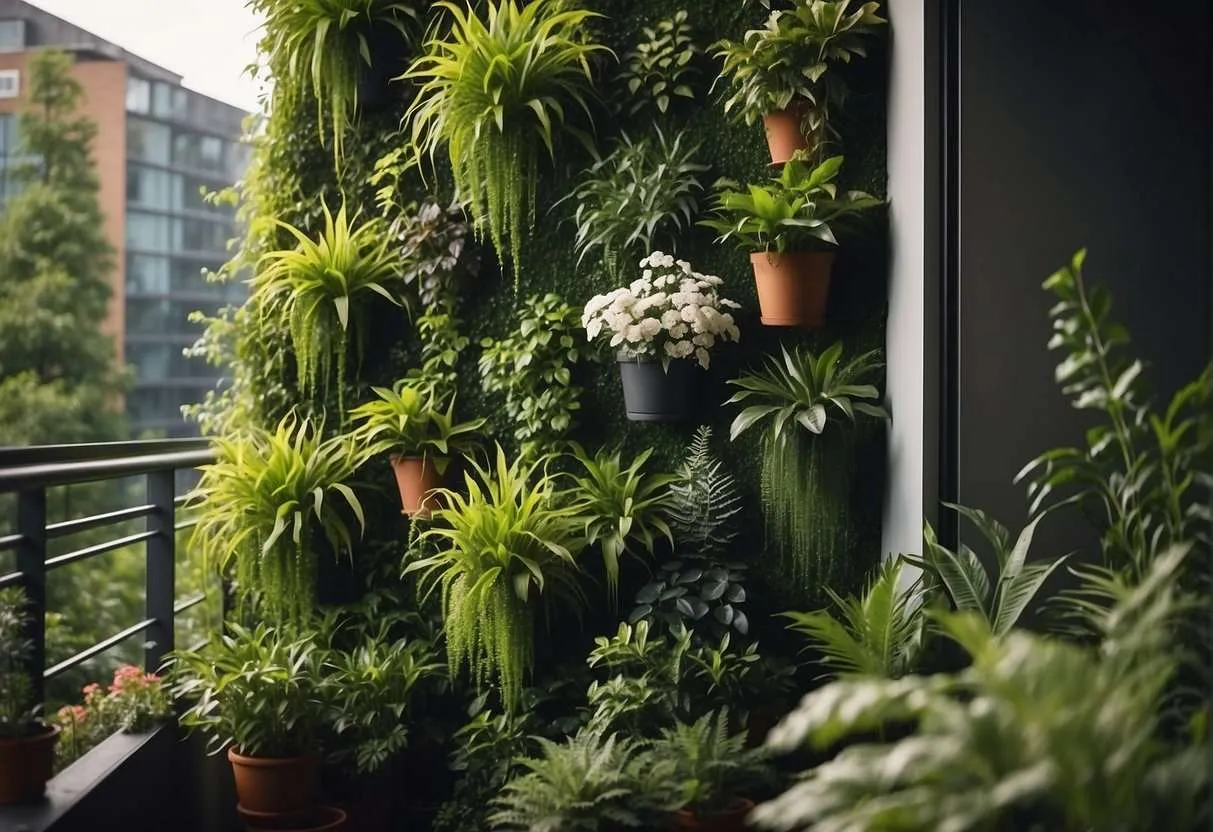
To enhance your garden vertically, use a living wall or trellises for climbing plants. This approach not only adds another layer of greenery but also can provide privacy. Vertical space can be a canvas for you to express your gardening creativity, especially on smaller balconies.
Implementing Practical Considerations
Remember to address the water needs and sunlight requirements of your plants. Regular watering is key, but be mindful not to overwater. Quality soil enriched with the right nutrients will support plant health. Position your containers to take advantage of any light that filters through, helping your plants prosper.
Selecting Plants for Shade
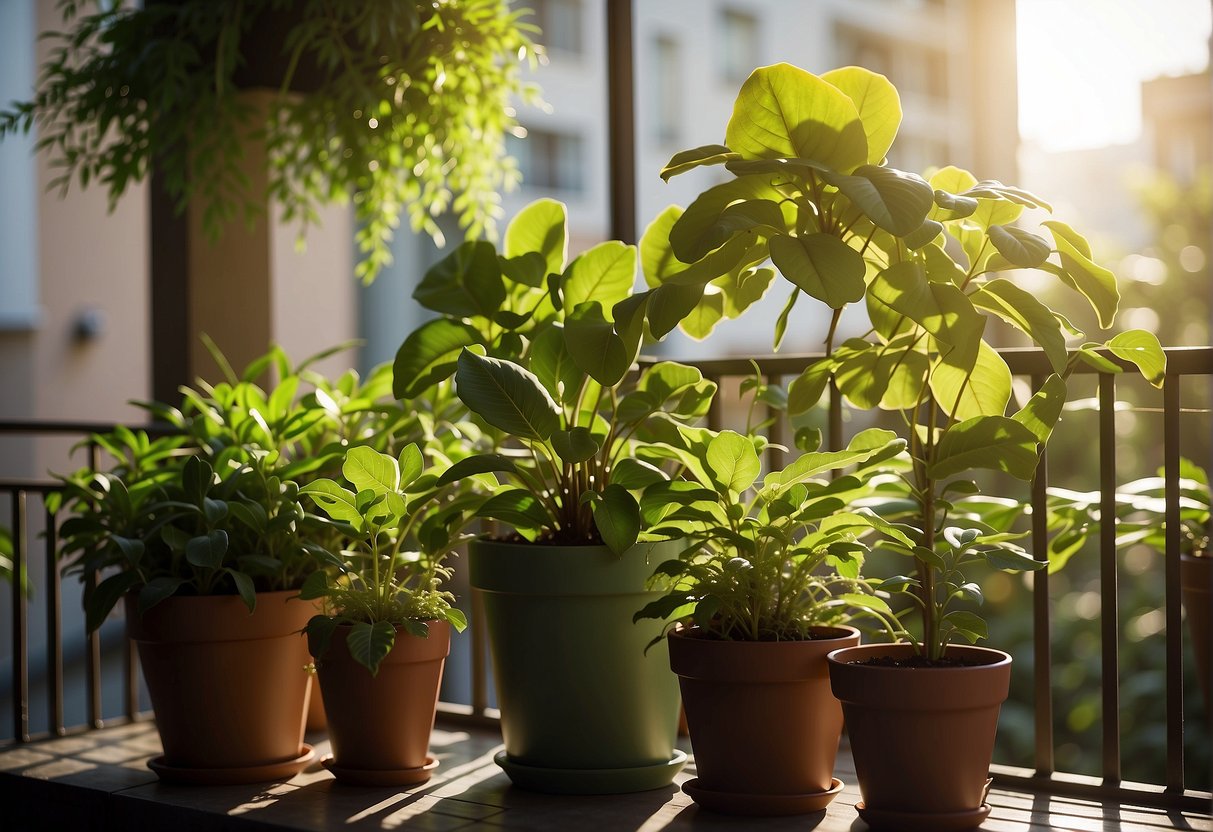
Creating a lush balcony garden in shaded areas can be a delightful venture. With the right selection of shade-loving plants, you can transform your space into a green sanctuary even without direct sunlight.
Highlighting Shade-Tolerant Flowers
Begonias and fuchsias are stunning flowering plants perfect for shaded balconies. They provide bright pops of color with their various hues and can thrive well with limited sunlight. For best results, position your begonias and fuchsias in containers that allow for good drainage and occasional indirect sunlight.
Growing Vegetables and Herbs in the Shade
You don’t need full sun to grow a bountiful, edible garden. Veggies like lettuce and herbs such as parsley, chives, and coriander adjust well to less sunny spots. Utilize your shaded space by growing these in containers; they will appreciate the cooler, less harsh environment that shade provides.
Incorporating Foliage and Grasses
Hostas and Heuchera offer a variety of textures and colors for your shady greenery needs. Their substantial foliage fills spaces with vibrant green hues. Meanwhile, adding ivy or ornamental grass to the mix introduces elegant, cascading forms and movement to your balcony garden, all while performing well in shadier conditions.
Care and Maintenance of Balcony Plants
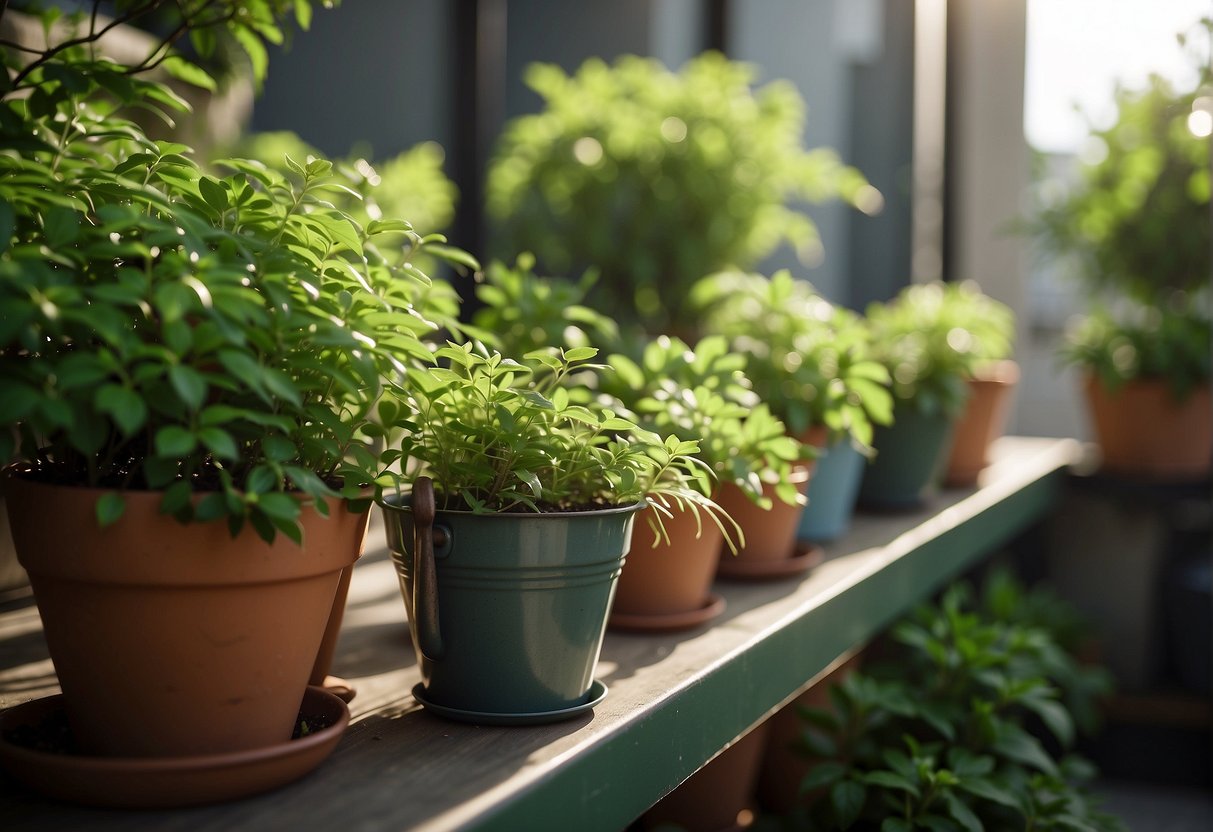
Effective care for your balcony plants involves paying attention to their unique needs, which can be affected by less sunlight and varied environmental conditions. These tips will help you navigate the challenges of maintaining healthy plants in a shaded area.
Watering and Feeding
Your balcony plants’ water needs may differ from those in full sun. Regular watering is critical, especially for thirsty plants like tomatoes and leafy greens. However, overwatering can lead to root rot, so ensure that your soil is well-draining. You can gauge the moisture by feeling the top inch of the soil; water if it’s dry to the touch. Use quality soil that retains moisture without becoming waterlogged.
Feeding Table
| Plant Type | Feeding Frequency | Type of Fertilizer |
|---|---|---|
| Tomatoes | Every 2 weeks | Balanced liquid feed |
| Herbs (e.g., mint) | Every 4 weeks | Organic herb fertilizer |
| Flowering Plants | Monthly | High-potassium feed |
Dealing with Pests and Diseases
Balcony plants can still be prone to pests and diseases like mildew or aphids. Regularly inspect your plants for signs of trouble, such as discolored leaves or sticky residues. Introduce natural predators like ladybugs to manage aphids, or use organic pesticides if necessary. Keep an eye on humidity levels, as too much moisture can encourage mildew growth, especially on leafy greens and herbs.
Trimming and Deadheading
Pruning is essential for healthy growth and can promote further flowering in plants. Remove dead or yellowing leaves to prevent disease spread and to allow your plants to focus energy on new growth. Deadheading, or removing spent blooms from flowering plants, will encourage more blooms to form. For herbs like mint, regular harvesting doubles as pruning, stimulating fresh growth.
Seasonal Adjustments and Protection
Balcony plants need protection from the elements, such as strong winds, rain, and temperature fluctuations. During colder months, wrap pots with burlap or move sensitive plants indoors if possible. In periods of less natural rainfall, your watering schedule should adapt accordingly. Additionally, although your balcony is shaded, ensure that your plants receive sufficient indirect sunlight to thrive.
Edibles and Aromatics on Shaded Balconies
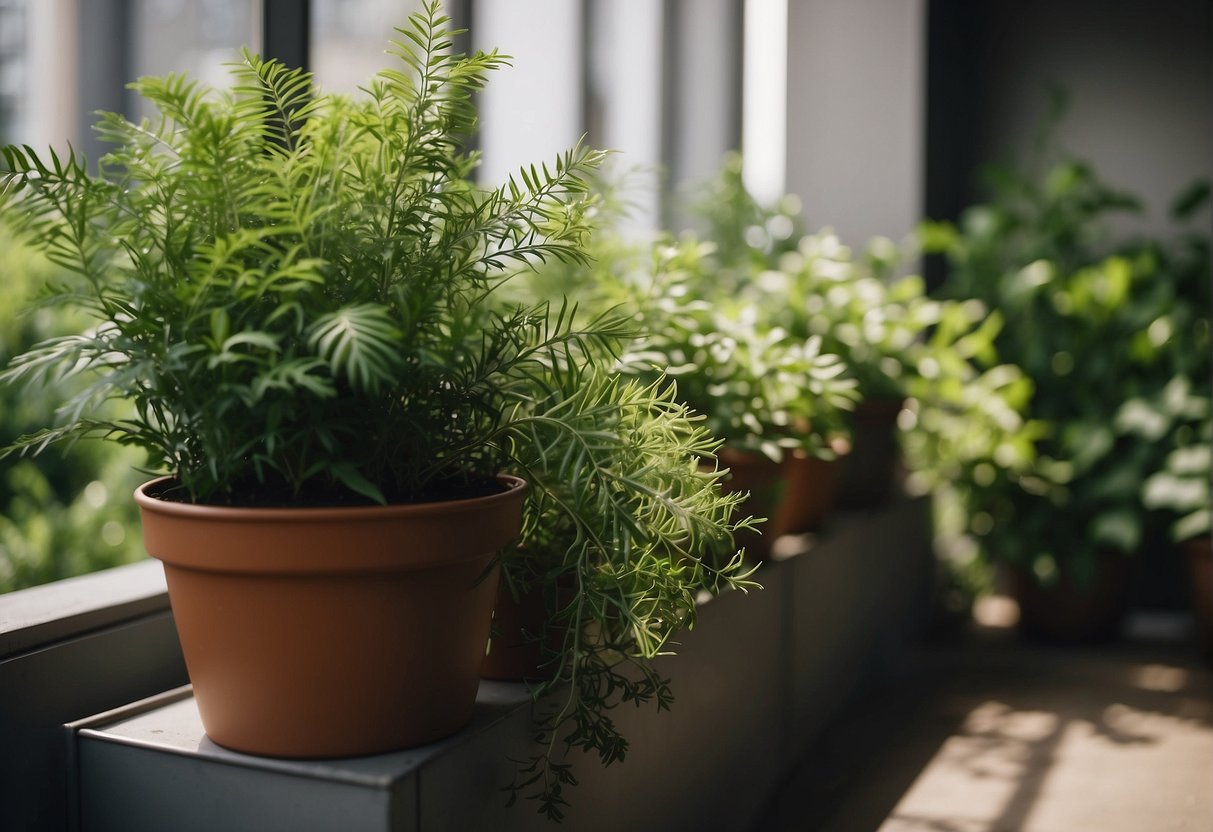
Growing plants on a shaded balcony is both rewarding and possible, even without direct sunlight. Herbs such as mint, rosemary, basil, and thyme thrive in these conditions, offering you fresh flavors and delightful aromas.
Growing Herbs in the Shade
- Herbs are versatile and can adapt to lower light.
- Remember that even shade-loving herbs need some indirect light.
- Keep soil moist, as less sun means less evaporation.
| Mint | Rosemary | Basil | Thyme |
|---|---|---|---|
| Thrives in moist, cool conditions | Prefers well-drained, loamy soil | Loves rich, moist soil | Grows well in drier conditions |
Shaded Veggie Gardening
Vegetables can also be nurtured in shaded balconies with some care. While most vegetables, like tomatoes, prefer sunshine, some varieties can tolerate less light. Opt for vegetables that can grow in pots and don’t require as many hours of sunlight. Leafy greens, such as spinach and lettuce, are great candidates for growing plants on a shaded balcony garden.
Tips for Success
- Choose pots with good drainage to prevent root rot.
- Regularly feed your plants with a balanced, all-purpose fertilizer to compensate for the lower light conditions.
- Monitor your herbs and veggies for signs of disease or pests, which can be common in shaded, damp areas.
By selecting the right plants and providing them with the care they need, you’ll enjoy fresh produce and the pleasant scent of herbs right from your shaded balcony.
Remember, your green space can be lush and productive, even when basking in the shade.
Enhancements and Decor for Balcony Gardens
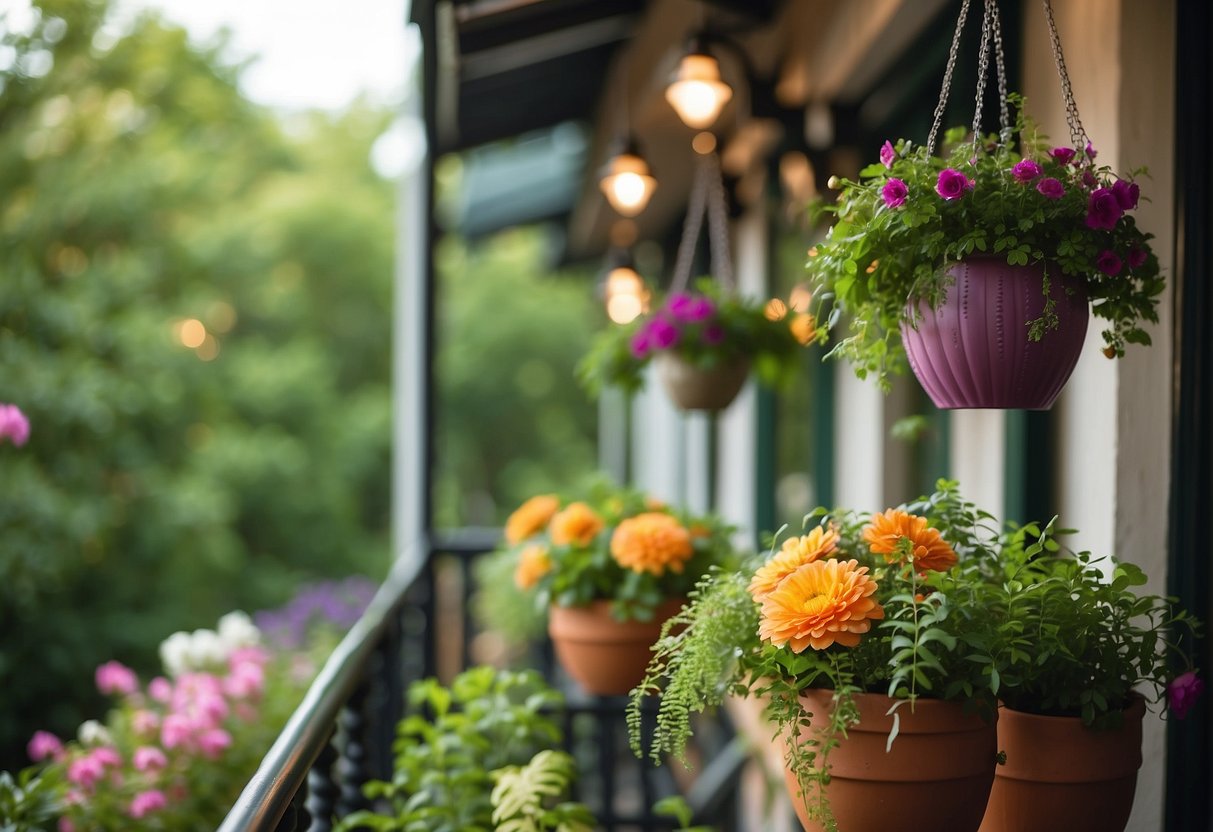
Creating a lush oasis by growing plants on a shaded balcony is both rewarding and aesthetically pleasing. When planning your balcony garden, consider incorporating a variety of container plants that thrive in low-light conditions. Leafy greens and trailing plants are excellent choices for adding layers and depth.
For a touch of refinement, include some ornamentals. Their unique foliage and blooms can elevate the visual interest of your space. When choosing containers, mix and match pots of different sizes and textures to create an appealing and cohesive look.
Fragrance is an important aspect that can enhance the sensory experience of your balcony garden. Plants like jasmine or gardenia will permeate your space with their delightful scents, turning your balcony into a fragrant retreat.
Consider these suggestions to boost the appeal of your shaded balcony:
- Trailing Plants: Place them high to cascade over the railing, adding movement and charm.
- Examples: English ivy, Fuchsia, Creeping Jenny
- Leafy Greens: Grow them in deeper pots to enjoy both their beauty and practicality.
- Examples: Lettuce, Spinach, Swiss chard
- Ornamentals: Add splashes of color with flowering shade-tolerant ornamentals.
- Examples: Impatiens, Begonias, Coleus
Choose plants wisely based on their light and water needs to ensure your balcony garden remains a joy rather than a chore. With thoughtful selection and care, your shaded balcony garden can be a delightful extension of your home.
Getting Started with Balcony Gardening
Embarking on your balcony gardening journey can be exciting, and even if you’re new to gardening, the process is quite straightforward. Your balcony offers a unique space that can transform into a green sanctuary with a bit of planning and care.
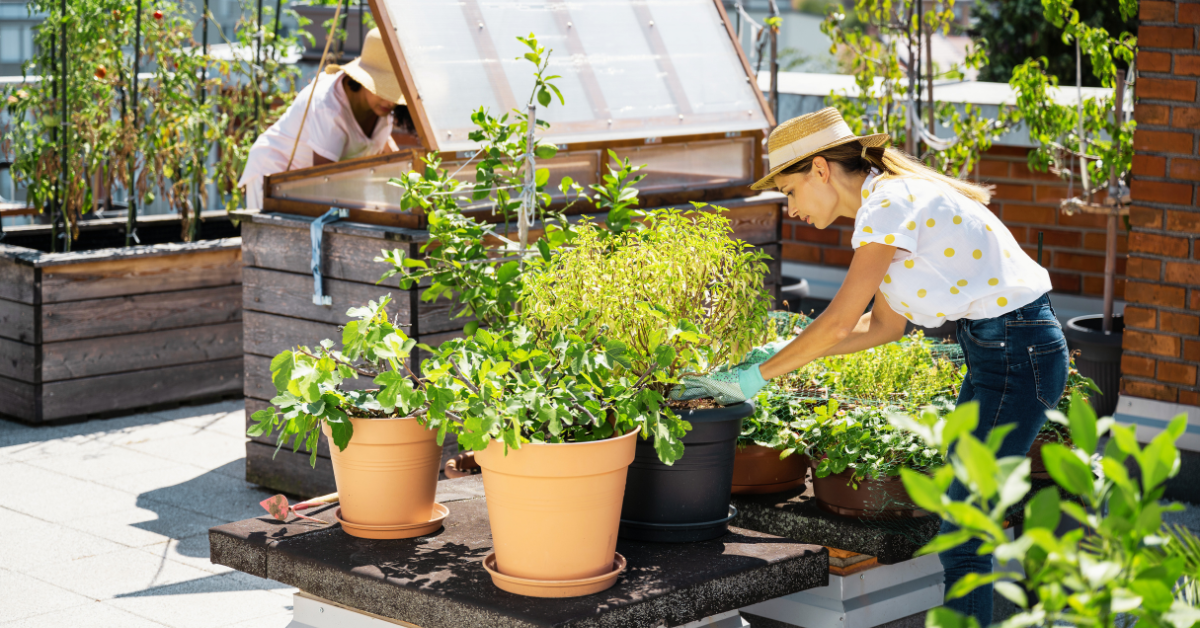
Selecting Your Containers: The foundation of your balcony garden is the containers. Opt for various sizes to accommodate different plant types. Ensure they have proper drainage to prevent waterlogged roots.
- Small pots: Ideal for herbs and small flowers.
- Medium pots: Good for larger herbs, dwarf vegetables, or a collection of smaller plants.
- Large containers: Best for a mini raised bed experience, allowing for deeper root growth and more extensive plants.
Choosing Your Plants: Since you’re growing plants on a shaded balcony, select plants that thrive in partial sun or shade. Consider growing peas and other shade-tolerant varieties such as lettuce or ferns.
Starting Seeds Indoors: Starting your seeds inside is often advantageous, especially if your outdoor conditions aren’t ideal yet. Use seed trays or small pots filled with seed starting mix, and keep them moist. Once they’ve sprouted and grown strong enough, transplant them to your balcony containers.
Caring for Your Garden: Regular care is key.
- Watering: Even in the shade, monitor moisture levels closely; containers dry out faster than traditional garden beds.
- Feeding: Use a balanced liquid fertilizer every couple of weeks to provide nutrients.
- Pruning: Trim any dead or yellowing leaves to keep plants healthy and encourage growth.
Remember, balcony gardening is a process of trial and error. Don’t be discouraged by setbacks, as they are opportunities to learn and grow as a gardener. Happy planting!
Advanced Techniques and Ideas
When designing your balcony garden, consider a tiered plant stand to create layers, making the most of vertical space. In an urban gardening setting, succulents are excellent space-savers, and their drought-tolerant nature means they’ll thrive even in a shaded area.
A living wall can bring life to your balcony and act as a focal point. You can incorporate a variety of plants, including ferns that adore the shade, and even edible herbs.
Here are some plants well-suited for your balcony:
- Mandevilla: These climbers are perfect for adding height and drama.
- Geraniums: Known for their colorful blooms and shade tolerance.
Remember, proper watering schedules and a reliable drainage system are key to ensuring your plants don’t experience root rot.
| Materials | Purpose |
|---|---|
| High-quality potting mix | Ensures proper drainage and root growth |
| Hydrogel crystals | Maintain moisture levels in the soil |
Finally, when planning your shaded oasis, think about textures. Mix glossy leaves with ferny, delicate ones to create visual interest. Growing plants on a shaded balcony will give you the lush, serene spot you dream of. Happy planting!