🪴Balcony Garden Paradise is reader-supported. When you buy through links on our site,
we may earn a small affiliate commission at no extra cost to you. As an Amazon Associate,
we earn from qualifying purchases. Happy Gardening from the team! 🌿
Are you looking for a way to spruce up your balcony and add some greenery to your space? Rattlesnake plants for your balcony garden can be a great way to create a relaxing oasis in the middle of the city. Whether you have a small balcony or a large one, you can create a beautiful garden that will provide you with fresh air, natural beauty, and a peaceful retreat.
One plant that can be a great addition to your balcony garden is the rattlesnake plant. This tropical plant is known for its striking foliage and unique patterns. It is a great choice for balconies because it can thrive in partial shade and doesn’t require a lot of maintenance. With a little bit of care, you can enjoy this beautiful plant all year round. For additional tips, follow this article: How to Grow and Care for Rattlesnake Plant. (source: The Spruce)

Key Takeaways
- A balcony garden can be a great way to create a relaxing oasis in the middle of the city.
- The rattlesnake plant is a great choice for balconies because it can thrive in partial shade and doesn’t require a lot of maintenance.
- With a little bit of care, you can enjoy this beautiful plant all year round.
Benefits of a Balcony Garden
If you have a balcony, you have the perfect opportunity to create a beautiful garden. Not only does a balcony garden add a touch of green to your living space, but it also offers several benefits. In this section, we will explore the health and environmental benefits of having a balcony garden.
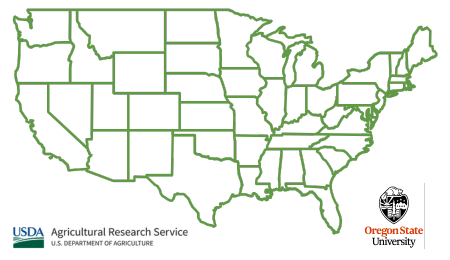
The 2023 USDA Plant Hardiness Zone Map was created by Oregon State University (PRISM Climate Group) and released by the USDA.
Health Benefits of a Balcony Garden
Having a balcony garden can provide several health benefits. For starters, plants are natural air purifiers. They absorb carbon dioxide and release oxygen, which can help improve the air quality in your home. Additionally, being around plants has been shown to reduce stress levels and boost mood. This is because plants release phytoncides, which are natural chemicals that have been shown to reduce stress and anxiety.
Furthermore, growing your own fruits and vegetables can provide you with fresh and healthy produce. This can help you save money on groceries and ensure that you are eating food that is free from harmful pesticides and chemicals.
Environmental Benefits of a Balcony Garden
A balcony garden can also offer several environmental benefits. For example, growing your own plants can help reduce your carbon footprint. This is because plants absorb carbon dioxide, which is a greenhouse gas that contributes to global warming. Additionally, growing your own produce can help reduce the amount of food that is transported long distances, which can help reduce carbon emissions.
Furthermore, a balcony garden can provide a habitat for local wildlife. By planting native plants, you can help attract birds, bees, and butterflies to your balcony. This can help promote biodiversity and support local ecosystems.
In conclusion, having a balcony garden can provide several benefits, both for your health and for the environment. Whether you are growing flowers, herbs, or vegetables, a balcony garden is a great way to add some green to your living space and make a positive impact on the world around you.
Choosing the Right Plants for Your Balcony Garden
When it comes to choosing plants for your balcony garden, there are a few considerations to keep in mind. Not all plants are suitable for growing in containers, and not all plants will thrive in the limited space and light conditions of a balcony. Here are some factors to consider when selecting plants for your balcony garden:
Considerations for Choosing Plants
- Light requirements: Balconies can vary in their exposure to sunlight, so it’s important to choose plants that will thrive in the amount of light your balcony receives. Some plants, like herbs and succulents, can tolerate partial shade, while others, like tomatoes and peppers, need full sun to produce fruit.
- Size and growth habit: Since space is limited on a balcony, it’s important to choose plants that won’t outgrow their containers or take up too much space. Look for compact varieties of plants, or consider pruning larger plants to keep them in check.
- Climate and weather conditions: Depending on where you live, your balcony garden may be exposed to harsh weather conditions like wind, rain, or extreme heat. Choose plants that are adapted to your climate and can withstand these conditions.
- Maintenance requirements: Some plants require more care and attention than others, so consider how much time and effort you’re willing to put into maintaining your balcony garden. If you’re short on time, look for low-maintenance plants like succulents or herbs.
Benefits of Rattlesnake Plants for Your Balcony Garden
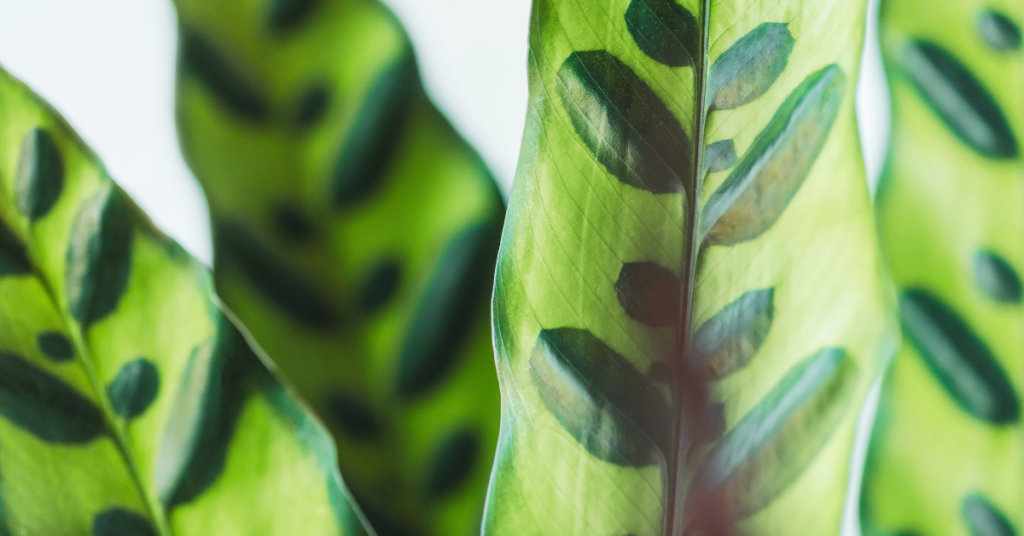
Rattlesnake plants (Calathea lancifolia) are a great choice for balcony gardens for several reasons. These tropical plants have striking foliage with bold, dark green leaves that are marked with wavy stripes of lighter green. Here are some of the benefits of growing rattlesnake plants on your balcony:
- Low light requirements: Rattlesnake plants can tolerate low light conditions, making them a great choice for balconies that don’t receive full sun.
- Air-purifying properties: Like many other plants, rattlesnake plants can help improve the air quality on your balcony by removing toxins like formaldehyde and benzene from the air.
- Low maintenance: Rattlesnake plants are relatively easy to care for and don’t require frequent watering or fertilizing.
- Attractive foliage: With their unique and eye-catching foliage, rattlesnake plants can add a touch of tropical flair to your balcony garden.
When choosing plants for your balcony garden, it’s important to consider factors like light requirements, size, climate, and maintenance needs. Rattlesnake plants are a great choice for balcony gardens thanks to their low light requirements, air-purifying properties, low maintenance needs, and attractive foliage.
To find out more about the Calathea lancifolia or Rattlesnake plant, check out this article from the Missouri Botanical Garden. (source: Missouri Botanical Garden)
Caring for Your Balcony Garden
As a balcony garden owner, you must take care of your plants to ensure they thrive. Here are some tips on how to care for your balcony garden.
Watering and Fertilizing Your Plants
Watering and fertilizing your plants is essential to their growth. Overwatering can lead to root rot, while underwatering can cause the plants to wilt. To ensure your plants receive the right amount of water, check the soil moisture level regularly. Stick your finger an inch deep into the soil, and if it feels dry, it’s time to water your plants.
When it comes to fertilizing your plants, use a balanced fertilizer every two weeks during the growing season. Follow the instructions on the package, and do not over-fertilize your plants, as this can lead to burnt roots.
Pest Control for Your Balcony Garden
Pests can be a problem for balcony gardens, especially if you live in a crowded urban area. To prevent pest infestations, keep your balcony garden clean and tidy. Remove any dead leaves or debris, as this can attract pests.
If you notice pests on your plants, use an insecticidal soap or neem oil to control the infestation. Follow the instructions on the package, and do not use too much, as this can harm your plants.
By following these tips, you can ensure that your balcony garden thrives and provides you with a beautiful outdoor space.
Growing Rattlesnake Plants in Your Balcony Garden
If you’re looking for a tropical plant to add to your balcony garden, the rattlesnake plant (Goeppertia insignis) is a great choice. This evergreen perennial native to Brazil is commonly grown as an indoor houseplant, but it can also thrive outdoors in warm, humid climates.
Planting and Propagating Rattlesnake Plants
Rattlesnake plants prefer well-draining soil that is rich in organic matter. When planting in a container, make sure it has drainage holes to prevent water from accumulating. You can also add perlite or sand to the soil mix to improve drainage.
Propagation of rattlesnake plants can be done through stem cuttings or leaf cuttings. To propagate through stem cuttings, take a cutting that is at least 4 inches long and has several leaves. Remove the bottom leaves and plant the cutting in moist soil. For leaf cuttings, cut a mature leaf into several 4-6 inch pieces and allow them to be callous for a few days before planting in soil.
Light and Temperature Requirements for Rattlesnake Plants

Rattlesnake plants prefer bright, indirect light. Direct sunlight can scorch the leaves, so it’s best to place them in a spot that receives filtered light or partial shade. They also prefer temperatures between 60-80°F (15-27°C), so make sure to protect them from cold drafts or extreme heat.
In summary, rattlesnake plants can be a beautiful addition to your balcony garden with their distinctive foliage and easy-to-care-for nature. With the right soil, light, and temperature conditions, you can enjoy these tropical plants for years to come.
Frequently Asked Questions
How to care for a rattlesnake plant in a balcony garden?
Rattlesnake plants thrive in warm, humid environments with indirect sunlight. When growing them on a balcony garden, it’s important to keep them away from direct sunlight and strong winds. They prefer temperatures between 60-85°F and require regular watering to keep the soil moist but not waterlogged. Fertilize them once every two weeks during the growing season.
What are common problems with rattlesnake plants in a balcony garden?
One of the most common issues with rattlesnake plants is the brown tips on their leaves. This can be caused by low humidity, overwatering, or exposure to cold drafts. They are also susceptible to spider mites, which can be treated with a mild soap solution. If you notice yellowing leaves, it may be a sign of overwatering or underwatering.
What is the ideal size of a rattlesnake plant for a balcony garden?
Rattlesnake plants can grow up to 30 inches tall and 18 inches wide, but they can also be grown in smaller containers. A 6-8 inch pot is ideal for a small balcony garden, while a larger pot can accommodate a larger plant.
How often should I water my rattlesnake plant in a balcony garden?
Rattlesnake plants require regular watering to keep the soil moist but not waterlogged. Water them once a week during the growing season and reduce watering frequency during the winter months. Make sure to check the soil moisture level before watering to avoid overwatering.
Can a rattlesnake plant be kept indoors?
Yes, rattlesnake plants can be kept indoors as long as they receive enough indirect sunlight and are protected from cold drafts and strong winds. They are great for adding a tropical touch to indoor and outdoor spaces alike.
What is the best location for rattlesnake plants for balcony gardens?
The best location for a rattlesnake plant in a balcony garden is a spot that receives bright, indirect sunlight and is protected from cold drafts and strong winds. They can also be grown in shadier spots, but they may not produce as much foliage. Keep them away from direct sunlight, which can scorch their leaves.
For more information about design, layout, care and maintenance, and plant selection for your balcony garden, we have some great articles to further your knowledge:
- Creating a Stunning Balcony Garden with Lavender
- The Art of Balcony Garden Design: Mastering Color Palette
- African Milk Tree is an Amazing Balcony Garden Plant: Growing and Caring for Your Succulent
- Sweet Alyssum: The Perfect Addition to Your Balcony Garden