🪴Balcony Garden Paradise is reader-supported. When you buy through links on our site,
we may earn a small affiliate commission at no extra cost to you. As an Amazon Associate,
we earn from qualifying purchases. Happy Gardening from the team! 🌿
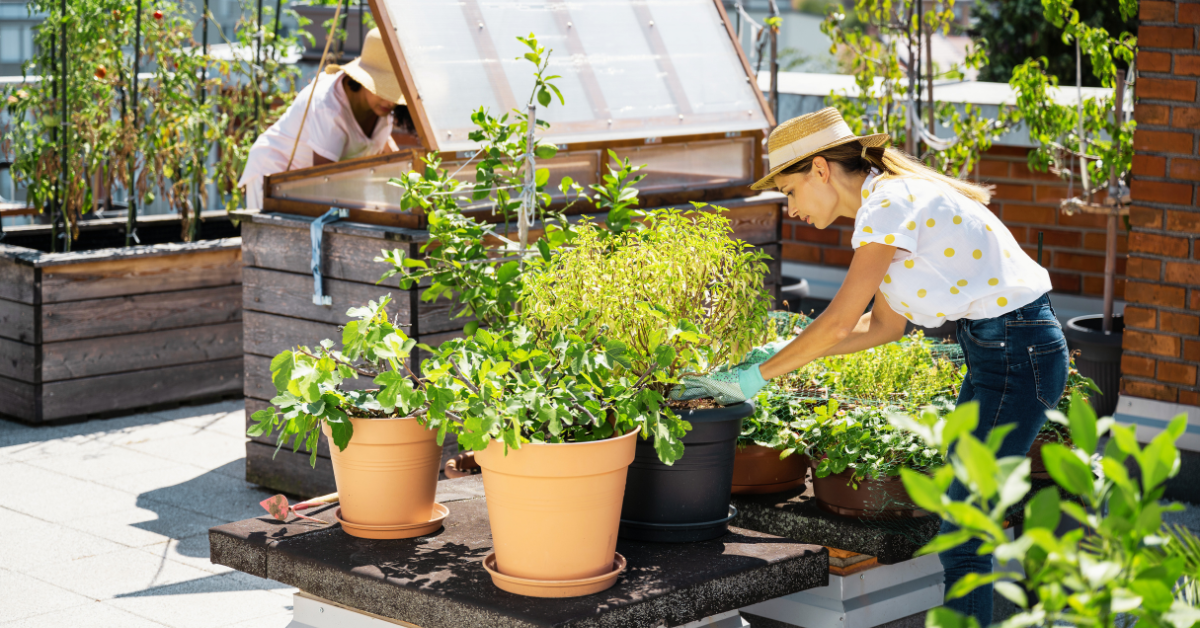
If you’re looking to create a beautiful and eco-friendly balcony garden, then choosing the right plants is crucial. Balcony garden plants for water conservation are a great way to reduce your water usage while still enjoying a lush and vibrant garden. By selecting plants that are well-suited to your local climate and soil conditions, you can create a garden that requires minimal watering and maintenance.

One of the best ways to conserve water in your balcony garden is to choose plants that are native to your area. These plants are naturally adapted to your local climate and soil conditions, which means they require less water to thrive. Additionally, native plants are often more resistant to pests and diseases, which means you’ll spend less time and money on maintenance. Some great native balcony garden plants for water conservation include succulents, cacti, and drought-tolerant herbs like lavender and rosemary.
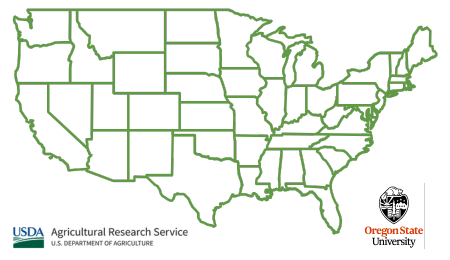
The 2023 USDA Plant Hardiness Zone Map was created by Oregon State University (PRISM Climate Group) and released by the USDA.
Another way to conserve water in your balcony garden is to choose plants that are well-suited to container gardening. Plants that are compact, slow-growing, and have shallow root systems are ideal for balconies, as they require less water and nutrients than larger plants. Some great eco-friendly garden plants for water conservation include cherry tomatoes, peppers, herbs, and flowers like marigolds and petunias. These are all some of the best eco-friendly garden plants. With a little bit of planning and research, you can create a beautiful and sustainable balcony garden that conserves water and adds value to your home.
Place a fountain, pool or small portable water feature near your patio for a cooling evaporation effect, and the soothing sound of moving water. Build an arbor and plant quick-growing vines at the base, or install a shade cloth. For more ideas, read: “Outdoor Entertaining in Your Balcony Garden: 5 Tips for a Big Party“.
Garden Plants for Water Conservation
If you are looking for ways to conserve water in your balcony garden, start by selecting the best eco-friendly garden plants available. Choosing the right plants is a great place to start. Here are some tips for selecting balcony garden plants for water conservation. Check out our article, “10 Best Water-Conserving Balcony Garden Plants” for more information.
Choosing the Right Plants
When choosing plants for your balcony garden, opt for drought-tolerant plants that require less water. Some great options for balcony garden plants for water conservation include tomatoes, thyme, basil, lettuce, lavender, jasmine, and mint. These are some of the best eco-friendly garden plants. You can also consider planting bulbs or seedlings for low-maintenance plants that require less watering.
Watering Techniques
Watering your plants properly is crucial for water conservation. Instead of using a watering can, consider using self-watering pots or an irrigation system to ensure that your plants receive the right amount of water. You can also make compost tea to help your plants retain moisture and nutrients.
Container Gardening Tips
When it comes to container gardening, drainage is key. Make sure your containers have adequate drainage holes to prevent drainage problems. You can also use good quality compost and potting soil to help your plants retain moisture. For larger containers, consider adding a water feature to help the soil stay moist.
When it comes to the best eco-friendly garden plants for water conservation, it’s important to consider the growing conditions of your balcony. If you have a sunny spot, opt for plants that thrive in full sunlight such as sweet alyssum, caladium, and roses. If you have a shady balcony, consider planting shade-loving plants like fuchsia and hydrangea.
To maximize your balcony space, consider vertical gardening or hanging baskets. You can also use windscreens or stake your plants to protect them from strong winds. It’s also important to monitor light levels and adjust your watering accordingly.
By choosing the right plants, using proper watering techniques, and following container gardening tips, you can create a beautiful balcony garden that conserves water. Balcony garden plants for water conservation can include a variety of herbs, vegetables, and flowers. With a little planning and effort, you can create a thriving balcony garden that is both beautiful and eco-friendly.
Getting Busy with Planting and Watering
Benefits of Water Conservation
Water conservation is an essential practice that can significantly benefit your balcony garden plants. By conserving water, you are not only saving money on your water bills but also helping the environment by reducing water waste. Here are some of the benefits of water conservation for your balcony garden plants:
Reduced Water Bills
By conserving water, you can significantly reduce your water bills. This is especially important if you live in an area where water is scarce or expensive. By using water-efficient methods like drip irrigation, you can reduce your water usage and save money in the long run.
Healthier Plants
Balcony garden plants that are watered efficiently are healthier and more vibrant. Overwatering can lead to root rot and other plant diseases, while underwatering can cause plants to wilt and die. By using water-efficient methods, you can ensure that your plants get the right amount of water they need to thrive.
Increased Yield
Water conservation can also lead to increased yield in your balcony garden plants. When plants are watered efficiently, they can absorb nutrients more effectively, which can lead to better growth and a higher yield. This is especially important if you are growing fruits and vegetables on your balcony.
Environmental Benefits
Water conservation also has significant environmental benefits. By reducing water waste, you are helping to conserve this precious resource and protect the environment. This is especially important in areas where water is scarce or where droughts are common.
“The single greatest lesson the garden teaches is that our relationship to the planet need not be zero-sum, and that as long as the sun still shines and people still can plan and plant, think and do, we can, if we bother to try, find ways to provide for ourselves without diminishing the world.”
– Michael Pollan
Now’s the time to assess the garden. Make a list of what needs to be divided or replaced, and take a few snapshots on your phone as a visual reminder. Note if a plant is too big or small for a particular spot, and when you see varieties that might work better together. Fall and spring are the best times to move plants around.
Maximizing Space on Your Balcony
When it comes to Balcony Garden Plants for Water Conservation, maximizing space is crucial. You want to make the most of the limited space you have while also ensuring that your plants have enough room to grow. Here are a few tips for maximizing space on your balcony:
Choosing the Right Containers
Choosing the right containers is essential when it comes to maximizing space on your balcony. You want to choose containers that are lightweight, durable, and can hold enough soil for your plants to grow. Consider using plastic or fiberglass containers instead of heavy clay or ceramic pots. These materials are lightweight and easy to move around if needed.
Hanging Baskets and Window Boxes
Hanging baskets and window boxes are great options for balcony gardens. They allow you to grow plants vertically, which saves space and adds visual interest to your balcony. Hanging baskets can be attached to the balcony railing or hung from the ceiling, while window boxes can be attached to the balcony wall. Make sure to choose plants that can tolerate direct sunlight if your balcony gets a lot of sun exposure.
Vertical Gardening
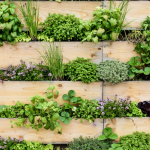
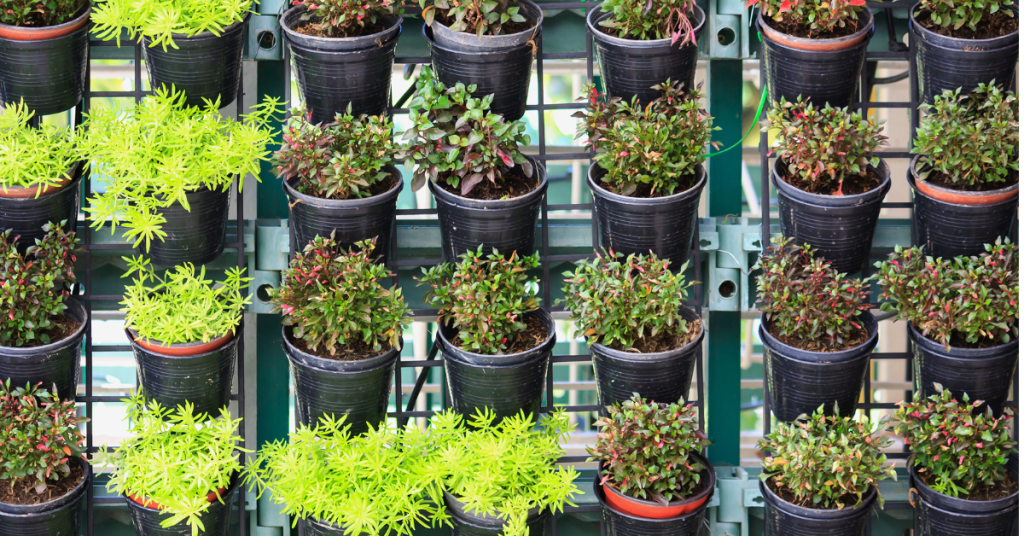
Vertical gardening is another great way to maximize space on your balcony. You can create a vertical garden by attaching pots or containers to a trellis or wall. This allows you to grow plants up instead of out, which saves space. Consider using trailing plants like ivy or ferns, which can grow down the sides of the containers and add visual interest to your balcony.
In conclusion, maximizing space on your balcony is essential when it comes to Balcony Garden Plants for Water Conservation. Choosing the right containers, using hanging baskets and window boxes, and vertical gardening are all great ways to make the most of your limited space. With a little creativity and planning, you can create a beautiful and functional balcony garden that will thrive for years to come.
Dealing with Drainage Issues
One of the biggest challenges when growing Balcony Garden Plants for Water Conservation is dealing with drainage issues. Poor drainage can lead to waterlogged soil, root rot, and other problems that can harm your plants. Here are some tips to help you address drainage issues and keep your plants healthy.
Drainage Holes and Soil Quality
First, make sure your planters have proper drainage holes. Without them, excess water will accumulate in the soil and cause problems. If your planters don’t have drainage holes, you can drill them yourself or use plastic planters with pre-drilled holes.
Next, pay attention to the quality of your soil. Soil that is too compacted or dense can impede drainage. Consider adding compost or other organic matter to your soil to improve its structure and drainage. You can also use compost tea to add beneficial microorganisms to your soil and improve its overall health.
Solving Drainage Problems
If you’re experiencing drainage problems, there are several solutions you can try. One option is to add a layer of gravel or other coarse material to the bottom of your planter to help improve drainage. Another option is to mix in perlite or vermiculite to your soil to help improve aeration and drainage.
You can also try raising your planters off the ground using pot feet or stands to improve drainage. If you’re using saucers under your planters, make sure to empty them regularly to prevent water from accumulating.
In some cases, you may need to repot your plants in fresh soil to address drainage issues. Make sure to choose a soil mix that is appropriate for your plants and has good drainage properties.
By taking steps to address drainage issues, you can help ensure that your Balcony Garden Plants for Water Conservation thrive and stay healthy.
Creating a Microclimate
To make your balcony garden plants thrive while conserving water, you can create a microclimate that mimics the conditions of their natural habitat. Here are a few ways to create a microclimate on your balcony:
Shelter and Windscreens
One way to create a microclimate is to provide shelter from the wind. Wind can cause plants to lose moisture quickly, which is especially important when it comes to balcony garden plants for water conservation. You can use walls, fences, or other structures to block the wind and keep your plants protected.
Another option is to use a windscreens. A windscreen can be made from a variety of materials, such as shade cloth or plastic. It can be attached to the balcony railing or to the walls to provide a barrier against the wind.
Water Features
Water features can also help create a microclimate on your balcony. It holds heat and absorbs it, which can help regulate the temperature on your balcony. It can reduce highs and lows in evening temperatures and increase local humidity. Larger bodies of water, such as a small pond, can impact your microclimate the most. However, even a small water feature, such as a fountain or birdbath, can make a difference.
In addition to regulating temperature and humidity, water features can also provide a source of water for your plants. You can collect rainwater in a barrel or use a drip irrigation system to water your plants. This can help conserve water and reduce your water bill.
Creating a microclimate on your balcony can make a big difference in the health and growth of your balcony garden plants for water conservation. By providing shelter from the wind and incorporating water features, you can create a more hospitable environment for your plants to thrive.
Conclusion
By practicing water conservation in your balcony garden, you can reap numerous benefits. From saving money on water bills to growing healthier plants and protecting the environment, water conservation is a win-win for everyone. By using water-efficient methods like drip irrigation, mulching, and choosing the right balcony garden plants for water conservation, you can create a beautiful and sustainable garden that you can enjoy for years to come. For more information, we invite you to take read the article “Sustainable garden ideas – 28 ways to create an eco-friendly garden”. (source: homeandgardens.com)