🪴Balcony Garden Paradise is reader-supported. When you buy through links on our site,
we may earn a small affiliate commission at no extra cost to you. As an Amazon Associate,
we earn from qualifying purchases. Happy Gardening from the team! 🌿
If you’re looking for a way to fertilize your garden without spending a lot of money, natural fertilizers made from household items might be the answer. DIY fertilizers are a great way to reduce waste and make use of items you might otherwise throw away. Organic and homemade fertilizers can also be a good choice if you’re trying to avoid synthetic chemicals.
There are many different household items that can be used to make natural fertilizers. For example, eggshells can be crushed and added to soil to provide calcium, which is important for plant growth. Coffee grounds are another popular choice, as they add nitrogen to the soil and can help improve soil structure. Other items that can be used include banana peels, fish tank water, and even human hair! By using these items, you can create nutrient-rich soil that will help your plants thrive.

For some really interest ideas, check out this online article: “15 Easy Organic Fertilizers to Make at Home“. (source: SUSTAINABLE HOLLY)

The 2023 USDA Plant Hardiness Zone Map was created by Oregon State University (PRISM Climate Group) and released by the USDA.
Understanding Natural Fertilizers
If you want to improve the health of your garden or houseplants, natural fertilizers can be a great option. Unlike synthetic fertilizers, natural fertilizers are made from organic materials that can help to improve soil health and provide plants with the nutrients they need to thrive. Here are some things to keep in mind when using natural fertilizers:
Types of Natural Fertilizers
There are many different types of natural fertilizers that you can use in your garden or for your houseplants. Some of the most common options include:
- Compost: Composting is a process that involves breaking down organic materials such as food scraps, leaves, and grass clippings to create a nutrient-rich soil amendment that can be used as a natural fertilizer.
- Manure: Animal manure is a great source of nitrogen, phosphorus, and potassium, which are essential nutrients for plant growth.
- Coffee grounds: Used coffee grounds are rich in nitrogen, making them a great natural fertilizer for plants that need a nitrogen boost.
- Eggshells: Crushed eggshells are a great source of calcium, which can help to prevent blossom end rot in tomatoes and other plants.
Benefits of Natural Fertilizers
Using natural fertilizers can offer a number of benefits for your plants and the environment. Some of the key advantages of natural fertilizers include:
- Improved soil health: Natural fertilizers can help to improve soil structure, increase water retention, and promote the growth of beneficial microorganisms.
- Reduced environmental impact: Unlike synthetic fertilizers, natural fertilizers do not contain harmful chemicals that can leach into groundwater or harm wildlife.
- Cost-effective: Many natural fertilizers can be made from household items or purchased inexpensively, making them a cost-effective alternative to synthetic fertilizers.
Tips for Using Natural Fertilizers
If you’re new to using natural fertilizers, here are a few tips to keep in mind:
- Use the right amount: Too much fertilizer can be harmful to plants, so be sure to follow the recommended application rates.
- Apply at the right time: Different types of natural fertilizers should be applied at different times of the year, so be sure to do your research before applying.
- Mix well: If you’re using a homemade natural fertilizer, be sure to mix it well before applying to ensure that the nutrients are evenly distributed.
- Be patient: Natural fertilizers may take longer to work than synthetic fertilizers, so be patient and give your plants time to respond to the new nutrients.
By understanding the benefits and best practices for using natural fertilizers, you can help to promote healthy plant growth while minimizing your impact on the environment.
Benefits of Homemade Fertilizers
Natural and homemade fertilizers are an excellent alternative to commercial fertilizers. They are cost-effective, easy to make, and environmentally friendly. Here are some of the benefits of using homemade fertilizers:
Organic Fertilizers
Organic fertilizers are made from natural sources such as manure, compost, bone meal, and fish emulsion. They are rich in nutrients and essential minerals that plants need to grow healthy and strong. Homemade organic fertilizers are free from harmful chemicals and pesticides, making them safe for both you and your plants.
Cost-Effective
Homemade fertilizers are a cost-effective alternative to commercial fertilizers. You can make them using household items such as eggshells, coffee grounds, banana peels, and vegetable scraps. Using these items as fertilizers saves you money on expensive commercial fertilizers.
Environmentally Friendly
Homemade fertilizers are environmentally friendly. They are made from natural materials that are biodegradable and do not harm the environment. Commercial fertilizers, on the other hand, contain harmful chemicals that can pollute waterways and harm wildlife.
Improves Soil Quality
Homemade fertilizers improve soil quality. They add organic matter to the soil, which helps retain moisture and nutrients. This, in turn, leads to healthier plants that are more resistant to pests and diseases.
Customizable
Homemade fertilizers are customizable. You can make them to suit the specific needs of your plants. For example, if your plants need more nitrogen, you can add more nitrogen-rich materials to your fertilizer mix.
In conclusion, homemade fertilizers are a great alternative to commercial fertilizers. They are cost-effective, environmentally friendly, and customizable. Making your own fertilizers is easy and fun, and it can improve the health and vitality of your plants.
Common Household Items for Fertilizers
If you’re looking to make your own natural fertilizers from household items, you’re in luck! There are plenty of common items that can be repurposed as DIY fertilizers for your garden or houseplants.
Coffee Grounds
One popular option is coffee grounds. Used coffee grounds are rich in nitrogen, which is essential for plant growth. Simply sprinkle the grounds around the base of your plants or mix them into the soil. You can also make a liquid fertilizer by steeping the grounds in water for a few days and then using the resulting mixture to water your plants.
Eggshells
Another household item that can be used as a fertilizer is eggshells. Crushed eggshells are a great source of calcium, which is important for strong cell walls in plants. You can sprinkle the crushed shells around the base of your plants or mix them into the soil.
Banana Peels
Banana peels are another great option for DIY fertilizers. They are rich in potassium, which is important for flower and fruit development. Simply chop up the peels and bury them in the soil around your plants.
Seaweed
If you have access to seaweed, it can also be used as a natural fertilizer. Seaweed is rich in micronutrients and minerals that are important for plant growth. You can either dry the seaweed and grind it into a powder to sprinkle on your plants, or you can make a liquid fertilizer by soaking the seaweed in water for a few days and then using the resulting mixture to water your plants.
Other Ideas
Other household items that can be used as natural fertilizers include:
- Epsom salt (rich in magnesium)
- Wood ash (rich in potassium)
- Hair clippings (rich in nitrogen)
- Fireplace ash (rich in calcium)
By repurposing common household items as natural fertilizers, you can save money and reduce your environmental impact. Plus, your plants will thank you for the extra nutrients!
How to Make Natural Fertilizers at Home
Making natural fertilizers at home is an easy and cost-effective way to improve the health of your plants and garden. DIY fertilizers can be made from household items and waste that would otherwise be thrown away, making them an eco-friendly alternative to store-bought fertilizers.
Homemade Fertilizers
Homemade fertilizers can be made from a variety of household items, such as:
- Coffee grounds: Rich in nitrogen, coffee grounds can be added directly to soil or used to make a liquid fertilizer.
- Eggshells: Crushed eggshells are a great source of calcium and can be added to soil or used to make a liquid fertilizer.
- Banana peels: High in potassium, banana peels can be chopped up and added directly to soil or used to make a liquid fertilizer.
- Epsom salt: Rich in magnesium, Epsom salt can be added to soil or used to make a liquid fertilizer.
Natural Fertilizers
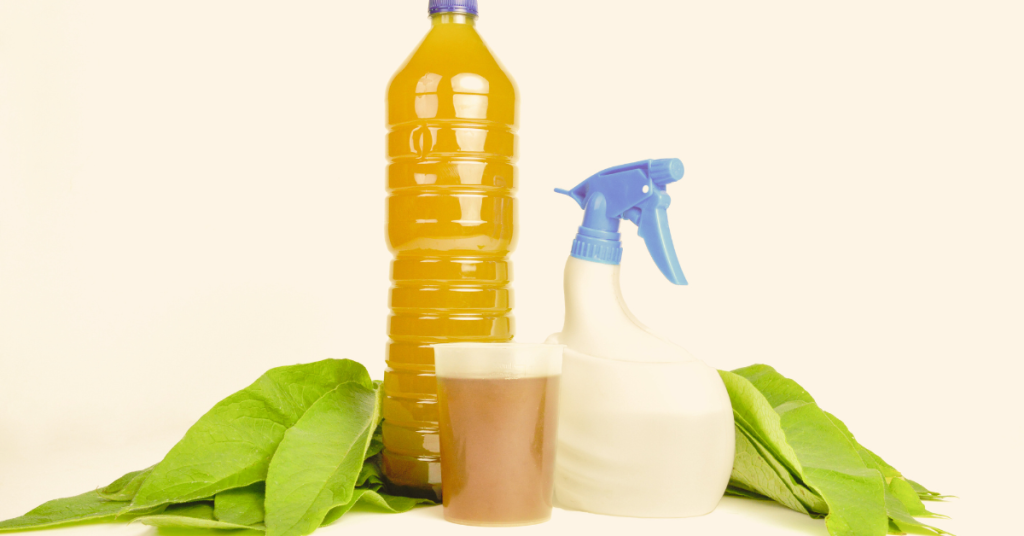
Natural fertilizers can also be made from organic waste, such as:
- Compost: Made from food scraps, yard waste, and other organic matter, compost is a nutrient-rich soil amendment that can be added to soil or used to make a liquid fertilizer.
- Manure: Animal manure, such as cow or chicken manure, is a great source of nitrogen, phosphorus, and potassium. It can be added directly to soil or used to make a liquid fertilizer.
- Fish emulsion: Made from fish waste, fish emulsion is a high-nitrogen liquid fertilizer that can be used to feed plants throughout the growing season.
Tips for Making Natural Fertilizers
When making natural fertilizers at home, it’s important to keep a few things in mind:
- Use organic waste that is free of pesticides and other chemicals.
- Follow proper composting techniques to avoid odors and pests.
- Use natural fertilizers in moderation to avoid over-fertilizing and damaging plants.
- Always test soil pH levels before adding natural fertilizers to ensure they are appropriate for your plants.
By making your own natural fertilizers at home, you can save money, reduce waste, and improve the health of your plants and garden.
Application of Homemade Fertilizers
Now that you have learned about the different types of natural fertilizers that you can make from household items, it is time to learn how to apply them to your plants. Applying homemade fertilizers is not difficult, and it can be done in a few easy steps.
First, you need to determine the appropriate amount of fertilizer to use. This will depend on the size of your plant and the type of fertilizer you are using. As a general rule, you should apply about 1/4 to 1/2 cup of fertilizer per plant.
Next, you will need to mix the fertilizer with water. You can do this in a watering can or a spray bottle, depending on your preference. If you are using a watering can, mix the fertilizer with water according to the instructions on the package. If you are using a spray bottle, mix the fertilizer with water in a ratio of 1:10.
Once you have mixed the fertilizer with water, you can apply it to your plants. If you are using a watering can, pour the fertilizer mixture around the base of the plant. If you are using a spray bottle, spray the fertilizer mixture onto the leaves of the plant.
It is important to note that you should only apply homemade fertilizers to your plants once a month. Over-fertilizing your plants can be harmful and may cause them to grow too quickly, which can lead to weak stems and poor fruit production.
In summary, applying homemade fertilizers to your plants is a simple process that can help to promote healthy growth and increase yields. By following the steps outlined above, you can ensure that your plants receive the nutrients they need to thrive.
Precautions and Tips
When making your own natural fertilizers from household items, there are some precautions and tips to keep in mind to ensure that your plants receive the nutrients they need without any negative consequences.
DIY Fertilizers
If you are making your own DIY fertilizers, it is important to keep in mind that not all household items are safe for use as fertilizer. Some items, such as meat, dairy, and oils, can attract pests and lead to unpleasant odors. Additionally, some items, such as citrus peels, can be too acidic for certain plants.
To avoid any negative consequences, it is best to stick to using items such as coffee grounds, eggshells, and vegetable scraps. These items are safe and effective for use as natural fertilizers.
Organic Fertilizers
When using organic fertilizers, it is important to choose a product that is certified organic. This will ensure that the product is free from synthetic chemicals and pesticides that can harm your plants and the environment.
It is also important to follow the instructions on the label carefully. Using too much fertilizer can lead to nutrient burn, which can damage or even kill your plants. On the other hand, using too little fertilizer may not provide your plants with the nutrients they need to thrive.
General Tips
Here are some general tips to keep in mind when using natural fertilizers:
- Always test your soil before applying fertilizer to determine what nutrients your plants need.
- Apply fertilizer evenly and avoid applying it too close to the stem of the plant.
- Water your plants after applying fertilizer to help the nutrients reach the roots.
- Store your fertilizer in a cool, dry place away from children and pets.
By following these precautions and tips, you can ensure that your plants receive the nutrients they need to grow healthy and strong without any negative consequences.
Conclusion
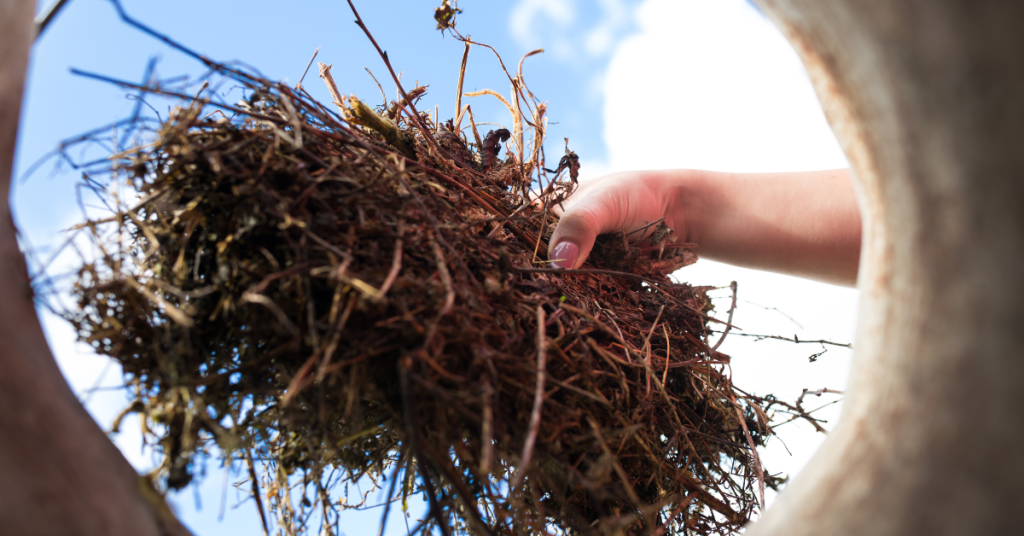
In this article, you have learned about the benefits of using natural fertilizers made from household items. DIY fertilizers are a great way to reduce waste and provide your plants with the nutrients they need to thrive. Organic fertilizers, such as compost and manure, are also effective and environmentally friendly options.
By making your own homemade fertilizers, you can save money and avoid the use of harmful chemicals found in many commercial fertilizers. Household items such as eggshells, coffee grounds, and banana peels can be used to create nutrient-rich fertilizers that are safe for both you and your plants.
When making your own natural fertilizers, it is important to follow proper guidelines and ratios to ensure that your plants receive the right amount of nutrients. Be sure to research and experiment with different ingredients to find the best combination for your specific plants and soil type.
Overall, natural fertilizers are a sustainable and effective way to promote healthy growth in your garden. Whether you choose to use DIY, organic, or homemade fertilizers, you can rest assured that you are providing your plants with the nutrients they need to thrive.
For more ideas, check out some of our other articles:
- DIY Fertilizers: How to Make Your Own Nutrient-Rich Soil Additives
- Balcony Gardening for Beginners: What You Need to Know