🪴Balcony Garden Paradise is reader-supported. When you buy through links on our site,
we may earn a small affiliate commission at no extra cost to you. As an Amazon Associate,
we earn from qualifying purchases. Happy Gardening from the team! 🌿
If you’re looking for a unique and eye-catching addition to your garden, you might want to consider the elephant ear plant. Known for their large, striking leaves that resemble the ears of an elephant, they are a great addition to your balcony garden. They come in a variety of colors and sizes, making them a versatile choice for any garden.
One of the benefits of elephant ears is that they are relatively easy to care for. They thrive in moist, well-drained soil and prefer partial shade to full sun. With the right conditions, they can grow quite quickly and provide a dramatic focal point in your garden. They are also relatively low-maintenance, requiring little pruning or other upkeep.

In addition to their aesthetic appeal, elephant ear plants have a number of other potential benefits. For example, some studies have suggested that they may be useful for producing bioethanol, a renewable energy source. Other research has explored the potential medicinal properties of elephant ears.

The 2023 USDA Plant Hardiness Zone Map was created by Oregon State University (PRISM Climate Group) and released by the USDA.
🍃How to Plant Elephant Ears – Y Garden 🍃
Understanding Elephant Ear Plants
In this section, we will explore the origins, habitat, species, and physical characteristics of the elephant ear to help you better understand this fascinating plant.
Origins and Habitat
Elephant ear plants are native to tropical and subtropical regions of the world, including Asia, Africa, and the Americas. You can find these plants in wetlands, marshes, and along riverbanks. These plants thrive in warm, humid climates and require plenty of water to grow.
Species and Varieties
There are several species of elephant ears, including Alocasia, Colocasia, and Xanthosoma. Each species has its own unique characteristics and growing requirements. Within each species, there are also numerous varieties to choose from, each with its own distinctive leaf shape, size, and color.
Physical Characteristics
Elephant ear plants have large, heart-shaped leaves that can grow up to three feet long. The leaves are typically glossy and may be solid green or variegated with white, yellow, or pink. The stems of the plant are often thick and fleshy and may be green, brown, or black.
In addition to their striking appearance, elephant ear plants are also known for their ability to purify the air. These plants can help remove harmful toxins from the air, making them a great addition to any indoor space.
Overall, elephant ears are a unique and beautiful addition to any garden or indoor space. With their large, striking leaves and air-purifying properties, they are sure to be a conversation starter.
Growing Elephant Ear Plants
If you’re looking for a plant that’s easy to grow and adds a tropical flair to your garden, consider the elephant ear plant. With its large, heart-shaped leaves, it’s a striking addition to any landscape. In this section, we’ll go over the ideal growing conditions, planting instructions, and care and maintenance for elephant ears.
Ideal Growing Conditions
Elephant ear plants thrive in warm, humid conditions and prefer partial shade to full sun. They require well-draining soil that’s rich in organic matter. Keep the soil consistently moist, but not waterlogged, to ensure healthy growth. If you live in a cooler climate, you can grow elephant ears in containers and move them indoors during the winter.
Planting Instructions
Plant elephant ear bulbs or rhizomes in the spring, once the soil has warmed up. Choose a location that receives partial shade to full sun and has well-draining soil. Dig a hole that’s twice the size of the bulb or rhizome and plant it with the pointed end facing up. Cover with soil and water thoroughly. Space plants about 2 to 3 feet apart to give them room to grow.
Care and Maintenance
To keep your elephant ear plants looking their best, follow these care and maintenance tips:
- Water regularly to keep the soil moist, but not waterlogged.
- Fertilize with a balanced fertilizer every 4 to 6 weeks during the growing season.
- Mulch around the base of the plants to help retain moisture and suppress weeds.
- Remove any dead or damaged leaves as needed to keep the plants looking tidy.
- In cooler climates, dig up the bulbs or rhizomes in the fall and store them indoors over the winter.
With the right growing conditions and care, your elephant ears will thrive and add a touch of the tropics to your garden.
Potential Problems
Elephant ear plants are generally easy to care for, but they can still experience some potential problems. In this section, we will discuss some of the common diseases, pest issues, and environmental challenges that you may encounter when growing elephant ears.
Common Diseases
Elephant ears are susceptible to a few common diseases, including:
- Bacterial leaf spot: This disease is caused by bacteria and results in brown spots on the leaves. You can treat this with a copper-based fungicide.
- Fungal leaf blight: This disease is caused by a fungus and results in brown spots on the leaves. It can be treated with a fungicide.
- Root rot: This disease is caused by overwatering and can lead to the death of the plant. It is important to ensure that the soil is well-draining and not watered too frequently.
Pest Issues
Elephant ear plants can also be affected by a few common pests, including:
- Spider mites: These tiny pests can cause yellowing and stippling on the leaves. They can be treated with insecticidal soap or neem oil.
- Mealybugs: These pests look like small cotton balls and can cause stunted growth and yellowing of the leaves. They can be treated with insecticidal soap or neem oil.
- Scale insects: These pests can cause yellowing and distorted growth on the leaves. Treat them with insecticidal soap or neem oil.
Environmental Challenges
Finally, elephant ears can also face some environmental challenges, including:
- Extreme temperatures: Elephant ears prefer temperatures between 60-85°F (15-29°C). Temperatures outside of this range can cause stress on the plant.
- Wind damage: Elephant ear plants have large leaves that can be damaged by strong winds. It is important to protect the plant from windy conditions.
- Overwatering: Elephant ears prefer moist soil, but overwatering can lead to root rot. It is important to ensure that the soil is well-draining and not watered too frequently.
Overall, with proper care and attention, you can prevent and treat these potential problems to keep your elephant ear plants healthy and thriving.
Uses of Elephant Ear Plants
Elephant ear plants are versatile plants that are used in a variety of ways. Here are some common uses of elephant ear plants:
Landscaping
Elephant ear plants are popular in landscaping due to their large leaves and unique shape. Add texture and interest to gardens, borders, and even as a focal point in a landscape design. Plant them in groups or as a single specimen plant. Elephant ear plants prefer moist, well-drained soil and partial shade.
Indoor Decoration
Elephant ears are also used as indoor decoration. They are a popular choice for adding a tropical feel to a room. You can grow these plants in pots. Place by a window or in a bright, well-lit room. elephant ear plants can create a living wall or as a statement piece in a large room.
Conclusion


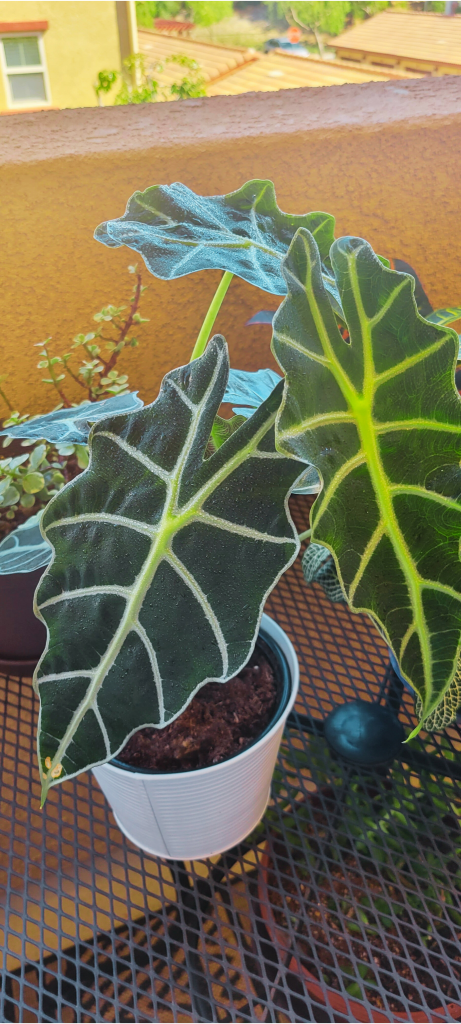
In summary, Elephant Ear plants are a popular choice for gardeners due to their unique and attractive foliage. These plants are native to tropical regions and can thrive in moist soil and warm temperatures. You can use them for ornamental purposes in landscaping and indoor decoration.
One important thing to note is that Elephant Ears contain calcium oxalate crystals, which can cause skin irritation and poisoning if ingested. Therefore, it is important to handle these plants with care and keep them out of reach of children and pets.
There are various studies that have been conducted on elephant ear plants, including their potential use as a source of lignocellulosic feedstock for bioethanol production. (source: Advancement of fermentable sugars from fresh elephant ear plant weed for efficient bioethanol production) We need more research to fully understand the potential benefits and drawbacks of using this plant for such purposes.
Overall, elephant ears can be a beautiful addition to any garden or indoor space, but it is important to be aware of their potential hazards and handle them with care.
Frequently Asked Questions
Are elephant ear plants poisonous to pets or humans?
Elephant ear plants are toxic to both pets and humans if ingested. The plant contains calcium oxalate crystals that can cause irritation and swelling of the mouth and throat, leading to difficulty breathing. Ingesting large quantities of the plant can cause more severe symptoms, including vomiting, diarrhea, and even death. It’s important to keep these plants out of reach of children and pets.
How do I care for elephant ear plants indoors?
To care for elephant ears indoors, make sure they are in a pot with well-draining soil and placed in a location with bright, indirect light. Water the plant regularly, keeping the soil moist but not waterlogged. You can also mist the leaves to increase humidity. Fertilize the plant every two to three weeks during the growing season with a balanced fertilizer.
Do elephant ears spread and how do I control them?
Elephant ear plants can spread quickly through their underground tubers, so it’s important to control their growth if you don’t want them to take over your garden. You can do this by digging up the tubers and removing any new growth. Alternatively, you can plant the tubers in containers to limit their spread.
What are common problems with indoor elephant ears?
Common problems with indoor elephant ear plants include yellowing leaves, which can be a sign of overwatering or inadequate drainage. The plant is susceptible to spider mites and mealybugs. You can be treat this with insecticidal soap.
What is the maximum size of elephant ears when grown indoors?
The maximum size of elephant ear plants when grown indoors depends on the variety of the plant and the conditions in which it is grown. Some varieties can grow up to 6 feet tall and have leaves that are over 3 feet long. However, most indoor elephant ear plants will be smaller than this.
Do elephant ear plants thrive in sun or shade?
Elephant ear plants prefer partial shade to full shade, but they can also tolerate some sunlight. Place the plant in a location with bright, indirect light if you are growing them indoors. Protect your plant from direct sunlight during the hottest parts of the day.
Related Articles:
- Balcony Garden Verbena: Tips for Growing and Caring for this Beautiful Plant
- Sweet Alyssum: The Perfect Addition to Your Balcony Garden
- Growing a Thriving Balcony Garden with Rattlesnake Plants
- Creating a Stunning Balcony Garden with Lavender