🪴Balcony Garden Paradise is reader-supported. When you buy through links on our site,
we may earn a small affiliate commission at no extra cost to you. As an Amazon Associate,
we earn from qualifying purchases. Happy Gardening from the team! 🌿
If you have a balcony garden, you may think that winter means the end of your gardening season. However, there are many winter plants that will thrive in colder temperatures. By adding winter plants to your balcony garden, you can enjoy fresh greenery and even some colorful blooms throughout the winter months.
Winter plants for your balcony garden can include evergreens, such as pine and spruce, which will provide year-round greenery. You can also add plants with colorful berries, like holly and wintergreen, to add a pop of color to your balcony. Pansies are another great option for winter plants, as they can withstand cold temperatures and come in a variety of colors.

When choosing winter plants for your balcony garden, it’s important to consider the specific conditions of your balcony, such as the amount of sunlight it receives and the temperature fluctuations it experiences. By selecting plants that are well-suited to your balcony’s conditions, you can ensure that your winter garden thrives throughout the season. With a little bit of planning and care, you can create a beautiful and thriving winter garden on your balcony.

The 2023 USDA Plant Hardiness Zone Map was created by Oregon State University (PRISM Climate Group) and released by the USDA.
Understanding Winter Plants for Balcony Gardens
When it comes to preparing your balcony garden for winter, choosing the right plants is crucial. Winter plants are those that can survive and thrive in cold temperatures, frost, and even snow. In this section, we’ll cover the basics of winter plants for balcony gardens and what to look for when selecting plants that will survive the winter.
Characteristics of Winter Plants
Winter plants are typically hardy and can withstand cold temperatures. They are also known for their ability to retain moisture, which is important during the winter months when water is scarce. Some winter plants that will thrive in the colder months are evergreen, meaning they keep their leaves all year round, while others are deciduous, meaning they shed their leaves in the fall.
Best Winter Plants for Balcony Gardens
There are many winter plants that are suitable for balcony gardens. Here are some of the best options:
- Pansies: Pansies are hardy and can withstand cold temperatures. They come in a variety of colors and are perfect for adding a splash of color to your balcony garden.
- Hellebores: Hellebores are evergreen and produce beautiful flowers in shades of pink, purple, and white. They are also known as Christmas roses because they bloom in the winter months.
- Cyclamen: Cyclamen are known for their unique, heart-shaped leaves and colorful flowers. They prefer cooler temperatures and are perfect for balcony gardens in colder climates.
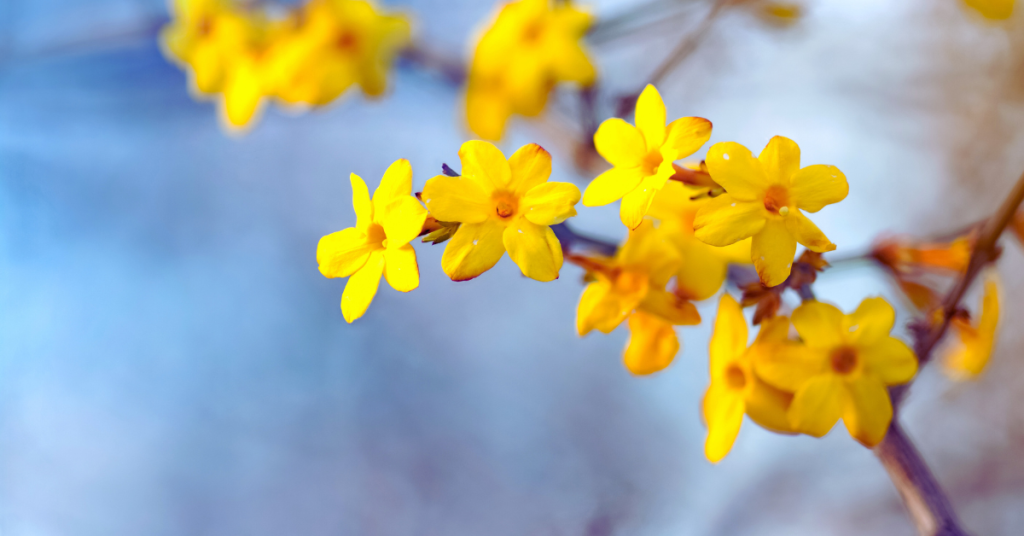
- Winter Jasmine: Winter jasmine is a deciduous plant that produces yellow flowers in the winter months. It is perfect for adding a pop of color to your balcony garden during the winter.
Tips for Growing Winter Plants that Will Thrive on Your Balcony
To ensure your winter plants will be happy on your balcony, here are some tips to keep in mind:
- Choose plants that are suitable for your climate.
- Plant in well-draining soil to prevent waterlogging.
- Water regularly but avoid overwatering.
- Fertilize sparingly during the winter months.
- Protect your plants from harsh winds and extreme temperatures.
By selecting the right winter plants and following these tips, you can create a beautiful and thriving balcony garden even during the coldest months of the year.
Choosing the Right Plants
When selecting plants for your winter balcony garden, there are several factors to consider. You want to choose plants that can withstand cold temperatures, wind, and snow. Additionally, you want to select plants that will add interest and color to your space. Here are some sub-sections to help you choose the right plants for your winter balcony garden.
Evergreens and Shrubs
Evergreens and shrubs are excellent choices for winter balcony gardens. They provide year-round interest and can withstand cold temperatures. Some popular evergreen shrubs include holly, boxwood, and camellia. These plants have glossy green foliage that will add color and texture to your balcony. Additionally, they can be pruned into various shapes to create a unique look.
Flowering Plants
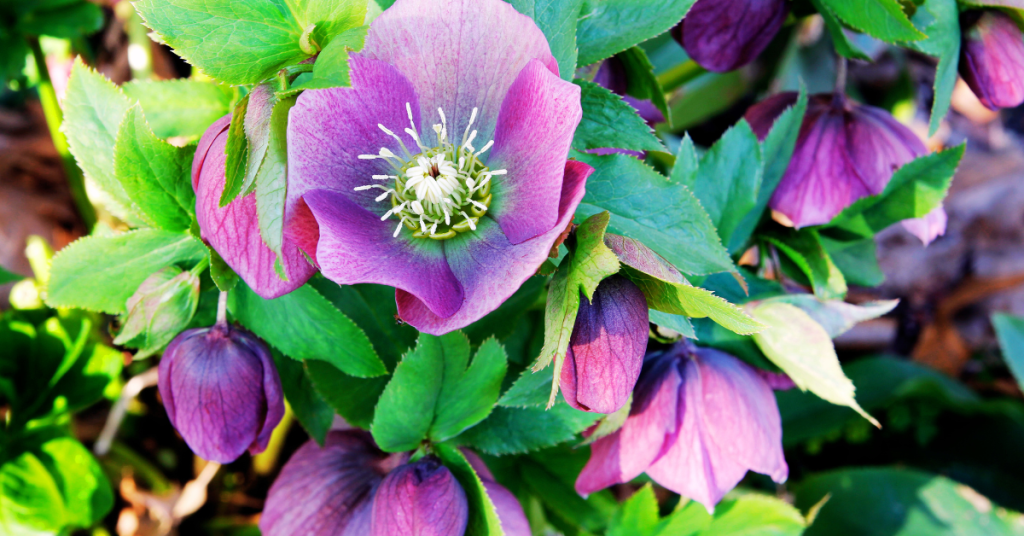
Flowering plants can add a pop of color to your winter balcony garden. Some popular winter flowering plants include hellebores, crocus, and winter jasmine. These perennials and bulbs will bloom throughout the winter months, providing interest and color to your balcony. You can also consider planting climbing plants such as jasmine or ivy.
Foliage and Ornamental Plants
Foliage and ornamental plants can add interest and texture to your winter balcony garden. Ornamental kale and cabbage have colorful foliage that can withstand cold temperatures. Coral bells (heuchera) have unique foliage that adds interest to any garden. Additionally, you can consider planting evergreen foliage plants such as ivy or English ivy. These plants will provide year-round interest and can be trained to climb a trellis.
In conclusion, when choosing plants for your winter balcony garden, consider plants that can withstand cold temperatures, wind, and snow. Additionally, select plants that will add interest and color to your space. By following these tips, you can create a beautiful and thriving winter balcony garden.
Caring for Your Winter Balcony Garden
If you live in a cold climate, you might think that your balcony garden has to be dormant during the winter months. However, with the right care, you can keep your outdoor plants healthy and thriving even in the colder weather. Here are some tips to help you care for your winter balcony garden.
Dealing with Frost and Snow
Frost and snow can be detrimental to your outdoor plants. To protect them, you can cover them with frost cloth or burlap. You can also add a layer of mulch around the base of your plants to help insulate them from the cold. If you have pots on your balcony, you can move them closer to the walls of your house to provide them with some shelter from the wind.
Ensuring Proper Drainage
Proper drainage is essential for the health of your plants. During the winter months, excess water can freeze and damage the roots of your plants. To prevent this, make sure that your pots have drainage holes and that the water can flow freely through them. You can also add a layer of gravel or sand to the bottom of your pots to help with drainage.
Maintaining Healthy Winter Plants That Will Thrive
To keep your plants healthy during the winter months, you need to make sure that they are getting enough sunlight and water. Some plants, like winterberry and sedums, are more tolerant of colder weather than others. Winter-flowering heathers, hellebores, and sarcococca are also good choices for a winter balcony garden.
In early spring, you can prune back any dead or damaged branches from your plants. You can also add some fertilizer to help encourage new growth. Remember to keep an eye on your plants throughout the winter months, and make adjustments as needed to ensure that they stay healthy.
With these tips, you can keep your winter balcony garden healthy and thriving. By choosing the right plants, providing proper drainage, and protecting them from frost and snow, you can enjoy a beautiful and vibrant outdoor space all year round.
Creating a Visually Appealing Winter Balcony Garden

Winter is a great time to add some color and life to your balcony garden. With the right plants and decorations, you can create a visually appealing winter balcony garden that will brighten up your home and lift your spirits. Here are some tips to help you get started.
Using Planters and Boxes
One of the easiest ways to create a winter balcony garden is to use planters and boxes. Winter planters and containers come in a variety of shapes and sizes, and they are perfect for growing a wide range of plants. You can use them to grow flowers, herbs, and even small trees. Winter planters and boxes are also a great way to add some height and dimension to your balcony garden.
Adding Ornaments and Decorations
Ornaments and decorations can add a lot of personality to your winter balcony garden. You can use ornaments to create a theme, such as a winter wonderland or a holiday theme. You can also use decorations to add some color and texture to your balcony garden. For example, you can add some lights, ribbons, or garlands to your balcony railing.
Choosing Plants with Colorful Flowers
One of the best ways to add some color to your winter balcony garden is to choose plants with colorful flowers. Pansies are a great choice for winter balcony gardens because they come in a wide range of colors and they are very hardy. Other good choices include lilies of the valley and snowdrops. These plants are known for their beautiful flowers and they can thrive in colder temperatures.
Considering the USDA Zones and Coasts
When choosing plants for your winter balcony garden, it’s important to consider the USDA zones and coasts. Different plants thrive in different zones, so it’s important to choose plants that are suitable for your area. For example, red twig dogwood is a great plant for winter balcony gardens in colder zones. It turns red in fall and grows big white berries in winter, providing some well-needed color in colder months. Monrovia has a great selection of plants suitable for different zones and coasts. For more information about USDA zones, please check out the following articles:
- Article: “What Are Hardiness Zones?” by Nadia Hassani on The Spruce website. (source: thespruce.com)
- Website: The United States Department of Agriculture (USDA) website has a page dedicated to USDA Plant Hardiness Zones. (source: United States Department of Agriculture)
Creating a visually appealing winter balcony garden is a great way to add some color and life to your home during the colder months. By using planters and boxes, adding ornaments and decorations, choosing plants with colorful flowers, and considering the USDA zones and coasts, you can create a winter balcony garden that is both beautiful and practical.
Related Articles:
- Windy Balcony Garden: Tips and Tricks for a Flourishing Outdoor Oasis
- Your Balcony Garden: Mastering Natural Light for Stunning Plant Imagery
- The Art of Balcony Garden Design: Mastering Color Palette