🪴Balcony Garden Paradise is reader-supported. When you buy through links on our site,
we may earn a small affiliate commission at no extra cost to you. As an Amazon Associate,
we earn from qualifying purchases. Happy Gardening from the team! 🌿
Some plants actually do better when you forget about them for a while. If you’re busy, travel often, or don’t have a green thumb, many plants thrive on neglect and require minimal attention to stay healthy. These low-maintenance options can survive weeks without watering and don’t need constant care to look their best.
You don’t need to spend hours tending to your garden or houseplants to enjoy greenery in your space. Plants that thrive on neglect are perfect for beginners and experienced gardeners who want beautiful plants without the work. They’ve adapted to harsh conditions in nature, which makes them incredibly forgiving in your home or yard.

This guide will show you which plants can handle your busy lifestyle and still flourish. You’ll learn how to pick the right ones for your space and keep them alive with almost no effort.
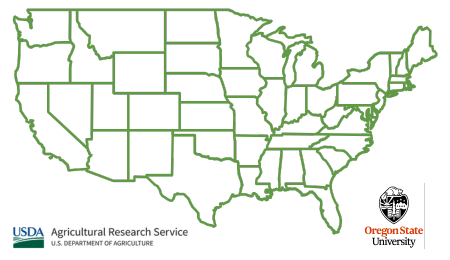
The 2023 USDA Plant Hardiness Zone Map was created by Oregon State University (PRISM Climate Group) and released by the USDA.
Key Takeaways
- Many plants naturally require very little water and attention to survive and grow well
- Both indoor and outdoor spaces can support low-maintenance plants that match your lifestyle
- Choosing the right plant for your specific environment helps ensure success with minimal care
What Does It Mean For Plants To Thrive On Neglect?
Plants that thrive on neglect have evolved to survive with minimal water, fertilizer, and attention. These hardy species store water in their leaves or roots and can handle irregular care schedules without suffering.
Defining Low-Maintenance Plants
Low-maintenance plants require watering only once every few weeks or even once a month. They don’t need frequent fertilizing or special soil mixtures to stay healthy. You can forget about them for extended periods without watching them wilt or die.
These plants have adapted to harsh environments in nature. They come from deserts, rocky hillsides, or forest floors where resources are scarce. This background makes them perfect for busy households or forgetful gardeners.
Hard-to-kill plants fall into this category because they bounce back even after missed waterings or poor conditions. They tolerate a wide range of light levels and temperatures. You won’t need to hover over them or follow strict care routines.
Key Survival Traits
Thick, fleshy leaves store water for long periods between waterings. Succulents like jade plants and aloe vera use this strategy to survive drought conditions. Their leaves act like built-in water tanks.
Deep or extensive root systems help plants access moisture far below the soil surface. Some species also have waxy coatings on their leaves that prevent water loss. These physical features reduce their dependence on regular watering.
Slow growth rates mean these plants need fewer nutrients from the soil. They don’t demand frequent repotting or constant feeding. Their energy-efficient metabolism allows them to thrive in less-than-ideal conditions without showing signs of stress.
Common Misconceptions
Neglect doesn’t mean zero care. Even the toughest plants need occasional watering and some indirect light. Completely ignoring any plant will eventually lead to its decline.
You can’t place these plants in total darkness or never water them at all. They still have basic needs, just fewer demands than typical houseplants. The term “neglect” refers to infrequent attention rather than complete abandonment.
Another myth is that all low-maintenance plants look the same or are boring. You’ll find varieties with colorful foliage, interesting textures, and unique shapes. Snake plants, pothos, and ZZ plants each offer distinct appearances while requiring minimal effort from you.
Top Indoor Plants That Thrive On Neglect
Some plants can survive weeks without water and tolerate low light conditions. These hard-to-kill plants work well if you travel often or forget to water regularly.
Best Succulents For Minimal Care
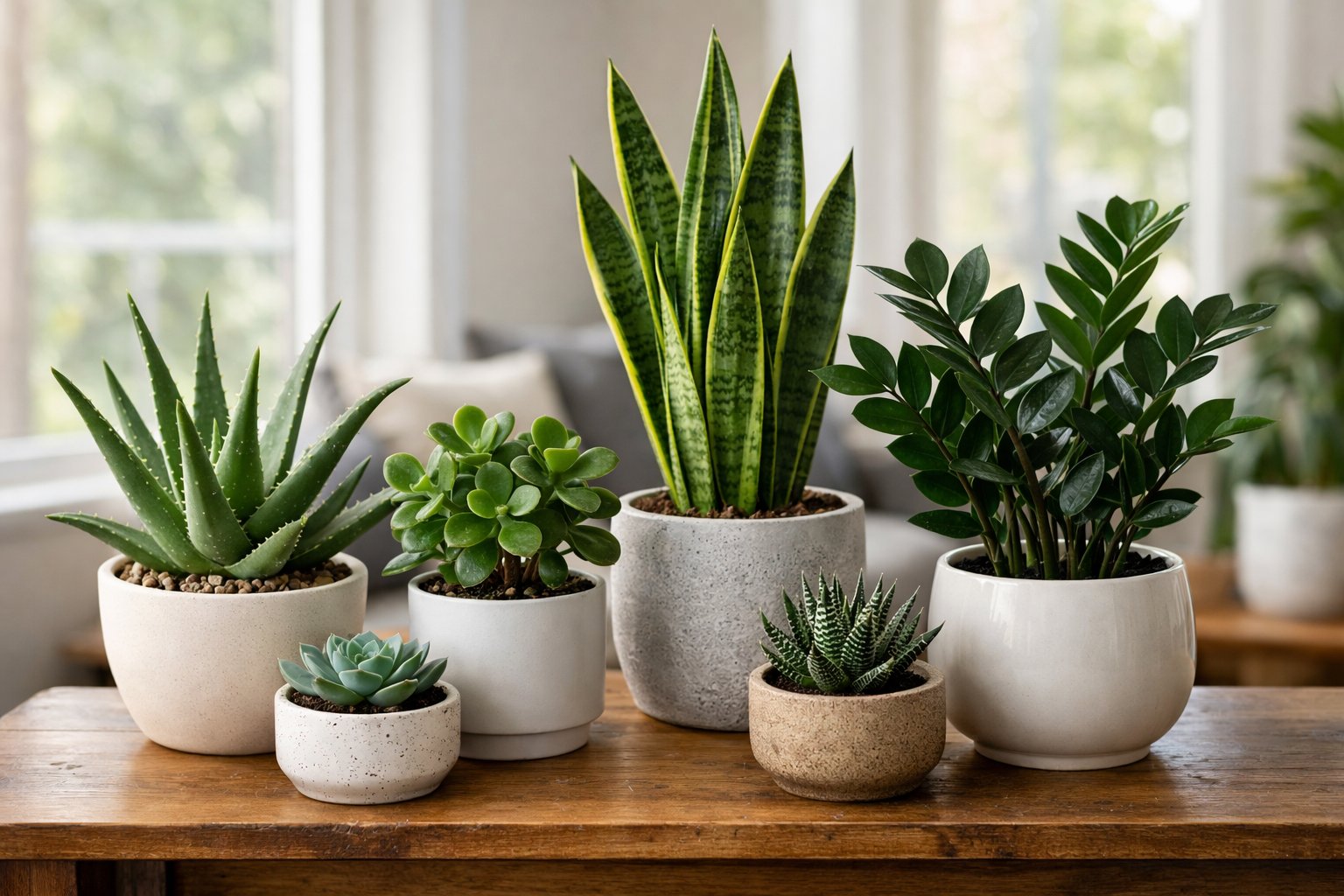
Snake Plant (Sansevieria) tops the list for neglect-tolerant succulents. You only need to water it every 2-3 weeks in summer and once a month in winter. It survives in low light and removes toxins from your air.
ZZ Plant (Zamioculcas zamiifolia) stores water in its thick stems and roots. You can leave it without water for up to a month. The glossy leaves stay green even in dim corners of your home.
Jade Plant requires watering only when the soil dries out completely. Its thick leaves hold moisture for weeks. Place it near a window and water it every 2-3 weeks during the growing season.
Aloe Vera needs water every 3 weeks and thrives on neglect. The gel inside its leaves stays plump even when you forget to water. It prefers bright indirect light but tolerates some shade.
Resilient Foliage Plants
Pothos handles irregular watering and grows in various light conditions. Its vines can grow several feet long with minimal attention. Water it when the top inch of soil feels dry, usually every 1-2 weeks.
Cast Iron Plant (Aspidistra elatior) earned its name by surviving extreme neglect. It tolerates deep shade, irregular watering, and temperature fluctuations. Water it every 2-3 weeks and watch it grow slowly but steadily.
Spider Plant produces baby plants even when you ignore it. It bounces back quickly from underwatering and adapts to most lighting conditions. Brown leaf tips mean it needs water every 7-10 days.
Dracaena varieties grow tall with little care. These plants tolerate low light and need water only when the top 2 inches of soil dry out. They can go 10-14 days between waterings.
Easy Growing Flowering Plants
Peace Lily tells you when it needs water by drooping slightly. It recovers within hours of watering and blooms regularly in low to medium light. Water it every 1-2 weeks, depending on your home’s humidity.
Christmas Cactus blooms annually with minimal effort. It needs water every 2-3 weeks and prefers indirect light. This succulent blooms in winter when most plants rest.
Anthurium produces red, pink, or white flowers for months. Water it when the top inch of soil dries, typically every 1-2 weeks. It thrives in medium light and humid conditions but tolerates some neglect.
Best Outdoor Plants For Neglectful Gardeners
Outdoor spaces need plants that survive with minimal watering, tolerate temperature extremes, and keep growing even when you forget about them for weeks.
Drought-Tolerant Favorites
Sedum is one of the hardest-to-kill plants you can grow outdoors. This succulent stores water in its thick leaves and survives weeks without rain. It grows in poor soil and needs no fertilizer.
Lavender thrives in hot, dry conditions and actually performs worse with too much attention. Plant it in well-draining soil and water it only during the first few weeks. After that, natural rainfall keeps it alive in most climates.
Russian sage grows up to four feet tall and produces purple flowers all summer. It needs water only during extreme drought. Deer won’t eat it, and it never requires deadheading or pruning to look good.
Yarrow spreads quickly and fills empty spaces without any help from you. It tolerates clay soil, sandy soil, and everything in between. The flowers attract butterflies and need cutting back just once per year.
Cold Hardy Options
Daylilies survive freezing winters and return each spring without protection. They bloom for weeks with zero deadheading required. These plants grow in full sun or partial shade and tolerate missed waterings.
Hosta plants grow bigger each year in shady spots where other plants fail. They die back in winter and come back on their own. Slugs sometimes eat the leaves, but the plants keep growing anyway.
Catmint produces blue-purple flowers from spring through fall. It handles cold temperatures down to -30°F and bounces back from neglect. Cut it back once mid-summer if you remember, but it survives fine if you don’t.
Low-Water Groundcovers
Creeping thyme forms a dense mat that chokes out weeds naturally. It needs watering only during the first month after planting. You can walk on it, and it releases a pleasant scent when stepped on.
Ice plant spreads across dry slopes and rocky areas where grass dies. Its succulent leaves store moisture for months. Bright flowers appear in summer without any fertilizer or special care.
Sedum spurium covers bare ground quickly and stays green through light frosts. It grows just a few inches tall and never needs mowing or trimming. This groundcover works in areas with poor drainage where other plants rot.
Environmental Factors That Benefit Neglect-Tolerant Plants
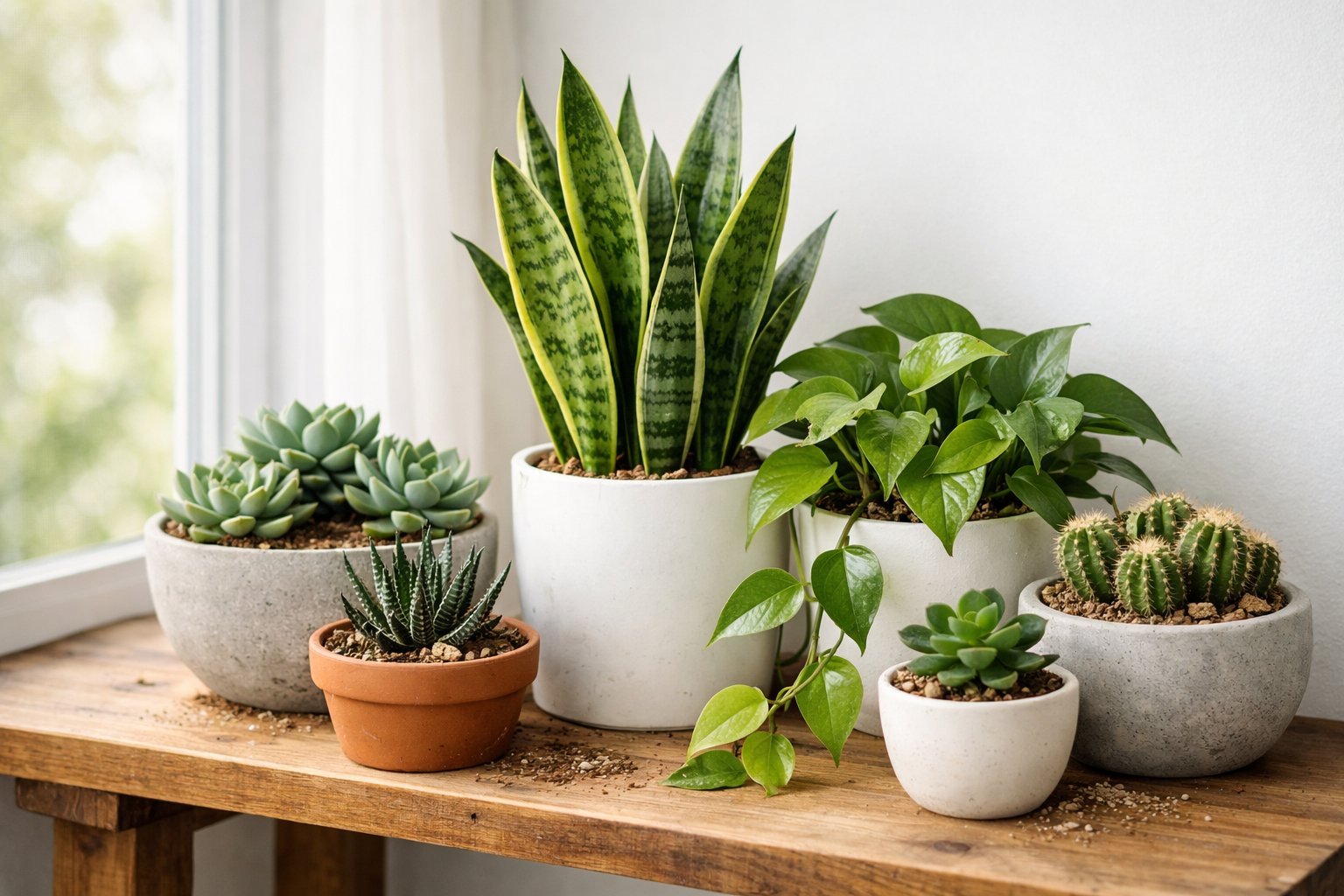
Neglect-tolerant plants succeed in specific conditions that match their natural habitats. These plants need well-draining soil, adaptable light exposure, and dry air with good circulation.
Soil Conditions
Your soil choice directly affects how well neglect-tolerant plants survive. These plants need soil that drains water quickly to prevent root rot. A mix of potting soil with perlite, coarse sand, or pumice works best.
Most plants that thrive on neglect come from arid regions where the soil is poor in nutrients. Your soil should mimic these conditions. Rich, dense soil holds too much moisture and can kill these plants.
The ideal soil pH ranges from 6.0 to 7.5 for most neglect-tolerant species. You can use cactus and succulent soil mixes as a ready-made option. These mixes contain the right balance of drainage materials.
Test your soil by watering it and watching how fast the water flows through. Water should pass through within seconds, not minutes. If water pools on top, add more drainage material.
Light Requirements
Neglect-tolerant plants adapt to various light conditions, though most prefer bright, indirect light. Direct sunlight works for succulents, cacti, and snake plants. These species developed thick leaves or waxy coatings to handle intense rays.
Other hardy plants like pothos and ZZ plants tolerate low light conditions. They grow more slowly in dim areas but still survive. You can place them 5 to 10 feet from a window.
South-facing windows provide the strongest light in the Northern Hemisphere. East and west windows offer moderate light. North-facing windows give the least light but still work for shade-tolerant varieties.
Humidity And Airflow
Low humidity levels benefit most neglect-tolerant plants. These species store water in their leaves, stems, or roots, so they don’t need moisture from the air. Humidity levels between 30% and 50% work well.
Good airflow prevents fungal growth and pest problems. Open windows or use a small fan to keep air moving around your plants. Stagnant air traps moisture and creates disease-friendly conditions.
Avoid placing these plants in bathrooms or kitchens where humidity spikes. Don’t mist them regularly, as this practice adds unnecessary moisture. Space your plants apart so air can circulate between them freely.
Simple Care Guidelines For Neglect-Tolerant Species
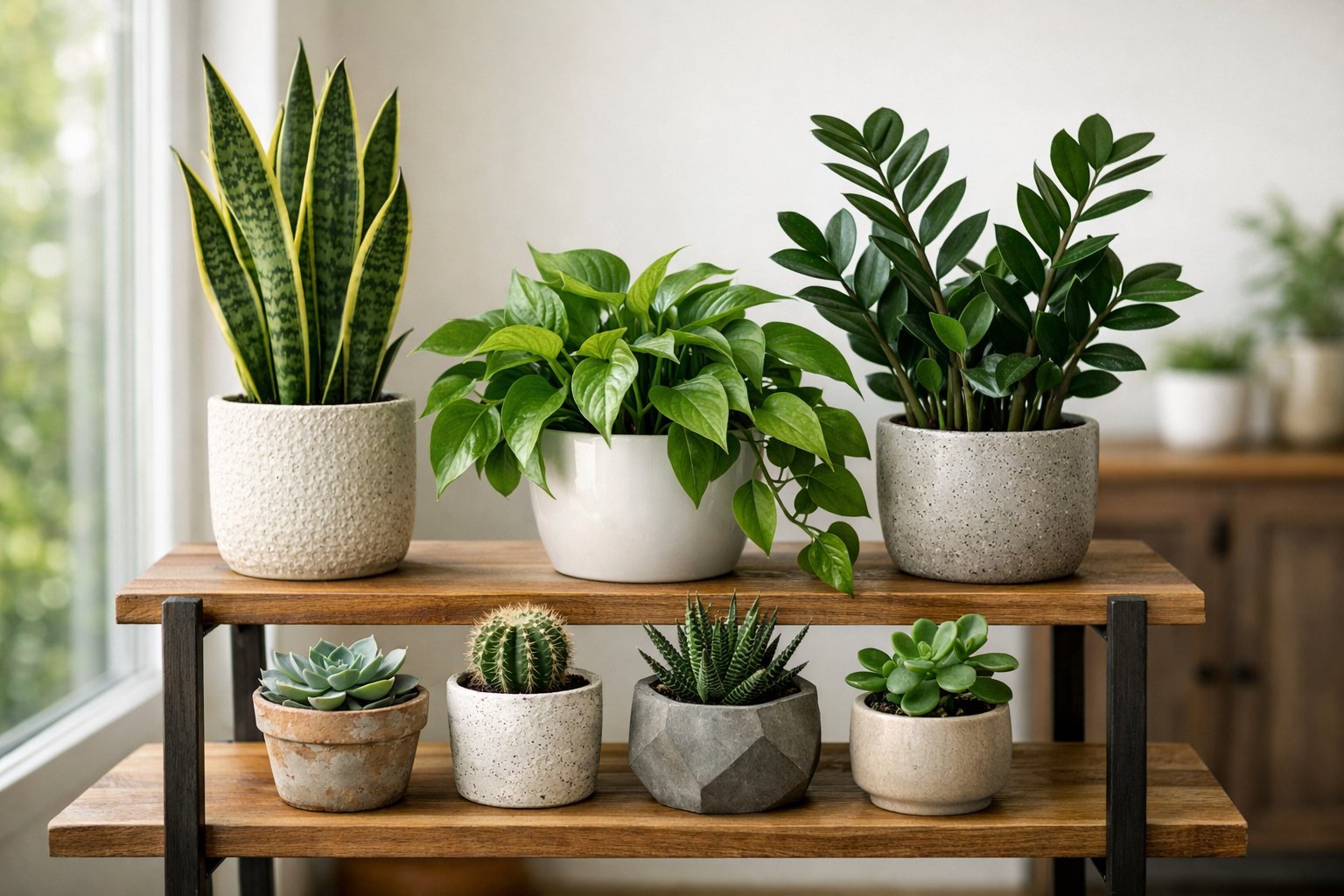
Hard-to-kill plants need proper light placement, infrequent watering, and minimal feeding to stay healthy. Understanding these basic requirements helps you avoid overcare, which often causes more harm than neglect.
Watering Habits
Most neglect-tolerant plants prefer dry soil between waterings. You should let the top two inches of soil dry completely before adding water. Succulents and cacti need water every two to three weeks, while snake plants and pothos do well with weekly watering during summer and every two weeks in winter.
Overwatering kills more hard-to-kill plants than underwatering does. Yellowing leaves and mushy stems signal too much water. Brown, crispy leaf tips usually mean your plant needs more humidity rather than more water.
Use the finger test to check soil moisture. Stick your finger two inches into the soil, and if it feels dry, water thoroughly until water drains from the bottom. Empty the drainage tray after fifteen minutes to prevent root rot.
Fertilizing and Feeding
Neglect-tolerant plants need light fertilizer only during their growing season. Feed your plants once every four to six weeks from spring through early fall. Skip fertilizing completely during winter when most plants rest.
Use a balanced, water-soluble fertilizer diluted to half strength. Full-strength fertilizer can burn roots and damage leaves on plants that grow slowly. ZZ plants, snake plants, and pothos need even less feeding than other varieties.
Signs you’re fertilizing correctly:
- Steady, slow growth
- Healthy leaf color
- No salt buildup on the soil surface
Signs of over-fertilizing:
- White crust on the soil
- Brown leaf edges
- Stunted growth
Pruning And Maintenance
Remove dead or yellowing leaves as you notice them. This simple task keeps plants healthy and prevents pest problems. Use clean scissors or pruning shears to make cuts near the base of the stem.
Trim leggy growth to encourage fuller plants. Cut stems just above a leaf node where new growth emerges. Pothos, philodendrons, and spider plants respond well to regular trimming.
Dust leaves monthly with a damp cloth to help plants absorb light better. Large-leafed plants like rubber trees and fiddle leaf figs collect dust quickly. Small plants can get a gentle shower in your sink.
Repotting Considerations
Most hard-to-kill plants need repotting every two to three years. Wait until roots grow through drainage holes or circle the pot’s edge. Spring is the best time to repot when plants start active growth.
Choose a pot only one to two inches larger than the current container. Too much extra soil holds excess moisture that can rot roots. Make sure your new pot has drainage holes.
Use a well-draining potting mix suited to your plant type. Cacti and succulents need sandy, fast-draining soil. Snake plants and pothos do well in a standard houseplant mix with added perlite.
Your plant might look stressed for two weeks after repotting. Water sparingly during this adjustment period and keep the plant in its usual spot. Avoid fertilizing for at least a month after repotting.
Common Problems And How To Avoid Them
Even low-maintenance plants can run into trouble if their basic needs aren’t met. The most common issues stem from too much water, unwanted pests, and knowing when a plant needs help.
Signs Of Overwatering
Overwatering kills more neglect-tolerant plants than any other problem. When you give these plants too much water, their roots can’t get oxygen and start to rot.
Yellow leaves that feel soft or mushy are the first warning sign. The soil will stay wet for days after watering and might smell bad. You may also notice the leaves dropping off even though they’re not dry.
Key indicators include:
- Leaves are turning yellow or brown at the base
- Soft, black roots instead of firm white ones
- Mold or fungus growing on the soil surface
- Wilting despite wet soil
Let the soil dry out completely between waterings. Stick your finger two inches into the soil before watering again. If it feels damp, wait a few more days.
Make sure your pots have drainage holes at the bottom. Empty any water that collects in the saucer after 30 minutes.
Pest And Disease Prevention
Plants that thrive on neglect rarely get pests, but problems can still happen. Spider mites, mealybugs, and fungus gnats are the most common visitors.
Check your plants once a month for tiny bugs, sticky residue, or small webs. Wipe dust off the leaves with a damp cloth during your inspection. This simple step removes pest eggs and keeps leaves healthy.
Keep your plants in spots with good air flow. Stagnant air creates the perfect home for pests and diseases. Space plants a few inches apart so air can move between them.
Prevention steps:
- Inspect new plants before bringing them home
- Quarantine new plants for two weeks
- Don’t reuse old potting soil
- Remove dead leaves promptly
If you spot pests early, wipe them off with rubbing alcohol on a cotton swab. For larger problems, use insecticidal soap every five days until the pests are gone.
Reviving Struggling Plants
Sometimes, a neglect-loving plant still struggles despite your best efforts. The first step is figuring out what went wrong.
Brown, crispy leaf tips usually mean the air is too dry or the plant needs slightly more water. Pale or stretched-out growth means the plant isn’t getting enough light. Move it closer to a window or add a grow light.
If the plant looks limp and sad, check if it’s rootbound. Gently remove it from the pot and look at the roots. If they circle in a tight mass, it’s time for a bigger pot.
Cut off any dead or dying leaves with clean scissors. This helps the plant focus energy on healthy growth. Trim brown tips at an angle to keep the natural leaf shape.
Give the plant a few weeks to adjust after making changes. Don’t fertilize a struggling plant right away, as this can stress it more. Wait until you see new growth before adding nutrients.
Choosing The Right Plant For Your Space
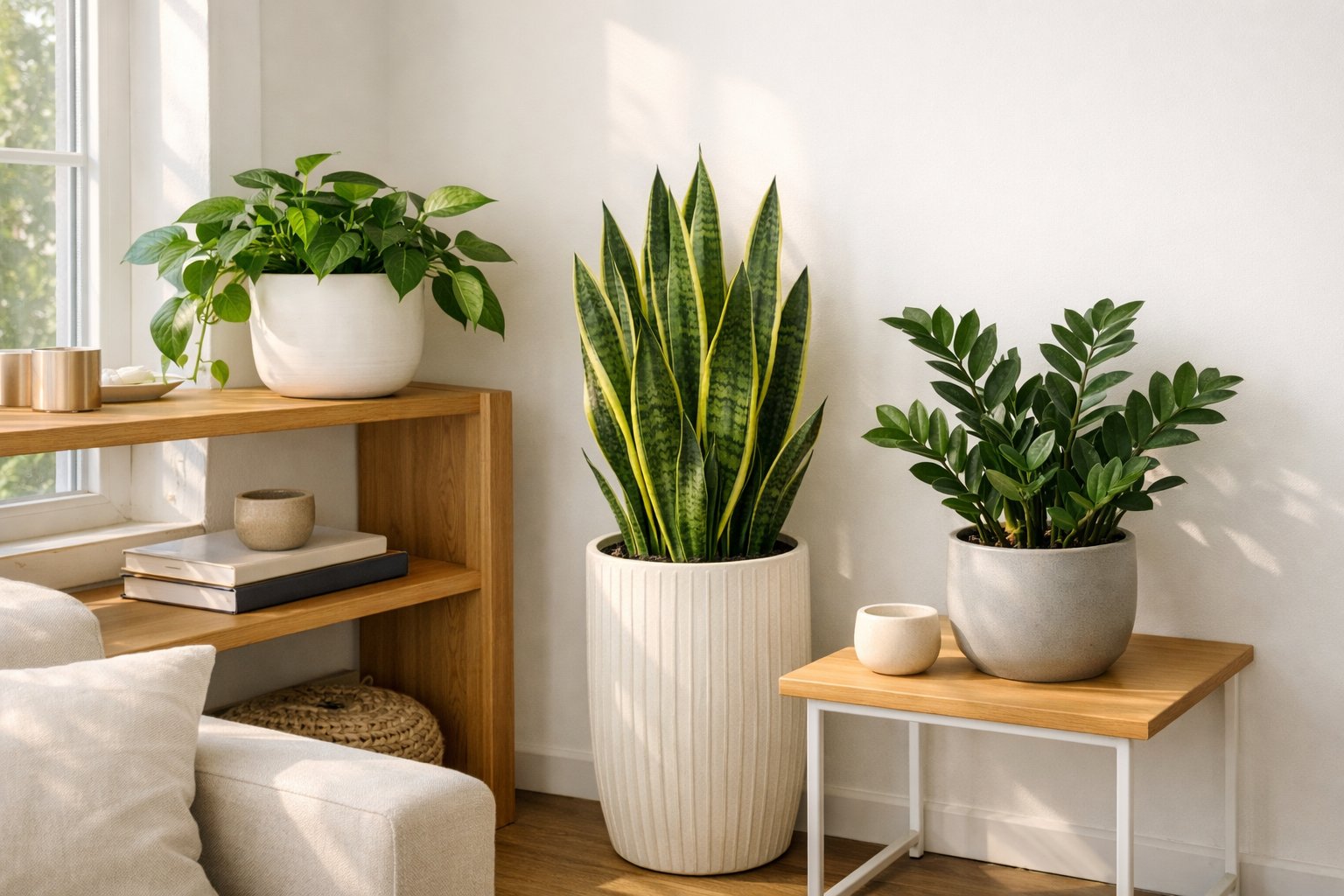
Finding the right low-maintenance plant starts with understanding your home’s conditions and your daily routine. You need to match each plant’s needs with the light you have available, your schedule, and any safety concerns for family members.
Assessing Light And Environment
Light determines which plants will survive in your home. South-facing windows get the most light throughout the day, while north-facing windows receive the least direct sun.
Bright indirect light works well for pothos, snake plants, and ZZ plants. These spots are near windows but not in direct sunlight. If you have a room with limited natural light, snake plants and pothos can handle low-light conditions better than most other options.
Check your humidity levels too. Bathrooms and kitchens have more moisture in the air, which benefits plants like pothos. Drier rooms work fine for succulents and snake plants that prefer less humidity.
Temperature matters as well. Most neglect-tolerant plants do well in typical home temperatures between 65-75°F. Keep plants away from heating vents, air conditioners, and drafty windows that create temperature swings.
Matching Plant To Lifestyle
Your schedule should guide your plant choice. If you travel often or forget to water, pick plants that store water in their leaves or roots.
Snake plants can go three to four weeks without water. ZZ plants have rhizomes underground that hold water for extended periods. Succulents need watering only every two to three weeks.
For busy gardeners who need plants that don’t need much attention, watering once a month works with the right selections. Spider plants and cast-iron plants tolerate irregular watering schedules better than tropical plants that need consistent moisture.
Consider your experience level. Beginners should start with snake plants or pothos since these handle mistakes well. More experienced plant owners might try peace lilies or rubber plants.
Safe Options For Pets And Kids
Some common houseplants can harm pets or children if eaten. You need to research each plant before bringing it home.
Safe choices for homes with pets:
- Spider plants
- Boston ferns
- Prayer plants
- Parlor palms
Toxic plants to avoid:
- Pothos (causes mouth irritation)
- Snake plants (cause nausea in pets)
- ZZ plants (contain calcium oxalate)
- Philodendrons (toxic to cats and dogs)
Place toxic plants on high shelves or in rooms where pets and kids cannot reach them. Hanging planters work well for keeping plants out of reach while still adding greenery to your space.
If you have curious cats, avoid plants with dangling leaves that attract attention. Opt for upright plants like bamboo palms instead.
Decorating Ideas With Low-Maintenance Plants
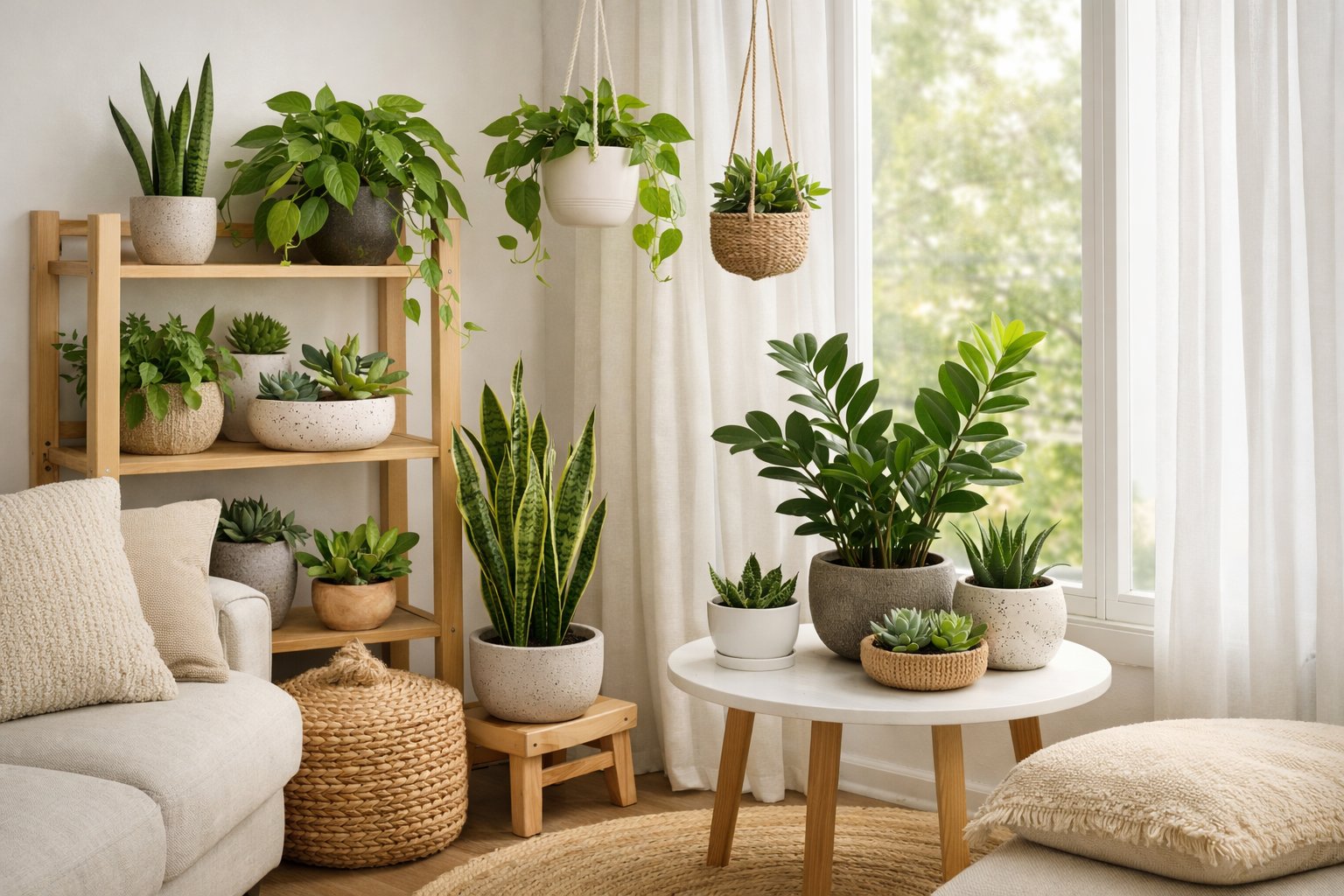
You can create attractive displays with hardy plants by choosing the right arrangements and containers that complement your space while keeping care requirements minimal.
Arranging For Visual Impact
Group plants with similar light and water needs together to make care easier while creating bold focal points. Place taller plants like snake plants or ZZ plants in the back or corners of a room, with shorter pothos or jade plants in front to add depth.
Mix different leaf textures and colors to add interest without adding work. Combine glossy leaves with matte ones, or pair dark green plants with silvery succulents. You can place three small plants in a triangular pattern on a shelf or group five different sizes together on a side table.
Use odd numbers of plants when grouping them, as this creates a more natural and balanced look. Keep plants at different heights by using plant stands, wall shelves, or hanging planters. This draws the eye up and makes rooms feel larger.
Consider placing a single large plant like a rubber tree or fiddle leaf fig as a statement piece in an empty corner. These plants need minimal attention and fill vertical space effectively.
Containers And Potting Choices
Pick pots with drainage holes to prevent root rot and reduce how often you need to check soil moisture. Terra cotta pots work well because they allow soil to dry out between waterings, which suits most low-maintenance plants.
Self-watering planters help you water less often while keeping plants healthy. These containers have a reservoir that feeds water to the roots as needed. They work particularly well for pothos, philodendrons, and peace lilies.
Match pot sizes to plant sizes. A pot that’s too large holds excess moisture, while a too-small pot dries out quickly and defeats the purpose of choosing easy-care plants.
Decorative cache pots let you hide plain nursery pots while keeping good drainage. You can easily match your decor without repotting, and you can swap out plants seasonally without buying new containers.
Related Posts:


balcony gardening beginner-friendly plants busy gardener hacks DIY gardening drought-tolerant plants easy-care gardening eco-friendly gardening gardening gardening tips hardy houseplants houseplant care indoor plants low-maintenance plants plant selection small space gardening sustainable gardening urban gardening