🪴Balcony Garden Paradise is reader-supported. When you buy through links on our site,
we may earn a small affiliate commission at no extra cost to you. As an Amazon Associate,
we earn from qualifying purchases. Happy Gardening from the team! 🌿
If you’re looking for a way to add color and life to your balcony garden, verbena is a great option. This hardy plant produces clusters of small, brightly colored flowers that bloom continuously throughout the growing season. With the right care, verbena can thrive in a balcony garden and add a pop of color to your outdoor space.
One of the benefits of a balcony garden is the ability to grow plants that might not thrive in traditional garden settings. Verbena is a great example of a plant that can do well in a container garden. With a variety of colors and sizes to choose from, you can find the perfect verbena to fit your space and style. Whether you’re looking for a trailing plant to hang over the edge of a container or a taller plant to add height to your garden, there’s a verbena variety that will work for you.

Key Takeaways
- Verbena is a great option for adding color to your balcony garden.
- Balcony gardens offer the opportunity to grow plants that might not thrive in traditional garden settings.
- With a variety of colors and sizes to choose from, you can find the perfect verbena to fit your space and style.
Benefits of a Balcony Garden
A balcony garden is a perfect way to bring a touch of nature into your home. It not only adds aesthetic appeal to your living space but also provides numerous benefits. Here are some benefits of a balcony garden:

The 2023 USDA Plant Hardiness Zone Map was created by Oregon State University (PRISM Climate Group) and released by the USDA.
- Improved Air Quality: Plants absorb carbon dioxide and release oxygen, which makes the air cleaner and fresher. This can help improve the air quality in your home and reduce the risk of respiratory problems.
- Stress Relief: Gardening is known to be a stress-relieving activity. It can help reduce anxiety, depression, and other mental health issues. The simple act of caring for plants can be therapeutic and calming.
- Fresh Produce: With a balcony garden, you can grow your own herbs, fruits, and vegetables. This can help you save money and ensure that you are eating fresh, organic produce.
- Environmental Benefits: Plants help reduce the level of greenhouse gases in the atmosphere, which can help mitigate climate change. By growing your own plants, you can reduce your carbon footprint and contribute to a healthier planet.
Verbena for Balcony Gardens

Verbena is an ideal plant for a balcony garden. It is a low-maintenance plant that is easy to grow and care for. Here are some reasons why you should consider adding verbena to your balcony garden:
- Colorful Blooms: Verbena produces clusters of small, colorful flowers that bloom throughout the summer. They come in a variety of colors, including purple, pink, white, and red. This can add a pop of color to your balcony and make it more visually appealing.
- Attracts Pollinators: Verbena is a magnet for bees, butterflies, and other pollinators. By planting verbena in your balcony garden, you can help support the local ecosystem and promote biodiversity.
- Low-Maintenance: Verbena is a hardy plant that requires minimal care. It can tolerate a wide range of temperatures and soil conditions. This makes it an ideal choice for beginner gardeners or those who don’t have a lot of time to devote to gardening.
- Versatile: Verbena can be grown in containers or hanging baskets, which makes it a great choice for balcony gardens. It can also be used as a ground cover or border plant. This versatility makes it easy to incorporate into any balcony garden design.
In conclusion, a balcony garden can provide numerous benefits, including improved air quality, stress relief, fresh produce, and environmental benefits. Verbena is an ideal plant for a balcony garden, as it is low-maintenance, colorful, attracts pollinators, and is versatile. With a little bit of care and attention, you can create a beautiful and functional balcony garden that will enhance your living space.
Choosing the Right Verbena for Your Balcony Garden
Verbena is a great option for any balcony garden because of its delicate, colorful blooms and easy-to-care-for nature. However, with so many varieties available, it can be challenging to choose the right one for your space. Here are some factors to consider when selecting the perfect verbena for your balcony garden:
Hardiness
First, consider the hardiness of the verbena you choose. Some varieties, like the Homestead Purple, are more tolerant of cold weather and can survive in USDA zones 6-10. Other types, like the Tapien Blue Violet, thrive in warmer climates and are hardy in zones 9-11. Be sure to choose a variety that is appropriate for the climate in which you live.
Growth Habit
Verbena comes in different growth habits, including trailing, mounding, and upright. For a balcony garden, trailing varieties like the Tapien series or the Superbena Royale series are ideal because they can spill over the edges of containers and add a cascading effect to your garden. Mounding varieties like the EnduraScape series are perfect for filling in gaps and creating a dense, full look. Upright varieties like the Lollipop series can add height and structure to your garden.
Color
Finally, consider the color of the verbena you choose. Verbena comes in a wide range of colors, including pink, purple, red, and white. Consider the color scheme of your balcony garden and choose a variety that complements it. For example, if you have a lot of greenery in your garden, a vibrant purple or pink verbena can add a pop of color.
By considering the hardiness, growth habit, and color of the verbena you choose, you can create a beautiful and thriving balcony garden. With the right care and attention, your verbena will reward you with stunning blooms all season long.
Preparing Your Balcony Garden for Verbena
When it comes to creating a beautiful and thriving balcony garden, preparation is key. Before planting your verbena, it’s important to ensure your balcony is ready to support your plants. In this section, we’ll cover two important aspects of balcony garden preparation: soil preparation and container selection.
Soil Preparation
The first step in preparing your balcony garden for verbena is to ensure your soil is healthy and nutrient-rich. Most balcony gardens use container plants, which means you’ll need to select a potting mix that is specifically formulated for container gardening.
When selecting a potting mix, look for one that is well-draining and contains a mix of organic materials like peat moss, coconut coir, or compost. Avoid using garden soil or topsoil, as these can be too heavy and compacted for container gardening.
Before planting your verbena, be sure to mix in a slow-release fertilizer to provide your plants with the nutrients they need to thrive. Follow the instructions on the fertilizer package for best results.
Container Selection
The next step in preparing your balcony garden for verbena is to select the right containers. When selecting containers, consider the size and shape of your balcony, as well as the amount of sunlight your plants will receive.
Choose containers that are large enough to accommodate your verbena plants, with plenty of room for their roots to grow. You may also want to consider using hanging baskets or window boxes to maximize your growing space.
When it comes to material, there are a variety of options to choose from, including plastic, ceramic, and terra cotta. Plastic containers are lightweight and easy to move, while ceramic and terra cotta containers provide a more decorative look.
No matter what type of container you choose, be sure to select one with drainage holes to prevent water from pooling and causing root rot. You may also want to consider using a saucer or tray to catch excess water and prevent it from damaging your balcony.
By following these two important steps, you’ll be well on your way to creating a beautiful and thriving balcony garden filled with gorgeous verbena plants.
Planting and Caring for Verbena in Your Balcony Garden
Verbena is a popular flowering plant that can add color and beauty to your balcony garden. It is easy to grow and care for, making it a great choice for beginner gardeners. Here are some tips for planting and caring for verbena in your balcony garden. For some help with planting Verbena, see this video: “How to Plant Temari® Patio Verbenas”. (source: https://www.youtube.com)
Watering and Fertilizing
Verbena needs regular watering to thrive. The soil should be moist but not waterlogged. Water the plant deeply once a week, or more frequently if the weather is hot and dry. Avoid getting the leaves wet, as this can lead to fungal diseases.
Fertilize verbena once a month with a balanced fertilizer. This will provide the plant with the nutrients it needs to grow and bloom. Be careful not to over-fertilize, as this can lead to excessive foliage growth and fewer flowers.
Pruning and Deadheading
Pruning and deadheading are important for keeping verbena healthy and blooming. Deadheading involves removing spent flowers to encourage the plant to produce new blooms. Prune verbena in early spring to remove any dead or damaged branches. This will help the plant to grow bushier and produce more flowers.
To deadhead verbena, simply pinch off the spent flowers with your fingers or use a pair of scissors. This will encourage the plant to produce new blooms and keep it looking neat and tidy. Deadheading should be done regularly throughout the growing season.
In summary, verbena is a beautiful and easy-to-grow plant that can add color and beauty to your balcony garden. By following these tips for watering, fertilizing, pruning, and deadheading, you can ensure that your verbena thrives and produces an abundance of blooms.
Common Pests and Diseases for Verbena in Balcony Gardens


Verbena is a beautiful and versatile plant that can thrive in balcony gardens. However, like any plant, it is susceptible to pests and diseases. Here are some common pests and diseases that can affect verbena in balcony gardens:
Pests
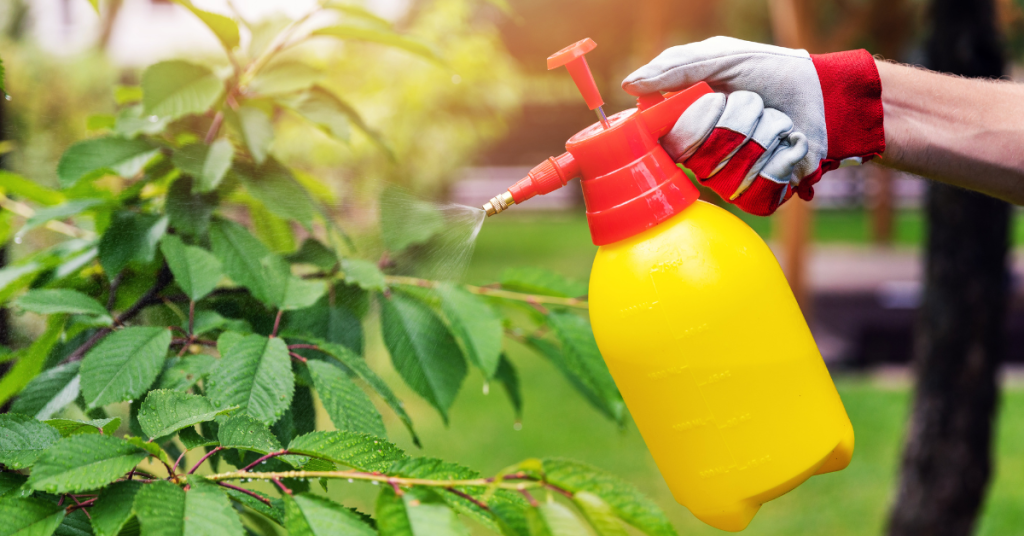
- Aphids: These small, soft-bodied insects can suck the sap from the leaves and stems of verbena, causing them to wilt and die. To control aphids, spray the plant with a strong stream of water or use insecticidal soap.
- Whiteflies: These tiny, white insects can also suck the sap from verbena, causing leaves to yellow and die. To control whiteflies, use sticky traps or insecticidal soap.
- Spider mites: These tiny arachnids can cause yellowing and stippling of the leaves of verbena. To control spider mites, spray the plant with water or use insecticidal soap.
Diseases
- Powdery mildew: This fungal disease can cause a white, powdery coating on the leaves of verbena. To control powdery mildew, remove infected leaves and improve air circulation around the plant.
- Root rot: This disease can occur when verbena is overwatered or planted in soil that does not drain well. To prevent root rot, make sure the soil is well-drained and do not overwater the plant.
- Leaf spot: This fungal disease can cause brown or black spots on the leaves of verbena. To control leaf spots, remove infected leaves and improve air circulation around the plant.
By being aware of these common pests and diseases, you can take steps to prevent and control them in your balcony garden. With proper care, your verbena can thrive and add beauty to your outdoor space.
Frequently Asked Questions

How to care for a balcony garden?
Caring for a balcony garden requires some extra attention to detail. Ensure that your plants are getting enough sunlight, water, and nutrients. Make sure that the soil is well-draining to prevent root rot. Regularly prune and deadhead your plants to encourage healthy growth.
What are some common problems with balcony gardens?
Common problems with balcony gardens include pests, lack of sunlight, and poor soil quality. Be sure to regularly inspect your plants for any signs of pests or disease. If you notice any issues, take action immediately to prevent further damage.
What plants pair well with verbena in a balcony garden?
Verbena pairs well with a variety of plants in a balcony garden. Some great options include petunias, geraniums, and marigolds. These plants have similar care requirements and will complement the vibrant colors of verbena.
How to grow trailing verbena in a hanging basket?
Trailing verbena is a great option for a hanging basket. Ensure that the basket has good drainage and fill it with a well-draining potting mix. Plant the verbena in the center of the basket and add trailing plants around the edges. Water the basket regularly and fertilize once a month.
Is it possible to grow verbena bonariensis in pots?
Verbena bonariensis can be grown in pots, but it requires a large container and plenty of sunlight. Choose a pot that is at least 18 inches deep and wide. Ensure that the soil is well-draining and fertilize once a month.
What is the temperature tolerance of verbena in a balcony garden?
Verbena is a hardy plant that can tolerate a wide range of temperatures. However, it prefers temperatures between 60 and 85 degrees Fahrenheit. Be sure to protect your plants from extreme heat or cold, as this can cause stress and damage.
Related posts:
- Sweet Alyssum: The Perfect Addition to Your Balcony Garden
- Creating a Stunning Balcony Garden with Lavender
- The Art of Balcony Garden Design: Mastering Color Palette
- African Milk Tree is an Amazing Balcony Garden Plant: Growing and Caring for Your Succulent
- Creating a Stunning Balcony Garden with Japanese Maples
- Growing Juicy Tomatoes in Your Balcony: Urban Gardening Made Easy
- Split Rock Plant: The Unique and Easy-to-Care-For Succulent
- Grow Juicy Balcony Garden Strawberries: Great for an Urban Garden