🪴Balcony Garden Paradise is reader-supported. When you buy through links on our site,
we may earn a small affiliate commission at no extra cost to you. As an Amazon Associate,
we earn from qualifying purchases. Happy Gardening from the team! 🌿
Sustainable balcony gardening brings nature to your doorstep. It’s a way to grow your own food and plants in small spaces. You can create a green oasis even if you live in a city apartment.
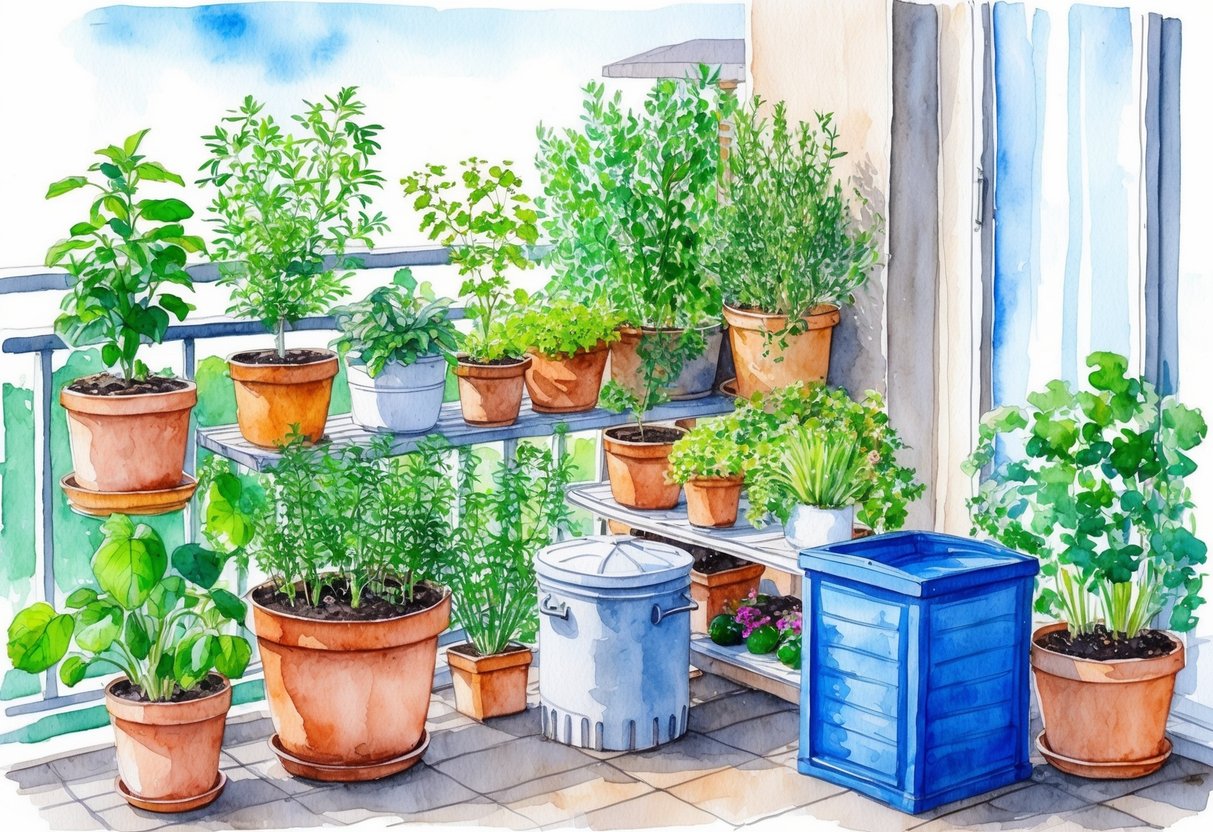
Growing plants on your balcony helps the environment and saves you money on groceries. It’s easy to start with just a few pots and some soil. You can grow herbs, vegetables, and flowers that suit your taste and climate.

Balcony gardens make your home look nice and feel more peaceful. They also give you a fun hobby that keeps you active. You’ll learn new skills and maybe even meet other gardeners in your building.
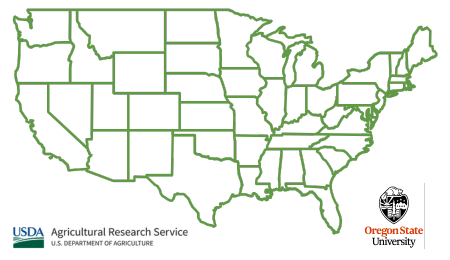
The 2023 USDA Plant Hardiness Zone Map was created by Oregon State University (PRISM Climate Group) and released by the USDA.
Key Takeaways
- Balcony gardens let you grow food in small spaces
- Sustainable gardening helps the environment and saves money
- Gardening is a fun hobby that makes your home look nice
Benefits of Balcony Gardening
Balcony gardening offers many rewards. You can enjoy nature, grow food, and make your space more beautiful.
Enhancing Biodiversity
Your balcony garden can be a small oasis for local wildlife. Plants attract bees, butterflies, and birds. This helps support the local ecosystem.
Choose native plants to provide food and shelter for local species. Add a small water feature or bird feeder to draw more creatures.
Even a few pots of flowers can make a big difference. You’ll see more life on your balcony and help urban wildlife thrive.
Promoting Mental Health
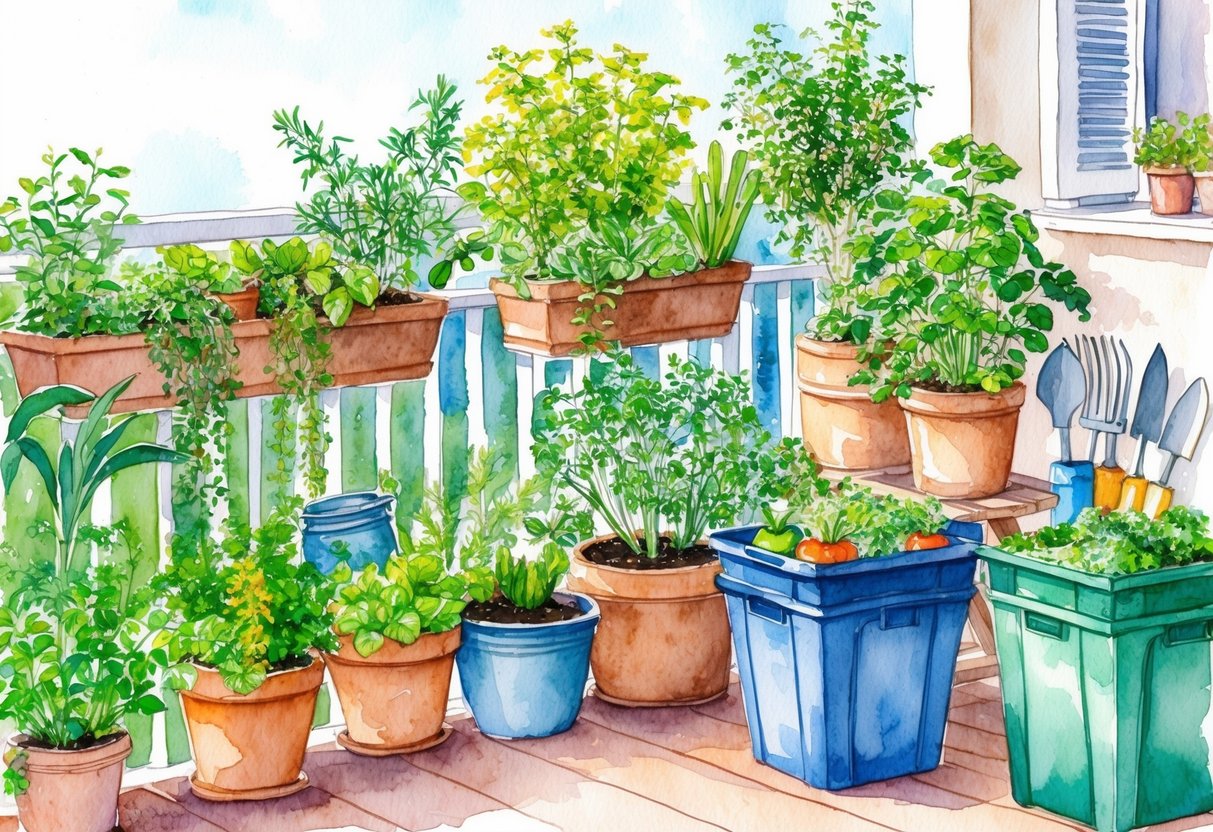
Gardening on your balcony can boost your mood and lower stress. It gives you a chance to connect with nature and unwind.
Caring for plants offers a sense of purpose and achievement. Watching things grow can be calming and rewarding.
Interacting with a garden through watering, composting, and harvesting is enjoyable. These tasks can take your mind off worries and help you relax.
Balcony gardening also lets you create a personal green space. This can be a peaceful retreat from busy city life.
Improving Air Quality
Plants on your balcony can help clean the air you breathe. They absorb carbon dioxide and release oxygen.
Some plants are especially good at removing indoor air pollutants. Examples include:
- Spider plant
- Peace lily
- Snake plant
These can help filter out harmful chemicals from paints, furniture, and cleaning products.
A balcony garden can also increase humidity. This is helpful in dry climates or during winter when indoor air gets very dry.
Urban Food Production
Growing food on your balcony lets you enjoy fresh, tasty produce. You control what goes into your plants, so you can avoid pesticides.
Many fruits and vegetables grow well in containers. Try herbs, tomatoes, peppers, or lettuce. These are easy to care for and yield a lot.
Vertical gardening techniques help you make the most of limited space. Use wall-mounted planters or stackable pots.
Growing your food cuts down on grocery bills. It also reduces the environmental impact of transporting produce long distances.
Designing Your Balcony Garden
Creating a thriving balcony garden requires careful planning and smart design choices. By following a few key principles, you can transform your outdoor space into a lush oasis.
Assessing Space and Sunlight
Start by measuring your balcony’s dimensions. Note any architectural features that might affect plant placement. Check the direction your balcony faces to determine sunlight exposure.
Track sunlight patterns throughout the day. This will help you choose plants that match the light conditions. South-facing balconies usually get the most sun, while north-facing ones receive less direct light.
Consider wind exposure, as it can affect plant health and watering needs. Use wind barriers if needed to protect delicate plants. Also, check your balcony’s weight limit to ensure it can handle containers, soil, and plants.
Choosing Containers and Pots
Select containers that fit your space and style. Ensure they have proper drainage holes to prevent waterlogging. Lightweight materials like plastic or fiberglass are easier to move and put less strain on your balcony.
Use a mix of container sizes to add visual interest. Large pots work well for trees or statement plants, while smaller ones are perfect for herbs or flowers. Consider self-watering containers to reduce maintenance.
Opt for light-colored pots in hot climates to reflect heat and keep roots cool. In cooler areas, dark containers can help absorb heat and protect plants. Group pots together to create microclimates and boost humidity.
Selecting Suitable Plants
Choose plants that match your balcony’s conditions. Drought-tolerant species work well in sunny, windy spots. Shade-loving plants thrive in cooler, darker areas.
Mix edibles with ornamentals for a productive and attractive garden. Herbs, dwarf fruit trees, and compact vegetable varieties are great for small spaces. Include native plants to support local wildlife and reduce maintenance needs.
Consider plant height and spread to ensure they won’t outgrow their space. Use trailing plants to soften container edges and create a lush look. Include evergreens for year-round interest in colder climates.
Implementing Vertical Gardening Techniques
Maximize your space by growing upwards. Use trellises, wall-mounted planters, or hanging baskets to add layers to your garden. Vertical gardens can also act as privacy screens or wind barriers.
Try a living wall system for a dramatic effect. These can support a variety of plants and create a stunning green backdrop. Repurpose items like pallets or shoe organizers as vertical planters for a budget-friendly option.
Install a tiered plant stand to display multiple pots without taking up floor space. Use climbing plants on railings or wires to create green “walls”. Don’t forget to secure all vertical elements properly to ensure safety.
Sustainable Practices
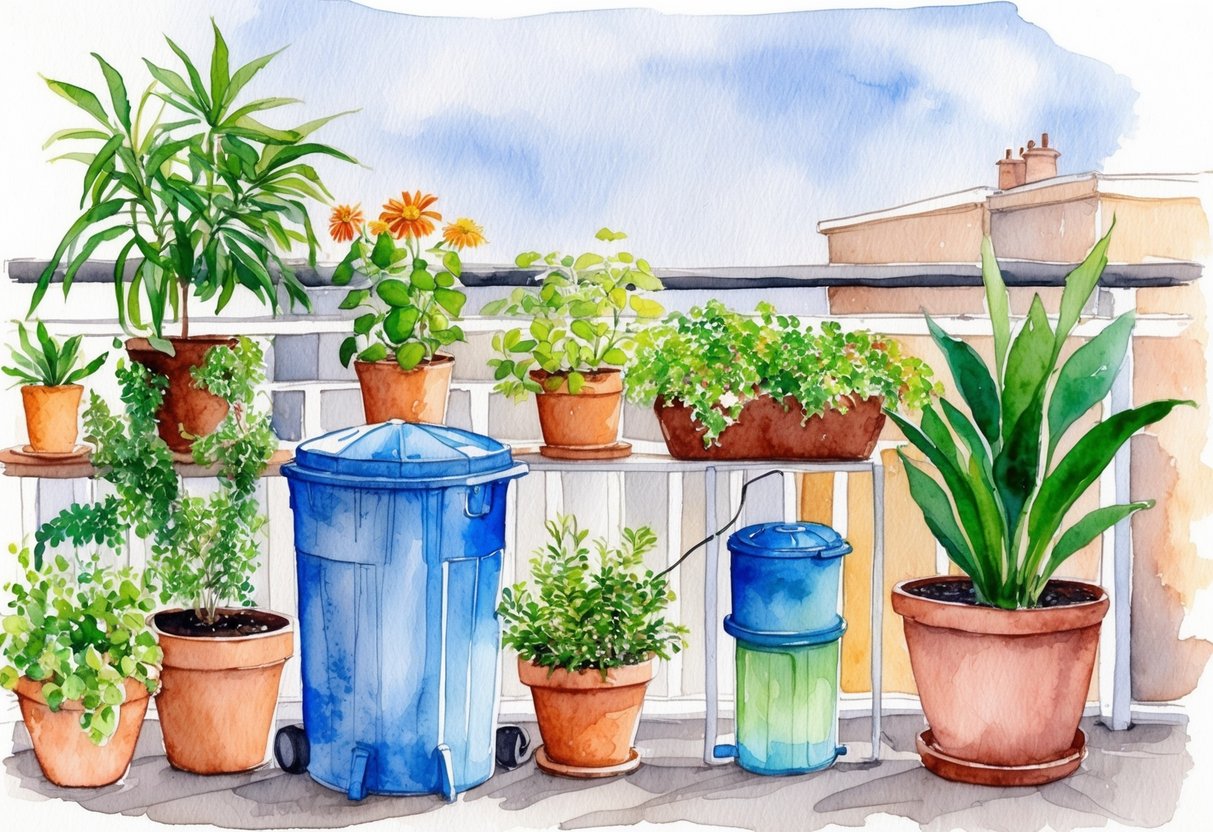
Sustainable balcony gardening helps you grow plants while caring for the environment. You can use simple methods to save water, nourish plants naturally, and manage pests without chemicals.
Water Conservation Methods
Collecting rainwater is an easy way to save water. You can use buckets or install a small rain barrel on your balcony. Drip irrigation systems help water plants slowly and deeply. This reduces waste and keeps your plants healthy.
Mulching is another great technique. Add a layer of organic material like wood chips or straw around your plants. This keeps the soil moist and cuts down on watering needs.
Choose plants that don’t need much water. Succulents and native species are good options. They can thrive with less frequent watering.
Water your plants early in the morning or late in the evening. This reduces evaporation and makes sure plants get the water they need.
Using Organic Fertilizers
Organic fertilizers come from natural sources. They feed your plants without harming the environment. You can buy them or make your own at home.
Compost tea is a liquid fertilizer you can make easily. Steep compost in water for a few days, then strain it. Use this nutrient-rich liquid to feed your plants.
Fish emulsion is another good organic option. It’s high in nitrogen and helps plants grow strong and green. Use it sparingly, as it can have a strong smell.
Bone meal and blood meal are dry organic fertilizers. They release nutrients slowly, feeding your plants over time. Mix them into the soil before planting.
Composting Kitchen Waste
Composting turns food scraps into rich soil for your plants. It’s easy to do, even on a small balcony. Use a small bin with air holes to start your compost.
Add fruit and vegetable scraps, coffee grounds, and eggshells to your bin. Avoid meat, dairy, and oily foods. These can attract pests and smell bad.
Mix green materials (like food scraps) with brown materials (like dry leaves). This helps your compost break down faster. Turn the mixture regularly to add air.
Once your compost looks like dark, crumbly soil, it’s ready to use. Mix it into your plant pots or use it as a top dressing.
Pest Management with Natural Remedies
Natural pest control keeps your plants healthy without harsh chemicals. Many common household items can help manage pests.
Soap and water spray works well for soft-bodied insects like aphids. Mix a tablespoon of mild soap with a quart of water. Spray it on affected plants.
Companion planting uses the natural properties of certain plants to repel pests. Grow marigolds or nasturtiums near your other plants to keep bugs away.
Neem oil is a natural pesticide that comes from tree seeds. It works on many types of pests and is safe for most plants. Follow the package directions for use.
Handpicking larger pests like caterpillars can be effective. Check your plants often and remove any bugs you see. This simple method can prevent big problems.
Plant Care and Maintenance
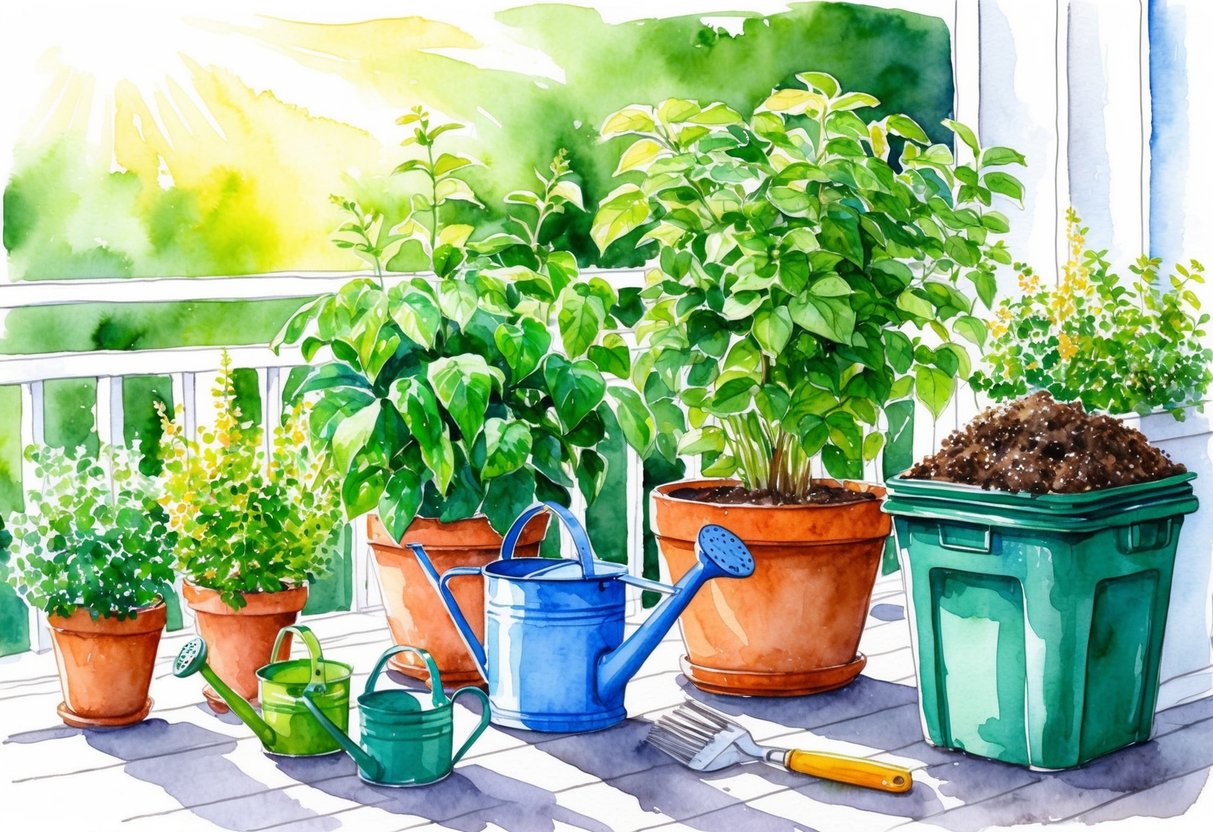
Taking good care of your balcony plants is key to a thriving garden. Regular attention and proper techniques will keep your plants healthy and beautiful.
Regular Watering Schedule
Water your balcony plants often. Most need watering every 1-3 days, depending on the weather and plant type. Check the soil daily by sticking your finger about an inch deep. If it feels dry, it’s time to water.
Use a watering can with a long spout to reach all your plants easily. Water slowly until you see it draining from the pot’s bottom holes. This ensures deep root watering.
In hot weather, you may need to water twice a day. Early morning is the best time to water. It allows plants to absorb moisture before the heat of the day.
Pruning and Deadheading
Pruning helps shape plants and boost growth. Use clean, sharp scissors or pruning shears. Cut just above a leaf node at a 45-degree angle. This encourages new growth and prevents water from pooling on cut ends.
Remove dead or yellowing leaves regularly. This keeps plants looking nice and stops disease spread. Deadhead flowers by pinching off spent blooms. This encourages more flowers to grow.
Prune herbs often to keep them bushy. Pinch off the top few inches of stems. This promotes fuller growth and gives you fresh herbs for cooking.
Monitoring Plant Health
Check your plants often for signs of trouble. Look for yellowing leaves, brown spots, or wilting. These can signal problems like overwatering, pests, or disease.
Inspect leaves, stems, and soil for bugs. Common pests include aphids, spider mites, and mealybugs. If you spot pests, remove them by hand or use a natural insecticidal soap spray.
Feel leaf texture. Sticky leaves might mean aphids. Webbing could be spider mites. Treat problems quickly to stop them from spreading to other plants.
Watch for signs of nutrient deficiency. Yellow leaves can mean a lack of nitrogen. Purple-tinged leaves might show phosphorus shortage. Add organic fertilizer as needed to keep plants strong.
Seasonal Considerations
The changing seasons affect balcony gardens. You’ll need to adapt your gardening approach throughout the year.
Protecting Plants from Extreme Weather
In winter, move plants closer to your building for warmth. Use frost cloths or bubble wrap to shield them from freezing temps. Set up a small greenhouse or cold frame for extra protection.
For summer heat, provide shade with umbrellas or shade cloth. Water plants more often, especially in the morning. Use mulch to keep the soil moist.
During storms, bring lightweight pots inside. Secure heavier containers and trellises. Install windbreaks like lattice panels to buffer strong gusts.
Seasonal Plant Rotation
Change your plants as the seasons shift. In spring, start with cool-season crops like lettuce and peas.
Summer is great for heat-loving plants such as tomatoes and peppers. Add colorful annuals too.
Fall is ideal for herbs and leafy greens. Try kale, spinach, and cilantro.
In winter, focus on hardy plants. Evergreen shrubs and winter pansies add year-round interest.
Keep a planting calendar to track what grows best and when. This helps you plan ahead and enjoy a productive balcony garden all year.
Harvesting and Utilizing Produce
Growing your food on your balcony is rewarding. You’ll enjoy fresh herbs and veggies right at your fingertips. Let’s explore when to pick your crops, how to use them in cooking, and ways to store extras.
Timing Harvests for Peak Freshness
Pick your balcony-grown produce at the right time for the best taste and nutrition. Harvest leafy greens like lettuce and spinach when leaves are young and tender. Snip herbs just before you need them for the freshest flavor.
For tomatoes, wait until they’re fully colored but still firm. Peppers are ready when they reach full size and color. Snap peas should be picked before the pods get too plump.
Check your plants daily during peak season. Morning is often the best time to harvest, when produce is cool and crisp. Use clean, sharp scissors or pruners to avoid damaging plants.
Cooking with Home-Grown Herbs and Vegetables
Your balcony-grown produce will make meals extra tasty. Fresh herbs add flavor to many dishes. Chop basil into pasta sauces or sprinkle mint on fruit salads. Rosemary is great with roasted potatoes.
Try a simple salad with your homegrown lettuce, tomatoes, and cucumbers. Sauté zucchini and peppers for a quick side dish. Make pesto from your basil crop to freeze for later use.
Experiment with new recipes that highlight your fresh ingredients. Herbs can also be dried or frozen for future use. Don’t be afraid to get creative in the kitchen with your harvest!
Storing Surplus Produce
Sometimes you’ll have more produce than you can eat right away. Store leafy greens and herbs in the fridge, wrapped in slightly damp paper towels inside plastic bags. Most veggies keep well in the crisper drawer.
Freeze extra herbs in ice cube trays with a bit of water or oil. You can also dry herbs by hanging small bunches in a warm, dry spot. For a big tomato harvest, try canning or making sauce to freeze.
Root veggies like carrots can be stored in a cool, dark place. If you have too much of anything, consider sharing with neighbors or donating to a local food bank.
Community and Shared Spaces
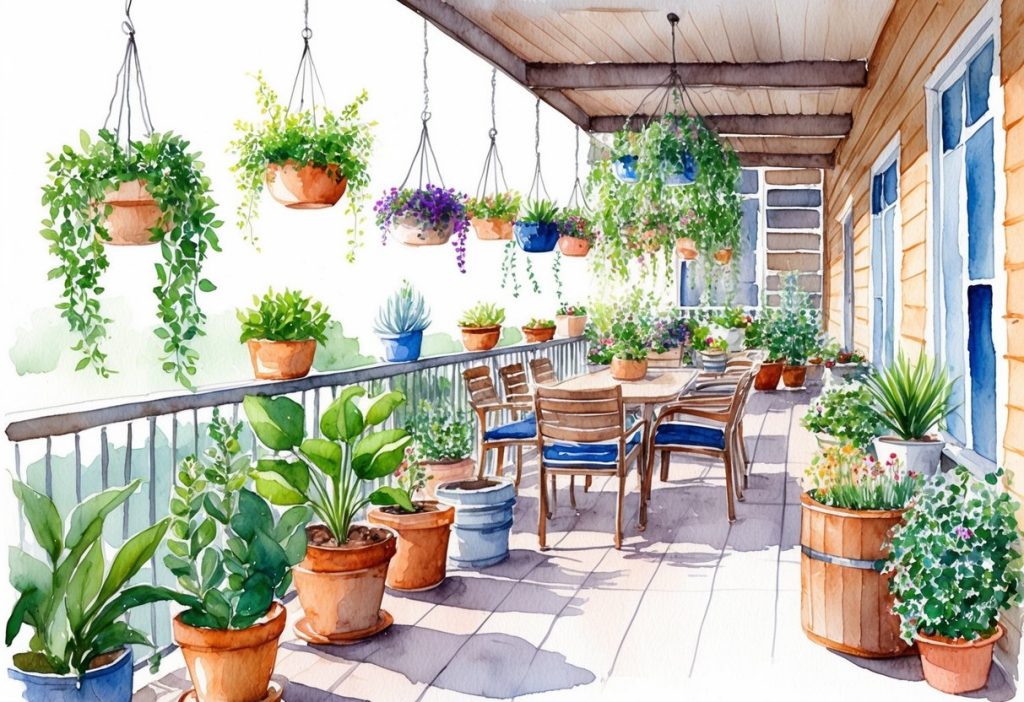
Balcony gardening can extend beyond your private space. You can join forces with neighbors and create shared green areas in your building or neighborhood. This fosters connections and makes a bigger impact on urban greening.
Collaborating with Neighbors
Team up with your neighbors for sustainable balcony gardening. Share tools, seeds, and knowledge to make the most of your resources. You can swap plants or produce, creating a mini-ecosystem within your building. Set up a group chat or bulletin board to exchange tips and plan gardening activities together.
Consider organizing seasonal planting days or harvest celebrations. These events bring people together and make gardening more fun. You might even start a community-building initiative by creating a shared compost bin or rainwater collection system for your balconies.
Creating Community Gardens
Transform unused spaces in your building into thriving community gardens. Look for areas like rooftops, courtyards, or unused ground-level spots. Work with your neighbors and building management to set up raised beds or container gardens.
Divide responsibilities among interested residents. You can assign different tasks like watering, weeding, or pest control. This shared effort makes maintaining a larger garden easier and more sustainable.
Community gardens offer a chance to grow more diverse plants than on individual balconies. You can experiment with fruit trees, larger vegetables, or even create themed areas like herb gardens or butterfly-friendly spaces. These shared green spaces improve air quality and create a sense of pride in your living environment.