🪴Balcony Garden Paradise is reader-supported. When you buy through links on our site,
we may earn a small affiliate commission at no extra cost to you. As an Amazon Associate,
we earn from qualifying purchases. Happy Gardening from the team! 🌿
Create a rooftop garden to transform unused urban space into a vibrant oasis that can provide fresh produce, aesthetic beauty, and a welcome retreat from the concrete landscape below. As an urban gardener, you have the unique opportunity to design an outdoor living space that not only enhances your quality of life but also contributes positively to the environment by increasing green areas within the city. It’s a proactive step towards sustainable living and introduces a personal connection to nature amidst urban settings.

When you embark on the journey to create a rooftop garden, the decisions you make in planning and execution are crucial to its success. Your garden will become a hub of biodiversity, offering sanctuary to a variety of insects and birds, while giving you a place to relax and enjoy the outdoors. By selecting the right plants, understanding the structural requirements, and ensuring proper maintenance, you can develop a thriving green space that elevates your urban experience.

Your rooftop garden can serve multiple purposes—it can be a culinary haven filled with herbs and vegetables, a meditative space with ornamental plants, or a combination that suits your lifestyle. Considerations such as weight limits, sunlight exposure, water access, and seasonal changes are key aspects to address in your design. With a thoughtful approach, you can harness the power of nature to create a rooftop garden that becomes an extension of your home.

The 2023 USDA Plant Hardiness Zone Map was created by Oregon State University (PRISM Climate Group) and released by the USDA.
Planning Your Rooftop Garden
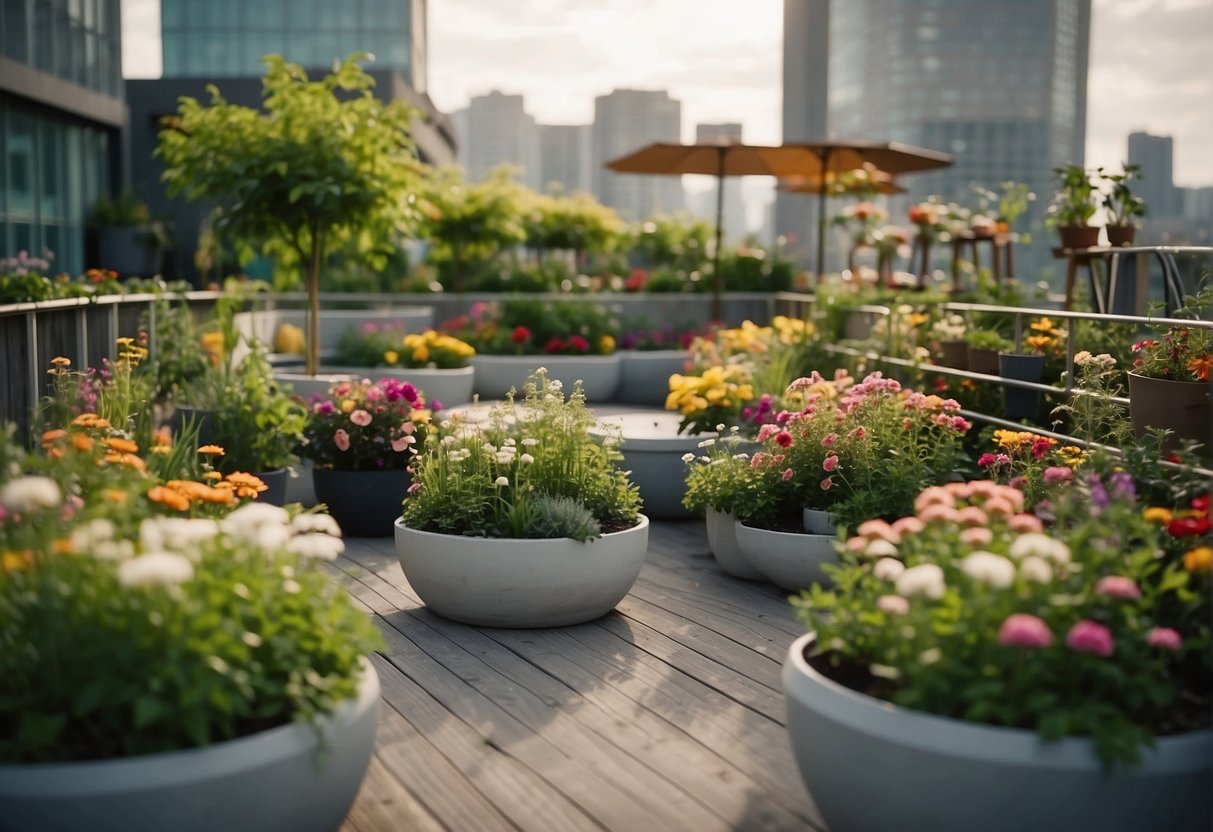
Creating a rooftop garden involves critical planning steps to ensure safety, compliance, and functionality. It is essential to assess the structural capacity, understand legalities, acquire necessary permissions, and develop a detailed design plan.
Assessing Roof Capacity
Your roof must be able to support the extra weight a garden introduces. Consult a structural engineer to evaluate the weight capacity of your roof. They will determine if reinforcements are needed for the added weight of the soil, plants, and equipment.
Understanding Building Codes and Regulations
Familiarize yourself with the local building codes and regulations regarding rooftop gardens. This step is crucial to ensure that your garden is legally compliant and safe. Building codes can affect various aspects of your garden, including weight limits, fire safety, and accessibility.
Gaining Landlord or Architect Approval
If you do not own your home, seek approval from your landlord or building management. Involving an architect can also be beneficial. They can provide expert insights on the feasibility of your rooftop garden design and its impact on the building structure.
Creating a Garden Sketch and Design
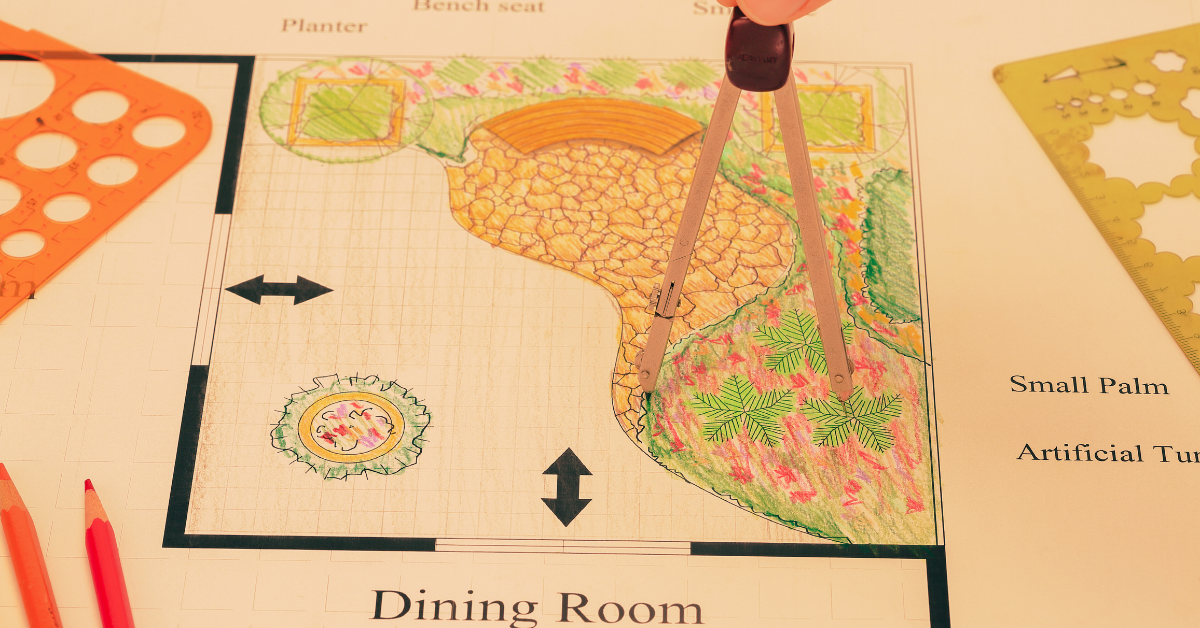
To create a rooftop garden begin with a sketch, incorporating elements at scale for accuracy. This visual representation will guide the placement of plants, features, and walkways. A clear sketch or design plan will help visualize the end goal and assist in the approval process.
Choosing Materials and Plants
Creating a rooftop garden requires careful selection of both materials for planters and furniture, and choosing plants that will thrive in your specific climate and environmental conditions.
Selecting Suitable Materials for Planters and Furniture
When embarking on your rooftop garden, the materials you choose for planters and furniture should be durable and weather-resistant. Opt for lightweight materials such as fiberglass or resin to ease the load on your roof. For a natural look, consider cedar or redwood, which are naturally rot-resistant. Ensure that your furniture is also constructed from materials that can withstand sun, wind, and rain.
Considering Weight and Structural Integrity
It is imperative to assess the weight your roof can support. Consult a structural engineer to ensure the safety and integrity of your rooftop garden. Consider lightweight options like foam-filled planters and avoid overloading any area. Distribute weight evenly and use structural reinforcements if necessary for larger installations.
Choosing Plants for Your Climate and Exposure
Plant selection is vital for a successful rooftop garden. Choose plants that can endure the wind and sun exposure typical of rooftop settings. Succulents and some herbs may be particularly well-suited due to their low maintenance and hardy nature. For greenery, consider shrubs that can act as windbreaks. Select flowers, vegetables, and fruits that are appropriate for your climate zone. Use high-quality seeds or seedlings from reliable sources to ensure the best growth. Remember to group plants with similar water and light requirements together for ease of care.
Setting Up the Garden
Before transforming your rooftop into a flourishing garden, it’s crucial to ensure proper installation of containers and raised beds, establish a sound soil and drainage system, and adopt effective planting strategies and techniques to lay the groundwork for a sustainable green space.
Installing Containers and Raised Beds
To create a rooftop garden, select durable wooden containers or raised beds that can weather the elements. Ensure they are appropriately sized for the area and have enough depth for plant roots. It’s essential to arrange your containers and raised beds to optimize space for both planting and foot traffic. To protect your roof’s surface, place a protective barrier beneath wooden structures to distribute weight and prevent water damage.
- Raised Beds: Aim for a height of 6 to 12 inches with sturdy supports.
- Containers: Choose depths based on plant requirements; generally, 12 to 18 inches is suitable for many plants.
Preparing Soil and Drainage
The foundation of any successful garden lies in quality soil and efficient drainage. Tailor your soil composition to the needs of your plants; a blend of potting soil, compost, and perlite often works well to provide the necessary nutrients and aeration. For drainage, drill holes in the bottom of containers and use a layer of gravel beneath the soil to prevent waterlogging.
- Soil Mix: 60% potting soil, 30% compost, 10% perlite or vermiculite.
- Drainage Layer: About an inch of gravel or similar material to aid water flow.
Planting Strategies and Techniques
Adopt a planting strategy that maximizes your rooftop garden’s productivity. Consider starting with seedlings for quicker growth or seeds for a wider variety of plants. Plant taller crops where they won’t shade shorter ones and use companion planting to naturally deter pests and improve pollination. See our article entitled: Balcony Companion Gardening: The Ultimate Guide to Plant Pairing for more information on companion planting.
- Plant Height: Taller plants to the north or back of beds, smaller ones to the south or front.
- Companion Planting: Research compatible plants to pair in your garden for mutual benefits.
Garden Maintenance
Maintaining your rooftop garden will ensure its longevity and vitality. Proper upkeep involves consistent watering and feeding, combating weeds and pests, and adhering to seasonal care guidelines, including timely pruning.
Regular Watering and Feeding
Your garden’s health relies on a steady supply of water and nutrients. Using a hose or a watering can, ensure that you give your plants the correct amount of water, generally in the early morning or late evening to prevent evaporation. Automatic watering systems can be a convenient way to maintain a consistent watering schedule, especially during periods when you might be busy or away. Check out our article: Best Gardening Supplies: Tips for Finding the Right Tools. You’ll even find our free download, Balcony Garden Paradise Tools and Supplies Checklist to help you pull together the right tools for the job.
- Water: Aim for 1 inch per week, either through rain or manual watering.
- Feed: Apply a balanced fertilizer every few weeks during the growing season.
Managing Weeds and Pests
Weeds compete with your plants for nutrients and space, while pests can cause significant damage if left unchecked.
- Weeds: Regularly inspect your garden and remove weeds by hand to prevent them from taking over.
- Pests: Identify any common pests early and use appropriate eco-friendly pesticides or natural remedies to control them. Consider a Neem Oil product. You might still have a “pesky friend” or two, but we have used a Neem Oil Product and had good results. 🌱🌿
Implementing barriers or deterrents can also help in managing pests more proactively.
Seasonal Care and Pruning
Each season brings a different set of maintenance tasks.
- Spring: Prepare garden beds, start new plants, and prune winter damage.
- Summer: Monitor plant health, deadhead flowers, and control pests.
- Fall: Prune perennials, clean up fallen leaves, and prepare for winter.
- Winter: Protect sensitive plants and plan for the next growing season.
Proper pruning encourages healthy growth and shapes the plants in your garden. Remove dead or diseased branches and trim overgrowth as necessary.
Enhancing Your Garden
To truly elevate your rooftop garden, consider harnessing vertical space, creating protected nooks, and adding captivating elements that draw the eye.
Integrating Vertical Space and Trellises
To maximize your garden’s potential, integrate trellises to make full use of vertical space. This approach allows you to grow climbing plants such as ivy and climbing roses, adding a lush, green backdrop to your garden. Not only do these structures support plant growth, but they also contribute to the garden’s vertical interest.
Creating Windbreaks and Privacy Screens
Windbreaks are essential to create rooftop gardens to protect delicate plants and create private areas. By strategically placing ornamental grasses or a row of crabapple trees, you can shield your garden from strong winds while enhancing its privacy. This adds functional value and a visually pleasing softness to the edges of your space.
Adding Aesthetic Touches and Focal Points
Incorporate colors and eye-catching focal points to give your garden character. Adding a bold statue or vibrant flowerbeds can serve as stunning centerpieces. Bold design moves like these ensure your rooftop garden is not only a green oasis but also a captivating outdoor living area.
Garden Utility and Storage
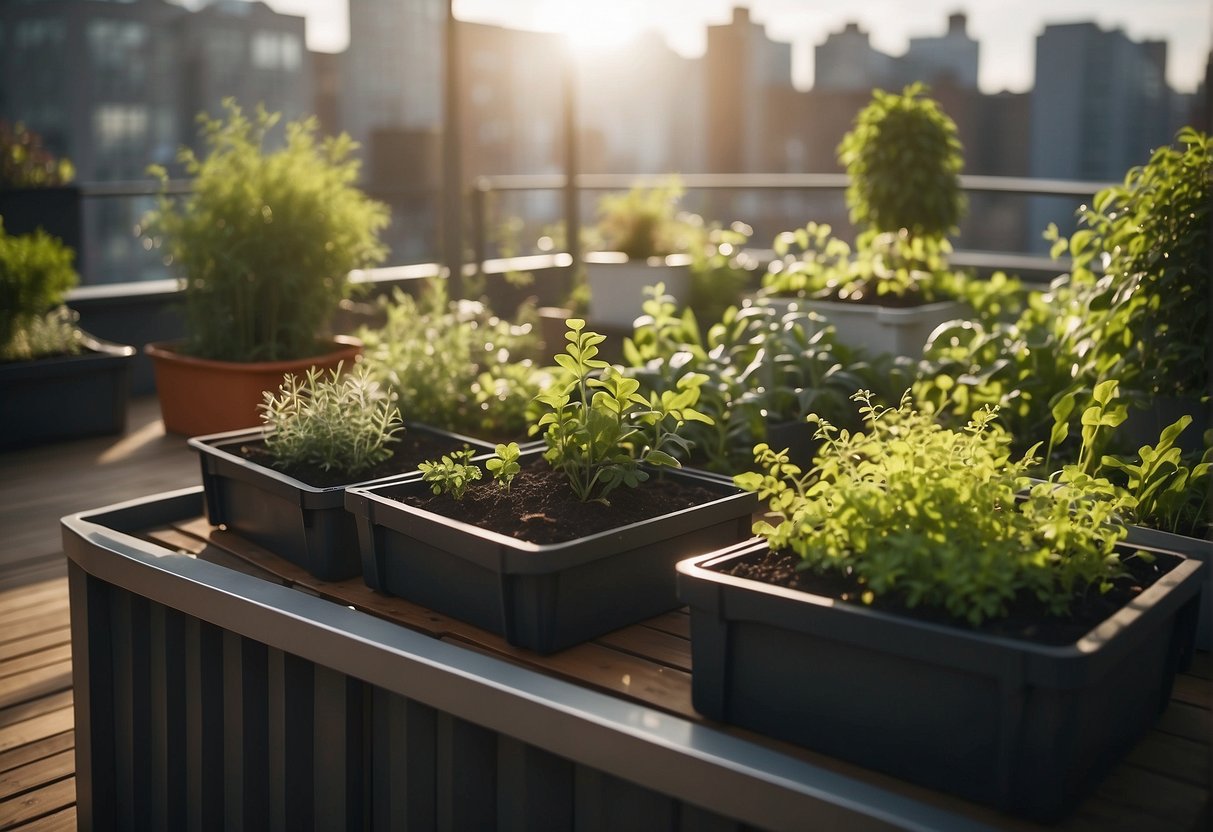
Maximizing your rooftop garden’s potential involves creating an effective watering system and ensuring your tools and supplies are neatly organized. Let’s explore how you can set up both to keep your garden flourishing and your workspace uncluttered.
Implementing a Watering System
Your rooftop garden needs a reliable watering system to thrive. Consider self-watering containers for a low-maintenance solution; they can reduce the frequency of watering by using reservoirs. These containers utilize a simple principle where water is drawn up into the soil through capillary action, which is efficient and conserves water. Alternatively, you can set up drip irrigation lines connected to a timed water source to automate the watering process, ensuring your plants receive the water they need consistently even when you’re not around.
Designing for Tool and Supply Storage
Effective tool and supply storage is crucial to keep your rooftop garden tidy and functional. You’ll want a storage system that protects tools from the elements and keeps them conveniently at hand. A weather-resistant cabinet or a shelving unit with designated sections for different supplies works well. Make sure to choose robust materials such as treated wood or metal to withstand outdoor conditions. For smaller tools and gardening gloves, hang a pegboard on the wall to save space and keep items within easy reach. Utilizing vertical space and securing storage elements to the wall or floor are essential strategies, especially in areas where strong winds are a factor.
Enjoying Your Rooftop Oasis
Transforming the rooftop of your house or apartment into a garden sanctuary offers you a private escape from the everyday hustle. Your rooftop oasis is not just about greenery; it’s your personal haven where relaxation meets the sky.
First, designate cozy seating areas using weather-resistant furniture to create the perfect spot for unwinding. Consider a mix of lounge chairs, benches, and even hammocks to cater to different occasions, whether it’s quiet reading time or social gatherings.
Include elements that enhance privacy, such as trellises with climbing vines or tall plants that act as natural screens. This touch of greenery will not only increase the sense of seclusion but also add to the aesthetics of your space. If your rooftop is visible from neighboring structures, consider installing stylish partitions or privacy screens to feel more comfortable in your outdoor retreat.
For those who love to entertain, consider setting up an outdoor kitchen or bar area. It’s ideal for hosting friends and family, and with the right setup, your rooftop can be the highlight of your social life.
Remember to integrate soft lighting for evenings – solar LED lights or strings of fairy lights are both energy-efficient and enchanting, providing the perfect glow as the sun sets.
Carefully selected plants that thrive in rooftop conditions will ensure your garden remains lush and inviting. Opt for species that can withstand the wind and have shallow root systems, which are better suited for container gardening.
Your rooftop oasis should be a reflection of your personal style, with choices that cater to your comfort and enjoyment. Take pleasure in the tranquility and exclusive atmosphere of your rooftop, an urban gem perched atop your home.
Safety Measures and Considerations
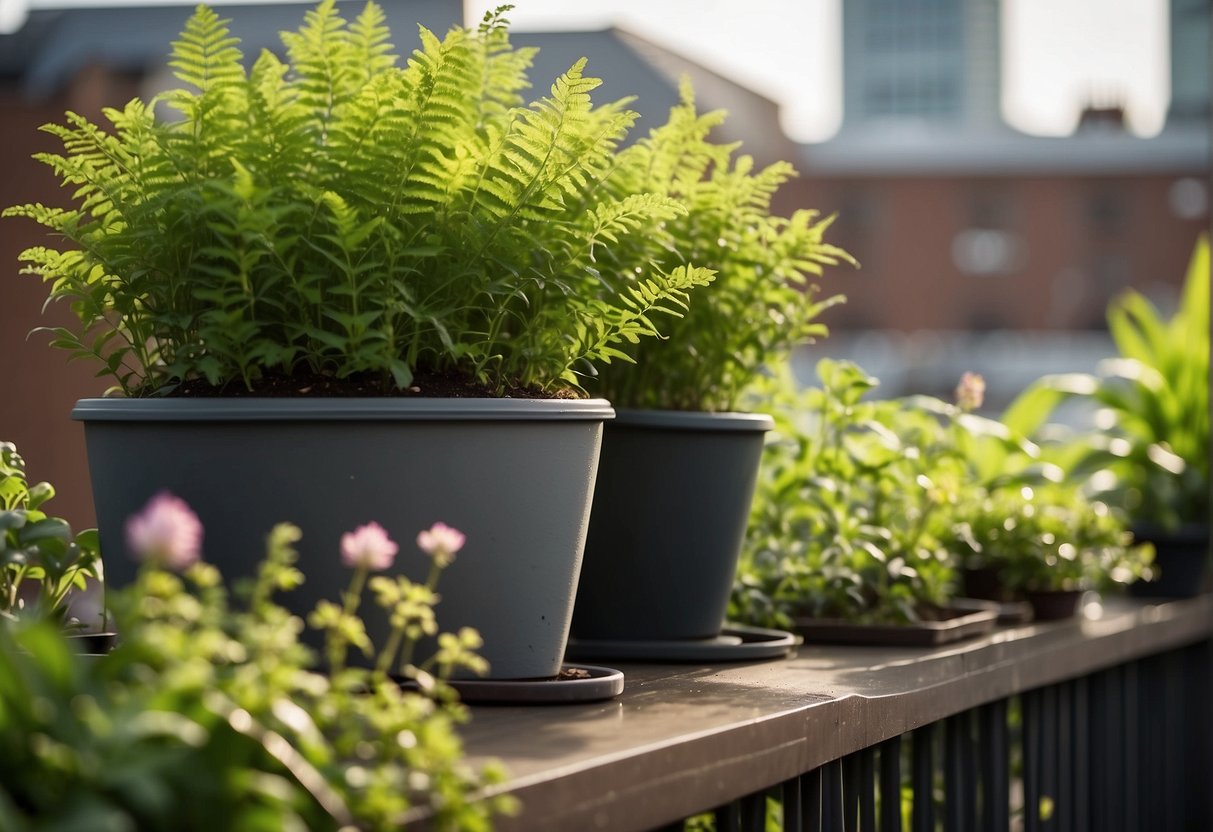
Before you embark on creating your rooftop garden, it’s crucial to prioritize safety. This includes ensuring safe access to your garden and safeguarding against environmental factors such as wind.
Ensuring Safe Access and Pathways
When designing your rooftop garden, safe access is paramount. Your pathways should be clearly marked and free of obstructions to provide a secure route for you to navigate. It’s important to use non-slip materials, especially since surfaces can become slick when wet. Regular maintenance is required to keep these areas safe from trip hazards.
- Pathway Materials: Choose materials that provide grip and are weather-resistant.
- Maintenance: Regularly check and clear pathways of debris or loose materials.
Protecting Against Wind and Height Exposure
Wind exposure can pose significant challenges in a rooftop setting. Planning for wind involves selecting appropriate plant varieties that can withstand gusts and using windbreaks or sheltering structures to reduce the impact.
- Windbreak Options:
- Tall planters
- Trellises with climbing plants
- Solid barriers
At height, it’s also important to implement safety barriers to prevent falls. A sturdy and regulation-compliant parapet or guardrail is a must-have to ensure your garden remains a safe haven.
- Height Safety:
- Check local regulations for barrier requirements
- Ensure barriers are properly installed and maintained
By carefully considering these safety measures, you’ll be well on your way to enjoying your rooftop garden with peace of mind.
Community and Outreach

Creating a rooftop garden isn’t just about planting; it’s also about fostering a sense of community and connecting with others who share your passion for urban gardening.
Organizing Community Gardening Events
Community gardening events are an excellent way for you to meet fellow garden enthusiasts and exchange valuable insights on urban agriculture. Consider hosting a Seed Swap Meet where everyone can bring seeds from their gardens to exchange with others. Alternatively, “Garden-to-Table” Cooking Classes could involve harvesting produce from the rooftop garden and teaching participants how to prepare delicious meals with fresh ingredients.
Subscribing to Gardening Newsletters and Forums
To stay updated on the latest in rooftop gardening, it’s vital to join the conversation online. Subscribing to specialized gardening newsletters can provide you with regular updates on innovative gardening techniques while becoming a member of online gardening forums can help you troubleshoot common issues in your yard. Here is a quick list to get you started:
- Gardener’s Digest: A monthly newsletter bringing you the latest on urban gardening trends and design ideas.
- Urban Gardeners Forum: An online community where rooftop green thumbs discuss everything from soil composition to seasonal planting.
By staying informed and involved, your rooftop garden will not only flourish, but it can also become a cornerstone of your local urban gardening community.
Environmental Impact and Benefits
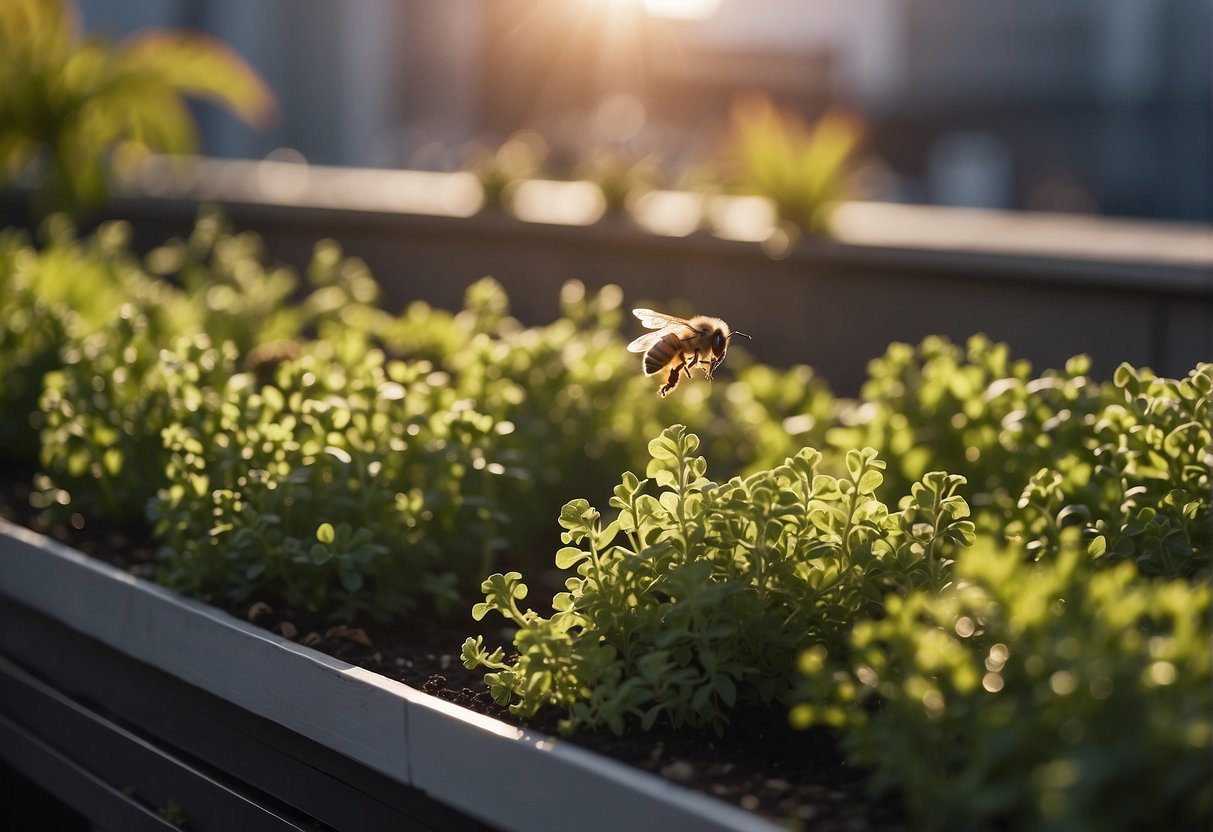
Rooftop gardens transform unused urban spaces into vibrant ecosystems, concurrently mitigating environmental issues like the urban heat island effect by cooling the air. They are essential oases providing numerous environmental advantages within concrete cityscapes.
Supporting Urban Wildlife and Pollinators
You can play a crucial role in supporting urban biodiversity by incorporating a rooftop garden (check out this Encyclopaedia Brittanica entry for additional information) into your building. Such gardens create a haven for various species, including butterflies, which are vital pollinators. By choosing native plants that attract these insects, you contribute to maintaining their populations and the broader health of your local ecosystem.
- Butterflies: Planting milkweed and nectar-rich flowers can draw these delicate pollinators to your rooftop retreat.
- Bees: Including flowers like lavender and borage offers essential resources for bees, bolstering their dwindling numbers.
Contributing to Urban Ecology and Sustainability
Your rooftop garden can become an integral component of urban ecological networks. Beyond aesthetic appeal, these green spaces provide critical environmental benefits like stormwater management, reducing runoff, and enhancing air quality. Furthermore, urban rooftop gardens have the potential to improve energy efficiency by providing insulation, therefore decreasing the demand for heating and cooling in buildings.
- Reduced Energy Use: A layer of soil and plants acts as insulation, keeping buildings warmer in winter and cooler in summer.
- Stormwater Absorption: Green roofs can absorb and filter rainwater, lessening the load on urban sewage systems and protecting water quality.
Legal and Insurance Considerations

Before you embark on creating your rooftop garden, it’s imperative to understand the local building codes and regulations. Typically, these codes determine the structural requirements and restrictions to ensure safety and compliance. For instance, there may be limitations on the weight your roof can safely hold, or specific fire exits that must remain accessible.
If you’re renting, check with your landlord to obtain permission. Not only must you respect their property rights, but they may have additional rules or insurance stipulations regarding rooftop use. It’s prudent to have any agreements made in writing to protect both parties.
Regarding insurance, you must inform your insurer of your plans to create a rooftop garden. Here’s why:
- Liability Coverage: In case of injuries or accidents on your rooftop, adequate liability coverage is crucial.
- Damage Protection: Understand how garden installations may affect your current policy, particularly concerning potential water damage or structural alterations.
- Increased Coverage: Depending on the scope of your rooftop garden, you might need to increase your coverage to ensure full protection.
Lastly, consult with your lawyer or legal advisor to navigate local ordinances and insurance policies. This will help you to fully understand your responsibilities and the potential legal implications of installing a rooftop garden.
Documentation Checklist:
- Local building codes and regulations
- Landlord’s written permission
- Updated insurance policy specifics
- Legal advisor’s guidance
We incorporate affiliate links in some of our articles and may earn a small commission from your use of the links. These are products that we use and love in our own balcony garden and we appreciate your visit to our site!