🪴Balcony Garden Paradise is reader-supported. When you buy through links on our site,
we may earn a small affiliate commission at no extra cost to you. As an Amazon Associate,
we earn from qualifying purchases. Happy Gardening from the team! 🌿
Cooler mornings and shorter days mean it’s time to think ahead. Your balcony doesn’t have to go bare just because summer’s over. With a little planning around plants, containers, and cold-weather prep, you can keep your outdoor space green and welcoming well into the colder months.
The trick is matching what you grow to what your space actually deals with. A windy 12th-floor balcony in Chicago faces different challenges than a sheltered patio in Charlotte. Container gardening through fall and winter works best when you choose cold-hardy plants, pick pots built to handle freezing and thawing, and protect roots before a hard freeze hits — not after.

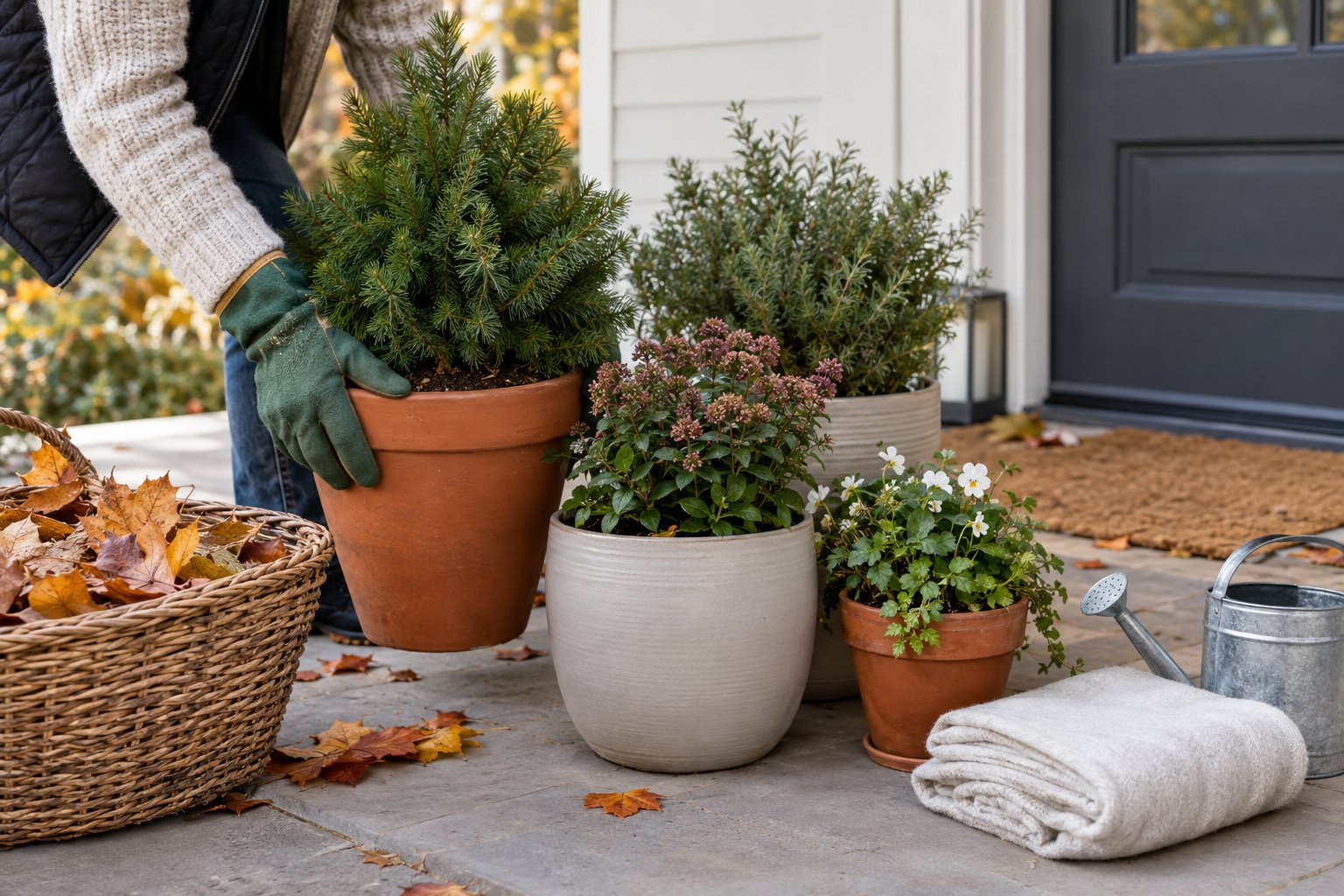
Think of this as a seasonal refresh, not a teardown. A few smart swaps now can carry your winter container garden through to spring without much fuss.
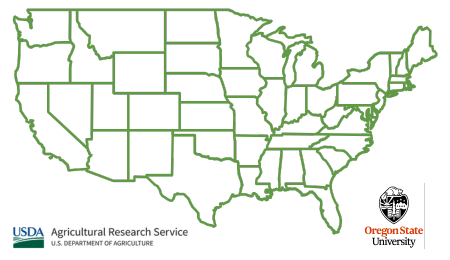
The 2023 USDA Plant Hardiness Zone Map was created by Oregon State University (PRISM Climate Group) and released by the USDA.
Which Plants Can Stay in Outdoor Pots as Temperatures Drop?
Plenty of plants handle cold just fine in containers, as long as you match them to your climate. The safest bet is choosing winter container plants rated hardy to one zone colder than where you live, since roots in pots get colder faster than roots in the ground.
Choose Evergreens and Conifers for Lasting Structure
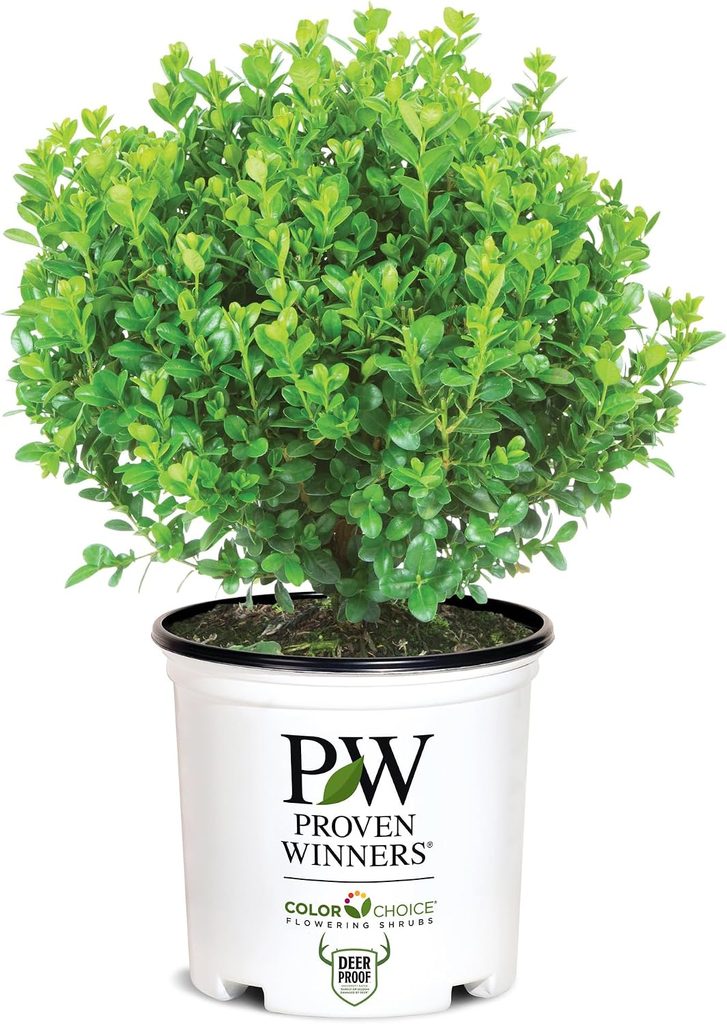
Evergreen shrubs and dwarf conifers give your balcony a backbone that holds up all winter. Boxwood, holly, juniper (including creeping juniper), and yew keep their color and shape through freezing weather. Dwarf spruce, including dwarf Alberta spruce and blue spruce, adds height without overwhelming a small pot.
Winterberry holly is a great choice for winter interest, but it’s worth knowing upfront that it drops its leaves in fall. What’s left behind is a branch full of bright red winter berries, which is exactly the point. Camellia can work too, though its bloom time and cold tolerance vary by variety, so check the specific plant before you count on flowers in the coldest months.
Add Cold-Season Flowers and Colorful Foliage
Winter-blooming flowers bring color when everything else looks dormant. Pansies and violas are the classic pick, and they bloom best once temperatures climb back above 32°F, according to Clemson Cooperative Extension’s guide to fall and winter containers. Hardy cyclamen, winter heath, and winter heather add texture and low-growing color.
For foliage, heuchera (coral bells) and bergenia hold their leaf color through frost. Ornamental kale and ornamental cabbage get more colorful as it gets colder, and ornamental grasses plus sedum add movement and texture that most flowering plants can’t match this time of year.
Grow Herbs and Greens That Suit Your Winter
Hardy herbs like thyme and sage are evergreen herbs that shrug off light frost. Rosemary is trickier: its cold tolerance depends heavily on the variety and how sheltered your pot is, so treat it as a plant to watch closely rather than one to count on everywhere. For winter vegetables, kale and spinach handle cold snaps well and often taste sweeter after a light frost.
What Makes a Pot Ready for Freezing Weather?
The right container matters as much as the right plant. Porous materials like unglazed terra cotta, clay, and ceramic soak up water, and when that water freezes, it expands and cracks the pot, a problem known as the freeze-thaw cycle. For some fun winter garden ideas check out this article from Better Homes and Gardens: Be inspired to transform your garden this fall and winter – with seasonal planting ideas from New York City’s High Line.
Pick Weather-Resistant Materials and Enough Room for Roots
Weather-resistant containers made from resin, fiberglass, or metal planters handle freezing temperatures far better than clay or ceramic. Metal and wood are solid choices too, though both will show wear over time. Insulated containers with double walls give roots an extra buffer against sudden temperature swings.
Size counts too. Containers at least 14 inches in diameter hold more soil volume, which helps insulate roots from the cold, according to The Growing Place’s guide to winterizing containers.
Check Drainage Before Reusing a Container
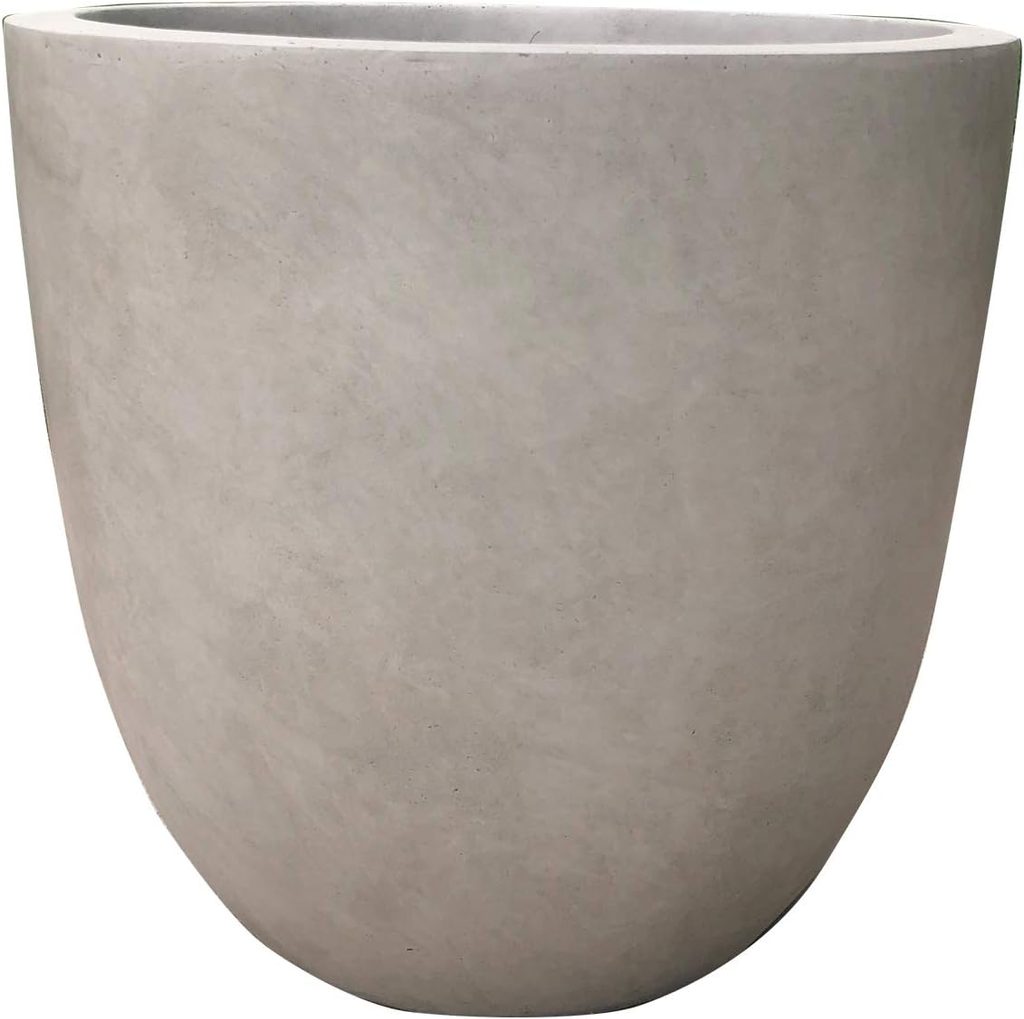
Good drainage keeps roots from sitting in freezing water. Make sure drainage holes aren’t blocked, and remove any saucers before winter sets in. If water collects in a saucer and freezes, the ice can crack the pot.
Elevate pots slightly off the deck or floor with feet or blocks. This keeps the base from sitting on cold, frozen tile and helps water drain freely instead of pooling underneath.
Before you finalize your container setup, check your building or HOA rules on weight, drainage runoff, and what’s allowed on balcony railings or floors. Every building is different, and a little research now avoids headaches later.
How Do You Put Together a Fall-to-Winter Display?
A good fall-to-winter display starts by grouping plants with similar light and water needs, then building around them with seasonal color and texture. The classic approach is “thriller, filler, spiller”: something tall for structure, something bushy to fill space, and something trailing to soften the edges.
Match Plant Needs Before Combining Them
Before you combine plants in one pot, check that they all want similar sun and water. A succulent like sedum and a moisture-loving fern don’t make good roommates, no matter how nice they’d look together. Grouping by need first keeps the whole container healthier longer.
Layer Height, Foliage, and Seasonal Accents
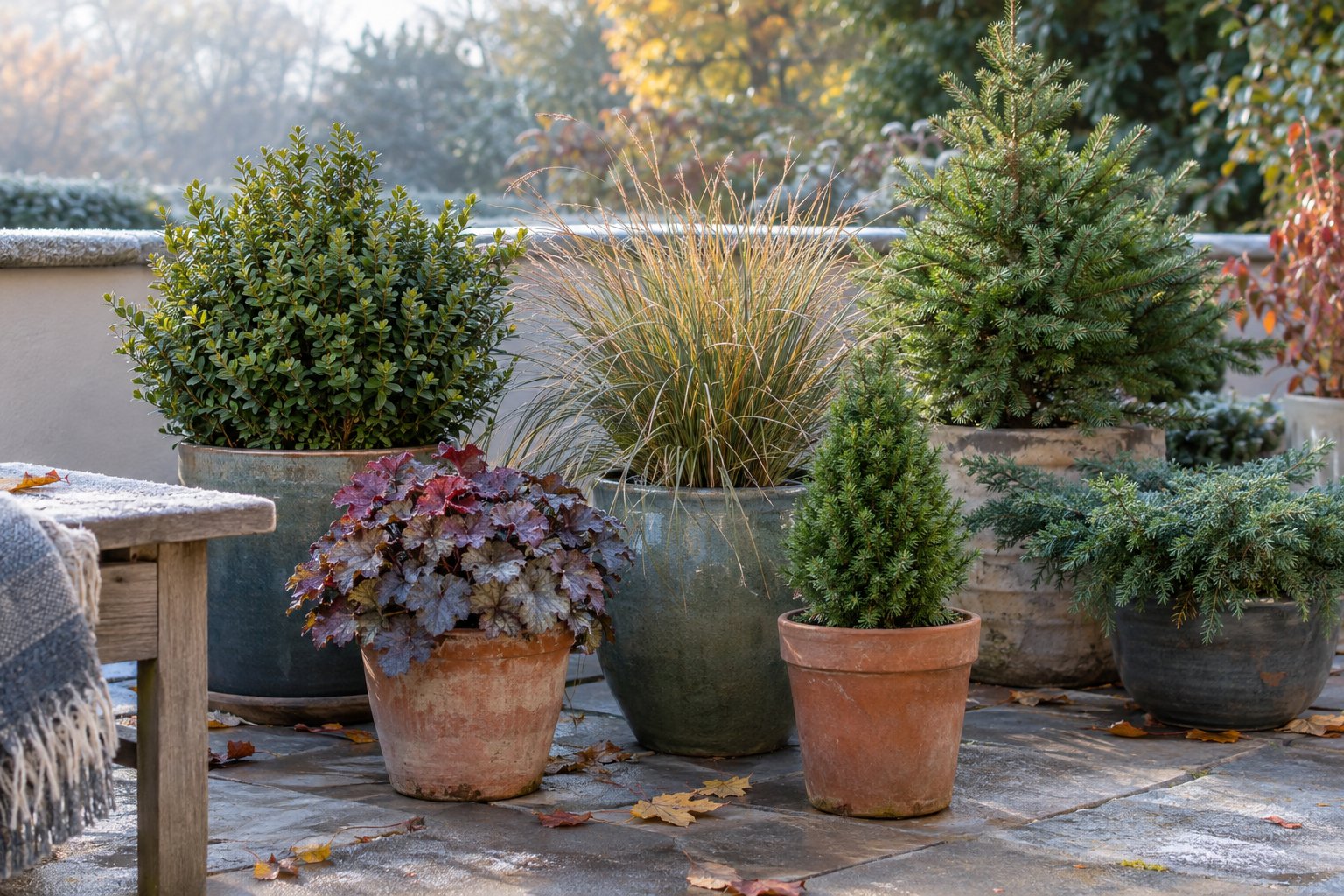
Add height with a dwarf conifer or a few dogwood stems for their colorful winter bark. Fill in with kale, heuchera, or pansies, then tuck in decorative branches, pinecones, or dried grasses for texture that costs nothing and lasts for weeks. If you want ideas for layering color and texture beyond plants alone, this piece on adding texture to a balcony garden has more specific tips.
Swap out spent annuals as frost takes them, and let your evergreen backbone carry the display through the coldest stretch.
How Can You Protect Potted Roots from a Cold Snap?
Potted roots need extra protection because they lack the ground’s natural insulation. A plant that would shrug off a cold night in the yard can suffer real damage in a pot, since cold air surrounds the roots on every side instead of just from above.
Move and Group Pots Where Wind Hits Less Hard
Move containers close together near a wall, ideally one that gets some afternoon sun. Grouped pots share warmth, and a wall blocks a good amount of wind, which is often more damaging to potted plants than cold air alone.
If your balcony catches a lot of wind, tuck pots into corners or behind railings where gusts break up. For more on setting up a windy space, see this guide to managing a windy balcony garden.
Insulate Pots Without Blocking Drainage
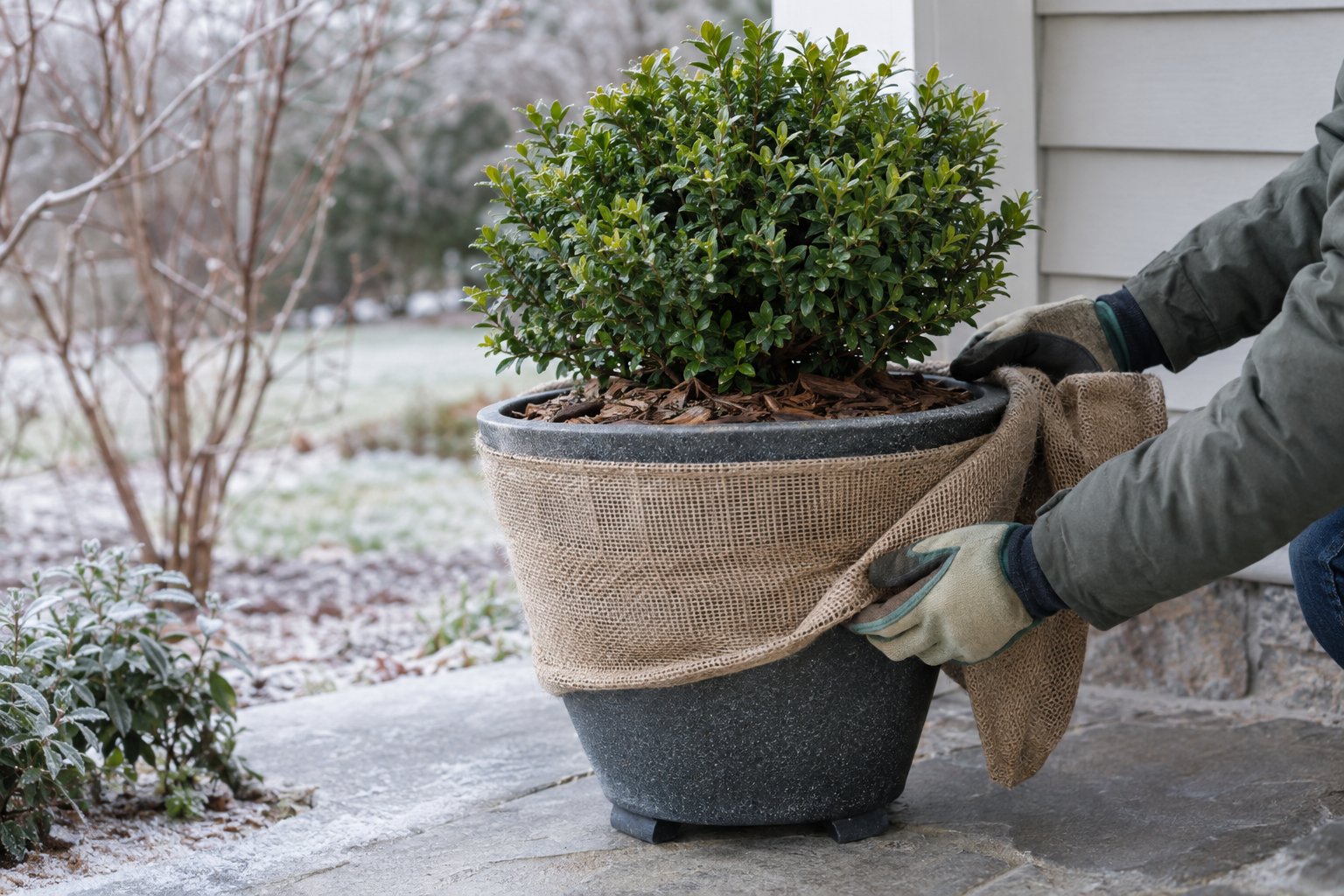
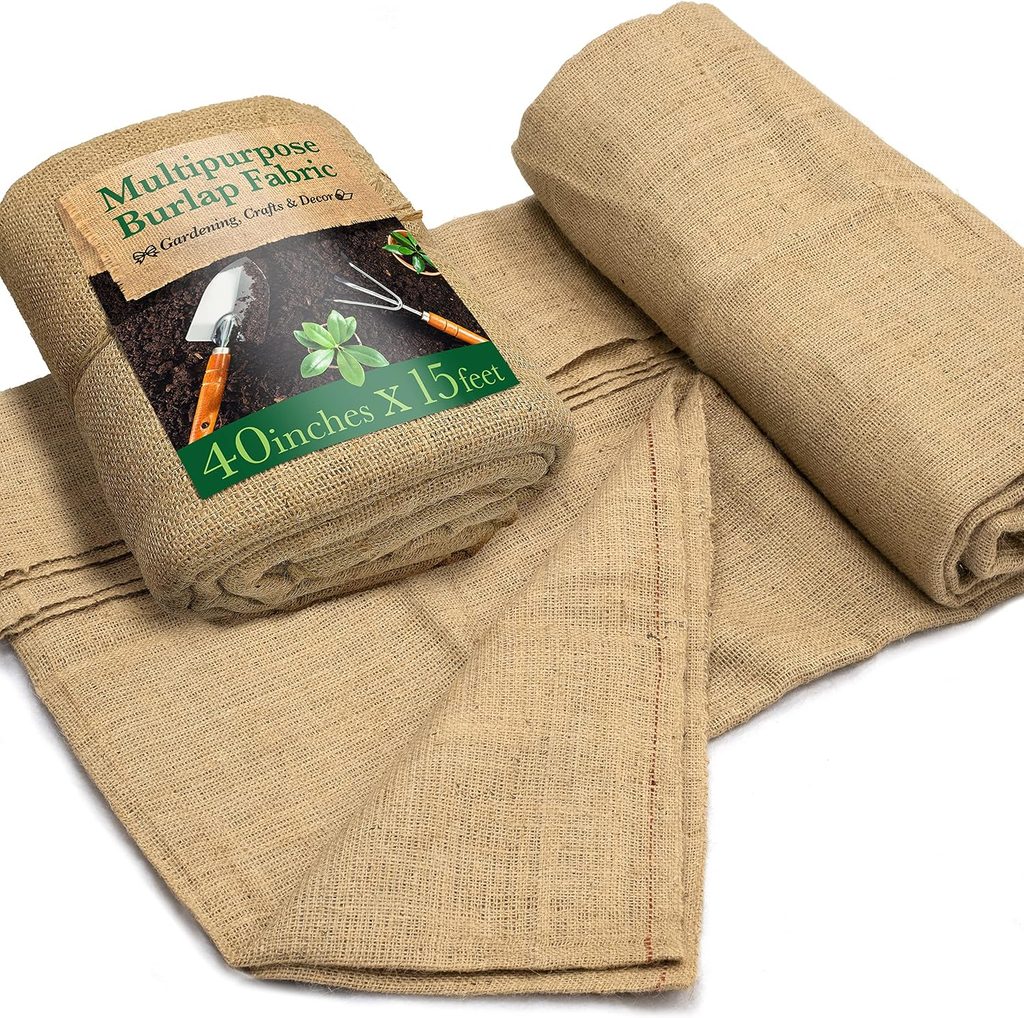
Wrap containers in burlap or bubble wrap to add a layer of frost protection for roots, but always keep drainage holes clear. Trapped water is more damaging than cold air. A layer of winter mulch, at least a couple of inches of straw, shredded leaves, or bark, on top of the soil adds another buffer for the roots below.
Cover Tender Growth When Frost Is Forecast
Drape frost cloths over tender plants on nights when frost is expected, and remove the covering once temperatures climb back above freezing. Breathable frost cloth works better than plastic, which can trap moisture against the leaves and cause its own damage.
What Care Do Winter Containers Still Need?
Winter containers still need regular checking, even though winter watering and overall winter plant care both slow down. Skipping care entirely is one of the fastest ways to lose a plant that would have otherwise made it through the season.
Water When the Soil Needs It and Can Drain
Water only when the top few inches of soil are dry, and temperatures are above freezing, ideally in the morning so moisture has time to soak in before a cold night. Overwatering in winter is a common mistake, since soggy soil freezes more easily and can lead to root rot.
Check for Wind Damage, Soggy Soil, and Frost Heave
Walk your balcony every week or two and look for broken stems, waterlogged soil, or pots that have shifted from frost heave (when freezing soil expands and pushes the plant upward). Catching these problems early is much easier than fixing them after a hard freeze.
A Few Smart Changes Keep the Balcony Inviting
A thriving winter garden on a balcony doesn’t take a full overhaul. Swapping in a few cold-hardy plants, choosing pots built for freezing weather, and grouping containers against a sheltered wall covers most of what your plants need to make it through the season.
Check in on watering and drainage every week or two, and cover tender growth when frost is in the forecast. Small, consistent steps like these keep your space looking cared for from the first cool morning through the last frost of spring.
Frequently Asked Questions
How cold is too cold for container plants?
Container plants are at risk once temperatures fall below their hardiness rating, and because pots don’t have the ground’s insulation, this happens faster than it would for the same plant in soil. Many houseplants and tropicals need to come indoors before nights drop below 50°F, while hardy perennials in pots can often handle freezing temperatures if their roots get extra protection.
What plants can thrive in pots in cold weather?
Evergreen shrubs like boxwood, holly, and juniper, along with dwarf conifers, hold up well in outdoor pots through winter. Cold-tolerant flowers such as pansies and violas, plus foliage plants like heuchera and ornamental kale, add color even after a frost.
How can I prepare my potted plants for winter?
Start by choosing a weather-resistant container, checking that drainage holes are clear, and grouping pots near a sheltered wall before the first hard freeze. Add a layer of mulch on top of the soil and wrap tender pots in burlap or bubble wrap for extra root protection.
Should I bring my container plants indoors for winter?
Tropical and tender plants generally need to come indoors once nights drop below 50°F, since extended cold exposure can damage or kill them. Hardy perennials and evergreens rated for your zone can often stay outside with some added protection, like mulch or a sheltered spot against a wall.
What is the most common winter mistake with container plants?
Overwatering is one of the most common mistakes, since soggy soil freezes more easily and can lead to root rot. Leaving saucers under pots is another frequent misstep, because trapped water can freeze and crack the container.