🪴Balcony Garden Paradise is reader-supported. When you buy through links on our site,
we may earn a small affiliate commission at no extra cost to you. As an Amazon Associate,
we earn from qualifying purchases. Happy Gardening from the team! 🌿
If you’re someone who wants to grow your own food but doesn’t have access to a traditional garden, balcony garden hydroponics may be the solution you’re looking for. Hydroponics is a method of growing plants without soil, using nutrient-rich water instead. This technique can be especially useful for those with limited space, as it allows you to grow plants in a compact area, such as a balcony or terrace.
One of the benefits of balcony garden hydroponics is that it allows you to grow a wide variety of plants in a small space. With hydroponics, you can grow anything from leafy greens to herbs to fruiting plants like tomatoes and peppers. Because the plants are grown in water, they can also be less susceptible to pests and diseases that typically affect soil-grown plants. Additionally, hydroponic systems can be designed to conserve water, making them an eco-friendly option for growing your own food.

Whether you’re an experienced gardener or just starting out, balcony garden hydroponics can be a fun and rewarding way to grow your own food. With a little bit of research and some basic equipment, you can create a thriving garden on your balcony or terrace, and enjoy fresh, healthy produce all year round.
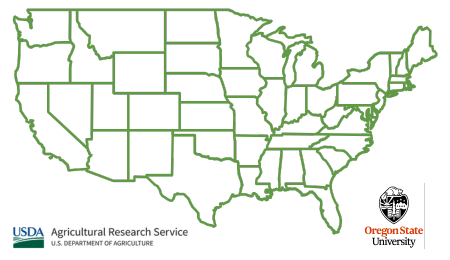
The 2023 USDA Plant Hardiness Zone Map was created by Oregon State University (PRISM Climate Group) and released by the USDA.
Understanding Hydroponics
This method is becoming increasingly popular among urban gardeners who want to grow fresh produce in limited space. In this section, we will discuss the basics of hydroponics and the advantages of this method.
Basics of Hydroponics
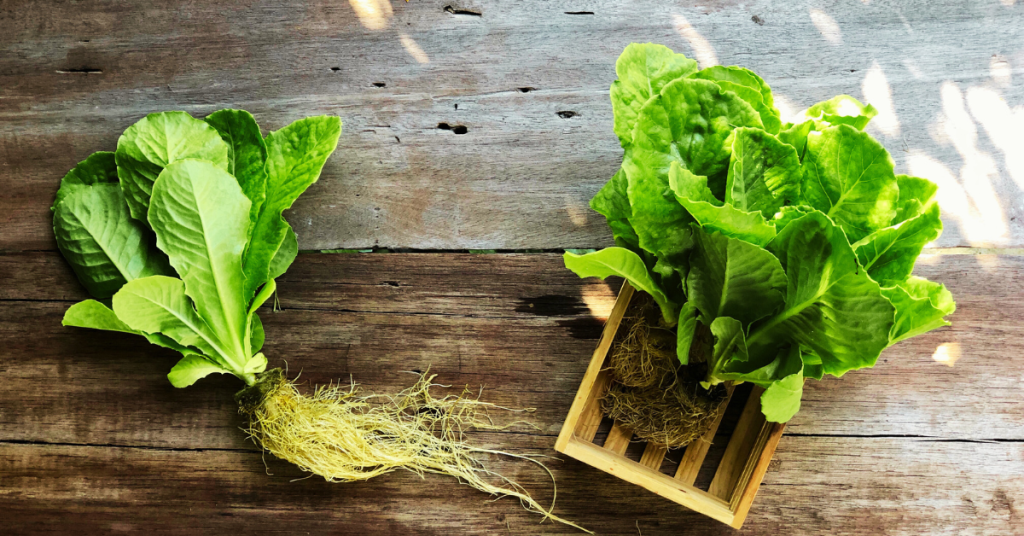
Hydroponics is a method of growing plants in a nutrient-rich solution, without soil. The solution is usually water-based and contains all the necessary nutrients that plants need to grow. The plants are grown in containers, which can be made from a variety of materials, such as plastic, PVC pipes, glass containers, or even recycled materials. The roots of the plants are suspended in the nutrient solution, which is constantly circulated to ensure that the plants get enough nutrients and oxygen.
Hydroponics is a highly efficient method of growing plants because it eliminates the need for soil, which can be expensive and heavy. It also allows for precise control over the nutrient levels and pH balance, which can result in faster growth and higher yields. Additionally, hydroponics uses less water than traditional soil-based gardening, making it a more sustainable option.
Advantages of Hydroponics
Hydroponics has several advantages over traditional soil-based gardening. One of the biggest advantages is that it allows you to grow plants in a small space, such as a balcony or terrace. This makes it ideal for urban gardeners who don’t have access to a large outdoor space. Additionally, hydroponics eliminates the need for weeding, which can be a time-consuming and tedious task.
Another advantage of hydroponics is that it allows for year-round growing, regardless of the weather conditions outside. This means that you can grow fresh produce all year round, even in areas with harsh winters or hot summers. Additionally, hydroponics can be used to grow a wide variety of plants, from leafy greens and herbs to fruits and vegetables.
Balcony Garden Hydroponics
Setting Up Your Hydroponic System
Setting up your own hydroponic system might seem intimidating at first, but with a little bit of knowledge and the right materials, it’s actually quite simple.
Choosing the Right System
The first step in setting up your balcony garden hydroponic system is choosing the right system for your needs. There are many different types of hydroponic systems available, each with its own pros and cons. Some of the most popular systems include:
- Deep Water Culture (DWC): This is one of the simplest and most popular hydroponic systems. It involves suspending plant roots in a nutrient-rich water solution and using an air pump to provide oxygen to the roots.
- Drip Irrigation: This system involves using a pump to drip nutrient solution onto the roots of plants, which are grown in a soilless medium like coconut coir or rock wool.
- Nutrient Film Technique (NFT): This system involves suspending plant roots in a shallow stream of nutrient-rich water, which is constantly flowing past the roots.
When choosing a system, consider factors like your available space, budget, and the types of plants you want to grow. Some systems are better suited for certain types of plants than others, so do your research before making a decision.
Materials Needed
Once you’ve chosen a system, it’s time to gather the materials you’ll need to set it up. Some common materials include:
- A container: This will hold the nutrient solution and plant roots. You can use anything from a plastic storage bin to a repurposed aquarium.
- Growing medium: Depending on the system you choose, you may need a soilless growing medium like coconut coir, perlite, or rock wool.
- Nutrient solution: This is the key to hydroponic gardening! You can buy pre-mixed nutrient solutions or make your own using a recipe tailored to your plants’ needs.
- Lighting: Most plants need at least 6-8 hours of sunlight per day to grow, but if you don’t have access to natural light, you’ll need to invest in artificial lighting like LED grow lights.
- Air pump and tubing: If you’re using a DWC system, you’ll need an air pump and tubing to provide oxygen to the roots.
With these materials in hand, you’re ready to start setting up your balcony garden hydroponic system. By following the instructions that come with your chosen system and doing a little bit of research on the specific needs of your plants, you’ll be well on your way to growing your own fresh produce right on your balcony.
Space Requirements
To get started with balcony garden hydroponics, you will need a few things. First, you will need a balcony or other outdoor space that gets plenty of sunlight. Ideally, you should choose a spot that gets at least six hours of direct sunlight per day.
Next, you will need a hydroponic system. There are many different types of hydroponic systems available, but for balcony gardening, you will want to choose a system that is compact and easy to use. Some popular options include drip systems, nutrient film technique (NFT) systems, and deep water culture (DWC) systems.
Finally, you will need plants and a growing medium. You can grow a variety of plants in balcony garden hydroponics, including leafy greens, herbs, tomatoes, and strawberries. For the growing medium, you can use rock wool, coconut coir, or perlite.
Checking Restrictions and Ordinances
Before starting your balcony garden hydroponics project, it is important to check for any restrictions and ordinances in your area. This will ensure that you are not violating any laws or regulations and prevent any potential legal issues.
Restrictions
When it comes to balcony garden hydroponics, restrictions can vary depending on the location. Some common restrictions include:
- Size limitations: Some buildings may have restrictions on the size of the garden or the number of plants you can grow on your balcony.
- Weight limitations: Balconies have weight limits, and adding a hydroponic garden can increase the weight load. Make sure you are not exceeding the weight limit of your balcony.
- Water usage: Water usage restrictions may apply in some areas, so it is important to check with your local water authority before starting your garden.
- Sunlight: Some buildings may have restrictions on the amount of sunlight that can be blocked by your garden. Make sure your garden does not block the sunlight from other balconies or windows.
Ordinances
Ordinances are laws that regulate how you can use your property. Some possible ordinances that may apply to balcony garden hydroponics include:
- Zoning regulations: Zoning regulations may limit the types of plants you can grow or the size of your garden.
- Building codes: Building codes may require you to obtain a permit before starting your balcony garden hydroponics project.
- Fire codes: Fire codes may require you to use fire-resistant materials for your garden or limit the amount of flammable materials you can use.
- Health codes: Health codes may require you to follow certain guidelines when growing food in your garden.
Make sure to check with your local authorities to find out about any restrictions or ordinances that may apply to your balcony garden hydroponics project. By doing so, you can ensure that your garden is legal and safe for everyone involved.
Plant Selection and Care
Ideal Plants for Hydroponics
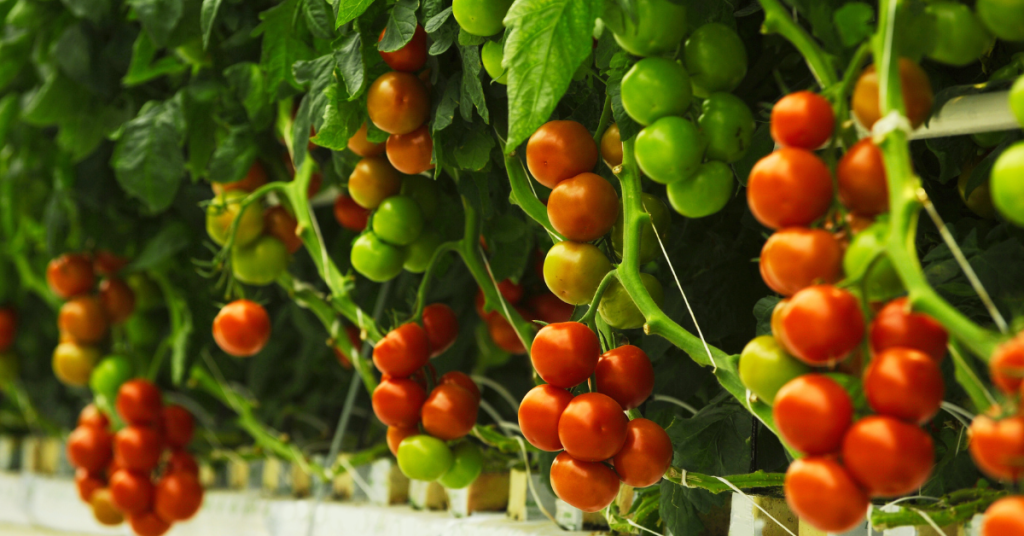
When selecting plants for your balcony garden hydroponics setup, it’s important to choose plants that are well-suited for hydroponic growing. Some of the ideal plants for hydroponics include:
- Lettuce
- Spinach
- Kale
- Basil
- Mint
- Chives
- Strawberries
- Tomatoes
These plants are great for hydroponics because they have relatively shallow roots and can thrive in nutrient-rich water. They also tend to grow quickly, which means you can enjoy fresh produce sooner.
Plant Care Tips
Once you’ve selected your plants, it’s important to take good care of them to ensure they thrive in your hydroponic system. Here are some tips for plant care:
- Monitor pH levels: The pH level of your water should be between 5.5 and 6.5 for most plants. Use a pH testing kit to monitor levels regularly and adjust as needed.
- Provide adequate light: Most plants need at least 6 hours of sunlight per day. If your balcony doesn’t get enough sunlight, consider using grow lights to supplement.
- Keep water levels consistent: Make sure your plants always have enough water by checking levels regularly and topping off as needed.
- Prune regularly: To keep your plants healthy and encourage growth, prune away any dead or damaged leaves regularly.
- Watch for pests: Keep an eye out for pests like aphids and spider mites, which can quickly damage your plants. If you notice any pests, treat them immediately with a natural insecticide.
By following these tips and selecting the right plants, you can create a thriving balcony garden hydroponics setup that provides you with fresh produce all year round.
Troubleshooting and Maintenance
Common Issues
While growing plants through hydroponics in your balcony garden can be a rewarding experience, it is not without its challenges. Here are some common issues you may encounter and how to address them:
- Algae growth: Algae can grow quickly in hydroponic systems, especially when exposed to sunlight. To prevent algae growth, cover the nutrient solution with black plastic or use an opaque container. You can also add an algaecide to the nutrient solution, but be sure to follow the instructions carefully.
- Nutrient deficiencies: Plants grown through hydroponics rely on the nutrient solution for their growth. Nutrient deficiencies can occur if the solution is not properly balanced or if the plants are not absorbing the nutrients properly. Check the pH level of the solution regularly and adjust it as necessary. You can also add a nutrient solution tester to your toolkit to ensure that the nutrient levels are correct.
- Pests: Just like with traditional gardening, hydroponic plants can be susceptible to pests such as aphids, mites, and whiteflies. To prevent pest infestations, keep your balcony garden clean and free of debris. You can also use natural pest control methods such as neem oil, insecticidal soap, or ladybugs.
Maintenance Tips
Proper maintenance is key to the success of your balcony garden hydroponics. Here are some tips to keep your plants healthy and thriving:
- Regularly check the nutrient solution: The nutrient solution is the lifeblood of your hydroponic system. Check the solution level and pH level regularly and adjust as necessary. You should also change the solution completely every two to three weeks.
- Clean the system regularly: Algae, debris, and other contaminants can build up in your hydroponic system over time. Regularly clean the system with a mild detergent and rinse thoroughly with water.
- Inspect the plants regularly: Regularly inspect your plants for signs of nutrient deficiencies, pests, or other issues. Address any problems immediately to prevent them from spreading.
By following these troubleshooting and maintenance tips, you can ensure that your balcony garden hydroponics are healthy and productive.
Conclusion
Congratulations! You have reached the end of this article on balcony garden hydroponics. You should now have a good understanding of how hydroponics can be used to grow vegetables and herbs in small spaces like balconies.
By utilizing hydroponic systems, you can grow plants faster and more efficiently, with less water and space compared to traditional soil-based gardening. Hydroponics also allows you to avoid soil-borne diseases and pests, and to have more control over the nutrient levels and pH balance of your plants.
When planning your balcony garden hydroponics setup, make sure to choose the right type of system for your needs and available space. You can choose from a variety of hydroponic systems, such as deep water culture, nutrient film technique, drip irrigation, or aeroponics.
It is also important to choose the right plants for your hydroponic garden. Some plants, like lettuce, spinach, and herbs, are ideal for hydroponics because they grow quickly and do not require a lot of space. Other plants, like tomatoes and peppers, can also be grown hydroponically, but they require more space and support.
Remember to monitor your hydroponic system regularly and adjust the nutrient levels and pH balance as needed. You can also consider using organic or natural fertilizers to promote healthy plant growth.
Overall, balcony garden hydroponics is a great way to grow fresh, healthy, and delicious vegetables and herbs in small spaces. With the right setup and care, you can enjoy a bountiful harvest of homegrown produce all year round.
Related Articles:
- Balcony Companion Gardening: The Ultimate Guide to Plant Pairing
- Types of Vertical Gardens: Creating a Stunning Green Wall