🪴Balcony Garden Paradise is reader-supported. When you buy through links on our site,
we may earn a small affiliate commission at no extra cost to you. As an Amazon Associate,
we earn from qualifying purchases. Happy Gardening from the team! 🌿
Growing plants and herbs on your balcony can transform a small urban space into a verdant haven. With the right care and techniques, you can turn your balcony into a productive garden full of fresh vegetables and aromatic herbs. Learning how to harvest and preserve your balcony-grown plants is key to enjoying their flavors long after the growing season ends.
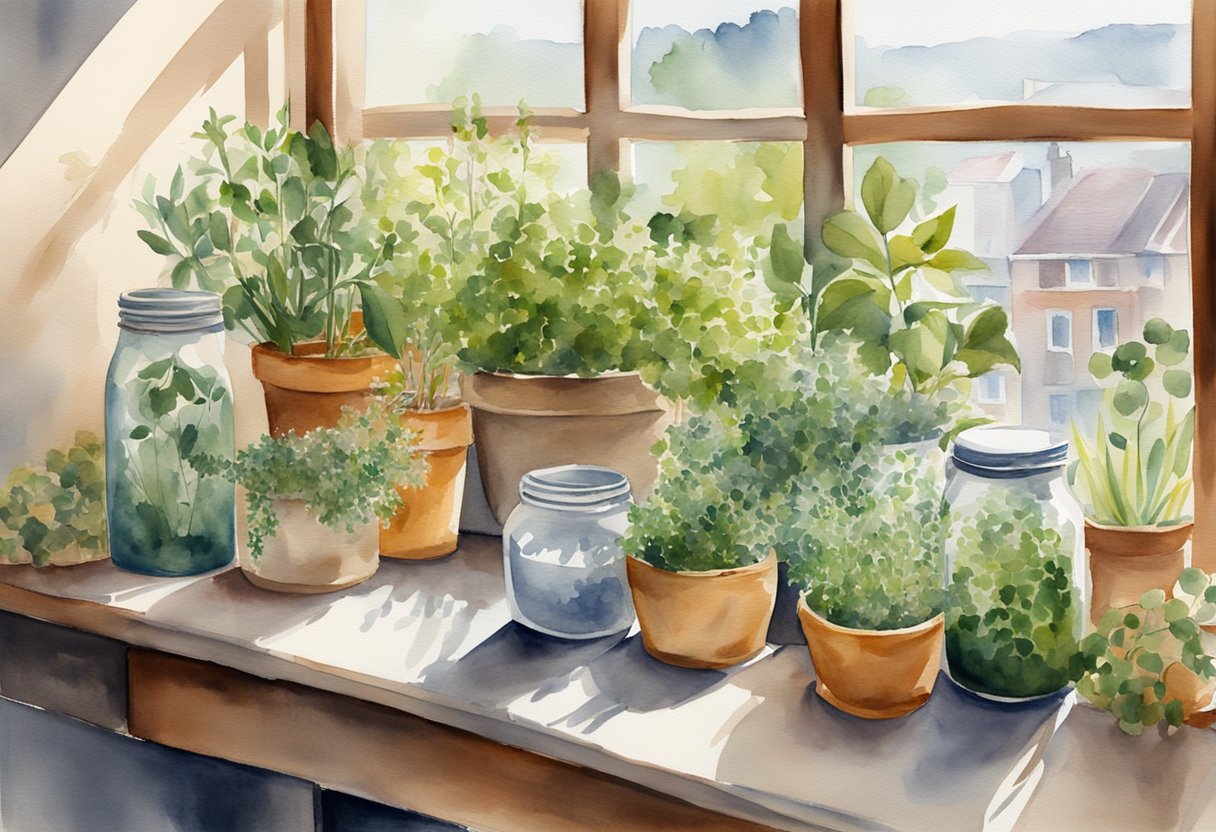
When you decide to harvest, it’s important to pick your plants at the right time, ensuring optimal flavor and freshness. You can enjoy the fruits of your labor in your meals and also extend their use through various preservation methods, like drying or freezing. This knowledge not only enhances your cooking but also adds to the sustainability of your urban gardening efforts.

Whether you’re a beginner or have some experience, maximizing your small gardening space can lead to impressive results. You’ll find joy in watching your plants thrive and using them to create delicious dishes from your balcony garden.

The 2023 USDA Plant Hardiness Zone Map was created by Oregon State University (PRISM Climate Group) and released by the USDA.
Key Takeaways
- Harvesting at the right time improves flavor and nutrition.
- Preserving herbs and vegetables extends their use in cooking.
- Small spaces can yield significant rewards with the right techniques.
Choosing the Right Containers
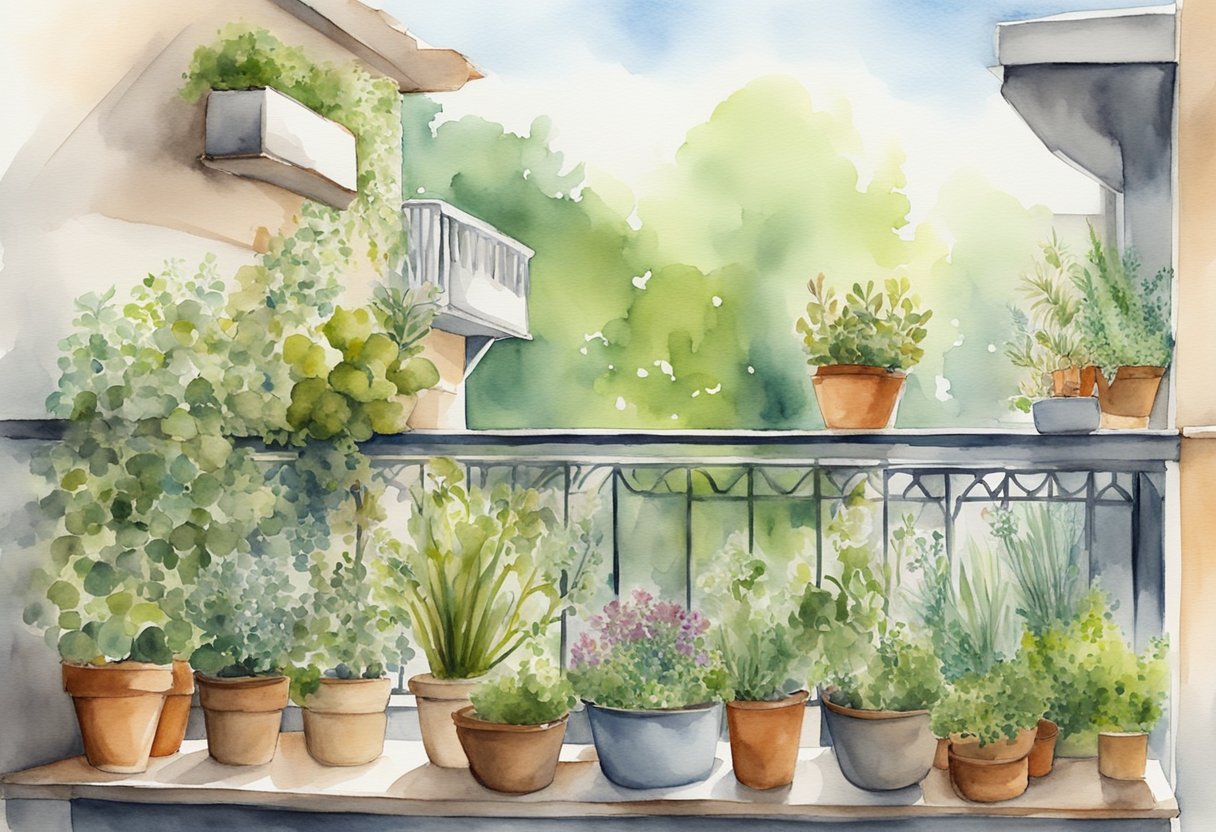
Selecting the right containers is key for successful balcony gardening. The type and arrangement of your containers can greatly impact plant health and space efficiency.
Container Varieties
You have several options when it comes to containers for your balcony herbs and plants. Window boxes are great for small spaces; they can be attached to a railing or placed on ledges. Self-watering containers help keep your plants hydrated, reducing the need for daily watering.
Hanging planters can save floor space and add a decorative touch. They’re perfect for trailing plants like herbs that benefit from sunlight. You can also consider recycled containers like old buckets or jars to support an eco-friendly approach. Just ensure that any container you choose has good drainage to promote healthy root growth.
Optimizing for Space and Layout
When arranging your containers, think about weight capacity, especially if your balcony has limits. Lightweight materials like plastic or resin can be more practical than heavier options like ceramic.
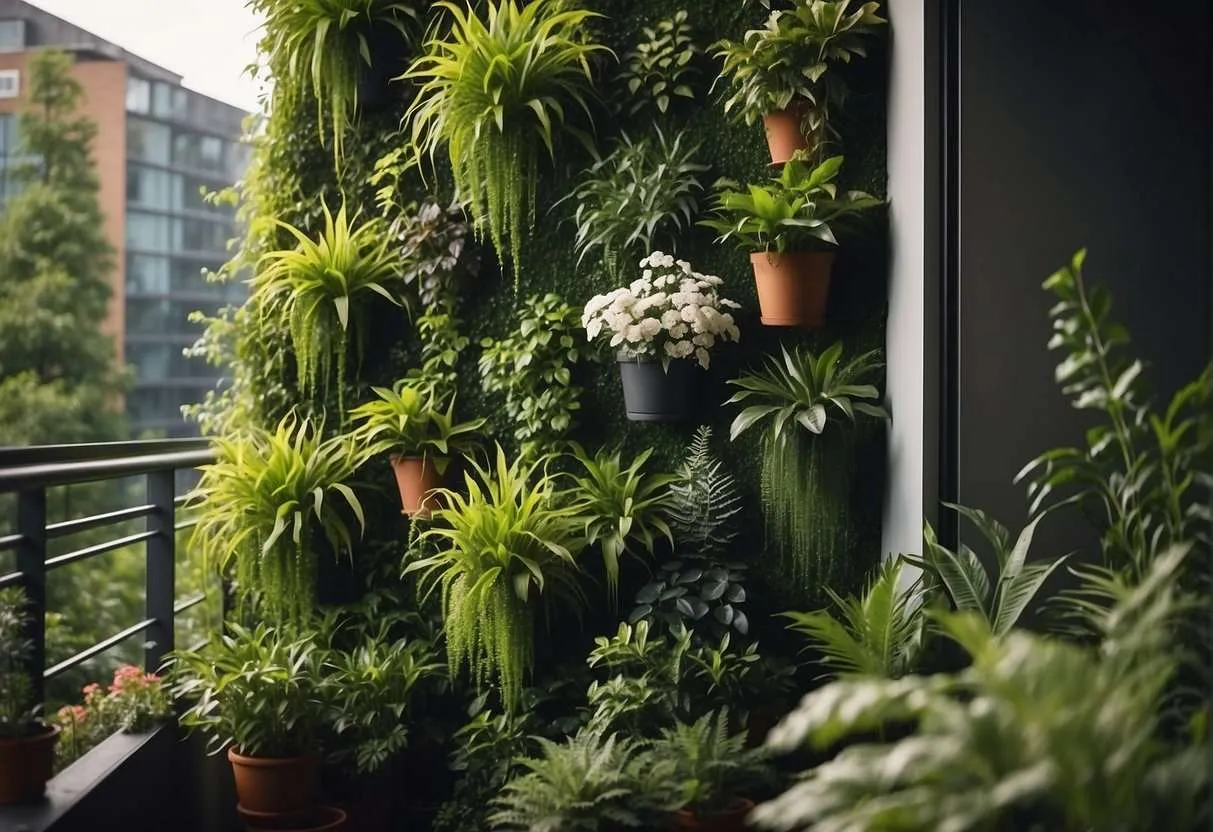
To maximize space, use vertical gardening techniques. Stack or suspend containers to create layers. Grouping similar plants can make care easier and enhance the visual appeal.
Consider the sunlight needs of your plants, too. Place sun-loving herbs in highly visible spots while shadier plants can go in less sunny areas. A thoughtful layout makes your balcony garden functional and enjoyable.
Selecting Plants for Your Balcony
When choosing plants for your balcony, consider what will thrive in your space. You can select a mix of flavorful herbs, fresh vegetables, and beautiful ornamental plants. Each category offers unique benefits and can enhance your gardening experience.
Herbs and Flavorful Additions
Herbs are a great choice for balcony gardens because they are usually easy to grow. Consider starting with basil, mint, and cilantro. These herbs add fresh flavor to your meals.
- Thyme and oregano are also excellent options. They are drought-tolerant and can thrive in smaller pots.
- Chives and parsley are perfect for adding garnishes to your dishes.
Choose a mix of annuals and perennials to enjoy fresh herbs throughout the seasons. These plants often require little care and can flourish with enough sunlight.
Vegetables and Fresh Produce
Growing vegetables on your balcony is satisfying and rewarding. Start with tomatoes and peppers; they do well in pots. Look for compact varieties that won’t take up too much space.
- Lettuce and other leafy greens can also thrive in containers. They grow quickly and can yield multiple harvests.
- Strawberries are another fun choice. They can produce tasty fruits and look beautiful in hanging baskets.
Beans are great for vertical gardening. Use trellises or supports to maximize your space. Focus on sun exposure and water requirements to ensure your vegetables thrive.
Ornamental Plants and Flowers
In addition to edible options, consider adding ornamental plants to your balcony for visual appeal. Choose flowering plants that suit your climate, such as petunias or geraniums.
- Lavender offers beautiful blooms and a lovely scent. It also attracts beneficial pollinators.
- Consider mixing in some perennials for flowers that return each year, like daylilies or coneflowers.
Using a combination of plants adds color and texture. Ensure that all plants are suited for container life and fit your balcony’s sunlight conditions.
Understanding Balcony Microclimate
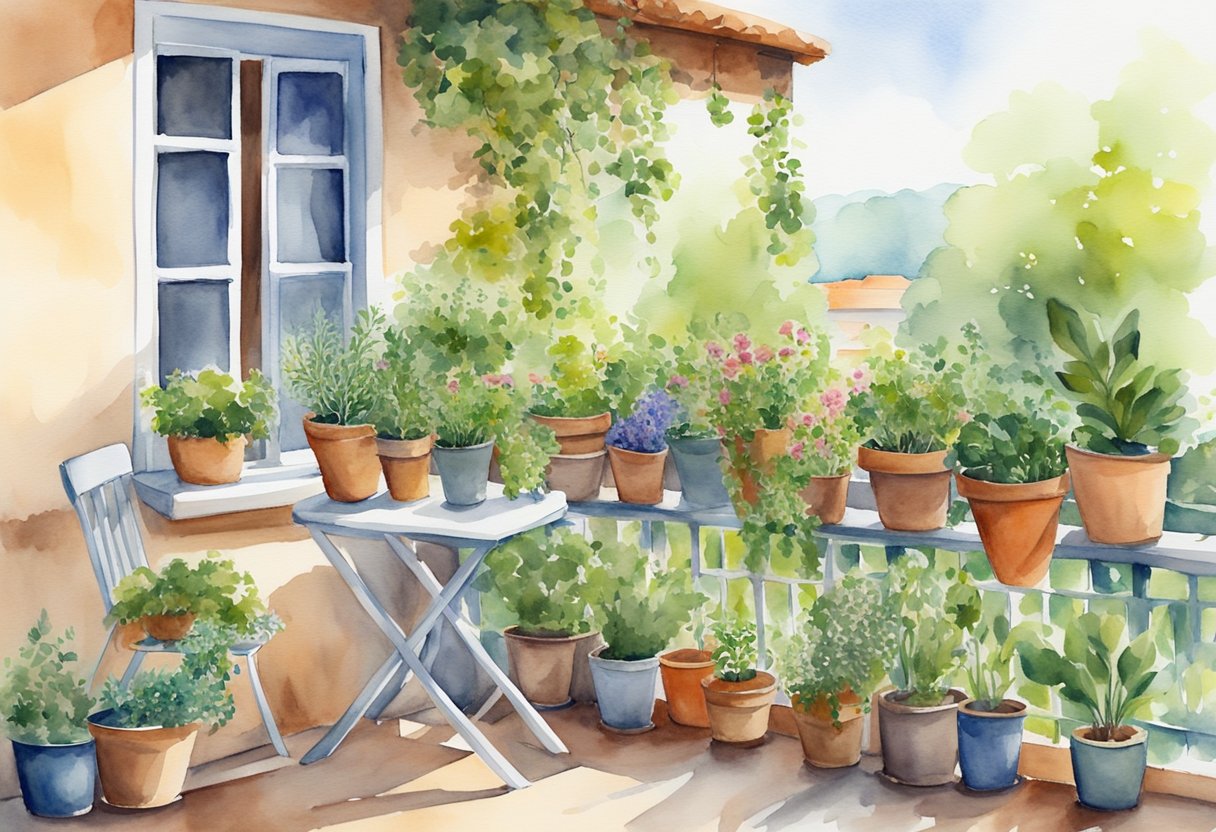
Your balcony’s microclimate plays a crucial role in the health of your plants and herbs. Factors like sunlight, shade, and wind affect how well your plants grow. Knowing how to manage these elements will help you create a thriving garden.
Sunlight and Shade Management
Sunlight is vital for plant growth, but too much can be harmful. Each plant has different sunlight needs. Some herbs, like basil and rosemary, prefer full sun, while others, like mint, thrive in partial shade.
To maximize sunlight exposure, observe your balcony throughout the day. Take note of where sunlight hits and when it changes. Consider using shades or reflective surfaces to manage excess light.
You can also use taller plants to provide shade for those that need it. This technique is especially helpful during the hottest days. Remember to rotate your pots regularly to ensure even sunlight distribution.
Wind Protection and Climate Considerations
Wind can dry out your plants and damage their leaves. If your balcony is windy, help protect your herbs. Use windbreaks like mesh screens or tall containers to block harsh gusts.
Consider your local climate as well. If you live in a colder area, you may need to bring plants indoors during winter. For those with intense heat, try to provide some shelter during peak sun hours.
Keep an eye on weather forecasts. This will help you plan when to water or cover your plants for protection. Understanding these wind and weather patterns will improve your balcony gardening success.
Planting and Transplanting Techniques
Planting and transplanting are crucial steps for healthy balcony plants and herbs. Knowing how to start seeds and when to transplant ensures your plants thrive in their new space.
Seed Starting Basics
Start with high-quality seeds suited for your climate and location. You can use seed trays or small pots filled with seed-starting mix. Make sure to follow the instructions on the seed packets for depth and spacing.
Water the seeds gently after planting to avoid displacing them. Use a spray bottle for moisture without soaking the soil. Keep your seedlings in a warm place with adequate light. Ideally, they need at least 12-16 hours of light each day.
Once your seedlings develop two sets of true leaves, they’re ready for transplanting. Timing is essential for the best growth.
Transplanting for Growth
Transplanting involves moving your seedlings to larger pots or outdoor beds. Choose a location with good sunlight and airflow. The right spot can improve growth and deter pests through companion planting.
When transplanting, handle seedlings by their leaves, not the stems, to avoid damage. Dig a hole in the new pot that’s twice the width of the root ball. Place the seedling in the hole and fill it with soil.
Water the transplanted seedlings immediately. This helps settle the soil and reduces shock. Keep an eye on your plants for a week or two as they adjust. Proper care during this period can lead to healthy growth.
Watering and Nutrient Needs
Proper watering and nutrient management are essential for keeping your balcony plants and herbs healthy. Following a regular watering schedule and understanding fertilization can help you achieve lush growth.
Regular Watering Schedule
Watering your balcony plants regularly is key. During warm weather, plants in pots can dry out quickly. Aim to water your herbs deeply at least once or twice a week, depending on the heat and humidity.
To check if your plants need water, insert your finger about an inch into the soil. If it feels dry, it’s time to water. Early morning is the best time to water, allowing leaves to dry during the day and reducing the risk of disease.
Keep an eye on your plants, as some may require more water than others. Adjust your schedule based on the type of herbs you’re growing.
Fertilization and Plant Health
Fertilizing your balcony herbs is also important for their health. A balanced, all-purpose fertilizer can provide the nutrients needed for robust growth. Look for natural options.
Consider using liquid fertilizers or slow-release pellets to maintain a steady supply of nutrients. Organic options such as compost or neem oil can improve plant health without harsh chemicals.
Apply fertilization every 4-6 weeks during the growing season. Always follow package instructions to avoid over-fertilizing, which can harm your plants. Healthy, well-fed plants will be more resistant to pests and diseases.
Harvesting Your Balcony Bounty
Harvesting your balcony-grown plants and herbs is rewarding. Careful practices ensure your vegetables and flowers stay healthy, while proper storage helps maintain their freshness.
Best Practices for Harvesting
When it comes to harvesting, timing is everything. For herbs like basil and parsley, pick leaves in the morning when the oils are at their peak. Use clean scissors or garden shears to avoid damaging the plant. This method promotes regrowth and ensures your herbs stay lush.
For vegetables such as fresh tomatoes, look for a rich color and slight give when you gently squeeze them. Always twist or cut the stem to prevent any bruising. If you have flowers, cut them at an angle to help them absorb water better. Check out the video below for tips on how to harvest your balcony plants.
Storing and Preserving Your Harvest
Once you’ve harvested your bounty, storing it properly is key. Fresh herbs can be wrapped in a damp paper towel and placed in a sealed bag in the fridge, where they can last up to a week. Alternatively, you can freeze chopped herbs in ice cube trays for longer storage.
Vegetables like tomatoes should be kept at room temperature, away from direct sunlight. For longer preservation, consider canning your fresh tomatoes or making salsa. If you have flowers, trim the stems and place them in a vase with water to enjoy your garden’s beauty for days.
Extending Your Garden Season
Taking steps to extend your garden season allows you to enjoy your balcony-grown plants and herbs for longer. With the right protection and techniques, you can keep your plants thriving even as temperatures change.
Protecting Plants from Weather Extremes
To keep your plants safe from sudden cold snaps, consider using row covers or cloches. These lightweight fabrics can shield your herbs like sage and lavender from frost.
On sunny days, remember to ventilate any coverings to prevent overheating. For more tender plants like petunias or young cherry plants, moving them indoors when temperatures drop can help.
Mulching around your plants can also help regulate soil temperature. Use organic materials like straw or wood chips to maintain a stable environment for your roses and succulents. This practice can protect roots and reduce the risk of frost damage.
Indoor Transitions for Perennials
As the weather gets cooler, you may want to bring some of your perennials inside. Before moving herbs like lemon or sage, check for pests and diseases. You want to avoid introducing these issues to your indoor space.
When transitioning plants, find a sunny spot near a window. Most herbs still need plenty of light, even indoors. You can use grow lights if natural light is limited.
Keep in mind that indoor temperatures should be kept consistent. Extreme changes can stress your plants. Give your balcony plants the care they need, and you can enjoy fresh herbs and blossoms well into the colder months.
Enhancing Sustainability and Aesthetics
Creating a verdant haven on your balcony not only improves your space but also contributes to sustainability. You can reduce your carbon footprint while enjoying homegrown produce and a beautiful layout. Here’s how to enhance both sustainability and aesthetics in your balcony garden.
Sustainable Gardening Practices
To make your balcony garden more sustainable, focus on eco-friendly practices. Start by using organic seeds and plants. These options benefit the environment and your health.
Water conservation is key. Use self-watering pots or a drip irrigation system to minimize water use. Collect rainwater in barrels to irrigate your plants naturally.
Consider growing vertical gardens. This technique maximizes your balcony space and allows for more plants, which can improve air quality. Herbs like basil or thyme thrive well in these setups.
Try companion planting to naturally repel pests and improve plant health. For instance, planting marigolds alongside vegetables can deter harmful insects. These steps will help you create a more sustainable balcony garden.
Design and Decor for Your Balcony Garden
Your balcony space can be a beautiful oasis with the right design. Use planters of varying heights to create visual interest. Hanging pots and wall-mounted shelves can make great use of vertical spaces.
Choose colors that complement your home while providing a vibrant backdrop for your plants. Earthy tones like greens and browns enhance the organic feel of your garden.
Include decorative elements like garden lights or colorful cushions to make the space inviting. A cozy seating area can turn your balcony into a relaxing retreat while enjoying your homegrown produce.
Don’t forget about the layout. Group plants by water needs and sunlight requirements. This tactic not only helps with plant health but also simplifies watering and care.
Related Posts:

balcony garden balcony gardening container gardening DIY gardening eco-friendly gardening fresh herbs garden to table gardening gardening tips green thumb herb harvesting home gardening plant care plant preservation plant selection small space gardening sustainable gardening sustainable living urban gardening