🪴Balcony Garden Paradise is reader-supported. When you buy through links on our site,
we may earn a small affiliate commission at no extra cost to you. As an Amazon Associate,
we earn from qualifying purchases. Happy Gardening from the team! 🌿
Gardening is a wonderful way for kids to connect with nature and learn valuable skills. It’s not just about planting seeds and watching them grow – it’s a chance for young minds to explore, discover, and have fun outdoors. By getting their hands dirty in the garden, they can learn about science, responsibility, and the joy of growing their own food.
Want to start a garden with your kids but don’t know where to begin? Don’t worry! Gardening can be awesome for young gardeners of all ages. With a few simple tools, some seeds, and a bit of patience, you and your little ones can create a thriving garden space that’s both fun and educational.

Ready to dig in? Let’s explore how you can turn your backyard into an exciting outdoor classroom where learning comes naturally with The Ultimate Guide for Young Gardeners. From choosing the right plants to fun gardening projects, we’ll cover everything you need to know to get started on this amazing journey. Let’s explore how to begin your gardening journey.
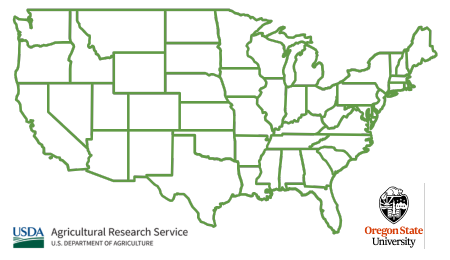
The 2023 USDA Plant Hardiness Zone Map was created by Oregon State University (PRISM Climate Group) and released by the USDA.
Key Takeaways
- Gardening teaches kids about nature, science, and responsibility while having fun outdoors
- You can start a garden with simple tools, seeds, and a small space on your balcony
- Gardening together creates opportunities for family bonding and hands-on learning experiences
Getting Started with Gardening
Understanding The Basics of Botany
Plants are truly remarkable living beings that bring beauty and life to our world. They rely on three essential elements to thrive: water, sunlight, and nutrients from the soil. As you embark on your gardening adventure, you’ll experience the joy of watching tiny seeds transform into vibrant sprouts as they push their way through the earth. It’s like witnessing a little bit of magic unfold right before your eyes! Each day, you’ll see your plants reaching higher and higher toward the sky, stretching their leaves and stems in search of sunlight.
The Secret World of Plants
Did you know some seeds are as big as a football? Or that some tulips once cost more than a house? In “The Secret World of Plants,” nature expert Ben Hoare tells the true stories of more than 100 amazing plants. You’ll meet a Venus flytrap that counts before it snaps shut, seagrass that blooms underwater, and a moss people once used as diapers.
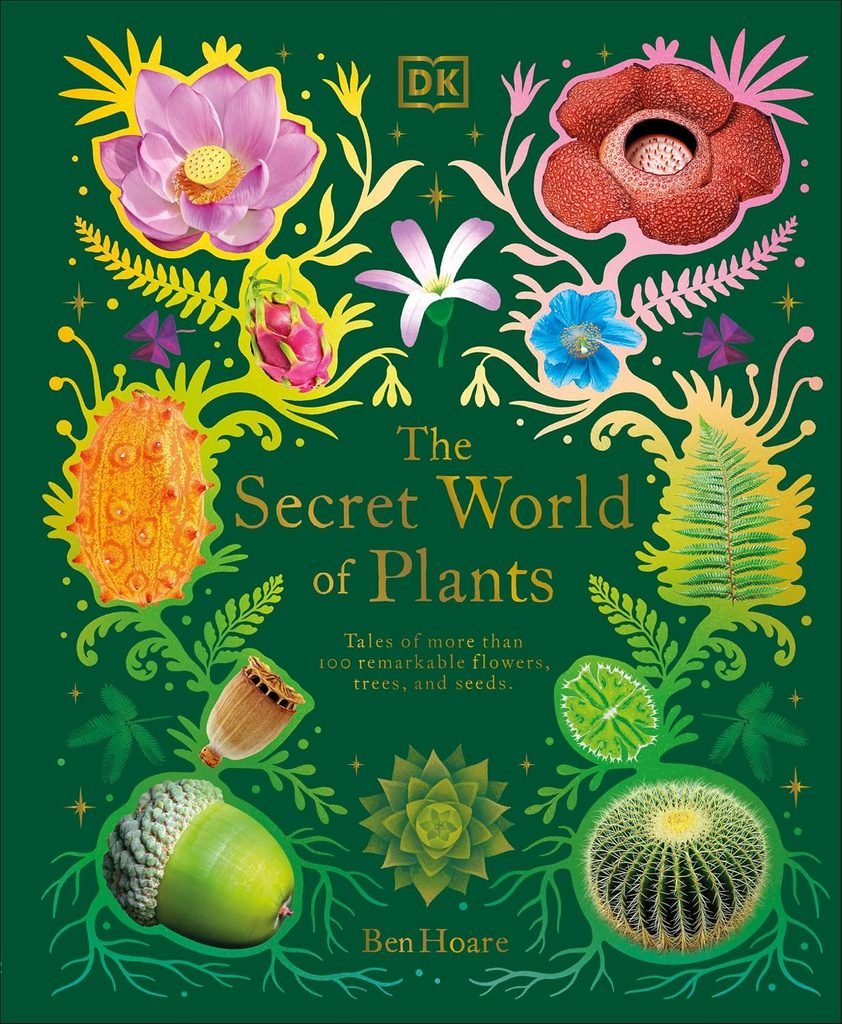
The book also covers how plants work, including photosynthesis, pollination, and how seeds sprout. Bright photos and illustrations help explain each idea. It’s written for readers ages 7 and up, and it was shortlisted for The Week Junior’s Children’s Book of the Year in 2023. It’s a good pick for any young gardener who wants to know what plants are really up to.
Pros
- Explains real science without talking down to kids, and uses proper terms where they’re needed.
- Nearly every page has photos or artwork, and the writing is lively.
- Odd topics like meat-eating plants, squirting cucumbers, and flowers that smell like rotting meat keep kids reading.
- The glossary, index, and fairly grown-up text mean adults reading along will learn something too.
Cons
- One reviewer counted only about 55 plants with full two-page entries. The rest of the “100+” get just a short mention.
- There’s no further-reading list and no sources listed.
- Some close-up images don’t show scale, so it’s hard to tell how small things really are.
- It’s a plant-science book, not a how-to-grow guide, so kids won’t find planting steps in it.
You can find this complete setup on Amazon. [Check Availability]
Remember, taking care of your garden means watering your plants regularly and giving them the love they need to flourish. In return, they will reward you with their growth, showcasing colorful flowers that brighten your space or delicious vegetables that can be enjoyed at your dinner table. Gardening is not just about planting seeds; it’s about nurturing life and creating a beautiful connection with nature!
Choosing the Right Tools
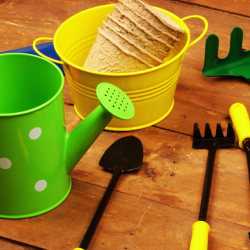
Having the right tools makes gardening so much easier and more fun! You’ll need some kid-sized tools that fit your hands perfectly.
Here’s a list of must-have tools for your gardening adventure:
- A small watering can
- Child-sized gloves to keep your hands clean
- A little shovel for digging
- A hand rake for smoothing soil
Remember to wear a sun hat to protect you while you work in your garden. It’s like being a plant yourself – you need protection from the hot sun too!
With these tools, you’ll be ready to dig, plant, and care for your very own garden. It’s a great way to connect with nature and learn about the world around you.
Gardening Tool Set for Kids
Calling all parents and educators looking to trade screen time for sunshine! The Gardening Set and Tool Kit for Kids (Petal edition) is a brilliantly designed STEM-inspired set that transforms backyard soil into a dynamic, hands-on learning lab. Perfectly sized for small hands, this comprehensive kit invites young growers to step away from digital devices and dive into real-world science, sensory exploration, and biological cycles. Whether they are tracking seed growth or mapping out a raised bed, it provides the ultimate gateway to lifelong green thumbs and foundational scientific curiosity.
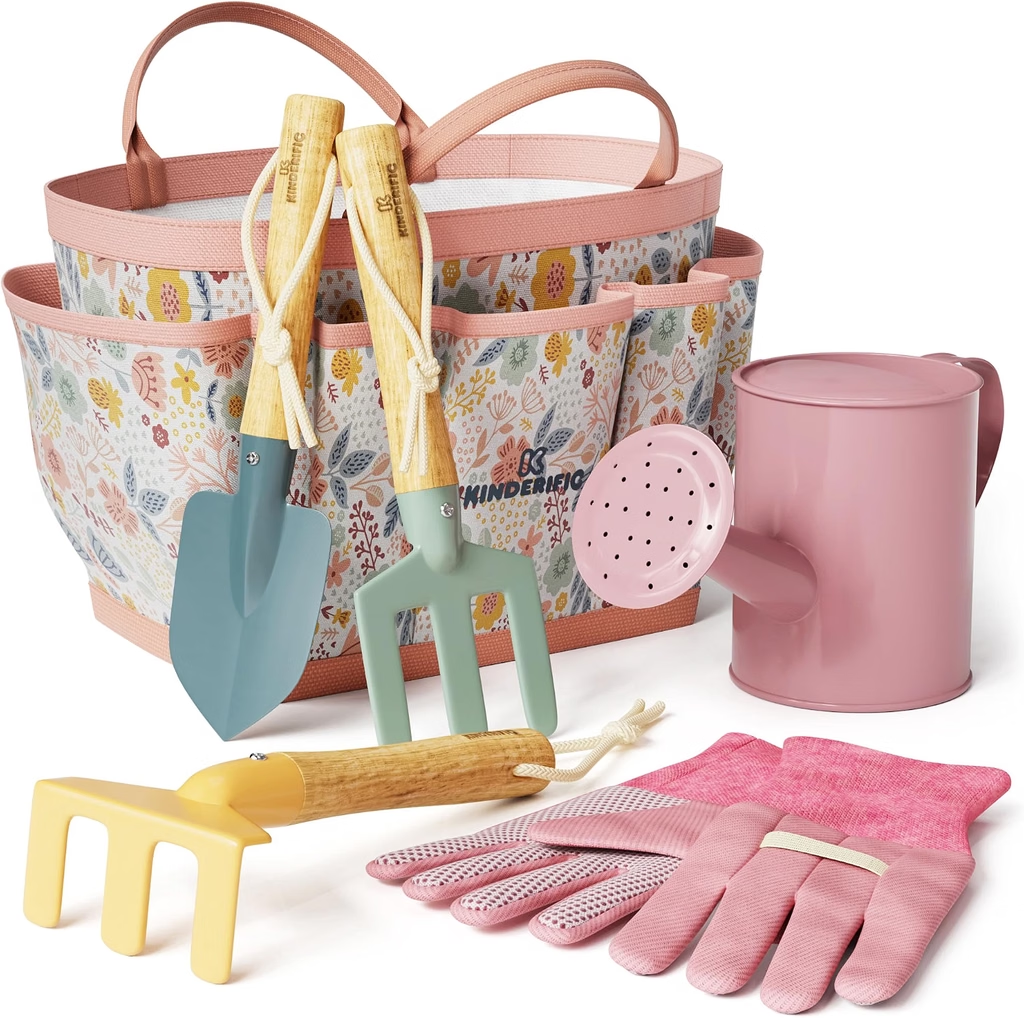
Far from being flimsy plastic beach toys, this thoughtfully curated kit packs a punch with durable, functional tools engineered to manage actual dirt. The kit includes a vibrant canvas tote bag, a watering can, a spade, a rake, a fork, a trowel, and a snug pair of protective gardening gloves—all beautifully themed in a cheerful Petal color palette. It strikes the perfect balance between playful engagement and genuine utility, making it an excellent anchor recommendation for your young gardeners’ holiday or birthday gift guides.
Pros:
- Authentic Tool Performance: Features sturdy metal heads and real wood handles that easily pierce compacted soil rather than bending or snapping like plastic alternatives.
- All-in-One Portability: The included canvas tote bag keeps every single tool neatly organized with external slots, making it easy for kids to clean up and transport their gear independently.
- STEM Skill Integration: Acts as an excellent tactile accompaniment to elementary earth science lessons, teaching children about root systems, soil aeration, and plant life cycle responsibility.
Cons:
- Requires Adult Supervision: Because these are genuine metal tools with functional edges, younger children will need close parental guidance to ensure safe use.
- Glove Sizing Limits: The included protective gloves are built for standard toddler and preschool hands, meaning older or taller kids might quickly outgrow them.
You can find this complete setup on Amazon. [Check Availability]
Creating an Engaging Garden Space
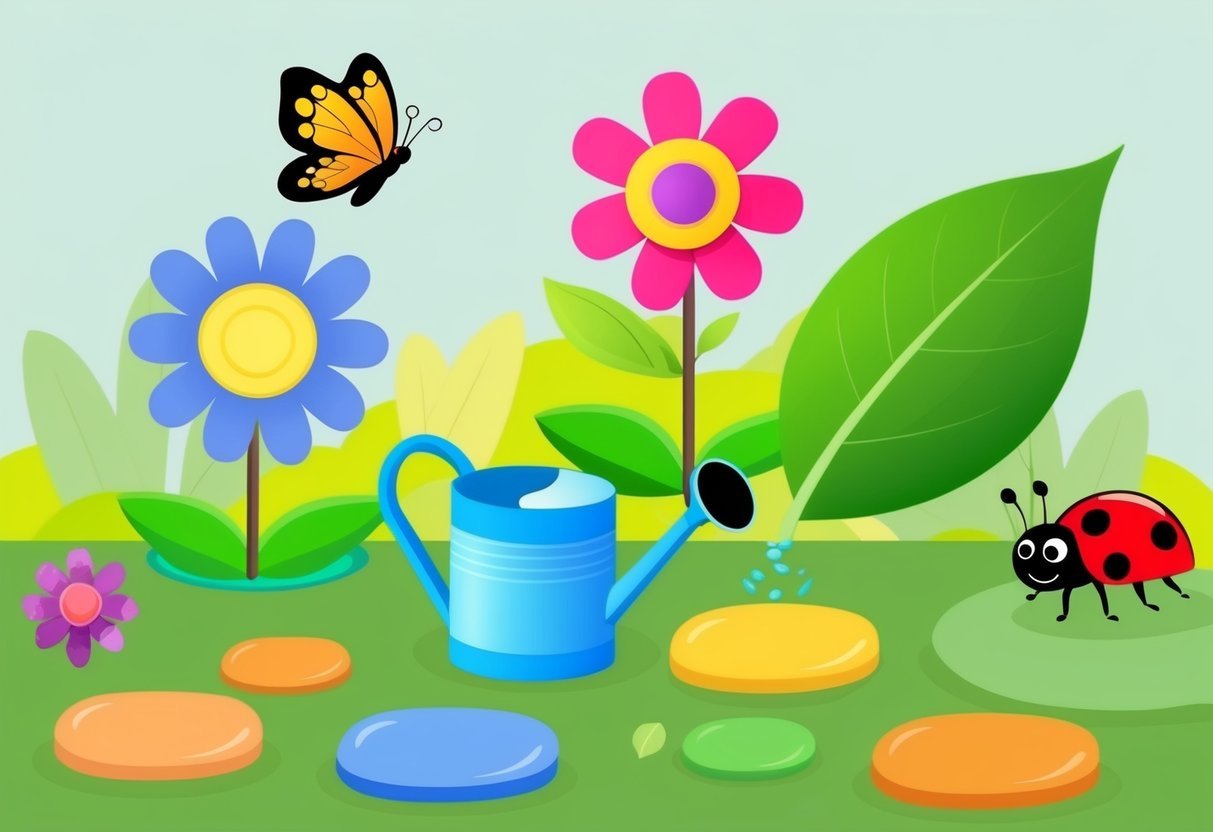
A fun garden space gets kids excited about plants and nature. It’s a place where they can learn, play, and grow their own food.
Selecting the Perfect Spot
Choose a sunny area in your yard or balcony for your children’s garden. Make sure it’s easy for little hands to reach. Pick a spot near a water source so watering is simple.
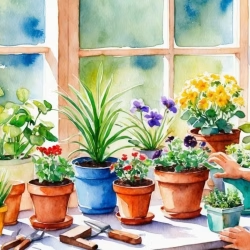
If you don’t have outdoor space, try window boxes or indoor containers. Even a small area can become a magical garden for kids.
Think about safety too. Avoid spots with thorny plants or trip hazards. You want a place where kids can explore freely.
Designing Your Children’s Garden
Let your kids help plan the garden layout. Draw a simple map together. Choose fun shapes like circles or zigzags for planting areas.
Add paths made of stepping stones or mulch. Kids love hopping from stone to stone! Include a small seating area where they can rest and observe.
Use bright colors and fun decorations to make the space inviting. Paint flower pots or make colorful garden markers with your children.
Include plants that engage the senses. Try soft lamb’s ear for touch, fragrant herbs for smell, and colorful flowers for sight. Don’t forget veggies they can taste!
Add a little adventure with a bean teepee or sunflower house. These living structures become magical hideaways for young gardeners.
Plant Selection and Care
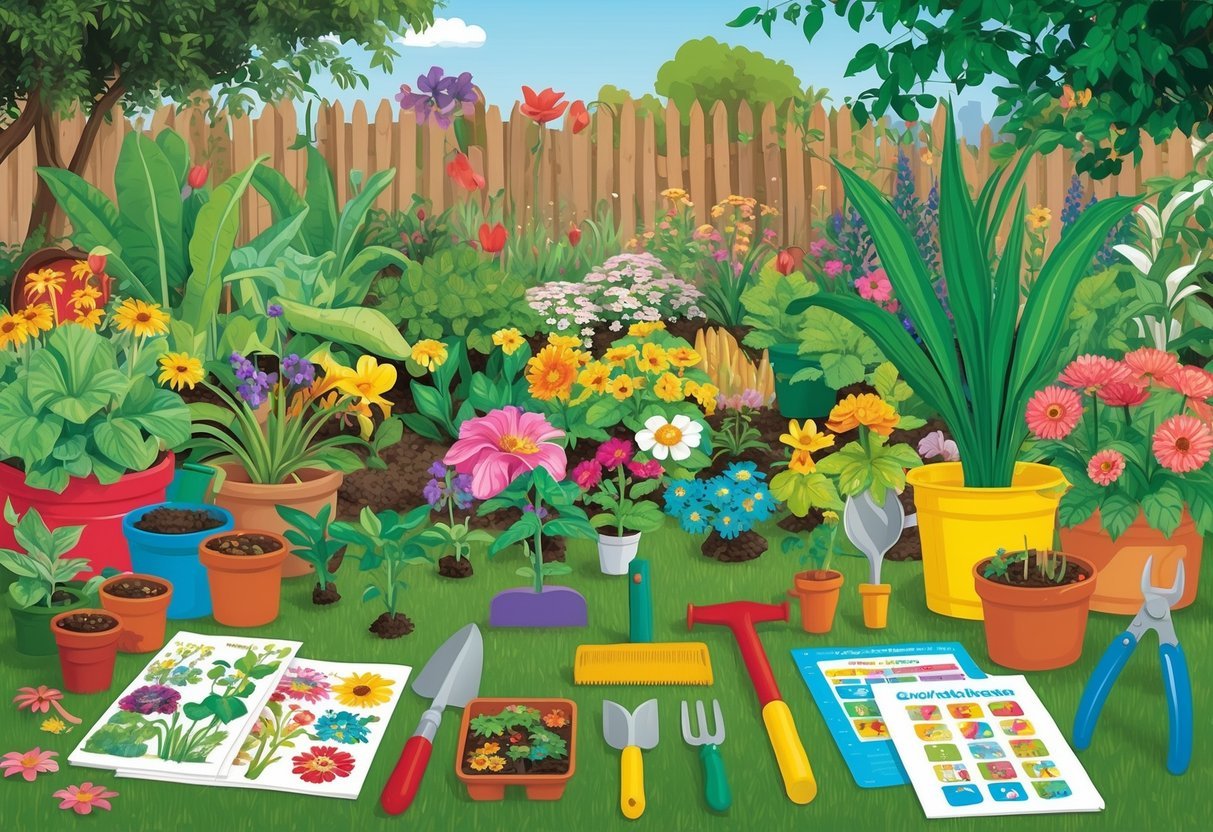
Choosing the right plants and taking good care of them is key to a successful garden. You’ll learn about easy starter plants, how to keep them healthy, and fun plant facts.
Starting with Easy Plants
Let’s start with some beginner-friendly plants! Sunflowers are a great choice. They grow tall and have big, cheerful blooms. Lettuce and radishes are quick growers – you’ll have a salad in no time!
Marigolds add bright colors to your garden and are super easy to grow. For veggies, try bush beans or carrots. They don’t need much space and give you yummy snacks.
Want to grow something you can smell? Plant some basil or rosemary. These herbs smell amazing and taste great in food too!
Buzzy Seeds My First Garden Grow Kit
The Buzzy Seeds My First Garden Grow Kit is the absolute perfect companion for the beginner-friendly plants highlighted above. Designed specifically to remove the guesswork for little growers, this all-in-one starter set provides children with a front-row seat to the magic of germination. Instead of dealing with massive bags of heavy dirt, the kit features dehydrated, compressed soil discs that fully expand right before your kids’ eyes when water is added. It is an exceptional, self-contained tactical setup that lets children sprout their first seeds on a kitchen windowsill before safely transplanting them out into a larger garden bed.
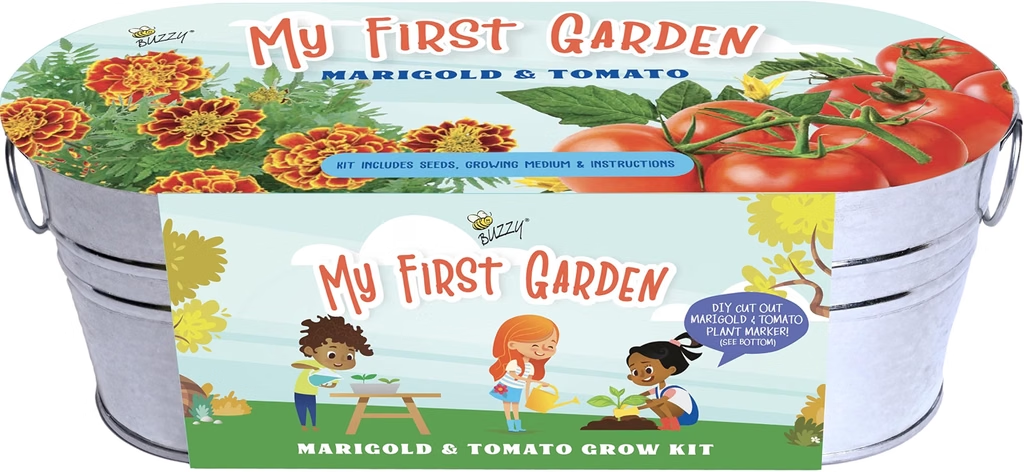
What makes this specific kit a home run for young gardeners is its high success rate with the exact varieties you want to grow. Buzzy packages robust, high-germination seeds like cheerful sunflowers and quick-sprouting greens that offer rapid visual rewards to keep children completely engaged. Complete with colorful, kid-friendly plant markers, it transforms basic botany lessons into an exciting, daily countdown to the first green shoots. It is a fantastic, budget-friendly recommendation that pairs beautifully with your main gardening guide.
Pros:
- Instant Engagement: The magical expanding soil discs offer an immediate, fun activity that gets kids excited before they even plant a single seed.
- Fail-Proof Germination: Uses highly robust, non-GMO seed strains selected specifically because they sprout quickly and survive minor watering mistakes.
- Easy Workspace Cleanup: Because the soil is contained in neat, compressed discs, it creates a mess-free indoor planting experience that protects your countertops.
Cons:
- Temporary Living Quarters: The starter pots are strictly meant for early sprouting; fast-growing plants like sunflowers and carrots will need to be transplanted outside fairly quickly.
- Requires Daily Moisture Tracking: Because the starter pots are compact, the soil can dry out quickly on sunny windowsills, meaning parents will need to help kids check them daily.
You can find this complete setup on Amazon. [Check Availability]
Understanding Plant Care
Taking care of your plants is like looking after pets. They need food, water, and love to grow big and strong.
Water your plants regularly, but don’t overdo it. Stick your finger in the soil – if it feels dry, it’s time to water. Plants love sunshine, but some need shade too. Read the labels to know where to put them.
Feed your plants with compost or special plant food. It’s like vitamins for plants! Keep an eye out for bugs or diseases. If you see something weird, ask a grown-up for help.
Remember to pull out weeds. They steal food and water from your plants.
Plant Identification and Biology
Let’s learn about how plants work – it’s like plant magic! Plants have roots that drink water from the soil. The stem carries water up to the leaves. Leaves catch sunlight to make food for the plant.
Flowers aren’t just pretty – they help make new plants! Bees and butterflies visit flowers and spread pollen. This helps fruits and vegetables grow.
Some plants, like potatoes and carrots, grow food underground. Others, like pumpkins and cucumbers, grow food above ground. It’s fun to guess which part of the plant you’re eating!
Try growing different types of plants to see how they change as they grow. You’ll be a plant expert in no time!
Interactive Gardening Activities
Let’s make gardening super fun for kids! These activities will get those little green thumbs excited and learning at the same time.
Creating a Garden Scavenger Hunt
You can turn your backyard into an adventure zone with a garden scavenger hunt! Make a list of things to find, like a red flower, a fuzzy leaf, or a wiggly worm. Give the kiddos paper bags to collect their treasures.
Want to jazz it up? Add some silly challenges. Maybe they have to hop like a bunny to the next item or sing a plant song. You could even hide some garden tools for them to discover. It’s like hide-and-seek meets I Spy!
This game teaches kids to notice different plants and critters. Plus, it gets them moving and giggling. Who knew learning could be this much fun?
Making Unique Garden Markers
Time to get crafty! You and your little ones can make the cutest garden markers ever. Grab some rocks, paint them bright colors, and write the names of your plants on them. Or use popsicle sticks – decorate them with glitter and stickers!
Want to recycle? Old spoons make great markers. Just bend them and write on the bowl part. You could even use wine corks on skewers. Let your imagination go wild!
This project helps kids learn plant names and spelling. It also adds a personal touch to your garden. Every time you water, you’ll see those sweet handmade markers and smile.
Learning Through Gardening
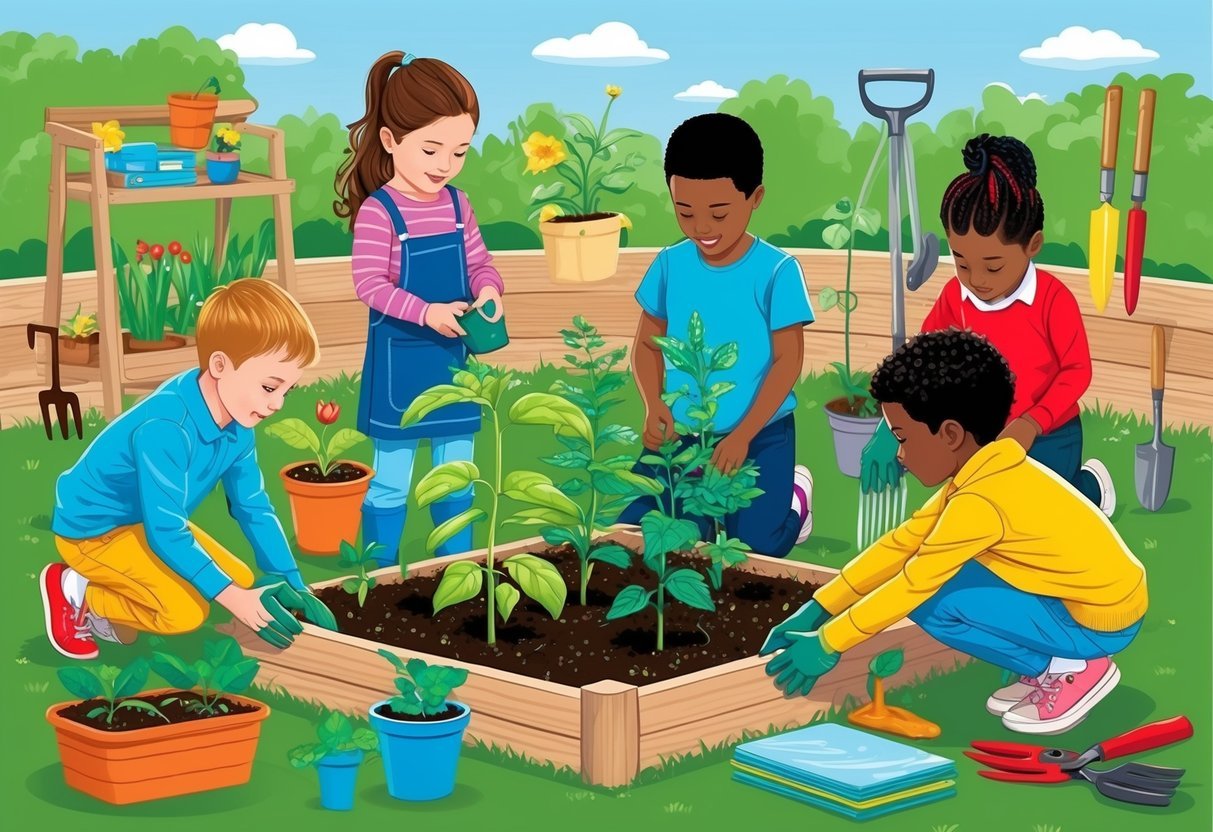
Gardening helps kids learn so much! It’s a fun way to grow plants and pick up important skills at the same time.
Teaching Life Skills
You’ll learn patience as you wait for seeds to sprout. Watching your plants grow teaches you to be responsible too. You need to water them and give them sunlight every day.
Planning a garden helps you set goals. You’ll decide what to plant and where. This builds problem-solving skills. You’ll figure out solutions if pests show up or your plants look droopy.
Gardening can even teach you about money. You might sell extra veggies to neighbors. Or you could save money by growing your own food.
Botany and Plant Biology
Get ready to be a plant detective! You’ll learn how seeds turn into plants. It’s amazing to see roots, stems, and leaves appear.
You’ll discover what plants need to grow. Sunlight, water, and soil are key. But different plants like different things. Some want lots of sun; others prefer shade.
As you garden, you’ll see how plants change with the seasons. You might notice flowers turning into fruits. Or leaves changing colors in fall.
Gardening lets you get hands-on with nature. You’ll feel connected to the earth as you dig in the soil. It’s a great way to learn about our planet!
Specialized Gardening Techniques
Let’s explore some fun ways to make your garden extra special! You’ll learn about eco-friendly methods and how to grow plants even if you don’t have a big yard.
Organic and Sustainable Practices
You can be a garden superhero by going organic! It’s all about working with nature. Skip the yucky chemicals and use natural stuff instead. Make your own compost – it’s like cooking, but for plants! Toss in fruit peels, veggie scraps, and leaves. In a few months, you’ll have rich, dark soil that plants love.
Try companion planting. It’s like setting up playdates for your plants. Some plants are besties and help each other grow. Plant marigolds next to your tomatoes to keep bugs away. Or let beans climb up corn stalks – they’re the perfect garden buddies!
Water wisely too. Collect rainwater in a barrel or use a soaker hose. Your plants will thank you!
Container and Small-Space Gardening
No big backyard? No problem! You can still be an awesome gardener. Containers are your new best friends. Almost anything can be a planter – old boots, tin cans, even plastic bottles. Just make sure they have holes for drainage.
Grow up, not out! Use vertical space with hanging baskets or a trellis. Cucumbers and peas love to climb. For tiny spaces, try herbs on your windowsill. Basil, mint, and chives are easy to grow and yummy to eat.
Mix it up with a salad bowl garden. Plant different lettuce types in one big container. You’ll have fresh salads all season! Remember, container plants need more water and food than in-ground plants. Check on them daily and give them lots of TLC.
Harvesting and Enjoying the Bounty
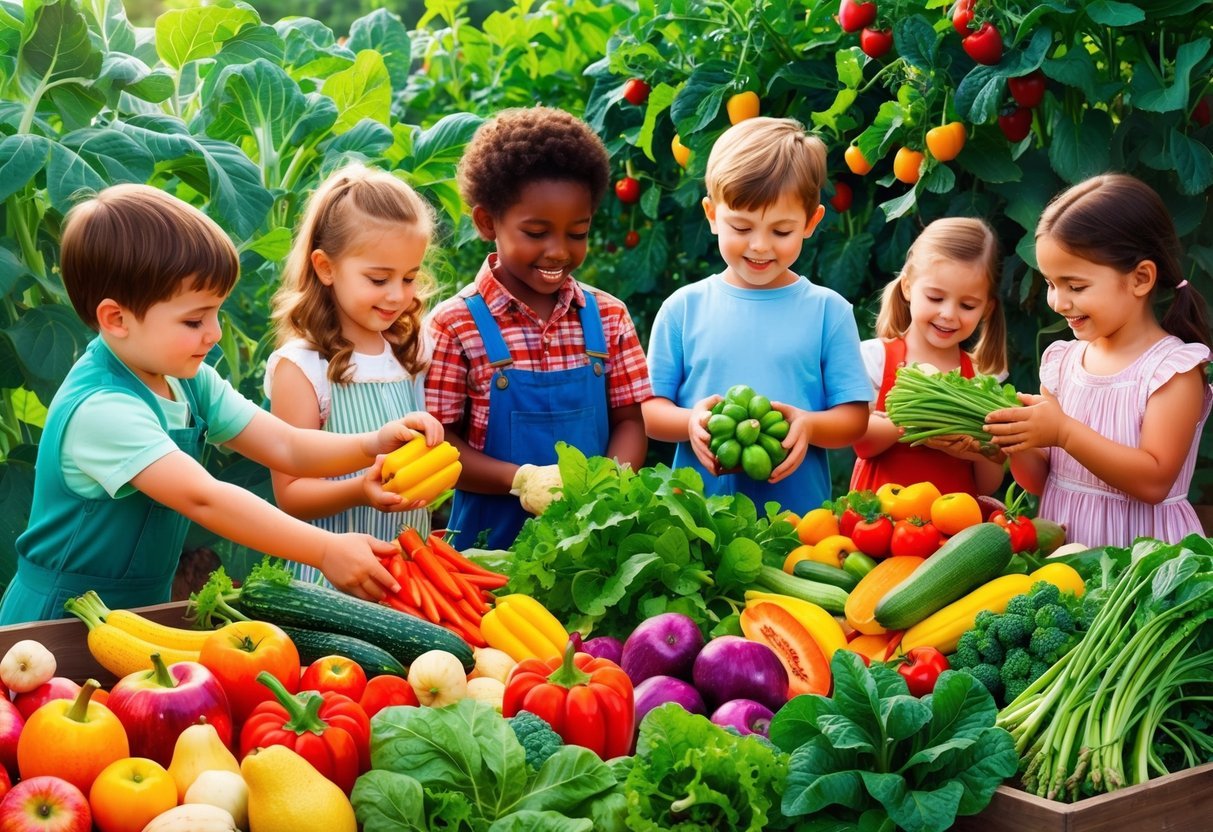
The best part of gardening is when you get to pick and eat what you’ve grown! Let’s talk about when to pick your veggies and what to do with them after.
When and How to Harvest
You’ll know it’s time to harvest when your veggies look ripe and colorful. For cherry tomatoes, give them a gentle tug. If they come off easily, they’re ready!
Carrots are fun to pull out of the ground. Just grab the green tops and pull straight up. It’s like a surprise every time!
For leafy greens, use scissors to cut the outer leaves. This way, the plant keeps growing new leaves for you.
Remember to be gentle with your plants. You don’t want to hurt them while you’re picking. Always ask a grown-up for help if you’re not sure.
Cooking and Sharing the Harvest
Now comes the yummy part! Wash your veggies before you eat them. Try making a salad with your fresh lettuce and tomatoes. It’s so tasty!
You can also make veggie art on your plate. Use carrot sticks for hair, tomato slices for eyes, and cucumber pieces for a smile. It’s fun to play with your food sometimes!
Don’t forget to share your harvest with friends and family. You can have a little veggie party! It feels great to give people food you grew yourself.
If you have extra veggies, how about donating to a food bank? Sharing your gardening bounty helps others and makes you feel good too!
Extending the Gardening Fun
Gardening is full of exciting adventures! Let’s explore some creative projects and cool accessories to make your garden even more awesome.
Creative Garden Projects
Have you tried making a fairy garden? It’s like building a tiny magical world! Use small plants, pebbles, and mini decorations to create a whimsical scene. You can even add tiny furniture or a little pond.
Container gardens are perfect if you’re short on space. Use old boots, colorful pots, or even a wheelbarrow to grow flowers or veggies. It’s fun and eco-friendly!
Why not set up a garden scavenger hunt? Make a list of things to find, like a red flower, a smooth stone, or a bird’s feather. It’s a great way to explore your garden and learn about nature.
Fun Gardening Accessories
Wind chimes add a lovely sound to your garden. You can buy them or make your own using old keys, seashells, or small bells.
Bird feeders attract feathered friends to your garden. Hang one from a tree or attach it to your fence. Watch as different birds come to visit!
Planting pollinator-friendly flowers helps bees and butterflies. Try sunflowers, lavender, or marigolds. These colorful plants will make your garden buzz with life.
Don’t forget your gardening tools! Bright, kid-sized gloves and tools make planting more fun. You can even decorate your watering can with stickers or paint.
Community and Family Involvement
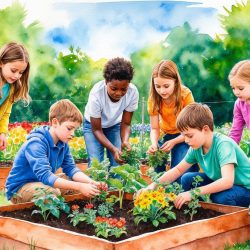
Gardening with others is so much fun! It brings people together and helps everyone learn new things. You’ll love seeing your plants grow while spending time with family and friends.
Community Gardening with Kids
Community gardens are amazing places for kids to learn about plants. You can meet new friends who also love digging in the dirt. These gardens often have special areas just for children. You might find:
• Mini plots for kids to grow their veggies • Fun garden art projects • Compost bins to learn about recycling
Remember to follow the garden rules. Walk on paths to protect plants. Ask before picking anything. It’s a great way to learn about sharing and working as a team.
Inviting Friends and Neighbors
Why not ask your buddies to join you in the garden? It’s like a playdate with plants! You can:
• Have a seed-planting party • Create a mini flower bed together • Start a neighborhood veggie swap
When you involve others in your garden, it becomes even more special. Your family can help too. Maybe Mom can water with you, or Dad can help build a trellis. Grandparents often have neat gardening tricks to share.
Gardening brings everyone closer. With the ultimate guide for young gardeners, you’ll make happy memories while growing yummy food and pretty flowers. Plus, you’ll learn skills you can use your whole life!