🪴Balcony Garden Paradise is reader-supported. When you buy through links on our site,
we may earn a small affiliate commission at no extra cost to you. As an Amazon Associate,
we earn from qualifying purchases. Happy Gardening from the team! 🌿
Creating a sensory garden for children is a wonderful way to engage young minds with nature.
A sensory garden stimulates all five senses through carefully chosen plants and features. It’s a magical space where kids can explore, learn, and grow.

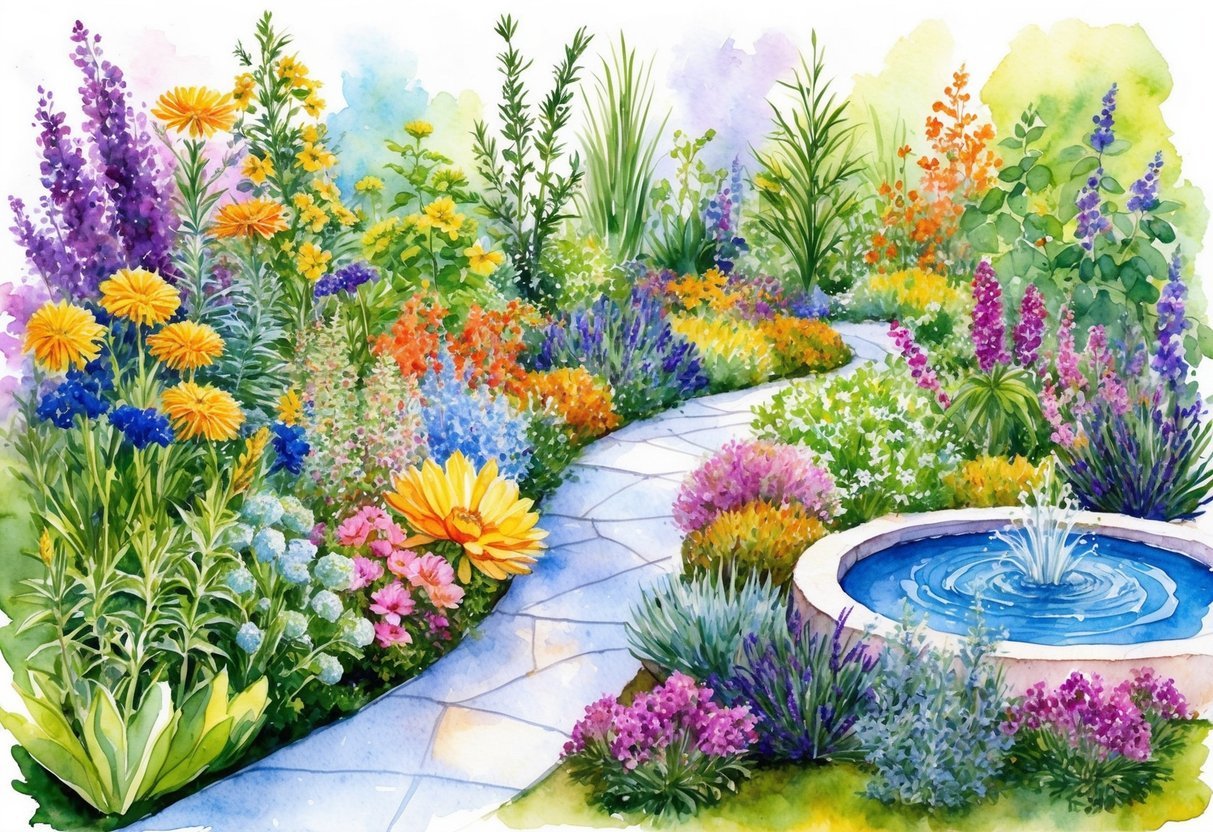
Imagine a garden filled with soft lamb’s ear leaves to touch, fragrant lavender to smell, and colorful flowers to see.

The 2023 USDA Plant Hardiness Zone Map was created by Oregon State University (PRISM Climate Group) and released by the USDA.
Add in some wind chimes for sound and herb plants to taste. Your little ones will love discovering new textures, scents, and sights as they wander through their special garden.
Building a sensory garden together can be a fun family project.
You’ll create lasting memories while teaching your children about plants and nature. Plus, it’s a great way to get kids excited about spending time outdoors.
Key Takeaways About a Sensory Garden for Children
- Sensory gardens engage all five senses and help children connect with nature.
- Choose plants with interesting textures, scents, colors, and edible parts to create a diverse experience
- Regular maintenance keeps your sensory garden safe and enjoyable for kids year-round
Bring the Magic Indoors: The Ultimate Miniature Sensory Terrarium 🌿✨
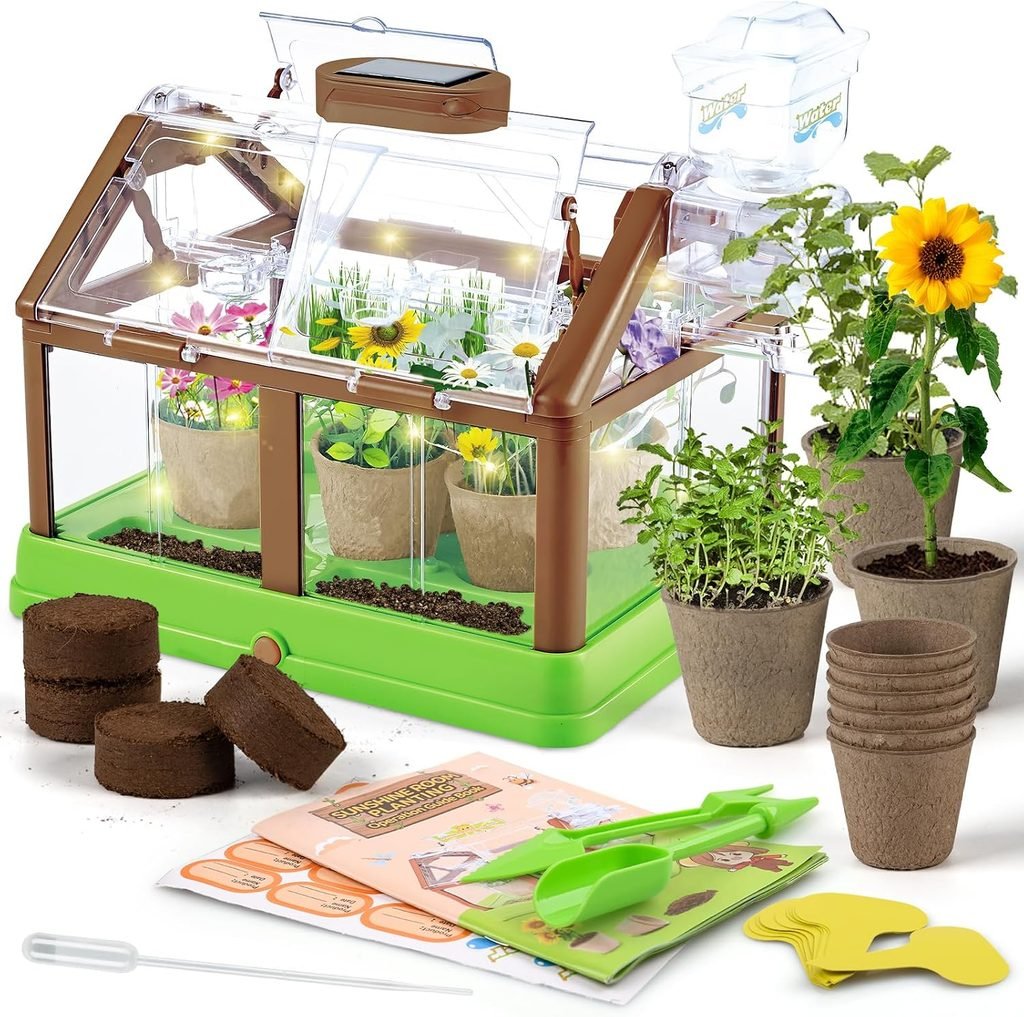
Here’s a great way to bring your kids’ sensory garden inside, especially as the cooler weather rolls in. This All-in-One Kids’ Greenhouse & Flower Growing Kit is the perfect tabletop foundation for a magical, child-led terrarium project. Far from a basic plastic toy, this clever little setup features a built-in grow light and an upgraded irrigation system, meaning your tiny ecosystem will actually thrive all year round—even right on a kitchen counter or a shaded balcony shelf!
It’s a mini scientific laboratory where kids can get their hands dirty building a custom sensory world. They can plant fragrant herbs to pinch, tuck in smooth, tactile little succulents, and line the pathways with colorful pebbles or playful fairy figures to create a whimsical, living landscape. It is an amazing, screen-free way to spark their curiosity, teach them a little botany, and let them take pride in nurturing a tiny paradise of their very own.
Understanding Sensory Gardens
Sensory gardens are special spaces that awaken your senses and connect you with nature. They’re designed to engage sight, smell, touch, taste, and hearing through carefully chosen plants and features.
Fundamentals of a Sensory Garden
A sensory garden for children is all about stimulating your five senses.
You’ll find soft, fuzzy leaves to touch and bumpy bark to feel. Bright flowers catch your eye, while herbs release yummy scents when you brush past. Wind chimes and rustling grasses make soothing sounds.
The garden should be safe and easy for everyone to enjoy. Wide paths let wheelchairs roll through. Raised beds bring plants up close. Everything is non-toxic, so it’s okay if little ones put leaves in their mouths.
Benefits of a Sensory Garden for Children
Sensory gardens are great for kids! They help little ones learn about the world around them.
Touching different textures builds fine motor skills. Smelling flowers and herbs teaches about scents. Tasting edible plants introduces new flavors.
These gardens can calm kids who feel stressed or overwhelmed. The peaceful setting helps them relax. It’s a place to play and explore freely. Kids with functional needs often find sensory gardens very soothing.
Gardening in a sensory space teaches responsibility, too. You can let kids help plant seeds and water flowers. They’ll feel proud watching things grow because of their care.
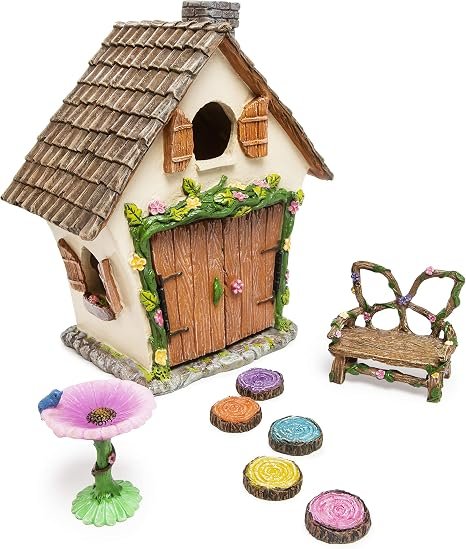
The Meadow & Oak Fairy Garden House Kit brings a touch of tactile wonder and imaginative storytelling to any child’s outdoor space. Crafted from durable, hand-painted polyresin with a weather-resistant UV protective coating, this charming cottage invites kids to slow down, explore textures, and build their own miniature world. The set features working doors with magnetic closures and flower-shaped handles, three detailed windows, a sweet fairy seat, a bird bath, and five miniature stepping stones.
In a children’s sensory garden, this kit acts as a wonderful anchor for hands-on, multi-sensory play. Children can touch the smooth resin walls, arrange rough pebbles or soft moss around the base, and practice fine motor skills as they place the tiny stepping stones. Whether hidden beneath a leafy green bush or set up in a bright patio planter, the set encourages calm, creative engagement while turning a simple garden corner into an enchanting natural retreat.
Enchanting Botanical Wonderland: Meadow and Oak Fairy Garden House Kit 🌿✨
Planning Your Garden
A sensory garden for children provides joy and learning experiences. It’s a special place where they can explore nature using all their senses. Let’s look at how to make one that’s perfect for your little ones.
Design Considerations
When you plan your sensory garden, think about what will excite your kids.
Make paths wide enough for wheelchairs or strollers. Use raised beds so little hands can reach easily. Add fun things like wind chimes or colorful pinwheels.
Safety is key. Avoid plants with thorns or that are poisonous. Choose sturdy materials that won’t tip over. Make sure there’s shade for hot days.
Mix up textures and colors. Soft lamb’s ear, rough bark, and smooth stones are great to touch. Bright flowers, shiny leaves, and colorful garden art catch the eye.
Hands-On Wonder: The Kinderific Gardening Set 🌿🎒
If you are looking for the absolute perfect toolkit to kickstart your child’s sensory garden project, the Kinderific Gardening Set is a clear winner. Specifically designed for little hands, this bright, durable set moves past flimsy plastic toys and gives kids real, functional metal tools that make them feel like true junior horticulturists. Complete with a child-sized watering can, sturdy hand tools, and an easy-to-carry tote bag, it transforms a basic afternoon layout into a full sensory learning lab.
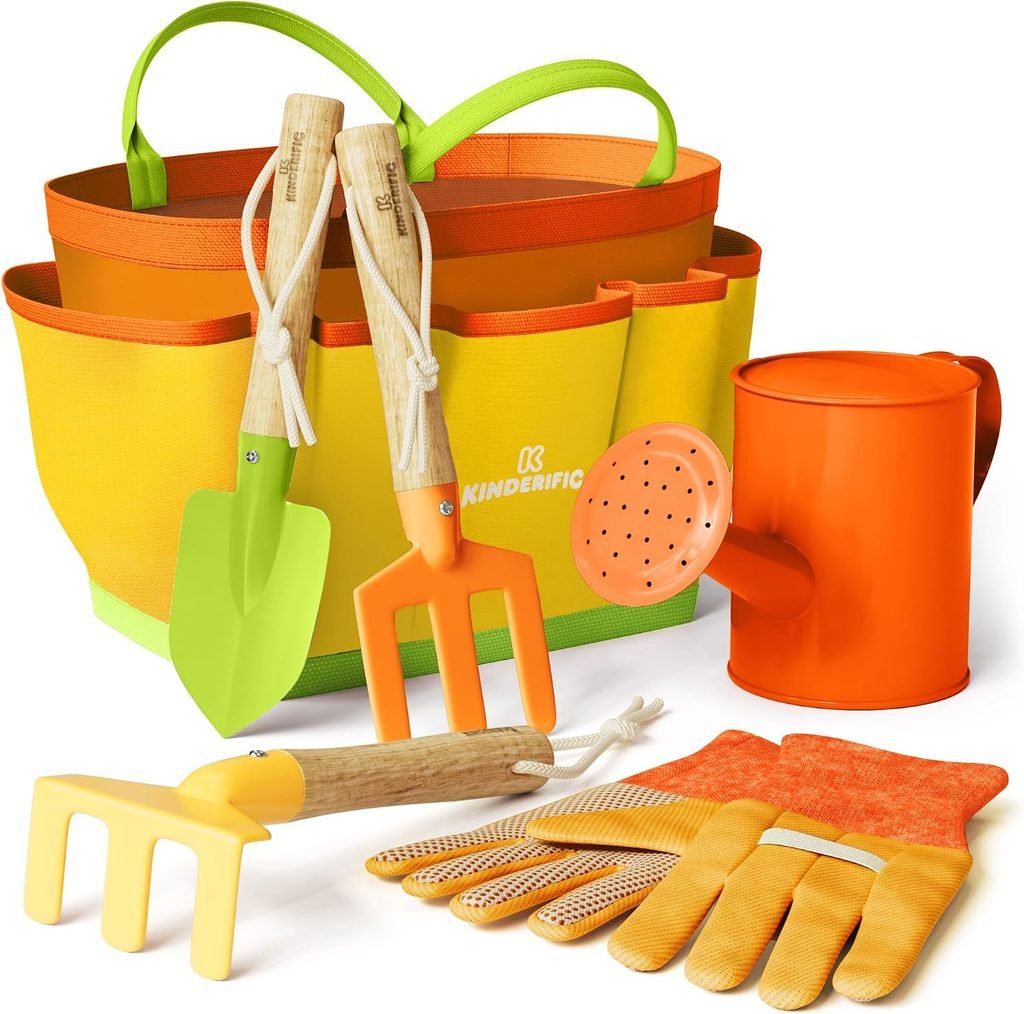
For a small-space container project, this kit serves as the ultimate bridge to get kids interacting directly with nature. They can use the hand trowel to explore the cool, rough textures of potting soil, manage their own watering schedule for fresh herbs, and take absolute pride in maintaining their individual pots. It is an exceptional, screen-free way to build fine motor skills, encourage responsibility, and let your children physically shape their own magical green space from the ground up.
Selecting the Right Location
Pick a spot that’s easy to get to. Your backyard is perfect if you have one. A corner of a community garden works too. Look for a place with some sun and some shade.
Good soil is important. Test it to see what it needs. Add compost to make it rich and healthy for plants.
Think about water. You’ll need a way to keep your garden watered. A spot near a faucet makes this easier.
Consider fencing if you’re worried about animals getting in. This also helps keep little ones from wandering off.
Incorporating Diverse Elements
Add plants that appeal to all senses. Lavender and mint smell great. Ornamental grasses make fun rustling sounds. Strawberries are yummy to taste.
Use different heights to create interest. Tall sunflowers, medium bushes, and low ground covers work well together.
Include fun garden features. A small fountain adds soothing sounds. Bamboo poles can make a fun percussion instrument.
Don’t forget places to sit and enjoy. A child-sized bench or some big rocks make great resting spots.
Add bird feeders or butterfly-friendly plants to attract wildlife. Watching animals is exciting for kids.
Choosing Plants and Features for Your Sensory Garden for Children
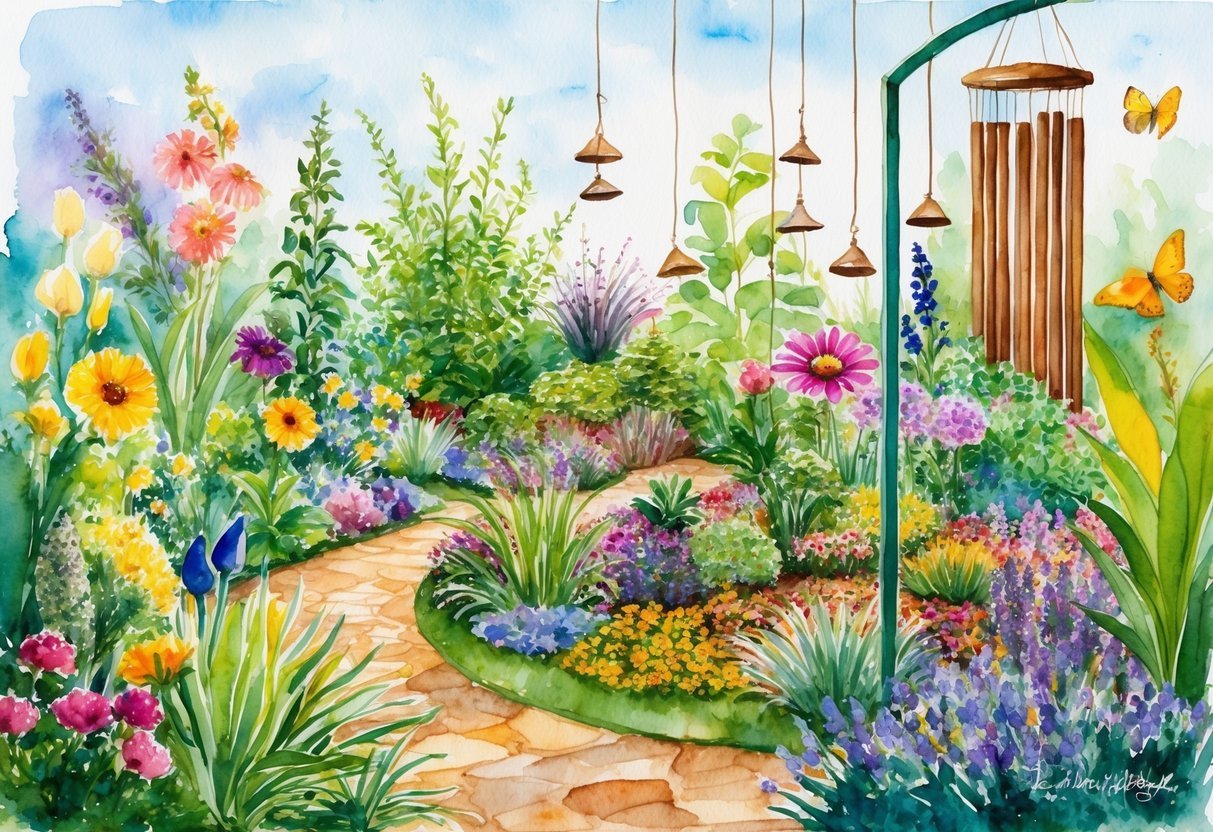
When making a sensory garden for kids, pick plants and things that kids can touch, smell, see, and hear. This helps them learn about nature using all their senses.
Plants That Engage the Senses
You’ll want to choose plants that kids can interact with safely. Lavender and rosemary are great for smelling. They give off nice scents when you rub their leaves. Mint is another fun plant for smell and taste.
For touch, try lamb’s ear. Its leaves feel soft and fuzzy. Yarrow has feathery leaves that are fun to stroke. Sunflowers have rough stems and big, bumpy seedheads.
Don’t forget about plants that move! Ornamental grasses sway in the breeze. Bamboo makes gentle rustling sounds.
Creating Visual Interest
Your sensory garden should be a feast for the eyes too. Pick plants with different colors, shapes, and sizes.
Purple coneflowers have pretty petals and spiky centers. Bleeding hearts have unique heart-shaped flowers. Balloon flowers look like little balloons before they open.
Try planting things at different heights. Tall sunflowers, medium-sized false indigo, and low-growing lamb’s ear create layers of interest.
Use colorful pots or painted stones to add more pops of color. Wind chimes or colorful flags can catch the eye too.
Adding Elements of Sound
Sound is a big part of a sensory garden. There are many ways to add pleasant sounds.
Metal, bamboo, or seashell wind chimes make lovely sounds in the breeze. Hanging bells can add a gentle tinkling.
Plant ornamental grasses or bamboo. They rustle and whisper when the wind blows. This soft sound can be very calming.
Bird feeders and baths can attract feathered friends. Their chirps and songs add natural music to your garden.
Water Features for Touch and Sound
Water features are great for both touch and sound in your sensory garden. They’re fun and soothing.
A small fountain or waterfall can create a gentle trickling sound. Kids love to dip their hands in the cool water.
Try a shallow pebble fountain. The water moves over smooth stones, making a nice sound. It’s safe for little hands to explore.
Even a simple birdbath can work. Birds splashing adds a playful sound. Plus, kids can feel the water and watch for birds.
Incorporating Wildlife
Adding wildlife to your sensory garden brings it to life. You’ll see butterflies dancing and hear birds chirping. It’s a great way to connect kids with nature.
Attracting Butterflies and Birds
Want to see colorful butterflies fluttering around? Plant some coneflowers! They’re like a buffet for these pretty insects. You can also add a small water feature – birds love splashing in shallow water.
Don’t forget about hummingbirds. They’re so fun to watch! Try putting up a feeder or planting bright, tubular flowers. Trumpet honeysuckle is a great choice.
For birds, think about adding berry bushes. Blueberries are yummy for both birds and kids. Two treats in one!
Supporting Biodiversity
Your garden can be a mini nature reserve. Isn’t that cool? Leave a patch of grass uncut – it’s perfect for insects and small animals to hide in.
Add a log pile in a corner. Bugs will move in, and that means more food for birds. It’s like a natural buffet!
To truly ignite a child’s curiosity about the hidden magic of nature, Up in the Garden and Down in the Dirt by Kate Messner is an absolute must-have for your bookshelf. This beautifully illustrated book takes young readers on a seasonal journey through a garden oasis, exploring the rich, tactile world that exists both above and below the soil. While the pages display the bright colors of growing leaves and ripening vegetables in the sun, it simultaneously pulls back the curtain on the busy, hidden ecosystem of earthworms, burrowing beetles, and microscopic helpers working hard down in the dark.
Soil, Sprouts, and Bugs: Up in the Garden and Down in the Dirt 🐜🌱
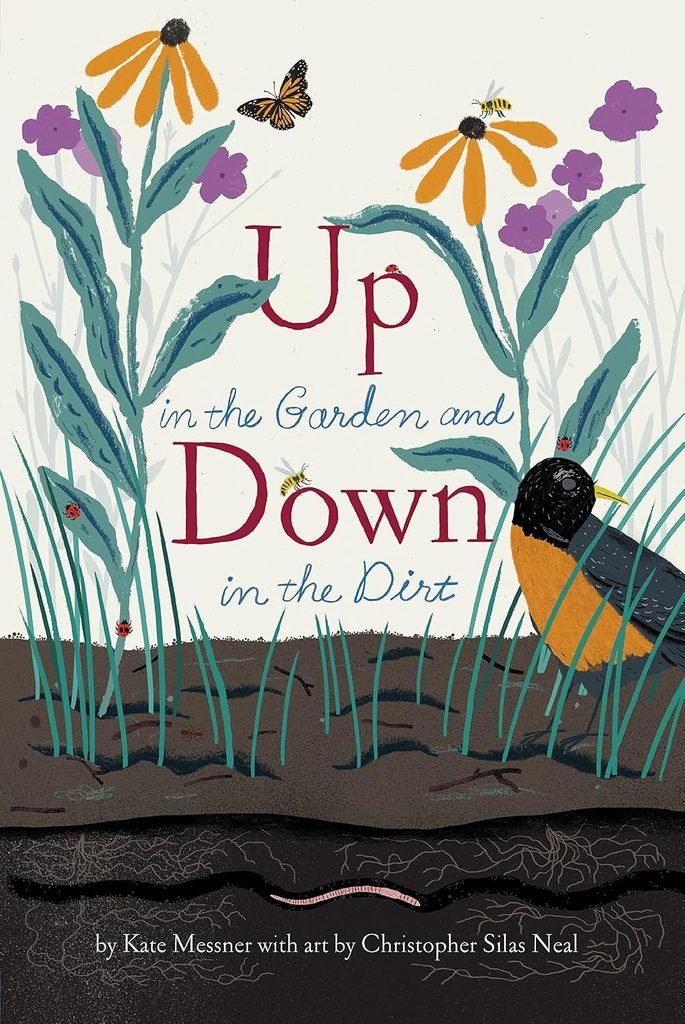
For a hands-on sensory garden project, this story acts as the perfect conversation starter to get kids excited about getting their hands dirty. It reframes a simple pot of dark soil from “dirt” into a bustling, living city waiting to be explored. Reading this together before your weekend planting session gives children a wonderful visual blueprint, encouraging them to listen for the rustle of leaves, touch the cool soil, and look closely for the tiny creatures that help their container plants thrive.
Try planting native wildflowers. They’re super easy to care for and great for local wildlife. Plus, they look beautiful!
Remember, a diverse garden is a healthy garden. Mix it up with different plant heights and types. This creates lots of homes for all sorts of critters.
Interactive and Edible Plants
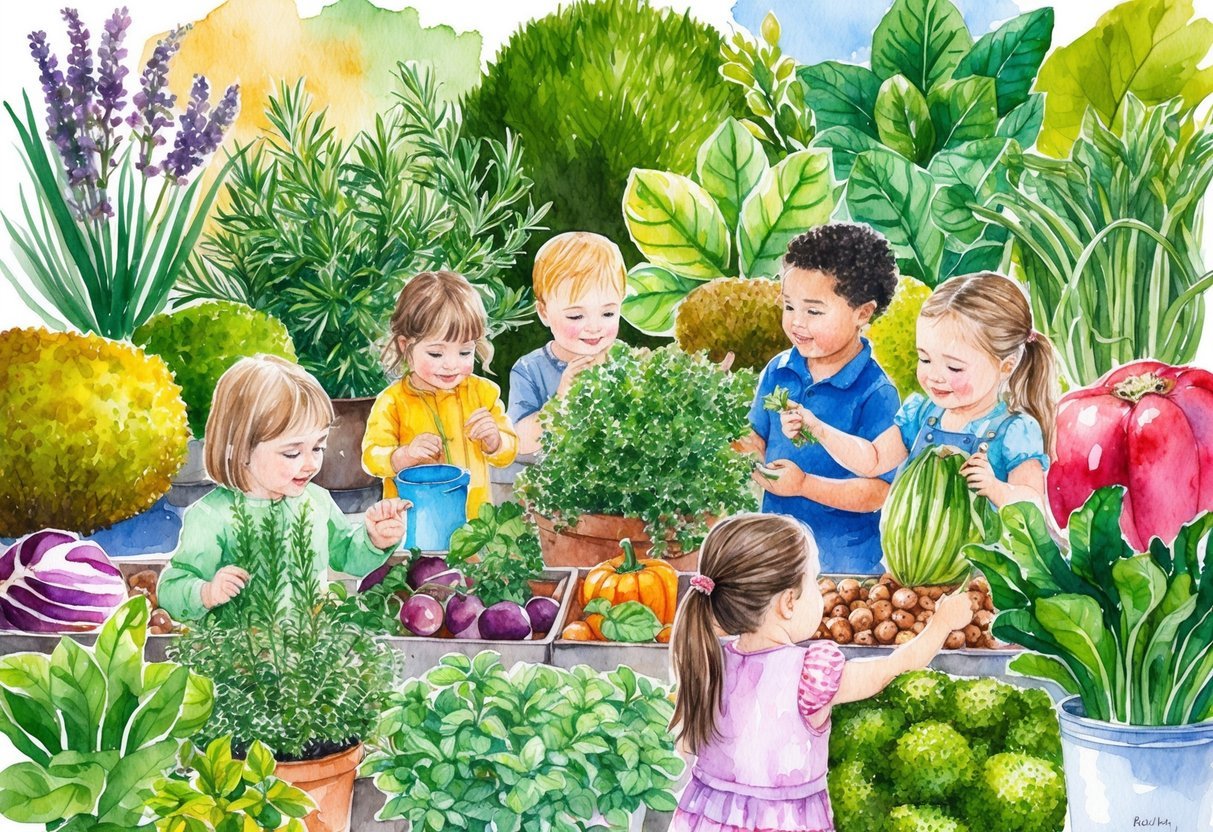
Adding edible plants to your sensory garden lets kids taste nature’s flavors. It’s a fun way to teach them about food while engaging their senses.
Choosing Edible Plants
Pick plants that are easy to grow and safe to eat. Fruits like blueberries and blackberries are perfect. They’re yummy and kids love picking them.
Herbs are great too. Try mint, basil, or rosemary. They smell nice and add flavor to food.
Veggies like cherry tomatoes and snap peas are fun to grow. Kids can watch them change and then eat them right off the plant.
Don’t forget edible flowers! Nasturtiums and pansies look pretty and taste peppery.
Sunflowers are awesome. You can eat the seeds, and they grow super tall.
Using Edible Plants Safely
Always teach kids to ask before eating anything from the garden. Some plants look alike, so it’s important to be sure.
Wash fruits and veggies before eating them. It’s a good habit to learn.
Keep tools and chemicals away from edible plants. You don’t want yucky stuff on your food.
Make sure everyone knows which plants are okay to eat. You could use cute labels or signs.
Remember, some people have allergies. Check with parents before letting kids try new foods.
Teach kids to be gentle with plants. They should pick carefully so the plant keeps growing.
Maintenance and Care
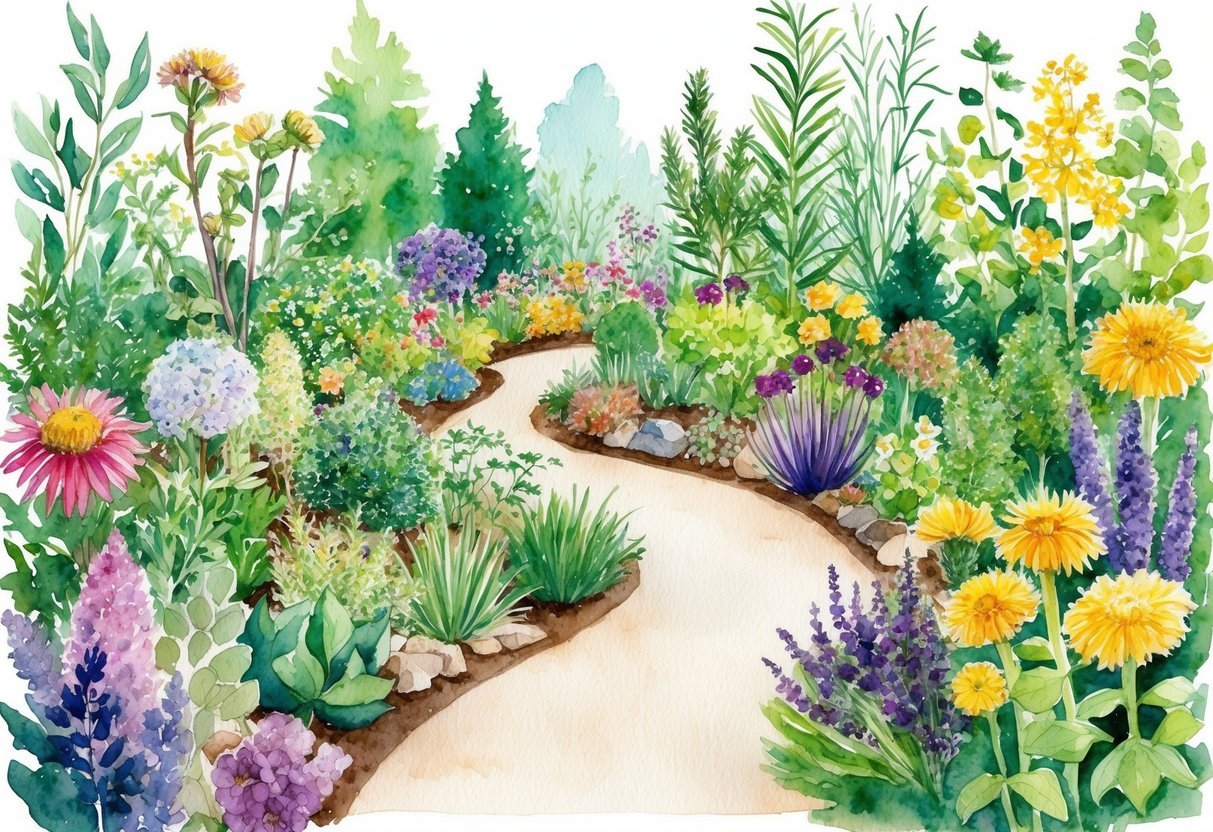
Keeping your sensory garden thriving takes some work, but it’s so worth it! You’ll want to stay on top of regular care and adjust things as the seasons change.
Regular Upkeep for a Healthy Garden
Start by watering your plants regularly. Feel the soil with your fingers – if it’s dry an inch down, it’s time to water. Mulch around plants to keep moisture in and weeds out.
Prune dead or overgrown branches to keep plants healthy and shaped nicely. Pinch off faded flowers to encourage more blooms. It’s like giving your garden a cute little haircut!
Watch out for pests and diseases. Check leaves for spots or bugs. If you see issues, try natural solutions first, like neem oil spray.
Fertilize during the growing season with organic compost or a balanced fertilizer. Your plants will thank you with gorgeous growth and vibrant colors!
Seasonal Adjustments and Changes
As seasons shift, your garden needs change too.
In spring, add fresh mulch and plant new additions.
Summer calls for extra watering and deadheading flowers.
Fall is perfect for planting bulbs and trees. Cut back perennials and add cozy touches like pumpkins.
Winter? Time to protect delicate plants with covers or bring them indoors.
Switch up scented and textured plants each season.
Try fuzzy lamb’s ear in summer and fragrant evergreens in winter. This keeps the sensory experience fresh and exciting all year.
Remember to refresh your pathways and seating areas too.
A comfy spot to sit and enjoy your hard work is a must in your sensory garden for children!