🪴Balcony Garden Paradise is reader-supported. When you buy through links on our site,
we may earn a small affiliate commission at no extra cost to you. As an Amazon Associate,
we earn from qualifying purchases. Happy Gardening from the team! 🌿
Transforming your balcony into a lush and textured haven is a rewarding way to extend your living space into the outdoors. Balcony gardening offers a versatile approach to bringing greenery, vibrancy, and life to an otherwise utilitarian space. When planning your balcony garden, it is essential to incorporate a variety of elements that add texture and depth to your design. This makes your garden more visually appealing and creates a more engaging and tactile environment.
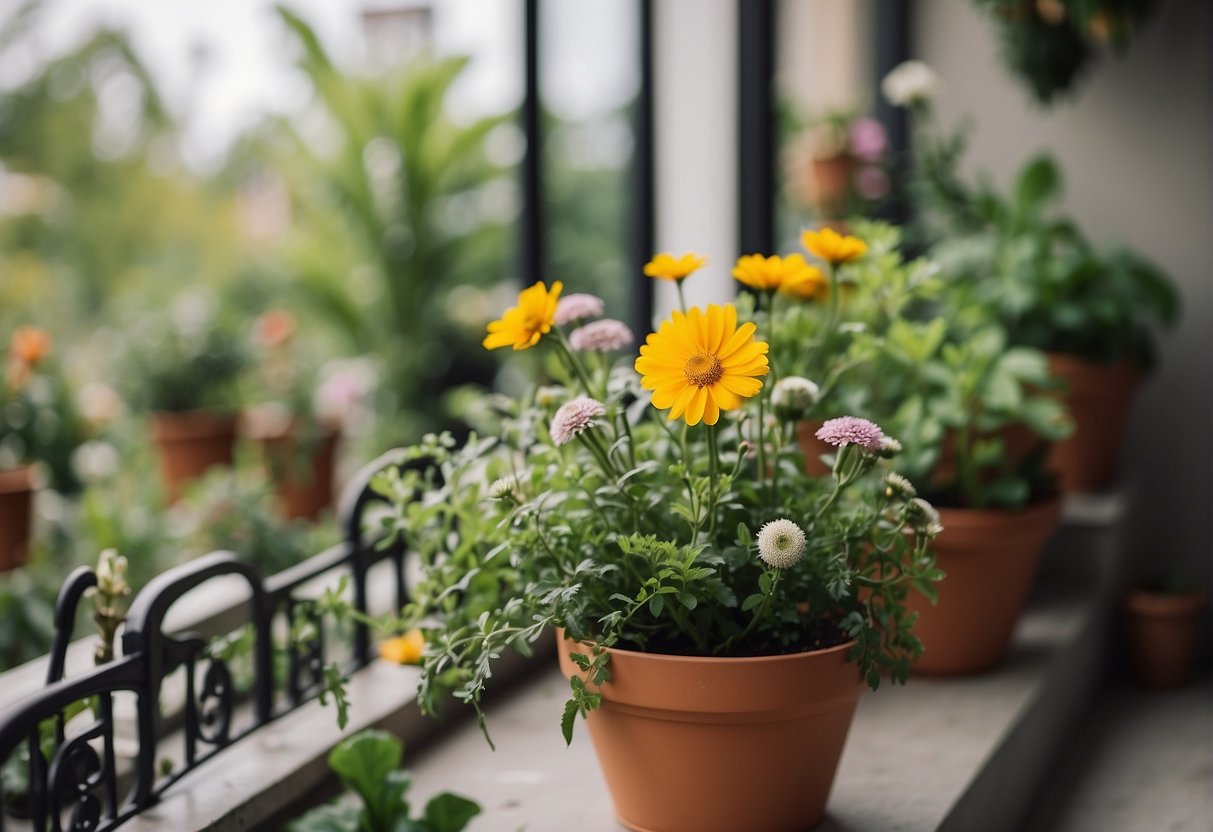
Texture in garden design is achieved through the thoughtful selection and arrangement of plants and accessories. On your balcony, consider using plants with a range of leaf shapes and sizes, from the delicate fronds of ferns to the broad, glossy leaves of hostas. Pair these with accessories like rugged wooden planters and soft, cascading mosses to create contrast. Balcony garden ideas often include the use of vertical elements such as climbing vines on trellises or a ladder-style shelf system, which draw the eye upward maximizing the use of space and add another layer of texture to your balcony garden oasis.

Understanding the Basics of Balcony Gardening
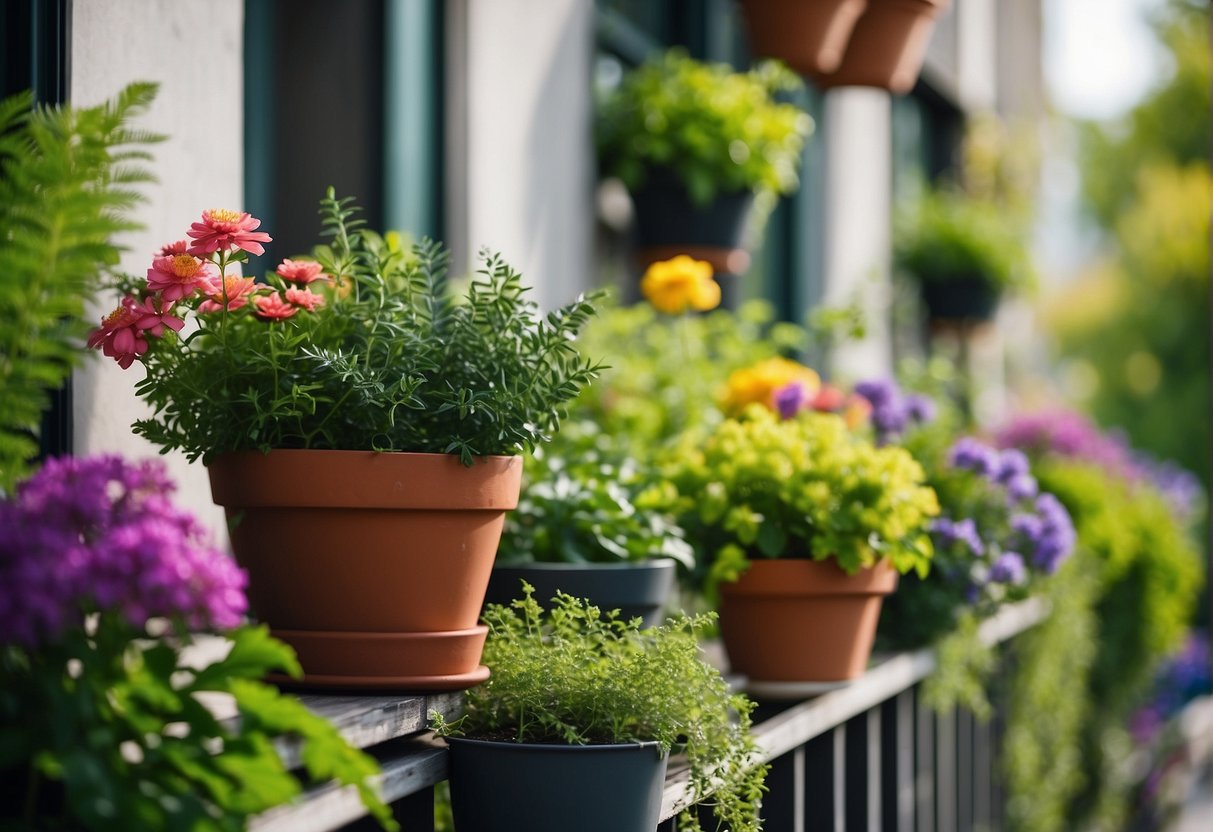
When starting your balcony garden, it’s essential to understand how to utilize your limited space effectively. Balcony gardens are an excellent way to bring greenery and nature into your home, especially when dealing with small spaces.
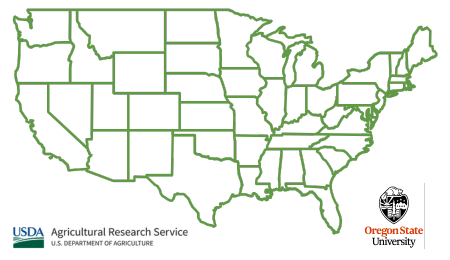
The 2023 USDA Plant Hardiness Zone Map was created by Oregon State University (PRISM Climate Group) and released by the USDA.
Choosing Containers
- Select containers that fit your balcony’s size without overcrowding.
- Opt for hanging pots or railing planters to save floor space.
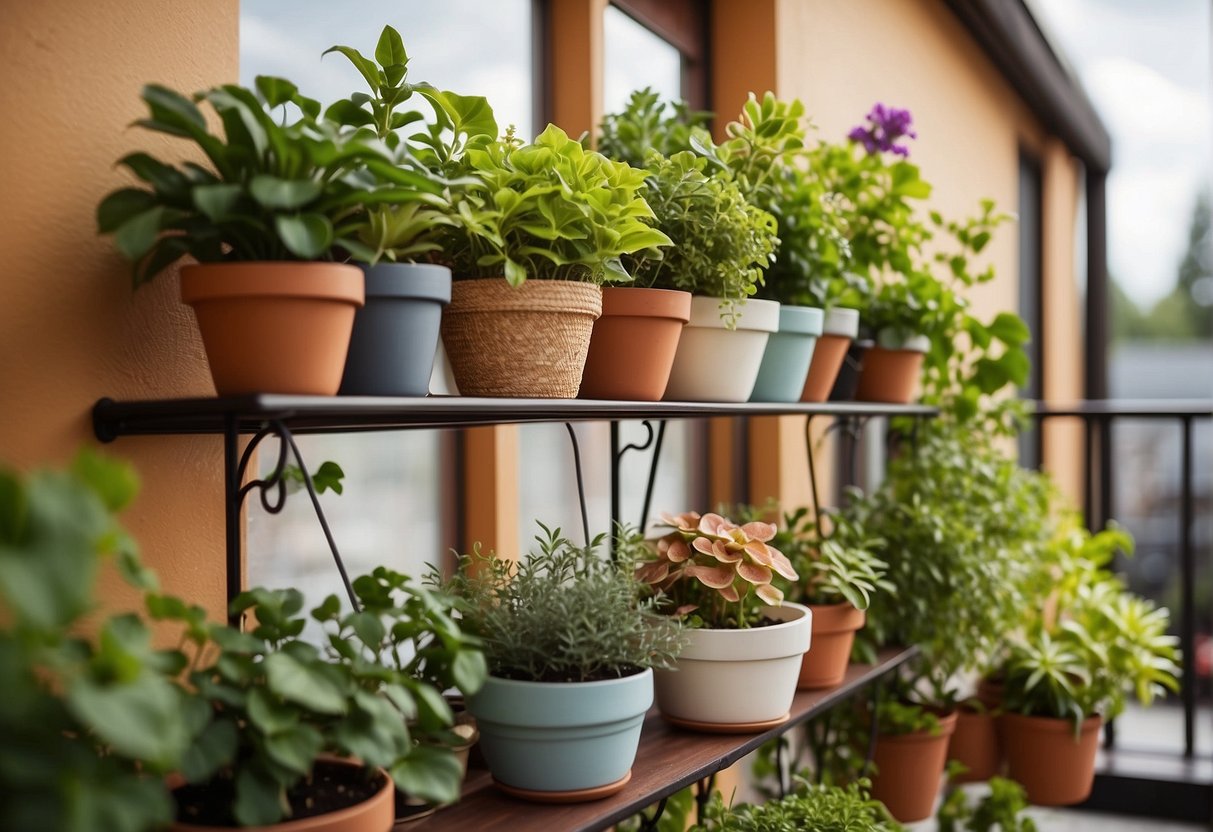
- Consider using vertical space with tiered stands or shelves.
- Prioritize plants that thrive in your climate.
- Incorporate a mix of plant sizes for visual variety and texture.
- For vertical gardening, choose climbing plants or tall foliage.
- Assess the amount of sunlight your balcony receives and choose plants accordingly.
- Implement a consistent watering schedule. Smaller containers may require more frequent watering.
Maximizing Space
- Utilize vertical gardening techniques like trellises or wall-mounted planters.
- Arrange your plants strategically, placing taller ones at the back to avoid shading smaller ones.
By understanding these basics, you can successfully create a flourishing balcony garden, making the most of balcony gardens to add texture and life to your outdoor space.
Selecting the Right Plants
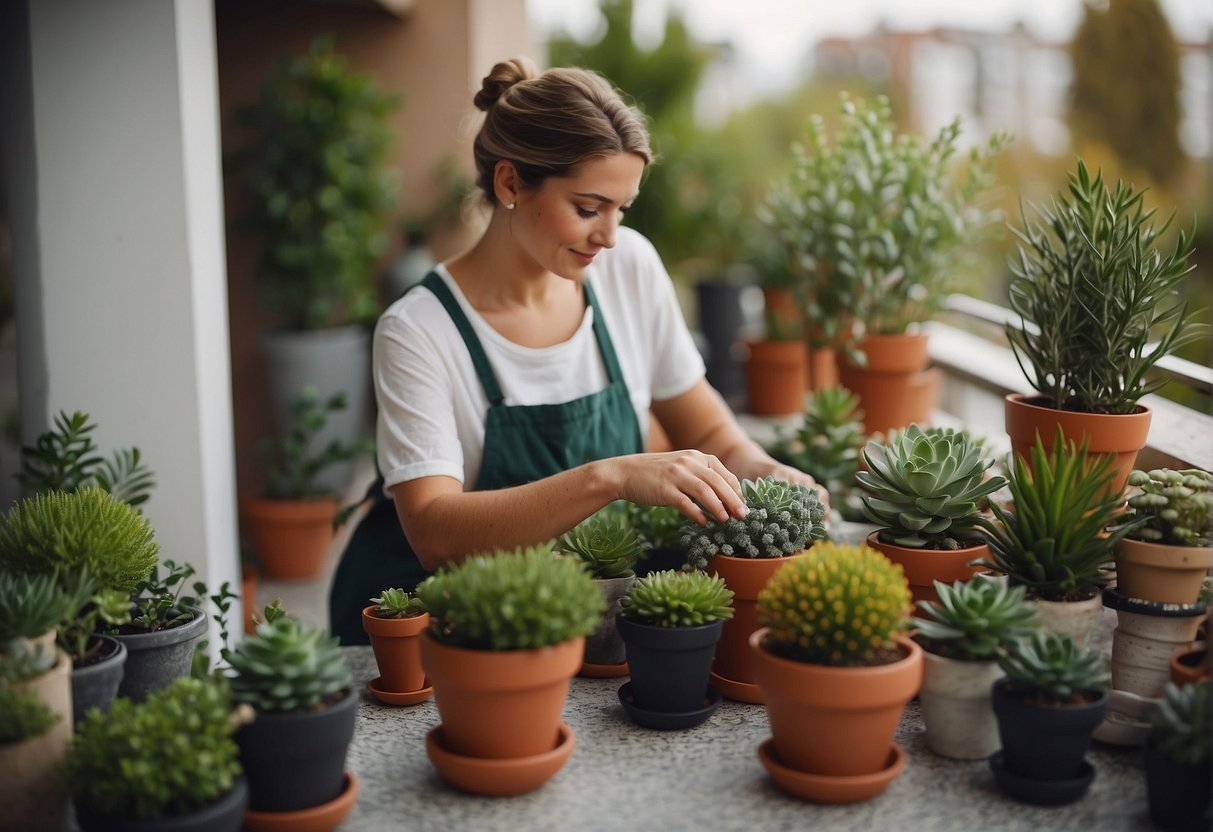
When creating a texture-rich balcony garden, it’s essential to select plants that will thrive in your specific environment. Texture can come from various plant features such as leaves, flowers, or stems.
Flowers and Greenery Can Add Texture to Your Balcony Garden
Incorporate a mix of flowers and greenery to provide diverse textures. For instance, ferns can add a soft, feathery feel, while the broader leaves of hostas offer a more robust presence. Use perennials for longevity, and control the texture year after year. Consider flowering plants like begonias for their colorful blossoms and textured foliage.
- Soft-Textured Plants: Boston Fern, Lamb’s Ear
- Bold-Textured Plants: Hosta, Agave
Edible Plants and Herbs
Herbs and vegetables can offer texture as well as function. Rosemary, with its needle-like leaves, adds a fine texture, whereas the broad leaves of a squash plant are more pronounced. Plus, you can enjoy the added benefit of fresh produce!
- Herbs: Basil, Sage
- Vegetables: Kale, Swiss Chard
Shade and Sun-Loving Varieties
Your balcony’s light conditions determine plant selection. For areas with limited sunlight exposure, choose shade-tolerant plants like impatiens or ferns. For sunnier spots, sun-loving succulents and herbs like thyme or lavender will survive and thrive.
- For Shade: Impatiens, Coleus
- For Sun: Lavender, Sedum
Container Choices for Balcony Gardens
Selecting the right containers for your balcony garden is crucial for the growth and health of your potted plants. Your decisions will impact soil quality and the overall look of your garden space.
General Planter Types
Containers come in various shapes and sizes, each offering different advantages. For instance, hanging baskets are excellent for optimizing vertical space and can be filled with a range of cascading plants. On the other hand, window boxes provide a traditional look and can be attached directly to your balcony railing. When choosing the right containers, consider the plant’s requirements and how they fit into your balcony’s design.
- Standard Planters: Ideal for a variety of plants, offering spacious soil volume.
- Hanging Baskets: Great for trailing plants, and adding height to your garden.
Specialized Containers
Your garden can benefit from specialized containers like railing planters or pots with a built-in trellis. Railing planters are designed to securely sit atop balcony railings, saving floor space while trellises support climbing plants, adding dimension and interest to your garden layout.
- Railing Planters: Ensure they fit your balcony railing dimensions.
- Trellis Pots: Provide support for climbers like ivy or sweet peas.
Materials and Aesthetics
The material of your containers significantly affects both the soil quality and the aesthetic appeal of your garden. Terra cotta pots are porous, allowing the soil to breathe, which is beneficial for many plants but may require more frequent watering. Resin containers are lightweight, often resembling more expensive materials, and can withstand extreme weather conditions.
- Terra Cotta: Traditional look, but can dry out quickly.
- Resin: Durable, a variety of designs, retains moisture better than terra cotta.
Maximizing the Use of Space
In small balcony gardens, every inch counts. Efficient use of vertical space and existing structures can transform your balcony into a lush, multi-dimensional haven.
Vertical Gardening Techniques
Vertical gardening effectively utilizes limited space and can add beauty and yield to your balcony. Consider trellises or gardening towers that allow plants like beans or tomatoes to climb upwards, thus freeing up valuable floor space. Incorporating hanging baskets or wall-mounted planters can also be a practical and visually appealing way to grow herbs and flowers.
- Walls: Attach weather-resistant shelves or wire frameworks.
- Furniture: Use the sides and backs of sturdy pieces for climbing plants.
For a DIY approach, consider repurposing items like pallets or crates, which can be hung or leaned against walls for an intriguing display of greenery.
Utilizing Balcony Structures
Your balcony’s existing structures serve as a foundation for creative gardening solutions. Railings can support planters specifically designed to hang over the side, effectively utilizing an often-overlooked space.
Bold Use of Furniture: Choose furniture that is functional and also doubles as a plant stand or holder. Compact foldable items maximize space and can be removed when not needed.
Remember to assess the weight limits of your balcony before adding heavy planters or furniture.
Creative Space Solutions
Approach your small balcony with creativity:
- Shelves: Install multiple levels of shelves to create vertical gardening opportunities.
- Compact Design: Opt for narrow, tall planters that offer depth for root growth without taking up much floor space.
With thoughtful planning, even the most compact small balconies can become rich, productive vertical gardens. These strategies ensure your balcony garden delivers an impactful visual appeal and fulfills its potential functionally.
Cultivating a Healthy Garden
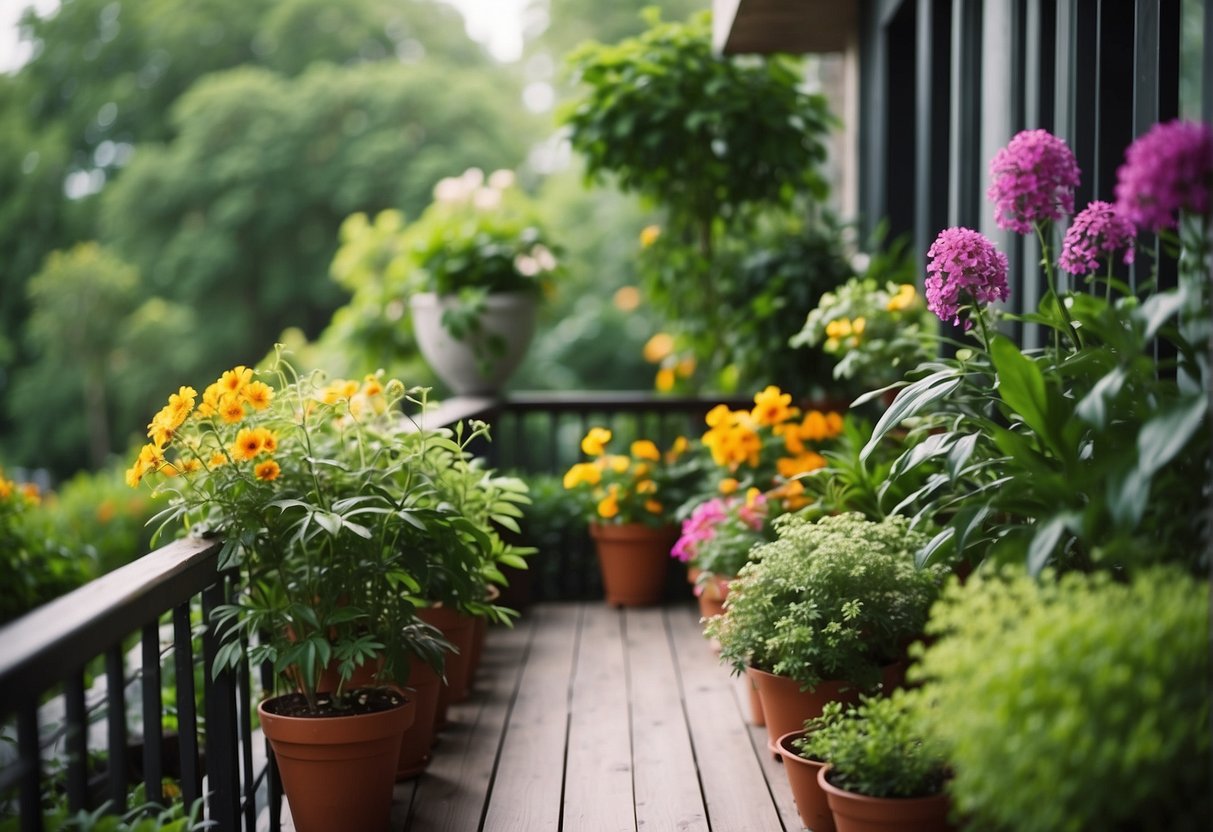
Having a healthy garden on your balcony includes managing the soil quality, ensuring proper irrigation and drainage, and keeping pests and diseases in check. By focusing on these elements, your garden will thrive.
Soil and Composting
Soil: The foundation of a healthy garden begins with the soil. Choose a well-draining soil mix that is rich in organic matter. This will provide your plants with the necessary nutrients and allow roots to grow without waterlogging.
Composting: Incorporating compost into your soil will enhance its texture and fertility. Compost adds essential nutrients back into the soil, and maintaining a proper soil moisture balance is key for healthy plant growth.
Irrigation and Drainage
Watering: Regular and consistent watering is crucial. To avoid overwatering, use a soil moisture meter to check the soil moisture levels before adding water.
Drainage: Balcony gardens often face drainage challenges. Ensure your containers have holes and consider a layer of gravel at the bottom to improve drainage and prevent roots from sitting in excess moisture.
Dealing with Pests and Diseases
Pests: Keep an eye out for signs of pests and tackle infestations early. Use non-toxic methods like neem oil or insecticidal soaps to manage these issues.
Diseases: Prevent plant diseases by choosing disease-resistant varieties and allowing enough space between plants for air circulation. Removing affected foliage promptly can prevent the spread of disease.
Balcony Gardening Practicalities
Before venturing into balcony gardening, it’s crucial to understand the practicalities involved. This includes the management of weight and space on your balcony, as well as adapting to the climate and environmental conditions it faces.
Weight and Space Considerations
When creating your balcony garden, remember that weight restrictions are paramount. Your balcony has a weight limit, so choose lightweight containers and avoid heavy materials. Using hanging baskets and wall-mounted planters maximizes space and keeps the floor uncluttered. Consider installing shelving along the walls to avoid overcrowding, allowing for vertical gardening.
- Weight Restrictions Overview:
- Lightweight containers: Consider materials like fiberglass or resin.
- Soil choice: Opt for a mix containing perlite or vermiculite to reduce weight.
Climate and Environmental Factors
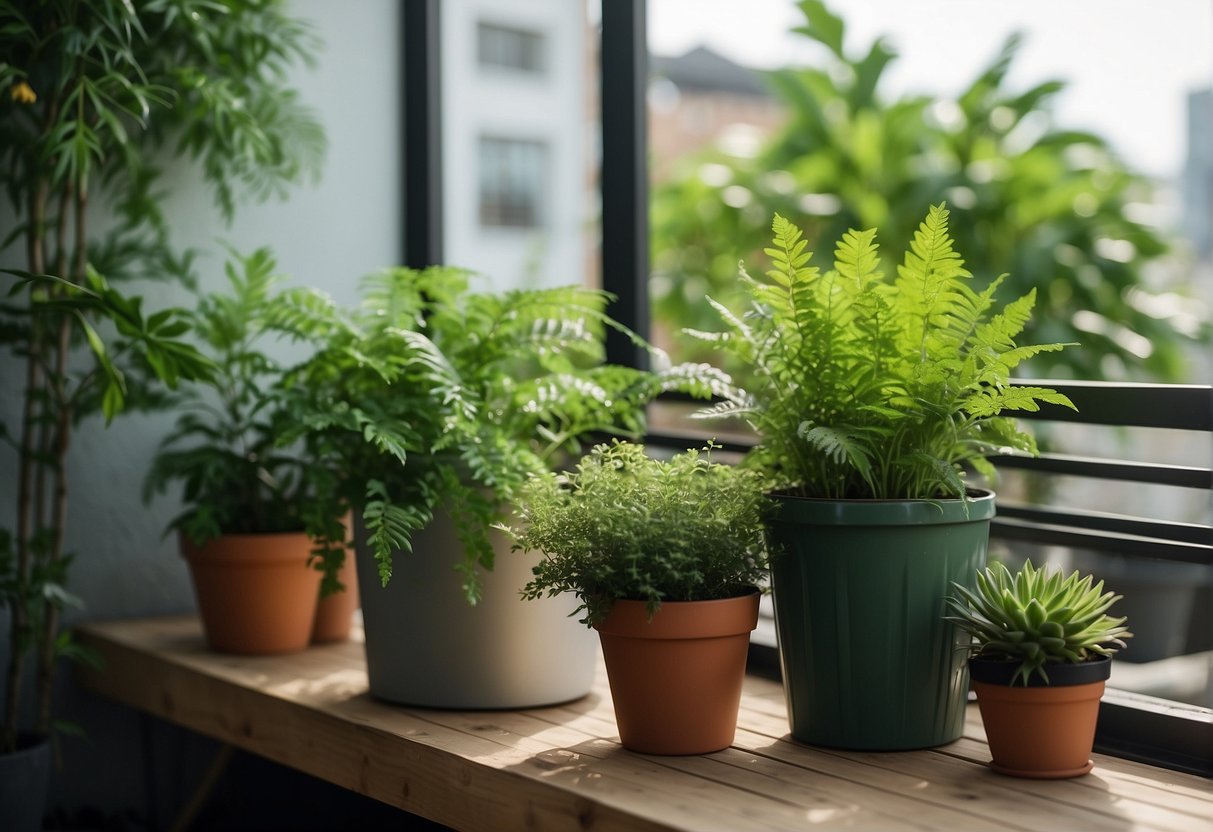
Your balcony’s exposure to the climate heavily influences your garden’s success. If your balcony receives abundant sunlight, choose heat-tolerant and drought-resistant plants, while shaded balconies may require plants like ferns that thrive with less sun. Additionally, wind can be a strong force on high balconies, so choose plants with sturdy stems or use windbreakers. Consider climate-appropriate water features or lighting solutions to enhance your garden’s ambiance without the risk of structural damage.
- Climate Adaptations:
- Sun Exposure: Transition sun-loving plants gradually to prevent shock.
- Shade Tolerance: Plant shade-loving foliage where the sun is scarce.
- Wind Protection: Secure planters and use wind-resistant species to prevent topple.
By carefully evaluating these practical factors, you can ensure your balcony garden is both beautiful and sustainably managed.
Aesthetic and Decorative Elements
The right combination of colors, materials, and decorative elements can transform your balcony into a visually appealing retreat. It’s important to select a palette and decor that both reflects your personal style and helps create a cohesive look.
Choosing a Color Scheme
Your balcony garden is an extension of your living space, so choose a color scheme that complements the exterior of your home. Soft pastels provide a soothing feel, while vibrant hues can make the space more lively and inviting. When selecting planters and furniture, consider materials like wood or stone that can add a natural and textured look.
- Neutral tones: Wood finishes can ground the space and work with any color.
- Accents: Bold-colored lanterns or cushions can add a pop of color against a neutral backdrop.
Adding Decor and Accessories
To enhance your balcony’s atmosphere, introduce a variety of decor and accessories. Plants are key – mix and match types with different heights and textures to add depth. Include lighting, such as string lights or lanterns, to create a warm glow for evening relaxation.
- Plant arrangements: Combine tall shrubs, cascading vines, and petite flowers.
- Accessories: Consider decorative stones, wood carvings, or thematic sculptures.
Remember to layer your textiles and use decor that stands up to the elements, ensuring your balcony remains your personalized garden oasis.
Extending Balcony Garden Utility
Enhancing a balcony garden’s utility means maximizing space to grow fresh produce and creating a habitat that supports local wildlife. These improvements not only yield practical benefits but also contribute to urban biodiversity.
Growing Fresh Produce
By selecting the right vegetables and herbs, you can transform your balcony space into a productive edible garden. Start with greens like lettuce and spinach which are well-suited for balcony conditions and can be harvested multiple times. Consider adding herbs such as basil and parsley; they are not only useful for cooking but are also fragrant and attractive to beneficial insects.
- Vegetables: Ideal for small spaces
- Lettuce
- Spinach
- Radishes
- Herbs: Easy to grow, useful for cooking
- Basil
- Parsley
- Thyme
Creating a Nature-Friendly Environment
Developing a nature-friendly balcony garden serves a dual purpose: it brings a slice of nature to your urban dwelling and helps support local butterflies and pollinators. Incorporate native flowering plants to attract these creatures, and consider installing a small water feature to provide them with a vital resource. Utilizing various plant heights and textures adds layers that mimic a natural ecosystem, making your garden a haven for local wildlife.
- Attract butterflies and pollinators:
- Plant native flowers
- Install a water source
- Mimic natural ecosystems:
- Use plants of varying heights
- Add textural diversity with foliage
Conclusion
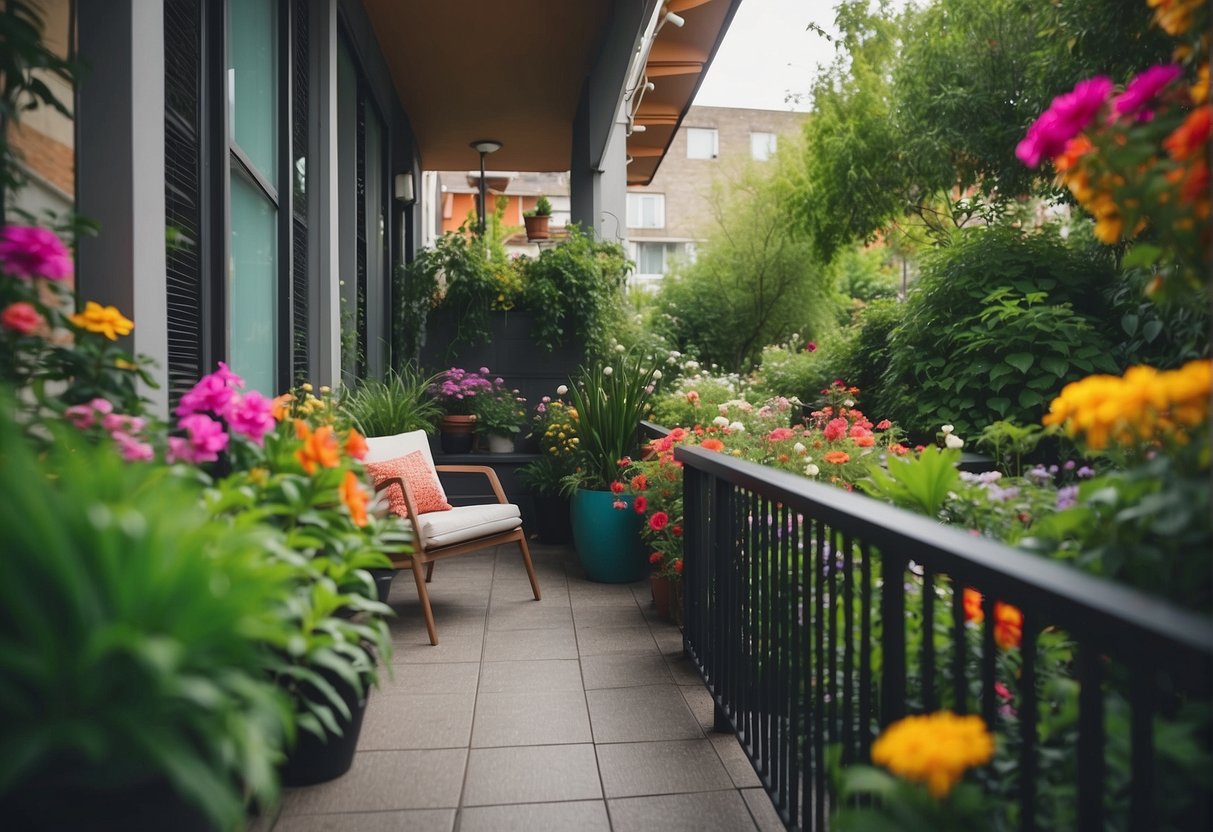
Integrating texture into your balcony garden elevates the aesthetic and creates a refreshing environment that can be both visually engaging and tranquility-inducing. To achieve this, consider the following succinct tips:
- Utilize a variety of plants, mixing broad-leafed species with those that offer finer textures to give a fuller, more diverse feel.
- Incorporate accessories such as rugs, furniture, and decorative stones to complement the natural garden design.
- Plan for seasonal changes to ensure a year-round harvest and continuous variety.
- Employ vertical gardening methods to make efficient use of space and add layers of texture.
- Regularly assess and refresh your arrangement to maintain an inviting balcony space.
A well-textured garden is more than just plants; it’s a living tapestry that reflects your dedication to creating a serene retreat. Remember that balcony gardening is flexible, allowing for rearrangement and experimentation until you find the perfect balance that suits your taste and style.