🪴Balcony Garden Paradise is reader-supported. When you buy through links on our site,
we may earn a small affiliate commission at no extra cost to you. As an Amazon Associate,
we earn from qualifying purchases. Happy Gardening from the team! 🌿
Crafting handcrafted herbal creams is a refreshing way to harness the healing powers of nature directly from your balcony garden. By utilizing the plants you’ve nurtured at home, you create a sustainable and intimate connection with the ingredients that go into your skincare products. The process is empowering and allows for a deep appreciation of the natural world as you blend homegrown botanicals into soothing creams for personal use or to share with others.
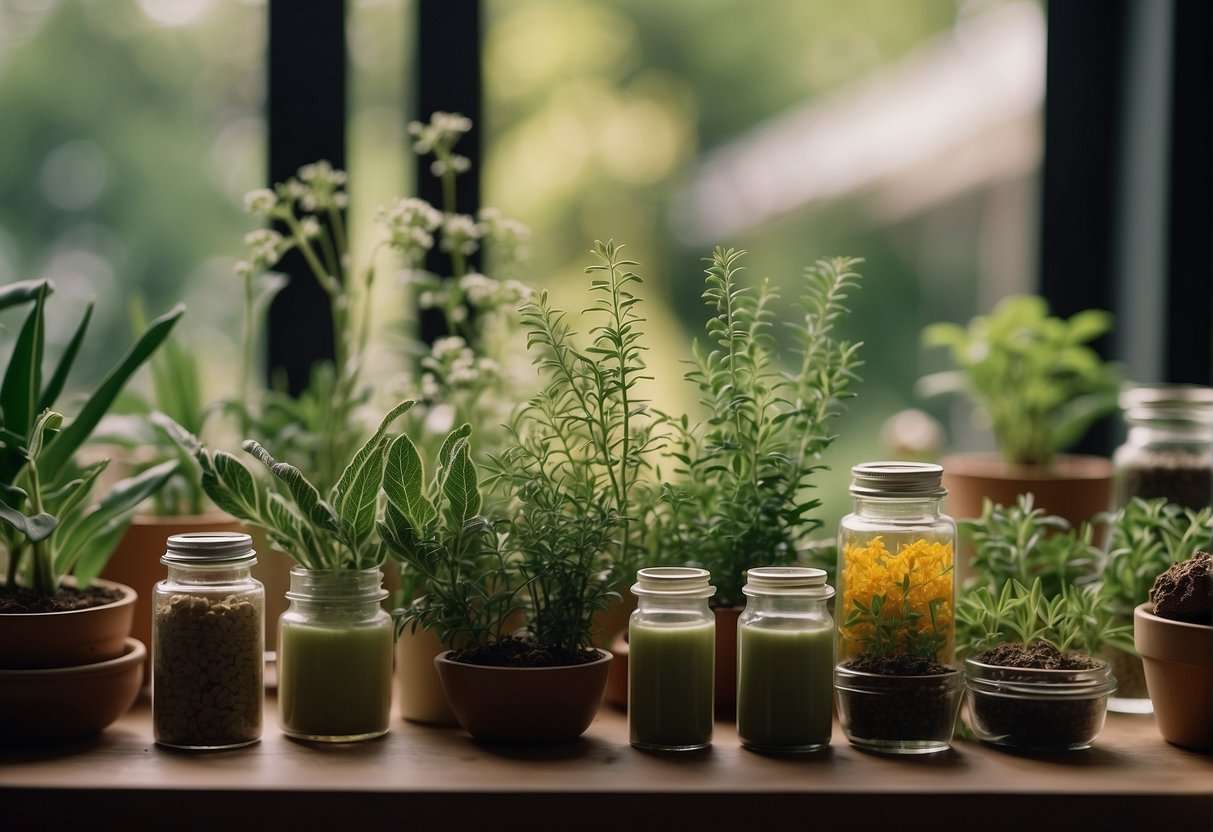
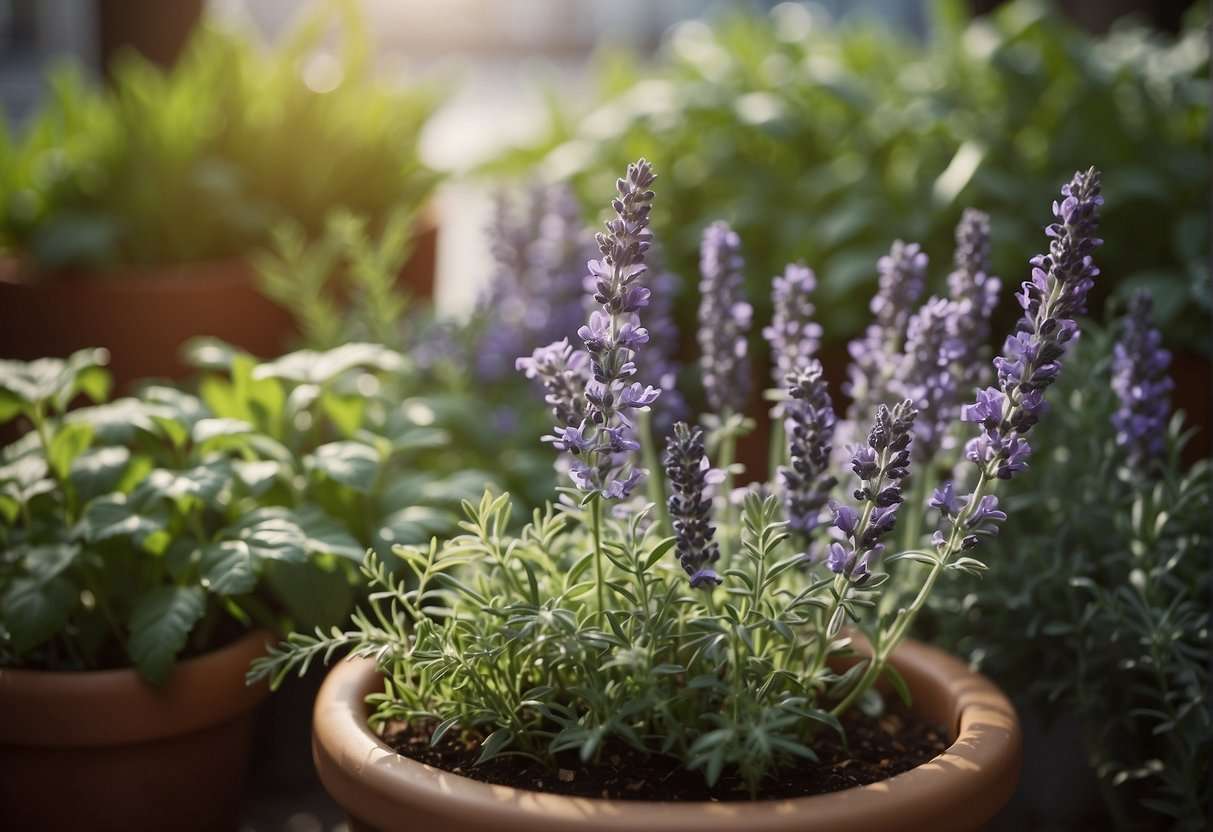
Your balcony garden offers a plethora of herbs like lavender, chamomile, and peppermint, which are renowned for their therapeutic properties. These herbs, when transformed into handcrafted herbal creams, provide a natural and gentle alternative to store-bought skincare. Whether you are looking to soothe dry skin, calm inflammation, or simply indulge in the aromatic splendor of your garden, handcrafted herbal creams can be tailored to meet your specific skincare needs.

By choosing to create your own herbal creams, you make a conscious decision to steer clear of harsh chemicals and unknown additives. Each plant in your balcony oasis holds potential benefits that are waiting to be unlocked. With attention to detail and a commitment to natural living, your handcrafted creams will not only nourish your skin but also resonate with the authenticity of personal touch and the freshness of homegrown ingredients.

The 2023 USDA Plant Hardiness Zone Map was created by Oregon State University (PRISM Climate Group) and released by the USDA.
Planning Your Balcony Herb Garden
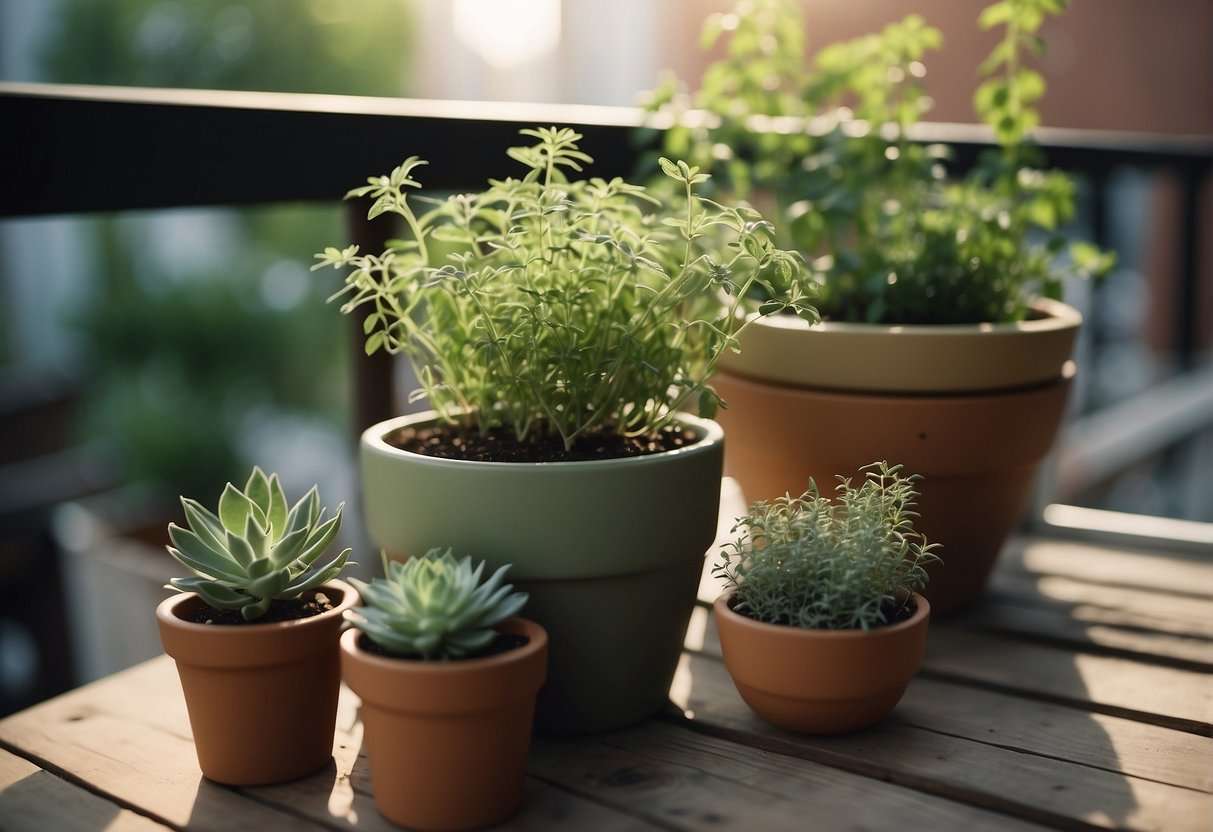
Creating handcrafted herbal creams starts with successfully growing your herbs. Planning your balcony herb garden is key to cultivating a variety of herbs that thrive in your specific space.
Choosing the Right Herbs
Begin by selecting herbs known for their skin-soothing properties such as lavender, chamomile, or calendula. Consider your culinary needs as well and include herbs like basil, thyme, and mint. Make sure the herbs you choose are suitable for the climate and season in your area.
Assessing Balcony Conditions
Evaluate your balcony’s exposure to sunlight and shade throughout the day. Herbs like basil require full sun, while others, such as parsley, can tolerate more shade. Observe patterns of sunlight and select herbs accordingly to match their light requirements.
Optimizing Space with Containers
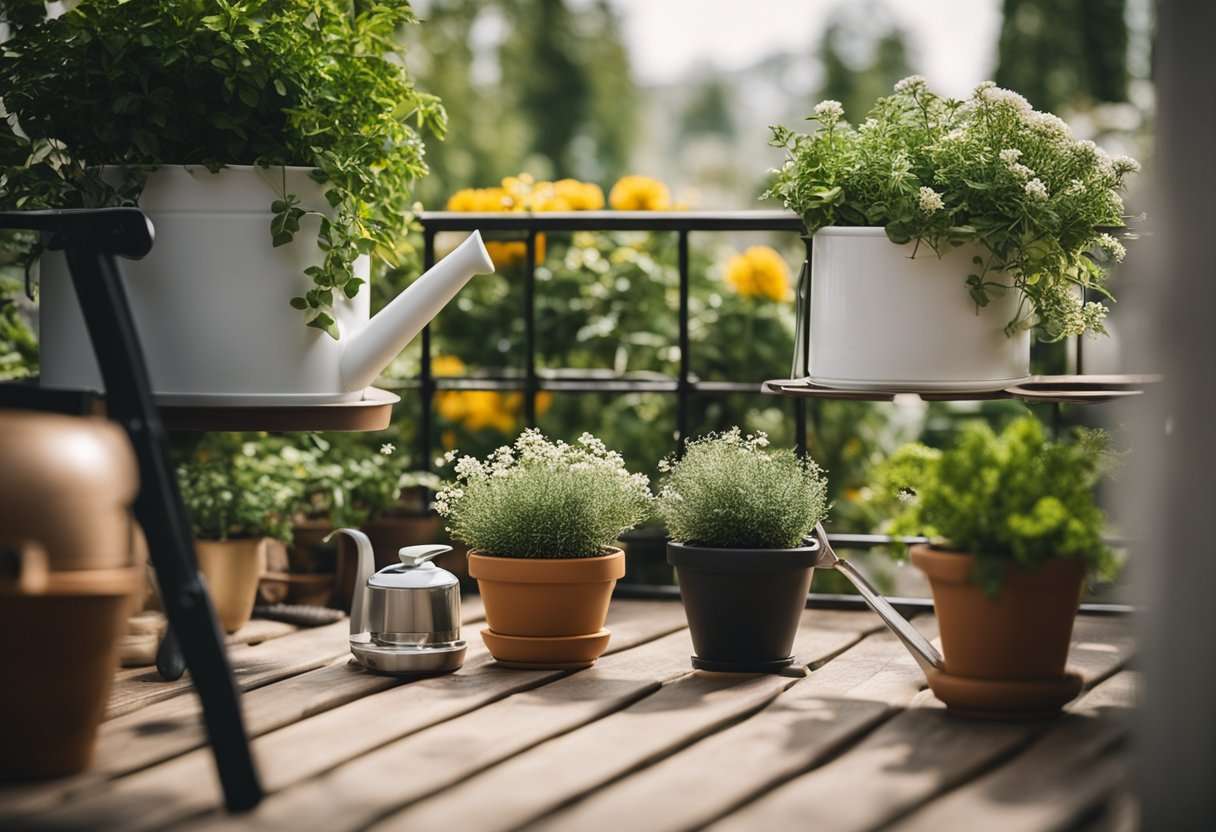
Maximize your growing area using hanging baskets, railing planters, and terracotta pots. Utilize vertical space and choose containers that complement the size of your balcony. Ensure that all containers have adequate drainage holes to prevent overwatering.
By considering these specific factors, you’ll be well on your way to growing a flourishing herb garden right on your balcony.
Growing and Nurturing Your Herbs
Cultivating a bounty of fresh herbs on your balcony starts with understanding the essentials of herb gardening. Careful attention to planting, watering, sun exposure, and harvesting is key to a vibrant, fragrant garden perfect for handcrafting herbal creams.
Planting and Germinating Seeds
Select high-quality seeds, ensuring they are appropriate for your climate and balcony conditions. Begin with a sterile starting mix in pots with ample drainage holes to prevent waterlog. Sow your seeds at the depth specified on their package. Keep the soil consistently moist and warm to encourage germination and provide the best start for your herbs.
Watering and Drainage
Herbs require regular watering to thrive, yet they detest soggy roots. Water deeply but infrequently, allowing the soil to dry slightly between waterings. This promotes strong root development while preventing root rot. Ensure pots have adequate drainage by checking for unobstructed holes and using a well-draining potting mix.
Sunlight and Temperature Management
Most herbs demand at least six hours of sunlight daily. Position your plants where they’ll receive ample sun, yet are shielded from scorching midday rays if necessary. Maintain a steady room temperature, avoiding locations that experience drastic temperature shifts, to prevent stressing the plants.
Pruning and Harvesting
Prune your herbs regularly to encourage bushy growth and prevent them from getting leggy. Snip just above a leaf pair, which prompts the herbs to branch out. Harvest your herbs in the morning, when their essential oils are strongest, for the most potent flavor and fragrance in your creams. Do this sparingly at first, allowing plants to mature and develop further.
Crafting Herbal Creams
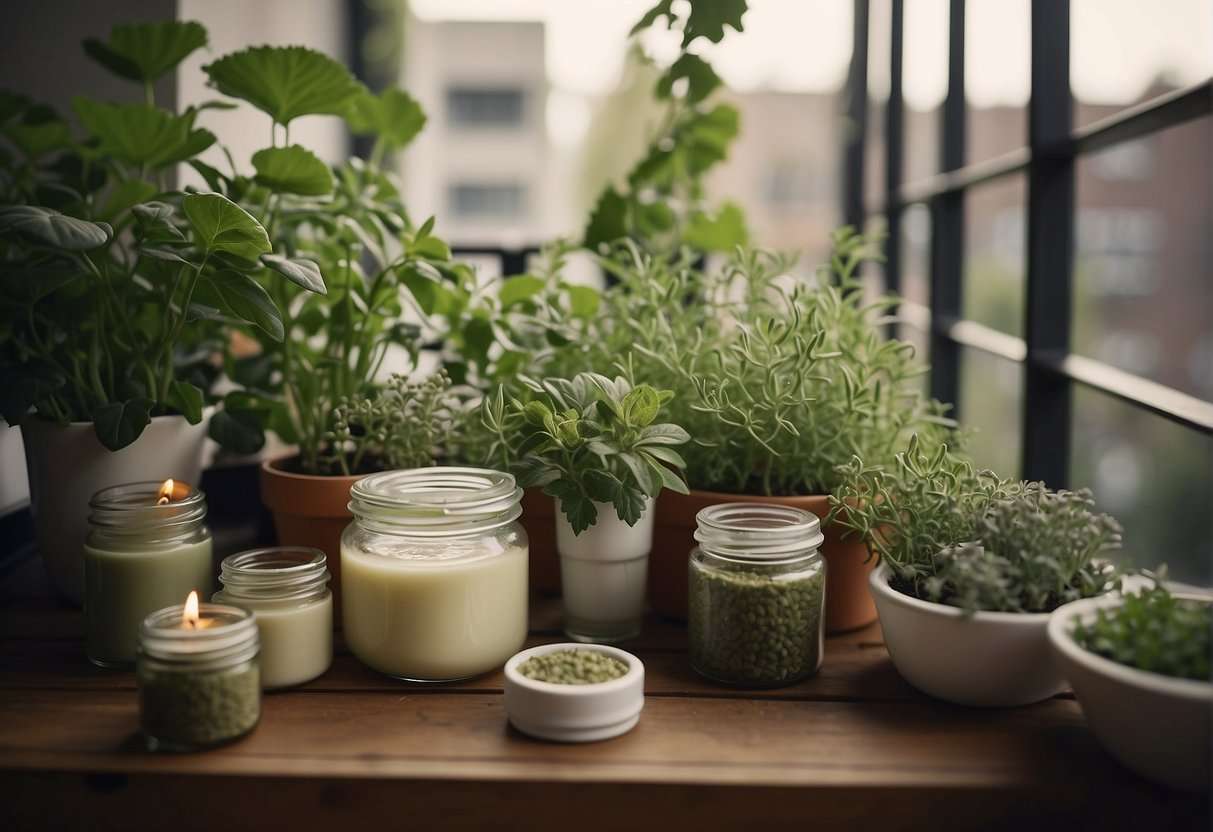
Creating your very own handcrafted herbal creams allows you to harness the soothing and therapeutic properties of garden-fresh herbs. By selecting the right herbs, following a detailed cream-making process, and understanding natural preservatives, you can produce creams that not only soften and nourish the skin but also have a satisfactory shelf-life.
Preparing Herbal Ingredients
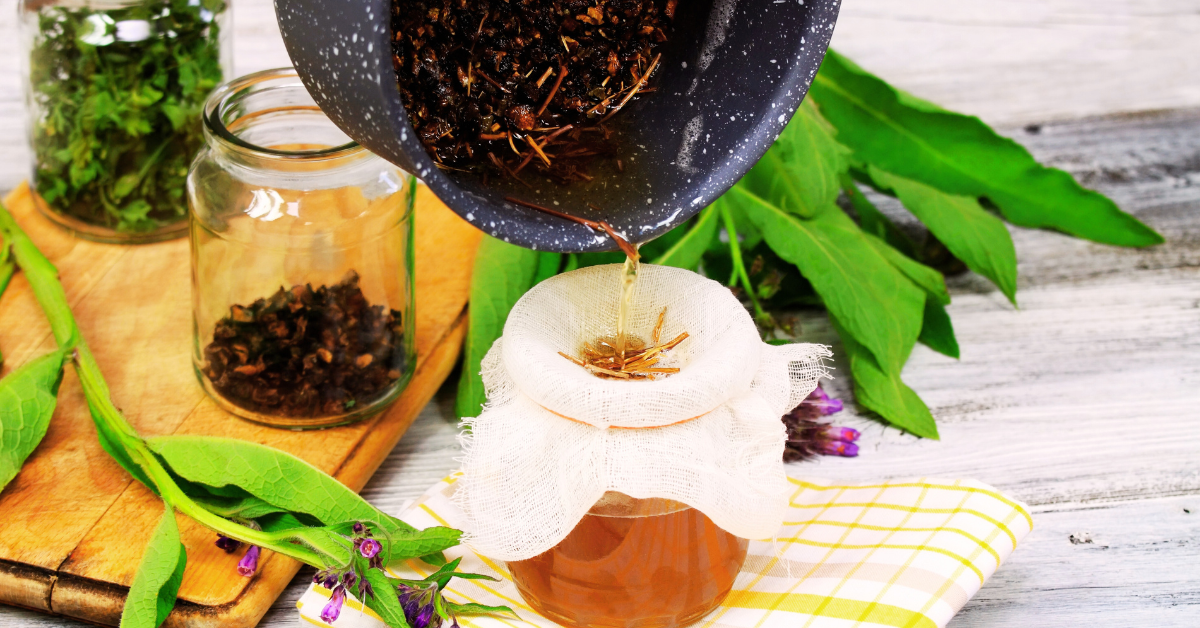
Before you start making your cream, select herbs known for their skin benefits such as calendula or lavender. Dry your picked herbs thoroughly to prevent any water contamination in your creams. Next, create infused oils by steeping the dried herbs in a carrier oil like olive oil or almond oil. This process can take several weeks, but it’s essential for transferring the antioxidants and therapeutic properties of the herbs into the oil.
The Cream-Making Process
To make your cream, you’ll need a blend of infused herbal oils, distilled water, an emulsifier to bind oil and water, and a wax to solidify the mixture. Common waxes include beeswax, which adds a protective layer to the skin, keeping it hydrated. To mix, use a blender to combine the oil phase (infused oils and melted beeswax) with the water phase until you achieve a consistent consistency. Add a few drops of essential oils for extra benefits and aroma.
Natural Preservatives and Shelf-Life
To ensure your creams are safe to use for as long as possible, you’ll need to include natural preservatives. Ingredients like Vitamin E or grapefruit seed extract can protect your cream from spoilage. Properly prepared and preserved, homemade creams can have a shelf-life of several months. Always store your creams in a cool, dark place to maintain their therapeutic qualities.
Health Benefits and Usage

Handcrafted herbal creams leverage the healing properties of balcony-grown herbs to enhance your skincare routine and provide relief for various ailments.
Herbal Creams for Skin Care
Your balcony garden provides a plethora of herbs that can be infused into creams for daily skin care. Calendula, known for its ability to stimulate healing, can effectively treat scrapes and burns due to its anti-inflammatory properties. In combination with Aloe Vera, a well-known herb for skin hydration and nourishment, these creams can promote skin regeneration and improve elasticity.
- Chamomile Cream: Soothes irritations and calms redness.
- Lavender Cream: Offers antiseptic properties and helps to mitigate bacteria that can lead to skin issues.
- Peppermint Cream: Enhances blood flow with a cooling effect.
Regular massage with these creams can increase circulation, leading to healthier and more vibrant skin.
Herbal Remedies for Ailments
Beyond skin care, your homemade creams can double as topical remedies for various ailments. Incorporating tinctures that contain concentrated herbal extracts boosts the potency of these creams.
| Herb | Benefit | Suggested Use |
|---|---|---|
| Echinacea | Boosts immunity, fights bacteria. | Apply to wounds and scrapes. |
| Tea Tree | Antifungal properties, useful against mold and athlete’s foot. | Massage onto affected areas. |
| Ginger | Apply to wounds, and scrapes. | Gently rub into sore areas. |
Herbal creams with Tea Tree can aid in the prevention of fungal growth, while those enriched with Echinacea are excellent for minor scrapes, due to its antibacterial effects. Remember to test a small skin patch first to rule out any allergies or sensitivities.
Harvesting and Storage
Properly harvesting and storing your balcony-grown herbs is crucial for achieving the best quality in handcrafted herbal creams. Efficiency in these practices ensures the longevity and potency of your herbs.
Drying Herbs for Creams
When you’re ready to harvest herbs for your creams, aim to do so in the morning after the dew has evaporated but before the sun is at its peak—this helps preserve the oils that give the herbs their therapeutic properties. For drying, tie small bundles of herbs with twine and hang them in a warm, airy room, away from direct sunlight. Alternatively, you can lay them out on a screen or a clean, dry cloth.
Dried herbs typically have a stronger flavor than fresh, and this intensity can be advantageous in creams. Once the herbs are completely dry, which can take approximately one to two weeks, crumble the leaves (discard the stems) and store them in airtight containers. Be sure they are fully dry to avoid mold. Properly dried herbs can significantly extend the shelf-life of your homemade creams.
Extending Freshness
To maintain your herbs’ freshness for as long as possible, it’s important to understand their needs while growing on your balcony. Regular watering without overdoing it helps prevent root rot, which can ruin your crop. When fertilizing, use a light hand; too much can affect the flavor and longevity of your herbs.
Herbs that are to remain fresh for use should be kept in the refrigerator in a slightly damp paper towel or inside a perforated plastic bag. This will help retain moisture without causing decay. If you plan to use fresh herbs shortly after harvesting, rinsing and patting them dry before storing can help prevent wilting. Fresh herbs have a shorter shelf-life than dried but can still last for a week or two when stored correctly.
Recipes and Ideas
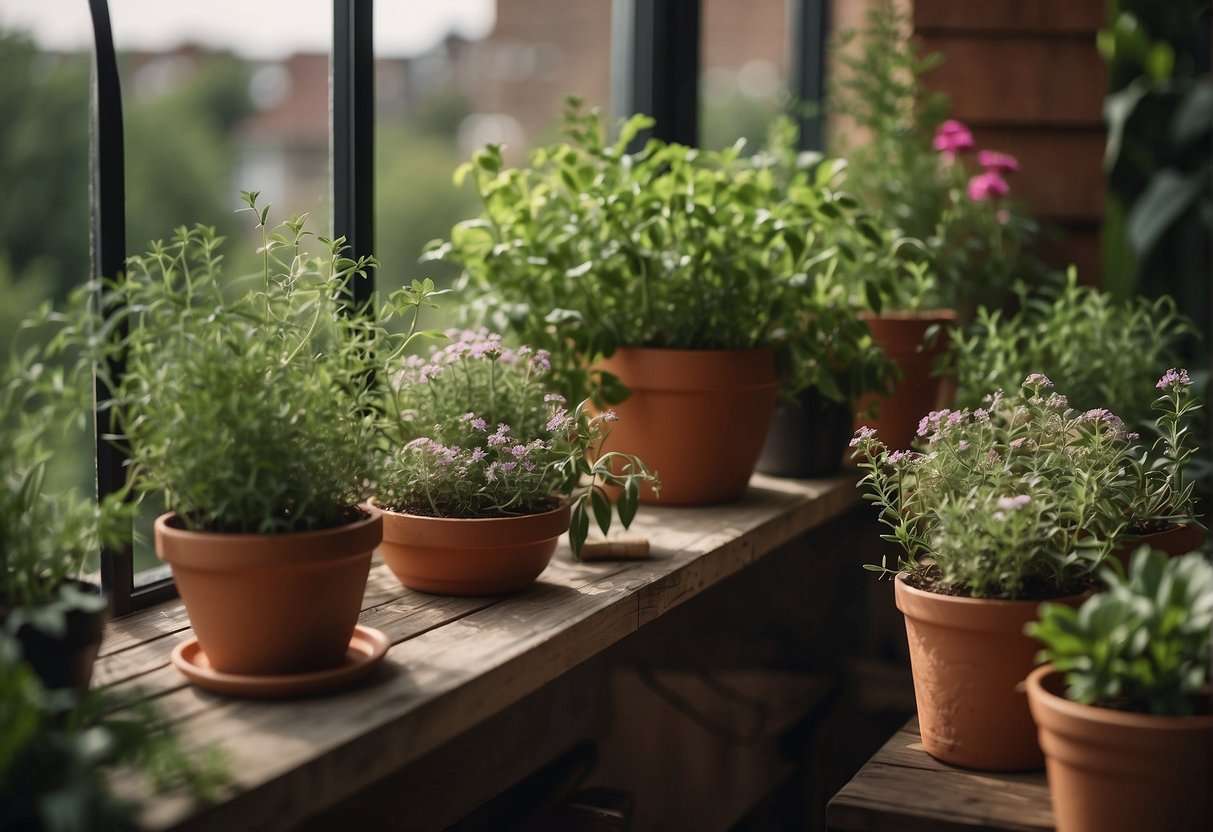
Embark on an aromatic culinary journey right from your balcony garden. You’ll discover how to craft unique herb blends for handcrafted creams and infuse your cooking with fresh garden-picked flavors.
Creating Unique Herb Blends
To enhance your homemade herbal creams, experiment with sage and lavender for their calming effects on the skin. Start by drying these herbs and grinding them to a fine powder. Then, mix with a base cream to create a soothing blend perfect for evening relaxation.
For a refreshing morning ritual, try combining mint and rosemary. Both herbs offer invigorating aromatic properties that can awaken your senses. Their essential oils are not only aromatic but also help in revitalizing tired skin.
Incorporating Herbs into Cooking
In the kitchen, make your dishes sing by creating a basil and thyme sugar. Here’s a simple method to prepare it:
- Finely chop fresh basil and thyme leaves.
- Mix them with granulated sugar.
- Let the mixture sit for a few days, allowing the sugar to absorb the herbs’ aroma.
This flavored sugar can be sprinkled over fresh fruit or baked goods, imparting a subtle aromatic flavor you’ll adore. Additionally, consider infusing olive oil with rosemary for a fragrant addition to your cooking arsenal. Just add a few sprigs to the oil and warm it gently to release the rosemary’s essence.
Gardening Tips and Tricks
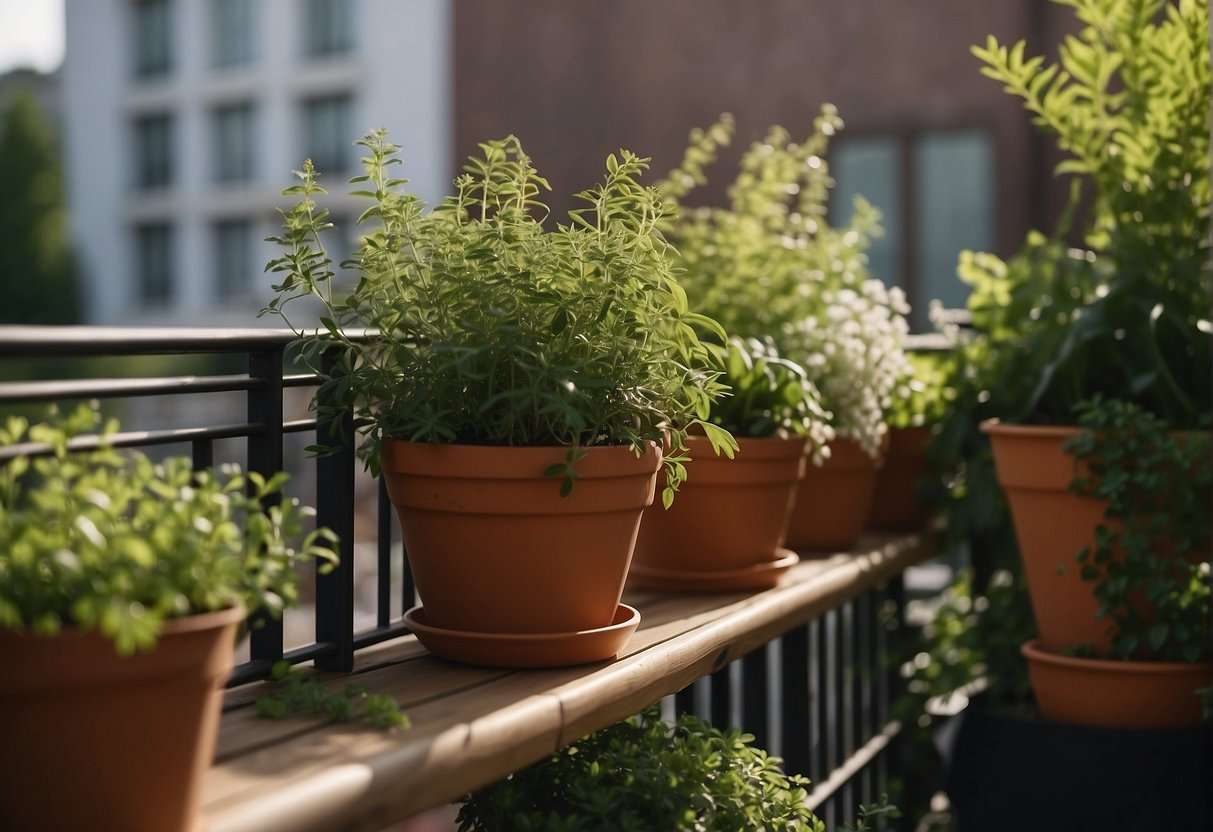
Cultivating a flourishing herb garden on your apartment balcony requires understanding the nuances of container gardening and the specific needs of each herb. In this section, you’ll discover how to maximize herb growth with practical container solutions, and how to nip common gardening issues in the bud to ensure a healthy, vibrant balcony herb garden.
Maximizing Herb Growth
Container Choice:
- Pots: Ensure all pots have a drainage hole to prevent waterlogged roots.
- Grow Bags: Opt for these to enhance aeration or consider a vertical herb garden for efficient space use.
- Soil: Use high-quality potting soil that provides adequate nutrients and drainage.
Best Practices:
- Herb Seeds and Seedlings: Start perennial herbs from a seed tray before transplanting. For annual herbs, you may prefer purchasing seedlings.
- Acclimation: Gradually acclimate seedlings to balcony conditions over 7-10 days to avoid shock.
- Mediterranean Herbs: Plenty of sunlight is crucial. On an apartment balcony, these herbs thrive with at least 6-8 hours of direct light.
Preventing Common Issues
Drainage:
- Pots without Drainage Holes: Elevate pots or add a layer of gravel to aid with water runoff.
- Over-watering: Water only when the top inch of the soil feels dry to the touch.
Pests and Diseases:
- Herb Garden Maintenance: Regular trimming encourages growth and reduces the risk of pests and disease.
- Natural Solutions: Encourage beneficial insects or use organic pest control methods if necessary.
Decorative Aspects of Herb Gardens
Herb gardens not only provide you with fresh ingredients but can also transform your balcony into an eye-catching oasis. Strategic placement and choice of herbs can enhance the aesthetic value of your space.
Aesthetic Arrangement of Plants
When arranging herbs on your balcony, consider both color and form. For instance, lavender, with its delicate purple blooms, can add height and a soothing color palette. Arrange herbs like chamomile, which sports dainty white flowers, at the front of your balcony to create a cascading sea of color. Utilize different pot sizes to add depth and structure within a limited space.
- Pots: Arrange in varying heights for visual interest.
- Color: Pair complementary colors for a cohesive look.
Utilizing Herbs as Balcony Decor
Herbs as balcony decor serve not just a culinary purpose but also elevate the ambience of your personal space. Hanging baskets filled with herbs such as mint or trailing rosemary can maximize your balcony space and add an extra green touch. Container gardening enables you to curate your plant selection and organize them creatively. Meanwhile, a vertical herb garden not only saves on horizontal space but also acts as a living green wall, providing both privacy and decoration.
- Container Gardening: Ideal for managing space on a balcony.
- Aroma: Select herbs with fragrant leaves to enhance the sensory experience of your garden area.
- Breath of Fresh Air: Herbs in containers and hanging baskets infuse your balcony with fresh aroma and living color, transforming it into a decorative retreat.