🪴Balcony Garden Paradise is reader-supported. When you buy through links on our site,
we may earn a small affiliate commission at no extra cost to you. As an Amazon Associate,
we earn from qualifying purchases. Happy Gardening from the team! 🌿
Balcony gardening is a delightful way to transform your outdoor space into a lush green oasis. However, with the joy of tending to your plants comes the challenge of protecting your balcony garden from too much sun. It can lead to soil dehydration, scorched leaves, and wilted blooms, turning your verdant retreat into a parched and withered spectacle. Protecting your balcony garden from too much sun is not only essential for plant survival but also enhances the aesthetics and enjoyment of your balcony space.
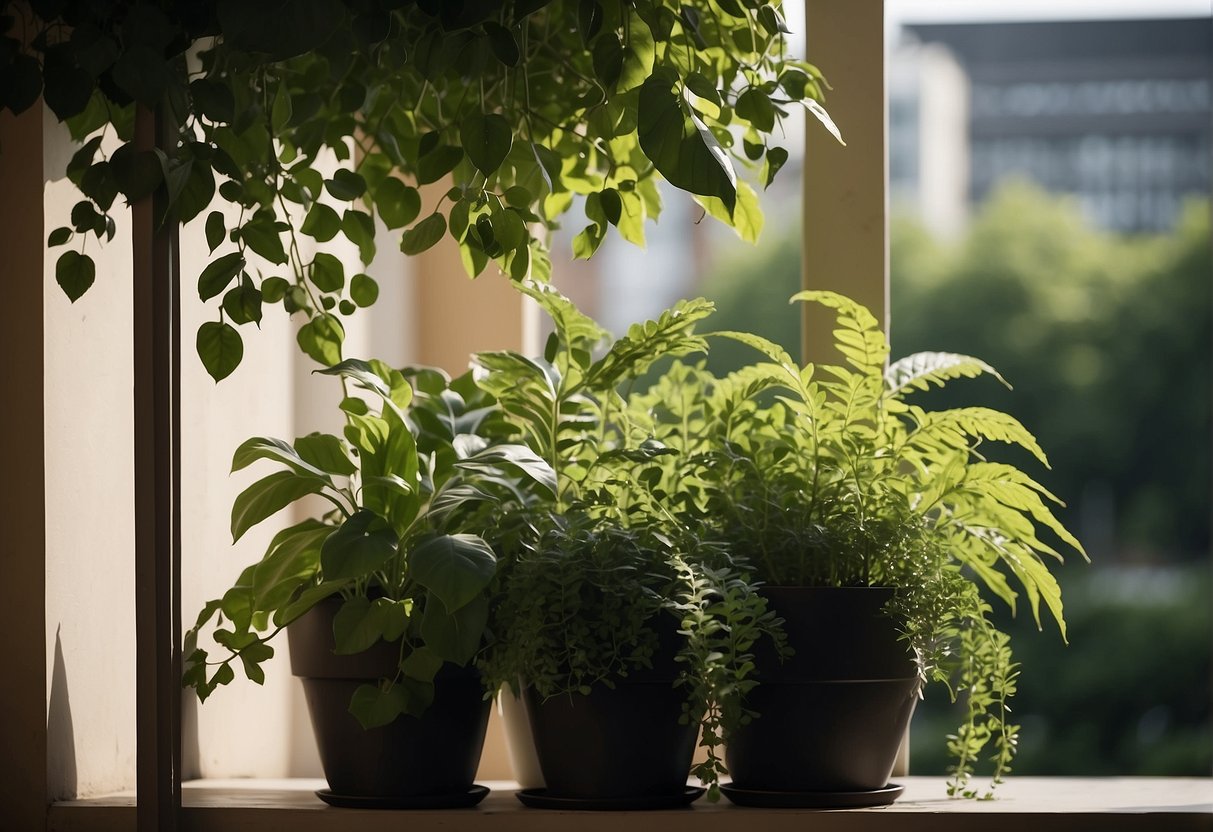
Effective sun protection strategies balance the need for sunlight—vital for photosynthesis—with the reality of harsh, direct rays that can damage your plants. This means understanding the amount of daily sunlight your balcony receives and selecting appropriate shade solutions. From retractable awnings and sun umbrellas to the strategic use of climber plants and shade cloth, there are multiple ways to cast a protective veil over your garden. These solutions not only offer respite for your plants but also create a cooler and more comfortable environment for you to relax in.

Understanding Sun Exposure
As you foster your balcony garden, it’s crucial to grasp the impact of sun exposure and to recognize the sunlight patterns your plants will experience.
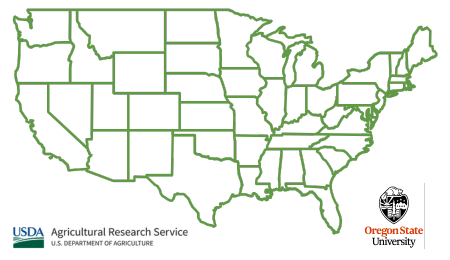
The 2023 USDA Plant Hardiness Zone Map was created by Oregon State University (PRISM Climate Group) and released by the USDA.
Effects of Direct Sun on Balcony Gardens
Direct sun refers to the unfiltered solar rays that reach your plants. Balcony gardens, basking in direct sunlight, can thrive or wither depending on the plant species. Full-sun plants require at least six hours of direct sunlight, which promotes strong growth and flowering. However, too much direct sun, especially during the peak intensity of the afternoon sun, can lead to soil moisture loss, leaf scorch, and stressed plants. Positioning sun-sensitive plants to receive dappled shade can mitigate these risks.
Identifying Sunlight Patterns
Understanding your balcony’s sun exposure involves observing when and where sunlight falls. In the morning, light is generally gentler and ideal for plants that prefer milder sun exposure. By contrast, afternoon sun tends to be harsh and more intense, potentially damaging delicate foliage. Track patterns over a day, noting areas that receive full sun, partial sun, or full shade. This will guide you in placing your plants strategically to ensure they receive the appropriate light levels for optimum growth.
Selecting Appropriate Plant Species
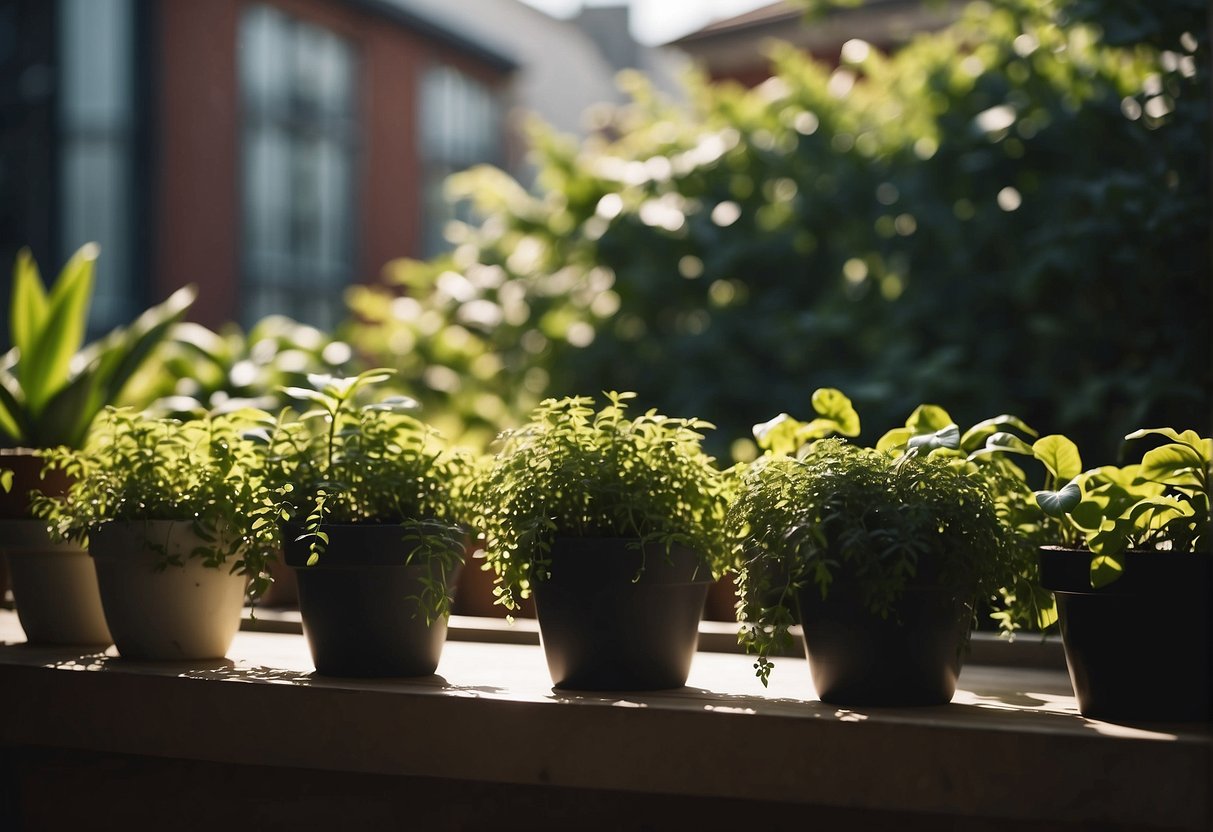
When creating a balcony garden, it’s essential to choose plant species that thrive in your balcony’s specific light conditions, whether that’s full sun or shade.
Plants That Tolerate Full Sun
Full sun means your plants will receive direct sunlight for at least six hours each day. Plants that are well-suited for these conditions often originate from sunny, dry climates and have adaptations like thick leaves or deep root systems to cope with the abundance of sunshine. When selecting these plants, consider fruit-bearing options such as tomatoes, which can bask in the sun’s rays to sweeten up, or robust herbs like rosemary and thyme which can withstand the intense light. For a hearty vegetable choice, beans are excellent as they love basking in full sun and provide the added benefit of vertical growth, saving space on your balcony.
Plants That Prefer Shade
For balcony areas that are shaded or only get partial sun, you should opt for plants that tolerate lower light levels. Some vegetables, like broccoli, can grow in less intense light, making them a fitting selection for a balcony garden with partial sun. Not all balcony spaces will be flooded with sunshine, but that doesn’t limit you to a foliage-only garden. Certain varieties of pollinator plants can grow in these cooler, shaded environments, which can still offer a pop of color and attract beneficial insects to your urban oasis.
Structural Solutions for Shade
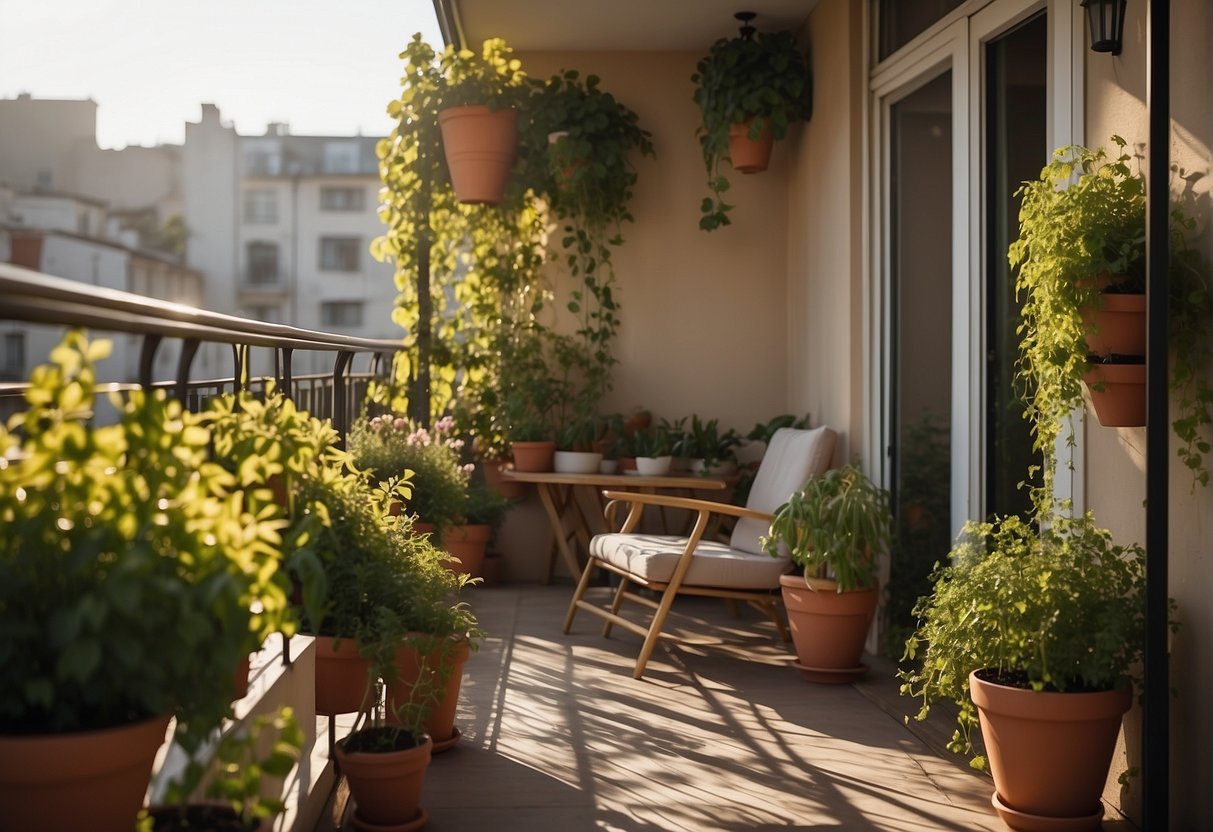
When considering how to protect your balcony garden from excessive sunlight, several structural features can be both functional and aesthetically pleasing. These solutions provide the necessary shade to keep your plants thriving during hot weather.
Installing Awnings and Pergolas
Awnings offer a convenient way of protecting your balcony garden from too much sun. They come in retractable models, which allow you to control the amount of sunlight your plants receive. Alternatively, pergolas underscored by sturdy beams and cross rafters can support vining plants, creating a lush, natural canopy. Pairing pergolas with climbing plants can not only enhance the visual appeal but also provide additional cooling through transpiration.
Using Trellises and Arbors
To precisely direct shade and add structure to your garden, consider using trellises or arbors. These vertical elements allow you to grow a variety of vining plants which can be trained to create shade where needed. Whether you grow flowering vines like clematis or edible ones like grapes, these structures can provide an attractive, shaded nook for your balcony. Vines benefit from trellises and arbors by gaining a support structure that enables better air circulation and sunlight exposure, which is conducive to their growth and health.
Advantages of Shade Cloths and Row Covers
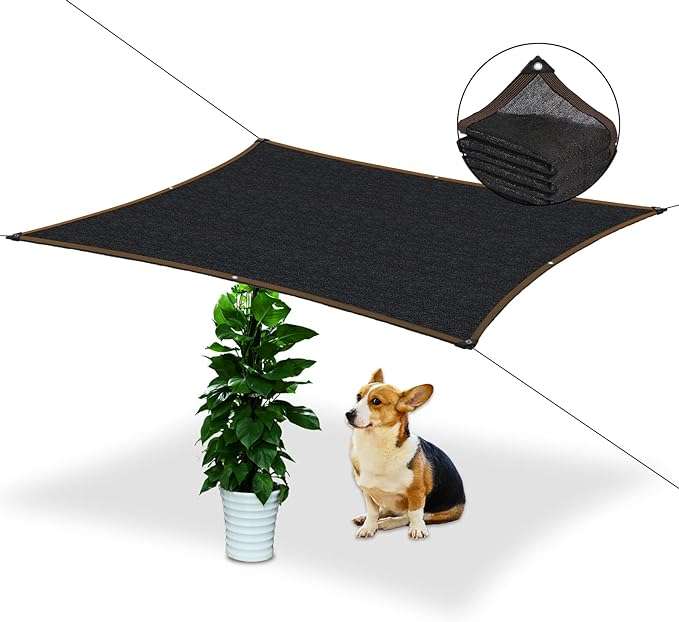
Using shade cloths can be a highly effective method for managing light exposure. They can be easily draped over frameworks or directly onto plants to block out a certain percentage of sunlight. The versatility of shade cloths allows you to adjust the level of shading as needed. Row covers, similar in function to shade cloths, can offer a quick solution to filter sunlight on your plants, while also protecting from pests and wind. They come in various opacity levels, providing options for how much light to let through to your garden while helping retain soil moisture – consider adding a layer of mulch to further help with water retention.
By implementing these structural solutions, you can create a thriving shaded area within your balcony garden that suits both the needs of your plants and the visual style you desire.
Try this Garden Shade Cloth. It comes in different sizes to fit your space! This is a great way of protecting your balcony garden from too much sun.
Portable Shade Options
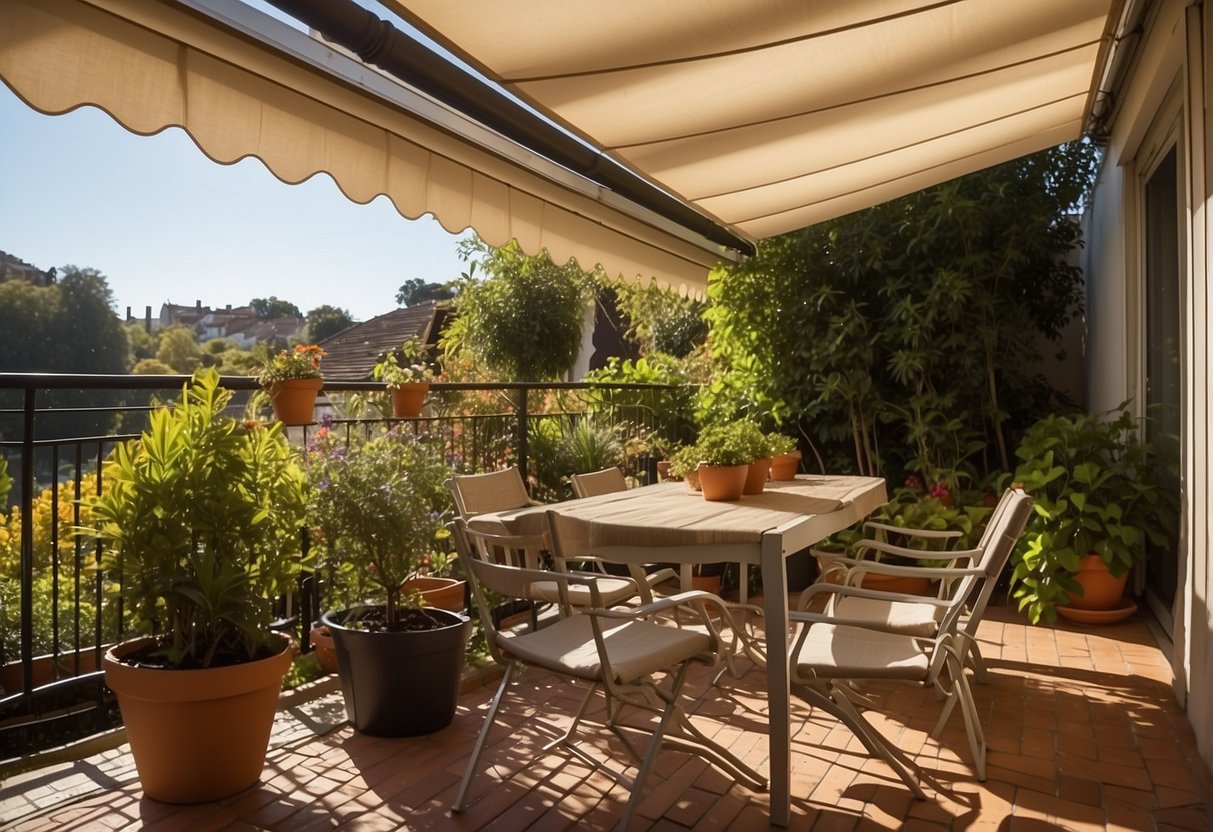
When designing your balcony garden, it’s crucial to consider shade solutions that are not only effective but also adaptable and easy to maneuver. Below you’ll find a variety of portable shade options to protect your plants from intense sunlight.
Utilizing Outdoor Umbrellas
Outdoor umbrellas are a versatile choice for providing shade on your balcony. Look for umbrellas made from durable materials like polyester that can resist UV damage. Ensure the umbrella fits your balcony’s size and attaches securely to your railing, if possible, to enhance stability.
Setting Up Parasols and Curtains
Parasols offer a stylish and moveable solution to block the sun. Like umbrellas, they come in various materials, including polypropylene, which is known for its fade-resistant properties. Combining parasols with outdoor curtains can add an extra layer of protection while enhancing privacy on your balcony.
Creating Temporary Windbreaks
Windbreaks not only protect your garden from strong gusts but can also offer shade. Materials like straw or woven fabric panels can be set up to function as temporary windbreaks. Position them strategically to shield plants during the harshest sun hours while also allowing for air circulation.
Garden Care Practices
Balancing sunlight and shade is crucial to protect your balcony garden from the harsh effects of UV rays, which can lead to sunscald and increase the risk of drought. Employing effective mulching techniques and strategic watering can shield your plants while ensuring they thrive.
Effective Mulching Techniques
Mulching is a key strategy for maintaining soil moisture and offering sun protection to your plants’ roots. Apply a 2 to 3-inch layer of organic mulch, such as straw, wood chips, or leaves, around your plants. This not only helps to protect plants from the intensity of direct sunlight but also reduces water evaporation from the soil, mitigating the effects of heat and drought. Be careful not to pile mulch against plant stems to avoid moisture-related issues.
Watering Strategies for Reduced Sunscald
Your watering routine can help prevent sunscald, a condition where plant tissues are damaged by intense sunlight following moisture stress. Water your plants either in the early morning or late evening when the sunlight is less intense, allowing water to reach the roots without quick evaporation. Providing an even supply of water to your plants can reduce temperature fluctuations, making them less prone to damage from UV rays. Remember, it’s not just about frequency but also consistency in your watering patterns to protect plants comprehensively.
Balcony Layout and Design
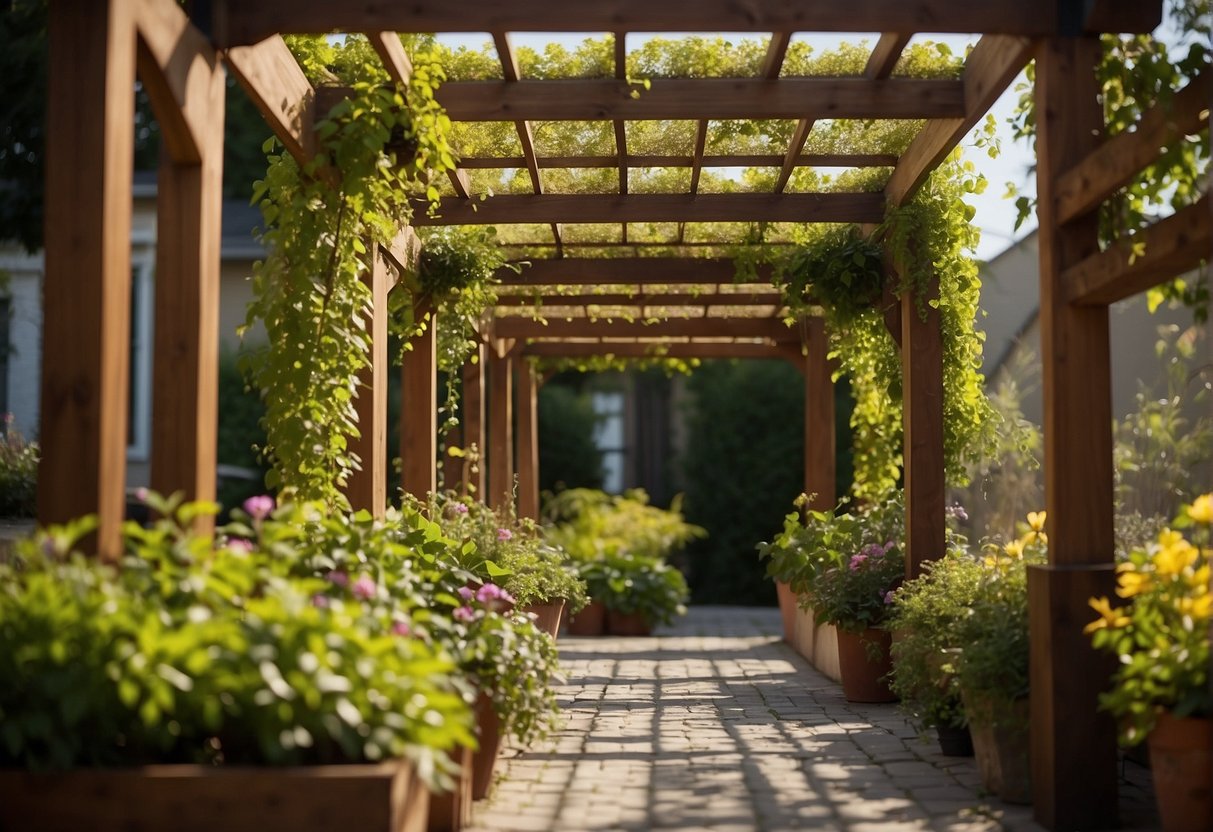
Effectively arranging your balcony can, not only improve its look but also protect your garden from excessive sun exposure. Paying attention to the organization of potted plants and the strategic placement of furniture can create a harmonious space that thrives even in strong sunlight.
Organizing Potted Plants for Optimal Shade
To shield sensitive potted plants from harsh sunrays, consider grouping them by sun tolerance. Place the more sun-hardy species towards the edges of the balcony, where they’ll receive the most light and can act as a natural barrier for the more shade-loving varieties. Additionally, tiered plant stands can maximize vertical space, creating an aesthetically pleasing arrangement that provides cascading shade.
- Sun-hardy Plants: Position at the balcony’s perimeter
- Shade-loving Plants: Place behind or beneath taller, sun-tolerant plants
- Vertical Stands: Utilize for levels of protective foliage
Incorporating Garden Furniture Strategically
Your patio furniture can play a dual role as both decor and sun protection. A well-placed umbrella or pergola can offer a shaded retreat for both you and your plants. When selecting furniture, opt for pieces that can accommodate planters or integrate greenery, like tables with built-in planter boxes or benches that leave space for pots alongside. This approach balances form and function, creating a protected, inviting balcony garden oasis.
- Umbrellas/Pergolas: Install to create shaded areas
- Furniture with Planter Integration: Use to blend greenery and functionality
- Positioning: Arrange to balance sun exposure throughout the day
Maintenance and Adaptation
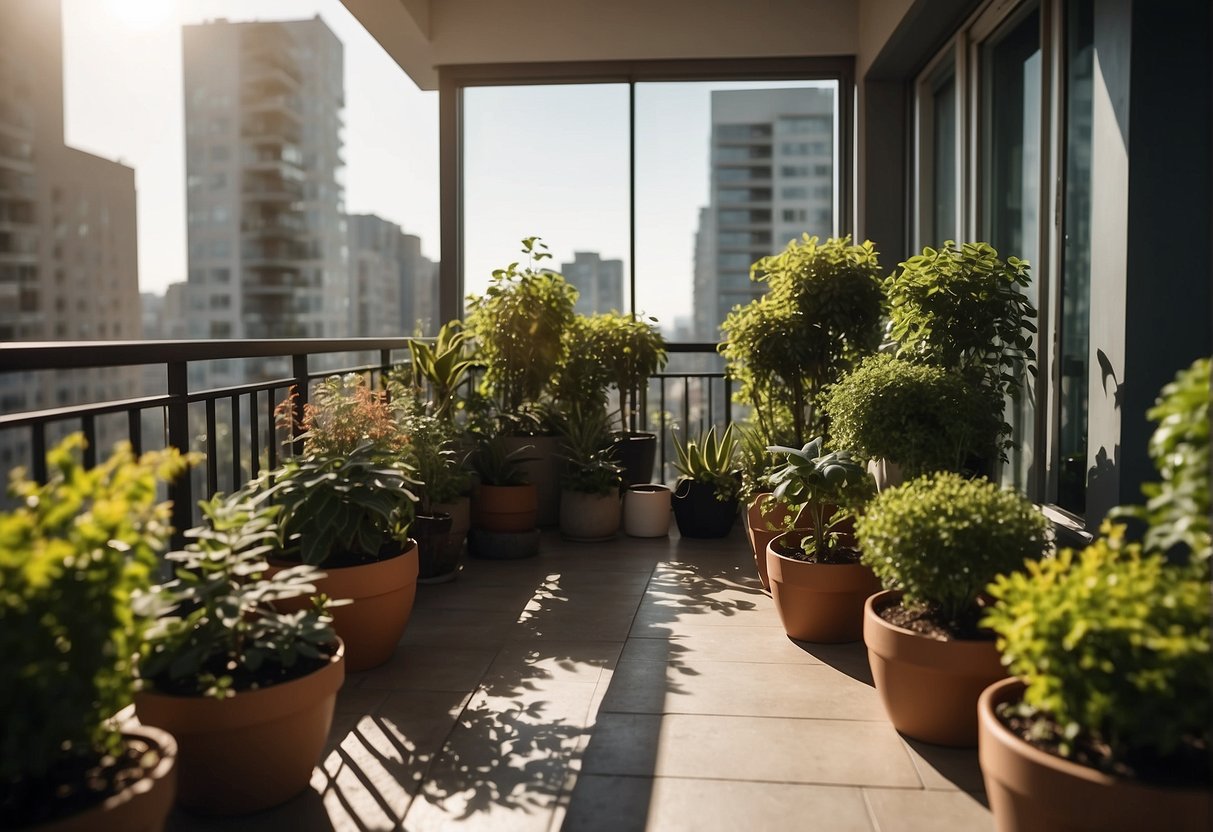
To ensure the vitality of your balcony garden, it’s crucial to regularly evaluate the sunlight exposure and adapt your sun protection methods accordingly. Your plants’ health and productivity are directly tied to how well they are shielded from excessive sunlight, especially during peak-intensity hours. It is so important to protect your balcony garden from too much sun!
Periodic Assessment of Shade Necessities
You should conduct a monthly check to gauge if the current shade arrangements meet your plants’ needs. Monitor signs of sun stress such as leaf bleaching or wilting. If you notice these symptoms, it might be time to enhance your shading solutions. This could involve adding more canopies or installing adjustable shade cloths that you can position as the sun’s angle changes throughout the day.
Adjusting to Seasonal Variations
As the seasons change, so do the angle and intensity of the sun. In summer, your plants will require more protection from direct sunlight, whereas in winter, they might benefit from additional exposure. To adapt, consider using modular shading systems that can be easily retracted or expanded. Keep in mind that some plants are more sun-tolerant than others, and adjust your shade placement to create a balanced environment for all your balcony greenery.
With all these things in mind, take a look at your space and start protecting your balcony garden from too much sun. Your plants will thank you for it. 🌞🌱