🪴Balcony Garden Paradise is reader-supported. When you buy through links on our site,
we may earn a small affiliate commission at no extra cost to you. As an Amazon Associate,
we earn from qualifying purchases. Happy Gardening from the team! 🌿
If you’re looking to grow your own vegetables on your balcony, you may be wondering how to keep pests at bay without using harmful chemicals. Fortunately, there are many natural pesticides that can help you achieve a healthy and thriving garden. By using natural pesticides, you can avoid exposing yourself and your family to potentially toxic chemicals while still keeping your plants healthy and pest-free.
One effective natural pesticide is neem oil, which comes from the seeds of the neem tree. Neem oil works by disrupting the life cycle of insects, preventing them from laying eggs and reducing their ability to feed and breed. It’s also safe for beneficial insects like bees and ladybugs, making it a great choice for organic gardening. Another natural pesticide is diatomaceous earth, a powder made from the fossilized remains of tiny aquatic organisms. When insects come into contact with diatomaceous earth, it damages their exoskeleton and dehydrates them, leading to their eventual death.

If you’re looking for a natural pesticide that’s easy to make at home, you can try making a garlic spray. Simply blend garlic cloves with water and strain the mixture, then spray it on your plants. Garlic spray works by repelling insects with its strong odor, and it can also help prevent fungal diseases. With these natural pesticides at your disposal, you can keep your balcony garden healthy and thriving without compromising your health or the environment.
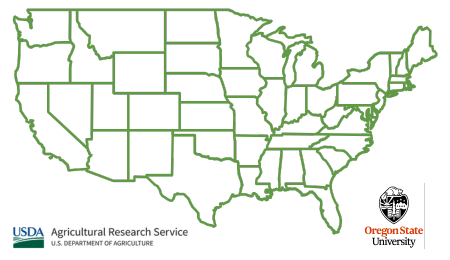
The 2023 USDA Plant Hardiness Zone Map was created by Oregon State University (PRISM Climate Group) and released by the USDA.
Understanding the Need for Natural Pesticides
As a balcony gardener, you may face the challenge of pests attacking your plants. Garden pests can cause significant damage to your plants, and if left unchecked, they can even kill them. While chemical or synthetic pesticides may seem like an easy solution, they can be harmful to the environment, your health, and the health of your pets. That’s why it’s essential to understand the need for natural pesticides.
Why Use Natural Pesticides?
Garden pests can include insects, mites, and other small animals that feed on your plants. They can cause damage to leaves, stems, and fruits, making your plants look unsightly and reducing their yield. Using natural pesticides can help you control these pests without harming the ecosystem. Natural pesticides are made from organic materials and are safer for humans and pets. They are also less toxic and do not cause respiratory disorders or cardiovascular issues.
Issues with Chemical Pesticides
Chemical pesticides, on the other hand, can be harmful to the environment and can cause health effects. They can contaminate the soil and water, killing beneficial insects and disrupting the ecosystem. Harmful chemical pesticides can also affect the nutrition absorption of plants, making them less healthy for consumption.
Benefits of Natural Pesticides
Using natural pesticides can be a safer alternative to chemical pesticides. They control pests and can be easily made at home. You can use ingredients like garlic, neem oil, and vinegar to make natural pesticides that are safe for your plants and the environment. Natural pesticides are also cost-effective and can save you money in the long run.
In conclusion, using natural pesticides is a safer and more eco-friendly way to control garden pests. They are effective in controlling pests and are less toxic than chemical pesticides. By using natural pesticides, you can maintain a healthy garden while also protecting the environment and the health of your family and pets.
Preparing Your Balcony Garden
When it comes to preparing your balcony garden, it’s important to consider natural pesticides to keep your plants healthy and thriving. By using natural pesticides, you can avoid harmful chemicals that can damage your plants and potentially harm the environment.
One way to keep pests away from your plants is through companion planting. This is the practice of planting certain plants together that benefit each other. For example, planting marigolds with your vegetables can help repel pests like aphids and nematodes. Additionally, planting herbs like basil and mint can help repel mosquitoes and other insects.
Another natural pest control method is to make your own pesticide spray using ingredients like garlic, onion, and chili peppers. Simply mix these ingredients with water and spray on your plants as needed. This can help keep pests away without the use of harmful chemicals.
In addition to natural pesticides, it’s important to properly water your plants. Overwatering can lead to root rot, while underwatering can cause your plants to wilt and die. Make sure to water your plants when the soil feels dry to the touch, but avoid overwatering.
When it comes to pots for your balcony garden, make sure to choose pots that have drainage holes to allow excess water to drain out. This can help prevent root rot and other problems caused by overwatering.
Overall, preparing your balcony garden with natural pesticides and proper watering techniques can help keep your plants healthy and thriving. By taking the time to properly care for your plants, you can enjoy a beautiful and bountiful vegetable garden right on your balcony.
Most Effective Natural Pesticides
If you are looking for an effective way to control pests in your balcony garden without using harmful chemicals, natural pesticides are a great option. These natural pesticides are made from ingredients that are safe for humans, pets, and the environment. Here are some of the most effective natural pesticides that you can use in your balcony garden.
Neem Oil
Neem oil is a natural pesticide that is effective against a variety of insects, including aphids, mites, and whiteflies. It works by disrupting the insect’s hormonal balance, which ultimately leads to their death. You can make a neem oil spray by mixing 1-2 tablespoons of neem oil, 1 teaspoon of mild soap or horticultural oil, and 1 gallon of water. You can also add a few drops of dish soap to the mixture to help the oil stick to the leaves. (source: GreenCitizen)
Cayenne Pepper and Garlic Spray
Cayenne pepper and garlic spray is another effective natural pesticide that can help control insects in your balcony garden. To make this spray, blend a few garlic cloves and cayenne pepper with water and strain the mixture. Then, add a few drops of liquid dish soap to the mixture and spray it on your plants. This spray is effective against a variety of insects, including aphids, beetles, and caterpillars.
Garlic Spray
Garlic spray is a natural insecticide that can be used to control aphids, spider mites, and other pests. To
make garlic spray, blend a few cloves of garlic with water and strain the mixture. Then, add a few drops
of dish soap and spray the solution on your plants. (source: Treehugger)
Chili Pepper Spray
Chile pepper spray is another natural insecticide that controls pests. To make chile
pepper spray, blend a few hot peppers with water and strain the mixture. Then, add a few drops of dish
soap and spray the solution on your plants. (source: Treehugger)
Diatomaceous Earth
Diatomaceous earth is a natural pesticide that is effective against a variety of insects, including ants, gnats, and thrips. It is a natural powder made from the fossilized remains of tiny aquatic organisms. It works by dehydrating the insects, which ultimately leads to their death. To use diatomaceous earth, sprinkle it on the soil around your plants or dust it on the leaves. Be sure to wear a mask when applying diatomaceous earth, as it can irritate your lungs. You can sprinkle diatomaceous earth around the base of your plants to keep pests away. (source: Treehugger)
Soap Spray
Soap spray is a natural pesticide that is effective against a variety of insects, including mealybugs, whiteflies, and spider mites. To make soap spray, mix a few drops of liquid dish soap with water and spray it on your plants. The soap works by suffocating the insects, which ultimately leads to their death.
Chrysanthemum and Pyrethrum
Chrysanthemum and pyrethrum are natural pesticides that are effective against a variety of insects, including mosquitoes, beetles, and squash bugs. These natural pesticides contain alkaloids that are toxic to insects. To use chrysanthemum and pyrethrum, mix them with water and spray them on your plants.
Mint and Nasturtium
Mint and nasturtium are natural pesticides that are effective against a variety of insects, including aphids, whiteflies, and squash bugs. These plants contain compounds that repel insects. To use mint and nasturtium, plant them near your other plants or crush the leaves and sprinkle them on your plants.
Tomato Leaf Spray
Tomato leaf spray is a natural pesticide that is effective against a variety of insects, including aphids, whiteflies, and caterpillars. To make tomato leaf spray, blend a few tomato leaves with water and strain the mixture. Then, add a few drops of liquid dish soap to the mixture and spray it on your plants.
Overall, natural pesticides are a great option for controlling pests in your balcony garden. They are eco-friendly and safe for humans, pets, and the environment. Try out these natural pesticides and see which ones work best for your balcony garden.
Application Methods and Timing
When it comes to natural pesticides for your balcony garden, application methods and timing are crucial factors to consider. The right application method and timing can ensure the effectiveness of the pesticide while minimizing the risk of damage to your plants and the environment.
Spray Bottle method
One common application method is using a spray bottle. This method allows for precise application and can be used for both liquid and powder pesticides. You can also use a sprayer, which is more efficient and can cover a larger area. However, make sure to clean your sprayer thoroughly after each use to prevent contamination.
Timing
Timing is also important when applying natural pesticides. It is best to apply pesticides in the early morning or evening when the temperature is cooler and the wind is calmer. This will prevent the pesticide from evaporating too quickly or being blown away by the wind.
Another timing consideration is the life cycle of the pest. Some pests are more vulnerable during certain stages of their life cycle, such as when they are eggs or larvae. Therefore, it is important to apply the pesticide at the appropriate time to maximize its effectiveness.
Application
When applying the pesticide, make sure to cover both the tops and undersides of the leaves. Pests often hide on the undersides of leaves, so it is important to target those areas as well. You can also use a food processor to blend garlic, chili peppers, or other natural ingredients into a fine paste and apply it to your plants for added protection.
In summary, using a spray bottle or sprayer, applying the pesticide in the early morning or evening, targeting both the tops and undersides of leaves and considering the life cycle of the pest are all important factors to consider when applying natural pesticides to your balcony garden.
Protecting Beneficial Insects
When it comes to natural pest control, protecting beneficial insects is crucial for maintaining a healthy and balanced ecosystem in your balcony garden. Beneficial insects such as ladybugs, pollinators, and bees can help control pest populations and improve the health of your plants. Here are some tips to help protect these beneficial insects in your balcony garden.
Use Natural Pesticides
When using pesticides in your balcony garden, it is important to choose natural options that are safe for beneficial insects. Look for products that use ingredients such as neem oil, pyrethrin, or insecticidal soap, which are effective against pests but won’t harm beneficial insects. Avoid using chemical pesticides that can kill off beneficial insects along with the pests.
Provide Habitat
Creating a habitat for beneficial insects in your balcony garden is another effective way to protect them. Ladybugs, for example, like to lay their eggs in tall grasses and plants, so consider planting some in your garden. Bees and pollinators are attracted to flowers, so plant a variety of flowering plants that bloom at different times of the year to provide a continuous food source.
Avoid Disrupting Their Habitat
When working in your balcony garden, be mindful of the habitat of beneficial insects. Avoid disturbing plants or areas where they may be nesting or laying eggs. If you need to prune or trim plants, do so carefully to avoid damaging any beneficial insects that may be living there.
Use Companion Planting
Companion planting involves planting certain plants together that can benefit each other. For example, planting marigolds with your vegetables can help repel pests and attract beneficial insects such as ladybugs. Research companion planting options that can help protect beneficial insects in your balcony garden.
By following these tips, you can protect beneficial insects in your balcony garden and maintain a healthy and balanced ecosystem. Remember to always choose natural pest control options and be mindful of the habitat and needs of beneficial insects.
Dealing with Specific Pests
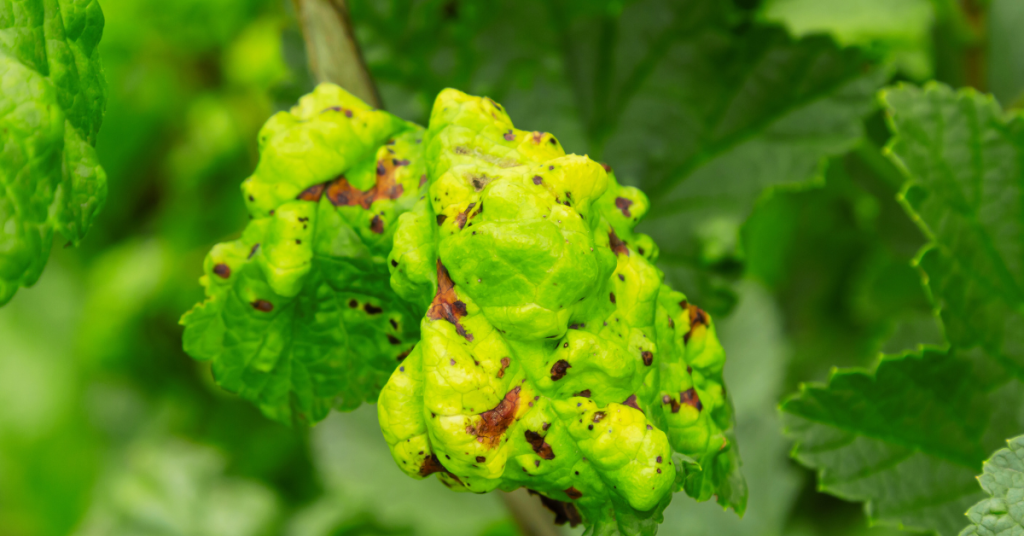
When it comes to dealing with specific pests in your balcony garden, natural pesticides can be an effective solution. Here are some common pests and the natural pesticides that can help control them:
- Ants: Deter ants by sprinkling cinnamon, cayenne pepper, or coffee grounds around your plants. You can also try spraying a mixture of vinegar and water directly on the ants.
- Aphids: Aphids can be controlled by spraying your plants with a mixture of water and dish soap. You can also attract ladybugs to your garden, as they are natural predators of aphids.
- Mites: Mites can be controlled by spraying your plants with a mixture of water and neem oil. You can also try introducing predatory mites to your garden.
- Slugs and Snails: Slugs and snails can be deterred by sprinkling diatomaceous earth around your plants. You can also try placing copper tape around the edges of your planters, as slugs and snails are repelled by copper.
- Whiteflies: Control Whiteflies by spraying your plants with a mixture of water and garlic. You can also try introducing parasitic wasps to your garden.
- Mealybugs: Mealybugs can be controlled by spraying your plants with a mixture of water and rubbing alcohol. You can also try introducing ladybugs or lacewings to your garden.
- Beetles: Beetles can be deterred by planting garlic, onions, or chives around your garden. You can also try spraying your plants with a mixture of water and hot pepper.
- Gnats: Gnats can be controlled by placing sticky traps around your plants. You can also try watering your plants with a mixture of water and hydrogen peroxide.
- Thrips: Thrips can be controlled by spraying your plants with a mixture of water and insecticidal soap. You can also try introducing predatory mites to your garden.
- Caterpillars: Deter caterpillars by planting herbs like basil, mint, or rosemary around your garden. You can also try spraying your plants with a mixture of water and hot pepper.
- Mosquitoes: Mosquitoes can be deterred by planting mosquito-repelling plants like citronella, lavender, or marigold around your garden. You can also try placing mosquito-repelling candles or torches around your garden.
- Rabbits and Squirrels: Rabbits and squirrels can be deterred by placing chicken wire around your garden or using motion-activated sprinklers. You can also try planting plants that are unappealing to rabbits and squirrels, such as daffodils or garlic.
By using natural pesticides and deterrents, you can effectively control pests in your balcony garden without harming the environment or your health.
Pest Management and Prevention
When it comes to managing pests in your balcony garden, prevention is key. The first step is to understand the life cycle of the pests and how they interact with the ecosystem of your garden. This will help you identify the best pest management strategies to use.
One effective method of pest management is companion planting. This involves planting certain plants together that have a mutually beneficial relationship. For example, marigolds repel insect pests, so planting them alongside your vegetables can help prevent pest infestations.
Another important aspect of pest management is to keep your garden clean and well-maintained. Remove any dead or diseased plant material, as this can attract pests. Regularly inspect your plants for signs of pests, such as holes in leaves or chewed stems.
If you do identify a pest problem in your garden, there are natural pesticides you can use to control the infestation. These include neem oil, garlic spray, and insecticidal soap. Be sure to follow the instructions carefully and only use as directed.
Overall, by practicing good pest management and prevention techniques, you can keep your balcony garden healthy and thriving without the need for harsh chemicals or pesticides.
Safety Considerations
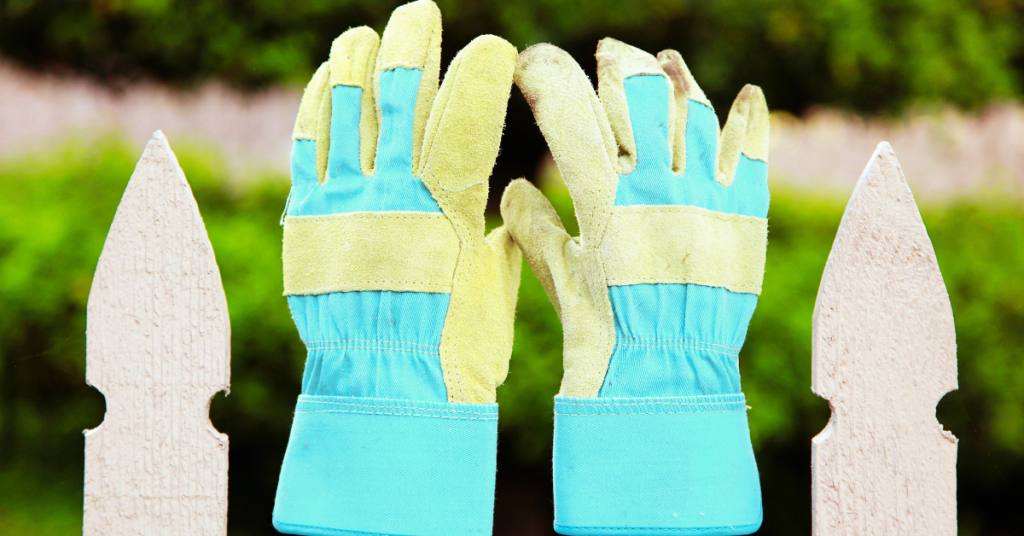
As with any pesticide, safety considerations are crucial when using natural pesticides for your balcony garden. While natural pesticides are generally considered safer than synthetic pesticides, it is still important to take precautions to ensure the safety of humans and pets.
When using natural pesticides, it is important to follow the instructions carefully and use the recommended amount. Overuse can lead to toxicity, which can be harmful to both humans and pets. Always wear gloves and protective clothing when handling natural pesticides, and avoid contact with skin and eyes.
It is also important to keep natural pesticides out of reach of children and pets. Store them in a secure location and label them clearly. If accidental exposure occurs, seek medical attention immediately.
While natural pesticides are generally considered safe for mammals, it is important to note that some natural pesticides may still be harmful to certain mammals. For example, azadirachtin, a common ingredient in natural pesticides derived from neem trees, can be toxic to some mammals in large doses. It is important to research the specific natural pesticide you are using to ensure it is safe for the mammals in your area.
In summary, when using natural pesticides in your balcony garden, always prioritize safety. Follow instructions carefully, wear protective clothing, keep pesticides out of reach of children and pets, and research the specific pesticides you are using to ensure they are safe for the mammals in your area.
Environmental Impact
When it comes to using pesticides in your balcony garden, it’s important to consider the environmental impact. Pesticides can have negative effects on the environment and ecosystem, so it’s important to choose eco-friendly and natural options.
Using natural pesticides can help reduce the impact on the environment. These pesticides are made from natural ingredients and are less harmful to the ecosystem. They are also safer for pollinators such as bees, which are important for plant reproduction.
Chemical pesticides can have a negative impact on the environment. They can contaminate water sources and harm non-target organisms. They can also disrupt the natural balance of the ecosystem, causing long-term damage.
By using natural pesticides, you can help protect the environment and reduce the risk of harm to pollinators. Some natural options include neem oil, garlic spray, and insecticidal soap. These options are effective against pests and are safe for the environment.
When using any type of pesticide, it’s important to follow the instructions carefully. Overuse or misuse of pesticides can have negative effects on the environment. It’s also important to choose the right pesticide for the specific pest problem you are trying to solve.
In summary, choosing natural and eco-friendly pesticides can help reduce the negative impact on the environment and protect pollinators. By using these options, you can effectively control pests in your balcony garden without causing harm to the ecosystem.
Conclusion
Congratulations! You are now equipped with the knowledge of natural pesticides for your balcony garden. By using organic pesticides like neem oil, you can keep your plants safe from pests without harming the environment or your health.
Remember, prevention is the best cure. Regularly inspect your plants for signs of pests and remove any affected leaves or branches. You can also use companion planting to deter pests by planting herbs like basil or marigolds alongside your vegetables.
If you do need to use a pesticide, make sure to choose one that is safe for your plants and the environment. Refer to the table below for a list of natural pesticides and their uses.
| Pesticide | Uses |
|---|---|
| Neem oil | Controls aphids, spider mites, whiteflies, and other pests |
| Chili Pepper spray | Another natural insecticide that can be used to control pests. |
| Diatomaceous earth | Kills slugs, snails, and other crawling insects |
| Garlic spray | Repels aphids, spider mites, and other pests |
| Pyrethrin | Controls a wide range of pests including aphids, beetles, and caterpillars |
Always follow the instructions on the label and wear gloves and a mask when applying pesticides. Avoid spraying on windy days and in the heat of the day.
By using natural pesticides, you can create a healthy and thriving balcony garden that is safe for you and the environment. Happy gardening!
Related Articles:
- 10 Surprising Household Items You Can Use as Natural Fertilizers
- DIY Fertilizers: How to Make Your Own Nutrient-Rich Soil Additives