🪴Balcony Garden Paradise is reader-supported. When you buy through links on our site,
we may earn a small affiliate commission at no extra cost to you. As an Amazon Associate,
we earn from qualifying purchases. Happy Gardening from the team! 🌿
Madrid, the bustling capital of Spain, isn’t just known for its world-class art museums and vibrant nightlife. Beyond the city’s busy streets, you’ll find a charming horticultural tradition that turns ordinary balconies into verdant escapes. The balcony gardens of Madrid are a testament to urban creativity and the ability of nature to flourish in even the most compact of spaces.
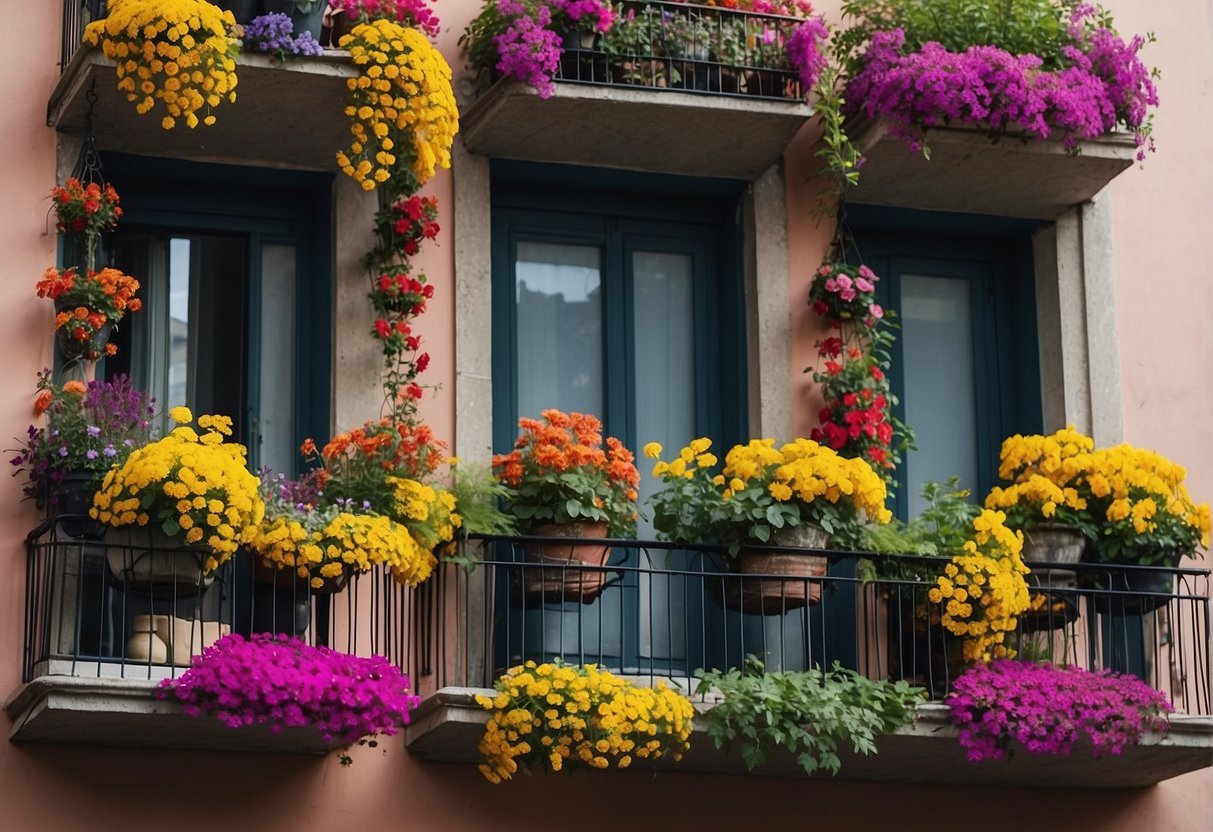
Cultivating these small-scale gardens brings a slice of natural serenity into these urban dwelling. Whether it’s a medley of flowering pots, a collection of succulents, or even edible herbs and vegetables, Madrid’s balcony gardens reflect an integral part of the city’s culture—a connective thread between modern living and pastoral beauty. The skillful arrangement of plants and flowers not only enhances the aesthetic appeal of Madrid’s architecture but also contributes to a healthier and more pleasant living environment.

As you explore Madrid’s charming neighborhoods, the sight of these balcony gardens offers a refreshing contrast to the stone and concrete of the city. They demonstrate how you can integrate greenery into your life, no matter the size of your outdoor space. The balcony gardens of Madrid exemplify a seamless blend of beauty and functionality—a natural oasis in the heart of the city that you can replicate in your own home, wherever you are.

The 2023 USDA Plant Hardiness Zone Map was created by Oregon State University (PRISM Climate Group) and released by the USDA.
The History and Significance of Balcony Gardens in Madrid
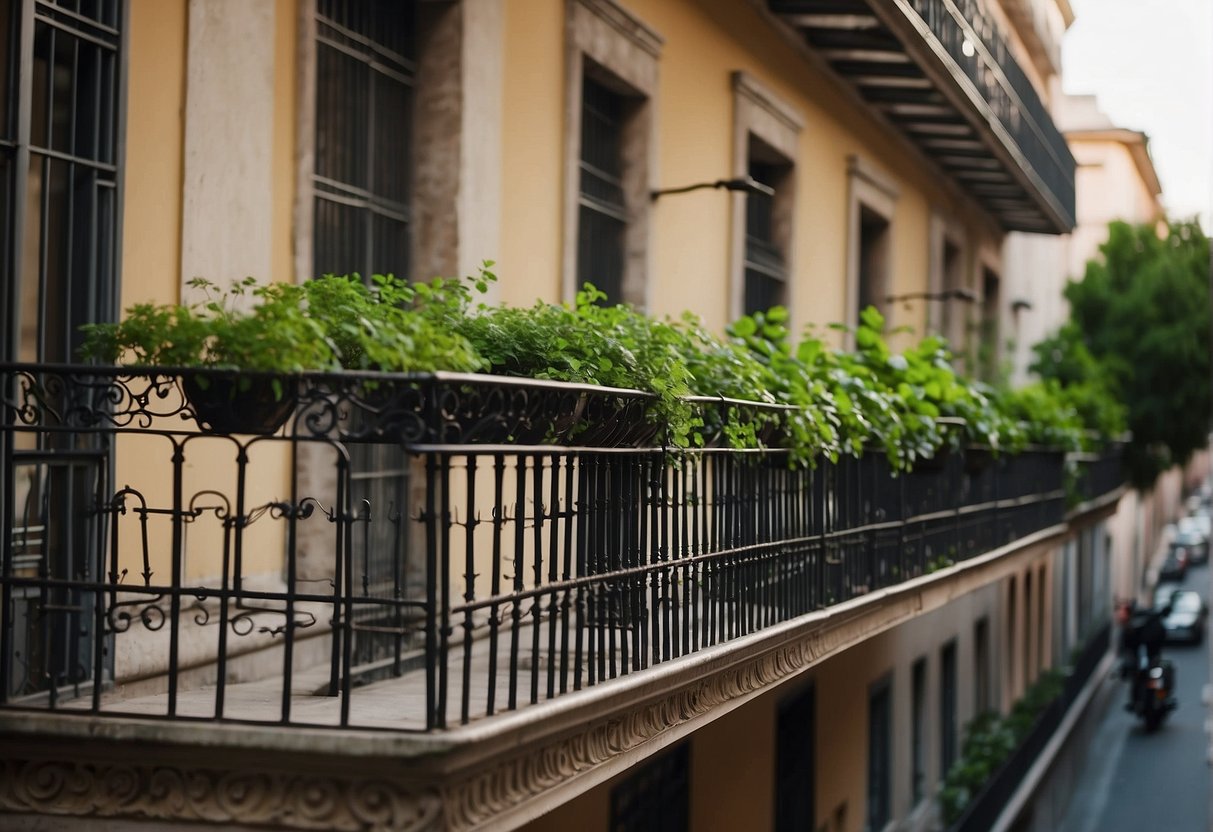
In Madrid, the tradition of balcony gardens weaves a narrative of urban greenery steeped in history and culture right in the heart of Spain. These verdant spaces offer more than just aesthetics; they symbolize the city’s ongoing relationship with nature amidst its urban landscape.
Cultural Importance of Green Spaces
Your interaction with Madrid’s urban nature often includes the charming sight of balcony gardens flourishing throughout the city. Balcony gardens in Madrid are not mere decorations; they are a testament to how residents value green spaces. For Madrid’s denizens, these gardens are essential for bringing the tranquility of nature into the bustling urban environment. They are a nod to human’s innate connection with the natural world, a concept deeply rooted in Spain’s capital, where—you may not realize it—each garden is an expression of identity and history.
Historical Development of Urban Gardening
The history of balcony gardens in Madrid can be traced back to the reign of Charles III, a monarch known for his modernizing efforts in the 18th century. Influenced by Enlightenment thought, Charles III initiated a series of urban reforms that greatly improved the layout of Madrid. Among these was the development of public green spaces designed by prominent architects like Francesco Sabatini. Sabatini is significant in Madrid’s history for his contribution to the city’s aesthetic and functional landscapes.
Madrid’s transformation under Charles III set a precedent for the incorporation of vegetation in urban planning. As people sought to replicate the beauty of royal and public gardens in their own spaces, balcony gardens became not only fashionable but also a symbol of enlightened thinking. Today, your view of Madrid’s architectural facades is often adorned with a palette of greens, each balcony telling a story, each plant a living piece of Spain’s embracing of urban greenery.
Botanical Diversity in Madrid’s Balcony Gardens
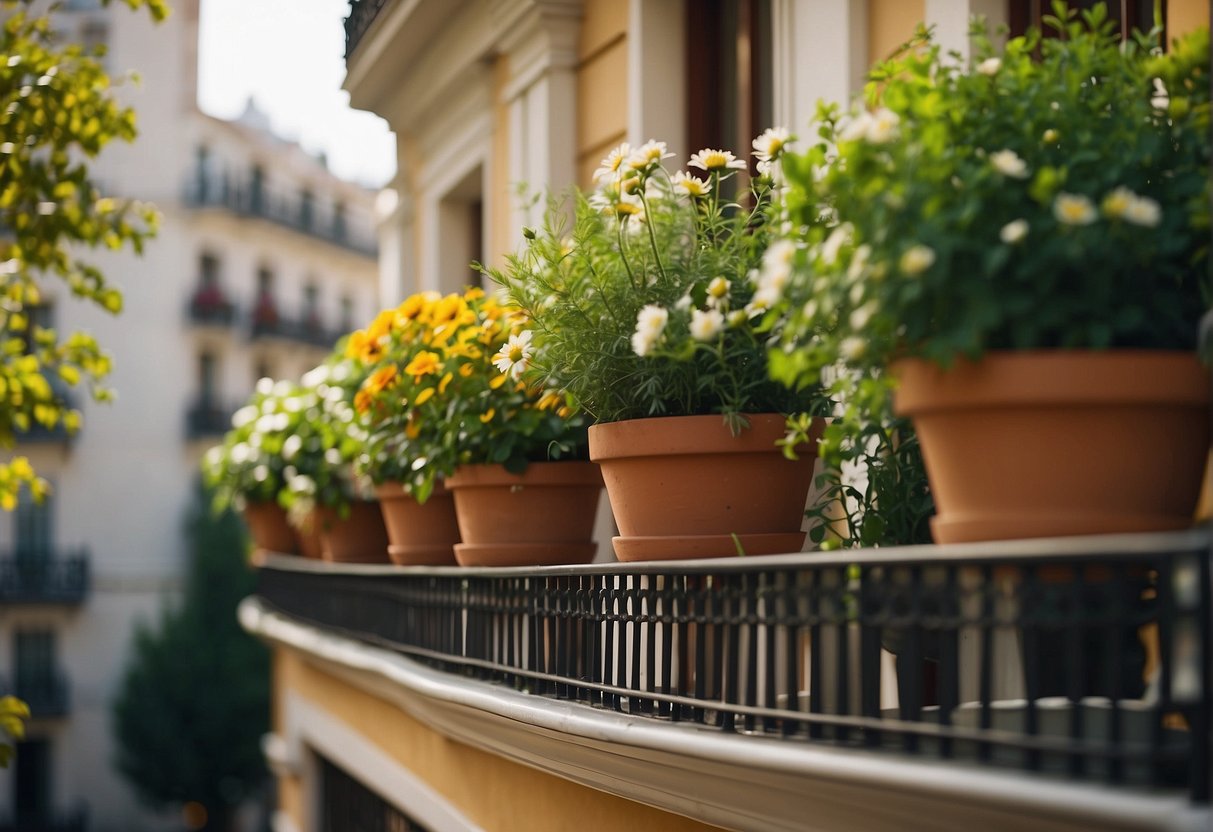
Madrid’s balcony gardens offer a snapshot of the botanical diversity that thrives in the city’s Mediterranean climate. You can cultivate a range of plant species that not only survive but flourish in your urban oasis.
Plant Species and Selection
When selecting plants for balcony gardens in Madrid, it’s crucial to consider the local environment. The commonly chosen flora includes:
- Flowers: such as geraniums and petunias, known for their vibrant colors and ease of maintenance.
- Herbs: including rosemary, thyme, and lavender, which are well-adapted to the Mediterranean climate.
- Trees: dwarf citrus trees like lemon and orange can be grown in containers, adding a fresh scent and lush greenery to your space.
Garden success hinges on choosing species that match Madrid’s unique seasonal patterns.
Mediterranean Climate and Horticulture
Madrid’s Mediterranean climate shapes its horticultural pursuits, characterized by hot, dry summers and mild, wet winters. This climate supports a diverse range of plant species that can adapt to less frequent watering and high sun exposure. Key practices in the balcony garden include:
- Watering: The must establish a consistent watering schedule to combat the dry conditions without over-saturating your plants.
- Soil Selection: Using well-draining soil that retains moisture to support their plants through scorching afternoons.
- Sunlight Management: Positioning of flowers and trees maximizes sunlight exposure while providing shade to sensitive species when necessary.
By aligning their garden practices with these climate factors, balconies can host a vibrant array of botanical life unique to Madrid.
Architectural Aspects of Balcony Gardens
In the heart of Madrid, the balcony garden is not just a green oasis; it’s a testament to the mindful design that marries architecture and nature, optimizing limited urban space.
In Madrid, with its historically rich architecture, a balcony garden can serve as a seamless extension of your living area. These spaces often feature intricate tilework or modern decking, creating a visually engaging foundation for greenery. Tall shrubs for privacy, cascading blooms for aesthetics—to enhance the spatial quality of an outdoor nook.
- Plant Placement:
- Privacy: Tall shrubs (Bamboo, Boxwood)
- Aesthetics: Cascading plants (Petunias, Ivy)
- Flooring Options:
- Tiles: Traditional Spanish ceramics
- Decking: Sustainable composite materials
Terraces and Urban Greenhouses
Terraces, by their nature, offer a broad canvas for incorporating green areas into Madrid’s urban residences. If the terrace captures ample sunlight, it’s ideal for setting up urban greenhouses—elegant glass structures allow cultivation of a variety of plants year-round.
- Terrace Elements:
- Seating: Integrated benches, Foldable furniture
- Covering: Pergolas, Retractable awnings
- Greenhouse Attributes:
- Materials: Aluminum framing, Polycarbonate panels
- Design: Victorian, Modern lean-to
Public and Private Balcony Gardens
In Madrid, the fusion of public garden spaces and private balcony gardens creates an urban oasis that reflects the city’s commitment to both community and personal green spaces. These vibrant areas blend the grandeur of historic sites with the intimacy of residential quarters.
Renowned Balcony Gardens
Madrid is home to several public balcony gardens that are considered landmarks of the city. The Parque del Buen Retiro, often just called El Retiro, is a historic and expansive park featuring elegant gardens, sculptures, and a large lake that offers you a sense of tranquillity amidst the bustling city. Another notable garden is the Real Jardín Botánico de Madrid, situated close to the Prado Museum, which is a haven for plant lovers with its vast collection of flora and beautifully arranged landscapes.
- Parque del Buen Retiro: Known for its diverse landscape that includes formal gardens, statues, galleries, and a large boating lake.
- Real Jardín Botánico: Offers you a stunning display of botanical wonders with plants from around the globe and seasonal exhibitions.
Residential Balcony Garden Trends
In the neighbourhoods of Madrid, private balcony gardens stand as testament to residents’ love for greenery. Balcony gardens are a trend that reflects residents’ personal taste and connection to nature. Across Madrid’s diverse districts, balconies are transformed into mini ecosystems with a variety of plants that cater to the city’s climate and the gardener’s style. These private balconies are often adorned with:
- An array of potted plants.
- Climbing vines.
- Small trees in containers.
Urban residents typically select hardy plant species that can thrive in a confined space and deal with city pollution. These green spaces not only contribute to the aesthetic value of the neighbourhoods but also promote a microclimate that benefits the local ecosystem.
Environmental Impact and Sustainability
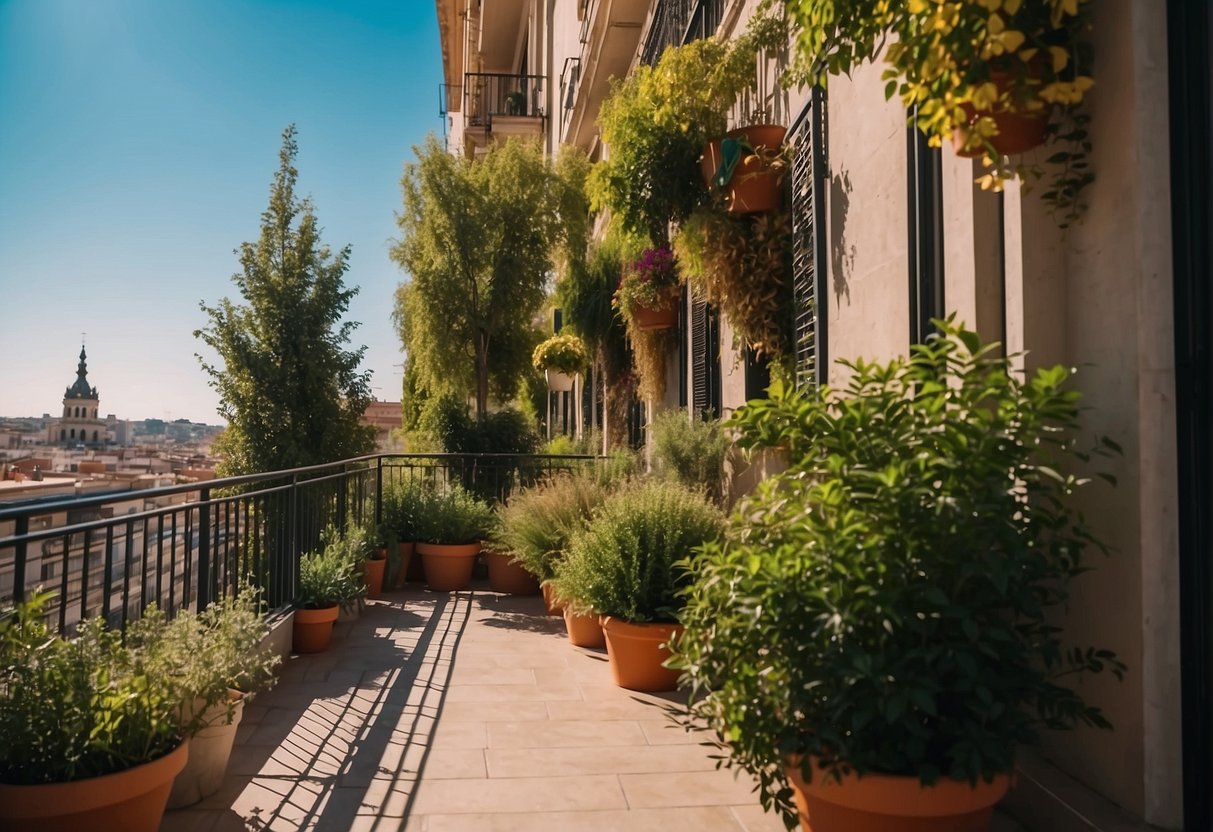
Madrid’s approach to integrative green initiatives remarkably improves the city’s sustainability and environmental health. These efforts are not only reshaping the urban landscape but also contributing positively to the conservation of its delicate ecosystem.
Green Initiatives and Policies
Madrid’s commitment to green growth is reflected in its implementation of environmentally conscious policies. The city is actively embracing sustainable practices in urban areas, including the proliferation of balcony gardens. These small green spaces contribute to biodiversity, reduce urban heat, and offer a sustainable method of beautifying the city. Furthermore, public projects, like the Madrid building a huge urban forest in a bid to combat climate change and pollution, create a significant green footprint, with hundreds of thousands of new trees being planted.
Conservation and Ecosystem Services
Balcony gardens across Madrid serve much more than an aesthetic purpose; they are part of a broader conservation strategy. These small patches of greenery help absorb carbon dioxide, offer habitats for pollinators, and enhance urban air quality. Moreover, initiatives such as vertical gardens, like the one created by Patrick Blanc, not only create a green oasis but also function as botanical pieces providing crucial ecosystem services in the middle of the capital. The integration of botany into Madrid’s urban planning adds a vital layer of nature that supports the environmental framework of the city.
Recreational and Educational Aspects
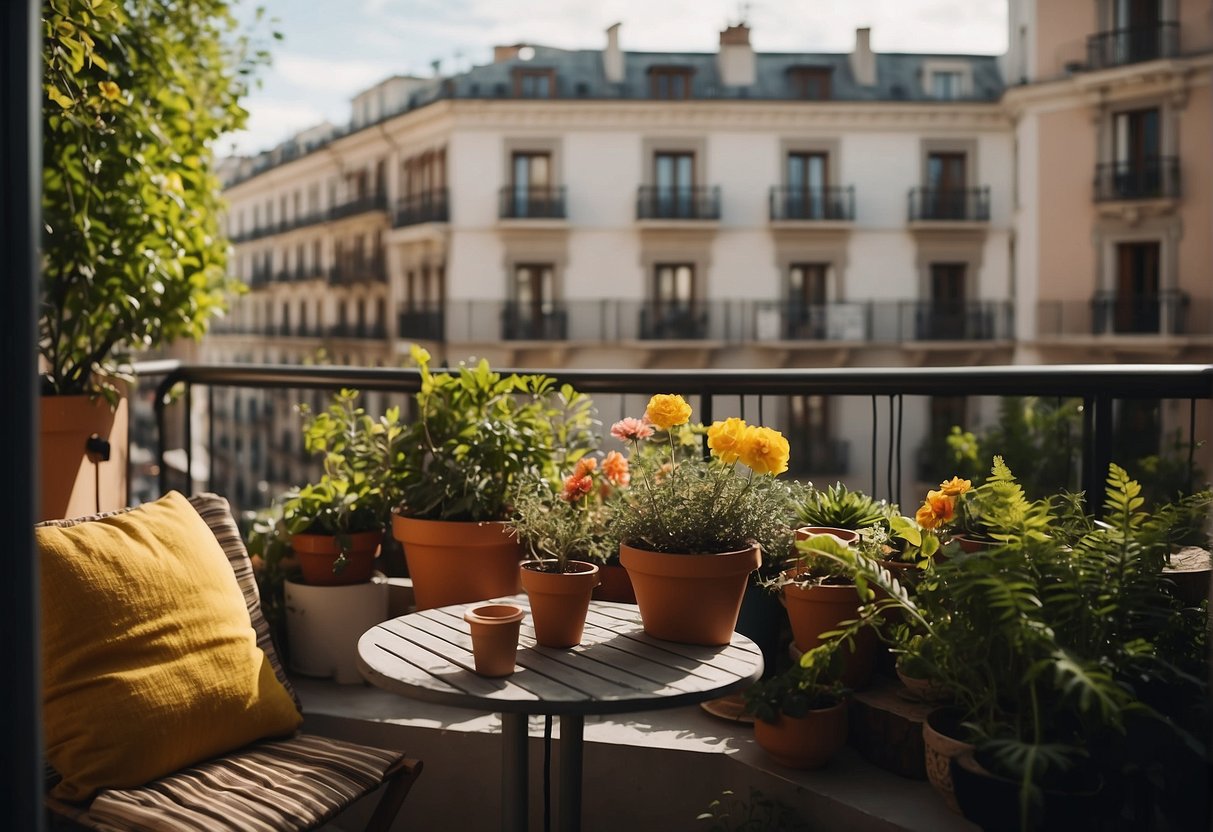
In Madrid, your experience with balcony gardens, particularly at the Real Jardín Botánico, will be enriched through various garden tours and exhibitions. Opportunities for community involvement and educational programs abound, inviting you to deepen your understanding of plant science and conservation.
Garden Tours and Exhibitions
Guided Tours: Engage in informative guided tours through diverse habitats at the Real Jardín Botánico. These tours provide insights into the seasonal changes of balcony gardens and expose you to the impressive living plant collections, from native species to exquisite blooms.
Exhibitions: Regularly updated exhibitions offer a closer look at botanical art, scientific discoveries, and historical records of botany. Discover rare specimens in the herbarium, explore ancient texts in the botanic library, and view the detailed archives that narrate the history of plant cultivation in Spain.
Community Involvement and Educational Programs
Educational Activities: Take part in workshops and courses tailored to all ages, designed to foster your appreciation for botany and horticulture. You’ll learn about plant care, garden design, and the crucial role of plants in our ecosystem.
Community Programs: The Real Jardín Botánico actively promotes community involvement through citizen science programs and volunteer opportunities. Your participation helps in conservation efforts and offers a platform to share knowledge with fellow garden enthusiasts in Madrid’s parks.
Cultural Landmarks and Gardens of Madrid
Madrid, a city rich in culture and nature, offers an array of stunning gardens intertwined with its historical landmarks. Retiro Park is a verdant oasis in the heart of the city, where you can meander through lush pathways and past the tranquil Crystal Palace. The park’s history as a royal garden provides a regal ambiance to your leisurely strolls.
Real Jardín Botánico, adjacent to the Prado Museum, allows you to immerse yourself in botanical wonders just steps away from some of the world’s most revered art collections. Here, the intertwining of art and nature enriches your cultural experience in the city.
| Park | Highlights |
|---|---|
| Casa de Campo | – Largest park in Madrid – Offers a lake, an amusement park, and the Madrid Zoo Aquarium |
| Parque de El Capricho | – Exquisite landscape gardens – Boasts unique architecture and sculptures |
| Jardines de Sabatini | – Formal gardens with a view of the Royal Palace – Features symmetrical designs and sculpted hedges |
| Parque Europa | – Contains replicas of European monuments – A place to enjoy diverse cultural symbols within a garden setting |
When you explore Jardines de Sabatini, the symmetrical designs and the well-sculpted hedges offer a majestic view of the Royal Palace, showcasing the harmonious relationship between architecture and nature. The sheer variety of plants and meticulous care reinforce Madrid’s reputation as a confluence of natural beauty and human artistry.
Each garden is a reminder of Madrid’s dedication to preserving cultural heritage and natural spaces, encapsulating the city’s spirit in each carefully tended plant and thoughtfully designed landscape.
Horticultural Resources and Support
Madrid’s vibrant balcony gardens thrive due to a robust support system that both local gardening communities and government or nonprofit organizations offer. You’ll discover various resources to help you, whether you’re looking to learn about greenhouses or seeking community groups with a green thumb.
Local Gardening Communities
When you’re pursuing balcony gardening in Madrid, connecting with local gardening communities can immensely enhance your experience. These groups offer hands-on advice, workshops, and the chance to share seeds and cuttings. For instance, the Real Jardín Botánico de Madrid is not only a haven for plant lovers but also a place where you can participate in botanical workshops and meet fellow horticultural enthusiasts. Additionally, dynamic community groups regularly meet in parks and green spaces throughout the city, where you can gain knowledge from seasoned gardeners.
Government and Nonprofit Organizations
Support from government and nonprofit entities plays a crucial role in Madrid’s urban gardening scene. Government programs often provide subsidies for green initiatives, including the installation of greenhouses and the promotion of sustainable practices. Nonprofits may offer grants or gardening support services to help you cultivate your own balcony oasis.
Future Prospects of Balcony Gardening in Madrid
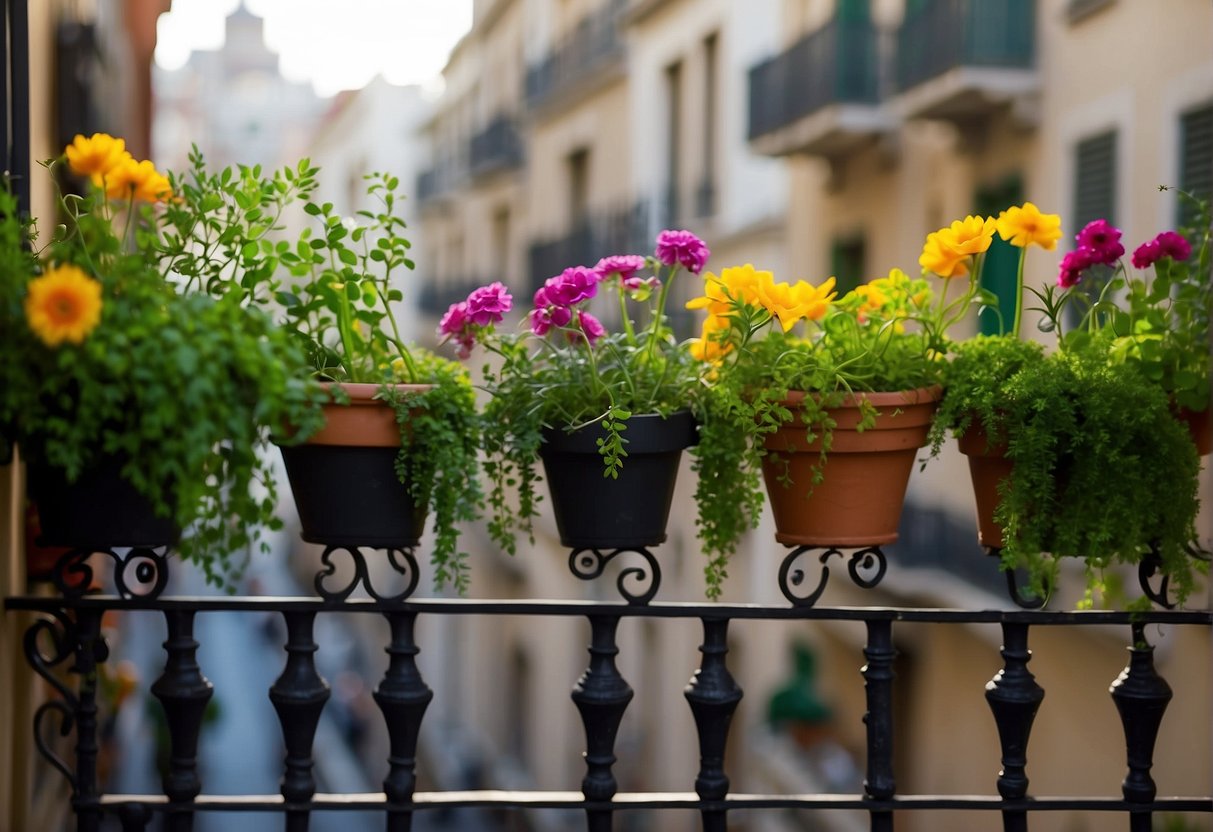
Balcony gardens in Madrid present a vibrant opportunity for sustainable living in urban development. As you consider the transformation of your balcony, anticipate a continued embracement of green spaces that work in tandem with the city’s growth.
Urban Development:
- Infill Green Spaces: Utilize idle spaces between buildings for greenery, contributing to CO2 absorption.
- Building Integration: Expect new buildings to feature balconies designed for gardening, blending architecture with nature.
Future Trends:
- Indigenous Plants: Trend towards planting native species to foster biodiversity.
- Smart Gardening: Advancements in technology for efficient watering and space utilization.
Sustainable Living:
- Self-sufficiency: Growing vegetables and herbs to reduce reliance on commercial produce.
- Eco-conscious Choices: Preference for organic soil and natural pest control will likely rise.
Remember, every balcony plant contributes to a greener Madrid. By aligning gardening practices with sustainable methodologies, residents participate in a forward-thinking movement, supporting both urban development and environmental stewardship.