🪴Balcony Garden Paradise is reader-supported. When you buy through links on our site,
we may earn a small affiliate commission at no extra cost to you. As an Amazon Associate,
we earn from qualifying purchases. Happy Gardening from the team! 🌿
Lavender is a fragrant and versatile herb that can add beauty and charm to any balcony garden. With its calming scent and vibrant purple blooms, it’s no wonder that lavender is a popular choice among balcony gardeners. In this article, we will explore the benefits of growing lavender in your balcony garden, how to choose the right lavender variety, and how to care for your lavender plants to ensure a bountiful harvest.
One of the main benefits of growing lavender in your balcony garden is its ability to attract pollinators such as bees and butterflies. Lavender is a natural insect repellent, making it a great addition to any organic garden. Additionally, the essential oils extracted from lavender can be used for a variety of purposes, such as aromatherapy, cooking, and skincare. Whether you’re a seasoned gardener or a beginner, growing lavender in your balcony garden is a rewarding experience that can provide you with a range of benefits.

To ensure that your lavender plants thrive in your balcony garden, it’s important to choose the right variety and provide them with the proper care. There are many different types of lavender, each with its own unique characteristics and growing requirements. By selecting the right variety and following proper planting and care techniques, you can enjoy a beautiful and fragrant balcony garden that will impress your guests and provide you with a bountiful harvest.
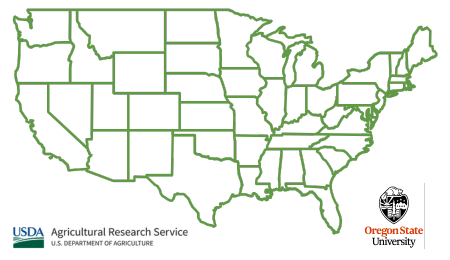
The 2023 USDA Plant Hardiness Zone Map was created by Oregon State University (PRISM Climate Group) and released by the USDA.
Key Takeaways
- Lavender is a fragrant and versatile herb that can add beauty and charm to any balcony garden.
- Growing lavender in your balcony garden can attract pollinators and provide a range of benefits.
- Choosing the right lavender variety and providing proper care is essential for a successful balcony garden harvest.
Benefits of Balcony Garden Lavender
Lavender is a versatile and fragrant herb that can be grown in a balcony garden with ease. Here are some benefits of growing lavender in your balcony garden:
- Aromatherapy: Lavender has a calming and relaxing effect on the mind and body. The scent of lavender can help reduce stress, anxiety, and improve sleep quality. Simply sitting in your balcony garden and enjoying the aroma of lavender can help you feel refreshed and rejuvenated.
- Natural Insect Repellent: Lavender is a natural insect repellent that can help keep mosquitoes, flies, and other pests at bay. The scent of lavender is unpleasant to insects and can help deter them from entering your balcony garden.
- Decorative Element: Lavender plants are visually appealing with their purple flowers and green foliage. They can add a touch of elegance and beauty to your balcony garden. Lavender plants can be grown in pots or containers, making them an ideal choice for small balcony gardens.
- Low Maintenance: Lavender plants are easy to care for and require minimal maintenance. They are drought-tolerant and can survive in a range of soil types. They prefer full sun and well-drained soil. Lavender plants can be pruned to maintain their shape and size.
- Culinary Uses: Lavender can be used in cooking and baking. It adds a unique flavor and aroma to dishes and desserts. Lavender can be used to make tea, syrup, and even ice cream.
In conclusion, growing lavender in your balcony garden can provide numerous benefits. From its relaxing aroma to its insect-repelling properties, lavender is a valuable addition to any balcony garden.
Choosing the Right Lavender for Your Balcony Garden
Lavender is a wonderful addition to any balcony garden. It is easy to care for, looks beautiful, and smells divine. However, with so many different varieties of lavender available, it can be challenging to choose the right one for your balcony garden. In this section, we will provide you with some tips to help you choose the perfect lavender for your balcony garden.
Consider the Space
The first thing you need to consider when choosing the right lavender for your balcony garden is the space you have available. Lavender plants can grow quite large, so you need to make sure that you have enough space to accommodate them. If you have a small balcony, you may want to consider growing a dwarf variety of lavender, such as Lavandula angustifolia ‘Hidcote Blue’. This variety only grows to around 12 inches tall and is perfect for small spaces.
Think about the Climate
Another important factor to consider when choosing the right lavender for your balcony garden is the climate. Lavender is a Mediterranean plant and prefers warm, sunny conditions. If you live in a cooler climate, you may want to consider growing a hardier variety of lavender, such as Lavandula x intermedia ‘Grosso’. This variety is more cold-tolerant than other types of lavender and can survive in temperatures as low as 10°F.
Choose the Right Soil
Lavender prefers well-drained soil that is slightly alkaline. If you are growing lavender in a container on your balcony, you will need to make sure that the soil you use is suitable for this type of plant. You can use a commercial potting mix that is specifically designed for growing lavender, or you can make your own by mixing equal parts of sand, perlite, and peat moss.
Consider the Fragrance
Finally, you may want to consider the fragrance of the lavender you choose. Lavender plants come in a variety of fragrances, from sweet and floral to earthy and herbal. If you are looking for a lavender that has a strong fragrance, you may want to consider growing Lavandula stoechas ‘Anouk’. This variety has a sweet, fruity fragrance and is perfect for adding a touch of fragrance to your balcony garden.
In conclusion, choosing the right lavender for your balcony garden requires careful consideration of several factors, including space, climate, soil, and fragrance. By following the tips provided in this section, you can choose the perfect lavender for your balcony garden and enjoy its beauty and fragrance all season long.
Preparing Your Balcony Garden for Lavender
Growing lavender on your balcony can be a delightful and rewarding experience. However, before you start planting, you need to prepare your balcony garden for lavender. Here are some tips to help you get started.
Choose the Right Container
Lavender plants need well-draining soil to thrive. Therefore, it is essential to choose the right container for your lavender. A container with drainage holes is necessary to prevent waterlogging. You can use a terracotta pot or a plastic container, but make sure it has drainage holes.
Select the Right Soil
Lavender grows best in sandy, well-draining soil. Avoid using regular potting soil, as it may retain too much moisture and cause root rot. Instead, use a potting mix that contains sand or perlite to improve drainage. You can also add some gravel or coarse sand to the bottom of the pot to improve drainage.
Provide Adequate Sunlight
Lavender needs plenty of sunlight to grow and thrive. Make sure your balcony receives at least six hours of direct sunlight each day. If your balcony does not get enough sunlight, you can use grow lights to supplement natural light.
Prune Regularly
Pruning is essential to keep your lavender plant healthy and bushy. Prune your lavender plant after flowering to encourage new growth. Remove dead flowers and up to an inch of the current year’s growth. This will help your lavender plant produce more flowers and improve its overall appearance.
By following these simple steps, you can prepare your balcony garden for lavender and enjoy the beauty and fragrance of this wonderful plant.
Planting and Caring for Lavender in Your Balcony Garden

Lavender is a beautiful and fragrant addition to any balcony garden. It’s relatively easy to grow, and with proper care, it can thrive in your small outdoor space. Here are some tips on planting and caring for lavender in your balcony garden. Chosen as the “Balcony Plant for 2018: lavender” by Flower Council Holland, lavender is the perfect choice for your balcony! (source: flowercouncil.com) Please check out this lovely article.
Planting Lavender
When planting lavender on your balcony, it’s important to choose the right container. Lavender prefers well-drained soil, so make sure your container has drainage holes. You can also add some broken pot pieces or gravel to the bottom of the container to improve drainage.
Mix a suitable potting mix with perlite in a 1:1 ratio, and add it to your container. Make a small hole in the soil and gently place the lavender plant in the hole. Cover the roots with soil and gently press down to secure the plant.
Lavender prefers full sun, so choose a location on your balcony that receives at least six hours of sunlight per day. If your balcony doesn’t receive enough sunlight, you can use grow lights to supplement the natural light.
Caring for Lavender
Lavender requires minimal maintenance, but there are a few things you can do to help it thrive in your balcony garden. Here are some tips:
- Watering: Lavender doesn’t like to be overwatered, so make sure the soil is dry to the touch before watering. Water deeply once a week, and avoid getting water on the leaves.
- Fertilizing: Lavender doesn’t require a lot of fertilizer, but you can use a balanced fertilizer once a month during the growing season.
- Pruning: Prune your lavender plant regularly to encourage bushy growth and prevent it from becoming too woody. Cut back about one-third of the plant in the spring after the first flush of flowers.
- Pest control: Lavender is relatively pest-resistant, but you should still keep an eye out for pests like aphids and spider mites. If you notice any pests, you can use an insecticidal soap to control them.
By following these tips, you can enjoy beautiful and fragrant lavender in your balcony garden.
Harvesting and Using Your Balcony Garden Lavender
Lavender is a versatile herb that can be used for many purposes, from cooking to aromatherapy. Harvesting your balcony garden lavender is easy and can be done in just a few simple steps.
First, it’s important to harvest your lavender at the right time. The best time to harvest your lavender is in the morning when the flowers are dry and the sun is not too hot. This will ensure that the lavender oil concentration is at its peak.
To harvest your lavender, simply pick a handful of stems and trim them off above a leaf node or a side branch. Make sure not to cut too deep, or you’ll cut into the stem. You can also use a pair of scissors or pruning shears to cut the stems.
Once you have harvested your lavender, you can use it in a variety of ways. Here are some ideas:
- Drying: To dry your lavender, tie the stems together and hang them upside down in a dark, dry place. Once the lavender is dry, you can remove the flowers from the stems and store them in an airtight container.
- Cooking: Lavender can be used in a variety of dishes, from desserts to main courses. Try adding a few sprigs of lavender to your favorite recipe for a unique flavor.
- Aromatherapy: Lavender is known for its relaxing and calming properties. You can use dried lavender flowers to make sachets, potpourri, or even lavender oil.
In conclusion, harvesting and using your balcony garden lavender is easy and can be done in a variety of ways. Whether you’re drying it for later use, cooking with it, or using it for aromatherapy, lavender is a versatile herb that can add a unique flavor and fragrance to your life.
Conclusion

In conclusion, growing lavender on your balcony can be a rewarding experience. Lavender is a beautiful and fragrant flower that adds beauty to any garden. With a little bit of care, you can easily grow lavender on your balcony and enjoy its relaxing scent.
To grow lavender on your balcony, you need to choose the right pot size and soil. Lavender prefers full sun and well-drained soil, so make sure to choose a location that receives at least six hours of sunlight per day. You also need to water your lavender regularly, but make sure not to overwater it as it can cause root rot.
When it comes to pruning lavender, it’s best to do it in the spring. Pruning helps to promote new growth and prevents the plant from becoming too woody. You can also propagate lavender by taking cuttings and rooting them in water or soil.
In summary, growing lavender on your balcony is a great way to add beauty and fragrance to your outdoor space. With the right care and attention, you can enjoy a stunning display of lavender blooms that will last for years to come. So why not give it a try and see for yourself how easy it is to grow lavender on your balcony?
Frequently Asked Questions
Can Lavender Be Grown in Pots?
Yes, lavender can be grown in pots. In fact, growing lavender in pots is a great way to enjoy this fragrant herb on your balcony or indoors. Just make sure that the container has good drainage and is at least 16 inches in diameter.
What is the Best Type of Lavender for Growing in Pots?
English Lavender (Lavandula angustifolia) is the best type of lavender for growing in pots. It is a compact variety that grows well in containers and has a strong fragrance.
How Often Should I Water Lavender in Pots?
Lavender in pots should be watered when the top inch of soil is dry. Overwatering can cause the roots to rot, so it’s important to not let the soil stay too wet. During hot, dry weather, lavender may need to be watered every day or every other day.
What is the Best Soil for Growing Lavender in Pots?
Lavender prefers well-draining soil with a pH between 6.5 and 7.5. A good potting mix for lavender should be sandy and porous and may include perlite or pumice to improve drainage.
What are Some Tips for Growing Lavender in Pots Indoors?
To grow lavender indoors, make sure that the plant gets plenty of sunlight. A south-facing window is ideal. You may also need to supplement with artificial light if your home doesn’t get enough natural light. Keep the temperature between 60 and 70 degrees Fahrenheit.
Are There Any Locations Where Lavender Should Not be Planted?
Lavender does not grow well in wet or water-logged soils. It also prefers full sun and well-drained soil, so it may not do well in shady or damp locations.
More Reading and Ideas:
- 10 Best Water-Conserving Balcony Garden Plants
- Best Eco-Friendly Garden Plants for Your Balcony
- Find Your Inner Peace With A DIY Zen Balcony Garden
- The Art of Balcony Garden Design: Mastering Color Palette