🪴Balcony Garden Paradise is reader-supported. When you buy through links on our site,
we may earn a small affiliate commission at no extra cost to you. As an Amazon Associate,
we earn from qualifying purchases. Happy Gardening from the team! 🌿
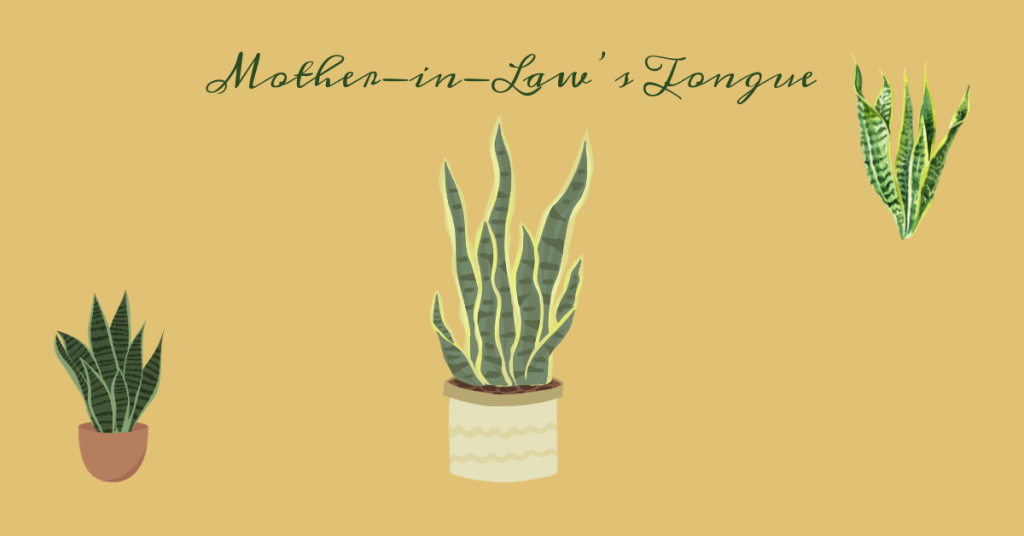
Mother-in-law’s tongue, also known as snake plant, is a popular choice for balcony gardens. This plant is easy to care for, making it a great option for those who are new to gardening. With its tall, upright leaves, mother-in-law’s tongue can add a touch of green to any balcony.
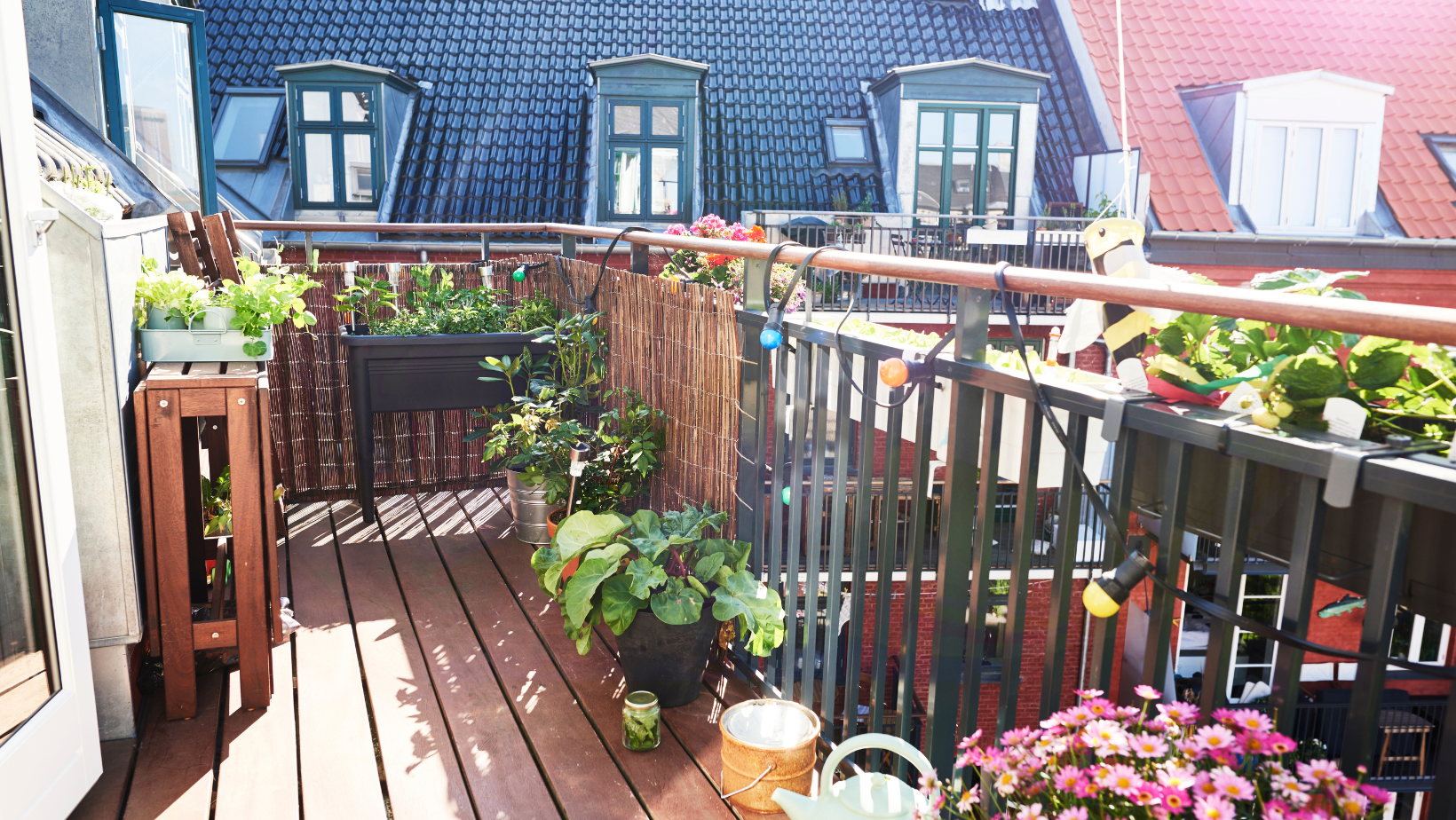
One of the benefits of having a balcony garden is the opportunity to grow your own plants and vegetables, even if you live in an apartment or a small space. Mother-in-law’s tongue is a great option for a balcony garden because it is low maintenance and can thrive in a variety of light conditions. Plus, it has air-purifying qualities, making it a great addition to any home.

If you’re considering growing mother-in-law’s tongue in your balcony garden, there are a few things to keep in mind. You’ll want to choose a pot that is large enough for the plant to grow, and make sure the soil is well-draining. You can also get creative with the design of your balcony garden, using mother-in-law’s tongue as a focal point or as a backdrop for other plants. By following a few simple steps, you can create a beautiful and thriving balcony garden with mother-in-law’s tongue as a centerpiece.

The 2023 USDA Plant Hardiness Zone Map was created by Oregon State University (PRISM Climate Group) and released by the USDA.
Key Takeaways
- Mother-in-law’s tongue is a popular choice for balcony gardens due to its low maintenance and air-purifying qualities.
- When choosing mother-in-law’s tongue for your balcony garden, make sure to choose a pot that is large enough and has well-draining soil.
- You can get creative with the design of your balcony garden, using mother-in-law’s tongue as a focal point or backdrop for other plants.
Benefits of Mother-in-law’s Tongue
If you have a balcony, you have the perfect space to create a garden with Mother-in-law’s Tongue. Not only do they add beauty to your home, but it also provides numerous benefits to your health and well-being. Here are some of the benefits of having a balcony garden:
Improved Air Quality
Plants are natural air purifiers and can help improve the air quality in your home. According to a study by NASA, certain plants, including the mother-in-law’s tongue, can remove toxins such as formaldehyde, benzene, and carbon monoxide from the air. By having a balcony garden, you can breathe in cleaner air and improve your overall health.
Reduced Stress and Anxiety
Gardening has been shown to reduce stress and anxiety levels. It provides a calming effect and helps you connect with nature. By spending time in your balcony garden, you can reduce your stress levels and improve your mental health. Plus, the act of growing plants and watching them flourish can be very rewarding and satisfying.
Increased Access to Fresh Produce
Having a balcony garden allows you to grow your own fresh produce. You can grow herbs, vegetables, and fruits right in your own home. Not only does it save you money, but it also ensures that you are eating fresh, healthy food. Plus, it’s a great way to teach children about where their food comes from and how to grow their own food.
Overall, having a balcony garden provides numerous benefits to your health and well-being. It improves the air quality in your home, reduces stress and anxiety levels, and provides you with access to fresh produce. So, why not start your own balcony garden today?
For more benefits of Mother-in-law’s Tongue, check out this article in Healthline online: 7 Benefits of Keeping Snake Plants In Your Home.
Choosing Mother-in-law’s Tongue for Your Balcony Garden
Mother-in-law’s Tongue, also known as Sansevieria, is a popular indoor plant that can also thrive in outdoor balcony gardens. This plant is low-maintenance, drought-tolerant, and can survive in a variety of lighting conditions. Here are some tips for choosing the right Mother-in-law’s Tongue for your balcony garden.
Ideal Growing Conditions
Mother-in-law’s Tongue prefers bright, indirect light, but it can also tolerate low light conditions. It is important to avoid direct sunlight, as it can burn the leaves. This plant can also tolerate a wide range of temperatures, but it prefers temperatures between 60-85°F.
When it comes to soil, Mother-in-law’s Tongue prefers well-draining soil with a pH level between 6.0-7.5. It is important to avoid overwatering, as this plant is susceptible to root rot. Allow the soil to dry out completely before watering again.
Varieties of Mother-in-law’s Tongue
There are several varieties of Mother-in-law’s Tongue to choose from, each with its own unique characteristics. Here are some popular varieties:
- Sansevieria trifasciata: This is the most common variety, with long, upright leaves that are dark green with yellow edges.
- Sansevieria cylindrica: This variety has cylindrical leaves that grow in a tight spiral. It is also known as the African Spear plant.
- Sansevieria laurentii: This variety has long, green leaves with yellow stripes down the center.
Maintenance and Care Tips
Mother-in-law’s Tongue is a low-maintenance plant, but it still requires some care to thrive. Here are some maintenance and care tips:
- Fertilizer: Growing Mother-in-law’s Tongue does not require fertilizer, but you can fertilize it once a month during the growing season to promote healthy growth.
- Pruning: Prune any dead or yellowing leaves to keep the plant looking healthy.
- Repotting: Repot the plant every 2-3 years to refresh the soil and prevent root-bound growth.
- Pests and Diseases: Mother-in-law’s Tongue is generally pest and disease-resistant, but it can be susceptible to mealybugs and spider mites. Inspect the plant regularly for signs of pests and treat with a natural insecticide if necessary.
In conclusion, Mother-in-law’s Tongue is a great choice for balcony gardens due to its low maintenance and hardy nature. By choosing the right variety and providing the ideal growing conditions, you can enjoy this beautiful plant in your outdoor space.
Designing Your Balcony Garden with Mother-in-law’s Tongue
If you’re looking to add some greenery to your balcony garden, growing Mother-in-law’s Tongue (Sansevieria trifasciata) is a great option. This plant is easy to care for and has a unique look that can add interest to your space. Here are some tips for designing your balcony garden with Mother-in-law’s Tongue.
Placement and Arrangement
When it comes to placing your Mother-in-law’s Tongue, choose a spot that gets plenty of sunlight. This plant can also tolerate low light conditions, but it will grow more slowly. Arrange your plants in a way that complements the rest of your balcony decor. If you have a small space, consider using a plant stand to create some vertical interest.
Complementary Plants and Decor
Mother-in-law’s Tongue can be paired with a variety of other plants to create a beautiful balcony garden. Consider adding some ferns or aralia to create a lush, tropical feel. You can also incorporate other types of succulents or cacti for a desert-inspired look. When it comes to decor, consider adding some colorful planters or hanging baskets to add some visual interest.
Creative Container Ideas
Mother-in-law’s Tongue can be grown in a variety of containers, from traditional terra cotta pots to more creative options. Consider using a vintage metal watering can or a repurposed wooden crate for a rustic look. You can also create a living wall by planting several Mother-in-law’s Tongue plants in a vertical planter. Whatever container you choose, make sure it has good drainage to prevent root rot.
Incorporating Mother-in-law’s Tongue into your balcony garden is a great way to add some greenery and interest to your space. With these design tips, you can create a beautiful and functional balcony garden that you’ll love spending time in.
Frequently Asked Questions
Can Mother-in-law’s Tongue be Planted Outside?
Yes, Mother-in-law’s Tongue can be planted outside. It is a hardy plant that can tolerate a range of temperatures and conditions. However, it is important to ensure that the soil is well-draining and not waterlogged, as this can cause root rot.
How Do I Plant My Mother-in-law’s Tongue in My Garden?
When planting Mother-in-law’s Tongue in your garden, choose a spot that receives partial shade to full sun. Dig a hole that is slightly larger than the root ball of the plant and backfill with soil. Water the plant well and continue to water regularly until it is established.
Where is the Best Place to Grow Mother-in-law’s Tongue?
Mother-in-law’s Tongue is a versatile plant that can grow in a range of conditions. It prefers bright, indirect light but can also tolerate low-light conditions. It is also tolerant of a range of temperatures and can be grown indoors or outdoors.
Can Mother-in-law’s Tongue Take Full Sun?
Yes, Mother-in-law’s Tongue can tolerate full sun, but it is important to acclimate the plant slowly to prevent sunburn. Start by placing the plant in a spot that receives partial shade and gradually move it to a sunnier spot over a period of several weeks.
When to Repot Mother-in-law’s Tongue?
Mother-in-law’s Tongue is a slow-growing plant and only needs to be repotted every two to three years. Repotting should be done in the spring or summer when the plant is actively growing. Choose a pot that is slightly larger than the current one and use a well-draining potting mix.
How to Trim Mother-in-Law Tongue Plant?
Mother-in-law’s Tongue does not require frequent pruning. However, if the plant becomes too large or overgrown, you can trim back the leaves with a sharp, clean pair of scissors. Be sure to only remove one-third of the plant at a time to avoid stressing it.
Remember to keep your Mother-in-law’s Tongue plant well-watered but not overwatered, and fertilize it occasionally with a balanced fertilizer. With proper care, growing Mother-in-law’s Tongue will add just the right touch of greenery to your space.
Related posts:
- Sweet Alyssum: The Perfect Addition to Your Balcony Garden
- Creating a Stunning Balcony Garden with Lavender
- The Art of Balcony Garden Design: Mastering Color Palette
- African Milk Tree is an Amazing Balcony Garden Plant: Growing and Caring for Your Succulent
- Creating a Stunning Balcony Garden with Japanese Maples
- Growing Juicy Tomatoes in Your Balcony: Urban Gardening Made Easy
- Split Rock Plant: The Unique and Easy-to-Care-For Succulent
- Grow Juicy Balcony Garden Strawberries: Great for an Urban Garden