Balcony Garden Paradise is reader-supported. When you buy through links on our site,
we may earn a small affiliate commission. Happy Gardening from the team! 🌿
Growing plants on a balcony can turn a tiny outdoor spot into a cozy green escape. Plenty of folks want to start balcony gardens but feel unsure where to begin or how to make the most of a cramped space.
Balcony gardening books walk you through picking plants, choosing containers, and caring for your garden in these smaller areas.
The best balcony gardening books cover container selection, soil types, watering schedules, and plants that thrive in tighter spaces. They help you dodge common mistakes that waste time and money.

The 2023 USDA Plant Hardiness Zone Map was created by Oregon State University (PRISM Climate Group) and released by the USDA.
Some books focus on growing vegetables and herbs, while others focus on flowers and decorative plants. The best book for you depends on your climate, how much sunlight you get, and what you want to grow.
When you’re choosing a balcony gardening book, check if it matches your experience level and growing conditions. Look for clear photos or illustrations that actually show the techniques and plant examples.
It’s smart to see if the author talks about your climate zone and how much sun your balcony gets. Books by experienced gardeners or horticulturists usually give more trustworthy advice than random compilations.
Best Balcony Gardening Books
Here’s our list of the best balcony gardening books. These guides help you grow plants in small spaces and really get the most out of your balcony.
Balcony Gardening: Growing Herbs and Vegetables in a Small Urban Space

This book is a handy pick for people who want to start growing fresh food on their balcony but don’t have a yard.
Pros
- Focuses on small outdoor spaces, not just traditional gardens
- Covers both herbs and vegetables, so you can mix things up
- Compact size—easy to flip through while you’re outside
Cons
- Published in 2013, so it may miss some newer tips
- Only 158 pages, so some topics aren’t super detailed
- Not as many customer reviews as some of the bigger gardening books
The guide digs into the challenges you face when growing plants in containers on a balcony. You’ll find advice for working with limited space and choosing plants that actually do well in city conditions.
The author keeps things simple and doesn’t assume you already know gardening basics. You get tips for picking containers, figuring out sunlight, and choosing vegetables that work in pots.
This book sticks to balcony-specific methods, skipping filler about in-ground gardening. At 158 pages, it’s concise and focused. With a 4.5-star rating, most readers seem to find it helpful for their container gardens.
The Compact Garden
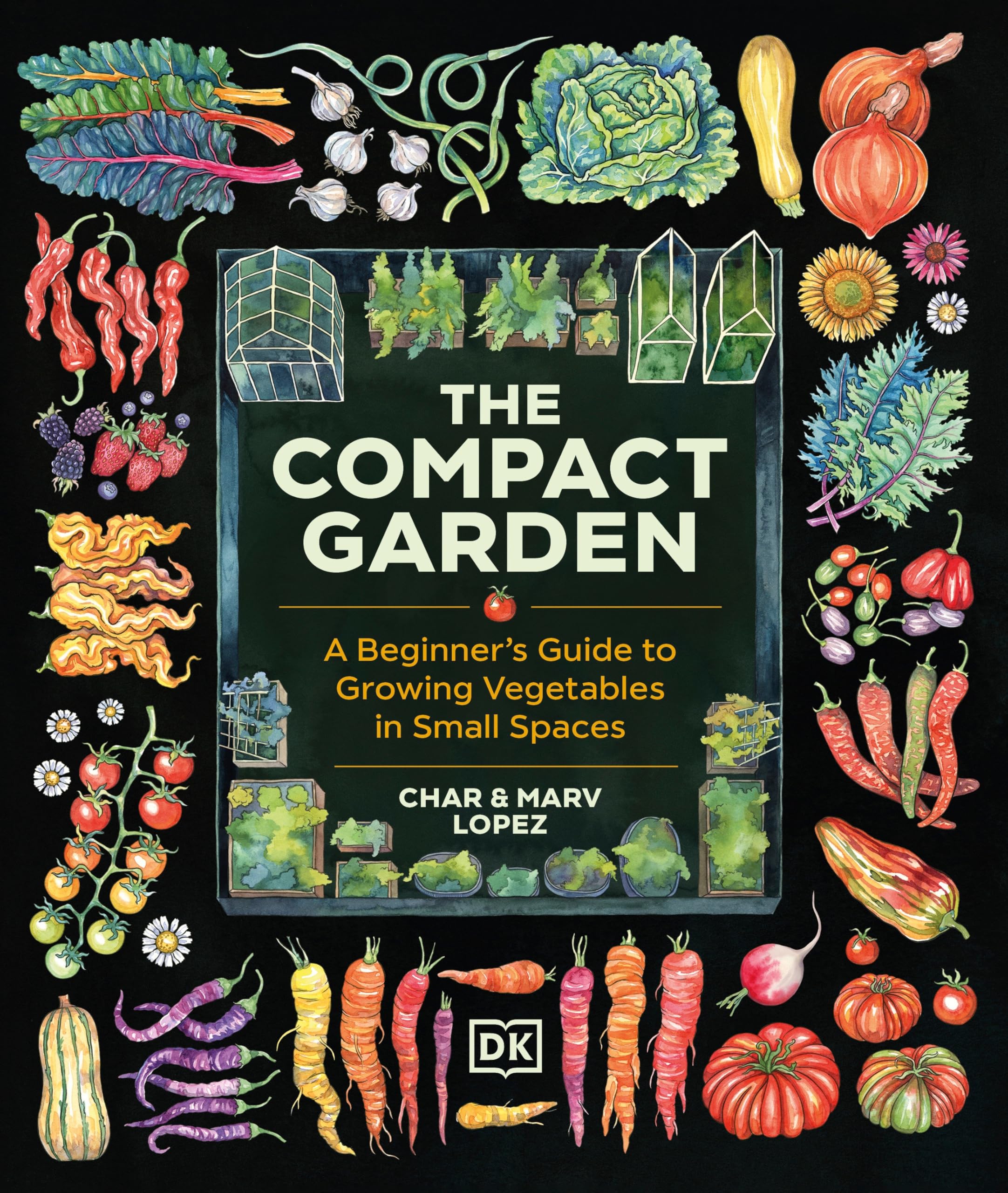
This book is a solid pick for balcony gardeners who want clear, no-nonsense advice on growing veggies in tight spots.
Pros
- Clear instructions help beginners start growing food right away
- Offers practical solutions for making the most of your balcony
- Recently published, so the info is up to date
Cons
- It’s over two pounds, so it’s not the lightest book to carry
- Not a ton of customer reviews yet since it’s new
- Mainly focuses on vegetables, so not much about flowers or herbs
The Compact Garden gives you practical info for starting a balcony vegetable garden. DK published it in April 2026, so you’re getting the latest techniques.
With 256 pages, it covers the basics without drowning you in detail. Your small outdoor space doesn’t have to hold you back.
The book shows you how to use containers, try vertical growing, and other space-saving tricks. It’s written for beginners, so you won’t get lost in jargon.
It measures 8 by 9.5 inches, so there’s room for helpful photos and diagrams. You can keep it open while setting up your balcony. With a 4.9 rating from 40 readers, people seem to find it genuinely useful.
Field Guide to Urban Gardening

This one’s great for balcony gardeners who want to try out several growing methods in one book.
Pros
- Covers different urban gardening styles, including balcony setups and vertical growing
- Gives clear instructions for beginners starting a container garden
- Talks about hydroponics and indoor growing, too
Cons
- Covers a lot, so it might feel like too much if you want balcony-only advice
- Some methods need more space than a typical balcony offers
- Beginners may need to skip a few sections that don’t fit their setup
This guide comes at urban gardening from a bunch of angles. You’ll find info about raised beds, vertical systems, and balcony containers all together.
The 224 pages don’t assume you have gardening experience. You can use the methods for edible plants on your balcony, and even try indoor techniques to grow year-round.
It’s practical and gives you options—pick the parts that fit your space and skip the rest. Cool Springs Press published it, so the advice comes from a reliable gardening source.
Seeds in the City
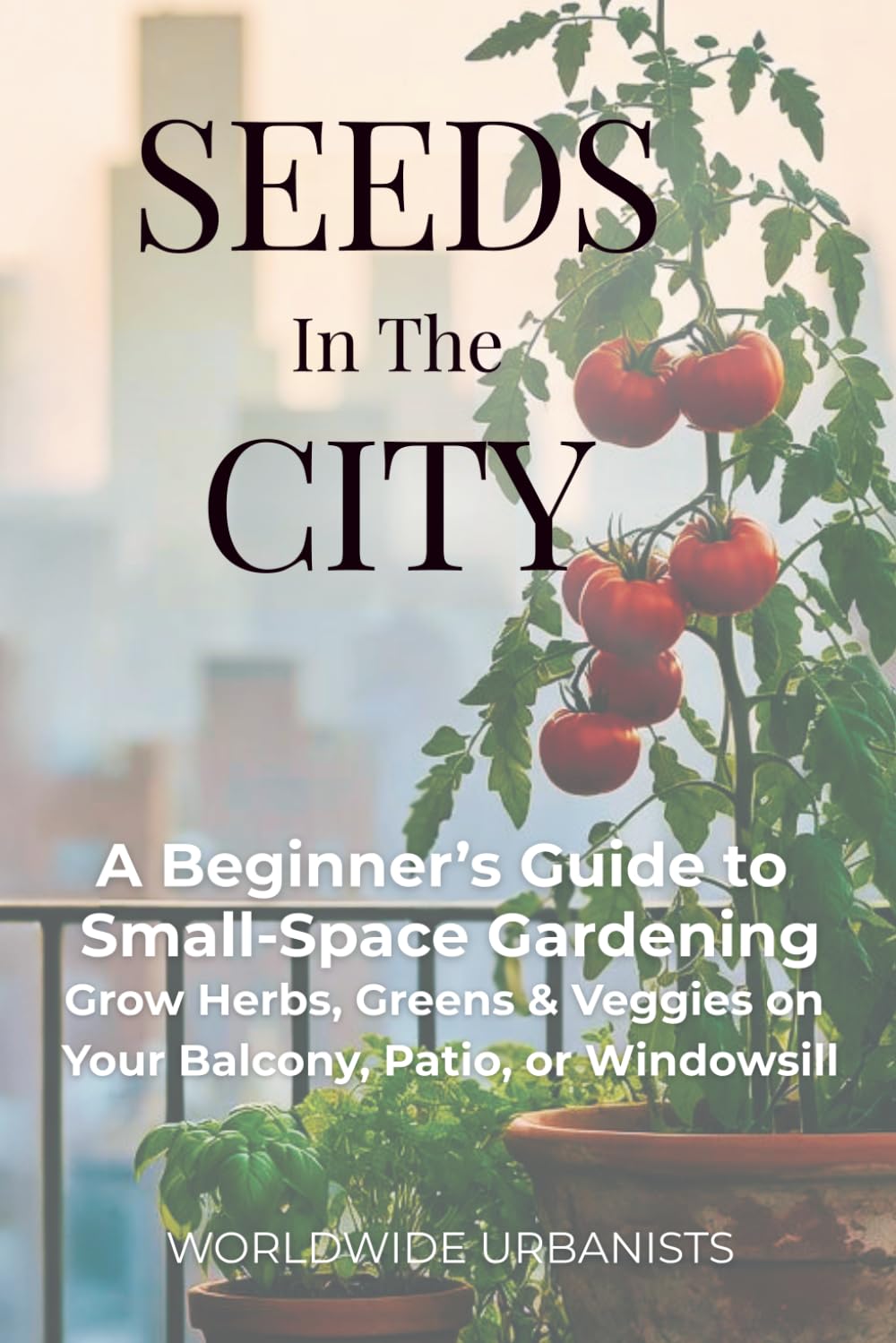
This book is a good fit for apartment dwellers who want to grow food but don’t have a yard.
Pros
- Covers over 80 crops you can grow in containers
- Gives step-by-step help for setting up balcony gardens from scratch
- Includes DIY projects that help you use your space better
Cons
- Published independently, so it might not be as polished as some others
- At 256 pages, it’s a bit long if you just want quick tips
- Some methods may need tweaks for your local climate
This book walks you through growing veggies and herbs when you don’t have a traditional yard. You’ll get tips for containers, soil, and figuring out how much light your spot gets.
The focus is on practical solutions for patios, balconies, and windowsills. Your small space doesn’t have to stop you from growing what you want.
The book suggests herbs, leafy greens, and other veggies that do well in containers. Each crop gets its own section, so you can see what fits your setup.
DIY projects add a hands-on element, letting you build systems that make watering easier and help your plants thrive. This helps boost your confidence as you move from easy herbs to trickier crops.
The writing style is clear and skips the heavy technical terms. You’ll find straightforward explanations about why certain methods work for urban gardening. That makes it easier to avoid rookie mistakes.
Urban Oasis: A Guide to Balcony Gardens for Beginners
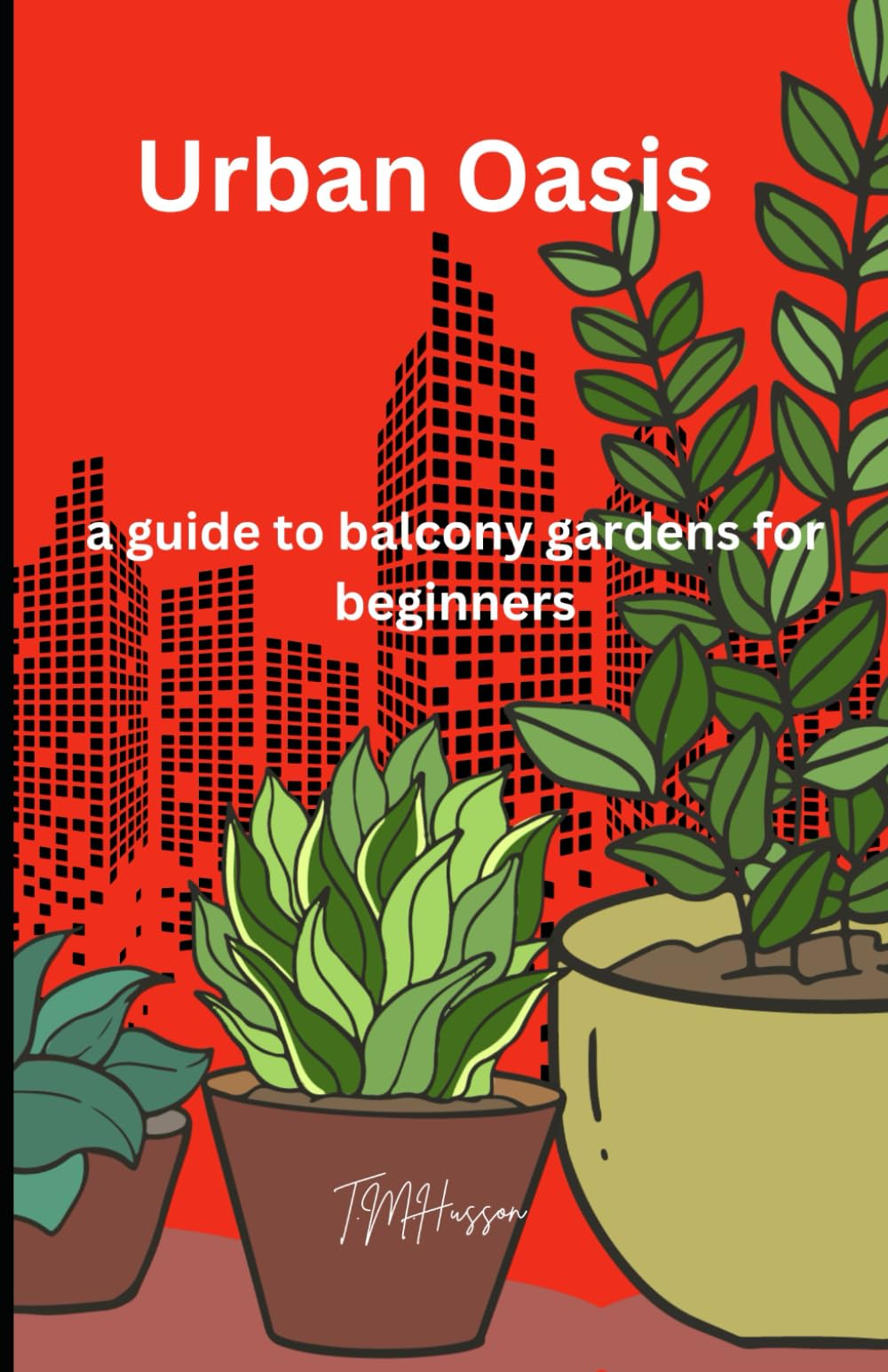
This guide keeps things simple and practical for anyone who wants to start a balcony garden—even if plants have always seemed intimidating.
Pros
- Breaks down container gardening into steps that actually make sense for beginners.
- Covers planning, setup, and choosing the right tools without making it feel like homework.
- At just 75 pages, you can get through it quickly and won’t drown in details.
Cons
- Only 9 ratings so far, so feedback’s a bit thin.
- Independently published, so you might notice fewer illustrations or some quirks in formatting.
- Because it’s short, don’t expect the deep dive you’d get from a hefty gardening manual.
Urban Oasis helps you figure out your balcony garden project step by step. The book lays out what to think about before you buy your first pot or packet of seeds.
You’ll get tips on picking tools and planning for small outdoor spaces. The approach feels approachable, not intimidating.
If you’re unsure about your green thumb, this book’s for you. The writing’s straightforward, so you don’t need any prior plant knowledge to get started.
Since it’s just 75 pages, you can finish it in an afternoon and get your garden going right away.
The book answers common questions about starting a container garden in an urban setting. There’s advice on turning limited space into something useful and green.
Many readers like that it takes the guesswork out of those first steps.
Buying Guide
When you’re picking out a balcony gardening book, start by thinking about your own experience. Beginners need clear photos and instructions that don’t feel overwhelming.
If you’re more advanced, you might want in-depth plant care tips and troubleshooting guides.
Content Focus
Try to find books that fit your balcony’s style and your local weather. Some books stick to container gardening, while others dive into vertical gardens or herbs. Make sure the book covers plants that actually work where you live.
Visual Elements
Good balcony gardening books really need solid photos or drawings. Pictures help you figure out how far apart to space plants, what size pots to use, and what to expect as things grow.
Diagrams of balcony layouts can give you ideas for arranging your space, even if you’re not a designer.
Key Features to Consider
| Feature | Why It Matters |
|---|---|
| Step-by-step instructions | Let’s you follow along without getting lost |
| Plant directories | Makes it easier to pick what’ll actually grow on your balcony |
| Troubleshooting sections | Helps you fix issues like pests or sick plants |
| Season-by-season guides | Gives you a roadmap for what to do all year |
| Container recommendations | Helps you choose the right pots and materials without guessing |
Format Options
Trying to pick between hardcover, paperback, or digital? Hardcover books stick around longer, but they’re pricier. Digital versions make searching easy and don’t clutter up your shelves.
Some books come with worksheets or planning pages. They’re pretty handy for tracking your plants and sketching out a garden schedule.
We always appreciate reference guides with plant charts. They’re perfect for a quick lookup when you need answers fast.