Balcony Garden Paradise is reader-supported. When you buy through links on our site,
we may earn a small affiliate commission. Happy Gardening from the team! 🌿
Transform your balcony into a lush retreat by creating a living wall that maximizes greenery in your outdoor space. A vertical balcony garden is not only an excellent way to breathe life into a limited area but also provides the opportunity for you to cultivate a variety of plants, flowers, and even herbs. This addition brings the beauty of nature right to your doorstep, creating a serene and vibrant atmosphere where there once was just a plain wall or railing.
Constructing a small balcony garden as a living wall is a smart solution that combines form and function. It helps improve air quality, can provide privacy, and becomes a standout feature of your outdoor decor. With innovative balcony garden ideas, even the smallest balconies can be reimagined into verdant sanctuaries. Whether you’re looking to create a space for relaxation, a spot to entertain, or a personal garden to cultivate, bringing a slice of nature to your high-rise haven is within grasp.
Planning Your Balcony Garden
Creating a balcony garden can transform your outdoor space into a vibrant oasis. The key to success lies in careful planning and understanding your balcony’s unique environment.

The 2023 USDA Plant Hardiness Zone Map was created by Oregon State University (PRISM Climate Group) and released by the USDA.
Assessing Balcony Conditions
First, examine the amount of sunlight your balcony receives daily. This will determine the microclimate and influence which plants will thrive. Additionally, consider the wind conditions; balconies high up may face stronger winds, necessitating sturdy or sheltered plant arrangements. Areas with prolonged shade require plant varieties that favor less direct sunlight.
Choosing Suitable Plants
Your plant selection must complement the conditions you’ve assessed. If your balcony is sunny, consider sun-loving herbs and flowers. For shaded balconies, opt for plants like ferns and hydrangeas that can tolerate lower light levels. Always opt for container gardening when space is limited, choosing pots that fit neatly into your balcony’s layout.
Balcony Garden Design
Finally, designing your balcony garden means arranging plants in pleasing and functional ways. Use varying plant heights and container sizes to create depth and interest. For vertical space optimization, a living wall is an excellent way to include greenery without sacrificing square footage. It adds aesthetic appeal and creates a more private, secluded area on your balcony.
Living Walls and Vertical Gardens
Enhance your balcony by including a living wall or vertical garden, transforming your limited space into a lush, green oasis. These space-saving solutions are not only aesthetically pleasing but offer several environmental benefits as well.
Benefits of Vertical Gardens
Vertical gardens can dramatically transform a bland space into a vibrant green backdrop. These structures contribute to better air quality and can reduce the overall temperature of your balcony, making your outdoor space more comfortable. They act as natural sound barriers, creating a serene ambiance. Furthermore, vertical gardens increase biodiversity by providing habitats for insects and birds.
Setting Up a Living Wall
To set up a living wall on your balcony:
- Choose the location: Ensure it gets enough light for the plants you want to grow.
- Select a structure: Decide on a panel system, felt pockets, or modular planters that suit your vertical space and budget.
- Install an irrigation system: A drip irrigation system effectively reduces water waste and maintenance hassle.
Remember to secure your structure safely to manage the added weight and prevent accidents.
Planting for Vertical Spaces
When planting for vertical spaces:
- Select plants based on the amount of sunlight your balcony receives.
- Opt for plants with shallow root systems that are suited for vertical growth, such as ferns, succulents, and herbs.
- Maintenance plan: Accessible designs will simplify the process of pruning, watering, and harvesting.
Implementing these vertical garden ideas can help you cultivate a thriving balcony garden, regardless of the size of your outdoor space.
Plant Types and Selection
When selecting plants for your balcony garden living wall, consider how each type—be it vegetables, herbs, or ornamentals—suits your space and sunlight exposure.
Vegetables and Fruits
Vegetables and fruits thrive in balcony living walls given the right conditions. Consider the following:
- Strawberries: These bear fruit in small spaces and prefer full sun.
- Tomatoes: Choose smaller varieties that suit container growing. Plenty of sunlight is essential.
- Peppers: Both sweet and hot varieties grow well vertically, requiring abundant sun.
- Lettuce: This leafy green can flourish in partial shade and makes for a quick harvest.
Herbs and Culinary Plants
Herbs are both practical and aromatic additions to a balcony garden living wall. Some top picks include:
- Basil: Prefers ample sunlight and warmth.
- Rosemary: A hardy, drought-resistant option that loves the sun.
- Mint: It’s invasive, so keep it contained; it does well in both sun and partial shade.
- Thyme: Requires full sun and well-draining soil.
Remember, culinary plants can be used daily, providing fresh flavors right from your wall.
Flowers and Ornamentals
Flowers and ornamentals add color and interest to living walls. Selections can include:
- Succulents: Ideal for dry conditions and perfect for a low-maintenance wall.
- Annuals: Provide a season-long display of flowers. Petunias and marigolds are bright choices.
- Perennials: Return yearly and add consistency to your design. Options like coleus have stunning foliage.
- Tropical plants: Consider caladium for striking leaves that need shade to partial sun.
Choose combinations that match your climate and balcony conditions to ensure your garden wall flourishes.
Containers and Planters
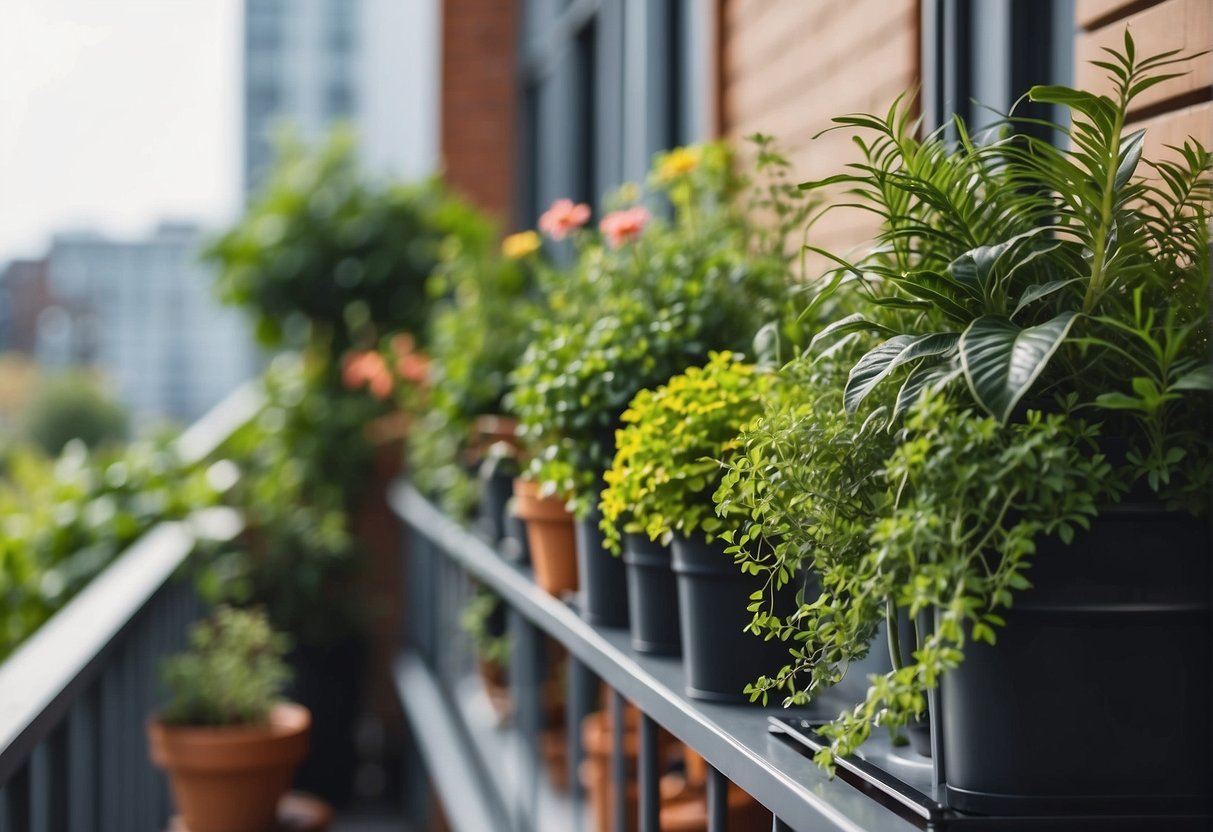
Selecting the right containers and planters for your balcony garden living wall can transform your outdoor space into a lush vertical oasis. With a variety of options, like freestanding planters and hanging baskets, you can create a unique and attractive display.
Choosing the Right Containers
When planning your balcony garden living wall, the choice of containers is crucial.
- Pots: They are the most common. Ensure they have proper drainage and are of a size suitable for the plants you wish to grow.
- Window Boxes: Perfect for railing edges and providing lengthwise coverage, window boxes must be securely mounted.
- Hanging Baskets: Utilize air space effectively but remember they will need more frequent watering.
- Pallets and Crates: Great for a rustic look and can be mounted or stacked to conserve space.
Assess the weight allowance of your balcony and the robustness of the structures you opt to use.
Innovative Planter Ideas
Creativity can flourish when it comes to planter ideas for a living wall.
- Vertical Planters: They save on floor space and can provide eye-catching green walls.
- Freestanding Planters: These offer flexibility to move and adjust your plant display easily.
- Containers Made of Upcycled Materials: Consider crates or pallets that can be turned into attractive planters for an eco-friendly choice.
Incorporating hanging planters can also add depth to your living wall, making it a dynamic piece of your outdoor decor.
Balcony Garden Care
Proper care ensures your balcony garden thrives. Effective watering, soil management, and regular maintenance are critical.
Watering and Drainage
Balanced watering is crucial for your balcony garden. Ensure each plant receives the amount of water it needs; use pots with drainage holes to prevent waterlogging. Here’s a simple guide:
- Succulents and cacti: Sparingly; allow soil to dry between sessions
- Herbs and vegetables: Keep evenly moist; more frequent watering
- Flowers and ornamentals: Follow specific recommendations for each species
Fertilizing and Soil Management
Fertilizing boosts the growth and health of your balcony plants. Utilize a balanced, water-soluble fertilizer every month during the growing season. Keep in mind:
- Herb Gardens: May prefer organic options like fish emulsion or compost tea
- Flower Gardens: Often require a fertilizer higher in phosphorus for blooms
Remember to refresh potting soil annually to maintain fertile growing conditions.
Garden Maintenance
Routine maintenance keeps your garden looking its best. Trim back excess growth to shape plants and encourage new growth. Periodically:
- Inspect for pests and treat them promptly
- Clean leaves to ensure efficient photosynthesis
- Rotate your plants to ensure even light exposure
Follow these guidelines and your balcony garden will remain a verdant and vibrant extension of your living space.
Enhancing Balcony Aesthetics
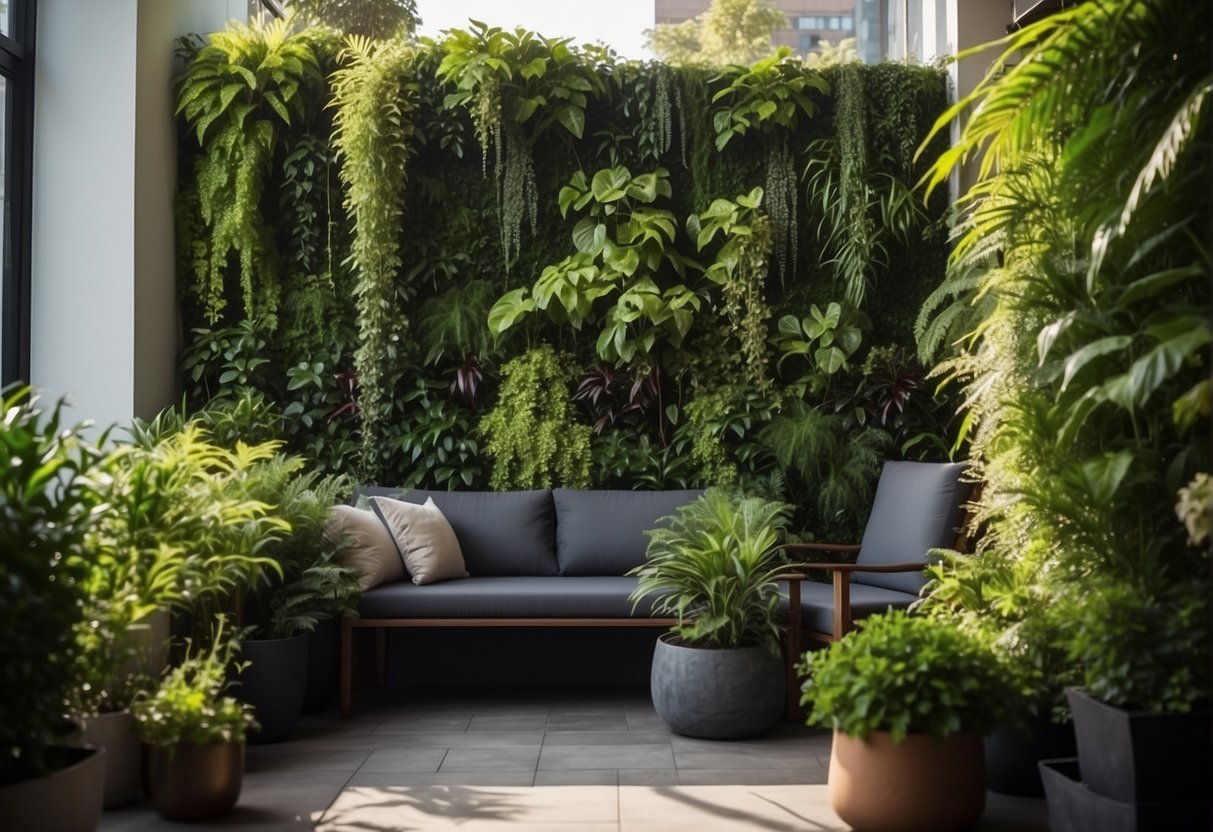
Transform your balcony into a serene oasis with lush greenery and stylish accessories. Choose plants that beautify your space and offer you a private retreat.
Using Greenery for Privacy
Vines and trailing vines create a natural screen, enhancing your balcony’s privacy. Installing a lattice or trellis gives these plants a structure to climb, promoting growth and coverage. Consider varieties like ivy or jasmine for a lush, dense barrier.
Ferns and pothos are excellent for adding volume and can be hung or placed on plant stands to maximize vertical space. The broad leaves of ferns serve as a natural partition, while the trailing nature of pothos can cascade down the balcony, softening the look and increasing privacy.
Decor and Garden Accessories
Incorporating moss into your balcony living wall adds a touch of texture and greenery, creating a seamless blend of the outdoors and your home.
A well-chosen rug can anchor your space, complement the greenery, and add comfort. Look for outdoor rugs that can withstand the elements and tie together your balcony’s aesthetic.
Decorative plant stands elevate your plants, offering diverse heights and allowing better organization within your balcony garden.
Specialty Gardens on Balconies
Creating a specialty garden on your balcony brings the joy of gardening to small spaces, crafting a lush, green oasis. Whether you’re growing fresh herbs for your culinary adventures, tending to a variety of fruits, or designing a garden theme that reflects your taste, utilize these smart strategies to maximize your small outdoor area.
Balcony Herb Gardens
For culinary enthusiasts, a balcony herb garden is a treasure trove. You can grow herbs like sage, lavender, thyme, basil, oregano, dill, rosemary, and chives. Opt for a vertical herb garden to save space—this can be done using hanging pots or modular planters attached to the wall. When organizing your herbs, place those that need the most sun at the top and the shade-tolerant ones below.
Small-Scale Fruit Gardens
You don’t need a large yard to enjoy homegrown fruits. Small-scale fruit gardens can thrive on balconies, with some fruits requiring surprisingly little space. Consider dwarf fruit trees or vine fruits like grapes or passion fruit that can be trained to grow upward on trellises. Fruit plants like strawberries can also be grown in hanging baskets, adding both flavor and visual appeal to your balcony.
Themed Balcony Gardens
Create your own special retreat by designing themed balcony gardens. Succulent enthusiasts might opt for a succulent wall, which creates a stunning visual impact and requires minimal maintenance. Alternatively, a Mediterranean theme using plants like lavender and rosemary can evoke the feeling of a Tuscan landscape. When selecting plants, consider their water and light requirements to ensure your themed garden thrives.
Additional Considerations
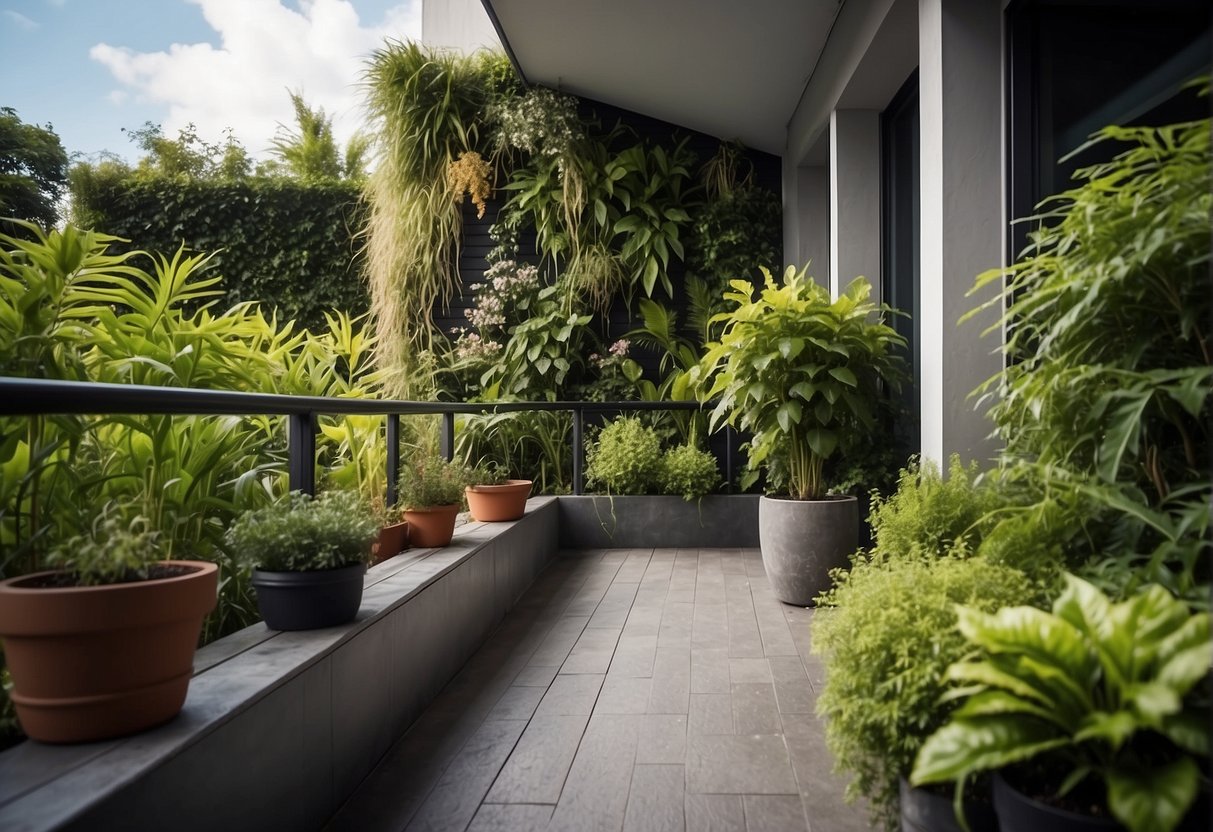
When cultivating a balcony garden, thoughtful planning is crucial for maximizing the limited space. Consider the implications of urban living, effective use of verticality, and a conducive microclimate to ensure your garden thrives.
Balcony Gardening in Urban Areas
As an urban gardener, you face the challenge of limited outdoor space. Yet, with creative small garden ideas, you can transform even the tiniest balcony into a lush retreat. Remember that light exposure varies significantly across the city landscape, so assess the sunlight availability on your balcony to choose suitable plants.
Space Optimization Strategies
Maximizing your balcony space means thinking vertically. Engage vertical space by installing a living wall or shelving that allows plants to grow upwards rather than outwards. Utilize hanging baskets and railing planters as space-saving solutions. Here’s an efficient way to organize your balcony garden:
- Wall Area: Install a living wall to save valuable floor space.
- Railings: Attach planter boxes to take advantage of underused areas.
- Floor Space: Choose stacking pots and multi-level plant stands.
- Storage: Opt for furniture with built-in storage to eliminate clutter.
Creating a Microclimate
By strategically placing certain plants and using water features or screens, you can create a microclimate on your balcony. This can lead to cooler temperatures and increased humidity which many plants love. Incorporating a variety of plant species can contribute to the desired microclimate and add to the overall biodiversity of your urban garden. Consider the following for temperature and humidity control:
- Water Features: A small fountain or birdbath adds moisture to the air.
- Windbreaks: Use dense plants or décor to shield your garden from strong winds.
- Shade Providers: Tall plants or umbrellas assist in managing light exposure.
Remember, your balcony can be an extension of your living space where patios and backyards are not an option. With careful planning, it becomes a personal haven of greenery for any urban gardener.
Benefits of Balcony Gardening
Balcony gardening offers you a unique opportunity to enhance the quality of your living space and your culinary experiences and your personal well-being. It also contributes positively to environmental sustainability.
Culinary Benefits
Flavor enhancement: You can enjoy fresh herbs and veggies right from your balcony to your kitchen, ensuring maximum freshness and taste. Having a variety of plants can also inspire a greater culinary exploration. Experiment with different flavors and recipes.
- Herbs: like basil and mint.
- Vegetables: such as tomatoes and peppers.
Health and Therapeutic Advantages
Stress reduction: Engage with nature by tending to your balcony garden, which is a therapeutic activity that can help lower stress levels. The process of growing and nurturing plants offers a sense of accomplishment and tranquility.
Air quality: Plants contribute to cleaner air, acting as natural air filters. This enhances your environment, making it healthier for you to breathe and live in.
Physical exercise: Gardening activities such as planting and watering serve as a form of low-impact exercise, which can improve your physical health.
Environmental Impact
Biodiversity: By choosing a range of plants for your balcony garden, you create a micro-habitat that supports biodiversity. This includes attracting beneficial insects and birds, which play a critical role in maintaining healthy ecosystems.
Temperature regulation: Plants on your balcony can help insulate your home by providing shade and reducing heat absorption. This can lead to energy savings as it helps keep your living space cooler naturally.
Remember, your choices of plants impacts the overall benefits of your balcony garden. Choose what suits your lifestyle and preferences, and watch as your outdoor space transforms into a source of daily enrichment.
Overcoming Challenges
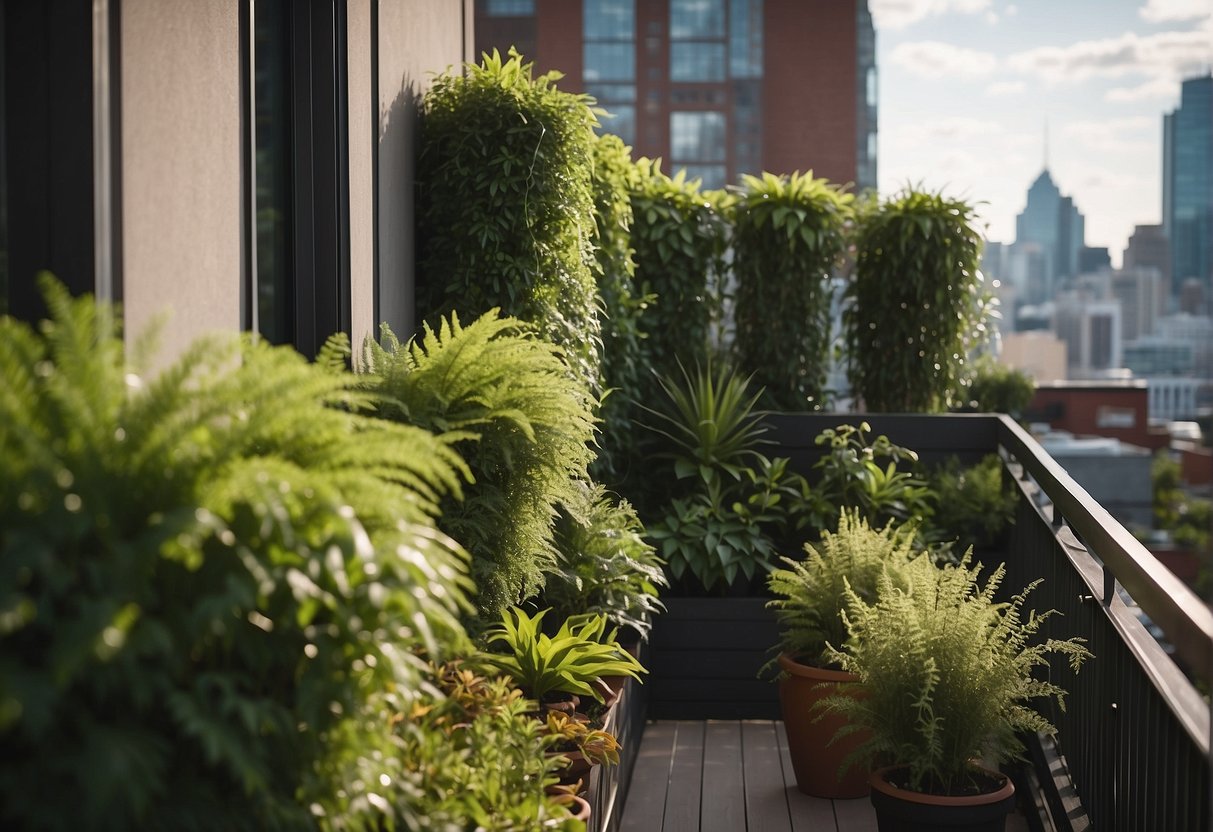
Creating a living wall in your balcony garden offers numerous aesthetic and environmental benefits. However, achieving success requires facing and overcoming several key challenges. This section provides focused advice on how to navigate these issues confidently, ensuring your garden thrives.
Dealing with Pests and Diseases
Pests and diseases can wreak havoc in even the most well-maintained balcony gardens. Regular inspection of your plants is crucial to catch problems early. Common pests like aphids or spider mites, can be eradicated using soapy water or neem oil as an organic solution. For diseases like mildew or rot, improving air circulation and reducing leaf wetness can help prevent outbreaks.
- Checklist for Pest Control:
- Inspect plants weekly
- Identify pests early
- Apply soapy water or neem oil if needed
- Preventive Measures for Diseases:
- Ensure good airflow
- Avoid overhead watering
- Remove infected leaves promptly
Managing Extreme Weather Conditions
Your balcony garden’s exposure to extreme weather conditions, such as heavy winds or intense full sun, can be a concern. To shield your garden from high winds, anchor larger plants and use windbreaks. In cases of prolonged full sun, opt for sun-loving plants or use a shade cloth during the hottest parts of the day to prevent scorching.
- Strategies for Weather Management:
- For wind: use sturdy containers and windbreaks
- For full sun: select drought-resistant plants and implement temporary shade
Balcony Gardening Tips
Implementing effective balcony gardening strategies goes a long way in tackling the challenges of extreme climates and spatial limitations. Choose plants suited to your hardiness zone and consider using vertical gardening techniques to make the most of your space. Remember, regular watering is key, but overwatering can lead to root rot, so ensure your pots have proper drainage.

- Tips for Optimizing Your Garden:
- Select climate-appropriate plants
- Use vertical space efficiently
- Ensure pots have drainage holes
By staying vigilant against pests and diseases, preparing for weather extremes, and applying effective gardening practices, you will have a vibrant balcony living wall in any backyard or urban setting.
Conclusion
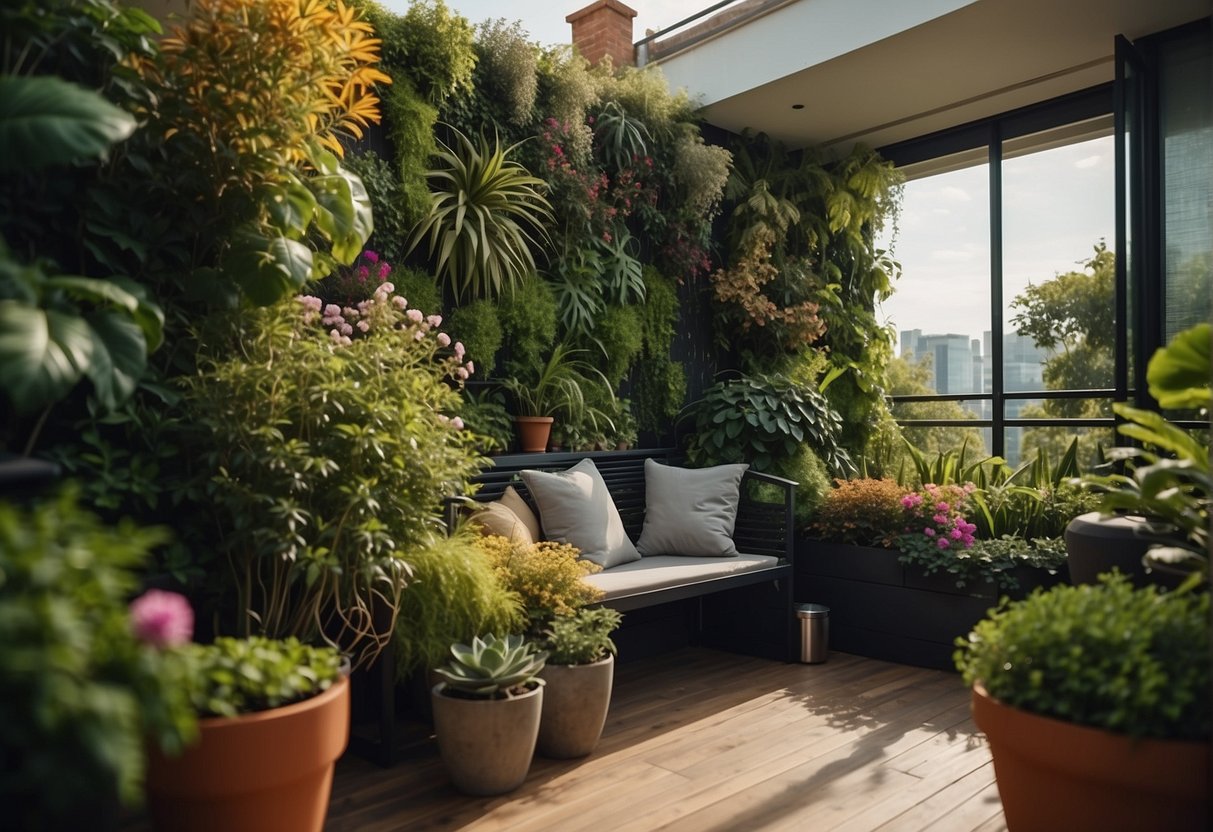
Transforming your balcony into a verdant garden oasis can be a rewarding endeavor. Integrating a living wall adds aesthetic appeal and contributes to the ecological value of your urban space. Here are the key takeaways to remember:
- Living walls are a unique and efficient way to utilize vertical space for gardening on your balcony. These structures bring life to urban areas, filling them with greenery.
- By selecting the right plants, you can ensure a thriving garden that requires minimal space. Succulents, ferns, and herbs are excellent choices for these vertical gardens.
- Regular maintenance, such as watering and pruning, is crucial. Investing in a system of modular panels, which allows for easy plant care, is a practical solution.
Resources
Before starting your balcony garden living wall, explore these specific resources to gather inspiration, connect with fellow gardening enthusiasts, and find detailed how-to guides. These are curated to help you make the most of small spaces and create a thriving vertical garden.
Balcony Garden Inspirations
For visually stunning balcony garden ideas, nothing beats browsing through a gallery of real-life examples. HGTV provides a detailed guide on How to Build an Outdoor Living Wall, where you can see innovative ways to maximize your balcony’s vertical space. This resource is ideal if you’re seeking inspiration for small balcony gardens or need practical advice about plant spacing and installation.
Online Gardening Communities
Participate in online gardening communities to exchange tips and tricks with others who share your interest in balcony and vertical gardens. Join forums and social media groups focused on gardening. This is where you can ask questions, learn from others’ experiences with small-space horticulture, and even delve into greenhouse gardening.
Further Reading and Tutorials
To deepen your knowledge, seek out further reading and tutorials. The New York Times offers an engaging case study of transforming a small space into a Garden Oasis that might just spark your creativity. Additionally, look for online courses and eBooks that cover a range of relevant topics from vertical garden ideas to the basics of apartment greenhouse care.
Frequently Asked Questions
What is a balcony garden living wall?
A living wall, also known as a green wall, is a vertical arrangement of plants and greenery. On your balcony, it involves installing containers or specialized systems to create a vertically tiered garden.
How do you water a living wall on a balcony?
Use a drip irrigation system for ease and efficiency. It delivers water directly to the plants’ roots and can be automated. Alternatively, water manually with a long-spout watering can, ensuring each container receives adequate moisture.
Can vegetables be grown on a living wall?
Yes, vegetables that grow well in containers, such as lettuce, spinach, and herbs, are suitable for a living wall.
What are the best plants for a balcony garden living wall?
Select plants based on the sunlight your balcony receives. Ferns, succulents, and ivies are generally hardy. For edible plants, consider herbs, leafy greens, and strawberries.
Will a living wall damage my balcony wall?
Not if installed correctly. Use waterproof backing and ensure proper drainage to prevent water damage.
| Concern | Solution |
|---|---|
| Watering | Drip irrigation or manual watering |
| Growing Vegetables | Select suitable container varieties |
| Plant Selection | Choose based on sunlight exposure |
| Preventing Damage | Waterproof backing; proper drainage |
How much weight can a balcony support for a living wall?
Check your balcony’s weight capacity to ensure safety. Consult with a structural engineer if necessary before installing a living wall, especially one that includes dense soil and heavy containers.
Related Posts:


balcony garden ideas balcony gardening city gardening container gardening DIY gardening DIY vertical garden eco-friendly gardening gardening gardening tips green living home decor living walls plant selection small space gardening sustainable gardening sustainable living urban gardening vertical garden