🪴Balcony Garden Paradise is reader-supported. When you buy through links on our site,
we may earn a small affiliate commission at no extra cost to you. As an Amazon Associate,
we earn from qualifying purchases. Happy Gardening from the team! 🌿
A tiny balcony can grow a surprising amount of food and beauty when you set it up right. You don’t need acres of land to grow your own herbs, salad greens, and a riot of flowers — you just need smart containers, a little sunlight, and a plan. Grab a cup of coffee and let’s chat about turning that empty concrete slab into your own little slice of green paradise.
Whether you’ve got a Juliet balcony barely big enough for two feet and a chair, or a wide terrace begging for a full urban garden, container gardening works. It’s flexible, forgiving, and honestly kind of addictive once you get started. You get to pick your own mix of edible container garden favorites and pretty potted plants, arrange them however you like, and rearrange them again next season if you change your mind.

This is about building a balcony garden that earns its keep. Fresh basil for dinner. A pot of strawberries the kids can pick. Petunias spilling over a railing planter just because they make you smile. Container gardens let you have all of it in one small outdoor space, and that’s the real magic of balcony gardening.
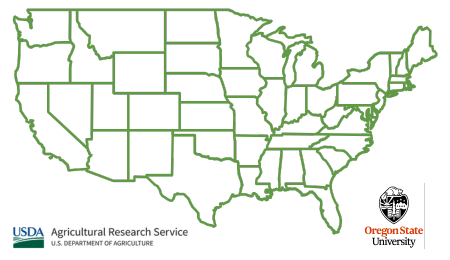
The 2023 USDA Plant Hardiness Zone Map was created by Oregon State University (PRISM Climate Group) and released by the USDA.
Start With a Balcony Layout That Makes Room to Grow
A little planning before you buy a single pot saves you from a cluttered, tippy mess later. Think of your balcony as a tiny stage: you need to know your light, your wind, your weight limits, and your traffic flow before you start filling it with pots and planters.
Check Sun, Wind, Weight Limits, and Building Rules
Watch your balcony for a day before you plant anything. Note how many hours of direct sun it gets, because that number decides almost everything else about your container plants.
Wind is a bigger deal on balconies than in backyards, especially above the third floor, so lightweight pots can tip or dry out fast. Check with your building or landlord about weight limits and any rules on hanging planters, and get specific tips for breezy spots from this guide on gardening on a windy balcony.
Create Clear Zones for Seating, Growing, and Watering
Split your balcony into zones the way you’d zone a small room. One corner for a chair, one wall for growing, and a spot near the door for your watering can.
This keeps the whole space feeling like a balcony oasis instead of an obstacle course. Leaving a clear walking path also matters for safety, especially if you’re carrying a full watering can.
Choose a Simple Planting Plan for Your Available Light
Match your plant list to your actual light before falling for every pretty photo online. Full sun spots (six or more hours) can handle tomatoes and most flowering plants, while shadier balconies do better with leafy greens, ferns, and shade-loving foliage.
Sketch a rough plan on paper first. It’s a small step that keeps your urban jungle from turning into an overcrowded jungle-jungle.
Save Floor Space With Vertical and Hanging Designs
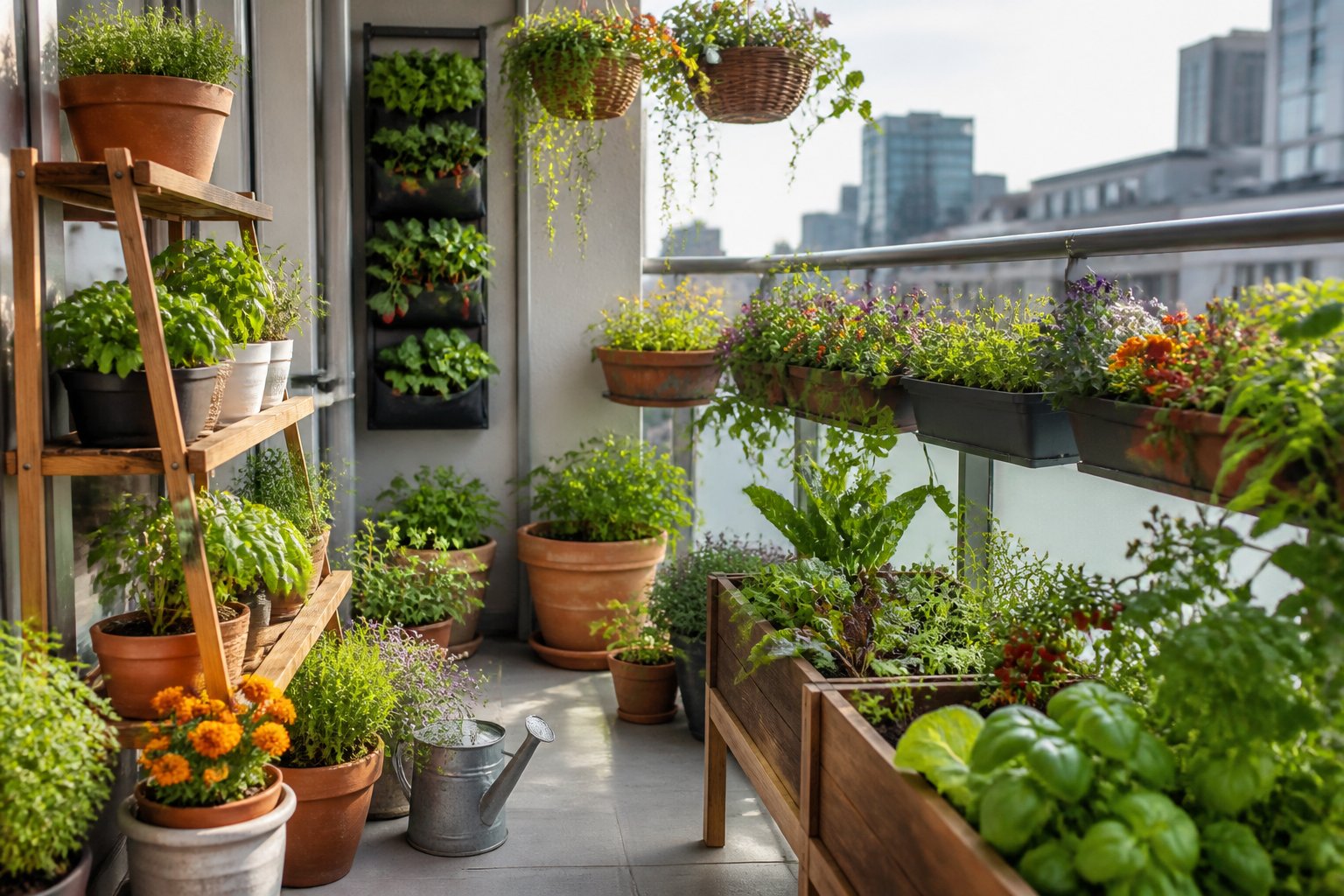
Growing up instead of out is the single best trick for a small balcony. Vertical gardening turns bare walls and railings into growing space, so your floor stays open for a chair, your feet, or the dog.
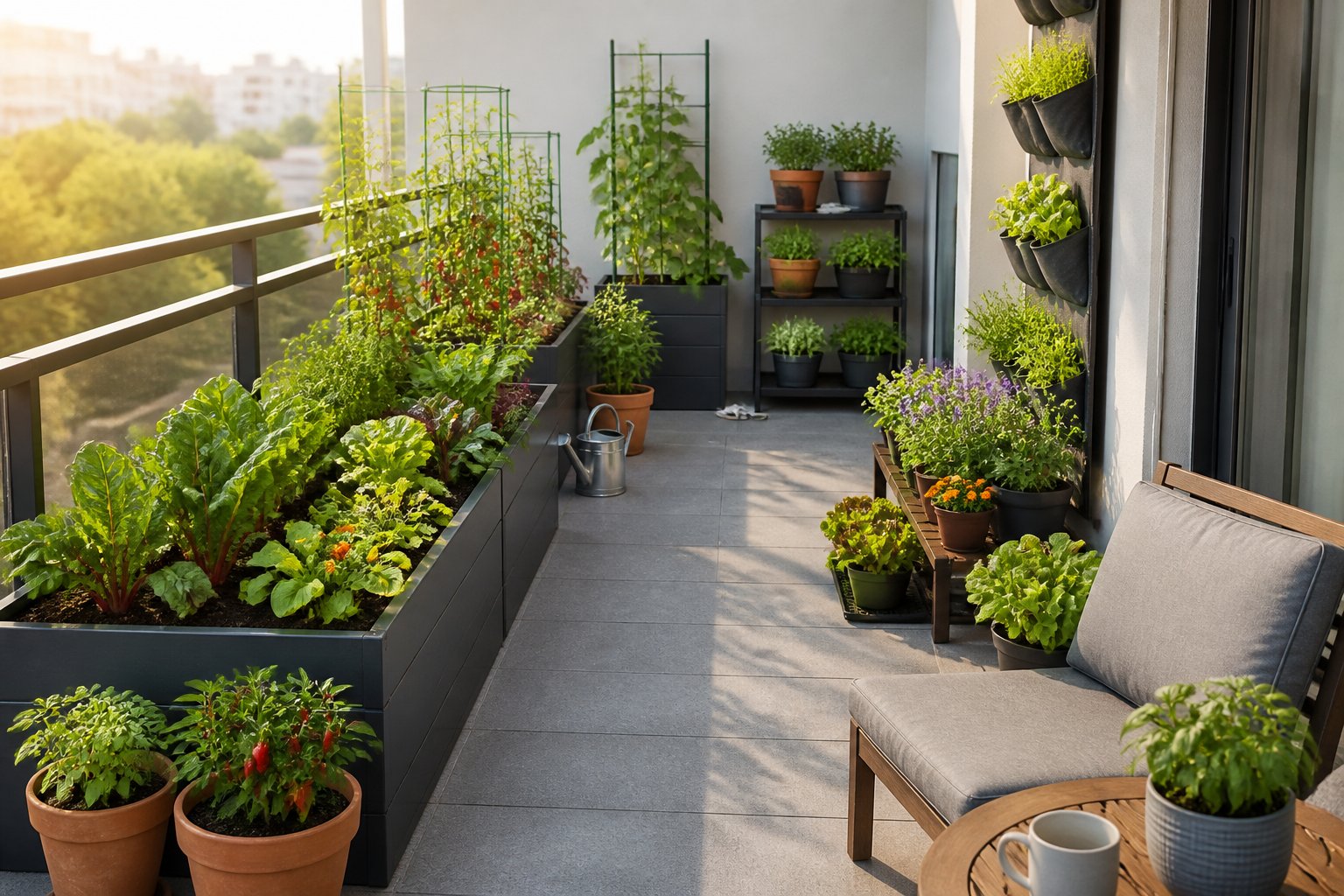
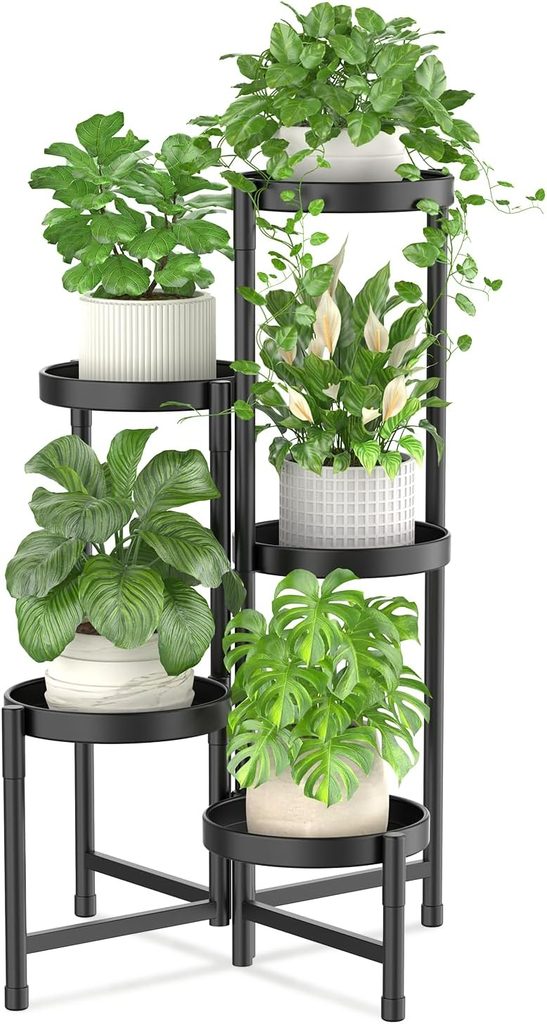
A living wall, a set of tiered planters, and a few hanging baskets can hold as many plants as a small garden bed, all without eating up floor space. Mixing heights also just looks better, giving your balcony that lush, layered feel real gardens have.
Build a Productive Vertical Garden on a Bare Wall
A blank wall is prime real estate for a vertical wall garden. Wall-mounted planters, pocket-style living walls, or a simple shoe organizer repurposed as planting pockets can hold a full herb garden in about two square feet.
Vertical growing systems let you fit more plants into the same footprint by stacking them, which is exactly why they show up again and again in creative vertical container gardening setups. Group plants with similar water needs together so you’re not overwatering some while starving others.
Use Railings, Window Boxes, and Hanging Baskets
Railing planters and window boxes turn unused edges into growing space instantly. A hanging herb garden near your kitchen door means fresh chives or thyme are always within arm’s reach.
Wooden crates mounted at different heights add texture and charm without costing much. Just double-check your railing planters are rated for your specific railing width and clipped on securely, especially if wind is a factor.
Add a Trellis for Privacy and Climbing Crops
A trellis solves two problems at once: privacy and productivity. Climbing plants like peas, cucumbers, and even some compact tomato varieties will happily grow up a trellis instead of sprawling across your floor.
Trailing plants and cascading plants like ivy soften the hard lines of a trellis or railing beautifully. For more ways to layer privacy into your design, this piece on balcony garden design ideas is worth a look.
Grow an Edible Garden Within Reach of the Kitchen
Put your edible container garden as close to your kitchen door as your layout allows. The easier it is to step out and snip fresh herbs, the more often you’ll actually use them, which is the whole point of growing your own food.
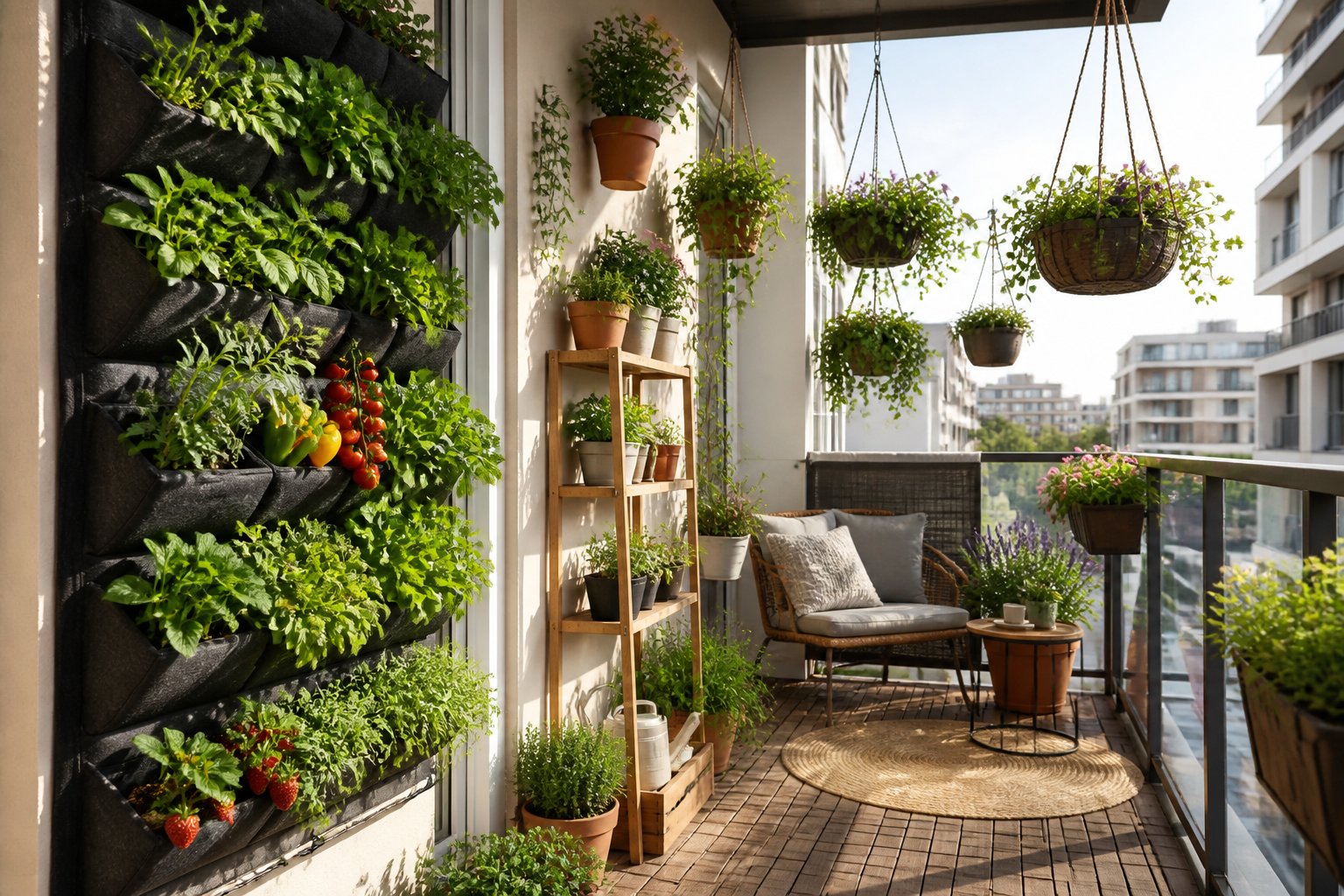
Most vegetables need containers at least 12 inches deep to grow well, though leafy greens can get by in wider, shallower pots, according to tricks for a productive edible container garden. Root vegetables like carrots want depth more than width, so tall narrow pots work great for those.
Plant a Cut-and-Come-Again Herb Garden
Cluster your herb garden together for a fragrant, productive little corner. Basil, mint, rosemary, thyme, oregano, cilantro, parsley, sage, chives, and lemon balm all do well in containers, and grouping them makes for a dense, pretty display that stays productive all summer, similar to the approach in these balcony container garden ideas.
Snip from the outside of the plant and leave the center growing. That’s the trick to getting weeks of fresh herbs from a single small pot.
Choose Vegetables That Earn Their Space
Pick vegetables bred for container life, since not every variety performs well in a pot. Look for words like “Patio” or “container” on the plant tag, especially for cherry tomatoes, eggplants, peas, and cucumbers, per these container-friendly variety tips.
Lettuce, spinach, and salad greens are some of the easiest wins for beginners because they grow fast and don’t need deep pots. Strawberries are another balcony favorite that gives you a real harvest from a hanging basket or railing planter.
Mix Edible Flowers and Fruit Into Decorative Pots
Nasturtiums, pansies, and marigolds aren’t just pretty. They’re edible, they attract pollinators, and marigolds can even help discourage some pests near your vegetables.
Tuck a few edible flowers into your kitchen garden pots for color and a little kitchen flair. A pot of strawberries with trailing nasturtiums around the edge looks as good as it tastes.
Design Pots With Flowers, Foliage, and Personality
Flowers and foliage are what turn a balcony from “functional” into a true balcony oasis. Petunias, geraniums, begonias, impatiens, snapdragons, salvia, dahlias, tulips, and daffodils all bring color, while lavender, roses, and hydrangeas add fragrance and old-fashioned charm.
Make Colorful Containers With Thrillers, Fillers, and Spillers
A classic mixed pot uses three roles: a tall “thriller” in the center, bushy “fillers” around it, and trailing “spillers” cascading over the edge. Salvia or a dahlia can be your thriller, geraniums or begonias fill in the middle, and trailing vines or petunias spill over the rim.
This formula makes any pot look designed on purpose, even if you just grabbed whatever looked pretty at the garden center. Pairing flower colors that echo each other across several pots pulls your whole balcony together visually.
Create Low-Maintenance Succulent and Foliage Displays
Succulents, cacti, and snake plants are the answer for balconies with hot sun and forgetful waterers. A shallow succulent bowl garden takes almost no care and still looks intentional and full.
Ferns and ornamental grasses add movement and texture in shadier corners. A small bonsai tree or a potted olive tree can anchor a display with a bit of quiet, sculptural drama.
Choose a Style From Mediterranean to Whimsical
Terracotta pots and an olive tree lean Mediterranean, while ceramic pots in bright colors and a scattered fairy garden lean whimsical and fun. Wooden planters bring a cozy, cottage feel that pairs nicely with lavender and roses.
Picking one style and sticking with it, at least loosely, keeps your container gardens from feeling like a mismatched collection. For more direction on pulling a look together, check out these balcony garden themes.
Keep Your Containers Healthy Without Making It a Chore
Healthy container plants come down to three things: good drainage, the right soil, and consistent watering. Skip any one of these and even the prettiest planter setup will struggle.
Use the Right Potting Mix and Containers With Drainage
Containers need drainage holes, full stop. Standing water rots roots fast, so any pot without a hole needs one drilled before you plant anything in it.
Skip garden soil and use potting mix instead, since garden soil compacts in containers and chokes root growth. Potting mix drains well while still holding onto the moisture your plants need.
Make Watering Easier With Smart Planters and Simple Routines
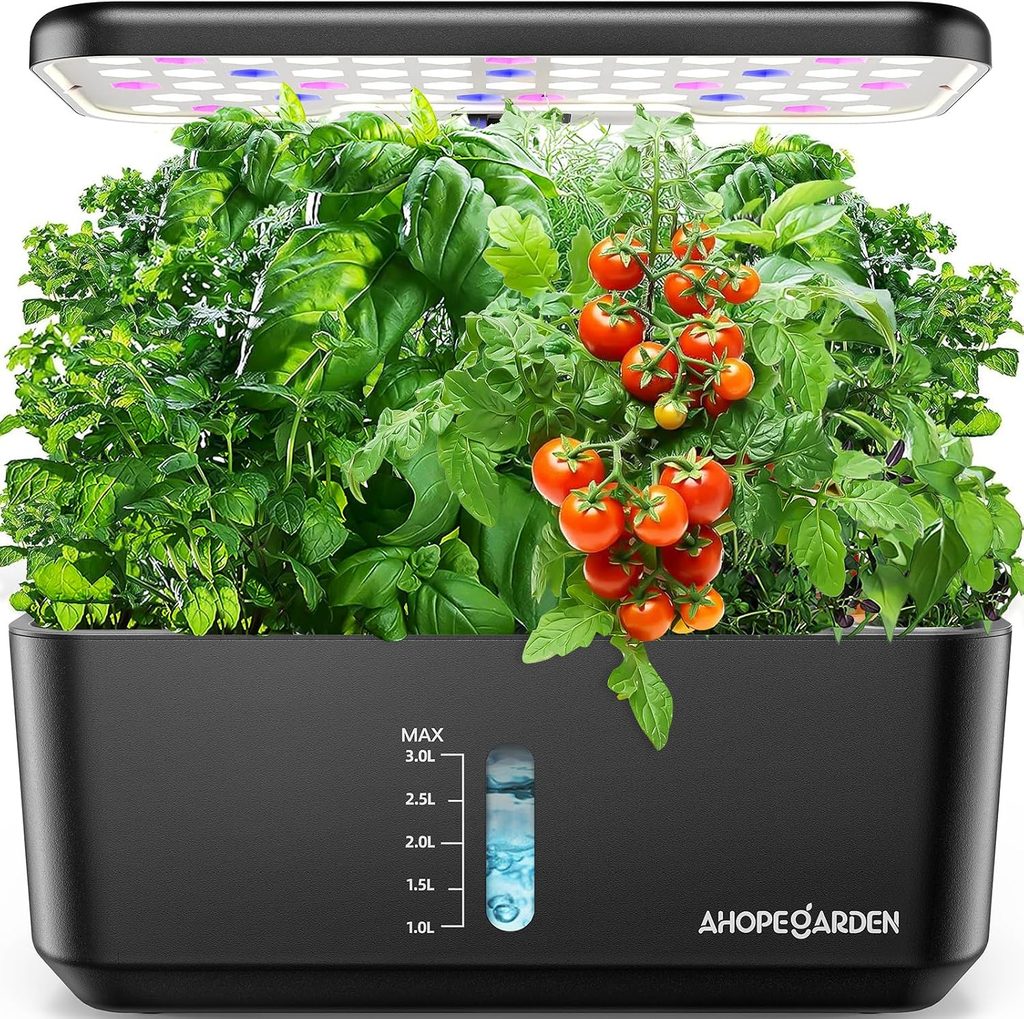
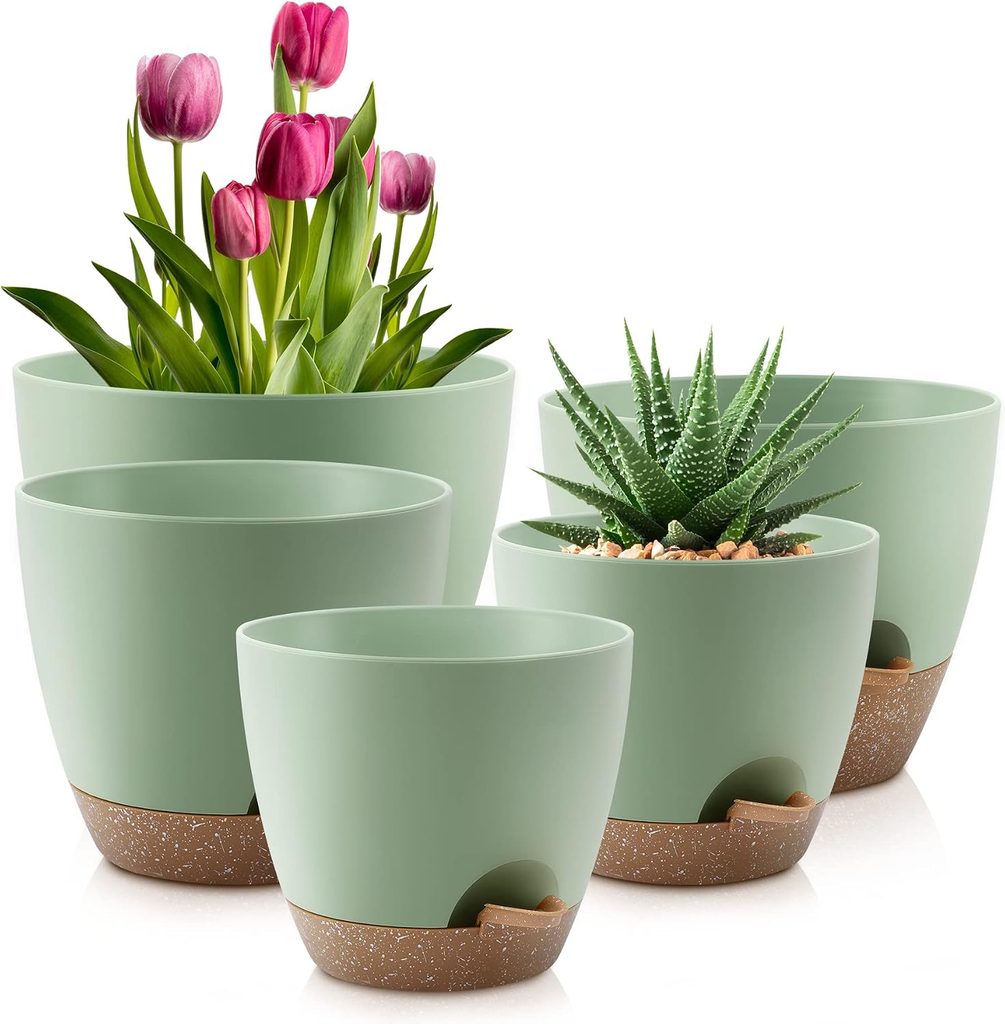
Self-watering planters take a lot of guesswork out of your routine. These built-in reservoirs keep soil moisture steady, which matters a lot on a balcony since pots dry out faster than in-ground beds and may need watering daily in hot weather.
A simple morning routine, watering before the sun gets intense, keeps roots hydrated through the heat of the day. Grouping thirsty plants also makes watering day faster and more efficient.
Feed, Prune, Support, and Refresh Plants Through the Seasons
Container plants rely on you for every nutrient, since their roots can’t stretch out to find more. A slow-release fertilizer worked into the soil at planting, topped off with a liquid feed during peak growing months, keeps heavy feeders like tomatoes productive.
Refresh potting mix at least once a year rather than reusing old, depleted soil. Prune spent blooms and stems regularly to keep plants full and productive instead of leggy.
A Small Balcony Can Grow Big Rewards
A balcony full of containers can feed you, calm you, and turn heads, all at the same time. Container gardening proves that you don’t need a backyard to grow real food and real beauty; you need smart choices about light, water, and layout.
Start small if you need to. One herb pot by the door, a hanging basket of petunias, a tomato in a big container by the railing. Your balcony garden ideas can grow as fast (or as slowly) as you want them to, and every pot you add makes that balcony oasis a little more yours.
Ready to get planting? Check out our favorite space-saving planters and self-watering containers on Amazon to get your own balcony garden growing today.
Frequently Asked Questions
What are the best container plants for a sunny balcony?
Tomatoes, peppers, and most flowering plants like petunias, geraniums, and salvia thrive with six or more hours of direct sun. Succulents and lavender also handle bright, hot balconies well since they’re built to tolerate dry, sunny conditions.
What can I grow on a small apartment balcony?
You can grow a full herb garden, salad greens, strawberries, and compact vegetables like cherry tomatoes even in a few square feet. Vertical planters, railing boxes, and hanging baskets let you fit far more plants into a tight space than floor pots alone.
How do I make a balcony garden look full without crowding it?
Layer plant heights using tiered planters, hanging baskets, and wall-mounted pots so greenery fills vertical space instead of floor space. Mixing trailing plants like ivy with upright thrillers such as dahlias or salvia also creates a lush look without cramming pots together.
Which vegetables grow best in pots on a balcony?
Lettuce, spinach, and other salad greens are the easiest since they grow fast in shallow pots. Cherry tomatoes, eggplants, peas, and cucumbers do well too, especially container-bred “patio” varieties in pots at least 12 inches deep.
How can I keep balcony containers watered while I am away?
Self-watering planters with a built-in reservoir keep soil moist for several days without you lifting a finger. A simple drip irrigation system on a timer is another reliable option for longer trips away from home.