🪴Balcony Garden Paradise is reader-supported. When you buy through links on our site,
we may earn a small affiliate commission at no extra cost to you. As an Amazon Associate,
we earn from qualifying purchases. Happy Gardening from the team! 🌿
Growing Meyer lemon trees your balcony garden offers a fresh twist to your urban green space, bringing both vibrant color and a citrusy aroma to your outdoor nook. These compact evergreens are well-suited for container gardening, making them an ideal choice for balconies and small patios. Your very own Meyer lemon tree can provide not only aesthetic appeal with its shiny, dark green leaves and fragrant white blossoms but also the delightful prospect of harvesting home-grown, subtly sweet lemons.

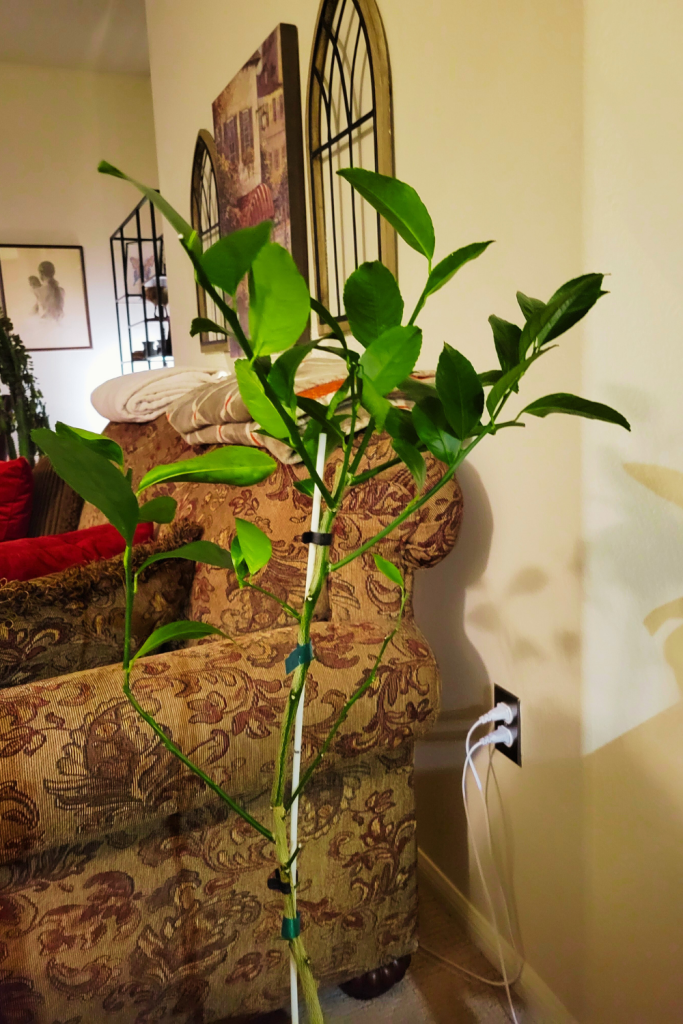
Tom and I received a wonderful gift of an adorable Meyer Lemon Tree from our son’s family. We were so excited! It arrived in a very healthy state and we excitedly went to find a new pot that would look great on our balcony. It’s too early in the season to put it there since the nights, even here in southern California, can get quite cool. It is now adjusting to its new environment and we can’t wait to take it outside for some sunshine and warmth. 😉

Caring for Meyer lemon trees on your balcony garden requires paying attention to a few key elements such as adequate sunlight, regular watering, and appropriate feeding. Luckily, these citrus trees thrive in pots, allowing you to manage their environment more easily compared to garden-planted counterparts. By establishing a nurturing routine, you can ensure the health of your Meyer lemon tree, encouraging it to bear fruit that can brighten up your recipes and your home.

The 2023 USDA Plant Hardiness Zone Map was created by Oregon State University (PRISM Climate Group) and released by the USDA.
With careful selection of the right-sized pot, an understanding of the tree’s watering needs, and a strategy for dealing with pests and diseases, you can successfully nurture a Meyer lemon tree in your balcony garden. The joy of picking a plump, home-grown Meyer lemon straight from your balcony is a satisfying reward for any urban gardener. Embrace the chance to elevate your gardening experience by adding this lovely and productive tree to your collection of balcony plants.
Choosing the Right Container

When adding a Meyer Lemon Tree to your balcony garden, selecting the appropriate container is critical for its health and productivity. Keep in mind that container size, material, and drainage capabilities will affect the tree’s growth.
Selecting Size and Material
Your Meyer Lemon Tree requires adequate space to thrive, so start with a large container that is at least 12-18 inches deep and wide. This will allow the roots to spread and support the weight of the tree. As for materials, ceramic pots can provide aesthetic appeal and weight for stability, but they may be porous and dry out quickly. Plastic pots are lighter and retain moisture better, but can become brittle over time. A durable and breathable option like wood can strike a balance, offering good insulation during various weather conditions.
Importance of Drainage Holes
Drainage holes are non-negotiable for your Meyer Lemon Tree’s container. Without proper drainage, water can accumulate at the bottom of the pot, leading to root rot and fungal diseases. Ensure the pot has multiple holes at the bottom, and consider elevating the container with pot feet or a wheeled base to improve water flow. If needed, line the bottom of the pot with a layer of gravel or pebbles to enhance drainage further.
Understanding Soil and Potting Mix

Choosing the right soil and potting mix is essential for the health of your Meyer Lemon Tree on your balcony garden. Let’s focus on the importance of well-draining soil characteristics and the ways to balance pH and nutrients for optimal growth.
Well-Draining Soil Characteristics
Your Meyer Lemon Tree requires soil that provides excellent drainage to prevent root rot. Well-drained potting soil typically consists of a combination of peat, pine bark, and perlite or sand. These components work together to ensure excess water flows freely through the soil, preventing harmful water build-up around the roots. Here’s a quick reference table highlighting the ideal soil composition for your lemon tree:
| Component | Purpose | Benefit to Meyer Lemon Tree |
|---|---|---|
| Peat | Retains necessary moisture. | Provides hydration balance. |
| Pine Bark | Creates airspace in soil. | Facilitates root growth. |
| Perlite/Sand | Promotes water drainage. | Prevents soil compaction. |
Balancing pH and Nutrients
Meyer Lemon Trees thrive in slightly acidic soil, with an ideal pH range being between 6.0 to 7.0. To maintain this balance, incorporate a potting soil formulated for citrus trees or use additives like sulfur or peat moss to adjust the pH as needed. Pay attention to the nutrient composition as well, ensuring your potting mix includes essential elements like nitrogen, phosphorus, and potassium. Regularly test your soil’s pH to keep your tree in the best growing condition. Here’s what to aim for:
- Soil pH: 6.0 to 7.0 (slightly acidic)
- Nutrients: Balanced N-P-K ratio according to citrus fertilizer recommendations
Remember, your Meyer Lemon Tree’s success starts with the soil—it anchors, nourishes, and supports the tree’s life. With the right well-draining potting mix and pH balance, your balcony garden will become a thriving haven for your citrus delight.
Caring for Your Meyer Lemon Tree
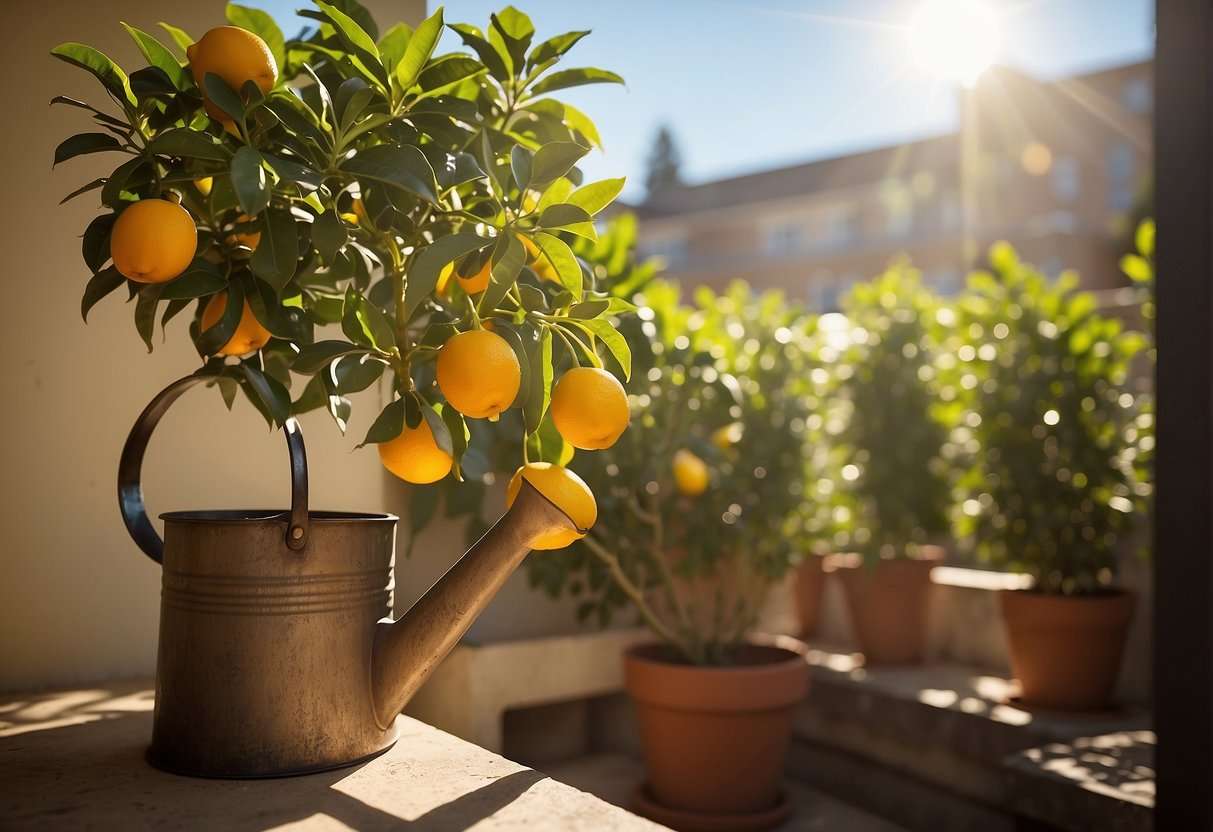
Cultivating a Meyer lemon tree on your balcony requires precise attention to its watering, sunlight, and temperature needs to ensure a healthy, fruitful plant.
Watering and Moisture Control
Your Meyer lemon tree thrives in evenly moist soil; it’s crucial to establish a watering schedule that maintains consistent moisture without waterlogging the roots. Water deeply when the top 2-3 inches of soil is dry to the touch. During the hotter months, increased frequency may be necessary. Monitor humidity levels as well, since Meyer lemon trees benefit from moderate humidity. A pebble tray or occasional misting can help increase the ambient humidity around your tree.
Sunlight and Temperature Requirements
Meyer lemon trees demand plenty of sunlight; aim to provide at least 6-8 hours of direct sun daily. A south-facing balcony is ideal. Although they enjoy full sun, high summer temperatures can stress the plant, so consider some afternoon shade if temperatures soar. Meyer lemon trees perform best in temperatures ranging from 50°F to 80°F. Protect your tree from cold drafts and frost by bringing it indoors if necessary during cooler months.
Fertilizing for Healthy Growth

To ensure your Meyer lemon tree thrives on your balcony, the selection of the appropriate fertilizer and adhering to a specific fertilizing schedule are crucial. Your tree requires essential nutrients, particularly nitrogen, for healthy foliage and fruit production.
Choosing the Right Fertilizer
When selecting a fertilizer for your Meyer lemon tree, opt for a slow-release all-purpose fertilizer that is specifically formulated for citrus trees. These fertilizers typically contain a balanced ratio of key nutrients, including nitrogen, which is vital for leaf growth and overall health. Using a high-nitrogen fertilizer can result in lush foliage at the expense of fruit, while too little can lead to poor growth and low yield.
Fertilizing Schedule and Techniques
Your Meyer lemon tree will benefit from a regular fertilizing schedule. During the growing season, which is from spring to summer, fertilize your tree every 4-6 weeks. Once fall arrives, reduce the frequency to once every 2-3 months. This schedule encourages consistent, healthy growth throughout the year.
- Spring to Summer: Fertilize every 4-6 weeks.
- Fall to Winter: Fertilize every 2-3 months.
Apply the fertilizer according to the instructions on the package, and always water your tree well after applying the fertilizer to help distribute the nutrients evenly through the soil. Be careful not to over-fertilize, as this can lead to salt buildup in the soil and potentially harm your tree.
Pruning and Maintenance

Proper pruning and maintenance of your Meyer lemon tree are crucial for healthy growth and bountiful fruit production. By staying on top of these tasks, you can ensure your tree thrives even in a balcony garden setting.
When and How to Prune
Pruning should be done annually, focusing on the late winter or early spring before new growth begins. To prune your Meyer lemon tree:
- Sterilize your pruning shears with rubbing alcohol to prevent the spread of disease.
- Remove any dead or diseased branches first, cutting back to healthy wood.
- Trim off any suckers or water sprouts that grow from the base or along the trunk.
- Cut back branches that cross each other to improve sunlight penetration and air circulation.
- Prune to shape the tree, keeping it manageable for your space, typically within 3 to 5 buds from the base of last year’s growth.
By following these steps, you encourage healthy growth and reduce the risk of branch crowding and disease.
Dealing with Pests and Diseases
Meyer lemon trees on your balcony may encounter common pests such as aphids and spider mites, which can be identified by a sticky residue on leaves or tiny webs. To control these pests:
- Regularly inspect your tree for signs of infestation, especially under leaves.
- Use a strong stream of water to dislodge aphids and mites.
- Apply insecticidal soap or neem oil to affected areas, following product instructions for optimal effectiveness.
Additionally, keep an eye out for yellowing leaves, which can indicate a pest problem or a nutritional deficiency. Addressing issues promptly minimizes damage and keeps your Meyer lemon tree in top condition.
Propagating and Repotting Techniques
Successfully propagating and repotting your Meyer Lemon Tree ensures a thriving presence on your balcony. These techniques allow you to enjoy the fruits of your labor with bountiful lemons in the comfort of your urban oasis.
Steps for Propagating Meyer Lemons
When you set out to propagate a Meyer Lemon Tree, it’s essential to use a method that promotes healthy growth. Cuttings are a popular and effective way to achieve this:
- Select a Healthy Cutting: Choose a 4-6 inch stem with at least two sets of leaves, snipping just below a leaf node.
- Prepare the Cutting: Remove leaves from the bottom half and dip the cut end in rooting hormone.
- Plant the Cutting: Place it in a pot with moistened soilless potting mix ensuring the leaf nodes are buried.
- Create Humidity: Cover the cutting with a clear plastic bag to create a humid environment, making sure not to let the plastic touch the leaves.
- Monitor Growth: Keep the soil moist and wait for roots to develop, which may take up to a few weeks.
Knowing When to Repot
Repotting your Meyer Lemon Tree is critical for its continuous growth. Here’s how to recognize when it’s time:
- Rootbound Signs: If you notice roots peeking out of the drainage holes or circling the surface of the soil, it’s time to repot.
- New Pot Selection: Choose a new pot that is 1-2 inches larger in diameter than the current one to allow for growth.
Here are steps to repot safely:
- Water the Tree: Ensure the soil is moist a day before to reduce transplant stress.
- Prepare the New Pot: Add a layer of soil to the bottom of the new pot for the roots to sit on.
- Transfer the Tree: Gently remove the tree, untangle roots if necessary, and place it in the center of the new pot.
- Add Fresh Soil: Fill in around the roots with more soilless potting mix, pressing down to remove air pockets.
Repotting your Meyer Lemon Tree on your balcony can be quite straightforward if you follow these steps. A newly repotted tree will have more space to grow and will likely produce more abundant and healthier fruit. Remember that both propagating and repotting are critical to the long-term health and productivity of your Meyer Lemon Tree.
Winter Care Tips


To ensure your Meyer lemon tree thrives on your balcony garden during winter, it’s essential to provide sufficient protection and appropriate lighting conditions. These measures are especially crucial if you live in colder climates or if your balcony doesn’t receive enough natural light.
Protecting from Cold
For those in warmer climates, overwintering a Meyer lemon tree on your balcony might be as simple as providing a bit of extra shelter on the coldest nights. However, in colder regions, you need to be diligent. Start by wrapping the pot with bubble wrap or burlap to insulate the roots from freezing temperatures. Additionally, consider moving your tree to a sheltered area, perhaps closer to the building, where it can benefit from residual heat. On especially chilly nights, you might bring the tree indoors to ensure it isn’t damaged by frost.
Utilizing Grow Lights and Indoor Heating
When natural sunlight is scarce, grow lights can be a great ally in keeping your Meyer lemon tree healthy. Position LED or fluorescent grow lights above your tree to simulate sunlight, promoting photosynthesis and growth. These lights should be on for about 8-12 hours a day, mimicking the natural daylight hours. If you’ve moved your lemon tree indoors, maintain a room temperature between 65-75°F to keep the environment stable and conducive to growth. Being consistent with light and temperature will help your tree remain robust throughout the winter months.
Enjoying Your Harvest
Meyer lemons from your balcony garden can be a delightful treat. These citrus fruits have a sweeter, less acidic flavor than their traditional counterparts, making them ideal for a range of culinary uses.
When to Harvest:
- Meyer lemons are typically ready to pick when they have a deep yellow color.
- The skin should give slightly under pressure, indicating juiciness.
Preservation:
- Refrigeration can extend their shelf-life, keeping the lemons fresh for about four weeks.
- For a longer-term option, consider freezing the juice or zest.
Culinary Creations:
You can enhance desserts by incorporating Meyer lemon zest or juice to add a zesty flair. Here are some simple ideas:
- Lemon bars: A classic treat with a balance of sweetness and tartness.
- Cakes and tarts: Infuse batters with the juice for a moist, lemony dessert.
For a refreshing beverage, Meyer lemonade is unparalleled. Its natural sweetness may reduce the need for added sugars.
- Mix freshly squeezed Meyer lemon juice with cold water and sweeten to taste.
Creating cocktails with Meyer lemons can add an upscale twist to your gatherings.
- Squeeze the lemons into your favorite spirits accompanied by a touch of syrup or honey.
Lemon Care Tips:
- Regularly water: Ensuring your Meyer lemon tree receives enough water will affect fruit production.
- Pruning: Helps to maintain size and encourages healthier fruit.
Embracing your harvest promotes not just a cycle of sustainable balcony gardening but also an opportunity to savor the fruits of your labor in myriad delectable forms.
For tips on buying a Meyer Lemon Tree, check out this video: Buying Tips for a New Citrus Plant (Meyer Lemon Improved)
For some additional information about balcony gardening, here are a few articles for you:
- Natural Pesticides: Protect Your Balcony Garden the Eco-Friendly Way
- DIY Fertilizers: How to Make Your Own Nutrient-Rich Soil Additives