🪴Balcony Garden Paradise is reader-supported. When you buy through links on our site,
we may earn a small affiliate commission at no extra cost to you. As an Amazon Associate,
we earn from qualifying purchases. Happy Gardening from the team! 🌿
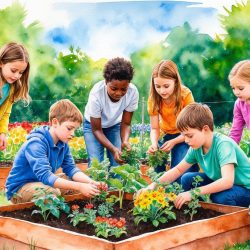
Gardening is a wonderful way to get kids outside and connected with nature. It teaches them about plants, responsibility, and the joy of growing something from seed.
To get started, you’ll need the right tools sized for little hands.

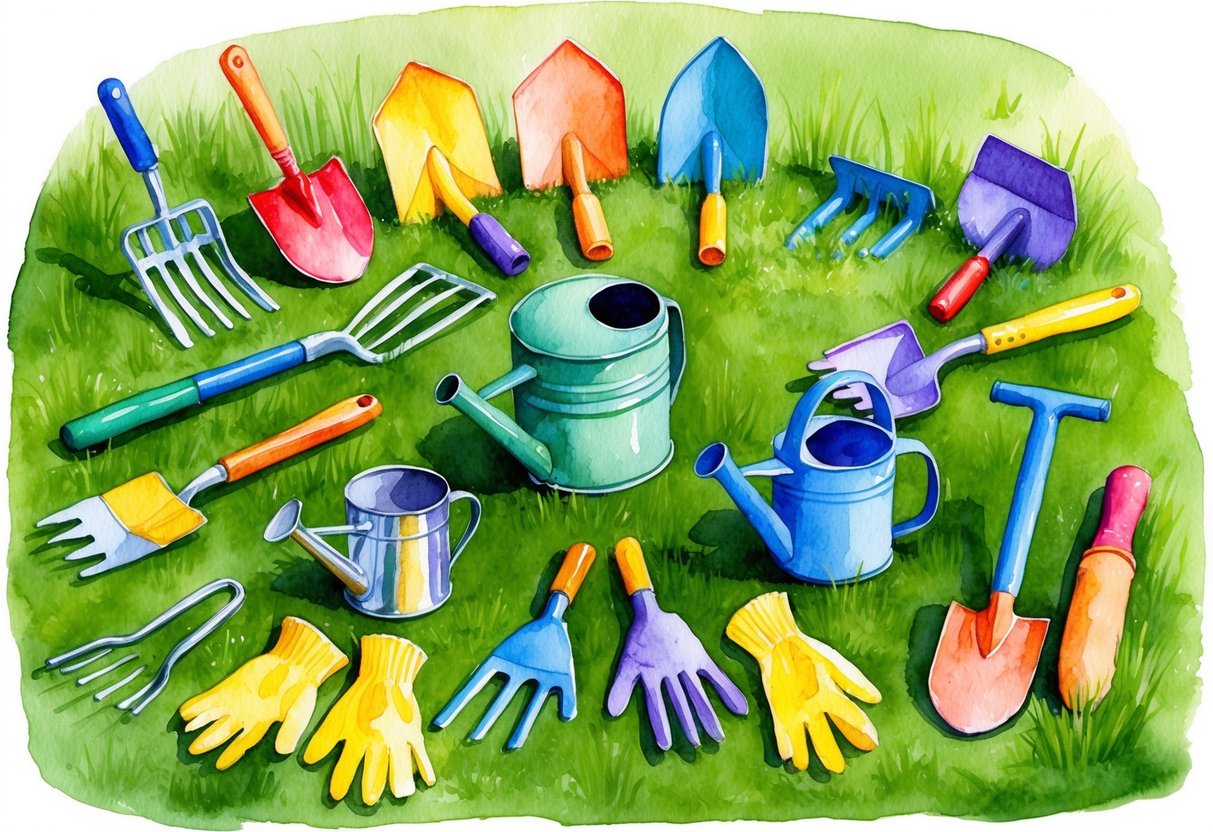
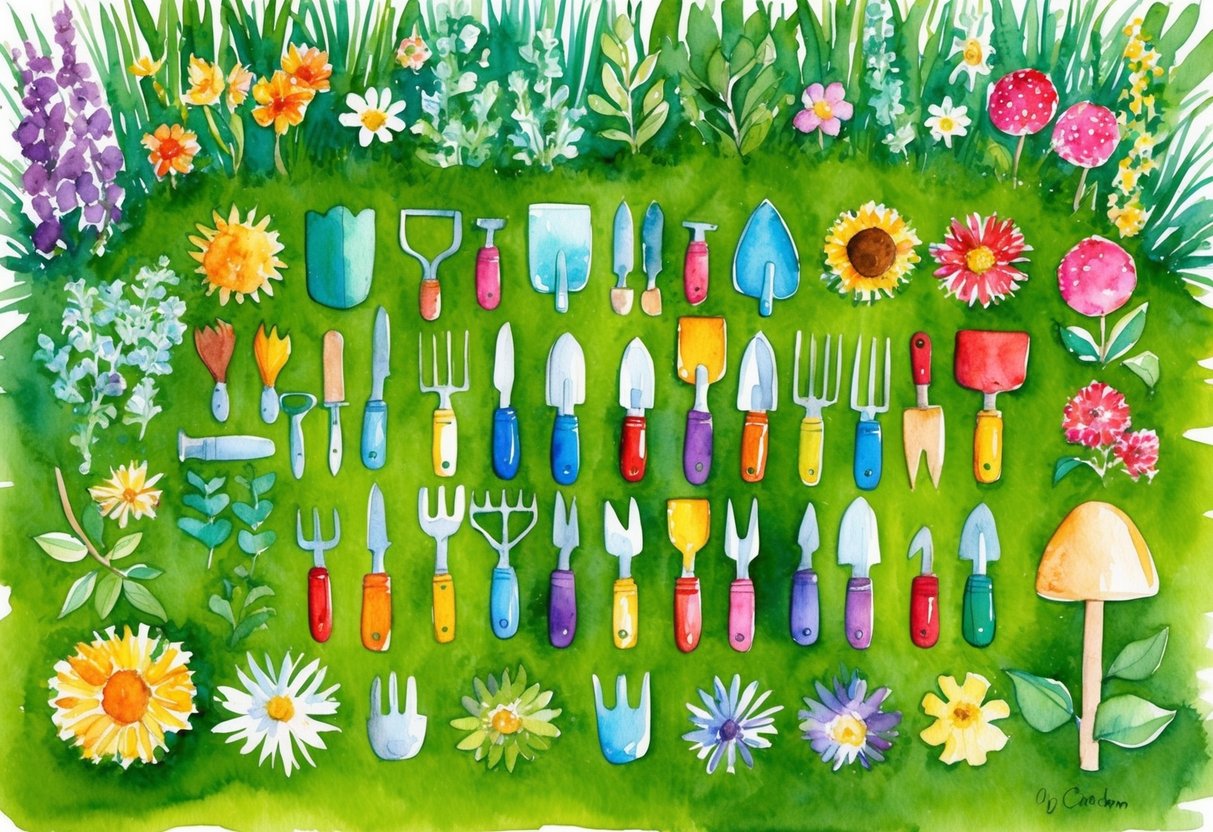
Kids’ gardening tools are smaller versions of adult tools, designed to be safe and easy for children to use. They often come in bright colors and fun designs to make gardening more exciting for young ones.
The 2023 USDA Plant Hardiness Zone Map was created by Oregon State University (PRISM Climate Group) and released by the USDA.
You can find sets that include child-sized shovels, rakes, watering cans, and gloves.
When choosing tools for your little gardeners, look for sturdy plastic or metal options that can withstand enthusiastic digging. Avoid sharp edges and opt for rounded tips on shovels and trowels.
Remember, the goal is to make gardening fun and safe for kids while teaching them valuable skills.
Key Takeaways
- Kid-sized tools make gardening safer and more enjoyable for children
- Gardening teaches kids about nature, responsibility, and patience
- Choose sturdy, colorful tools with rounded edges for young gardeners
Benefits of Gardening for Kids
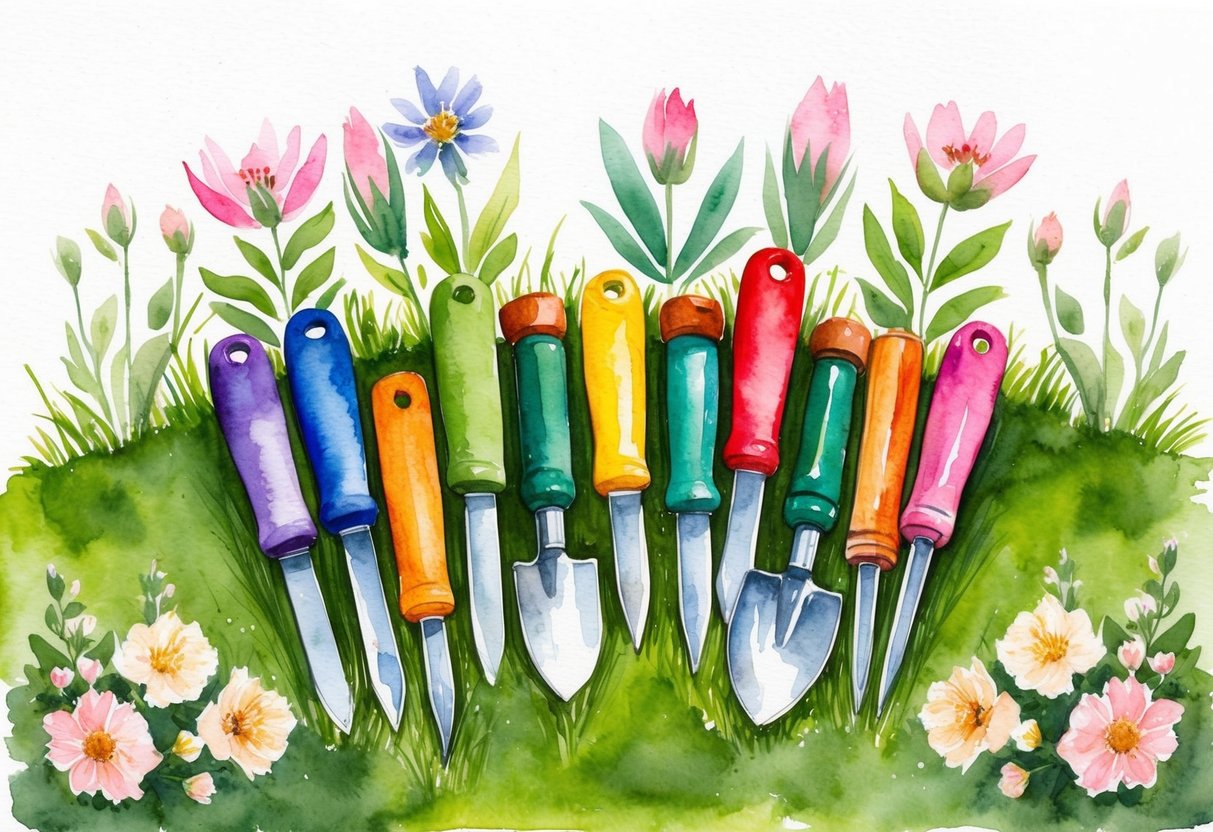
Gardening offers kids a world of fun and learning. It helps them grow in many ways, from building skills to making family memories.
Fostering Responsibility
When you give kids their own plants to care for, they learn to be responsible. They need to water the plants, pull weeds, and check for pests. This teaches them that their actions matter.
If they forget to water, the plant might wilt. But when they take good care, their plants thrive.
Kids feel proud when they see their plants grow big and strong. This boosts their self-esteem. They learn that hard work pays off. It’s a great way to show them how to stick with a task.
Enhancing Motor Skills
Gardening is great for kids’ bodies too. When they dig, plant, and water, they use their hands and fingers in new ways. This helps make their fingers stronger and more nimble. It’s good practice for writing and other fine motor skills.
Using tools like trowels and watering cans helps with coordination. Kids learn to control their movements better. They also build strength in their arms and hands.
These skills will help them in many areas of life.
Promoting Healthy Eating
Growing food can make kids more excited about eating fruits and veggies. When they plant a seed and watch it grow into food, they feel proud. They’re more likely to try what they’ve grown themselves.
Kids learn where food comes from. They see how much work goes into growing just one tomato. This can make them appreciate food more. They might even ask to try new veggies at the dinner table!
Encouraging Family Bonding
Gardening is a great way for families to spend time together. You can talk and laugh while you work side by side. It’s a chance to teach and learn from each other.
Working on a garden together creates shared memories. You can plan what to plant, watch things grow, and enjoy the harvest together.
It’s a fun activity that doesn’t cost much money. Plus, you get to enjoy the outdoors and nature as a family.
Essential Gardening Tools for Kids
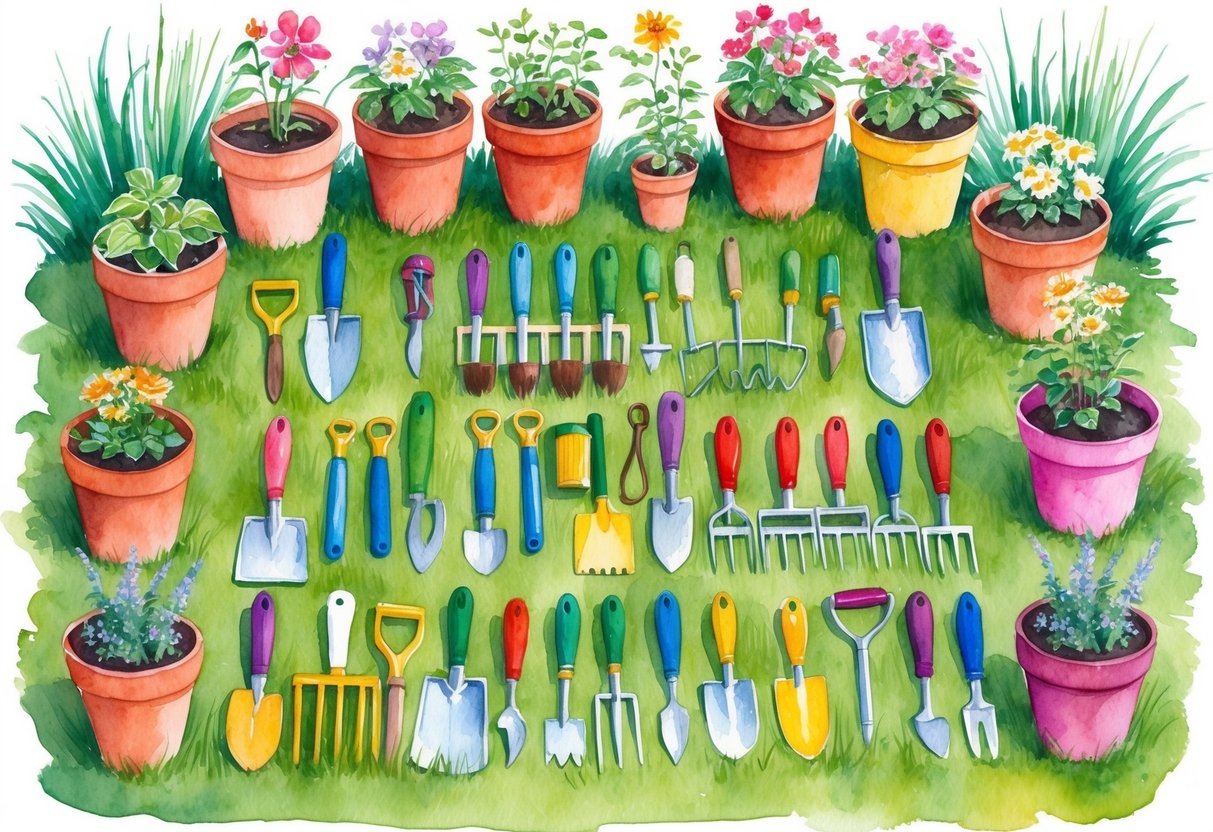
Getting kids excited about gardening starts with the right tools. The best gardening tools for kids are sized just for them, safe to use, and fun to handle.
Choosing the Right Size
You want your little gardeners to feel comfortable and capable. Look for kids’ garden tool sets with handles that fit small hands.
A child-sized trowel is perfect for digging and planting. Mini spades help them move soil easily. And don’t forget a pint-sized watering can!
Remember, tools that are too big or heavy can be frustrating. When kids can manage their tools well, they’ll enjoy gardening more. Try out different sizes to find what works best for your child’s age and ability.
Safety Features
Your child’s safety is the top priority in the garden. Choose tools with rounded edges to prevent accidental cuts. Plastic tools are lightweight and won’t rust, making them a good choice for younger kids.
Gardening gloves are a must to protect little hands from dirt and scratches. Look for gloves with good grip to help prevent slips. Make sure all tools have smooth, splinter-free handles.
Avoid tools with sharp points or blades. Teach kids how to carry and use tools safely, always walking instead of running when holding them.
Kid-Friendly Designs
Bright colors and fun shapes make gardening tools more appealing to kids. Many sets come in cheerful rainbow hues or with cute animal designs on the handles. These playful touches can turn a simple shovel into an exciting toy.
Some tools have educational features, like rulers on the handles to measure plant growth. Others might have pictures of plants or insects to help kids learn as they work.
Look for durable materials that can withstand enthusiastic digging and less-than-gentle handling. Sturdy plastic or metal tools with rubber grips can last through many seasons of gardening adventures.
Creating a Kid-Friendly Garden Space
A garden can be a magical place for kids to learn and play. You’ll want to set up a space that sparks their imagination and nurtures their love of nature. Let’s explore how to make a garden that’s perfect for little green thumbs.
Selecting the Right Location
Pick a spot in your yard that gets plenty of sunlight but also has some shade. You’ll want it close to a water source so kids can easily water their plants. Make sure the area is visible from the house for easy supervision.
Choose a flat surface if possible – it’s safer for running feet! If you have the space, set aside a small plot just for the kids. This gives them a sense of ownership over their garden.
Incorporating Educational Elements
Add fun learning opportunities to your garden. Set up a weather station with a rain gauge and thermometer. Kids can track rainfall and temperatures.
Plant flowers that attract butterflies and bees. This teaches about pollinators. Include herbs like mint or basil for smell and taste adventures.
Label plants with colorful signs. This helps with reading and plant identification. Consider adding a compost bin to teach about recycling and soil health.
Design Ideas for Children’s Gardens
Create winding paths with stepping stones for exploration. Add a teepee or arch made from bean poles for a secret hideout.
Set up a small fairy garden with miniature furniture and tiny plants. This sparks imagination and creativity.
Use bright colors for planters and garden decorations. Include kid-sized gardening tools that are easy to handle.
Plant fast-growing veggies like radishes or lettuce for quick rewards. Add a bug hotel or birdhouse to attract wildlife. Don’t forget a cozy spot with small chairs or cushions for rest and story time.
Gardening Activities for Kids
Getting kids involved in gardening is fun and educational. It teaches them about nature, responsibility, and where food comes from.
There are lots of exciting tasks kids can do in the garden.
Planting Seeds and Seedlings
Planting is a great way to start your child’s gardening journey. It’s exciting for kids to watch something they planted grow.
You can use a Kids Gardening Set with small tools perfect for little hands.
Choose easy-to-grow plants like sunflowers, beans, or peas. Let your child dig holes, place seeds, and cover them with soil.
For seedlings, show them how to gently remove plants from containers and place them in the ground.
Water the newly planted area together. Explain how seeds need water to sprout and grow.
Make it a daily ritual to check on the plants and water them as needed.
Garden Maintenance Tasks
Kids can help with many garden chores. Watering is an easy task for most ages. Show them how to use a watering can or hose without drowning the plants.
Weeding is another important job. Teach your child to identify weeds and pull them out by the roots.
Make it a game to see who can collect the most weeds in their bucket.
For older kids, pruning dead leaves or flowers can be fun. Use safe, child-sized scissors from a Toddler Gardening Set. This keeps plants healthy and tidy.
Mulching is messy but enjoyable for kids. Let them spread mulch around plants to keep moisture in and weeds out.
Just be ready for some clean-up afterward!
Harvesting and Using the Produce
Picking fruits and veggies is often a child’s favorite garden activity. Show them how to tell when produce is ripe and ready to harvest.
Let them use baskets to collect their bounty.
Encourage your kids to taste what they’ve grown. Have a garden-to-table meal using fresh produce.
Let them help wash and prepare the vegetables for cooking.
Try making herb-infused water or tea with mint or lemon balm they’ve picked. For flowers, press them or make simple bouquets.
These activities help kids appreciate the full cycle of gardening.
Don’t forget to take pictures of your child with their harvest. It’s a great way to document their gardening journey and build lasting memories.
Teaching Kids About Nature Through Gardening
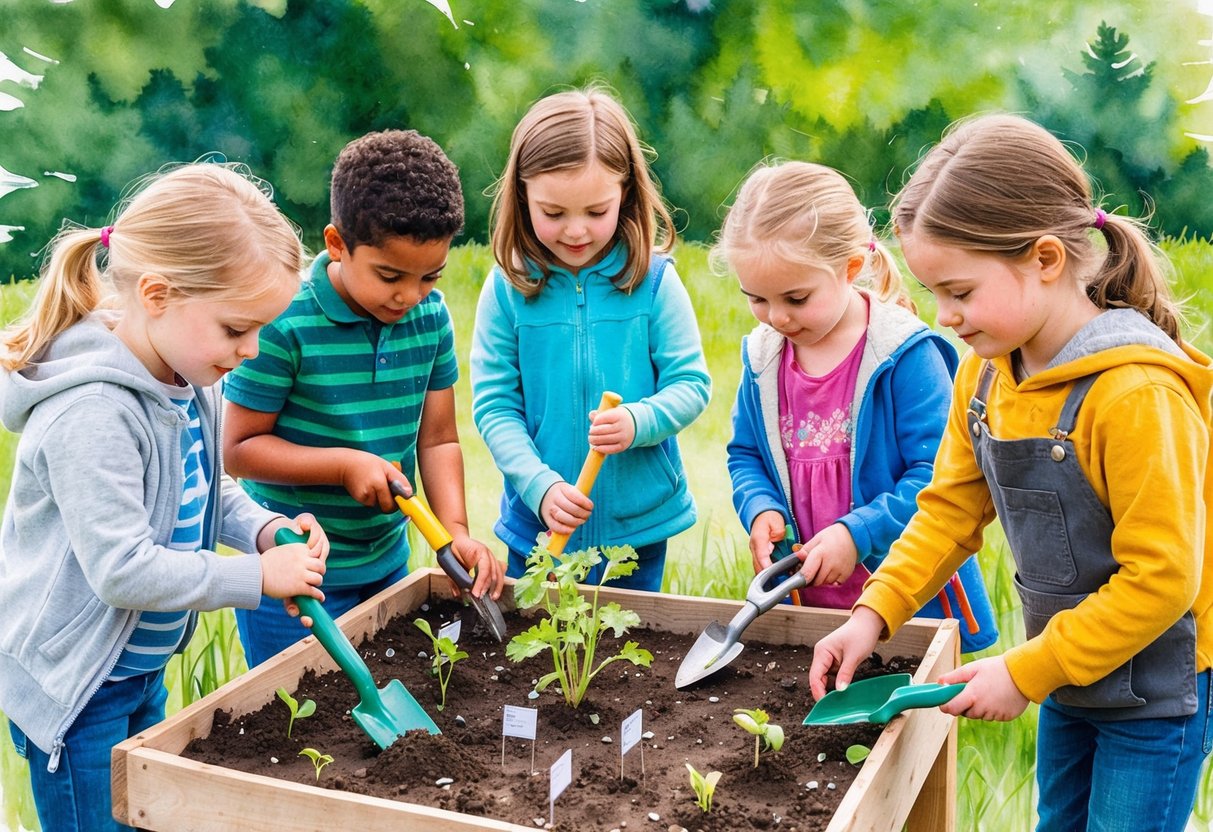
Gardening is a fantastic way to help kids learn about nature. It lets them see how plants grow and how different parts of nature work together.
Let’s explore some fun ways to teach kids about nature through gardening!
Understanding Plant Life Cycles
Watch seeds sprout and grow with your kids. It’s like magic!
Plant some fast-growing seeds in clear containers. This way, you can see the roots grow too.
Try different types of seeds. Some good choices are beans, peas, or sunflowers. They grow quickly and are easy to take care of.
Keep a garden journal with your kids. Draw pictures of the plants as they grow. Measure them each week and write them down. This helps kids see how plants change over time.
Observing Insects and Wildlife
Your garden is full of tiny visitors! Look for bees, butterflies, and ladybugs with your kids. These little creatures help your plants grow.
Make a bug hotel in your garden. Use old wood, bamboo, or pine cones. This gives insects a place to live. Watch who moves in!
Set up a bird feeder near your garden. Kids can watch birds come and go. They might even see birds eating pests from your plants.
Weather Patterns and Gardening
Talk about how the weather affects your garden. Feel the soil after it rains. Is it wet or dry? This helps kids understand why plants need water.
Make a rain gauge with a clear jar. Measure how much rain you get each week. Kids can see if plants grow faster when it rains more.
Watch how plants react to sunlight. Some plants love the sun, others prefer shade. Move plants around and see what happens. This teaches kids about what plants need to grow.
Kids gardening tools can make these activities even more fun. Small gloves, watering cans, and little shovels help kids feel like real gardeners.
They’ll love using their own tools to care for their plants.
Selecting Gardening Projects for Different Ages
Kids of all ages can enjoy gardening. The key is finding the right projects that match their skills and interests.
Let’s look at some fun gardening activities for different age groups.
Projects for Toddlers
Toddlers love to explore with their senses. Give them big, sturdy tools they can grasp easily. Try these simple projects:
- Planting large seeds like sunflowers or beans
- Watering plants with a small, colorful watering can
- Digging in a sandbox filled with potting soil
- Picking flowers or vegetables (with help)
Keep sessions short, about 10-15 minutes. Praise their efforts and let them get messy. It’s all part of the fun!
Gardening Ideas for Pre-Schoolers
Pre-schoolers can handle more complex tasks. They enjoy seeing results from their work. Here are some projects they might like:
- Growing quick-sprouting plants like radishes or lettuce
- Making a small herb garden in pots
- Creating a butterfly garden with native flowers
- Painting rocks to decorate the garden
Use this time to teach them about plant needs. Talk about sun, water, and soil. Let them take on more responsibility, like daily watering duties.
Activities for School-Aged Children
Older kids can tackle bigger projects. They often enjoy planning and seeing long-term results. Try these ideas:
- Designing and planting a themed garden (pizza, rainbow, etc.)
- Starting seeds indoors for later transplanting
- Building and tending a compost bin
- Keeping a garden journal to track plant growth
Give them their own plot or container to manage. Encourage them to research plants and plan their space. This age group can learn about eco-friendly gardening practices too.
Tips for Making Gardening Fun and Educational
Gardening with kids can be a blast! It’s a great way to spend time together outdoors and learn new things.
Let’s explore some fun ideas to make your garden time exciting and educational.
Incorporating Games and Challenges
Turn weeding into a treasure hunt! Hide small prizes among the plants for kids to find as they work. You could use colorful marbles, plastic coins, or even little toy figures.
Create a “garden bingo” game. Make cards with pictures of different plants, bugs, and garden tools. As kids spot these items, they mark them off. The first one to get bingo wins!
Set up a sunflower growing contest. Give each child their own sunflower seed to plant and care for. Measure the plants weekly and keep a growth chart. The tallest sunflower at the end of summer wins!
Using Gardening to Teach Math and Science
Count seeds together as you plant them. This is great for younger kids learning numbers. For older ones, calculate how many seeds you’ll need for a whole row.
Measure rainfall with a homemade rain gauge. Use a clear plastic bottle and mark inches on the side. Kids can record rainfall amounts in a garden journal.
Do a soil pH test together. Use a simple kit from the garden store. Talk about what different plants like – some prefer acidic soil, others alkaline.
Watch plants grow from seed. Keep a photo diary, taking pictures every few days. Kids will love seeing the changes over time!
Creative Arts and Crafts with Garden Themes
Paint garden markers using smooth rocks. Kids can decorate them with plant names or pictures. These also make great gifts!
Make leaf prints using paint and paper. Collect leaves from your garden, paint one side, and press onto paper for beautiful nature art.
Create a fairy garden in a container. Use small plants, pebbles, and miniature decorations to build a magical world. Kids can change it up whenever they like.
Design garden-themed greeting cards. Use pressed flowers or vegetable stamps (like cut potatoes) to make unique designs. Your little ones will be so proud to send these to family and friends!
Check out our article, “Kids Gardening: Fun Ways to Grow Green Thumbs” for more information about gardening for kids.