Balcony Garden Paradise is reader-supported. When you buy through links on our site,
we may earn a small affiliate commission. Happy Gardening from the team! 🌿
Balcony gardens can be beautiful and eco-friendly spaces. You don’t need a big yard to grow plants and help the planet. Even a small balcony can make a difference.
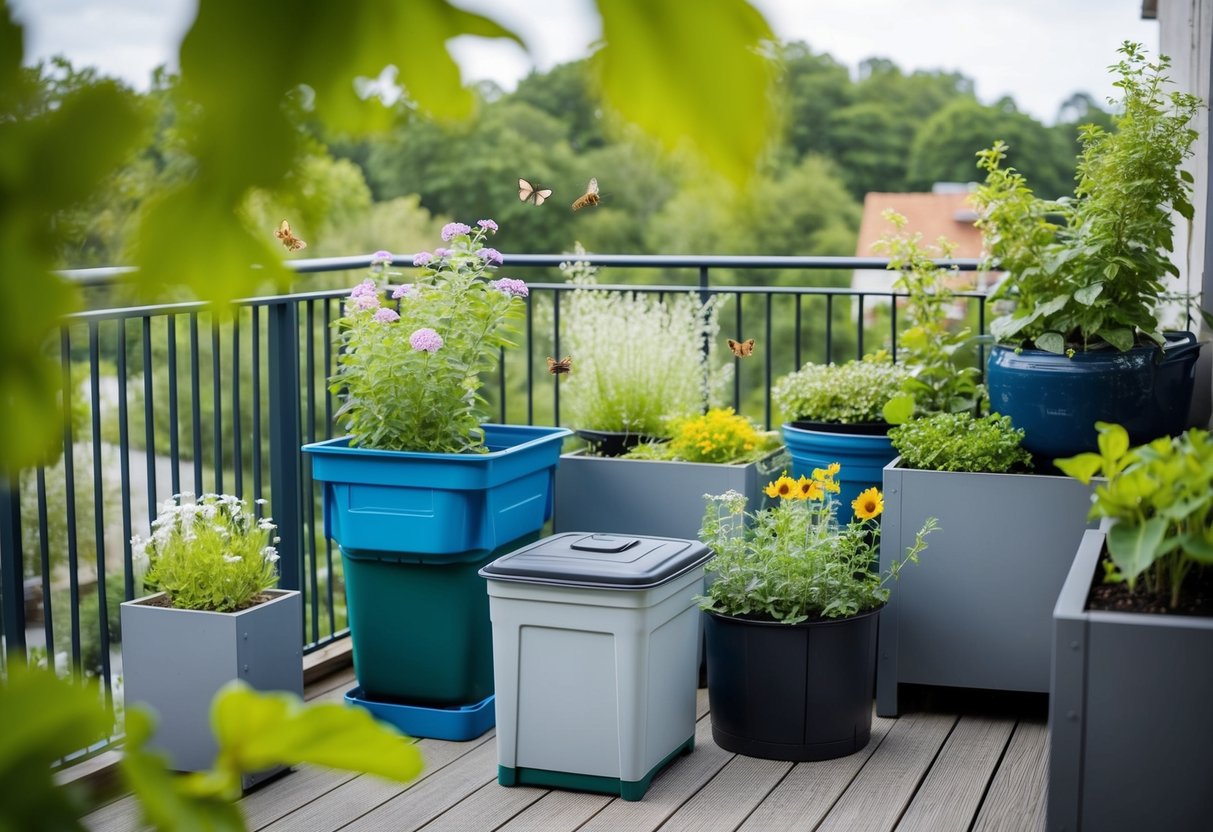
Creating an eco-friendly balcony garden is easy and rewarding. You can use recycled containers, save water, and avoid harsh chemicals. These simple steps help the environment and give you fresh herbs or flowers.
Your balcony garden can be a haven for bees and butterflies and inspire your neighbors to start their own green projects. With a few smart choices, you can turn your balcony into a mini ecosystem that’s good for you and the Earth.
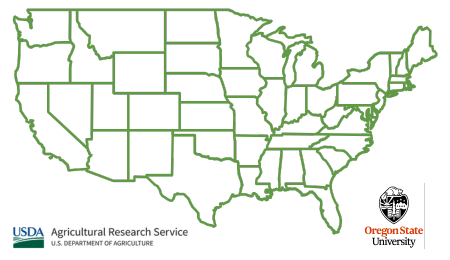
The 2023 USDA Plant Hardiness Zone Map was created by Oregon State University (PRISM Climate Group) and released by the USDA.
Key Takeaways
- Eco-friendly balcony gardens help the planet and provide fresh plants
- Use recycled materials and water-saving methods for a green garden
- Your balcony can support local wildlife and inspire community action
Benefits of Eco-Friendly Balcony Gardening
Eco-friendly balcony gardening offers many perks. You can grow fresh, organic produce right at home. This cuts down on trips to the store and reduces your carbon footprint.
Using natural pest control methods keeps harmful chemicals away from your plants and the environment. Your fruits and veggies will be healthier to eat.
Composting kitchen scraps for your garden reduces waste sent to landfills and creates nutrient-rich soil for your plants.
Rainwater collection systems help conserve water. You’ll save money on your water bill while being kind to the planet.
Native plants in your balcony garden support local wildlife like bees and butterflies. This boosts biodiversity in urban areas.
Growing your own herbs and veggies can save you money at the grocery store. Plus, you’ll enjoy the satisfaction of eating food you grew yourself.
Vertical gardening maximizes space on small balconies. It allows you to grow more plants in less area.
Eco-friendly gardening methods often use less energy and fewer resources. This leads to a smaller environmental impact over time.
Your balcony garden can improve air quality in your home. Plants naturally filter the air, removing pollutants and producing oxygen.
Planning Your Eco-Friendly Balcony Garden
Creating an eco-friendly balcony garden requires careful planning. You’ll need to consider your space, choose proper containers, and select the right plants. Let’s explore these key steps.
Assessing Space and Sunlight
Start by measuring your balcony. Note how much floor space you have and where you can hang planters. Check the weight limit of your balcony to ensure safety.
Next, track sunlight patterns. Watch how the sun moves across your balcony throughout the day. Some areas may get full sun, while others remain shaded. This info will help you pick the best spots for your plants.
Don’t forget about wind exposure. Strong breezes can dry out soil quickly. You might need windbreaks or choose hardy plants for windy spots.
Choosing the Right Containers
Pick containers made from eco-friendly materials. Look for:
- Recycled plastic pots
- Wooden crates
- Clay or terracotta planters
- Fabric grow bags
Make sure your containers have good drainage. Drill holes if needed. This prevents water waste and keeps plants healthy.
Use different sizes to create visual interest. Mix large pots for trees or shrubs with smaller ones for herbs and flowers. Vertical planters or wall-mounted systems can save space.
Selecting Appropriate Plants
Choose plants that match your balcony’s conditions. Pick ones that fit your sunlight levels and climate zone. Native plants are often a good choice. They need less water and care.
Mix edibles with ornamentals. Try these eco-friendly options:
- Herbs: Basil, mint, thyme
- Veggies: Cherry tomatoes, lettuce, peppers
- Flowers: Marigolds, petunias, geraniums
Group plants with similar water needs together. This makes watering more efficient. Add some pollinator-friendly plants to support local ecosystems.
Utilizing Organic and Recycled Materials
Organic and recycled materials are key to creating an eco-friendly balcony garden. These options reduce waste and avoid harmful chemicals. They also help your plants thrive naturally.
Organic Soil and Compost
Organic soil is free from synthetic additives. It’s packed with nutrients that plants love. You can buy organic soil or make your own compost at home.
To start composting, use a small bin with air holes. Add kitchen scraps like fruit peels and coffee grounds. Mix in dry leaves or shredded paper. Turn the mix weekly.
In about 3 months, you’ll have rich compost. Use it to feed your plants or mix it into potting soil. This natural fertilizer boosts plant growth without chemicals.
Worm composting is another option for small spaces. Red wiggler worms turn food scraps into nutrient-rich castings. This “black gold” is great for your plants.
Recycled Planters and Tools
Recycled planters give new life to old items. Look around your home for things you can reuse. Old buckets, tins, and wooden crates make great plant homes.
Clean containers well before use. Add drainage holes to prevent root rot. Paint them to match your style or leave them as-is for a rustic look.
Plastic bottles can become self-watering planters. Cut them in half and invert the top. Fill the bottom with water and the top with soil and plants.
For tools, repurpose kitchen items. Old spoons work as scoops. Forks can loosen soil. Mesh strainers make good seed spreaders.
Broken pots? Use the pieces as drainage material in new planters. Or create a mosaic border for your garden space.
Water Conservation Techniques
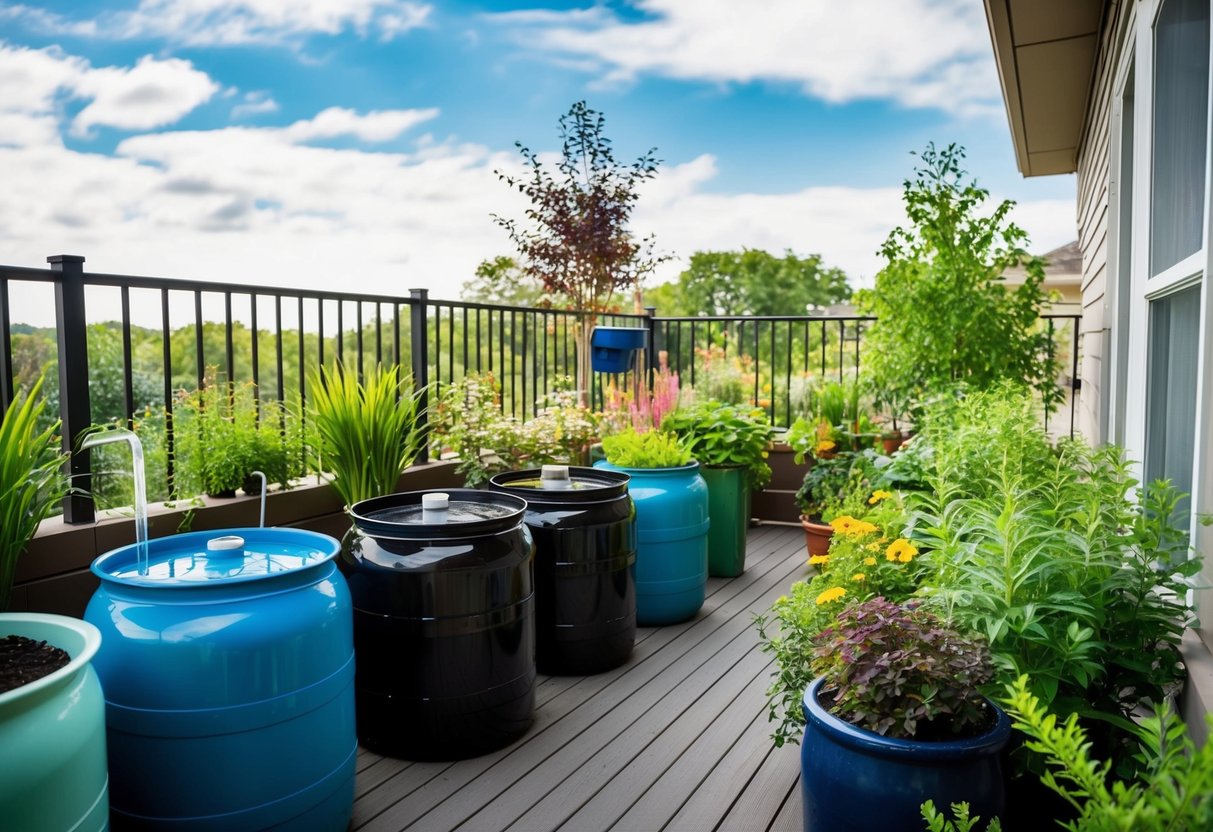
Water is precious in balcony gardens. You can save water and keep your plants healthy with smart techniques. These methods help you use less water while still growing a thriving garden.
Irrigation and Drip Systems
Drip irrigation is great for balcony gardens. It uses less water than traditional watering methods. You can set up a simple system with tubing and emitters. Place the emitters near plant roots for targeted watering.
Timers make drip systems even better. They turn the water on and off automatically. This stops overwatering and saves time. You can adjust timers based on plant needs and weather.
Soaker hoses work well too. Lay them along plant rows or around pots. They slowly release water into the soil. This deep watering encourages strong root growth.
Rainwater Harvesting
Collecting rainwater is an eco-friendly practice for balcony gardens. You can use a small rain barrel or container. Place it under your balcony’s edge or downspout to catch water.
Use screens to keep out debris and bugs. This keeps your collected water clean. You can use the rainwater to water your plants or clean gardening tools.
In dry spells, stored rainwater helps a lot. It reduces your need for tap water. Plus, rainwater is free from chemicals that might be in city water.
Remember to check local rules about rainwater collection. Some areas have limits or guidelines you need to follow.
Natural Pest Control
Keeping pests away from your balcony garden doesn’t have to harm the environment. You can use safe, natural methods to protect your plants. These approaches work with nature instead of against it.
Beneficial Insects and Companion Planting
Invite helpful bugs to your balcony garden. Ladybugs eat aphids that damage plants. You can buy ladybugs and release them on your balcony. Plant flowers like marigolds to attract these good insects.
Companion planting pairs plants that help each other. Basil planted near tomatoes keeps flies and mosquitoes away. Nasturtiums draw aphids away from your veggies. Herbs like mint and rosemary smell nice to you, but bugs don’t like them.
Try planting in pots of different heights. This creates hiding spots for helpful insects. It also makes it harder for pests to spread.
Homemade Pesticides
You can make safe, natural bug sprays at home. Mix water with a little dish soap and spray it on plants to kill soft-bodied pests.
Garlic and hot pepper sprays keep bugs away. Crush garlic cloves or hot peppers and soak them in water overnight. Strain and spray on plants.
Neem oil is a natural pesticide from tree seeds. Mix it with water and soap. It stops insects from eating and laying eggs.
Always test sprays on a small part of the plant first. Some plants might be sensitive. Water your plants before using any spray to protect their roots.
Plant Nutrition and Maintenance
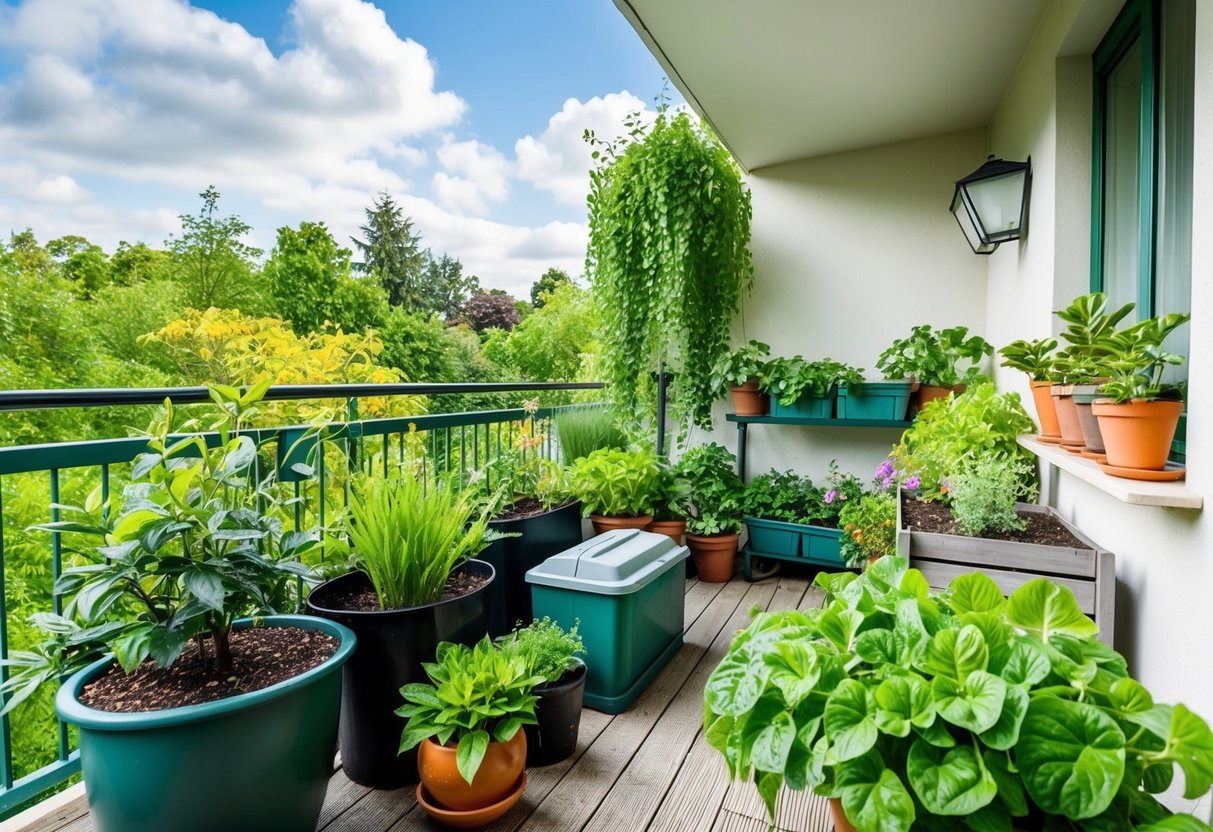
Proper nutrition and care are key for healthy balcony plants. These practices help your garden thrive while staying eco-friendly.
Natural Fertilizers
Compost is an excellent natural fertilizer for balcony plants. You can make your own using kitchen scraps and plant waste. Mix in eggshells, coffee grounds, and banana peels to boost nutrients.
Worm castings offer another great option. They’re rich in nutrients and improve soil structure. You can buy them or start a small worm bin on your balcony.
Liquid seaweed fertilizer provides trace minerals. It’s easy to apply and promotes strong plant growth. Dilute it with water before use.
Avoid chemical fertilizers. They can harm helpful insects and pollute water runoff.
Regular Pruning and Care
Prune your plants often to keep them healthy. Remove dead or yellowing leaves to prevent disease spread. Trim overgrown branches to improve air flow and sunlight reach.
Water deeply but less often. This encourages strong root growth. Use a moisture meter to check soil before watering.
Rotate potted plants weekly. This ensures even sun exposure and balanced growth.
Check for pests regularly. Look under leaves and along stems. Remove bugs by hand or use a gentle soap spray.
Clean your tools after each use. This stops diseases from spreading between plants.
Promoting Biodiversity
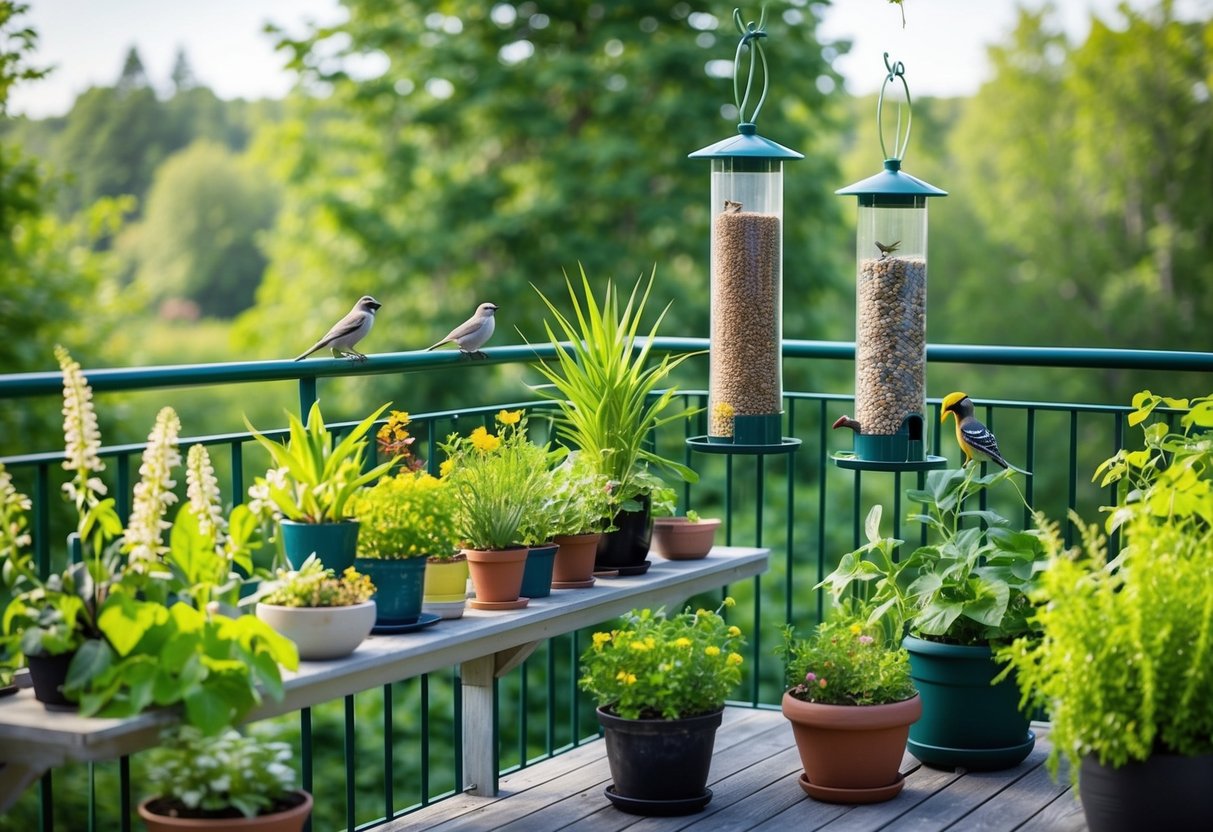
Creating a diverse ecosystem on your balcony garden helps nature thrive. You can take simple steps to welcome different species and build a mini habitat.
Attracting Pollinators
Plant flowers that bees and butterflies love. Marigolds, lavender, and sunflowers are great choices. Put out a shallow water dish for insects to drink from.
Avoid using pesticides. They harm helpful bugs too. Instead, try natural pest control methods like companion planting.
Add some native plants to your balcony. They’re adapted to your area and support local wildlife. Check with a garden center for suggestions.
Balcony Garden Ecosystem
Mix different plant types to create layers. Tall plants provide shelter, while ground covers offer hiding spots. This variety attracts more creatures.
Include a small compost bin. It recycles kitchen scraps and feeds your plants. Worms and helpful bacteria will move in too.
Hang a bird feeder or build a bug hotel. These give animals places to eat and rest. You’ll see more visitors to your balcony garden.
Leave some areas a bit wild. Don’t prune everything perfectly. Natural spots give insects places to live and lay eggs.
Creating a Greener Community
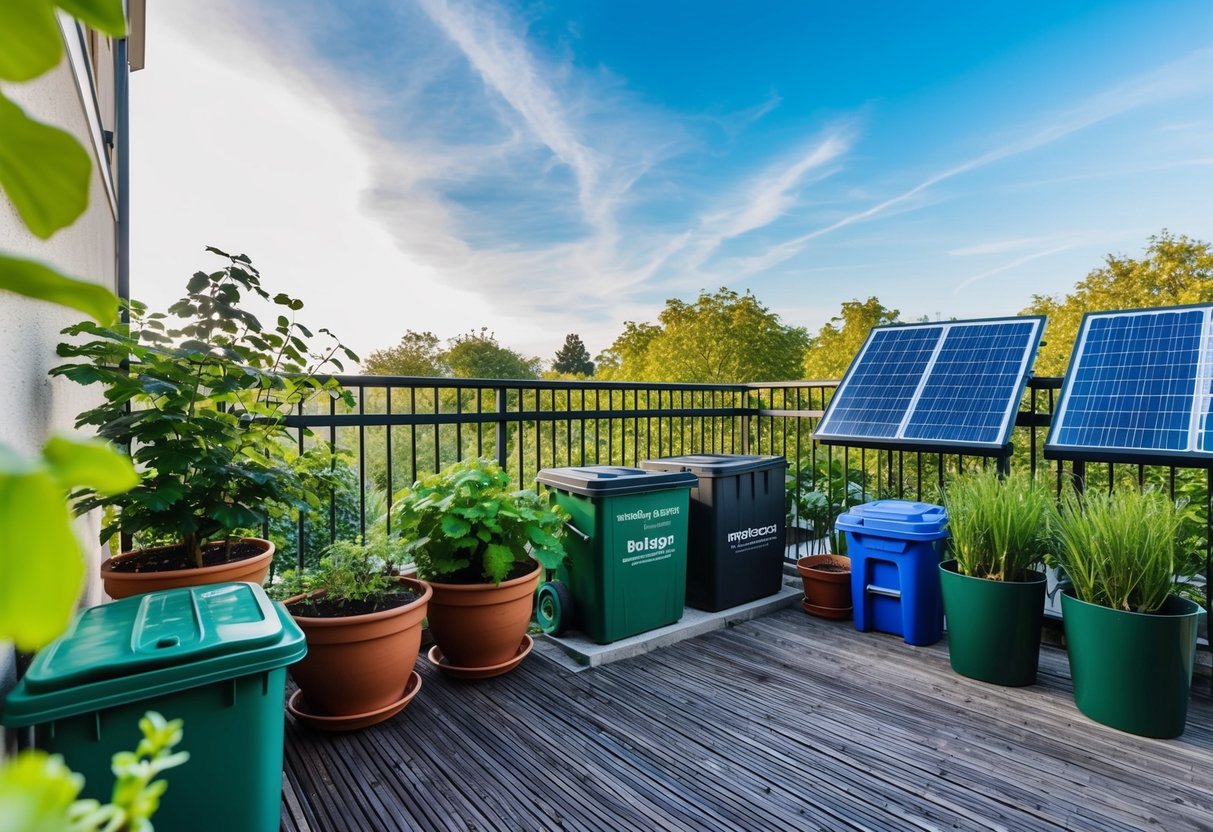
Balcony gardens can spark positive change beyond your own space. By sharing your eco-friendly practices, you can inspire others and help build a more sustainable neighborhood.
Sharing Knowledge and Resources
Start by talking to your neighbors about your balcony garden. Share tips on choosing plants that thrive in small spaces. Offer advice on composting and natural pest control methods. You can create a small group chat or social media page to exchange ideas and photos.
Consider hosting a seed swap event. This lets gardeners trade extra seeds and cuttings. It’s a great way to try new plants without spending money. You can also share tools like pruning shears or watering cans to reduce waste.
Community Gardening Initiatives
Look for community garden projects in your area. These shared spaces let people grow food and flowers together. If there isn’t one nearby, talk to your building manager about starting a rooftop or courtyard garden.
You can organize volunteer days to plant trees or clean up local parks. This helps make your whole neighborhood greener. Team up with schools to create small gardens on their grounds. Teaching kids about plants and eco-friendly practices sets them up for a greener future.
Don’t forget to reach out to local environmental groups. They often need volunteers and can provide resources for community projects. Working together, you can make a big impact on your local environment.