🪴Balcony Garden Paradise is reader-supported. When you buy through links on our site,
we may earn a small affiliate commission at no extra cost to you. As an Amazon Associate,
we earn from qualifying purchases. Happy Gardening from the team! 🌿
The balconies of Córdoba, Spain, are amongst the city’s most enchanting architectural elements, echoing a history as rich and intricate as the designs that grace them. In Córdoba, we find ourselves immersed in a tapestry of tradition where these balconies are not merely ornamental but narrate stories of communal interaction and cultural festivities. As we explore the city, the distinct presence of floral-adorned balconies captures our eyes, highlighting the age-old relationship between Córdoba’s residents and their love for nature and beauty.
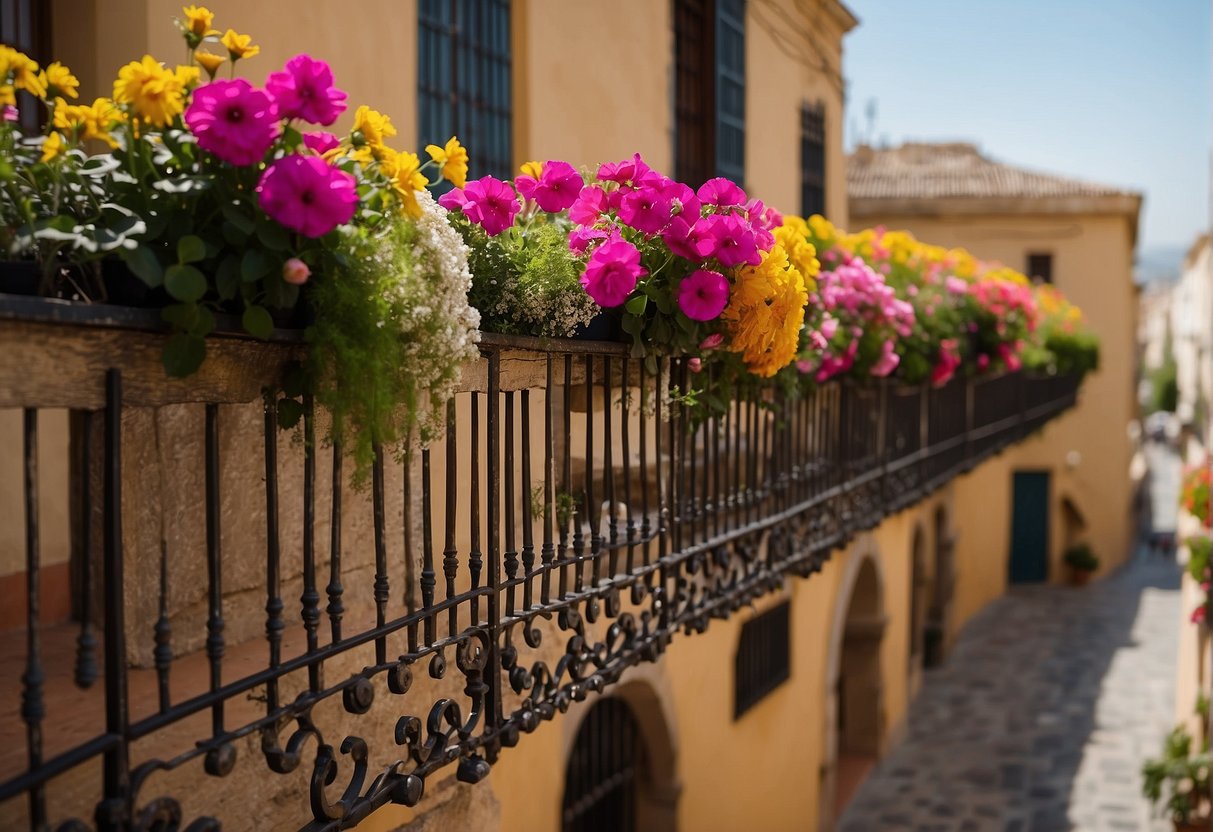
In the heart of historic Córdoba, every balcony we encounter seems to play a part in the city’s architectural chorus. Their presence underscores a deep-rooted affinity for creating personal oases amid urban settings. It is in the delicate arrangement of potted plants and in the vivid bursts of color against whitewashed walls that Córdoba’s balconies reveal their true charm. This city, known for attractions such as the majestic Mezquita and the ancient Roman Bridge, also invites us to raise our gaze to the balconies that contribute to its unique character and stand as silent witnesses to its layered history.

Historical Context of Cordoba
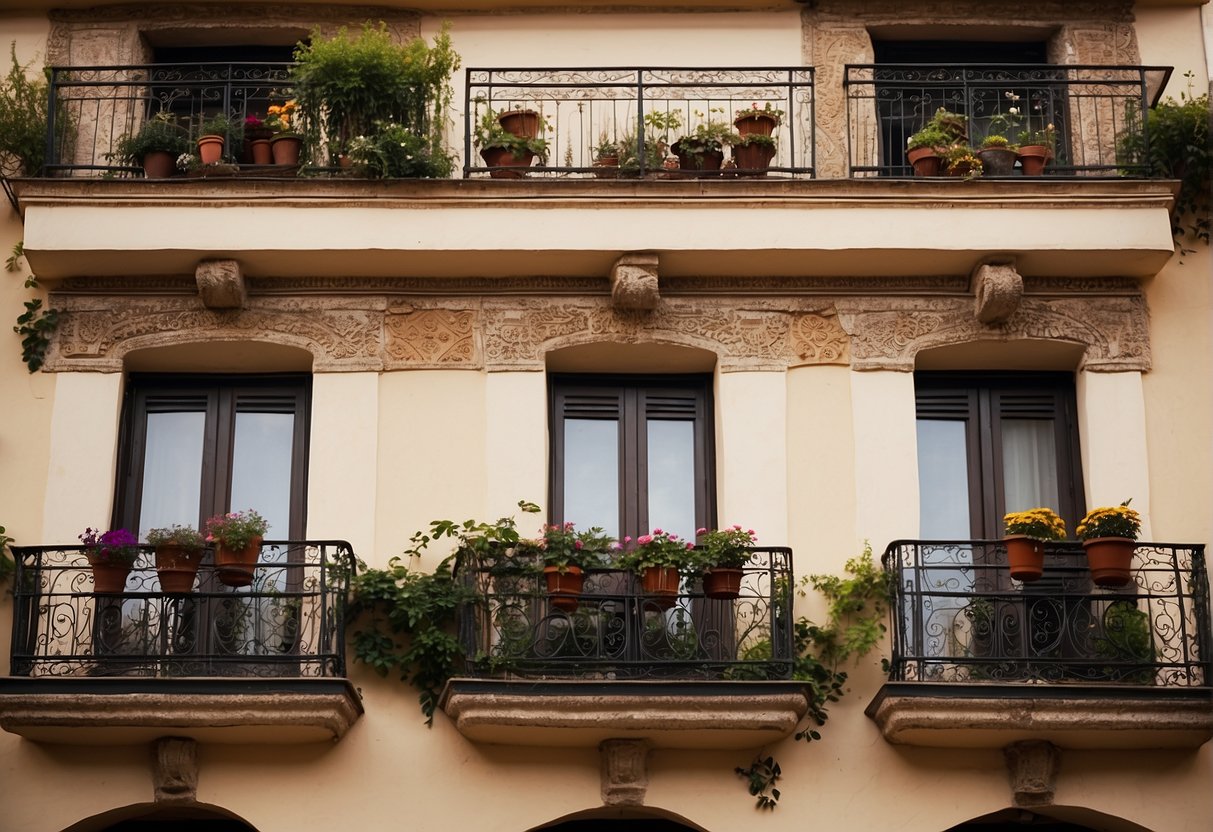
Cordoba is steeped in a rich tapestry of history, marked by the confluence of diverse cultures that have left their indelible marks on the city’s architecture, including its renowned balconies.

The 2023 USDA Plant Hardiness Zone Map was created by Oregon State University (PRISM Climate Group) and released by the USDA.
Origins and Development
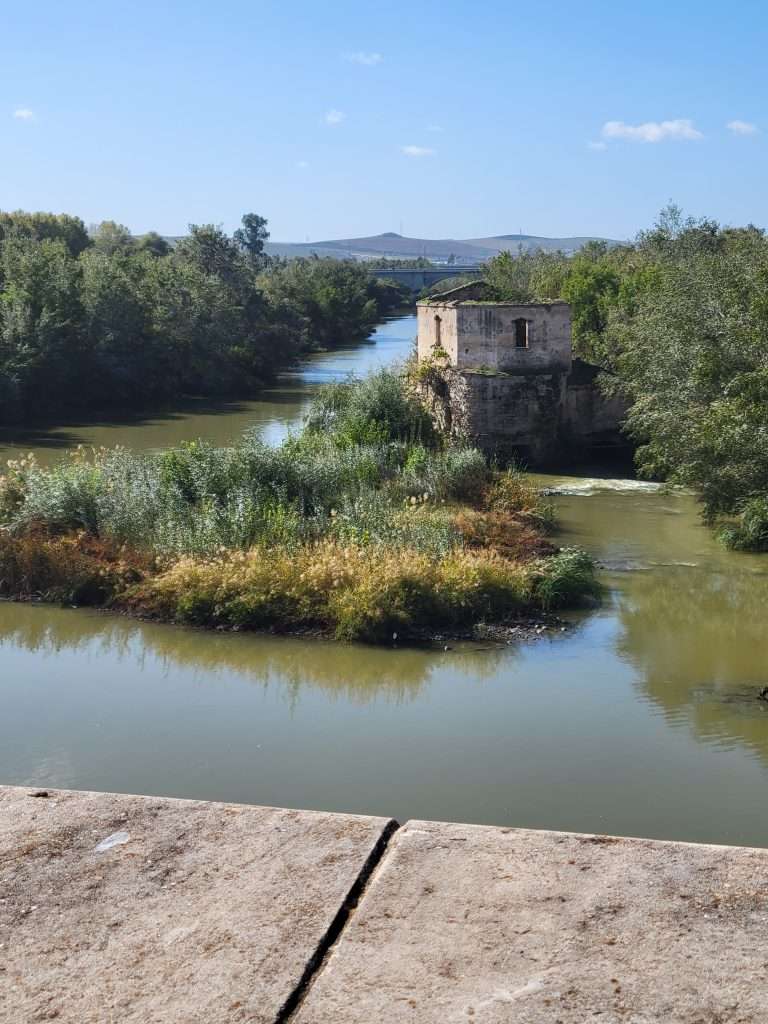
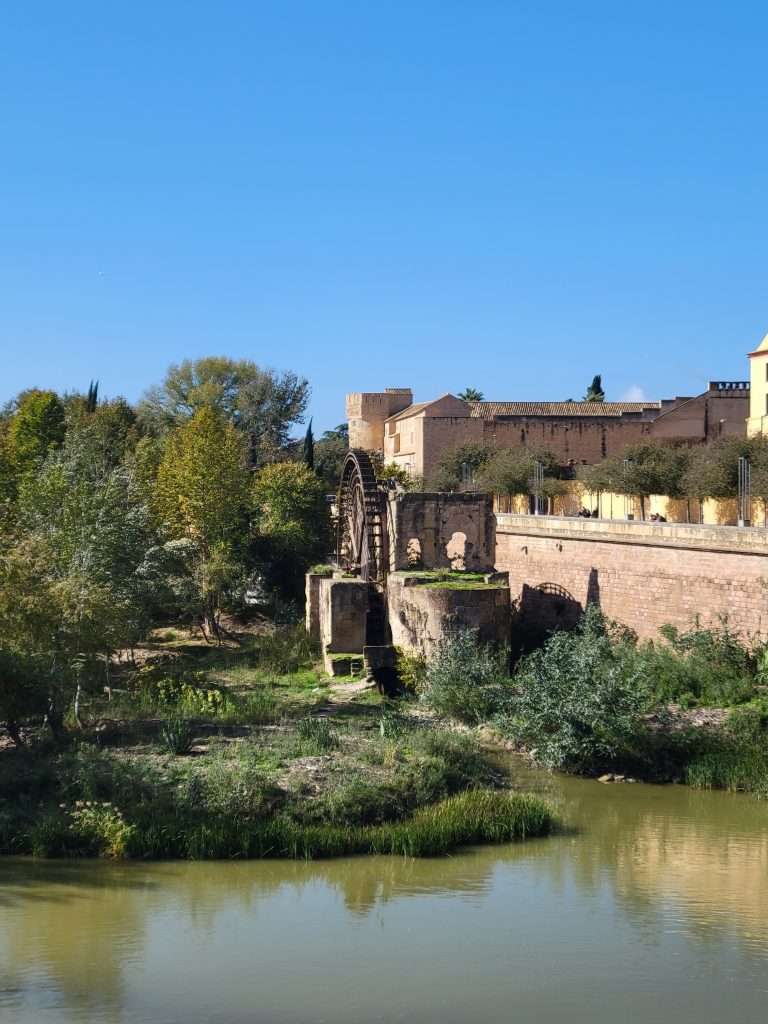
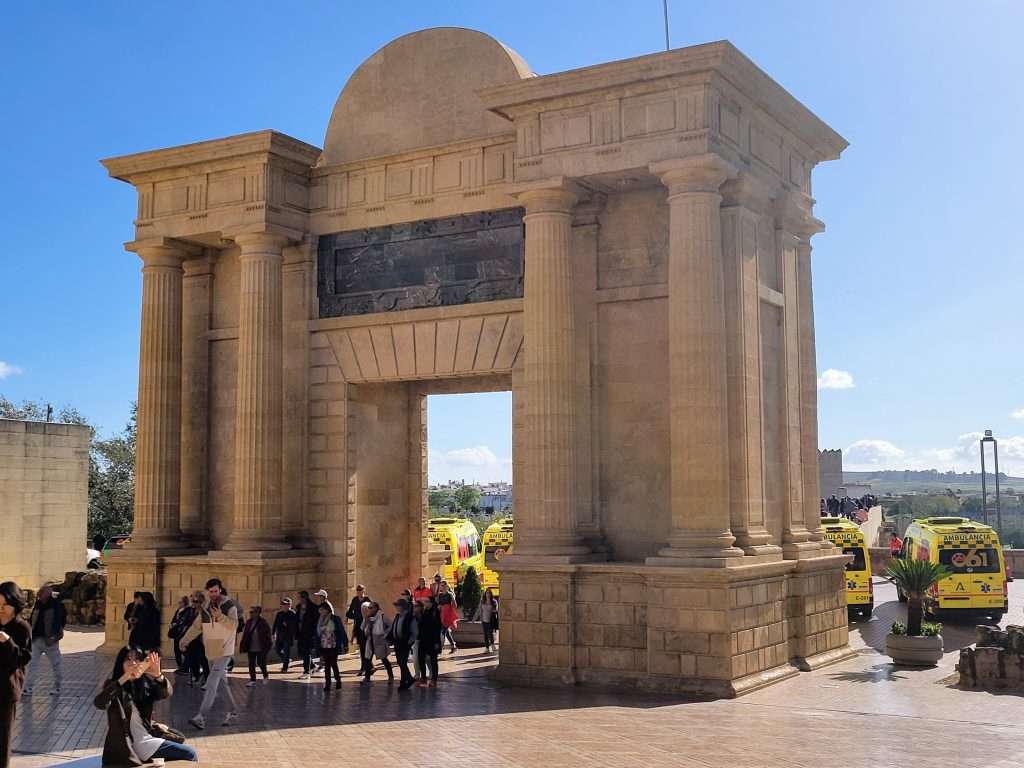
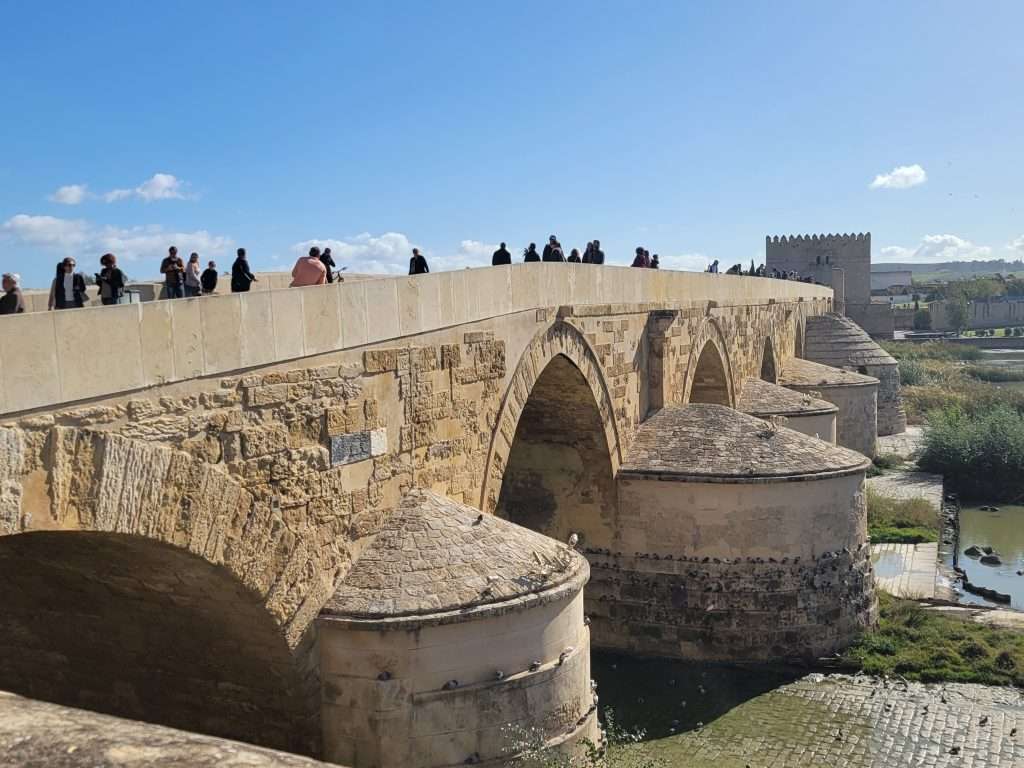
Cordoba’s origins can be traced back to the Roman period when it flourished as a significant settlement. Its Roman Bridge, spanning the Guadalquivir River, stands as a testament to this era. The layout of the medieval city evolved over centuries, shaped by Romans, Visigoths, and ultimately Muslims, who transformed the city into a key cultural and political center in Al-Andalus.
Christian, Jewish, and Muslim Influences
The city’s history is a mosaic of religious influences. Under Muslim rule, Cordoba experienced a golden age, epitomized by architectural masterpieces such as the Mezquita. This grand mosque-cathedral symbolizes the fusion of cultures with its later conversion into a Christian cathedral. The Jewish Quarter harbors the Synagogue, evoking the once-thriving Jewish community. After the Reconquista, Christians further shaped Cordoba’s history, constructing many churches and reconfiguring the urban landscape.
Key Historical Sites
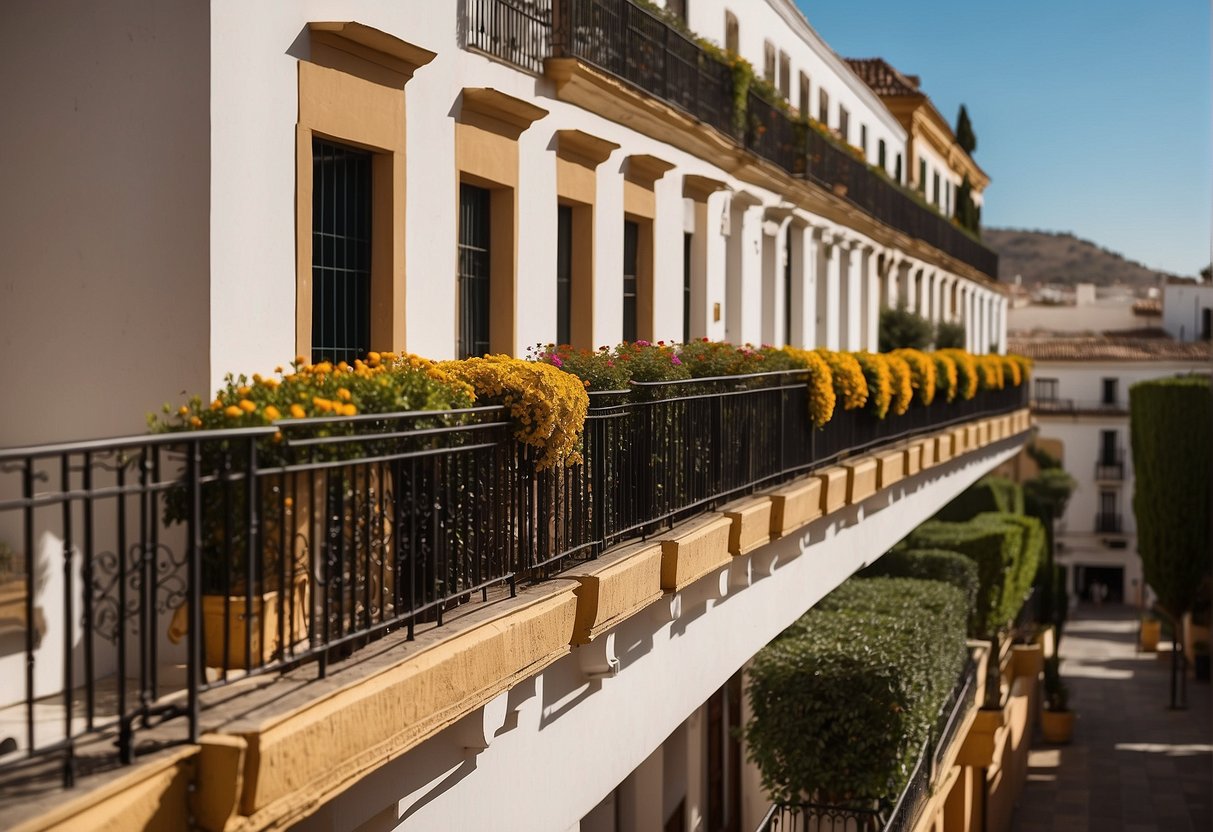
Among the key historical sites is Medina Azahara, the palatial city that reflects the grandeur of the Umayyad Caliphate. We cannot overlook the Roman Temple remains, evidencing Cordoba’s ancient past. The balconies of Cordoba, Spain, adorned with flowers, are an architectural feature that captures the city’s historical layers, representing the community’s love for beauty and green spaces amidst an urban setting.
Cordoba’s Famous Balconies
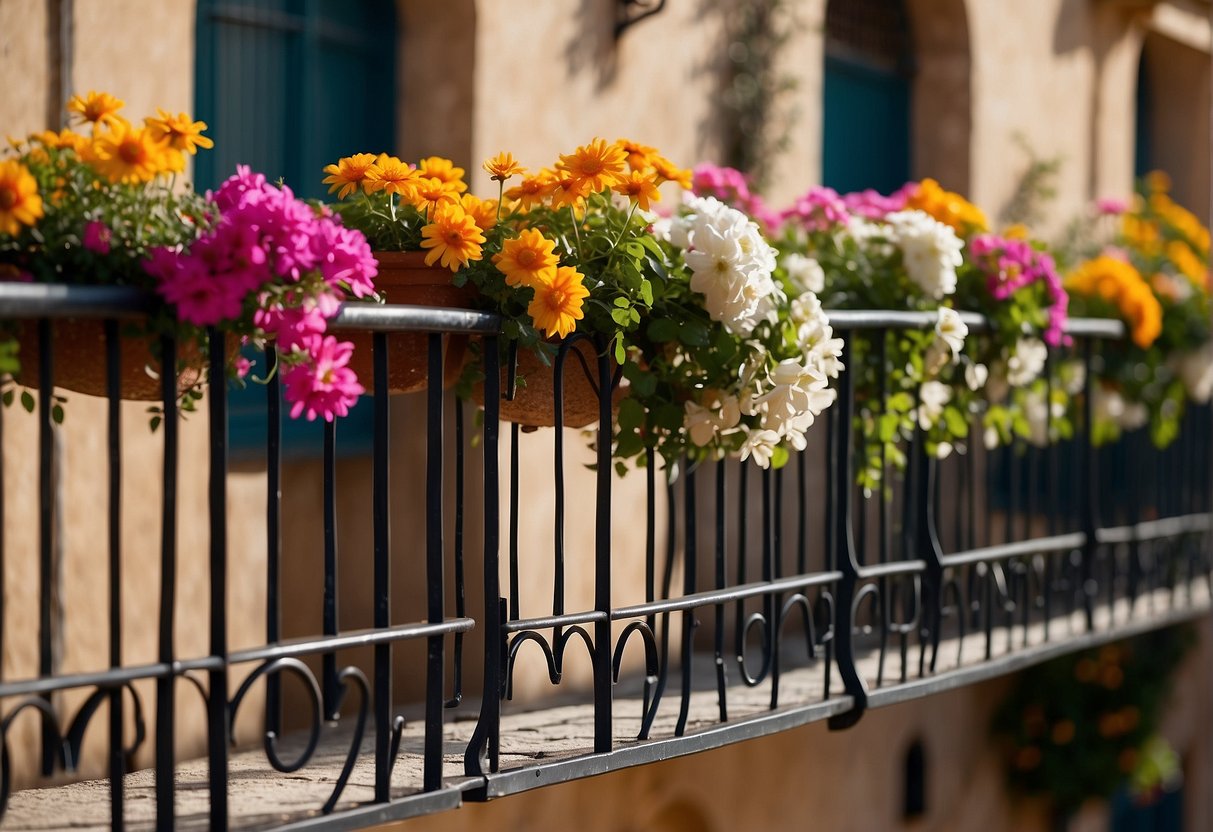
In the heart of Andalusia, we find the enchanting balconies of Cordoba, a testament to the city’s architectural heritage and cultural traditions.
Balcón de Córdoba
Balcón de Córdoba is not only a specific location but also a term that showcases the city’s wealth of ornate balconies. These are adorned with flowers and ironwork, exhibiting the unique blend of Roman, Islamic, and Spanish cultures. The Balcony of Córdoba Hotel, a prime example, offers an intimate view of the city’s past with its beautifully restored and maintained features.
Architectural Significance
The architectural significance of Cordoba’s balconies mirrors the historical importance of the city itself. Each balcony tells a story of convergence where Roman columns, Islamic geometries, and Spanish tiles coexist. The preservation and restoration of these architectural elements are crucial as they contribute to the authentic charm that defines Cordoba’s urban landscape.
Balcony Festivals
In Córdoba, the Patio Festival, traditionally held in May, transforms the city into a celebration of bloom and color where balconies play a central role. The balconies of Cordoba, Spain, come alive with vibrant flowers cascading down their railings, complementing the courtyards and shared patios below. This event highlights the intricate relationship between public and private spaces in Cordoba’s architecture and culture.
Cultural Attractions
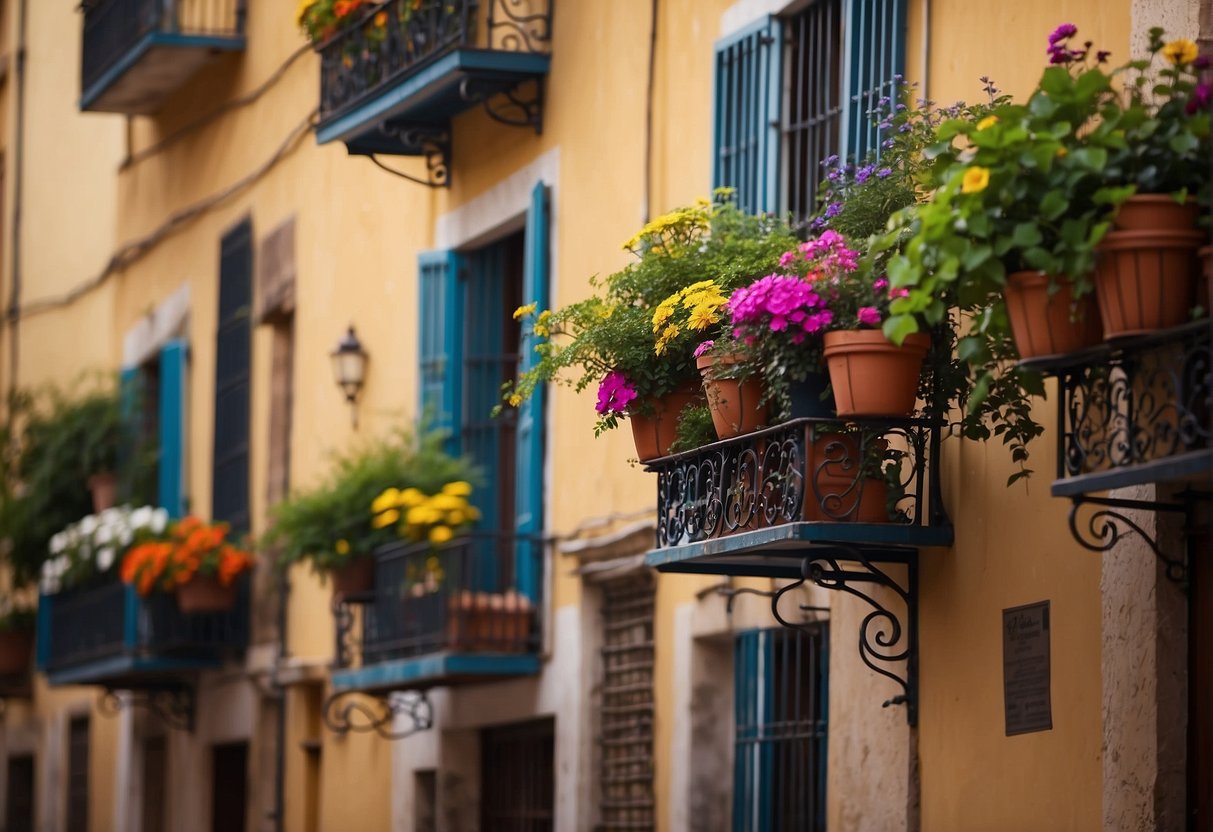
As we explore the balconies of Cordoba, Spain, we immerse ourselves in the vibrant cultural attractions that showcase the city’s rich history and architectural splendor. These locations offer a glimpse into the past through their stunning gardens and impressive structures.
Alcazar de los Reyes Cristianos
The Alcazar de los Reyes Cristianos is not only a historical fortress but also a testament to Cordoba’s layered past. Here, you can admire the splendid gardens, with rows of neatly trimmed hedges leading up to beautifully ornamented balconies, providing an intimate view of the lush surroundings. Don’t miss the chance to climb the tower for a panoramic vista of Cordoba.
Palacio de Viana
Palacio de Viana is renowned for its twelve patios, each boasting its own unique design. These enchanting courtyards blossom with vibrant flowers, including those that grace the balconies, making this palace a key attraction in the balconies of Cordoba circuit. It’s a place where architecture and nature dance together in a delightful display of Andalusian tradition.
Medina Azahara Excursions
Lastly, no cultural tour of Cordoba’s attractions would be complete without a visit to the ruins of Medina Azahara. Embark on guided tours to uncover the history of this once-magnificent city. While balconies are scarce here compared to the city’s heart, the site’s innovative use of space and decorative prowess is a precursor to the intricate balconies found within Cordoba’s urban core.
Travel and Accommodation
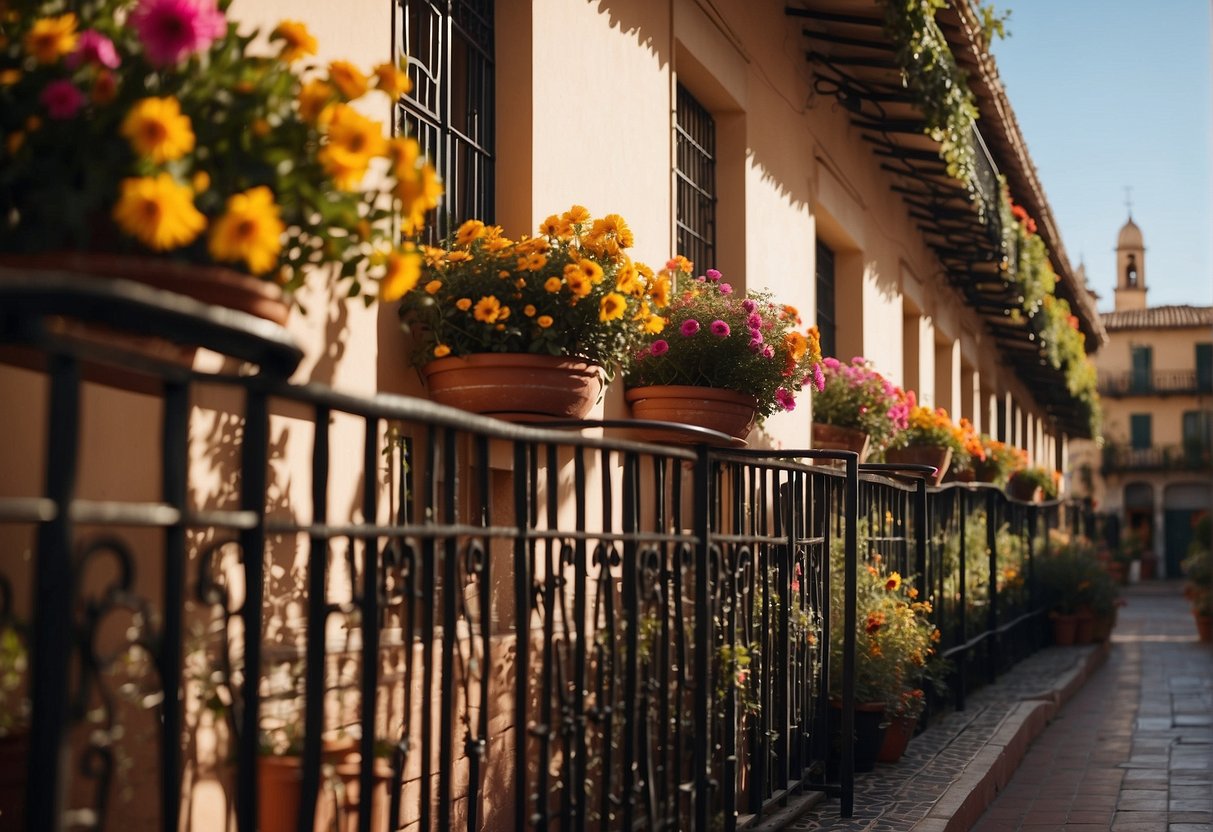
When planning a visit to Cordoba, we consider not only the rich historical heritage but also the comfort and experience offered by local accommodations. Many hotels in the city provide spectacular views from their balconies, immersing guests in the essence of Andalucia. Let’s explore the elements that will make your stay as memorable as the city itself.
Hotels and Rooms
We seek out accommodations that provide a balance between comfort and local charm. Many hotels in Cordoba offer rooms with balconies. For instance, Cordoba hotels with balconies provide open-air room service, allowing visitors to revel in beautiful views and starry nights. From budget to deluxe options, we can always find rooms equipped with air conditioning and modern amenities.
- Featured Hotels:
- Deluxe: Hotels with rooftop terraces
- Budget-Friendly: Comfortable, air-conditioned spaces
Restaurants and Dining
The culinary experience in Cordoba extends to bistros and bars with balcony seating. Whether it’s a hearty breakfast to start the day or a signature Andalucian dinner, the city’s restaurants combine delectable meals with delightful views.
- Dining Options:
- Fine Dining: Gourmet restaurants with terrace views
- Casual Eats: Local tapas bars with balcony seating
Navigating to and Within Cordoba
Traveling to and around Cordoba is a straightforward affair. The city is well-connected by train and bus services from major cities like Madrid, Seville, Malaga, and Granada. Within Cordoba, the compact nature of the historic center makes it convenient to explore on foot or by local transport. If we’re coming from Paris, the journey may be lengthier, but it’s undoubtedly worth the experience.
- Transport Links:
- From Seville/Madrid: High-speed trains available
- Within Cordoba: Walkable city center and local buses
In planning a trip to Cordoba, it’s clear that the enchanting balconies of the hotels and dining establishments contribute significantly to the travel experience. The accommodation and dining choices in Cordoba are wonderful for to absorbing the city’s atmosphere, from sun-drenched balconies to evenings punctuated by the sounds of Andalucia.
Cordoba’s Modern Appeal
As we explore Cordoba, we are not just stepping back into its rich history but also experiencing its vibrant modern appeal that harmonizes beautifully with the traditional. From contemporary living to a dynamic calendar of events, Cordoba offers a lifestyle that weaves the old with the new.
Contemporary Lifestyle
In Andalucía, Cordoba stands as a beacon of modern life. Here, innovative design meets historical architecture, with many residences featuring balconies that showcase a unique blend of past and present aesthetics. These balconies of Cordoba are not merely decorative; they serve as daily living spaces where residents enjoy the mild Andalusian climate. Embracing modern comforts within the realm of a city steeped in history allows for a lifestyle that is both familiar and distinct.
Events and Entertainment
Cordoba’s calendar teems with events that highlight its cultural richness and contemporary relevance. One of the most well-known is the Festival de los Patios Cordobeses, a celebration of the city’s iconic balconies and courtyards teeming with flowers. Locals open their homes, transforming the city into a live gallery of private spaces. Throughout the year, various entertainment options from film festivals to music concerts underscore Cordoba’s modern-day charisma. Our cultural agenda is a testament to the city’s vibrant scene, offering everything from traditional flamenco to avant-garde art installations.
For further reading, check out some of our other articles:
- The Best Blooms on your Balcony: Plants to Love in Lisbon
- Balconies of Zafra, Spain: Unveiling the Secrets of an Historical Vista
- Balcony Gardens of Seville: A Guide to Andalusia’s Stunning Sanctuaries