🪴Balcony Garden Paradise is reader-supported. When you buy through links on our site,
we may earn a small affiliate commission at no extra cost to you. As an Amazon Associate,
we earn from qualifying purchases. Happy Gardening from the team! 🌿
Dreaming of fresh fruit but short on space? Dwarf fruit trees are the perfect solution for balcony gardeners. These compact trees can grow in pots and produce tasty fruit on your balcony. You can enjoy homegrown apples, peaches, or citrus fruits without a big yard.
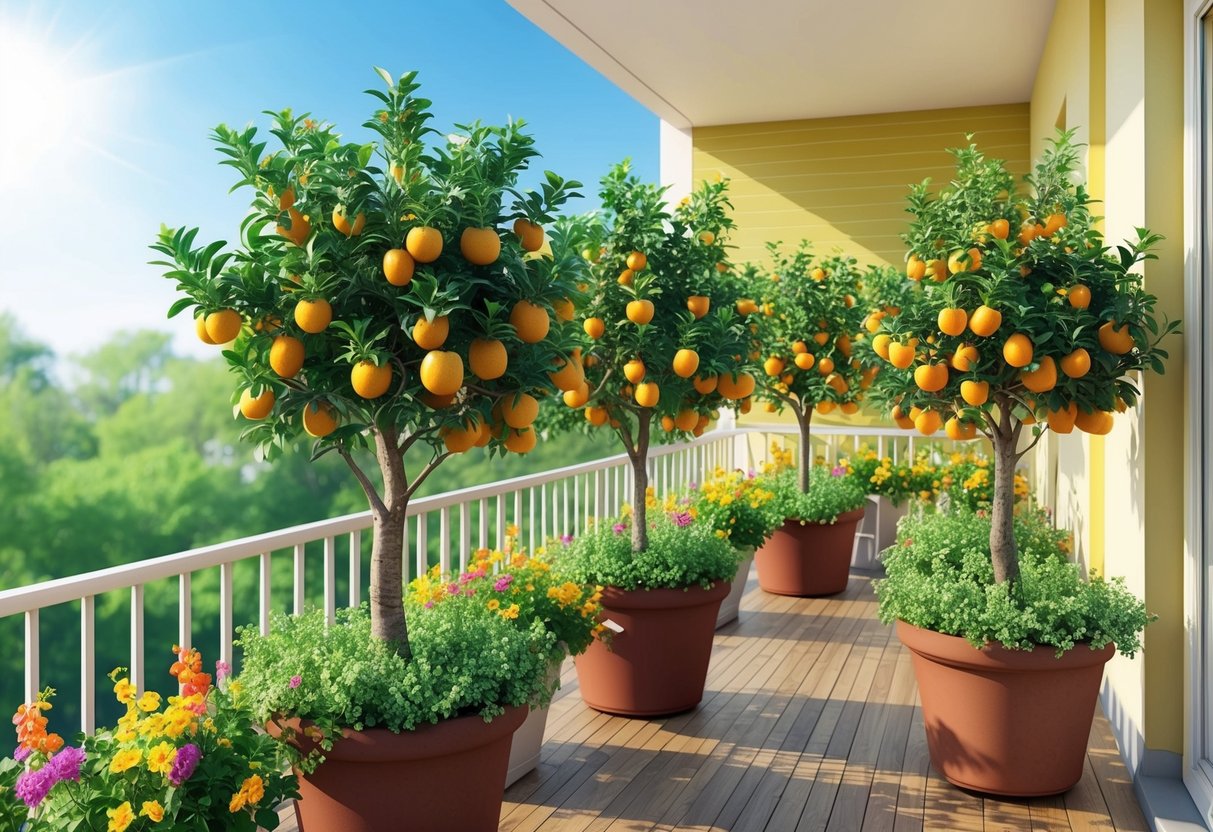
Dwarf fruit trees are small versions of regular fruit trees. They stay short and fit well in small spaces. You can pick from many types of fruit trees that come in dwarf sizes.

Growing dwarf fruit trees on your balcony is fun and rewarding. You’ll have fresh fruit to eat and a pretty green space to enjoy. It’s a great way to make the most of your outdoor area, no matter how small.
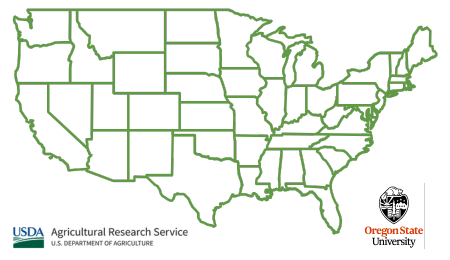
The 2023 USDA Plant Hardiness Zone Map was created by Oregon State University (PRISM Climate Group) and released by the USDA.
Key Takeaways
- Dwarf fruit trees grow well in pots on balconies
- Many fruit types come in dwarf sizes for small spaces
- Proper care leads to fresh fruit and a nice outdoor area
Benefits of Dwarf Fruit Trees on Balconies
Dwarf fruit trees are perfect for balconies. They give you fresh fruit right at home. You can enjoy gardening even in small spaces.
These trees are easy to care for. You don’t need a big yard or lots of time. Watering and pruning are simple tasks you can do quickly.
Dwarf fruit trees look great on balconies. They add color and life to your outdoor space. Your balcony will feel more like a mini-orchard.
Growing your own fruit saves you money. You won’t need to buy as much at the store. Plus, you know exactly how your fruit was grown.
These trees can give you privacy. They create a natural screen on your balcony. This is nice if you live in a busy area.
Some of the easiest dwarf fruit trees for balconies are:
- Dwarf apple trees
- Dwarf lemon trees
- Dwarf cherry trees
These trees don’t take up much room. You can fit several on even a small balcony. This means you can have different types of fruit.
Dwarf fruit trees are good for the environment. They help clean the air around your home. They also give birds and bees a place to visit.
You can learn a lot from growing these trees. It’s a fun way to teach kids about nature and where food comes from. It’s a hobby that keeps on giving.
Choosing the Right Dwarf Fruit Trees
Picking the best dwarf fruit trees for your balcony takes some planning. You’ll need to consider tree types, local climate, space limits, and sunlight. Let’s look at the key things to keep in mind.
Understanding Dwarf Fruit Tree Varieties
Dwarf fruit trees come in many types. Some popular choices are:
- Apples
- Pears
- Peaches
- Cherries
- Citrus (lemons, limes, oranges)
These trees are bred to stay small, usually 6-8 feet tall. This makes them perfect for balconies. Each type has its own needs and growth habits.
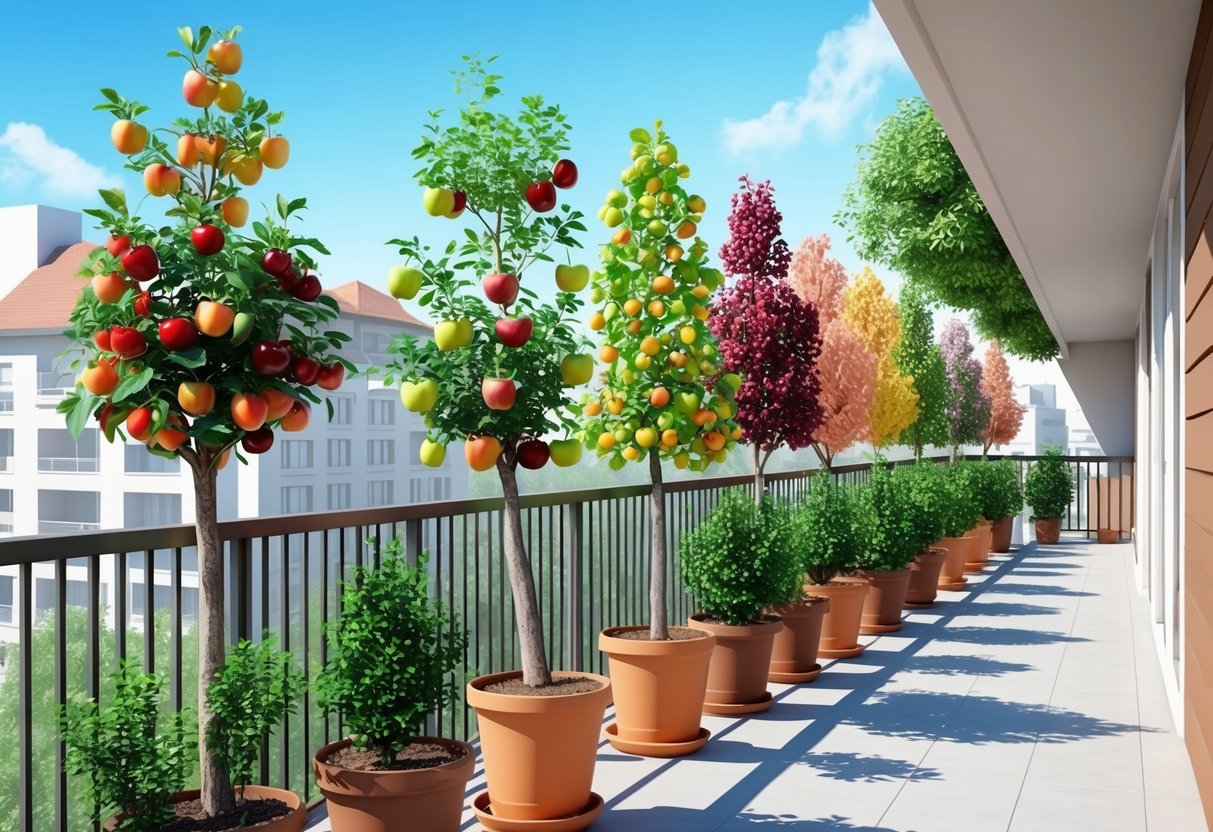
Apples and pears often do well in cooler areas—citrus trees like warmer spots. Peaches and cherries fall in the middle.
Some trees need two different types to make fruit. These are called “self-unfruitful.” Others can make fruit on their own. These are “self-fruitful.” Know which kind you’re getting.
Climate Considerations for Balcony Conditions
Your local weather plays a big role in picking trees. Most fruit trees need a certain number of “chill hours” each winter. This is time spent below 45°F (7°C).
Balconies can be warmer or cooler than the ground. They might also be more windy. Think about these factors:
- Winter low temps
- Summer high temps
- Wind exposure
- Rainfall
Some trees can handle more cold than others. Apples and pears often do well in cooler spots. Citrus trees need warmth and protection from frost.
If your area is windy, look for trees with strong branches. You might also need to stake your trees for support.
Space and Size Requirements
Balcony size is key when choosing dwarf fruit trees. Most need at least a 15-20 gallon pot. This is about 18-24 inches wide and deep.
Here’s a quick guide to pot sizes:
| Tree Type | Minimum Pot Size |
|---|---|
| Apple | 18-24 inches |
| Pear | 18-24 inches |
| Peach | 20-24 inches |
| Cherry | 18-22 inches |
| Citrus | 16-20 inches |
Remember, bigger pots mean bigger trees. They also dry out slower. This can be good in hot weather.
Check how wide the tree will grow. You need space to walk around it. You also want to avoid crowding other plants.
Assessing Sunlight and Shade Areas
Most fruit trees need lots of sun. They do best with 6-8 hours of direct light each day. But some can handle partial shade.
Check your balcony’s sun pattern. Watch it at different times of the day. Note any shadows from buildings or trees.
If you have full sun:
- Almost any dwarf fruit tree can work
- Watch for heat buildup on hot days
For partial sun (4-6 hours):
- Try apples, pears, or sour cherries
- Avoid heat-loving trees like peaches
In mostly shade:
- Look for shade-tolerant varieties
- Consider other plants instead of fruit trees
Some trees can sunburn in hot climates. You might need to provide afternoon shade. Light-colored pots can help keep roots cool.
Planting Dwarf Fruit Trees
Dwarf fruit trees can thrive in containers on your balcony. Proper planting techniques are key to their success. Let’s explore the essentials of container selection, soil preparation, and planting methods.
Selecting Containers and Pots
Choose a pot that’s 18-24 inches wide and deep. This size gives roots room to grow. Make sure the container has drainage holes at the bottom.
Materials matter too. Clay pots look nice but dry out fast. Plastic pots are lightweight and keep soil moist longer. Wood containers offer a natural look but may rot over time.
Pick a light-colored pot to reflect heat and keep roots cool. Dark pots can overheat in direct sun. Consider the weight of your filled pot, especially for balconies with weight limits.
Soil Composition and Drainage
Use a mix of potting soil, compost, and perlite for your dwarf fruit tree. This blend provides nutrients and good drainage. Avoid using garden soil, which can be too heavy.
Add about 20% perlite or coarse sand to improve drainage. Good drainage prevents root rot. Mix in slow-release fertilizer before planting to feed your tree over time.
Put a layer of gravel at the bottom of your pot. This helps water flow out and stops soil from clogging drainage holes. Don’t use too much gravel – an inch is enough.
Planting Techniques
Remove your tree from its nursery pot gently. Loosen the roots if they’re tightly wound. This encourages them to spread out in the new pot.
Fill your container halfway with soil mix. Place the tree in the center, making sure it’s at the same depth as in its original pot. Too deep can harm the trunk.
Add soil around the roots, pressing gently to remove air pockets. Leave about an inch of space at the top for watering. Water thoroughly after planting to settle the soil.
Add a layer of mulch on top to keep moisture in. Don’t let the mulch touch the trunk, as this can cause rot. Water regularly, especially during the first growing season.
Care and Maintenance
Dwarf fruit trees on balconies need regular care to thrive. Proper watering, pruning, fertilizing, and pest control are key to keeping your trees healthy and productive.
Watering Requirements
Dwarf fruit trees need consistent moisture. Water them deeply once or twice a week. Check the soil moisture by sticking your finger about 2 inches deep. If it feels dry, it’s time to water.
Use a watering can or hose with a gentle spray. Avoid getting water on the leaves to prevent fungal diseases. In hot weather, water more often.
Make sure your pots have drainage holes. Empty any water that collects in saucers under the pots. Overwatering can lead to root rot.
Pruning and Shaping
Prune your dwarf fruit trees in late winter or early spring. This helps shape the tree and boost fruit production. Remove any dead, diseased, or crossing branches.
For most dwarf fruit trees, aim for an open center shape. This lets light reach all parts of the tree. Cut back new growth by about one-third each year.
Use clean, sharp pruning shears. Make cuts at a 45-degree angle just above a bud. Don’t leave stubs, as these can invite pests and diseases.
Fertilizing for Health and Growth
Feed your dwarf fruit trees with a balanced, slow-release fertilizer. Apply it in early spring before new growth starts. Follow the package instructions for the right amount.
You can also use organic options like compost or well-rotted manure. Spread a thin layer on top of the soil, avoiding direct contact with the trunk.
Don’t over-fertilize. This can lead to lots of leafy growth but fewer fruits. If leaves turn yellow, your tree might need more nutrients.
Pest Control and Disease Prevention
Check your trees often for signs of pests or diseases. Look for holes in leaves, sticky residue, or discolored spots. Treat problems early to prevent them from spreading.
For common pests like aphids, try spraying the leaves with a mixture of water and mild dish soap. For fungal diseases, use a fungicide made for fruit trees.
Keep the area around your trees clean. Remove fallen leaves and fruits. This helps prevent pests and diseases from taking hold.
Harvesting and Enjoying the Fruit
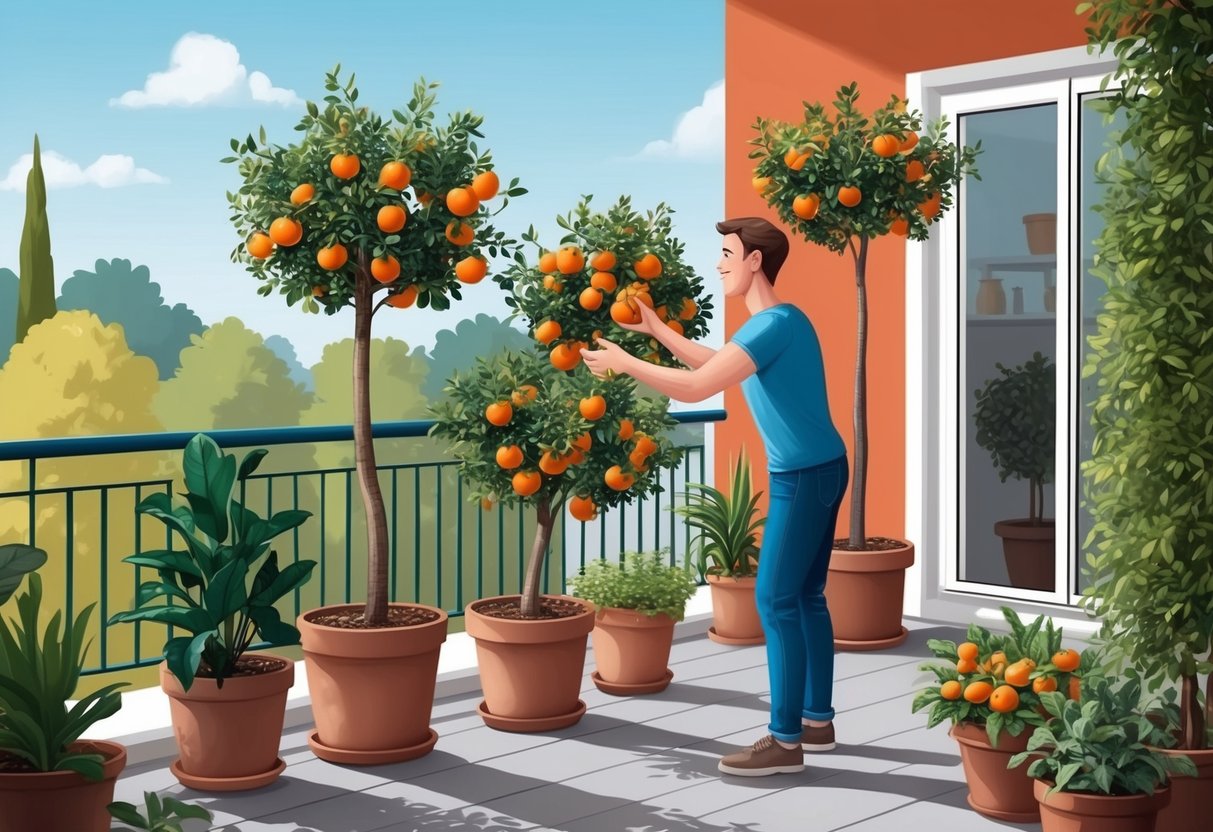
Growing dwarf fruit trees on your balcony can be rewarding. You’ll get to enjoy fresh, homegrown fruit right outside your door. Here’s what you need to know about harvesting and making the most of your balcony-grown fruit.
Identifying Ripeness
Look for color changes to tell when the fruit is ripe. Apples and pears often turn from green to red, yellow, or brown. Peaches and nectarines become less green and more yellow or red. Plums develop a deep purple or red hue.
Feel the fruit gently. Ripe fruit will give slightly when pressed. It should come off the tree easily with a slight twist.
Smell is another good indicator. Ripe fruit has a sweet, strong scent. If you can smell it from a distance, it’s likely ready to pick.
Harvesting Techniques
Use clean, sharp pruning shears or scissors to cut fruit stems. This prevents damage to the tree and fruit.
For higher branches, use a fruit picker basket on a pole. This tool helps you reach fruit without climbing or shaking the tree.
Pick fruit in the morning when it’s cool. Handle it gently to avoid bruising. Place harvested fruit in a soft-lined basket or container.
Don’t pull the fruit off the tree. This can damage both the fruit and branches. Instead, cup the fruit in your hand and twist gently.
Storing and Preserving Your Fruit
Store apples and pears in a cool, dark place. They’ll keep for weeks or months. Check them often and remove any that start to rot.
Softer fruits like peaches and plums need refrigeration. They’ll last about a week in the fridge.
Freeze excess fruit for later use. Wash, slice, and freeze on a tray before transferring to bags. This prevents clumping.
Try canning or making jams to preserve your harvest. These methods let you enjoy your fruit year-round.
Dehydrating is another good option. Dried fruit makes a healthy snack and lasts for months.
Creative Ways to Use Balcony-Grown Fruit
Make fresh fruit salads or add sliced fruit to your morning cereal. Blend fruit into smoothies for a quick, healthy drink.
Bake pies, cobblers, or crumbles with your homegrown fruit. The fresh flavor will make these desserts extra special.
Use fruit in savory dishes too. Add sliced pears to salads or make apple chutney to serve with meats.
Try infusing water or tea with sliced fruit for a refreshing drink. This works well with strawberries, peaches, or citrus.
Make your own fruit-flavored yogurt. Blend fresh fruit into plain yogurt for a healthier alternative to store-bought versions.
Troubleshooting Common Issues
Growing dwarf fruit trees on balconies can be rewarding, but it comes with challenges. Here are some common problems you might face and how to solve them.
Dealing with Limited Fruit Production
Is your dwarf fruit tree not producing as much fruit as you expected? This is a common issue for balcony growers. First, check if your tree is getting enough sunlight. Most fruit trees need at least 6 hours of direct sun daily.
Next, look at your pollination setup. Many fruit trees need a partner to produce fruit. If you have limited space, try hand-pollinating with a small brush.
Proper pruning is key for fruit production. Trim your tree in late winter to encourage new growth. Remove any dead or crossing branches.
Lastly, make sure you’re using the right fertilizer. A balanced NPK formula will help your tree grow strong and produce more fruit.
Overcoming Balcony Microclimates
Balconies can create unique weather conditions that affect your dwarf fruit trees. The wind is often stronger at height, which can dry out the soil quickly. Use mulch to help retain moisture and protect roots.
Temperature swings can be more extreme on balconies. In hot weather, move potted trees to shadier spots if possible. During cold snaps, wrap the pot in bubble wrap to insulate the roots.
Twig dieback can happen due to harsh weather. Prune affected areas and ensure your tree is well-watered and protected.
Consider creating windbreaks with trellises or other plants to shield your fruit trees from strong gusts. This can help maintain a more stable environment for your trees to thrive.
Addressing Root-Bound Plants
Root-bound plants are a common problem for container-grown dwarf fruit trees. Signs include slow growth, yellowing leaves, and roots circling the bottom of the pot.
To fix this, repot your tree in a container about 2 inches larger in diameter. Gently loosen the roots before replanting. This gives them room to spread out.
Use a well-draining potting mix to prevent waterlogging. Add some perlite or coarse sand to improve drainage if needed.
Prune roots annually to keep them from getting too crowded. Trim about an inch off the sides and bottom of the root ball. This encourages new root growth and keeps your tree healthy.