🪴Balcony Garden Paradise is reader-supported. When you buy through links on our site,
we may earn a small affiliate commission at no extra cost to you. As an Amazon Associate,
we earn from qualifying purchases. Happy Gardening from the team! 🌿
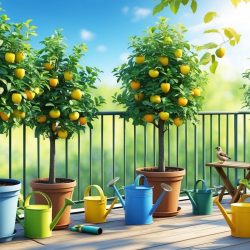
Growing fruit trees on your balcony can be a fun and rewarding hobby. You don’t need a big yard to enjoy fresh fruit from your own trees. Many types of fruit trees can thrive in pots on a small balcony or patio. Here are some of the easiest fruit trees to grow on a balcony.
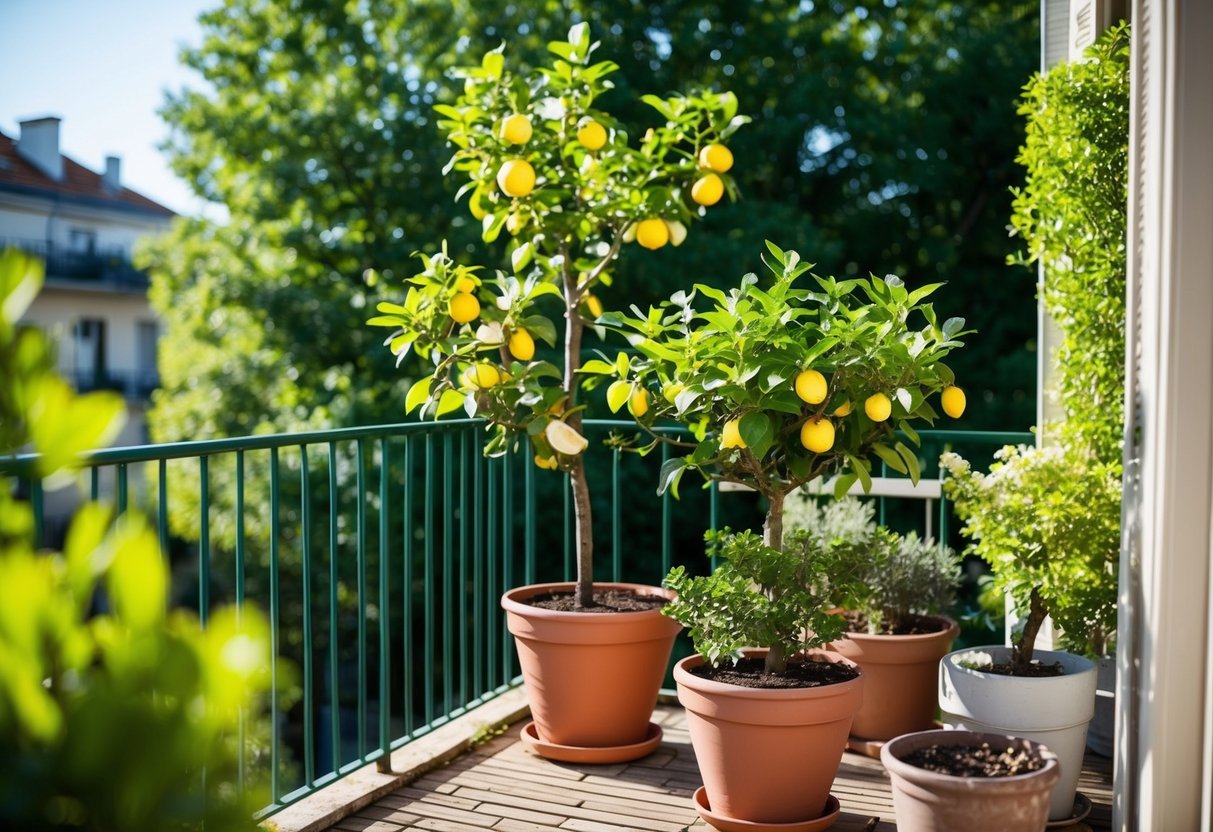
The easiest fruit trees to grow on a balcony are dwarf citrus trees, such as lemons or limes. These compact trees do well in containers and can produce fruit year-round with proper care. Other good choices include dwarf apple trees, figs, and cherry trees.

To grow fruit trees on your balcony, you’ll need a large pot, well-draining soil, and a sunny spot. Make sure to water your trees regularly and feed them with a balanced fertilizer. With a little care, you can enjoy fresh fruit from your own mini orchard right outside your door.
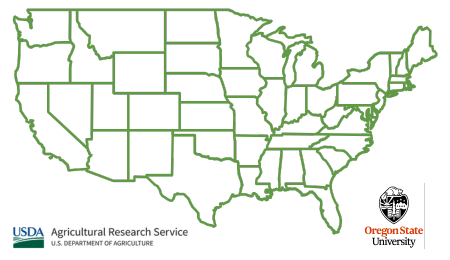
The 2023 USDA Plant Hardiness Zone Map was created by Oregon State University (PRISM Climate Group) and released by the USDA.
Key Takeaways
- Dwarf citrus trees are the simplest option for balcony fruit growing
- Choose a large pot, good soil, and a sunny location for your tree
- Regular watering and fertilizing help balcony fruit trees thrive
Selecting the Right Fruit Trees
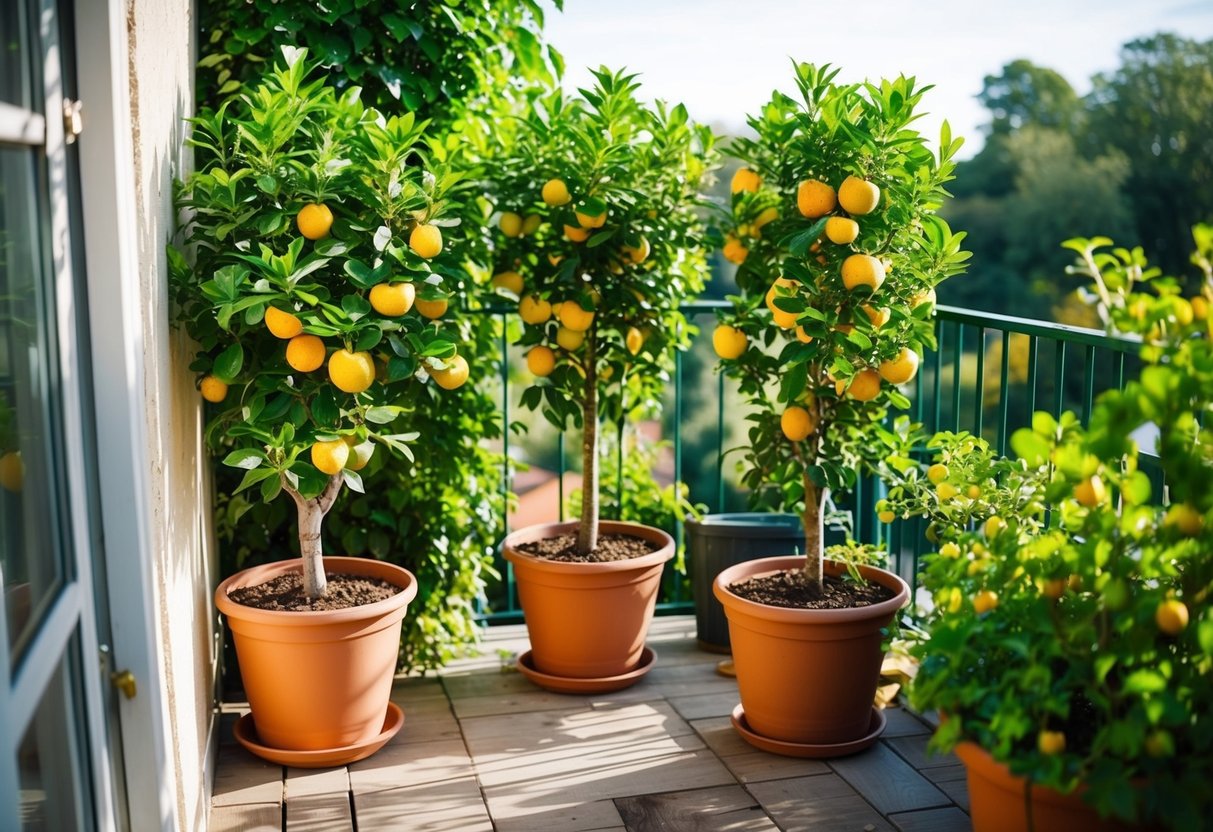
Choosing fruit trees for your balcony takes careful planning. You’ll need to think about space, sunlight, and climate to pick trees that will thrive.
Factors to Consider for Balcony Conditions
Sunlight is key for fruit trees. Most need at least 6 hours of direct sun daily. Check how much light your balcony gets throughout the day. Wind exposure matters too. Strong winds can damage delicate blossoms and fruit.
Think about weight limits. Pots with soil and trees can be heavy. Make sure your balcony can handle the load. Temperature is another factor. Some fruit trees can’t handle freezing winters.
Water drainage is important. Your pots need holes to let excess water out. But be mindful of drips on neighbors below. Use saucers to catch water.
Best Fruit Trees to Grow on a Balcony
Citrus trees are great for balconies. Lemons, limes, and kumquats do well in pots. They’re also pretty to look at. Fig trees are another good choice. They’re tough and can handle different conditions.
Peach and nectarine trees can work if you have enough sun. Look for self-pollinating types. They don’t need other trees nearby to make fruit.
Apple trees can grow on balconies too. Pick columnar varieties. They grow up instead of out, saving space.
Dwarf and Miniature Fruit Trees
Dwarf fruit trees are perfect for balconies. They’re small but still give you full-sized fruit. Many popular fruits come in dwarf forms. You can find dwarf apples, pears, cherries, and bananas.
Miniature fruit trees are even smaller. They often grow well in hanging baskets. Try miniature peaches or apricots. These trees stay very small but still produce tasty fruit.
Genetic dwarfing makes these trees naturally small. You won’t have to prune them much to keep their size down. This makes them easy to care for in tight spaces.
Basic Requirements for Growing Fruit Trees
Growing fruit trees on a balcony needs a few key things. With the right conditions, you can enjoy fresh fruit from your own mini-orchard.
Sunlight and Temperature
Fruit trees need lots of sunlight to grow and produce fruit. Most need at least 6-8 hours of direct sun each day. Place your trees in the sunniest spot on your balcony.
Temperature is important too. Many fruit trees do best in warm climates. But some can handle cooler weather. Check the hardiness zone for your area. Pick trees that match your zone.
Some trees need a certain number of “chill hours” each winter. This helps them bloom in spring. If you live somewhere warm, look for low-chill varieties.
Watering Needs
Fruit trees in pots need more water than those in the ground. The soil dries out faster in containers. Water your trees when the top inch of soil feels dry.
How often you water depends on:
- Tree size
- Pot size
- Weather
- Type of tree
In hot weather, you might need to water daily. In cooler times, once or twice a week may be enough.
Use pots with drain holes. This stops water from sitting in the bottom. Too much water can harm tree roots.
Soil Quality and Drainage
Good soil is key for healthy fruit trees. Use a mix made for fruit trees or make your own. A good mix has:
- Potting soil
- Compost
- Perlite or sand
This blend gives roots air, food, and good drainage. Fruit trees hate wet feet. Make sure water can flow out of the pot easily.
Add slow-release fertilizer to the soil. This feeds your tree over time. You can also use liquid fertilizer during the growing season.
Change the soil every few years. This gives your tree fresh nutrients. It also helps prevent root problems.
Potting and Planting Strategies
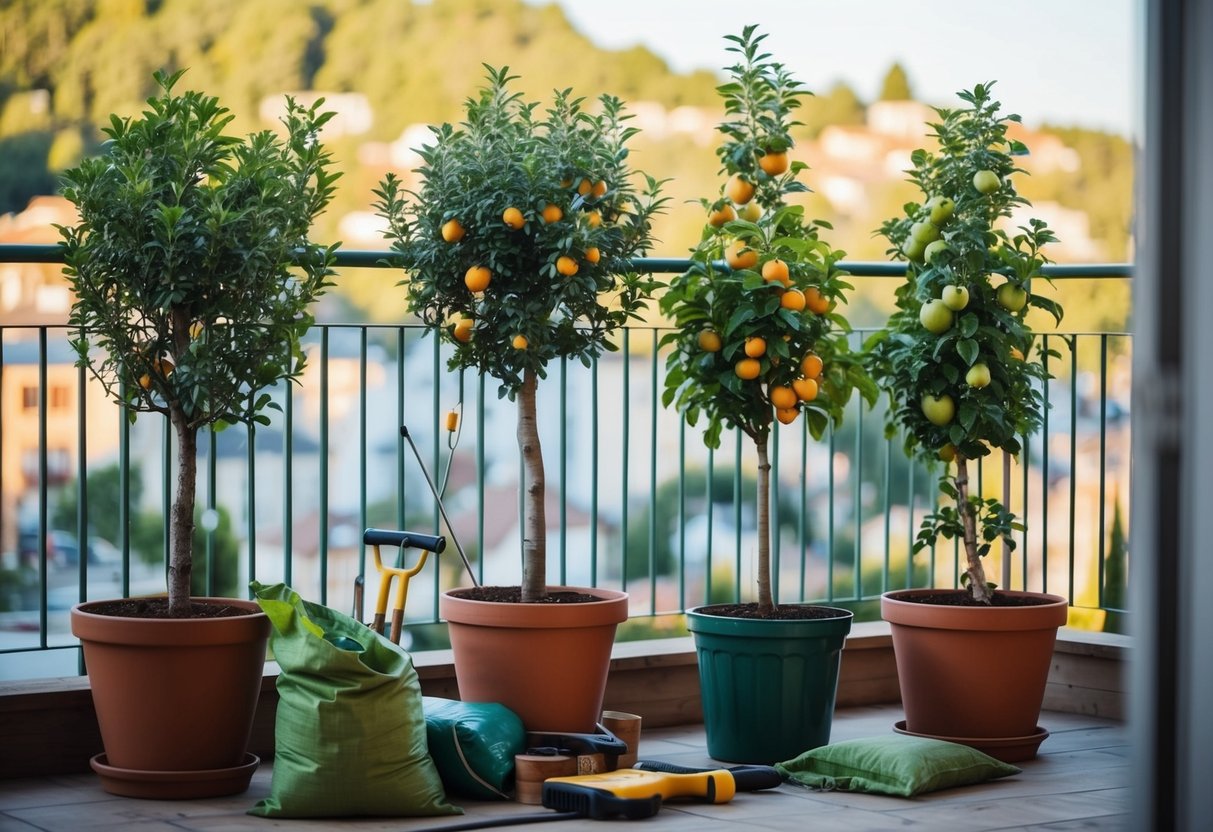
Growing fruit trees on your balcony needs smart container choices and space-saving methods. Good planning helps your trees thrive in small spaces.
Choosing the Right Containers
Pick pots that are big enough for your fruit trees. Most dwarf trees need 15-20 gallon containers. Make sure the pots have drainage holes. Clay pots are heavy but keep the soil moist. Plastic pots are lighter and easier to move.
Use lightweight potting mix made for containers. It should drain well but hold enough water. Add some compost to feed your trees. Don’t use garden soil – it’s too heavy and may have pests.
Planting Techniques
Plant your tree at the same depth it was in its nursery pot. Gently loosen the roots if they’re circling. Fill the pot with soil mix, leaving 2 inches at the top for watering.
Water well after planting. Add a layer of mulch on top to keep moisture in. Don’t let mulch touch the trunk. Stake your tree if it’s tall or in a windy spot.
Prune your tree to keep it small. This makes it easier to care for on your balcony.
Utilizing Vertical Space
Use trellises or wire supports for vining fruits like grapes. Train branches of other trees to grow flat against a wall. This is called espalier.
Hang baskets from your balcony railing for strawberries or small citrus trees. Stack pots on shelves or use tiered planters. This gives you more growing space.
Try dwarf columnar trees. They grow straight up without many branches. These are perfect for tight spots on your balcony.
Maintenance and Care
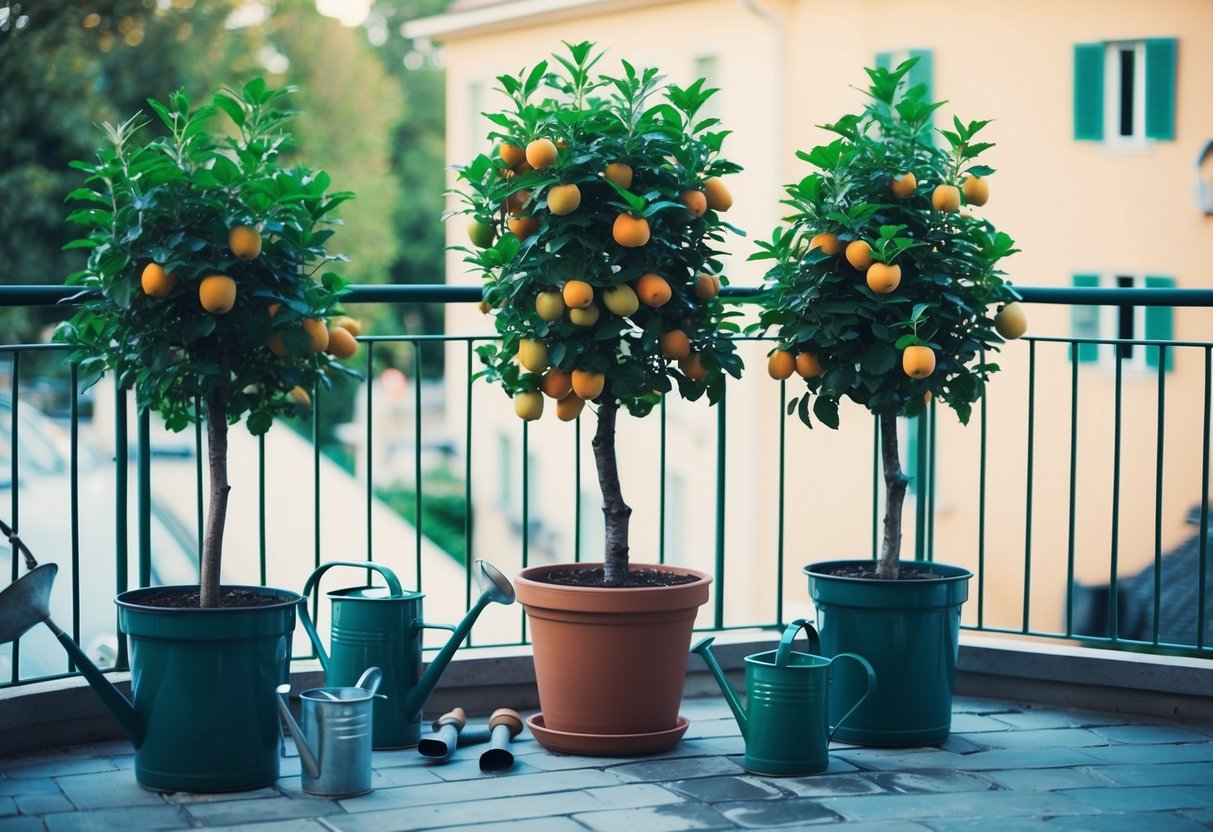
Growing fruit trees on your balcony requires regular care. Here are key tips to keep your trees healthy and productive.
Regular Pruning
Prune your balcony fruit trees yearly to maintain their shape and size. Remove dead, diseased, or crossing branches in late winter or early spring. This helps air and sunlight reach all parts of the tree.
For dwarf citrus trees, pinch off new growth tips to encourage bushiness. Trim long branches to keep the tree compact. Apple and pear trees need heading cuts to promote side branching.
Avoid cutting more than 25% of live growth in one season. Use clean, sharp pruning shears to make clean cuts just above a bud or branch collar.
Fertilization Schedule
Feed your balcony fruit trees regularly to ensure good growth and fruit production. Use a balanced, slow-release fertilizer made for fruit trees.
Apply fertilizer in spring when new growth starts. Follow up with lighter doses every 6-8 weeks during the growing season. Stop fertilizing about 6 weeks before your first frost date.
For container trees, use a liquid fertilizer at half strength every 2-3 weeks. This helps replace nutrients that wash out of pots when you water.
Always follow package directions for amounts. Too much fertilizer can harm your trees.
Pest and Disease Management
Check your fruit trees often for signs of pests or diseases. Look under leaves and along stems for insects, eggs, or damage. Catch problems early for easier treatment.
Use insecticidal soap or neem oil for common pests like aphids or spider mites. These are safer for balcony use than harsh chemicals. For fungal issues, prune affected areas and improve airflow.
Keep your balcony clean. Remove fallen leaves and fruit promptly. This cuts down on places for pests to hide or diseases to spread.
Consider using sticky traps to catch flying pests. For bigger issues, ask a local garden center for safe, organic solutions that work in small spaces.
Harvesting and Enjoying Your Fruit
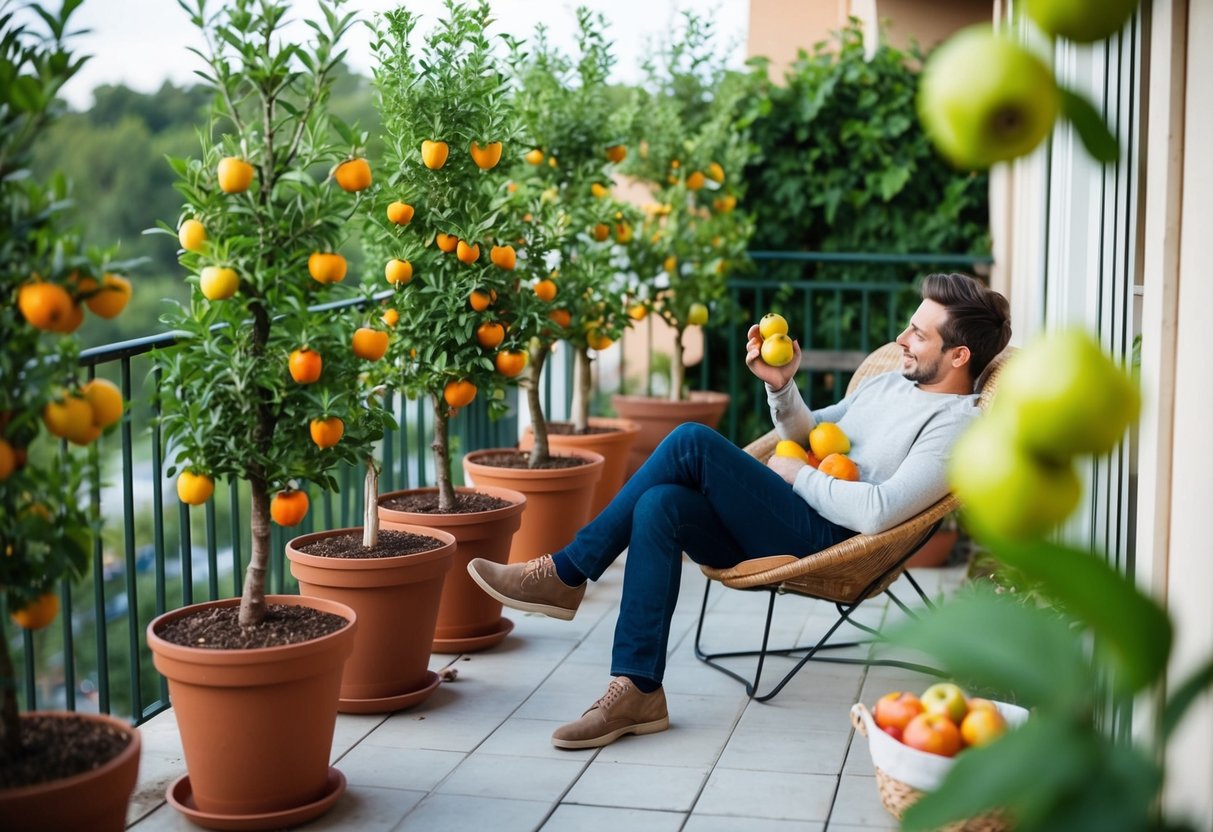
Growing fruit trees on your balcony is rewarding. When harvest time comes, you’ll get to enjoy the fruits of your labor. Proper picking and storage will help you make the most of your homegrown fruit.
Recognizing Ripeness
Look for these signs that your fruit is ready:
- Color changes (e.g. green to red for apples)
- Slight softness when gently squeezed
- Easy separation from the branch
- Sweet smell
Different fruits have unique ripeness signs. For citrus, look for a slight give in the skin. Figs are ripe when they droop on the branch. Peaches and nectarines should have no green left.
Check your trees daily as harvest time nears. Ripe fruit tastes best and stores well.
Harvesting Techniques
Use these tips for a good harvest:
- Pick in the morning when it’s cool
- Wear gloves to protect your hands
- Use clean, sharp scissors or pruners
- Hold the fruit gently to avoid bruising
- Twist and pull fruit at the same time
For some fruits like pears, pick when slightly unripe and let them finish ripening indoors. This prevents over-ripening on the tree.
Be careful not to damage branches or nearby fruit when harvesting. Remove any rotten or damaged fruit right away to keep pests away.
Storing and Preserving Your Fruit
Keep your harvest fresh with these storage tips:
- Clean fruit gently with a damp cloth
- Sort fruit by ripeness
- Store in a cool, dark place
- Use breathable containers or baskets
- Check often and remove any spoiled pieces
Different fruits need different storage methods. Apples and pears do well in the fridge. Citrus fruits can stay at room temp for a week.
To enjoy your fruit longer, try:
- Freezing: Good for berries and stone fruits
- Drying: Works well for figs and apples
- Canning: Great for making jams and preserves
- Juicing: Use extra ripe fruit for fresh drinks
With proper care, you can enjoy your balcony-grown fruit for weeks or even months after harvest. Hopefully, we have helped you choose the best fruit trees to grow on a balcony. Now get planting. 😉