🪴Balcony Garden Paradise is reader-supported. When you buy through links on our site,
we may earn a small affiliate commission at no extra cost to you. As an Amazon Associate,
we earn from qualifying purchases. Happy Gardening from the team! 🌿
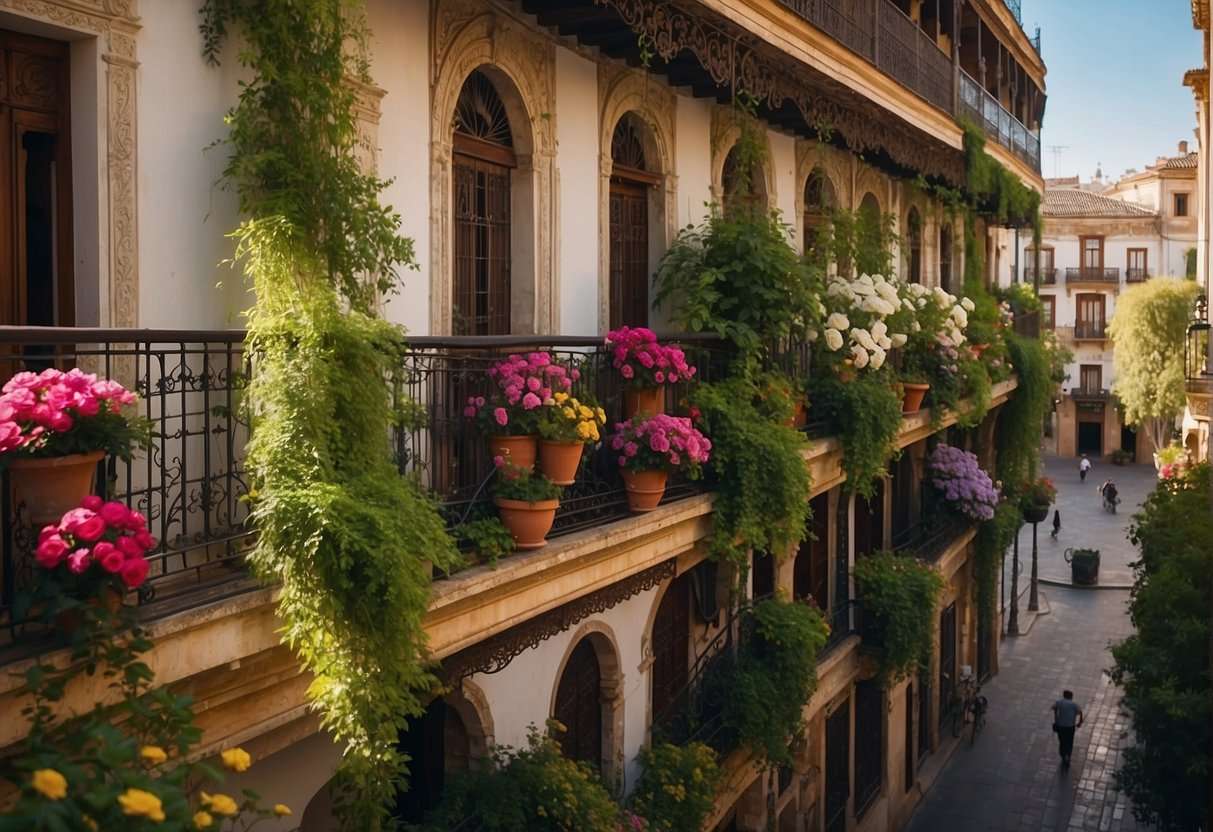
The balcony gardens of Seville are a charming feature of this historic Spanish city. As you wander through the alluring streets, your gaze is often lifted to the vibrant and lush balcony spaces that spill over with greenery. They are not merely decorative; these small havens reflect the city’s values of beauty, community, and nature merging seamlessly with urban life. Balcony gardens are symbols of love and care that residents have for their living spaces. They bring a piece of nature to the heart of the city.

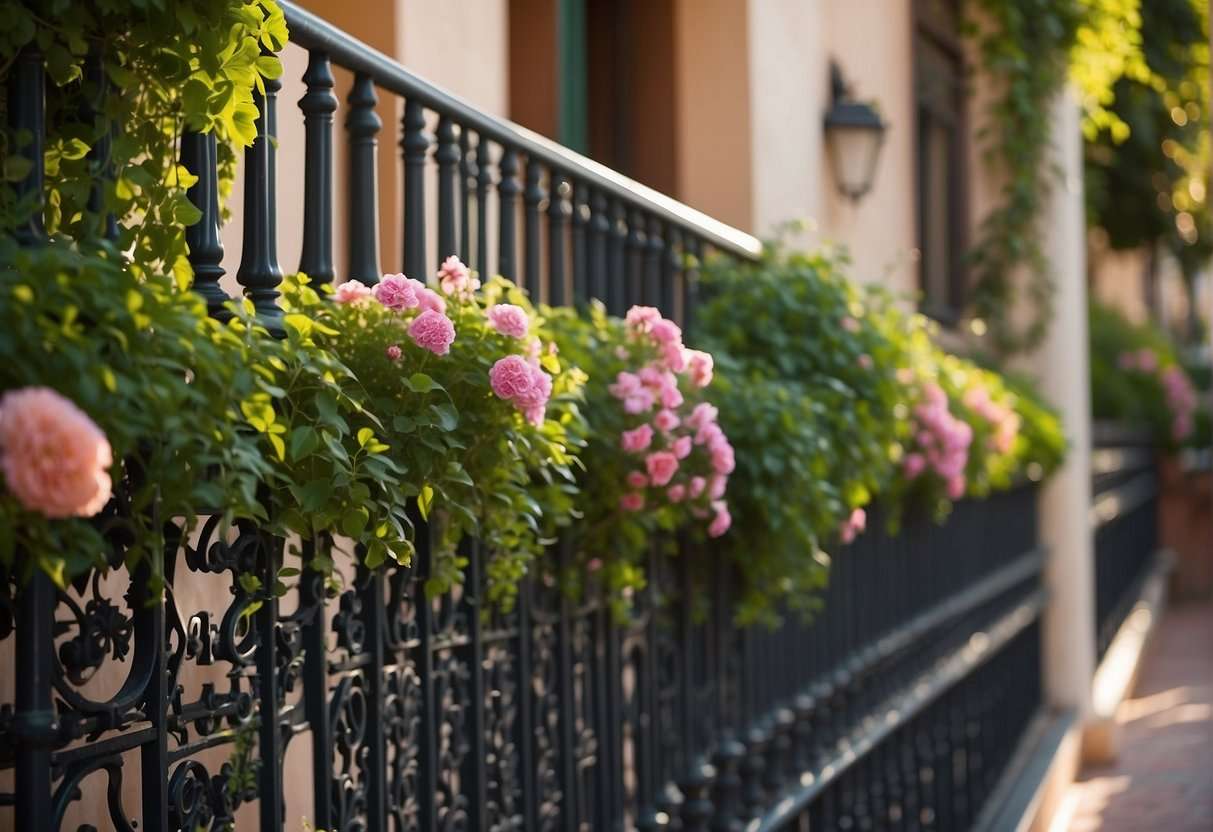
Exploring Seville will lead you to discover that each balcony garden is a personal touch added by the inhabitants. Each contributes to the character and ambiance of the city. These elevated oases are integral to the Seville experience, offering a refreshing burst of life against the terracotta and beige of the cityscape. As you travel through Seville, these flourishing balcony gardens exemplify the city’s vibrant lifestyle and its citizens’ appreciation for natural beauty amidst the urban environment.

The 2023 USDA Plant Hardiness Zone Map was created by Oregon State University (PRISM Climate Group) and released by the USDA.
The balcony gardens of Seville add an unexpected twist to the travel experience, offering a unique perspective on the city’s architectural charm. They stand as living postcards from the past, blending the historic with the present, inviting you to marvel at how such small spaces can have such a grand impact on the feel of a city.
Historical Context
In exploring Seville, you’ll uncover gardens colored by a rich tapestry of historical influences, from the Moorish era to the Ibero-American Exposition.
Seville’s Moorish Legacy
The Alcazar Gardens are a lush testament to the city’s vibrant Moorish history. These gardens, nestled within the architectural masterpiece of the Alcazar of Seville, are laced with delicate sensibilities and intricate designs characteristic of Moorish Influence.
The Gardens and the Ibero-American Exposition
In 1929, Seville became the canvas for the Ibero-American Exposition. Spaces like María Luisa Park were transformed, giving the city majestic, semi-public gardens. Murillo Gardens, for example, were curated with plant species that are emblematic of Spanish culture and exchanged during the exposition.
Notable Gardens and Their Origins
The city’s iconic gardens of Seville have origins steeped in antiquity. The Jardines de Murillo and Paseo de Catalina de Ribera, adjacent to the old Jewish quarter of Santa Cruz, are shaded threads connecting the city’s historic fabric to the greenery of today.
Influential Figures in Garden History
Key figures like Christopher Columbus and Bartolomé Esteban Murillo are woven into the garden history of Seville. Their legacies influenced the city’s cultural landscape, echoing through the centuries in spaces like the Cathedral and the gardens named after Murillo.
Evolution of Balcony Gardening of Seville
Your experience in Seville’s history extends beyond grand parks to private spaces. The balcony gardening reflects the adaptation of public garden aesthetics into more intimate realms. Over time, these small green spaces have become integral to the character of Spanish culture.
Design Principles of Balcony Gardens
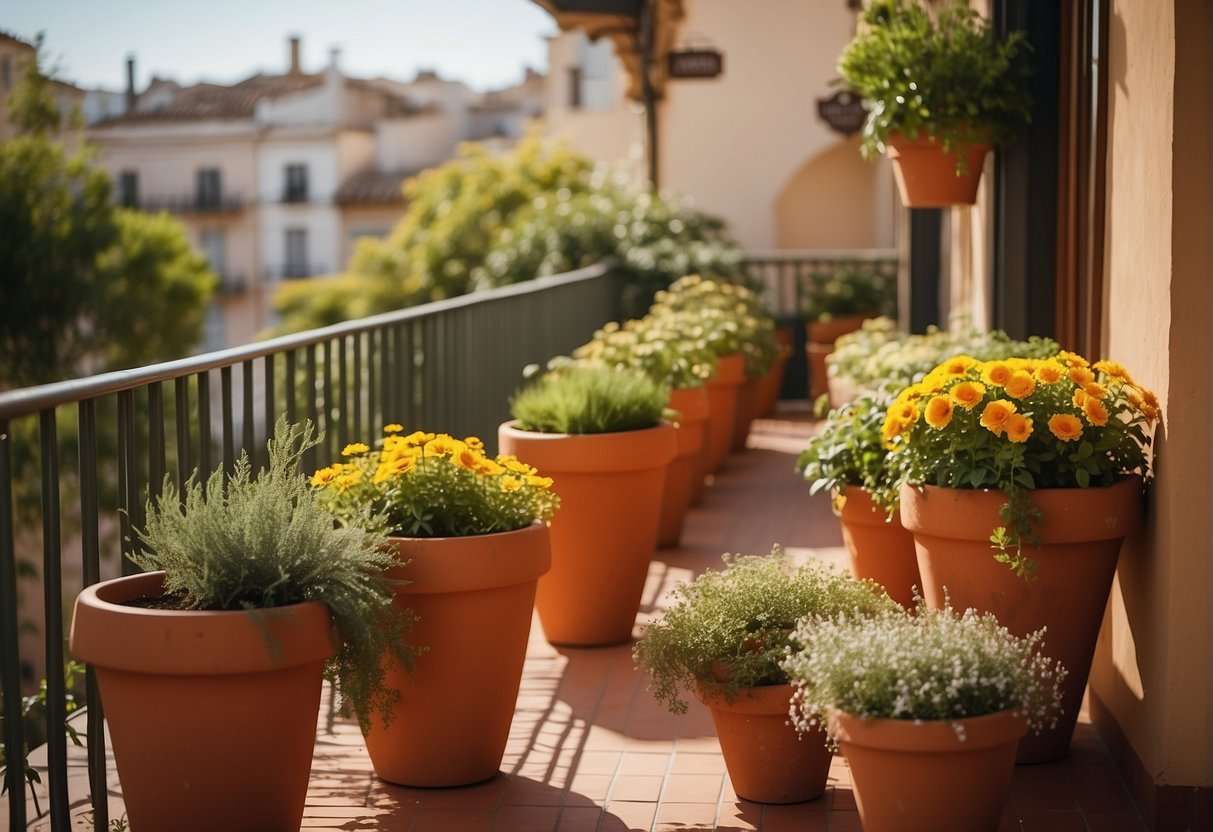
Embarking on designing your balcony garden like those of Seville, you’ll want to embrace their local beauty and effortless integration of nature and architectural elements. Your outdoor sanctuary can become a reflection of Seville’s rich heritage, from orange trees to intricate geometric patterns, all while making the most of your available space.
Incorporating Nature
In Seville, the air is often filled with the scent of fragrant orange trees and lemon trees. To capture this essence, you can plant fragrant plants in containers and plan for a year-round display of blooms. Consider the bright hues of the bougainvillea to add a bold splash of color against the terracotta backdrop of your balcony.
- Plant Choices:
- Orange Trees (Citrus sinensis)
- Lemon Trees (Citrus limon)
- Fragrant Plants such as Jasmine or Lavender
Architectural and Artistic Elements
The architecture in Seville is a canvas of history with buildings detailed with sculptures, fountains, and geometric patterns that tell a story. You can mirror this richness in your balcony garden design through the inclusion of water features or decorative tiles that create a visual connection to the city’s identity.
- Design Features:
- Statuettes or small sculptures
- Wall-mounted fountains
- Decorative tiles or mosaics with geometric designs
Utilizing Space and Shade
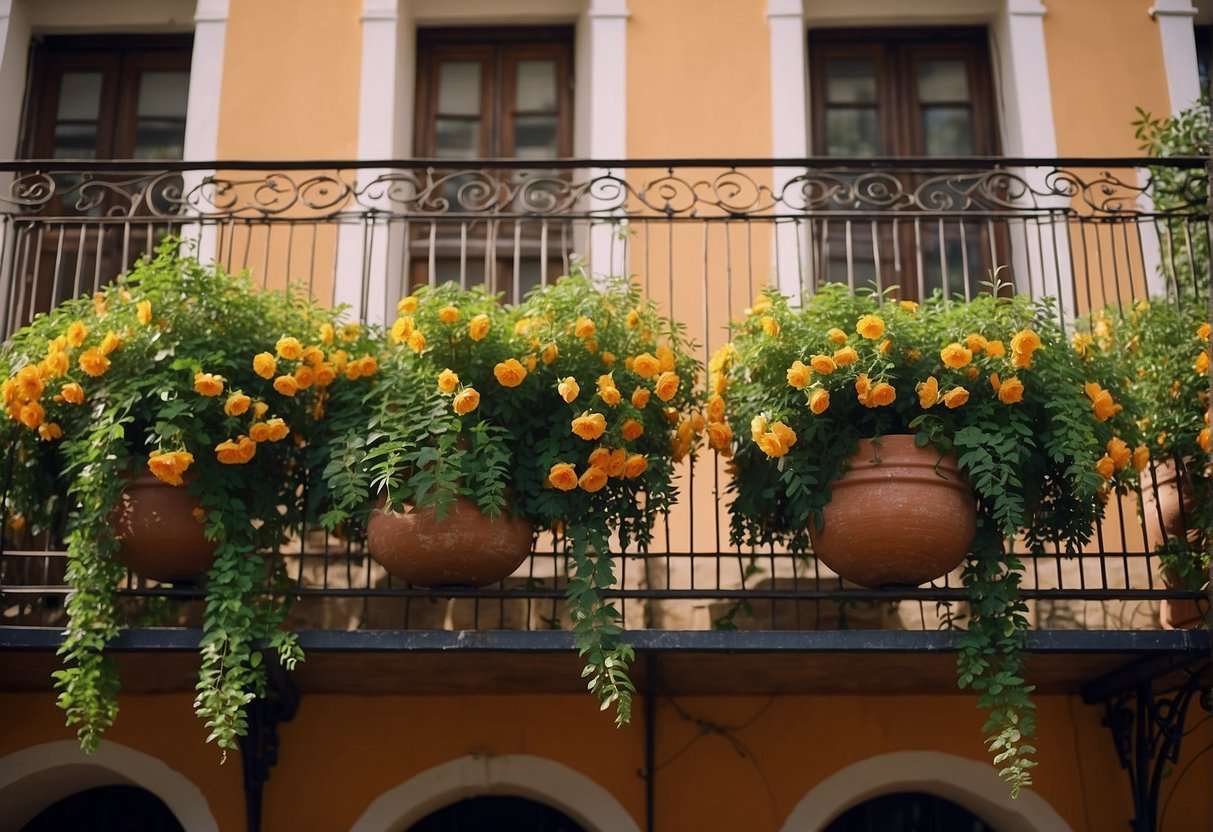
The balcony gardens of Seville vary in size, making shade and space optimization key elements in your garden’s design. Use vertical space effectively with hanging plants or wall-mounted planters, ensuring they complement the natural shade provided by the balcony overhead and surrounding structures, keeping your space cool and inviting.
- Space Management:
- Vertical planters
- Retractable awnings or canopies for additional shade
Exploring Seville’s Public Gardens
In the bustling city of Seville, you’ll find an array of public gardens that offer a peaceful retreat from the urban landscape, each with its own unique charm and history.
María Luisa Park and Its Attractions
María Luisa Park is Seville’s green oasis, home to the spectacular Plaza de España with its famed Central Fountain. As you stroll along, you’ll discover exquisite fountains and ponds that contribute to the serene ambiance of this expansive park.
Alamillo Park and Modern Recreation
For those seeking active recreation, Alamillo Park provides ample space for a variety of sports and leisure activities. It’s a modern touch to Seville’s traditional landscapes, allowing you to engage with local communities in a fresh, green environment.
Gardens of Real Alcázar
The Alcázar Gardens are a historical treasure ensconced within the Alcazar of Seville. Here, you’ll wander through an architectural marvel, where the palace gardens reflect the city’s Moorish past and Christian present, blending culture with horticultural finesse.
Murillo Gardens and Artistic Influence
Adjacent to the Alcázar lie the Murillo Gardens, named after the celebrated painter. This smaller, picturesque area merges art with nature, revealing the artistic influence that permeates Seville, from its intricate garden designs to the cultural significance of each planted path.
Santa Cruz: A Fusion of History and Horticulture
Within the historic Santa Cruz neighborhood, quaint gardens nestle amidst ancient architecture. Here, history and horticulture fuse seamlessly, offering a unique perspective on Seville’s past, present, and the enduring cultural significance of its public green spaces.
Cultural Significance of Gardens in Seville
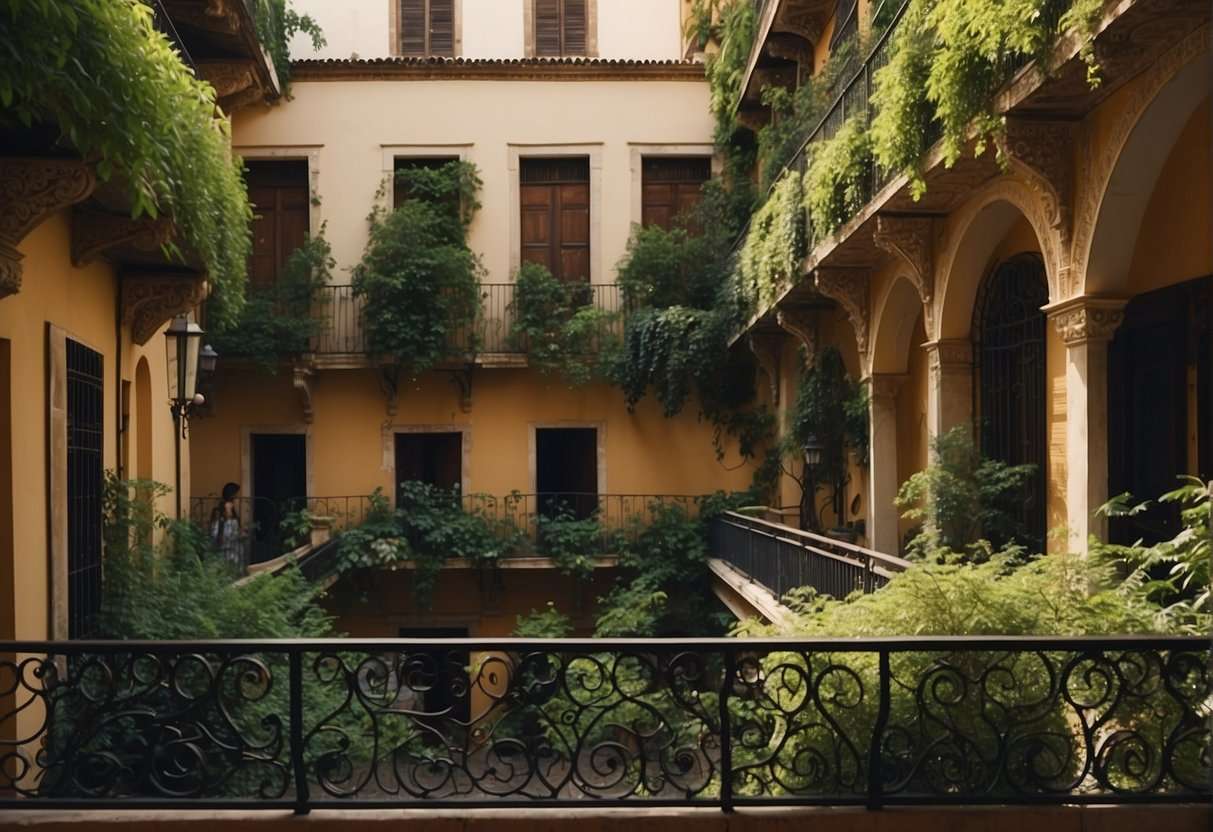
The gardens of Seville aren’t just natural spaces; they are deeply intertwined with the city’s cultural tapestry. They are both historical landmarks and vibrant social theaters that echo Seville’s rich heritage.
Gardens as Social Hubs
In Seville, gardens form the epicenter of community life and cultural interactions. The lush expanses of the Alcazar Palace gardens offer a common ground for you to witness the living tradition of gathering, talking, and celebrating amidst nature. At places like Plaza de España, gardens are stages for romance and daily social exchanges. You’ll find locals and visitors alike sharing stories, laughter, and experiences.
Gardens in Sevillian Literature and Opera
Sevillian gardens have long been captured in the arts, symbolizing love and passion within literature and opera. These verdant spaces of the Alcazar are immortalized in classic operas such as “Carmen”. They are a dramatic backdrop for the unfolding of the story’s intense emotions. When you read Sevillian literature or witness an opera, you’re likely to encounter gardens as pivotal elements that help convey the deep-rooted culture and art of Seville.
Practical Guide to Balcony Gardening
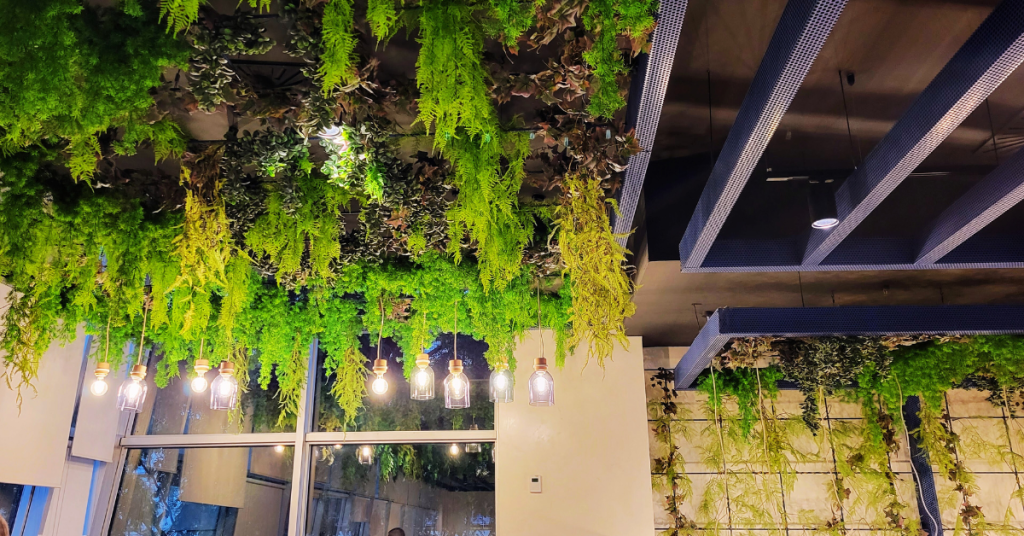
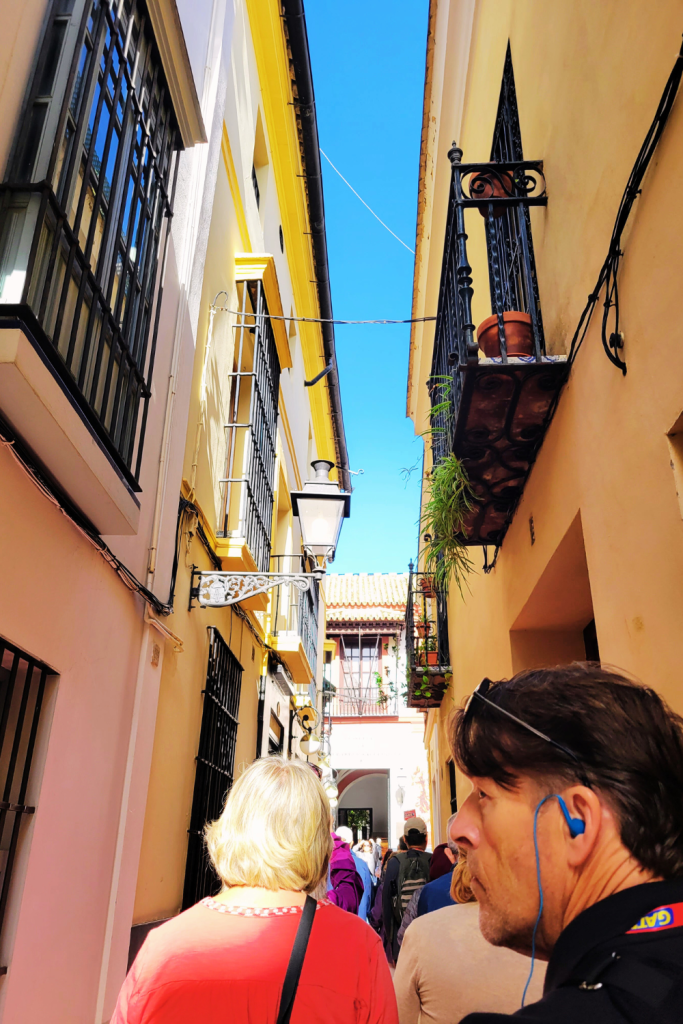
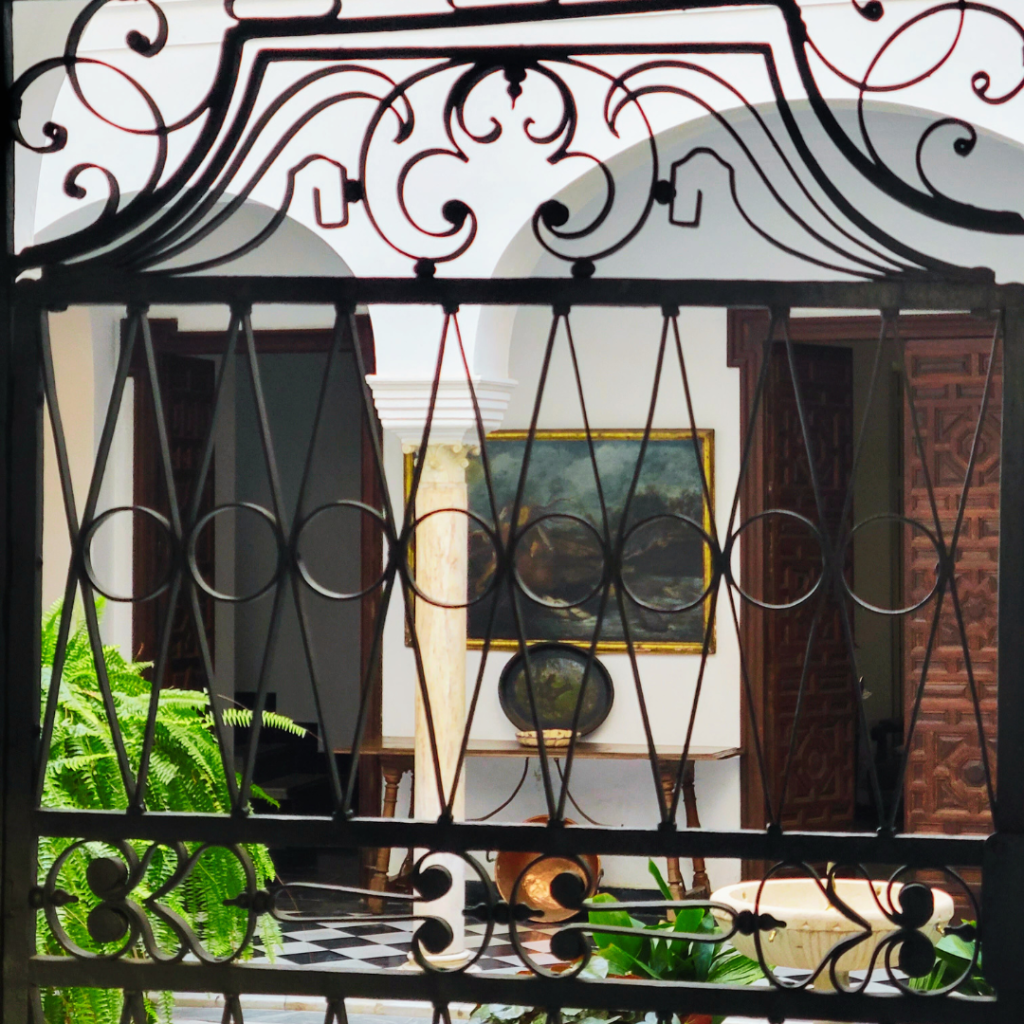
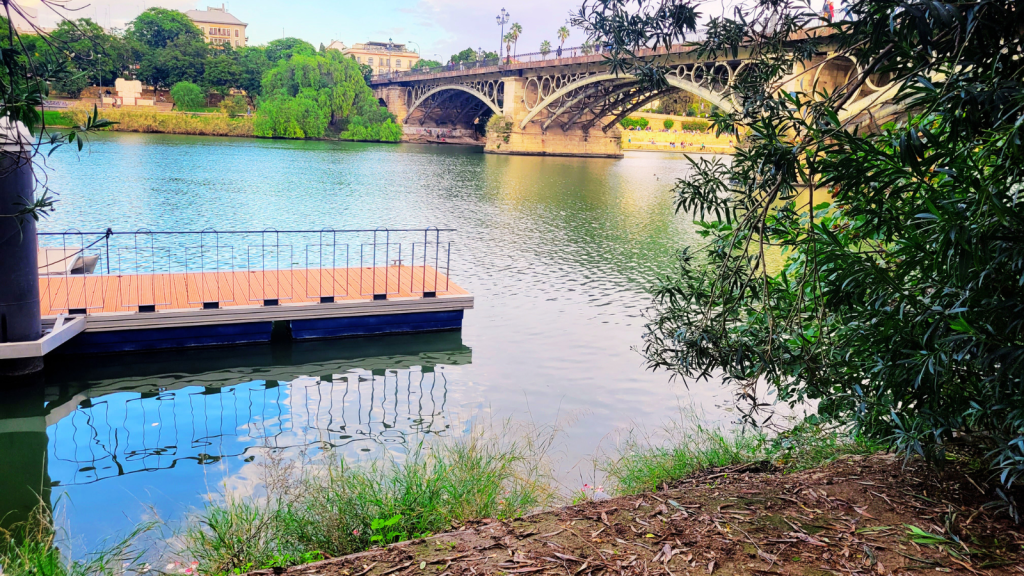
Whether you’re gazing upon the historical balcony gardens of Seville or planning to cultivate your own small space, balcony gardening requires smart planning and organization. This guide will help you create a flourishing garden within the confines of your balcony. You will integrate nature into your travel memories and daily life.
Planning and Plant Selection
When beginning your balcony garden, it’s crucial to select plants that suit your climate and the amount of sunlight your space receives. Consider the weight and mobility of containers. Use an app like Wanderlog to note down local weather patterns and plan your botanical choices accordingly.
- Sunlight Assessment: Track the hours of sunlight your balcony receives and choose plants that thrive in those conditions.
- Climate Considerations: Use regional climate data to find plants best suited for your area.
- Container Choices: Opt for light containers. You can move them easily for design flexibility and sunlight optimization.
Garden Maintenance Tips
Maintaining a balcony garden involves regular care and awareness of the needs of your plants. Be diligent about watering schedules and vigilant for signs of pests or diseases.
- Watering: Set reminders on your garden management app to water plants consistently.
- Nutrient Management: Use organic fertilizers to provide essential nutrients without overloading your plants.
- Pest Control: Regularly inspect plants and promptly address any pest issues to prevent spread.
Using Technology for Garden Management
Technology can significantly enhance your gardening experience. Download gardening apps that help in tracking plant progress, watering schedules, and even give tips on nature care.
- Organization Apps: Use apps like Wanderlog for organizing gardening tasks and travel plans to garden centers or natural spaces.
- Garden Planners: Digital garden planners assist in visualizing and rearranging your balcony space before the physical work begins.
- Learning Tools: Look for apps with a comprehensive database on plants to extend your knowledge on urban horticulture.
Visiting Seville’s Gardens
Seville offers a rich garden tapestry that contributes to the city’s charm. Optimal visitation times and helpful tips can enhance your garden-touring experience.
Seasonal Variations and Best Times to Visit
Seville experiences seasonal variations that can significantly influence your garden visits. The prime time to witness the blooms is typically in April and May. During this time, the weather is pleasant and the gardens are in full splendor. The Alcazar of Seville, with its rich history, is especially beautiful and lush during these months. Tourists should note that garden hours vary; with longer hours from April 1 to September 14, they are open from 9.30 am to 7 pm, switching to shorter hours from September 15 to March.
Tourist Considerations and Travel Tips
When planning your trip to Seville’s gardens, it is essential to consider a few travel tips. First, wear comfortable footwear for extensive walking. Next, use the Wanderlog app to plan your itinerary efficiently. Carrying water and sun protection is advisable, as Seville can get quite sunny. To avoid peak tourist times, consider visiting early in the morning or later in the afternoon. Remember that Seville is a popular destination; booking tickets to gardens like the Real Alcazar ahead of time can make your visit effortless.