Celebrate National Poinsettia Day! From Joel Poinsett’s 1828 discovery in Mexico to your balcony paradise—history, traditions, and care secrets revealed. Not toxic, just festive!
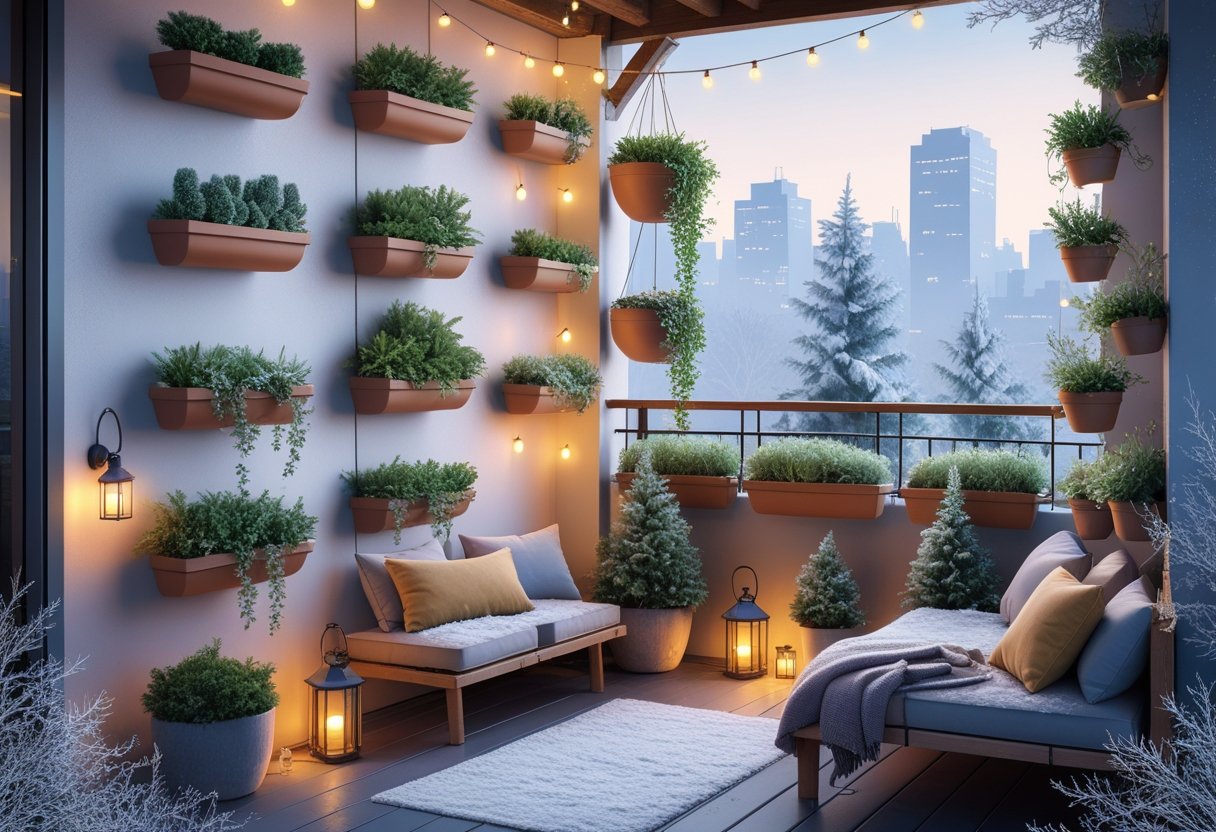
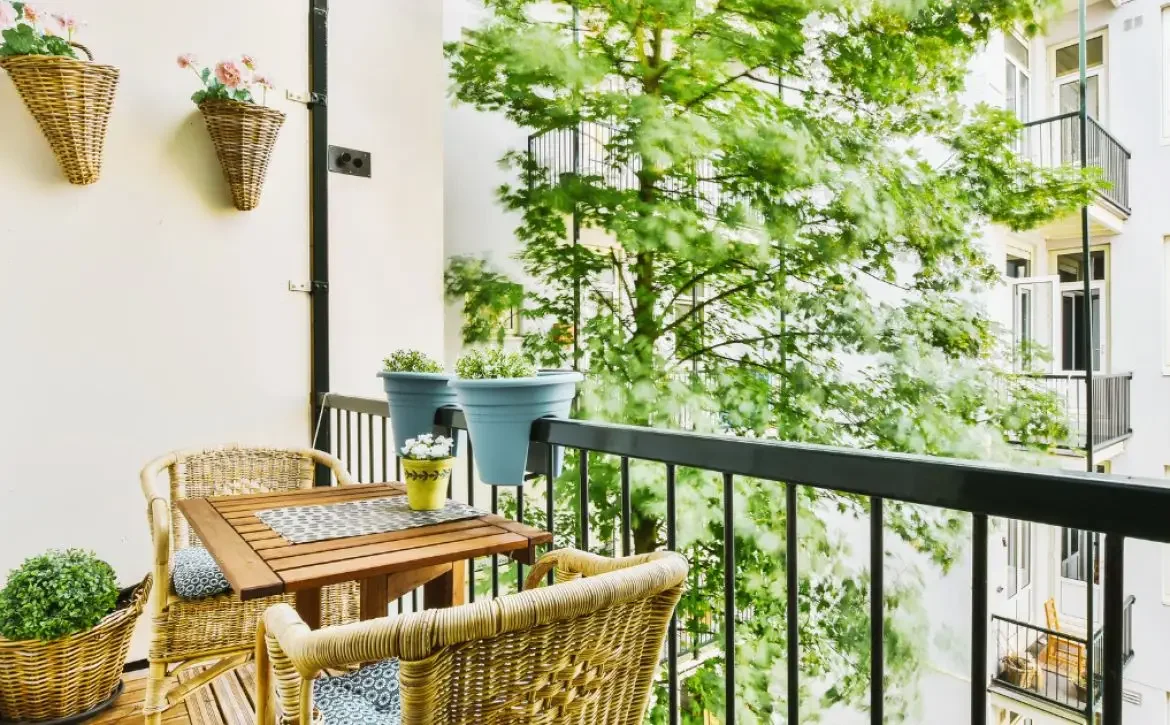
When cold weather arrives, your balcony doesn’t have to lose its charm. With the right winter balcony decor and care tips, you can turn that outdoor corner into a warm, functional retreat that feels just as inviting as your indoor space. You can keep your balcony beautiful, comfortable, and ready for any winter day with simple updates and smart maintenance.
The key lies in choosing hardy plants, protecting furniture from moisture, and layering your space with cozy textures and lighting. Mixing natural greenery with warm materials helps create balance and keeps your outdoor area both practical and stylish. You’ll also discover space-saving design ideas and easy upkeep routines that make winter balcony living enjoyable and stress-free.
Whether you enjoy sipping morning coffee in cool air or decorating for the season, these ideas show you how to care for your balcony through frost, wind, and snow—all while keeping it inviting and easy to maintain.
Choosing Winter-Friendly Plants and Vegetables
Selecting winter-hardy plants helps you maintain a thriving balcony garden even in cold weather. With careful plant choices, you can keep your space green, decorative, and productive throughout the colder months while practicing smart winter balcony decor and care tips.
Essential Cold-Hardy Plants for Balconies
Plants that tolerate low temperatures allow your garden to stay alive year-round. Dwarf conifers, such as spruce and juniper, provide structure and keep their color during winter. Evergreen herbs like rosemary or thyme perform well in containers if shielded from harsh winds. Winter jasmine adds bright yellow flowers when most other plants are dormant.
To protect these plants, position containers close to walls for warmth. Insulate pots with bubble wrap or burlap. Water only when the topsoil feels dry, since wet soil freezes faster. According to Urban Garden Gal, using mulch and stable containers helps shield roots from frost. These methods keep your cold-hardy collection steady and healthy through winter.
Cold-Tolerant Choices at a Glance
Plant Type
Example Species
Key Benefit
Evergreen Shrub
Dwarf conifer
Maintains greenery
Flowering Vine
Winter jasmine
Adds winter color
Culinary Herb
Thyme
Usable year-round
Best Winter Vegetables for Container Growing
Cold-tolerant vegetables bring freshness to your balcony even under frost. Kale, spinach, and Swiss chard withstand freezing nights if kept in sheltered spots. Leafy greens like bok choy or winter lettuce can also thrive when grown in insulated planters.
Group containers together to create a microclimate, and cover them with frost cloth during cold snaps. The Winter Gardening Tips for Apartment Balconies guide recommends placing pots near balcony corners or walls for heat retention. Use a simple feeding schedule with diluted organic fertilizer before deep winter. Avoid overwatering, since excess moisture can cause root rot in cold conditions.
You can harvest many of these greens continually, making them both practical and decorative for winter balcony use.
Decorative Foliage and Winter-Flowering Varieties
Winter does not mean dull colors. Ornamental kale and winter pansies brighten containers with purple, pink, and yellow shades. Winter-flowering heather and hellebores handle frost well while providing soft blooms. Pansies and cyclamen offer lasting color with minimal care, especially when combined with an evergreen wreath or decorative containers.
Choose perennials for winter that come back every year to reduce maintenance. Add small lanterns or stone pots to balance the green and floral displays. According to Backyard Boss, mixing evergreen plants with frost-resistant flowers maintains visual texture and structure. Regularly trim drooping leaves and clear dead blooms to keep arrangements neat. This approach keeps your balcony cheerful and consistent throughout winter.
Protecting and Caring for Balcony Plants in Winter
Cold weather can be harsh on container plants. You can maintain healthy growth by using insulation, protecting roots from frost, and adjusting watering routines to match lower light and temperature levels.
Insulating Pots, Planters, and Containers
Insulating containers help prevent roots from freezing. Wrap pots with bubble wrap, burlap, or old blankets to add a layer of protection that traps warmth. Use foam sheets or wooden crates around pots for extra insulation on exposed balconies.
Group containers close together against walls or railings. The combined heat and reduced wind exposure help create a small microclimate suitable for sensitive plants. Consider lifting pots off the ground with wooden blocks or pot feet so cold air doesn’t settle around the base.
For added warmth, use a layer of mulch on top of the soil. Materials like bark chips, straw, or dried leaves help maintain stable soil temperatures and moisture levels. These small steps can prevent soil from freezing and cracking containers.
Preventing Frost Damage and Root Protection
Protecting plants from frost keeps both leaves and roots healthy. Frost-tender varieties, such as basil or geraniums, benefit from being moved indoors before temperatures drop. Hardy plants like rosemary or kale can stay outside if you shield them properly.
Use frost cloths, row covers, or plastic tunnels to block cold air at night. Remove these covers in the morning to prevent overheating. You can also tuck smaller pots near walls where they receive a bit of retained building heat.
Adding mulching for root protection creates a buffer between fluctuating temperatures and moisture loss. Around 2–4 inches of organic mulch works well for pot surfaces. If you live in a region with long, cold spells, insulating containers and using frost covers together offer a stronger defense.
Optimal Watering and Maintenance Schedules
Plants use less water during cold months, so watering routines should change. Let the top inch of soil dry before the next watering, and always check that containers drain well. Overwatering can lead to root rot when the soil stays wet, and temperatures drop.
Water early in the day using room‑temperature water to reduce shock to roots. Avoid watering before the expected frost, since moisture can freeze and damage the plant base.
Light levels also affect moisture use. If your balcony garden receives little sun, reduce watering even more. Inspect plants weekly for stress signs such as yellowing leaves or wilting stems.
Cleaning pots, trimming dead growth, and checking for pests during winter supports long‑term plant health. You can find helpful insights in articles about winter balcony garden care, which emphasize that consistent, careful attention makes a difference in both plant survival and your overall winter balcony decor and care tips.
Durable materials and smart placement keep your balcony usable and attractive through cold months. Planning for protection, warmth, and comfort helps the space match your winter balcony decor and care tips while extending the life of your furniture.
Selecting Weather-Resistant Outdoor Furniture
Choose materials that handle moisture, wind, and temperature changes well. Powder-coated aluminum, synthetic wicker, and treated teak resist rust and rot better than standard wood or steel. Pair them with UV-resistant cushions and covers made from acrylic or polyester.
Use an outdoor rug to add warmth and define seating zones. Look for low-pile, water-draining types so they dry quickly after snow or rain. You can also include lightweight tables or folding chairs that move easily when you need to cover or store them.
If you maintain a small balcony garden, select planters with built-in insulation to protect roots from freezing. Materials like fiberglass or double-walled plastic provide better insulation than clay. Arrange the pots along walls or corners to reduce wind exposure and preserve space for seating.
Storage and Protection Strategies for Balconies
Covers and protection are essential in preventing long-term wear. Use fitted waterproof covers, and secure them tightly to stop wind from lifting them. For added reliability, covering outdoor furniture protects against moisture that causes cracking or mold.
When possible, store cushions and textiles indoors in breathable bags. If storage space is limited, stack furniture vertically to open up space and reduce the risk of surface damage. Add sliders below heavy pieces to prevent scratching deck surfaces.
Place rugs and smaller pieces on raised mats to keep them off cold flooring. For extra insulation, consider an outdoor rug pad. It traps heat and increases comfort without trapping water. These steps balance function, protection, and comfort in your balcony layout all winter long.
Cozy Winter Balcony Decor and Ambiance Ideas
Creating inviting winter balcony decor and care tips focuses on warmth, lighting, and comfort. Thoughtful details—like layered textures, balanced light sources, and small fire features—help your outdoor space stay both functional and relaxing on cold days.
Lighting Solutions: String Lights and Lanterns
Lighting shapes the mood on your balcony more than any other feature. Use string lights in warm white or amber tones for soft, steady illumination. Drape LED string lights across railings or around planters to create depth and visual interest without consuming much power.
Mix overhead lights with lower-level accent pieces for balance. Place lanterns on side tables or hang them from sturdy hooks to define cozy corners. A few LED candles inside glass lanterns or jars add a gentle flicker without open flames, making them safer in windy weather.
For a layered lighting plan, try this quick setup:
Layer
Type
Placement
Effect
Base
String lights
Railings or pergola
Warm ambient light
Accent
Lanterns
Tabletops or floor
Focused glow
Detail
LED candles
Inside lanterns or jars
Subtle sparkle
The combination of these lights transforms your space into a calm retreat suited for early evenings and quiet winter nights.
Adding Warmth With Textiles and Outdoor Rugs
Textiles make your balcony welcoming even when temperatures drop. Choose weather-resistant throws made from fleece, wool, or acrylic blends. Layer these over outdoor seating for both comfort and color. Add removable covers to cushions so you can store or wash them easily as part of your winter balcony decor and care tips.
A durable outdoor rug defines the seating area while insulating your feet from cold floors. Polypropylene rugs resist moisture and dry quickly after snow or rain. Use darker shades or patterned designs to hide winter dirt.
You can also include small touches such as:
Faux fur pillows for texture
Foldable blankets in baskets for guests
Curtain panels for wind protection
Combining textiles with lighting brings a complete sense of warmth and style to your outdoor nook.
Creative Fire Elements for Heat and Ambiance
Fire features provide both physical warmth and visual charm. A tabletop fire pit offers the feel of campfire glow without large flames. Choose tabletop fire pits that use clean-burning gel or bioethanol fuel, safe for balconies with proper ventilation.
For larger areas, portable fire pits give you adjustable heat sources that can move based on your layout. Place them on fireproof mats or tiles to protect surfaces.
If open flames aren’t allowed, use imitation options like LED flame lanterns. They mimic natural light movement and complement your winter balcony atmosphere nicely.
To manage comfort and safety efficiently:
Keep fire features away from fabrics and railings.
Add a small metal tray beneath pits for easy cleanup.
Store extra fuel securely and out of reach of children or pets.
These compact, reliable elements turn your space into a warm, inviting setting that still feels safe and manageable during cold months. For extra visual ideas, see these 20 winter balcony ideas that highlight simple ways to pair warmth and style.
Space-Saving Designs and Vertical Gardening
Making the most of limited space is essential for winter balcony decor and care tips. You can create a productive and inviting area by growing upward with smart structures and compact arrangements that keep greenery thriving even in the colder months.
Vertical Gardening and Wall-Mounted Shelves
Vertical gardening lets you grow herbs, flowers, or small vegetables even when floor space is tight. By fixing wall-mounted shelves or panels, you clear room for seating and storage while maintaining a clean, organized layout. Shelves made from treated wood, metal frames, or recycled materials stay durable through cold and damp weather.
Use a mix of planters and modular racks for flexibility. For example, adding a pallet or felt pocket design can make your balcony more vibrant and efficient, as shown in these vertical garden for balcony ideas. Place sun-loving plants like thyme or oregano on the top level and shade-tolerant greens below.
Keep safety in mind—secure all mounts properly and check wall strength before loading weight. Lightweight soil mixtures and drip trays reduce mess and stress on structures. Simple changes, such as painting shelves in warm colors, also help your winter garden look inviting.
Using Hanging Plants and Compact Arrangements
Hanging plants maximize overhead space and soften hard balcony edges. Use tiered hooks, ceiling rods, or railing-mounted systems to suspend potted plants at varied heights. Choose hardy plants that tolerate cooler air, like English ivy or winter pansies, to maintain color through the season.
For small balconies, compact arrangements like clustered baskets or stackable pots create density without clutter. You can get ideas for space-saving planting from these balcony vertical garden concepts. Pair these with lightweight containers that retain moisture and insulate roots.
Position hanging plants where they get enough light but are protected from strong winds. A short watering schedule table can help balance moisture needs:
Plant Type
Watering Frequency
Best Placement
Herbs
Every 3–4 days
Near outer railings
Ferns
Weekly
Shaded corner
Winter bloomers
Twice a week
Sunny wall side
Attention to balance, structure, and care keeps your garden thriving throughout winter.
Balcony Maintenance and Seasonal Upkeep
A clean, sheltered, and well-equipped balcony supports both comfort and durability through cold months. Proper upkeep protects furniture, plants, and surfaces from moisture damage while promoting a calm, usable space that fits into your winter balcony decor and care tips routine.
Routine Cleaning and Pest Prevention
Frequent upkeep prevents staining, mold, and insect buildup. Sweep floors and corners weekly to remove debris before it collects moisture. Use a mild soap solution to wash tiles, railings, and planters. For wood or metal surfaces, apply protective sealant.
Pest prevention relies on steady attention. Wipe away standing water and prune dead leaves where pests hide. Neem oil works as a natural pesticide for balcony gardening, keeping mites and aphids away while remaining safe for pets and pollinators. When cleaning pots, rinse them thoroughly to remove eggs and larvae.
A soft broom, microfiber cloth, and an eco-friendly cleaner are often enough to maintain freshness. Avoid harsh chemicals that damage plant roots or finishes. Keeping everything tidy not only prevents damage but also keeps your balcony inviting through every season.
Winterizing Tools and Accessories
Cold weather requires small adjustments to protect furniture and décor. Cover outdoor items with fitted waterproof covers or shrink wrap for stronger insulation. Store cushions and soft furnishings indoors to avoid mold and mildew.
Table: Basic Winterizing Checklist
Item
Protection Needed
Method
Wood furniture
Moisture & frost
Apply sealant or teak oil
Metal fixtures
Rust
Paint or coat with rust inhibitor
Planters
Paint or coat with a rust inhibitor
Wrap in burlap or jute
Use accessories like a small space heater, warm LED lighting, or an insulated rug to add comfort. Regular maintenance of these tools ensures safety and prevents short circuits or leaks. Taking time to inspect wires and joints keeps your balcony safe while saving replacement costs.
Supporting Wildlife With Winter Bird Feeders
Cold months limit food for wild birds, but your balcony can help. Setting up bird feeders filled with black oil sunflower seeds or suet blocks invites finches and sparrows that can enrich your thriving balcony garden. Choose durable metal or weather-resistant plastic feeders to withstand cold and snow.
Place feeders away from strong winds and near railings for perching. Clean and refill them every few days to prevent mold. Adding a shallow water dish with a heater helps birds stay hydrated. For pest control, avoid leaving uneaten seeds scattered across the balcony.
Encouraging small wildlife aligns with eco-friendly winter balcony decor and care tips. It adds movement and quiet life to your outdoor space while supporting local bird populations through the season.
Frequently Asked Questions
You can keep your balcony inviting in cold weather by adding warm lighting, durable furniture, and plants that tolerate frost. These winter balcony decor and care tips help you maintain comfort, style, and plant health even when temperatures drop.
How can I decorate my balcony for the winter season?
Layer soft blankets, cushions, and throws on weather-resistant seating. Add string lights and lanterns to create a soft glow. Choose warm, neutral tones or deep winter shades like forest green and burgundy for a cozy look.
Place a small outdoor rug to insulate underfoot and define your seating area. A few decorative accents like wooden trays or lanterns make the balcony look finished without taking up space.
What are the best plants to grow on a balcony during winter months?
Cold-hardy plants such as evergreens, hellebores, and pansies hold up well during winter. Small conifers and hardy herbs, like rosemary and thyme, bring greenery and texture.
Are there any tips for winterproofing outdoor balcony furniture?
Cover your pieces with fitted, waterproof materials or store them inside when possible. Furniture made of teak, resin, or powder-coated metal lasts longest in wet or icy weather. Clean and dry your furniture before covering to prevent moisture damage.
What balcony cover options are available for protection against winter weather?
Install retractable awnings, clear vinyl curtains, or transparent panels to block wind while keeping sunlight. These covers create a comfortable outdoor space while reducing exposure to snow or rain.
Can you suggest low-maintenance gardening ideas for a winter balcony?
Use self-watering containers and hardy plant varieties to simplify upkeep. Group pots close together for insulation and easier watering.
Adding mulch or decorative gravel can further protect roots from freezing and reduce watering needs.
What steps should I follow to create an apartment balcony winter enclosure?
Start by measuring your space to fit transparent panels or heavy-duty outdoor curtains. Check if your building allows temporary enclosures.
For more setup ideas, visit Balcony Guide’s winter tips that explain how to combine warmth, comfort, and wind protection for year-round balcony use.
Bask in the beauty of the night. 🌙✨
Discover how to craft a moonlit garden where perfume, texture, and light dance after dusk.
Read now: The Night Garden – Essential Tips for Creating a Moonlit Outdoor Sanctuary
Fall is the perfect time to give your balcony garden a makeover! 🍁 Discover simple ways to refresh your plants, add seasonal color, and create a cozy nook to enjoy crisp evenings. Read the full guide: Prepare Your Balcony Garden for Fall: Essential Tips for a Cozy, Colorful Transformation
Your balcony doesn’t have to lose its charm when summer ends! 🍂🌸 Explore our guide to the most stunning fall-blooming flowers that thrive in cool weather and bring life to your outdoor oasis.
Transform any small space into a thriving garden! Our new beginner’s guide to vertical gardening shows you how to grow up, not out. Perfect for apartments, patios, or tiny yards. Get growing today!
Ready to get your kids excited about gardening? Check out our guide on the best plants for kids to grow! From cherry tomatoes to sunflowers, these fun and easy projects are perfect for little green thumbs. Watch them learn, grow, and have a blast outdoors!
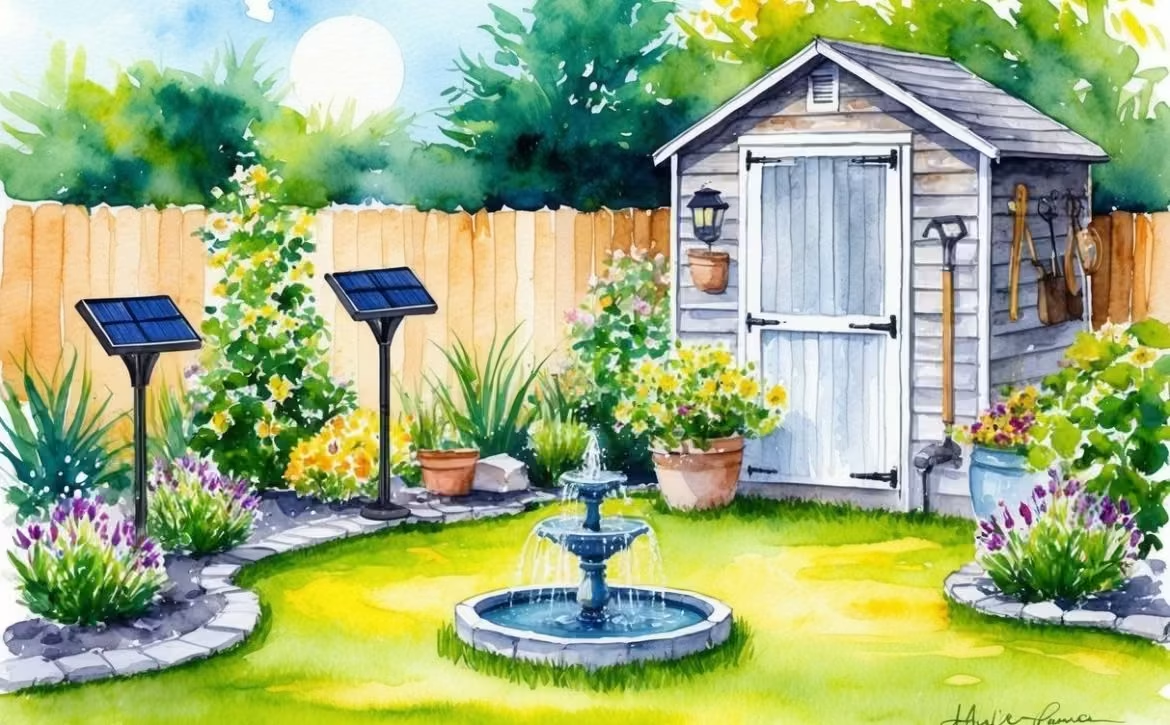
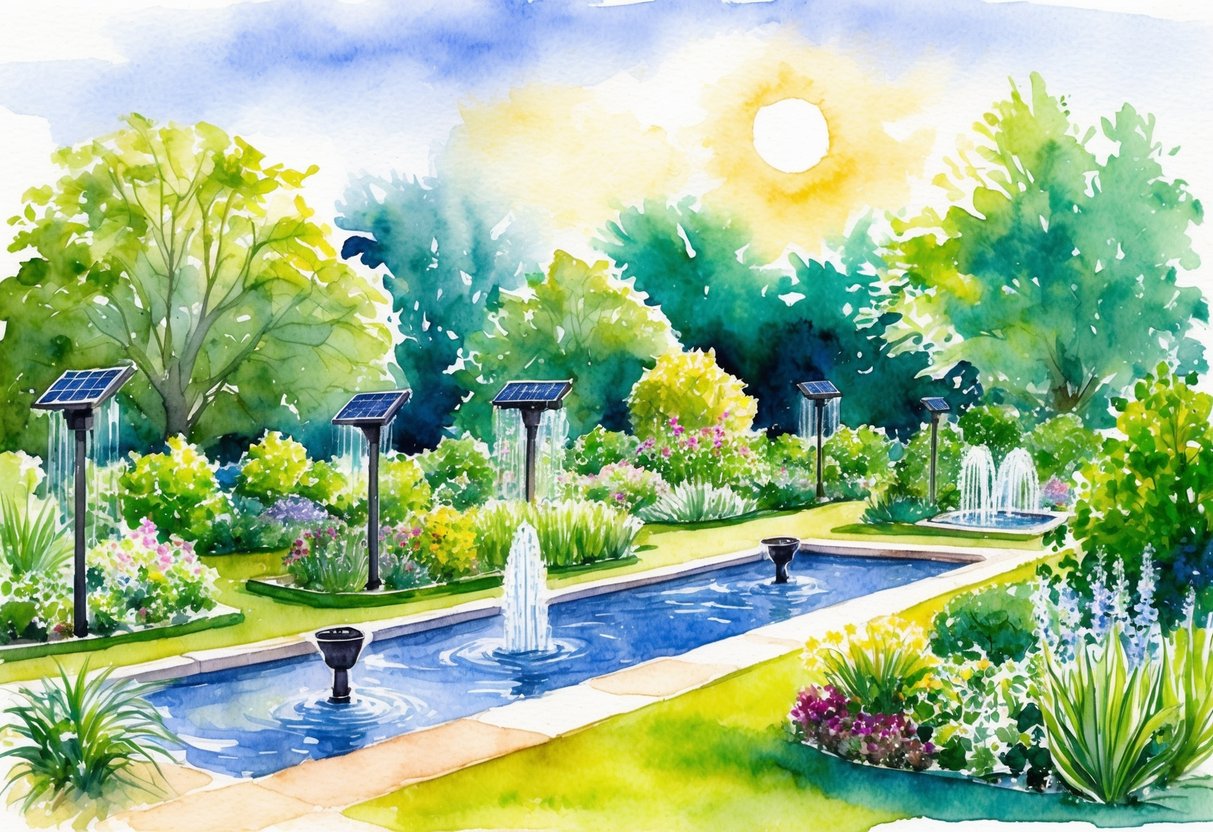
If you’re hoping to upgrade your backyard or patio, solar-powered garden gadgets can make a real difference. These devices use sunlight to power lights, decorations, and even little fountains, so you won’t have to mess with extra wires or worry about your electric bill.
You can easily brighten up your outdoor spaces and add a touch of fun with solar-powered garden gadgets that are both practical and eco-friendly.
You’ll find plenty of options, from simple outdoor lights to quirky decorations shaped like animals or plants. These gadgets charge up during the day and then kick on at night, so you get easy use and hardly any upkeep.
Solar-powered garden gadgets add light and style with little effort.
Solar-powered garden gadgets soak up sunlight to run daily tasks around your yard. These devices cut energy costs, need barely any maintenance, and work well in spaces without wiring.
How Solar-Powered Technology Works
Solar-powered garden gadgets have small solar panels made from photovoltaic cells that grab sunlight. The panels turn sunlight into electricity during the day, which charges a built-in battery.
When it gets dark, the device uses the stored energy to power lights or small motors. Most gadgets have sensors that switch them on at dusk and off at dawn, so you don’t have to mess with them.
Panels need direct sunlight for the best results. If you put them in the shade or if it’s cloudy, the gadget might not get enough juice.
There are loads of solar-powered garden gadgets these days. Here are some favorites:
Solar garden lights: Perfect for lining pathways, flower beds, or brightening up patios.
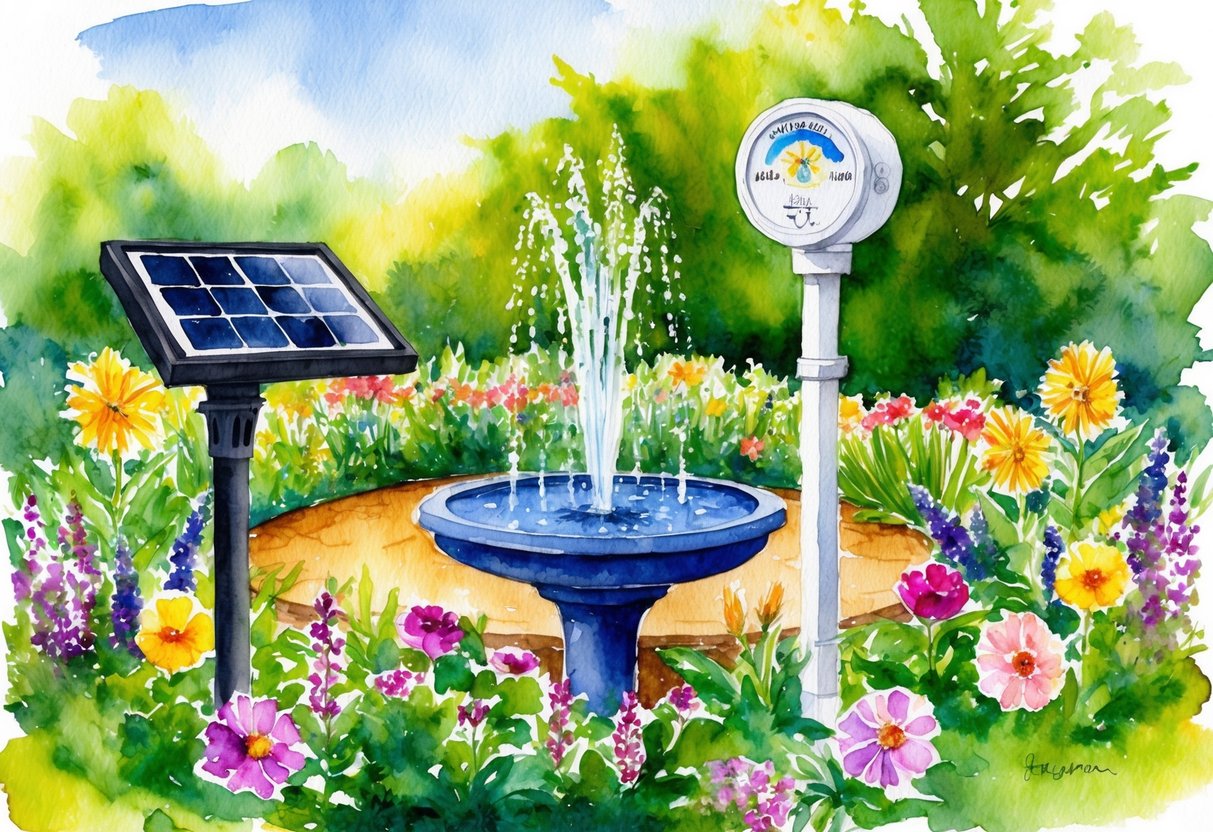
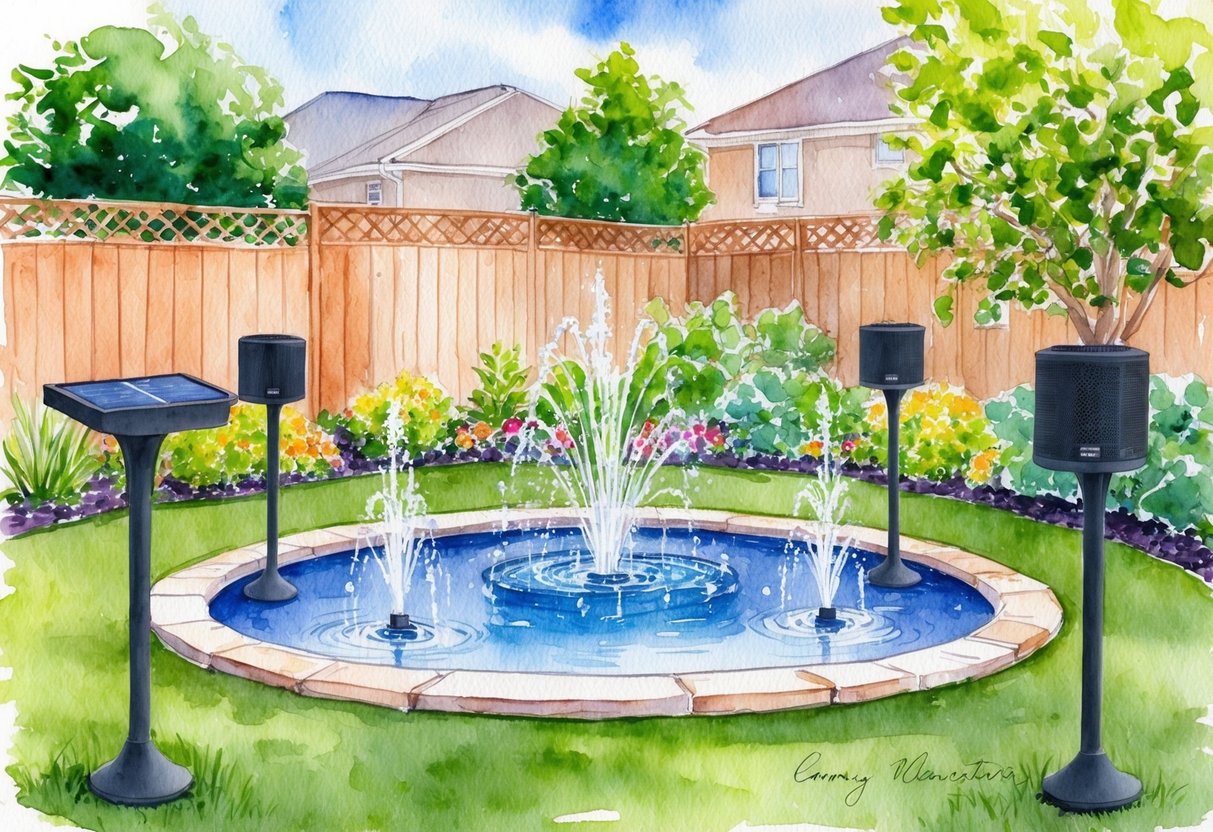
Solar water fountains: Use solar energy to pump water, adding movement and sound to your garden.
Solar bug zappers: Help control pests without needing electrical wiring.
Solar-powered garden chargers: Charge up small devices like phones or sensors.
Solar-powered speakers: Play music outdoors without dragging out extension cords.
Choosing the right gadget depends on your needs. Think about where you’ll use it, how much sun it’ll get, and what you want it to do.
Advantages of Solar-Powered Gadgets
Solar-powered garden gadgets come with some nice perks. They lower your electricity bill since they run on free sunlight.
No wires means an easy and safer setup. These devices need barely any maintenance—once they’re in, most just work for months on their own.
They’re better for the environment, too, since they rely on renewable energy instead of plugs. A lot of folks like that solar gadgets keep working even if the power goes out.
Popular Solar-Powered Garden Gadgets
Solar-powered garden gadgets make it simple to add light, movement, or even a bit of pest control to your outdoor space. You get real benefits for your yard while using less electricity.
Solar Garden Lights
Solar garden lights offer an easy way to brighten walkways, driveways, and flower beds at night. Each one charges up with a solar panel during the day and flips on automatically when it gets dark.
There’s a huge range, from tiny path markers to spotlights for trees or features. Most models are weather-resistant and can last for months with hardly any effort.
Just push the stake into the ground—no wiring required. Some lights come with motion sensors for extra safety. If you want suggestions, check out these solar garden lights options.
Don’t forget: solar lights need direct sunlight to shine. If you put them in the shade, the light might be dim or not last as long.
Solar Water Features
Solar water features—think fountains or pond pumps—use the sun to create moving water in your garden. These can add peaceful sounds and attract birds or butterflies.
You don’t need any wiring or external power. Some fountains float on water, while others are small pumps you can use with your containers or ponds.
Most have panels built in or attached with a cord so you can move them into the sun. Some even come with different spray nozzles to change up the look.
If you’re curious, check out devices like the solar fountain pump for garden ideas. Give the pumps a quick clean now and then to keep them running smoothly.
Solar Pest Repellers
Solar pest repellers keep critters like moles, rabbits, or deer out of your garden. They use solar panels to keep an internal battery topped up, so they work all day and night.
Most use sound, vibration, or flashing lights to scare pests off—no harm done. Some push vibrations through the ground to warn burrowing animals, while others use ultrasonic sound that humans can’t hear.
Pick sturdy, waterproof models so they last in all weather. Place solar pest repellers where you see the most animal activity. In bigger gardens, you might need a few for full coverage.
Keep the panels clean so they get plenty of sun and keep working well.
Innovative Solar Solutions for Outdoor Spaces
Solar-powered garden gadgets do more than just light up your yard now. You can boost safety, save water, or keep your devices charged with smart products that run on sunlight.
Solar-Powered Security Systems
Security matters in any garden. Solar-powered security systems use motion sensors, cameras, and floodlights—no wiring or outside electricity needed.
You can put these anywhere you want extra protection, even far from the house. Most store solar power during the day and work all night.
Some let you check video on your phone or get alerts if someone enters your yard. Installation is a breeze since you don’t need outlets or wires.
These systems usually handle bad weather well. Just clean the panels and check the batteries now and then to keep things running smoothly.
Features like adjustable sensitivity and night vision help you tweak the setup to fit your needs.
Smart Solar Irrigation Controllers
Smart solar irrigation controllers help your plants stay healthy without wasting water. They use solar panels for power, so you don’t have to worry about batteries or running wires.
Most connect to ground sensors to measure soil moisture and adjust watering schedules based on the weather.
Some can be managed with a mobile app, so you can change settings or check data whenever you want. Using these helps prevent overwatering and saves money.
Setup is pretty simple: install the controller, pick your schedule, and let it do its thing. Look for models that support multiple zones and work with different sprinkler types for more flexibility.
Solar Charging Stations for Devices
If you’re spending time outside, you’ll probably want to charge phones, tablets, or other gear. Solar charging stations grab sunlight and turn it into electricity for USB ports or AC outlets.
They’re handy for patios, decks, and backyards. Some models let you charge several devices at once and come with waterproof cases or sturdy mounts to handle the weather.
Solar charging stations are great for parties, camping, or just hanging out. Pick one with enough power for your needs and put it somewhere sunny.
Some even double as lights or have storage compartments. You can browse a selection of solar-powered garden gadgets and lights to upgrade your outdoor setup.
Choosing the Right Solar-Powered Garden Gadgets
Picking the best solar-powered garden gadgets starts with figuring out how much sun your yard gets and how the weather might affect your devices. If you think about sunlight and durability, you’ll get more out of your investment.
Assessing Sunlight and Placement
First, check where you want to put your solar-powered gadgets. You need spots that get direct sunlight most of the day.
Shady areas under trees or next to walls can make it tough for devices to charge or work well. It’s worth checking which way the solar panel faces—panels pointed south usually grab the most sunlight in North America.
Move anything that might block the panels, like leaves or furniture. Some gadgets can manage with less sun, but always check what the manufacturer suggests.
Test the sunlight in your chosen area at different times of day before you install anything. If your solar light or decoration has a removable or adjustable panel, you get more options for placement.
Many top-rated solar lights offer these features for better performance.
Evaluating Durability and Weather Resistance
Outdoor solar-powered garden gadgets need to handle rain, wind, and sunlight. Look for products labeled waterproof or with at least an IP65 rating.
This rating means the gadgets can take strong water jets and resist dust. Materials matter here.
Stainless steel, hard plastic, and treated glass hold up better outside. Skip anything with flimsy connectors or skinny wires—those are usually the first to give out.
Check reviews for honest feedback about how products hold up in your climate. If you get a lot of rain or snow, look for features like sealed battery compartments or rust-resistant finishes.
Plenty of solar garden lights claim waterproofing and long-lasting performance, which is pretty important if you want them to last all year. Warranty terms matter too—a longer warranty can bring some peace of mind about weather resistance.
Installation and Maintenance Tips
Setting up your solar-powered garden gadgets the right way helps them last. A little care goes a long way to keep things running smoothly.
Proper Setup and Positioning
Put your solar panels or lights where they get direct sunlight most of the day. Try to avoid shady spots, especially under trees or next to buildings.
For the best results, point your solar panels or lights south. Push the stakes firmly into the ground to keep your lights steady, especially if you have kids, pets, or gusty winds around.
If the ground is hard, use a hammer or drill to make a pilot hole first. That’ll help keep your gadgets upright in rough weather. For more ideas, check out this guide on how to install solar outdoor lights.
Regular Cleaning and Upkeep
Dust and leaves can block sunlight from reaching your panels. Wipe the surface of panels or lights every couple of weeks with a soft cloth and a bit of mild soap.
Look out for debris or bird droppings that might lower charging power. In winter, brush off snow or frost whenever you can.
Check the batteries every so often and swap them out if your lights start to fade. Keeping things clean and checking batteries helps your solar gadgets work their best all year.
Maximizing Efficiency and Performance
Getting the most out of solar-powered garden gadgets takes a little know-how. How you store energy and handle the changing seasons can really make a difference.
Battery Storage and Longevity
The battery is the heart of any solar-powered garden gadget. Not all batteries are equal, and how you treat them matters.
Nickel-metal hydride (NiMH) and lithium-ion batteries are the usual picks. Lithium-ion batteries tend to last longer and don’t mind frequent charging cycles as much.
To help your batteries last:
Charge fully before first use.
Keep panels clean so charging stays steady.
Store the gadget indoors if you’re not using it for a while.
Extreme heat or cold can shorten battery life. If your area gets hot or cold, check if your gadgets are rated for those temps.
Swap out old batteries as soon as you notice weaker performance. No sense in waiting until things stop working altogether.
Seasonal Adjustments
Sunlight changes with the seasons, and your gadgets will work best in the summer. Winter brings shorter days and lower sun angles, so charging drops off.
To boost performance, try these ideas:
Tilt solar panels to follow the sun’s path.
Trim trees or bushes that shade your panels.
Move portable gadgets to sunnier spots if you need to.
Some devices let you adjust the panels—definitely use that feature and point them right at the sun. During cloudy stretches, check your gadgets more often and clear off dirt or snow. These little habits can keep things running all year.
Environmental Impact and Sustainability
Using solar-powered garden gadgets cuts your reliance on regular electricity. These devices pull energy from the sun, so you’re not adding extra pollution or emissions.
Most solar gadgets, like garden lights and water pumps, run silently. There’s no noise, and you avoid burning fossil fuels.
Solar devices often last a long time and don’t need constant battery changes. That means fewer old batteries end up in landfills.
Here’s a quick look at the sustainability benefits of solar-powered garden gadgets:
Benefit
Impact
Uses renewable energy
Lowers emissions
Longer device lifespan
Less electronic waste
No need for wiring
Reduces plastic and metal usage
Many solar-powered gadgets can be recycled when they reach the end of their life. This makes your choices more sustainable and supports a cleaner environment.
Choosing things like solar garden lights and water pumps lets you enjoy your outdoor space and helps the planet at the same time. Even small steps can make a difference.
Future Trends in Solar-Powered Garden Technology
Solar-powered garden gadgets get smarter and more efficient every year. New battery tech and better solar panels help your devices last longer—even on cloudy days.
Expect to see smart sensors in lights and sprinklers. These let your gadgets adjust brightness, water levels, and schedules, saving you energy and money.
More devices now connect to your home’s Wi-Fi. This means you can control and check on your garden tools from your phone or with voice commands.
Here are a few trends you might spot soon:
Compact designs that blend in with your garden.
Faster charging and longer use between charges.
More features are packed into each gadget.
Eco-friendly materials in new products.
The solar-powered gadget market keeps growing, with sales expected to top $175 billion by 2032. That means more choices and better features are on the way.
Table: Upcoming Features in Solar-Powered Garden Gadgets
Feature
Benefit
Smart scheduling
Saves time and energy
Improved battery life
Longer operation
App and voice control
Easier tool management
Weather-resistant designs
Better durability outdoors
Conclusion
Solar-powered garden gadgets can help you save energy. They also make your outdoor space a lot more enjoyable.
When you switch to solar energy, you use less electricity. Over time, you might notice your bills drop a bit, too.
Here are a few simple benefits of using these products:
Easy installation
No wires or electrical outlets needed
Low maintenance
Eco-friendly choice
You don’t have to be an expert to use most solar-powered garden gadgets. Most of them arrive ready to set up, and you can usually get them working right out of the box.
Solar lights, water features, and smart sensors are just a few options you can add to your garden. Just pick models that fit your space and can handle your local weather.
Check out our latest article on innovative balcony garden decor ideas for 2025! Discover space-saving solutions and creative tips to maximize your outdoor space while adding a touch of style. Let’s make your balcony the perfect retreat!
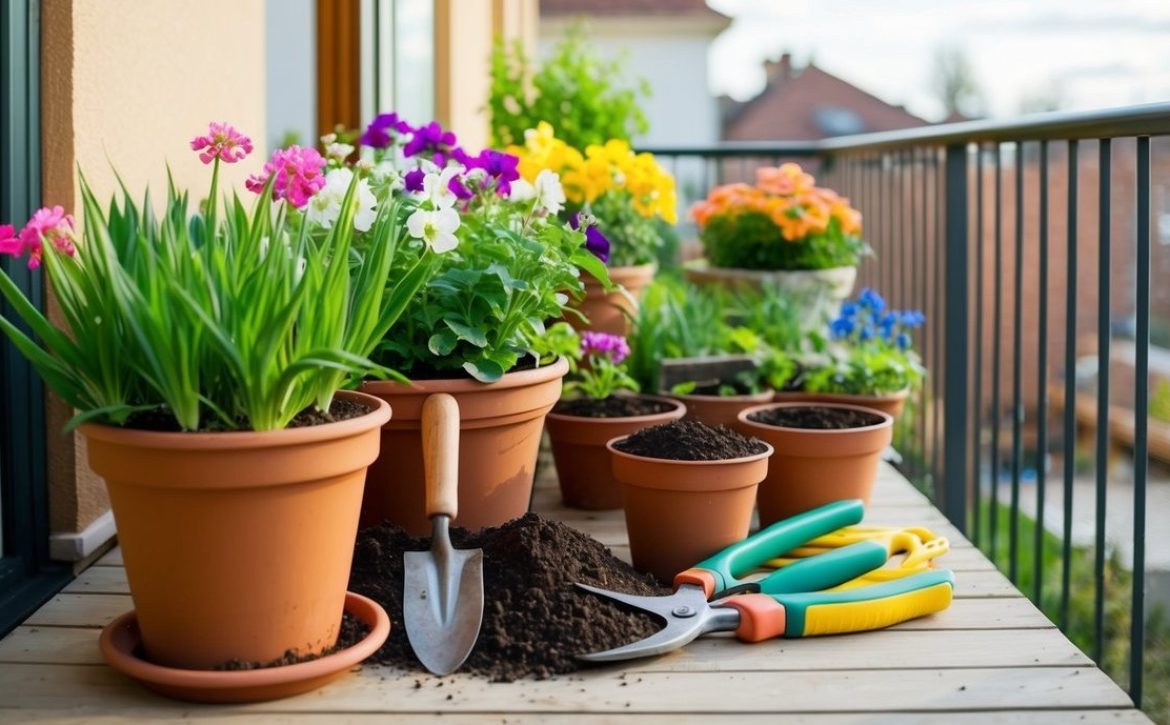
Spring is here, and it’s time to prepare your balcony garden for a burst of color! Check out our latest tips on how to plant beautiful blooms and maximize your outdoor space. Let’s make this spring unforgettable!


 Lisa Woods