🪴Balcony Garden Paradise is reader-supported. When you buy through links on our site,
we may earn a small affiliate commission at no extra cost to you. As an Amazon Associate,
we earn from qualifying purchases. Happy Gardening from the team! 🌿
As the vibrant colors of summer fade, it’s time to focus on how to prepare your balcony garden for fall. This season brings a chance to refresh your space with beautiful autumn plants while ensuring your existing greenery thrives through cooler weather. By understanding your unique balcony environment and selecting the right plants, you can create a stunning fall garden that lasts well into winter.
Pay attention to your balcony’s specific conditions, such as sunlight and wind patterns, which can greatly affect the health of your plants. Choosing the appropriate varieties, optimizing soil, and integrating sustainable practices can make a significant difference. With a little care and planning, your balcony can be a cozy retreat filled with rich colors and textures, even as the temperature drops.

Maintaining your garden through the fall involves more than just planting. You can protect your plants from pests and harsh weather while making the most of your growing space. Start this fall with enthusiasm, and watch how a little preparation can transform your balcony into a beautiful seasonal sanctuary.
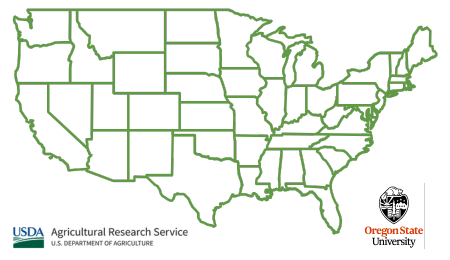
The 2023 USDA Plant Hardiness Zone Map was created by Oregon State University (PRISM Climate Group) and released by the USDA.
Key Takeaways
- Assess your balcony’s microclimate to choose suitable plants.
- Prepare your soil to support the fall growing season.
- Protect your plants from cold weather and pests.
Understanding Your Balcony Microclimate
Your balcony’s microclimate plays a big role in how well your fall garden thrives. By assessing sun exposure and wind patterns, you can help your plants endure the cooler temperatures of fall.
Assessing Sun Exposure and Wind
Start by observing the amount of sunlight your balcony receives throughout the day. Is it mostly sunny, or does it get shaded by nearby buildings? Use this information to choose the right plants for your space.
Helpful Tips:
- Track sun exposure for a week.
- Take note of how many hours your balcony gets direct sunlight.
Wind can also affect your fall garden. If your balcony is exposed to strong winds, consider adding windbreaks like trellises or planters to shield your plants. This will help keep them healthy as temperatures cool.
Evaluating Fall Temperature Shifts
As fall approaches, you will notice that temperatures drop. It’s essential to know how quickly these changes occur in your area. This knowledge helps you prepare your balcony garden for the first frost.
Things to Consider:
- Check local forecasts for expected temperature shifts.
- Be aware of when frost typically happens in your location.
If you expect icy conditions, think about bringing sensitive plants indoors or covering them with fabric to protect them from the cold. With careful consideration of your balcony’s microclimate, your garden can flourish even as the weather changes.
Selecting the Right Plants for Fall
As the seasons change, it’s important to choose the right plants for your balcony garden. Consider what will thrive during the cooler months while providing beauty and harvest potential.
Choosing Fall Vegetables and Flowers
For a successful fall garden, focus on vegetables that can handle cooler temperatures. Kale is a fantastic choice. It not only tolerates frost but often becomes sweeter after a chill. Broccoli and cauliflower are also great options, as they thrive in the fall and can produce a satisfying yield.
Don’t forget quick-growing vegetables like radishes and spinach. These can be planted later in the season for a quick harvest. Additionally, consider adding cheerful pansies or other fall flowers to brighten up your space. They can withstand cooler weather, making your balcony vibrant even as temperatures drop.
Transitioning from Summer to Fall Crops
Transitioning your plants from summer to fall is crucial. Start by removing any summer vegetables that are no longer productive. This helps prevent pests and diseases. After cleaning up, prepare your soil by adding compost to enrich it for the new plants.
You can plant fall crops like kale, spinach, and broccoli about 10 to 12 weeks before the first frost. This careful timing ensures you get fresh produce before winter sets in. Always check your local frost dates to plan accordingly.
Optimizing Soil for the Fall Season
Preparing your balcony garden for fall also means optimizing the soil. Healthy soil supports your plants as they transition into the cooler months. You can achieve this by amending your soil and maintaining its health with effective mulching techniques.
Amending Soil with Organic Matter
To improve your soil, start by adding organic matter. Compost is an excellent choice because it enriches the soil, improves drainage, and enhances water retention. You can mix 2 to 3 inches of compost into the top layer of your soil. This will also help maintain a balanced soil pH, which is essential for plant growth.
Another option is aged manure. It not only adds nutrients but also introduces beneficial worms into the soil. Worms are great at aerating the soil, making it easier for roots to grow.
Make sure to check your soil’s pH regularly. Ideally, it should be between 6.0 and 7.0 for most plants. If it’s too acidic or alkaline, consider using organic fertilizers to adjust it.
Maintaining Soil Health Through Mulching
Mulching is vital for keeping your soil healthy throughout the fall. A 3 to 4-inch layer of mulch on top of your soil can slow weed growth and retain moisture. Organic mulches, like straw or shredded leaves, break down over time and improve soil health.
Using mulch also helps regulate soil temperature. This is crucial for plants that still need warmth as the weather cools. Additionally, it can protect the soil from heavy rain, which can lead to erosion.
Remember to replenish mulch as it decomposes. Fresh mulch maintains its effectiveness. Keep the mulch a bit away from plant stems to prevent rot. Following these steps will help you create a thriving environment for your balcony garden during the fall season.
Preparing Plants for Cooler Weather
As cooler temperatures arrive, it’s important to help your plants transition to the changing season. Taking proper steps to insulate your pots and garden beds can protect them against the cold. Additionally, utilizing structures like cold frames and greenhouses can give your plants extra warmth and support during winter.
Insulating Pots and Garden Beds
To protect your pots from cold weather, consider adding insulation. You can wrap pots with materials like burlap or bubble wrap. This helps keep the soil temperature stable.
For garden beds, applying a thick layer of mulch is beneficial. Spread about 2-4 inches of mulch to help retain moisture and warm the soil. If you have newly planted flowers or tender vegetables, this is especially important.
Check the drainage too. Ensure that your pots and beds don’t hold excess water, as wetness can freeze and damage roots. Remember to monitor your plants frequently as temperatures drop.
Utilizing Cold Frames and Greenhouses
Cold frames provide an easy way to extend your growing season. These clear structures trap heat from the sun, creating a warmer environment for your plants. You can make a simple cold frame with wood and glass or use a store-bought one.
If you have a greenhouse, it can be a great investment for your balcony garden. It protects your plants from frost while allowing sunlight in.
Position your tender plants inside early, before heavy frost sets in. Use thermometers to monitor the temperature inside, ensuring it remains suitable for new plants and those that need extra warmth.
Sustainable Gardening Techniques
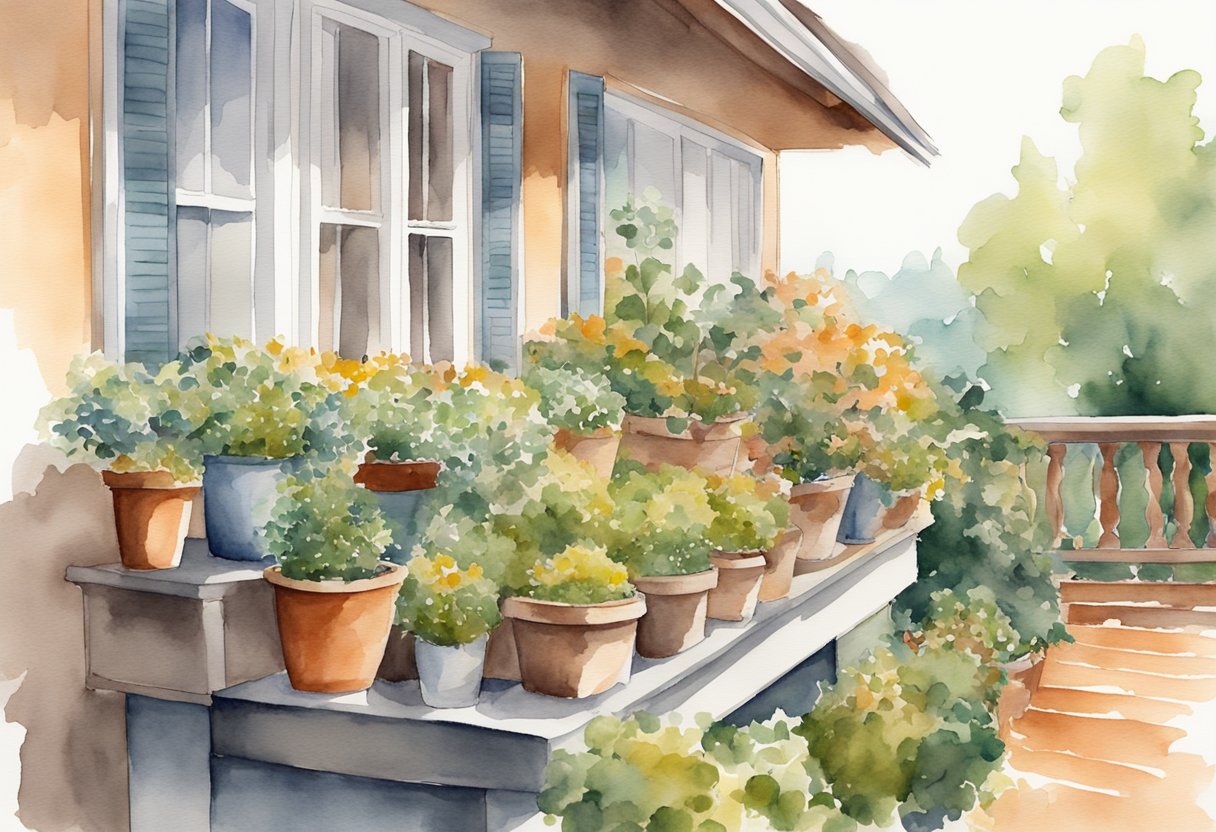
Using sustainable gardening techniques can help your balcony garden thrive, especially as you prepare for fall. You can make choices that benefit both your plants and the environment. Here are two effective methods you can easily implement.
Incorporating Perennials and Cover Crops
Choosing perennials for your balcony garden means less work in the long run. These plants come back year after year, saving you time and money. Examples of hardy perennials include lavender, thyme, and coneflowers. They not only beautify your space but also attract beneficial insects.
Cover crops, like clover or vetch, can improve your soil’s health. Planting them in late fall helps prevent erosion and adds nutrients. When you till them into the soil, they enrich the earth with organic matter. This practice keeps your balcony productive and eco-friendly.
Implementing Effective Watering Practices
Watering properly is crucial for sustainable gardening. One great method is to collect rainwater for your plants. This natural resource helps reduce water usage and supports plant growth. Make sure to use a clean container to gather rainwater.
Timing is also important. Water your plants early in the morning or late in the afternoon to minimize evaporation. Adding mulch around your plants can help retain moisture, keeping the soil cool and reducing the need for frequent watering.
By following these tips, you’re setting up a balcony garden that respects the environment while flourishing in the fall.
Caring for Trees, Shrubs, and Bulbs
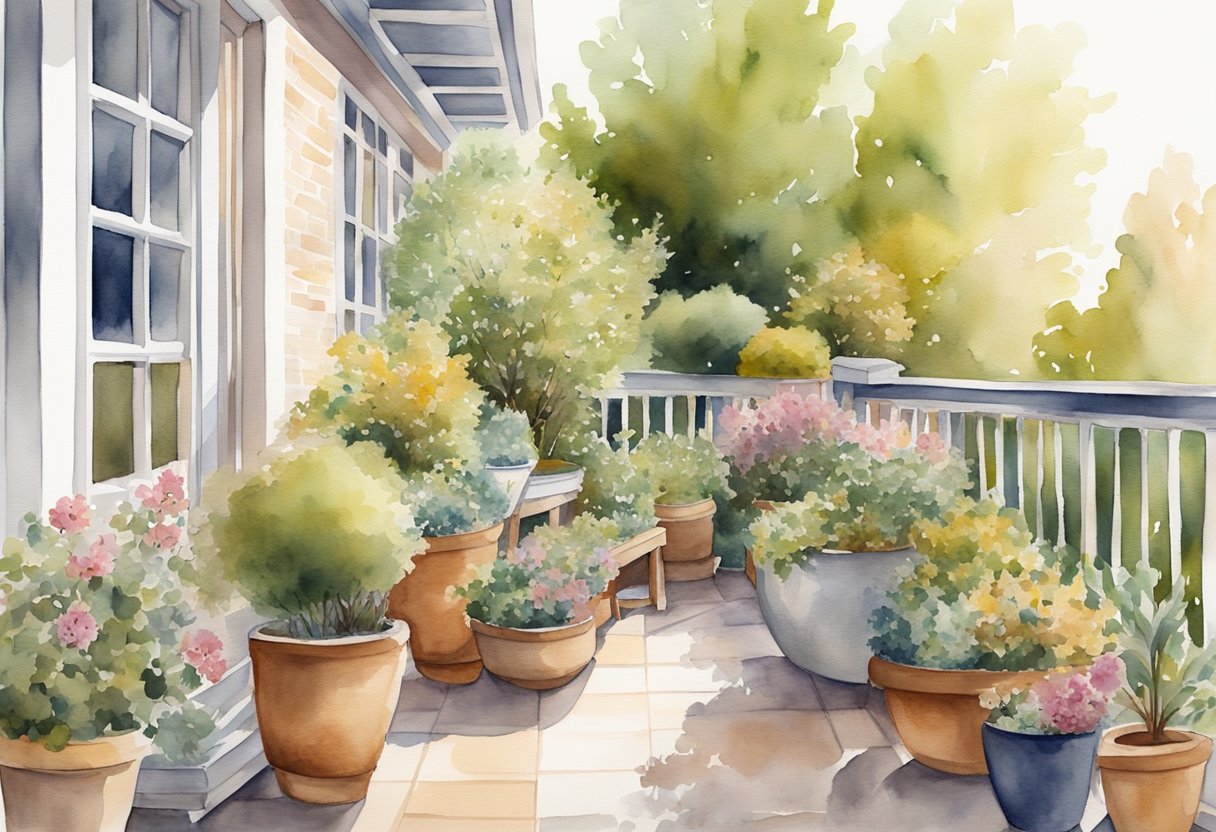
As the autumn air turns crisp, it’s important to give your balcony garden the care it needs. Proper attention to your trees, shrubs, and bulbs helps ensure they thrive in the cooler months and sets the stage for new growth in spring.
Pruning and Mulching Before Fall
Pruning is essential for your trees and shrubs as autumn approaches. Start by removing any dead or damaged branches. This helps promote healthy growth and prevents diseases. Use sharp, clean tools for a clean cut.
After pruning, apply a layer of mulch around the base of your plants. Mulch retains moisture, regulates soil temperature, and protects roots during the colder months. Aim for a depth of about 2-4 inches. This will keep your plants cozy until after the first frost.
If you have tender bulbs in pots, consider moving them indoors or providing extra insulation with mulch. This extra care will help them survive through winter.
Planning for Spring Bulbs and New Growth
Now is the time to think about planting spring bulbs. Choose bulbs like tulips and daffodils, which need a chill to bloom beautifully. Plant them at a depth of about 6-8 inches, which helps protect them from frost.
If you want to multiply your bulbs, consider dividing existing ones before the first frost. This will give you more blooms come spring. Make sure to water them well after planting to encourage strong roots.
Don’t forget to check on your shrubs as well. Look for areas that might need an autumn trim to encourage new growth once spring arrives.
Protecting Your Garden from Pests and Harsh Elements
The Frenchie Gardener
As fall approaches, it’s important to safeguard your balcony garden from pests and the tough weather conditions ahead. Taking the right steps can help ensure your plants stay healthy through the season.
Deterring Pests During the Colder Months
Pests may seek refuge in your garden as temperatures drop. To deter them, consider using natural pest repellents. Essential oils like peppermint or lavender can be effective. Mix a few drops with water in a spray bottle and apply it to your plants.
Planting companion plants can also help. For example, marigolds can deter aphids and other insects. Regularly inspect your crops for signs of pests or diseases, removing any affected leaves promptly to stop the spread.
Furthermore, keep your balcony tidy. Clear away dead leaves and debris where pests might hide. This simple act helps minimize potential pest issues as winter sets in.
Shielding from Snow, Ice, and Erosion
Winter weather can be harsh, with snow and ice accumulating on your balcony. Protect your plants by covering them with frost cloths or garden blankets. These materials allow light and moisture to reach your plants while saving them from severe frost.
Ensure your pots have proper drainage to prevent erosion. Elevated pots can help, reducing the risk of water accumulation that can lead to root rot. If you anticipate heavy snow, consider placing lightweight pots in a sheltered area to prevent damage.
Finally, secure larger plants with stakes or ties to prevent bending or breaking under the weight of snow and ice. By implementing these strategies, your garden can thrive even in the coldest months.
Harvesting and Extending the Growing Season
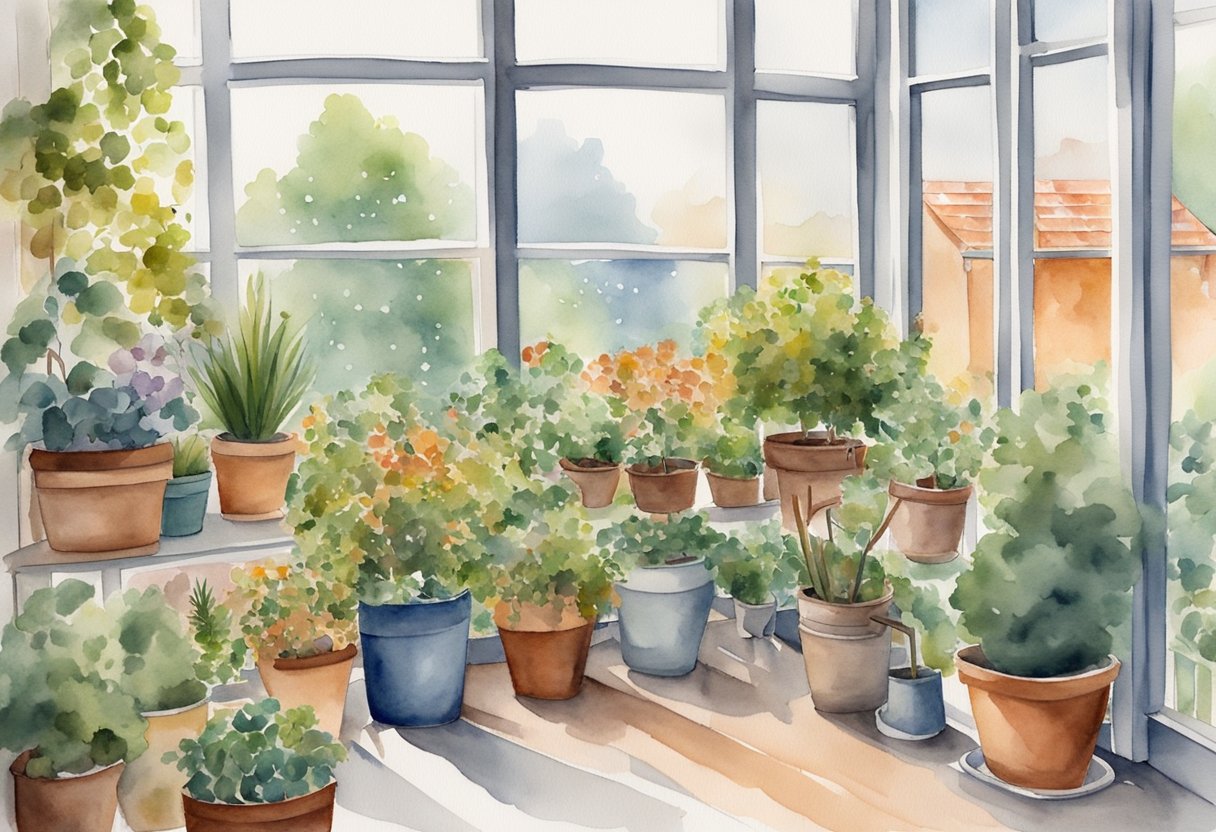
To enjoy a productive fall garden, you should focus on harvesting your crops at the right time and utilizing methods that extend your growing season. This helps you get the most out of your balcony garden even as temperatures drop.
Timing the Harvest of Fall Crops
Knowing when to harvest your fall crops is key to enjoying fresh vegetables. Each crop has its ideal harvest time. For instance, Swiss chard should be picked when leaves reach six to eight inches tall, while kohlrabi can be harvested when it’s about three to four inches in diameter.
Pay attention to indicators like color, size, and firmness. Check for signs of ripeness, such as vibrant colors or a slightly firm feel. Remember, crops like snow peas are best enjoyed when they are young and tender.
Plan your harvest around the first frost date in your area, which can affect the taste and texture of your vegetables. Make sure to pick any remaining crops before frost hits to ensure optimal flavor and quality.
Utilizing Techniques to Prolong Growth
You can take steps to prolong your growing season and protect your fall crops. Consider using cloches, which are mini greenhouses that protect plants from cold weather. They help maintain warmth and moisture for crops like lettuce and spinach.
Additionally, greenhouses can provide a controlled environment for your plants, allowing you to grow even as temperatures drop. If you don’t have a greenhouse, covering your plants with row covers can also work wonders.
Utilize season extenders such as cold frames to keep your plants warm during chilly nights. These methods help your crops flourish longer, ensuring a bountiful harvest from your balcony garden, even in the fall.
Related Posts:


autumn decor balcony garden balcony gardening container gardening container plants cool weather plants cozy balcony DIY gardening eco-friendly gardening fall gardening garden design gardening tips outdoor living plant selection seasonal gardening small space gardening sustainable gardening urban gardening