🪴Balcony Garden Paradise is reader-supported. When you buy through links on our site,
we may earn a small affiliate commission at no extra cost to you. As an Amazon Associate,
we earn from qualifying purchases. Happy Gardening from the team! 🌿
A night garden transforms your outdoor space into a magical retreat that comes alive when the sun goes down. These specially designed gardens use fragrant plants, reflective surfaces, and strategic lighting to create an enchanting experience for evening enjoyment.
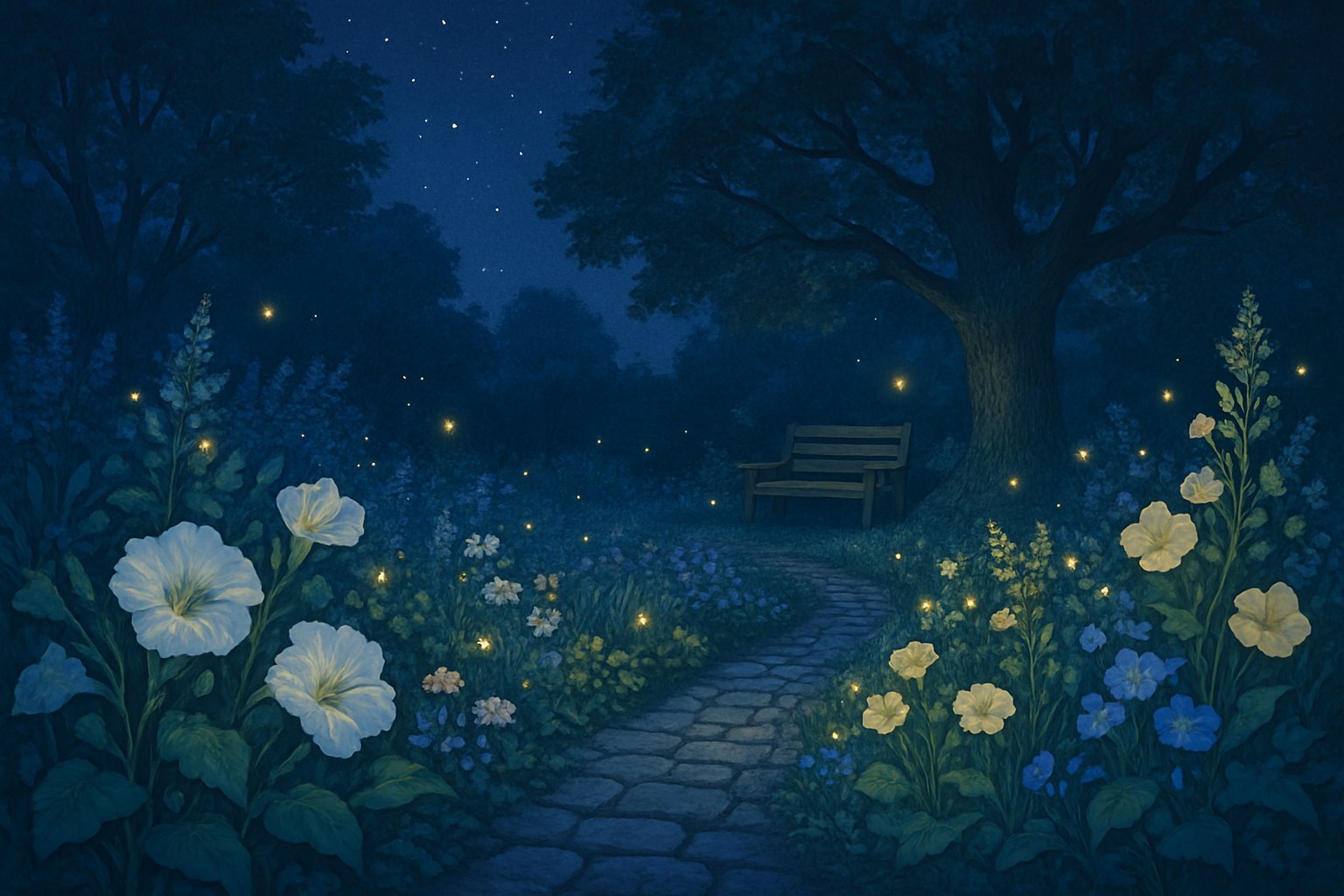
Night gardens combine white and pale-colored flowers, aromatic plants, and thoughtful lighting design to create beautiful spaces that shine in moonlight and artificial illumination. Popular choices include jasmine, white roses, lamb’s ear, and night-blooming cereus that release their strongest scents after dark.

You can create this magical atmosphere in any outdoor space, from large backyards to small balconies. The key lies in selecting plants that offer visual appeal and sensory experiences during nighttime hours, paired with lighting that enhances rather than overwhelms the natural beauty.

The 2023 USDA Plant Hardiness Zone Map was created by Oregon State University (PRISM Climate Group) and released by the USDA.
Key Takeaways
- Night gardens use white flowers, aromatic plants, and strategic lighting to create magical evening spaces
- You can design night gardens in any outdoor area by choosing plants that bloom or smell strongest after dark
- Proper seasonal maintenance and thoughtful plant selection ensure your night garden thrives year-round
What Is The Night Garden
The night garden represents both a physical gardening approach and a powerful literary concept that explores themes of mystery, transformation, and nocturnal beauty. This unique garden design focuses on plants that bloom or release fragrance after dark, while its cultural impact spans literature, art, and spiritual practices.
Origins and Concept
A moon garden is designed to be enjoyed at dusk and nighttime, featuring plants that come alive when the sun goes down. You create these spaces using white or pale flowers that reflect moonlight.
Night-blooming plants form the backbone of your garden design. Evening primrose opens its petals as darkness falls. Night-blooming cereus flowers for just one night each year.
Key Night Garden Plants:
- Four o’clocks (open at 4 PM)
- Moonflowers (white morning glory variety)
- Night phlox
- Evening stock
Your garden also includes plants with silver or gray foliage. These catch available light and create a ghostly appearance. Lamb’s ear and dusty miller work well for this purpose.
Fragrant plants release their strongest scents at night. Night-blooming jasmine and tobacco plants attract night pollinators. Moths and bats visit these flowers when you cannot see them clearly.
Cultural Significance
Night gardens appear throughout world literature as places of mystery and romance. You find them in Gothic novels where characters meet secretly after dark. Victorian writers used them to represent forbidden love and hidden desires.
Different cultures view night gardens uniquely. Japanese moon-viewing gardens focus on reflecting pools and white stones. You arrange these elements to capture moonlight and create peaceful meditation spaces.
Islamic garden traditions include night-blooming plants in paradise gardens. These represent eternal beauty that never fades. Persian poets wrote about jasmine and other night flowers as symbols of divine love.
Modern garden designers create therapeutic night spaces. You use these gardens for evening meditation and stress relief. Hospitals and senior centers install them for patients who cannot go outside during busy daytime hours.
Symbolism and Meaning
Your night garden represents transformation and hidden beauty. Plants that look ordinary during the day reveal spectacular blooms after dark. This mirrors human nature and our hidden depths.
Common Night Garden Symbols:
- Moonlight – clarity and intuition
- White flowers – purity and mystery
- Nocturnal blooming – patience and timing
- Night fragrance – memory and emotion
You connect with cycles of rest and renewal through night gardens. They remind you that beauty exists even when most people sleep. Night-blooming plants teach patience since you cannot rush their timing.
The garden becomes a space for contemplation and inner growth. You experience solitude and quiet that daytime gardens cannot provide. This creates opportunities for deeper reflection and personal insight.
Designing A Night Garden
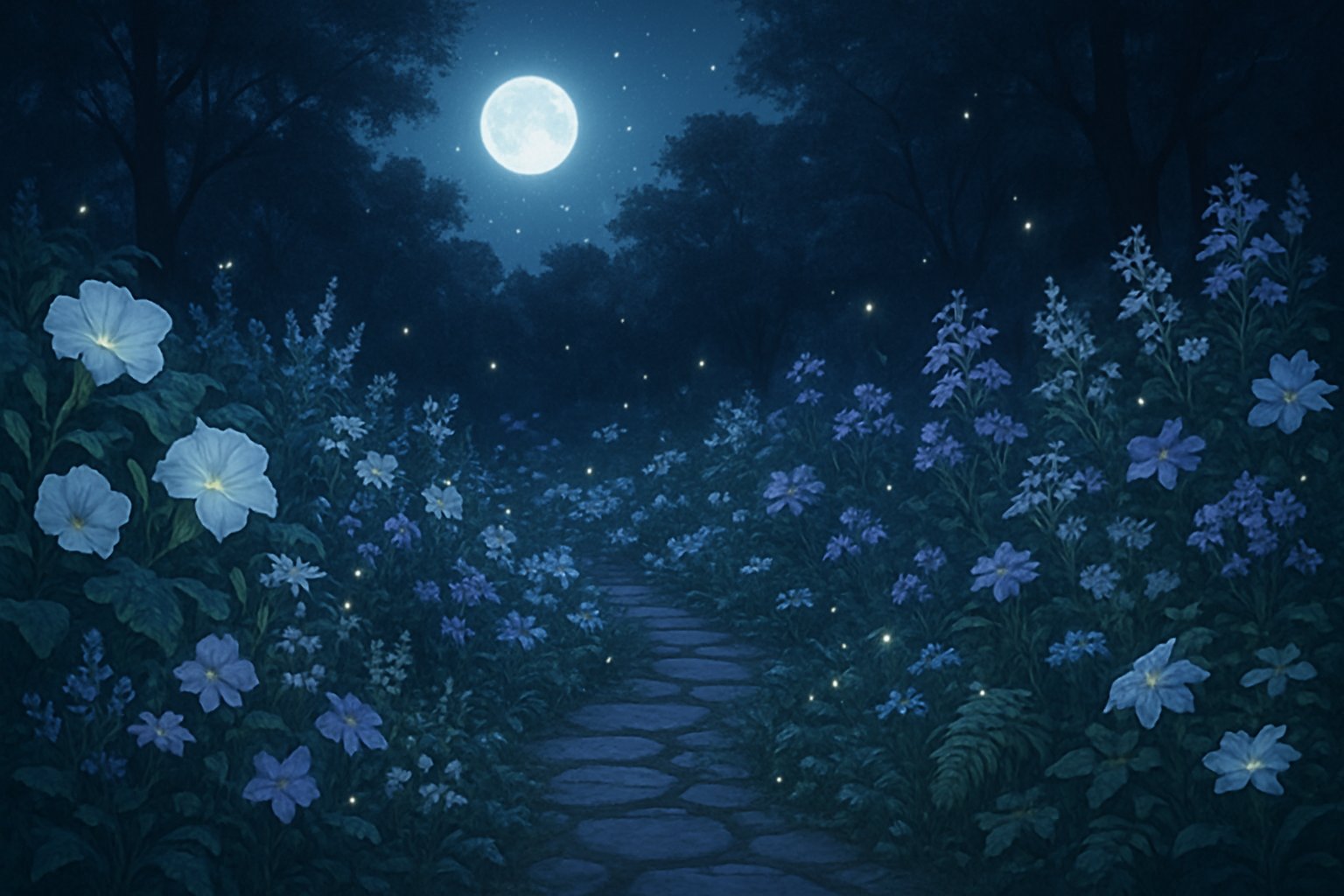
Creating a successful night garden requires careful planning of layout, plant selection, water elements, and privacy features. These design choices work together to transform outdoor spaces into enchanting evening retreats.
Planning and Layout
Start by mapping your available space and identifying existing features. Mark where you spend the most time in the evenings. This becomes your focal point for design decisions.
Create clear pathways using stepping stones or gravel. These guide movement through the garden safely after dark. Position seating areas where you can enjoy multiple garden views.
Consider sight lines from windows and doorways. Your night garden should look appealing from inside your home, too. Plan for electrical access if you want to add lighting later.
Essential Layout Elements:
- Primary seating area near the house
- Secondary quiet spots for reflection
- Clear walkways between garden zones
- Open areas balanced with planted sections
Even small balcony gardens can create magical evening spaces. Use vertical planters and hanging containers to maximize growing area without crowding walking space.
Choosing Plants for Nocturnal Appeal
Select plants that shine in moonlight or emit evening fragrances. White and silver foliage reflect available light beautifully. Light-colored flowers seem to glow in the dark.
Top Night-Blooming Plants:
- Evening primrose (opens at dusk)
- Four o’clocks (blooms late afternoon)
- Moonflower (pure white trumpets)
- Night-blooming cereus (dramatic once yearly bloom)
Fragrant Evening Plants:
- Jasmine (sweet, intense scent)
- Night-scented stock (spicy fragrance)
- Nicotiana (tobacco plant with evening perfume)
Choose plants with different textures and heights. Ornamental grasses rustle softly in evening breezes. Large-leafed hostas create bold shapes in shadow.
Avoid plants that close their flowers at night. Morning glories and hibiscus shut down when the sun sets.
Incorporating Water Features
Water adds soothing sounds and reflects moonlight across your garden. Small fountains work well in compact spaces. The gentle bubbling masks neighborhood noise.
Position water features where you can hear them from seating areas. Avoid placing them too close to windows if the sound might disturb sleep.
Water Feature Options:
- Tabletop fountains for patios
- Wall-mounted spillway fountains
- Small pond with recirculating pump
- Rain chains that create gentle sounds
Still water in shallow bowls reflects stars and moon phases. Change the water regularly to prevent mosquito breeding. Add a small pump to keep water moving slightly.
Solar-powered fountains eliminate electrical work. They run quietly and turn off automatically when daylight fades.
Enhancing Privacy and Ambience
Create enclosed feeling spaces using tall plants or screens. Privacy makes evening garden time feel more intimate and relaxing.
Fast-growing bamboo provides quick screening. Evergreen shrubs offer year-round privacy. Climbing vines on trellises add vertical green walls.
Privacy Solutions:
- Lattice panels with climbing plants
- Ornamental grass borders
- Strategically placed large containers
- Natural hedge plantings
Add subtle lighting to extend garden enjoyment. Solar path lights mark walkways safely. String lights create a festive atmosphere without harsh brightness.
Soft furnishings make evening time more comfortable. Weather-resistant cushions and throws encourage longer garden stays. Side tables hold drinks and books within easy reach.
Wind chimes add gentle musical notes. Choose materials like bamboo or soft metals for pleasing tones that complement rather than overwhelm natural garden sounds.
Lighting for Night Gardens
Good lighting transforms your garden into a magical evening space while keeping pathways safe. The right fixtures, smart placement, and eco-friendly options create the perfect nighttime atmosphere.
Selecting Outdoor Lighting
LED lights work best for most night gardens. They last 15-25 years and use 75% less energy than regular bulbs.
Solar lights need no wiring. They charge during the day and turn on automatically at dusk. Choose models with at least 6-8 hours of battery life.
Low-voltage lighting runs on 12 volts instead of 120 volts. This makes it safer around water features and easier to install yourself.
| Light Type | Best For | Power Source |
|---|---|---|
| Path lights | Walkways | Solar or low-voltage |
| Spotlights | Trees, sculptures | Low-voltage |
| String lights | Patios, pergolas | Electric or solar |
| Well lights | Ground-level accent | Low-voltage |
Warm white bulbs (2700K-3000K) create a cozy feeling. Cool white bulbs (4000K+) feel harsh in gardens.
Choose weatherproof fixtures rated IP65 or higher. These resist rain, snow, and dust.
Placement for Drama and Safety
Light your main walkways first. Place path lights every 6-8 feet along both sides of paths. This prevents trips and falls.
Up-light tall trees from below. Position spotlights 3-5 feet from the trunk. Aim the beam up through the branches.
Cross-lighting works better than single lights. Use two fixtures aimed at the same plant from different angles. This reduces harsh shadows.
Avoid glare by pointing lights down or away from seating areas. Shield bulbs with covers or housings.
Highlight focal points like sculptures, water features, or specimen plants. Use one bright spotlight per feature.
Step lights built into stairs prevent falls. Install them in every third step or at the top and bottom.
Moonlighting creates gentle shadows. Mount soft lights high in trees and aim them down through leaves.
Sustainable Lighting Options
Solar path lights cost nothing to operate. Choose models with separate solar panels for shady spots.
Motion sensors save energy by turning lights on only when needed. Set them for 1-5 minute timers.
Smart timers turn lights on at sunset and off at bedtime. Some models adjust automatically for changing seasons.
Battery-powered LED strips work well for temporary lighting. Rechargeable batteries last 6-12 hours per charge.
Low-wattage fixtures use less power. A 3-watt LED produces the same light as a 25-watt incandescent bulb.
Group lighting zones on separate switches. Light only the areas you’re using each evening.
Reflective mulch like light-colored gravel helps bounce existing light around plants. This reduces the number of fixtures you need.
Fragrance and Sensory Experience
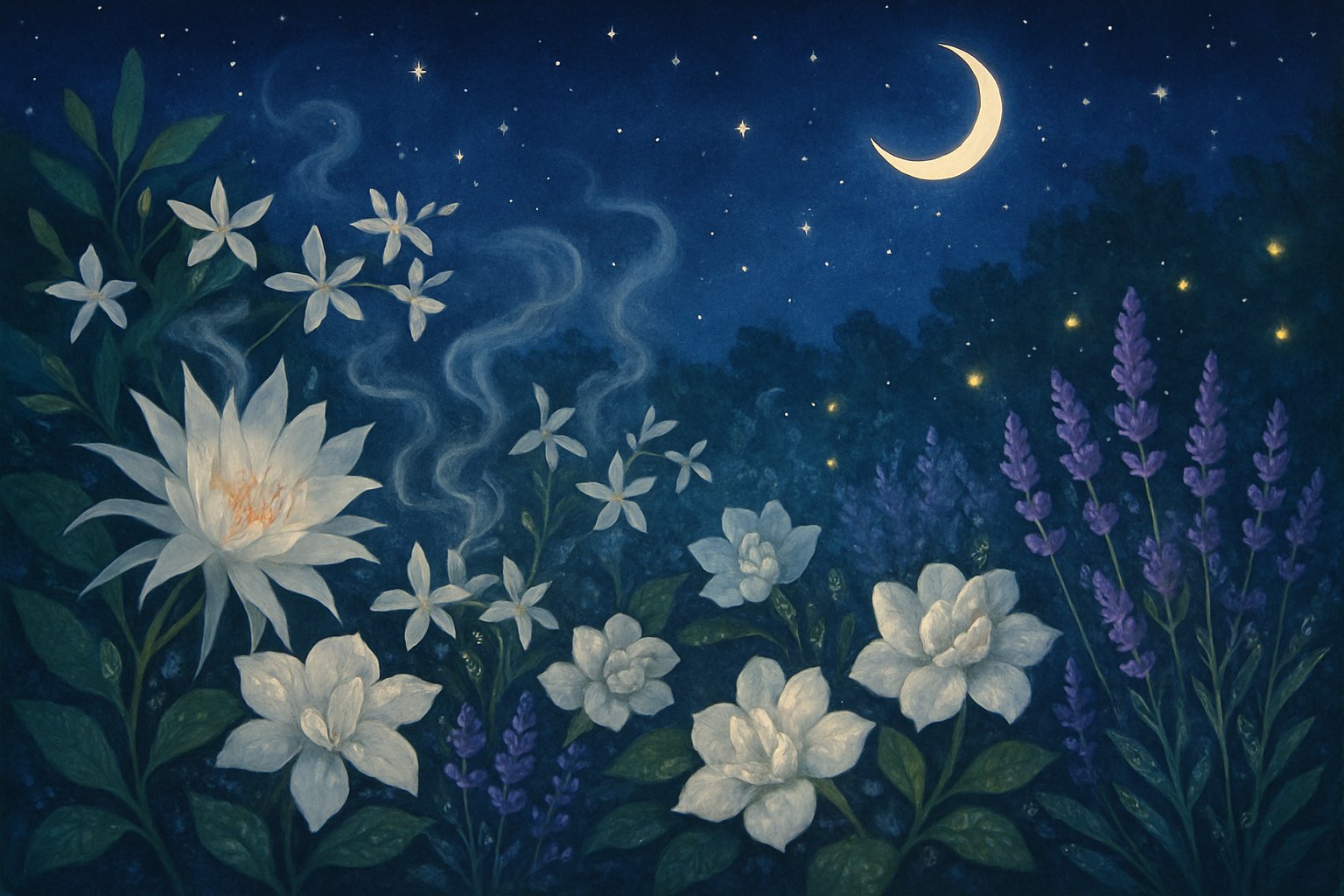
Night gardens create unique sensory experiences through blooming flowers that release intense fragrances after dark, aromatic plants that perfume evening air, and nocturnal wildlife sounds that complete the atmosphere.
Night-Blooming Flowers
Moonflower opens white trumpet-shaped blooms at sunset. These flowers release sweet vanilla scents that attract night pollinators. Each bloom lasts only one night before closing at dawn.
Four o’clocks burst open in late afternoon with bright pink, yellow, or white flowers. Their sweet fragrance grows stronger as temperatures cool. You can smell them from 10 feet away on calm evenings.
Night-blooming jasmine produces small white flowers with a powerful fragrance. The scent travels far distances and peaks between 8 PM and midnight. Plant it near windows or patios for maximum impact.
Evening primrose flowers open with audible pops at dusk. Their lemony scent attracts sphinx moths throughout the night. The bright yellow blooms glow under moonlight.
Aromatic Shrubs and Vines
Honeysuckle vines release sweet nectar scents that intensify in humid evening air. Japanese honeysuckle blooms from May through October with cream-colored flowers.
Mock orange shrubs produce white flowers with citrus-like fragrance. The scent carries on light breezes and peaks during cool evening hours. Mature plants can perfume entire garden sections.
Night-blooming cereus creates dramatic one-night shows with large white flowers. The vanilla-scented blooms open slowly over two hours, starting at sunset.
Nicotiana releases tobacco-like fragrance from tubular flowers. White and pale varieties have stronger scents than colored types. The fragrance attracts hummingbird moths after dark.
Inviting Wildlife
Night-flying moths visit fragrant flowers for nectar. Luna moths and sphinx moths arrive within hours of bloom opening. Their wing beats create soft whirring sounds.
Bats hunt insects attracted to night-blooming plants. You hear their high-pitched calls and see quick movements against the sky. They help control mosquito populations naturally.
Night-singing insects include crickets and katydids in garden foliage. Their chirping creates natural soundscapes that mask traffic noise. Different species chirp at different temperatures and times.
Nocturnal pollinators like carpenter bees visit large white flowers. Their buzzing adds to garden sounds while they collect pollen and nectar.
Creating Enchanting Spaces
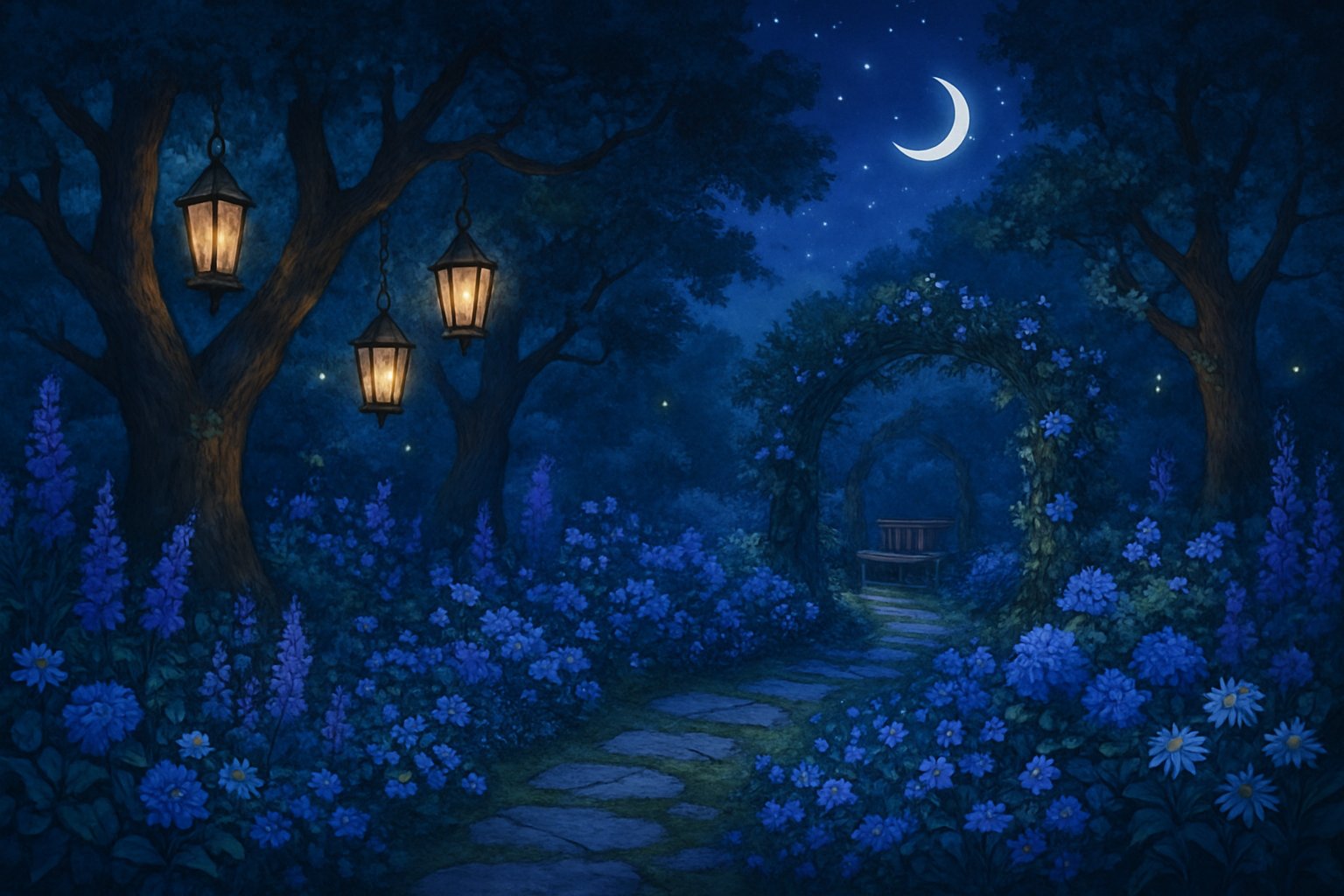
Transform your night garden into a magical retreat with comfortable seating areas and decorative elements that catch moonlight and create visual interest after dark.
Seating and Gathering Areas
Choose seating that invites people to linger in your garden. Place benches along pathways or under trees where visitors can rest and enjoy the evening atmosphere.
Stone benches work well because they stay cool during hot summer nights. Wooden benches add warmth and blend naturally with plants and trees.
Create circular seating areas around fire pits or water features. Use curved benches or arrange individual chairs in a circle. This layout encourages conversation and helps people feel connected.
Add outdoor cushions in weather-resistant fabrics. Choose dark colors like deep blue or forest green that won’t show dirt easily. Store cushions inside during bad weather.
Position seating near fragrant plants like jasmine or night-blooming cereus. The sweet scents will enhance the experience for anyone sitting nearby.
Using Art and Ornaments
Select garden art that reflects light or glows in darkness. White or light-colored sculptures stand out beautifully against dark foliage at night.
Place mirrors strategically to reflect moonlight and garden lights. Use weather-resistant mirrors designed for outdoor use. Mount them on fences or attach them to sturdy posts.
Install wind chimes that create gentle sounds as evening breezes move through your garden. Choose chimes with deeper tones that won’t disturb neighbors.
Add gazing balls or glass ornaments that catch and reflect available light. Silver and clear glass work best for nighttime visibility.
Balcony Gardens for a Magical Evening
Night Dreams Check this video out for a little calm in your day. 😉
Small balcony spaces can transform into enchanting gardens with the right design choices, proper lighting, and carefully selected plants in suitable containers.
Design Tips for Small Spaces
Vertical space is your best friend on a small balcony. Use wall-mounted planters and hanging baskets to create layers of plants without taking up floor space.
Choose a color scheme that creates unity. White and silver plants look stunning in moonlight. Purple and blue flowers add mystery to evening settings.
Create different height levels with plant stands and stackable containers. This adds visual interest and helps each plant get proper light during the day.
Keep pathways clear by placing larger containers in corners. Use the railing space for narrow planters that don’t block your view.
Add a small mirror on one wall to make the space feel larger. Position it where it reflects plants and lights for extra sparkle.
Lighting Ideas for Balconies
String lights create instant magic in any balcony garden. Choose warm white LED lights that won’t generate heat near your plants.
Solar lanterns work well in spots that get sun during the day. Place them among taller plants so they peek through the foliage at night.
Uplighting from below makes plants look dramatic. Small LED spotlights tucked between containers cast beautiful shadows on walls and ceilings.
Candles in glass holders add romantic ambiance. Use battery-operated candles for safety around plants and fabric elements.
Consider rope lights around railings for a soft glow. They’re weather-resistant and create a border of light around your garden space.
Choosing Containers and Plants
Select containers that match your evening theme. Dark pots disappear at night, letting plants shine. Light-colored containers reflect moonlight and artificial lighting.
Best evening-scented plants:
- Jasmine
- Evening primrose
- Four o’clock flowers
- Night-blooming cereus
Choose plants with interesting textures that look good in dim light. Fuzzy lamb’s ear and spiky ornamental grasses catch light beautifully.
White and pale flowers glow in the darkness. Plant white petunias, pale roses, or white impatiens for maximum evening impact.
Herbs like lavender and mint release fragrance when touched. Place them where you’ll brush against them while moving through your balcony gardens for a magical evening experience.
Seasonal Care and Maintenance
Night gardens need different care during the spring, summer, fall, and winter months. Watering schedules change with temperature and plant growth cycles, while pest activity varies throughout the year.
Watering and Fertilizing at Night
Spring watering should start when soil temperatures reach 50°F. Water deeply twice per week during evening hours between 8-10 PM.
Night-blooming plants need more water as temperatures rise. Check soil moisture 2 inches down before watering.
Summer requires the most frequent watering. Water every other day during hot spells above 85°F. Focus on root zones rather than leaves.
Apply slow-release fertilizer in early spring when growth begins. Use a balanced 10-10-10 formula for most night garden plants.
Fall watering should decrease gradually. Stop fertilizing 6-8 weeks before your first expected frost date.
Winter watering depends on your climate zone. Cold regions need minimal water, while warm areas require monthly deep watering.
| Season | Watering Frequency | Fertilizer Schedule |
|---|---|---|
| Spring | 2x per week | Monthly feeding |
| Summer | Every other day | Bi-weekly feeding |
| Fall | 1x per week | Stop 6-8 weeks before frost |
| Winter | Monthly (warm zones) | None |
Pest Control After Dark
Nocturnal pests become active when temperatures drop in evening hours. Slugs and snails cause the most damage to night garden plants.
Set up beer traps around vulnerable plants like hostas and moonflowers. Empty traps every 3-4 days during peak activity months.
Aphids multiply quickly on night-blooming plants during warm weather. Spray affected areas with insecticidal soap at dusk when beneficial insects are less active.
Check plants weekly with a flashlight after 10 PM. Look for chewed leaves, slime trails, and small holes in flower petals.
Seasonal pest patterns vary by region. Spring brings emerging slugs and overwintered aphid eggs. Summer increases all pest activity levels.
Fall cleanup removes hiding spots for pests. Clear fallen leaves and dead plant material before winter sets in.
Popular Night Garden Inspirations

Many gardeners find ideas from famous examples and creative works. These sources show different ways to design spaces that come alive after dark.
Famous Night Garden Examples
White gardens lead the list of popular night garden designs. Sissinghurst Castle’s famous white garden in England shows how pale flowers glow in moonlight.
The garden uses white roses, jasmine, and silver-leafed plants. These create a bright display against dark backgrounds.
Japanese moon-viewing gardens offer another approach. These spaces focus on:
- Open areas for moonlight
- Water features that reflect light
- White gravel paths
- Pale stone lanterns
Many public gardens now include night sections. The Brooklyn Botanic Garden has evening programs that show nocturnal plants. Their fragrance garden highlights night-blooming flowers.
Monet’s garden at Giverny inspired many evening designs. The white water lilies and pale bridge create magic at dusk. You can copy this look with white flowers near water.
Literature and Art References
Shakespeare’s plays mention many night garden plants. A Midsummer Night’s Dream talks about moonlit flowers and evening scents. These references inspire romantic garden themes.
Gothic novels describe mysterious night gardens with:
- Climbing vines on walls
- Hidden pathways
- Fragrant night flowers
- Dark corners with pale blooms
Persian poetry celebrates night-blooming jasmine and roses. These writings show how scent matters more than sight in evening gardens.
Chinese art often shows moon gardens with bamboo and white flowers. These paintings guide modern designers who want peaceful night spaces.
Modern garden designers study these sources. They use the same plants and ideas to create evening magic in today’s yards.
Related Posts:


backyard oasis balcony garden balcony gardening container gardening DIY gardening eco-friendly gardening evening retreat garden ambiance garden design gardening tips moonlight garden night blooming flowers night garden outdoor decor plant selection small space gardening sustainable gardening urban gardening