Balcony Garden Paradise is reader-supported. When you buy through links on our site,
we may earn a small affiliate commission. Happy Gardening from the team! 🌿
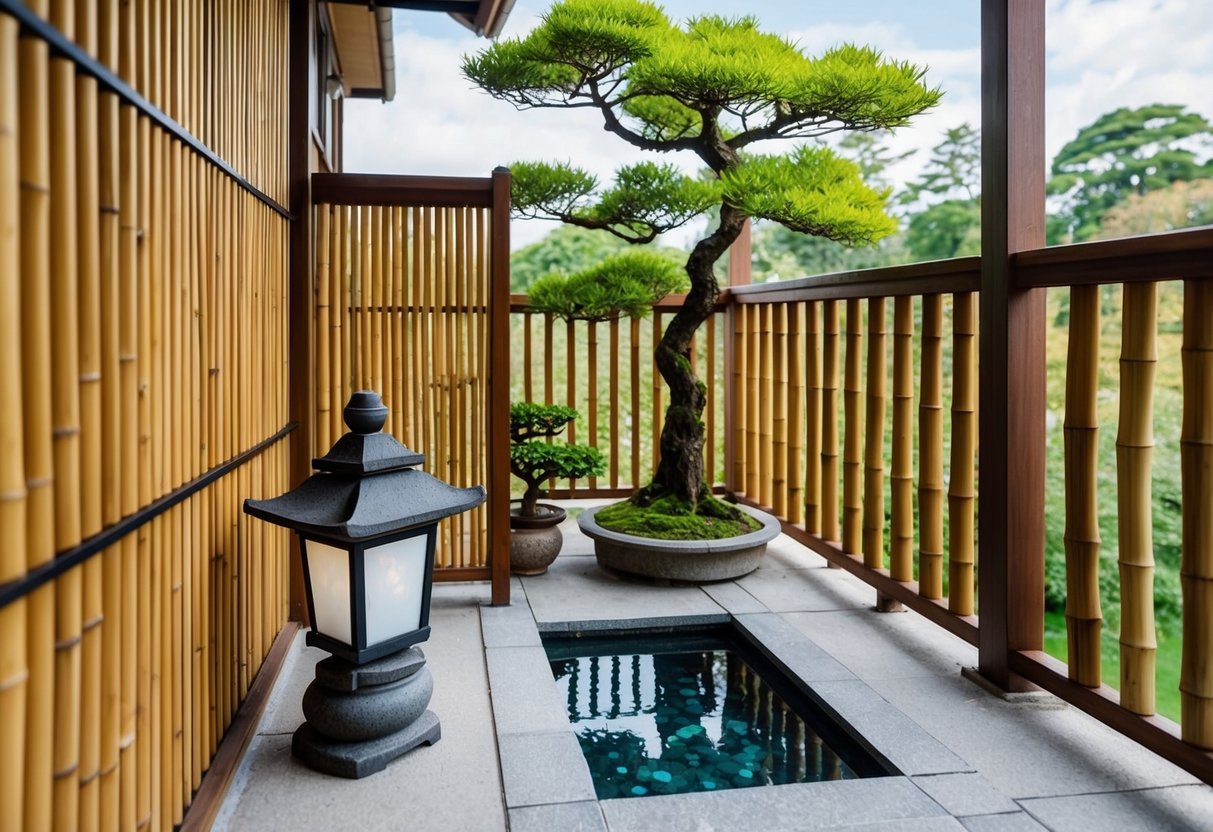
Japanese balcony gardens bring peace and beauty to small spaces. You can create a serene oasis right outside your door. A Japanese balcony garden combines key elements like plants, rocks, and water to create a miniature landscape reflecting nature’s harmony.
These gardens use careful design to make the most of limited space. You’ll find clever ways to add depth and interest with layers and textures. Plants, both real and artificial, play a big role in setting the mood.
Zen principles guide the layout and choice of items. You’ll learn to use simple, clean lines and natural materials. The goal is to make a calm spot for relaxation and reflection, even in a busy city.

The 2023 USDA Plant Hardiness Zone Map was created by Oregon State University (PRISM Climate Group) and released by the USDA.
Key Takeaways
- Japanese balcony gardens blend nature and design in small spaces
- Key elements include plants, rocks, and water features
- These gardens offer a peaceful retreat for relaxation and reflection
Design Principles of a Japanese Balcony Garden
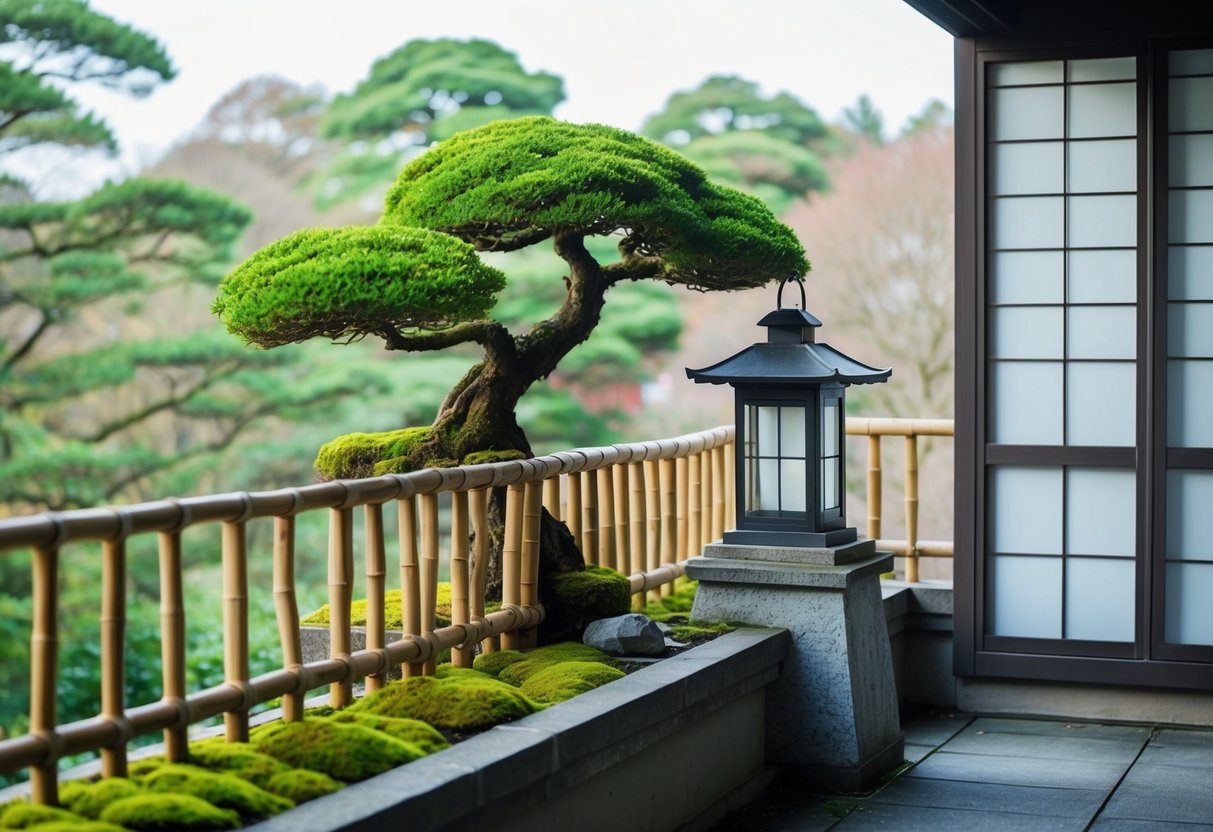
Creating a Japanese balcony garden involves key principles that blend aesthetics, function, and harmony. These gardens aim to bring peace and beauty to small outdoor spaces.
Incorporating Zen Elements
Zen elements are crucial in Japanese balcony gardens. Use rocks and gravel to create a dry landscape. Add a small water feature like a bamboo fountain for soothing sounds. Place a stone lantern for soft lighting and visual interest.
Choose plants with simple shapes and colors. Bonsai trees are perfect for adding a touch of nature in a compact form. Moss can cover bare spots and add a lush feel.
Include a small meditation area with a cushion or low bench. This space allows you to sit and enjoy your garden’s tranquility.
Maximizing Limited Space
Make the most of your balcony’s size with smart design choices. Use vertical space by hanging plants or installing shelves. Opt for multi-level planters to grow more in less area.
Choose plants that stay small or grow slowly. Dwarf varieties of trees and shrubs work well. Use containers of different heights to create depth and interest.
Incorporate foldable or stackable furniture. This allows you to change the layout as needed. A small tea table can serve multiple purposes.
Balancing Nature and Architecture
Blend your garden with the building’s structure. Use plants to soften hard edges of walls or railings. Train vines on trellises to create green walls.
Pick materials that match your building’s style. Bamboo screens can add privacy and a natural touch. Use stone or wood elements that complement your balcony’s existing features.
Create visual balance with asymmetrical designs. Place taller plants on one side and shorter ones on the other. Use odd numbers of plants or objects for a natural look.
Essential Elements of a Zen Balcony Garden
A Zen balcony garden brings peace and beauty to small outdoor spaces. Key elements work together to create a calm, balanced environment.
Plants and Bonsai Selection
Choose plants that thrive in your climate and light conditions. Evergreens like juniper and pine are good picks. They stay green year-round and need little care. Bamboo adds height and a soft rustling sound.
Bonsai trees are perfect for small spaces. They bring the look of full-sized trees to your balcony. Popular choices include maple, elm, and ficus. Moss can cover bare spots and add a lush feel.
Care for your plants with gentle pruning. This keeps their shape neat and fits the Zen style. Water deeply but not too often. Most Zen garden plants prefer drier conditions.
Choosing the Right Stones and Gravel
Stones and gravel form the base of your Zen balcony garden. Pick smooth, rounded stones in various sizes. Place larger stones as focal points. Smaller ones can line paths or fill spaces.
White or light gray gravel works well for ground cover. It reflects light and makes the space feel bigger. Rake the gravel into patterns. This mimics water ripples and adds visual interest.
Use stone slabs for stepping stones or a small patio area. Dark slate or granite offers a nice contrast to light gravel. Make sure any stones you use are safe for your balcony’s weight limit.
Water Features and Their Significance
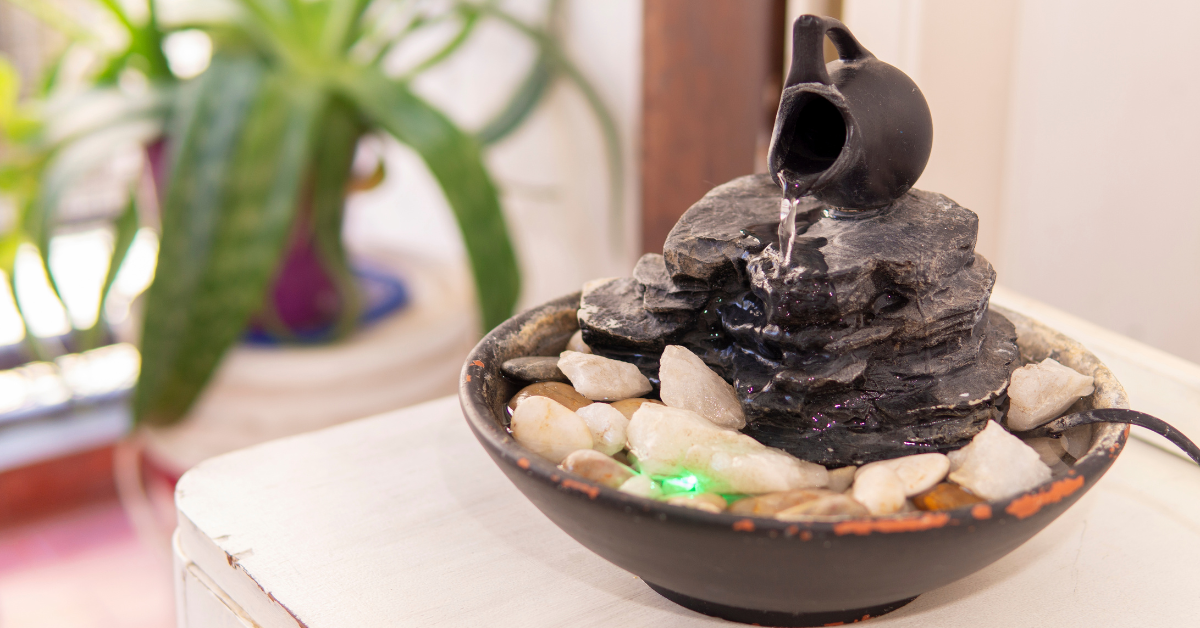
Water brings life and movement to your Zen garden. A small fountain or bubbler works well in tight spaces. The sound of flowing water masks noise and adds to the peaceful feel.
If a fountain isn’t possible, try a shallow basin with water and floating flowers. This still water feature reflects the sky and adds depth to your garden. Change the water often to keep it fresh.
Symbolic water features also work. A dry stream bed made of rocks and pebbles can represent water. This needs no maintenance and still adds to the Zen look.
Garden Ornaments and Decor
Choose a few key pieces to enhance your Zen balcony garden. A stone lantern adds soft light and a traditional touch. Place it near a plant or water feature for the best effect.
A small Buddha statue or pagoda can serve as a focal point. Keep it simple and in scale with your space. Too many items can make the area feel cluttered.
Bamboo fencing or screens add privacy and a natural backdrop. They also help block wind and create a cozy feel. Hang wind chimes for gentle sound on breezy days.
Planning and Layout
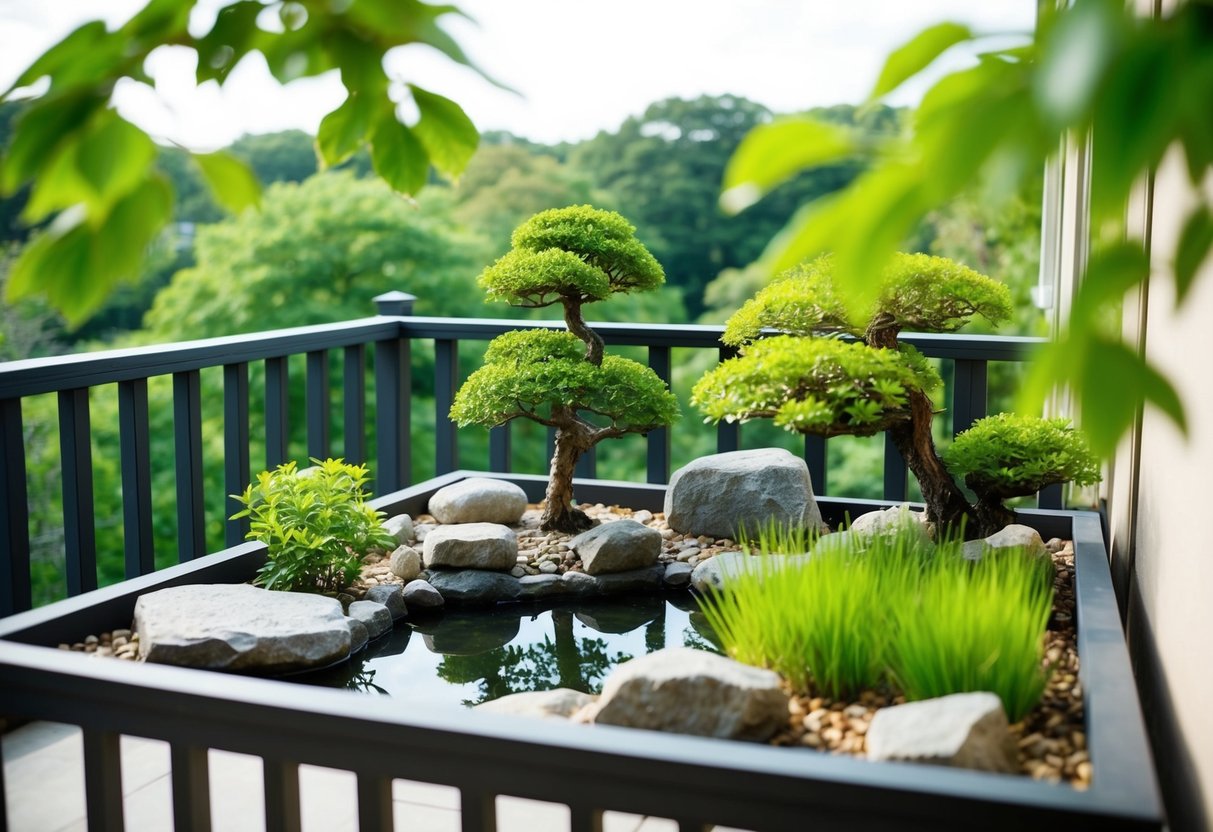
Creating a Japanese balcony garden starts with careful planning. A well-designed layout makes the most of your space and creates a peaceful atmosphere.
Spatial Arrangement
Begin by measuring your balcony. Draw a simple sketch to plan where things will go. Place larger items like trees or benches first. Then add smaller plants and decorations. Use levels to add depth. Raised planters or shelves can help.
Think about traffic flow. Leave enough room to walk and enjoy your garden. Group plants with similar needs together. This makes watering and care easier.
Consider the weight of items. Balconies have weight limits. Use lightweight pots and soil mixes made for container gardens.
Visual Harmony and Viewpoints
Create a focal point in your Zen balcony garden. This could be a small tree, a rock arrangement, or a water feature. Place it where it catches the eye when you enter.
Use the rule of thirds to arrange elements. Imagine your balcony divided into a 3×3 grid. Put key items where the lines cross.
Think about views from inside your home too. Place taller plants where they won’t block nice views. Arrange shorter plants in front.
Privacy Considerations in Your Japanese Balcony Garden
Add bamboo screens or trellises with climbing plants for privacy. These create a sense of enclosure without feeling cramped.
Use tall plants strategically to block unwanted views. Potted trees or shrubs can act as natural screens.
Hang outdoor curtains or blinds. These offer flexible privacy options. You can open or close them as needed.
Consider noise reduction. Water features or wind chimes can mask city sounds. Dense foliage also helps absorb noise.
Cultivating Tranquility
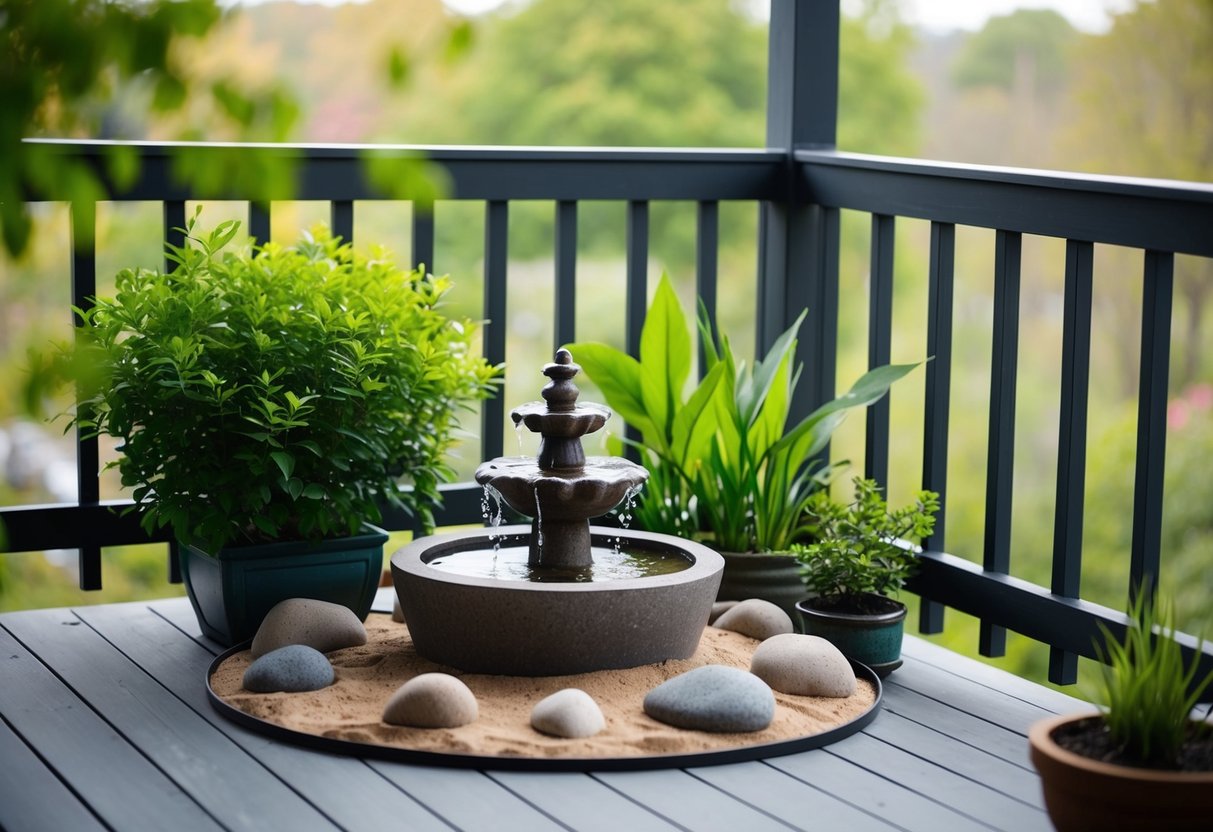
A Zen balcony garden creates a peaceful retreat in your home. The right elements can transform your space into a calming oasis.
Color Palette and Textures
Choose a soothing color scheme for your Zen balcony garden. Stick to earth tones like soft greens, warm browns, and gentle grays. These colors promote relaxation and connect you to nature.
Add texture with natural materials. Use smooth river rocks, rough bark, and soft moss. Mix these textures to create visual interest without clutter.
Incorporate bamboo elements for a classic Japanese feel. Bamboo fencing or screens can provide privacy and a serene backdrop.
Keep plant choices simple. Focus on a few key plants rather than a wide variety. This helps maintain a calm, uncluttered look.
Lighting for Ambience
Proper lighting enhances the tranquil atmosphere of your Zen balcony garden. Use soft, warm lights to create a cozy feeling after dark.
Lanterns are a great choice for Japanese-inspired gardens. Choose stone or wooden lanterns for an authentic look. Place them strategically to light paths or highlight special features.
Consider string lights for a gentle glow. Hang them overhead or wrap them around railings. This adds a magical touch to your space.
Use candles for a natural, flickering light. Place them in safe holders to prevent accidents. The gentle flame adds movement and warmth to your garden.
Solar-powered lights are an eco-friendly option. They charge during the day and turn on automatically at night. This ensures your garden is always lit without extra effort from you.
Maintenance and Upkeep
Keeping your Zen balcony garden in top shape takes regular care and attention. A well-maintained Japanese-style garden brings peace and beauty to your outdoor space.
Routine Care of Plants and Features in Your Japanese Balcony Garden
Water your plants regularly, but don’t overdo it. Check soil moisture daily in hot weather. Remove dead leaves and flowers promptly. Wipe down stone lanterns and other decorative items to keep them clean.
Rake gravel or sand patterns weekly to maintain their crisp appearance. This simple act can be meditative and helps you connect with your garden.
Dust bamboo fences and screens to keep them looking fresh. Oil wooden elements yearly to protect them from weather damage.
Seasonal Adjustments and Pruning
Prune plants in spring to encourage healthy growth. Trim bonsai trees carefully to maintain their shape. In fall, prepare plants for winter by cutting back and adding mulch.
Adjust watering schedules with the seasons. Plants need more water in summer, and less in winter. Move potted plants to sheltered spots during extreme weather.
Change out seasonal plants to keep your garden looking fresh year-round. Add colorful maple trees in fall and cherry blossoms in spring.
Managing Pests and Weather Challenges
Check plants often for signs of pests or disease. Use natural pest control methods when possible. Neem oil can help with many common garden pests.
Protect delicate plants from strong winds by moving them or adding windbreaks. Use frost cloths to shield sensitive plants in cold weather.
Install a rain gauge to track rainfall and adjust your watering. Add drainage holes to pots to prevent waterlogging during heavy rains.
Use sturdy ties to secure tall plants or trees that might topple in storms. Consider bringing very fragile plants indoors during bad weather.
Cultural Significance
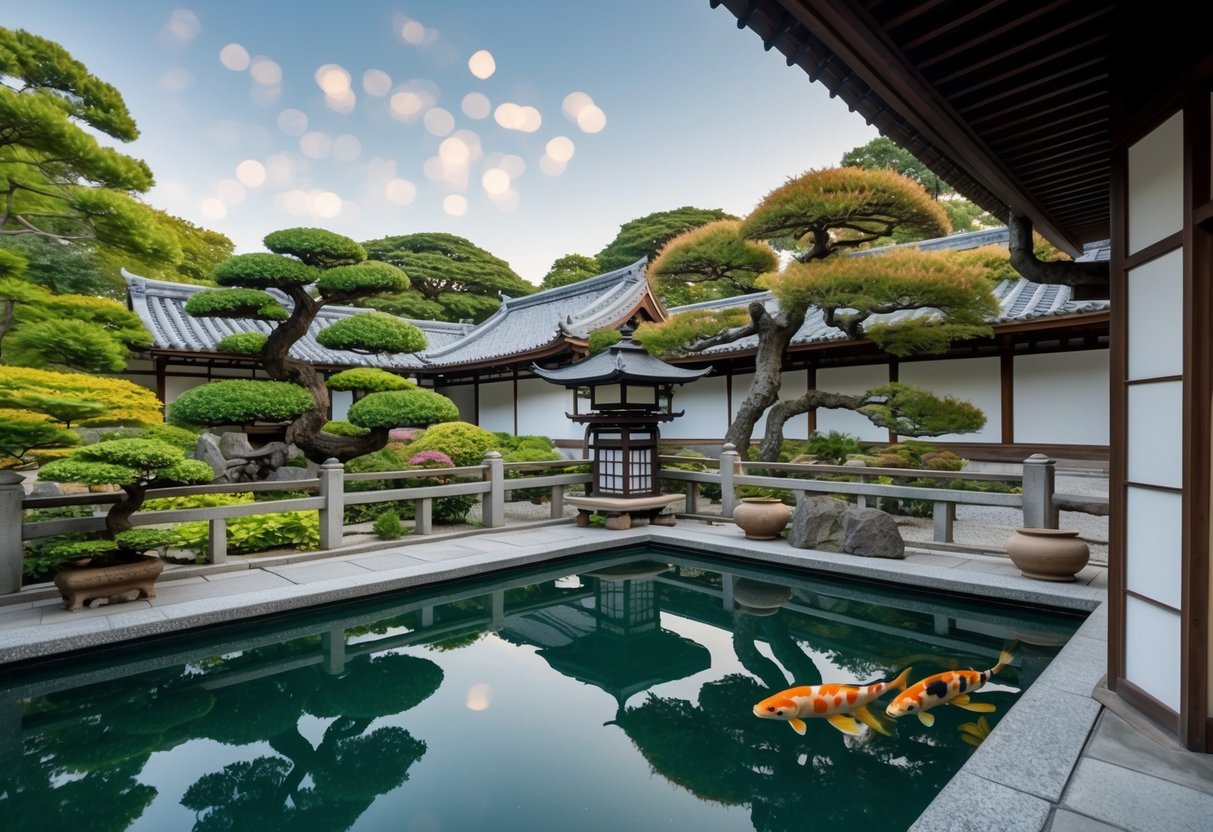
Japanese gardens hold deep meaning in Japanese culture. They blend nature, art, and spirituality. Balcony gardens bring these traditions to small urban spaces.
History of Japanese Gardens
Japanese gardens date back over 1000 years. They started as places for emperors to relax. Over time, they became important in Zen Buddhism. Monks used gardens for meditation and teaching.
In the 1600s, tea gardens became popular. These small gardens led to tea houses for ceremonies. As cities grew, people made mini gardens in courtyards and on balconies.
Today, you can create a Zen balcony garden in any small space. This brings calm and beauty to your home.
Spiritual Aspects of Zen Gardens
Zen gardens have deep spiritual roots. They help you focus and find peace. Each part of the garden has meaning:
- Rocks stand for mountains or islands
- Sand or gravel represents water
- Plants show the cycles of life
When you rake patterns in sand, it’s a form of meditation. The simple design helps clear your mind.
A Zen balcony garden can be your peaceful spot. It connects you to nature and ancient wisdom. You can use it to relax, think, or just enjoy beauty in your daily life.