Balcony Garden Paradise is reader-supported. When you buy through links on our site,
we may earn a small affiliate commission. Happy Gardening from the team! 🌿
Transform your balcony into a vibrant autumn oasis with fall-blooming flowers. Choosing the right flowers can enhance your space while providing color and interest as the days get shorter. Whether you have a small balcony or a spacious terrace, there are plenty of options that thrive in cooler weather and bring joy to your outdoor area.
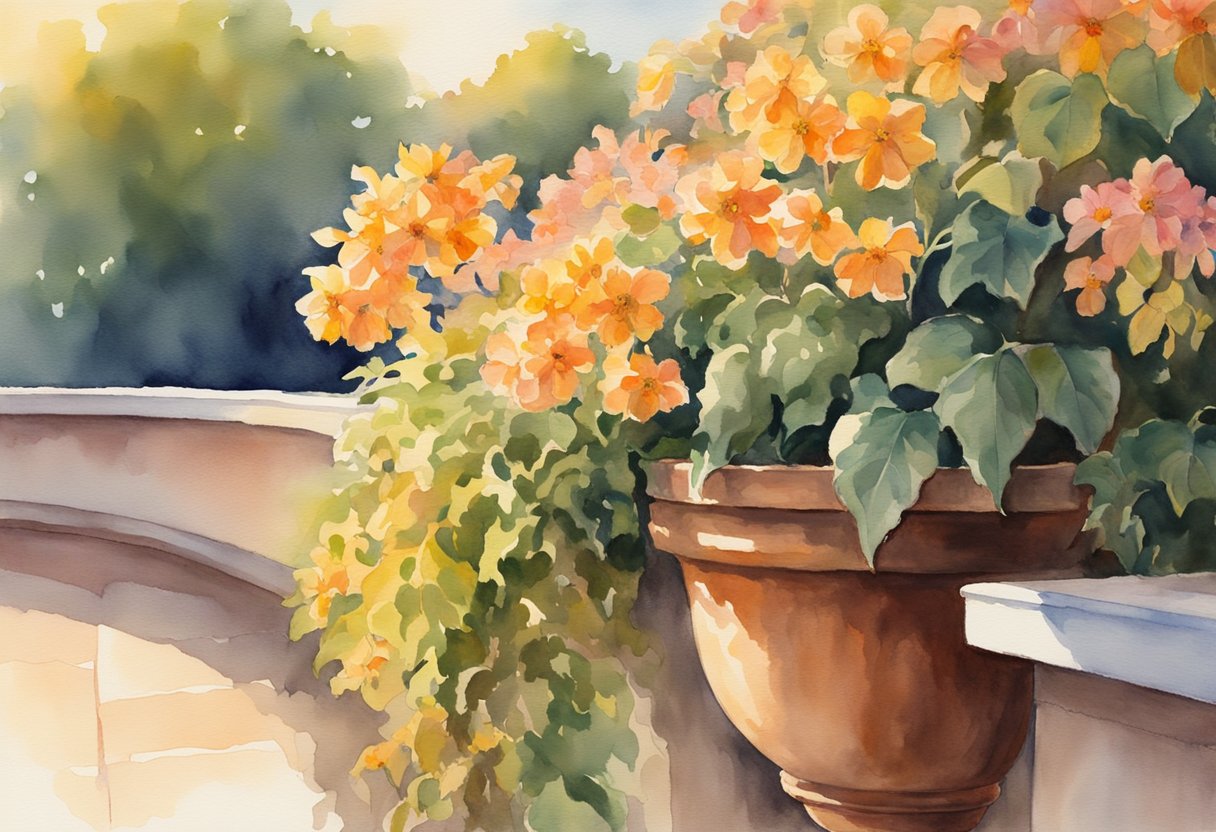
From cheerful chrysanthemums to elegant asters, fall flowers not only beautify your balcony but also attract wildlife like bees and butterflies. With the right care, these flowers can flourish for weeks, giving your outdoor space a cozy, inviting feel during the fall season.
Discover the best plants and tips to create a stunning autumn balcony display that can be enjoyed throughout the chillier months. You’ll learn how to keep your flowers healthy and thriving despite the changing weather, ensuring your fall garden remains a lovely retreat.
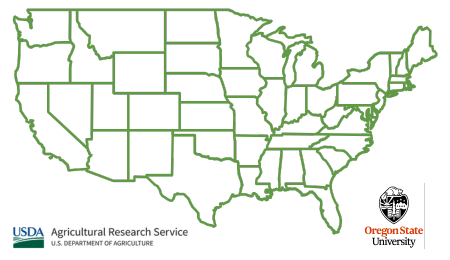
The 2023 USDA Plant Hardiness Zone Map was created by Oregon State University (PRISM Climate Group) and released by the USDA.
Key Takeaways
- Select colorful fall bloomers to brighten your balcony.
- Proper care is essential to keep your autumn flowers healthy.
- Create designs that attract and support local wildlife.
Choosing the Right Fall Flowers
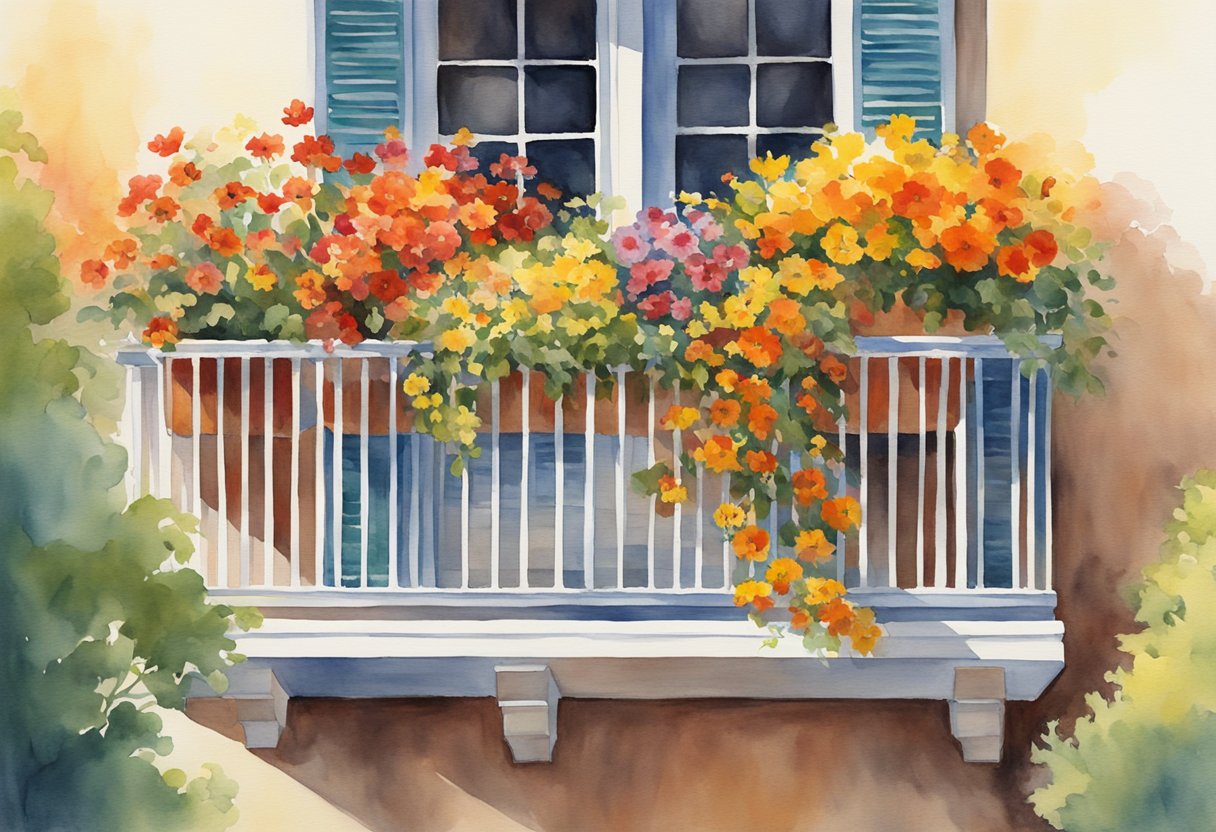
When selecting fall flowers for your balcony, it’s important to consider factors like sunlight, space, and color preferences. Each of these elements will help ensure your plants thrive and create an inviting atmosphere.
Assessing Sunlight and Space
Start by determining how much sunlight your balcony receives each day. Most fall-blooming flowers thrive in full sun, meaning they need at least six hours of direct sunlight.
Check for any shaded areas caused by overhanging structures, trees, or adjacent buildings. If you have limited sunlight, consider flowers like pansies or violas that can tolerate partial shade.
Next, evaluate the space available for your plants. You can use pots, hanging baskets, or window boxes. Choose containers that provide enough room for roots to grow.
Container size options:
- Small pots (6-8 inches) for compact flowers
- Medium pots (10-12 inches) for larger varieties
- Window boxes for a mix of flowers
Understanding USDA Hardiness Zones
Understanding your USDA hardiness zone is crucial for selecting the right fall flowers. These zones indicate the climate in your region, helping you choose plants that can survive the local temperatures.
You can find your zone by checking the USDA map online. Most fall flowers, like chrysanthemums and asters, thrive in zones 4 to 8. If you live in a warmer area, consider options like ornamental kale or certain perennials that thrive in zones 8 and above.
Make sure to select plants that align with your zone to ensure they bloom beautifully. This will give you a vibrant display throughout the fall months.
Selecting Colorful Blooms
Color selection is key to creating a stunning fall display on your balcony. Warm hues like orange, yellow, and burgundy represent the season beautifully.
Consider classic fall favorites like chrysanthemums, which come in various colors and sizes. These flowers provide vibrant blooms that can last into the cooler months.
Other options include:
- Pansies: Available in multiple colors and ideal for cooler temperatures
- Ornamental peppers: Add a playful splash of red and purple
- Sedums: Provide unique textures and colors with long-lasting blooms
When choosing your flowers, think about mixing colors and heights to create depth and interest. A well-planned arrangement can make your balcony a seasonal highlight.
Fall Flowers for Pots and Containers
Choosing the right fall flowers for your pots and containers can bring color and life to your balcony. You’ll find that both compact varieties and popular blooms like dahlias and chrysanthemums thrive in container settings.
Compact Varieties for Small Balconies
If you have a small balcony, compact flowers are your best choice. Look for plants that won’t take up too much space but still offer vibrant blooms.
Recommended flowers:
- Marigolds: These bright, cheerful flowers can brighten up any pot. They bloom in shades of orange and yellow and are great for pest control.
- Zinnias: Known for their bushy growth and colorful flowers, zinnias come in many hues. They are easy to care for and attract butterflies.
Plant these flowers in pots that provide good drainage, and consider mixing varieties for a beautiful display. Pair marigolds with zinnias for a colorful, compact arrangement that brings joy to your balcony.
Dahlias and Chrysanthemums Focus
Dahlias and chrysanthemums are fantastic fall flowers that handle cooler weather well. They add a punch of color and depth to any container.
Dahlias are available in various sizes, making them versatile for your space. With their lush blooms, they can make any arrangement pop. Remember to deadhead spent flowers to encourage more blooms.
Chrysanthemums are classic fall favorites. They come in various colors and sizes, fitting nicely in any pot. These flowers thrive in full sun and need regular watering.
Together, dahlias and chrysanthemums can create stunning displays in your containers, ensuring your balcony looks vibrant throughout the fall.
Caring for Fall Bloomers
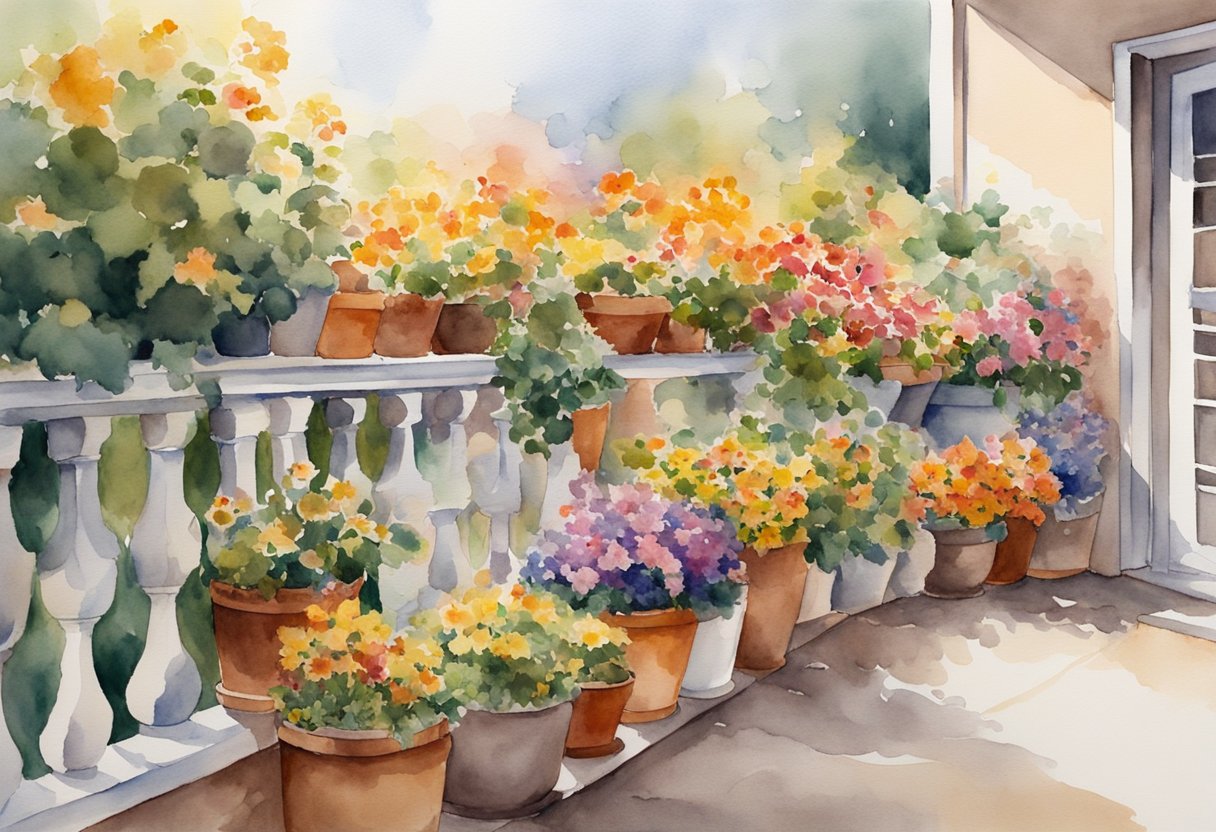
To ensure your fall-blooming flowers thrive, it’s essential to focus on proper watering, feeding, and maintenance. These steps help your plants produce vibrant blooms and stay healthy throughout the season.
Watering and Feeding
Fall bloomers need consistent watering to flourish. During dry spells, water your plants deeply about once a week. Check the soil; it should feel damp but not soggy.
Using a balanced fertilizer every 4-6 weeks promotes growth and blooming. Look for one that’s designed for flowering plants. You might also consider adding organic mulch around the base. This helps retain soil moisture, reduces weeds, and keeps the roots warm.
Observe your flowers for signs of stress. Yellowing leaves may indicate overwatering. Healthy plants will show robust color and new growth.
Deadheading and Maintenance
Deadheading is the process of removing spent blooms. This encourages your plants to produce more flowers. Use clean, sharp scissors to cut the flowers just above a leaf or bud.
Regular maintenance is vital. Clear away any dead or yellowing leaves to prevent disease. Ensure good air circulation by not overcrowding your pots.
Check for pests regularly, like aphids or spider mites. If you find any, gently wash them off with water or use an insecticidal soap. Keeping your plants tidy and healthy will lead to a beautiful display all season long.
Attracting Wildlife with Fall Flowers
Choosing the right fall flowers can transform your balcony into a haven for various wildlife. By selecting plants that attract butterflies, bees, and other pollinators, you encourage a vibrant ecosystem. Additionally, keeping safety in mind for birds and pets will ensure your space remains friendly for all visitors.
Plants for Pollinators
In the fall, certain flowers are prime for attracting important pollinators like butterflies and bees. Consider planting goldenrods, which bloom with bright yellow flowers, providing nectar from late summer through early fall. They are drought-resistant and attract various species.
Another great option is dahlias. These come in many colors and are favored by bees. Their blooms often peak as temperatures begin to cool, giving you vibrant color for your balcony while helping pollinators.
Additionally, the Symphyotrichum novae-angliae (New England Aster) offers purple, magenta, and white flowers that provide essential nectar for migrating monarch butterflies. This makes it a beautiful and functional choice for your garden.
Safe for Birds and Pets
When choosing flowers for your balcony, it’s essential to consider safety for birds and pets. Some plants can be toxic, so selecting non-toxic options is crucial. For instance, California poppies are not only colorful but are generally safe for both pets and local wildlife. Large quantities can be toxic and cause mild upset or more serious symptoms.
You can also opt for marigolds, which add a lovely hue to your space and are non-toxic. These flowers attract beneficial insects and create a safe environment for your pets.
Lastly, ensure that any fertilizers used are organic and pet-safe. This helps maintain a safe habitat for animals while you enjoy the beauty of your fall blooms.
Popular Fall-Blooming Varieties
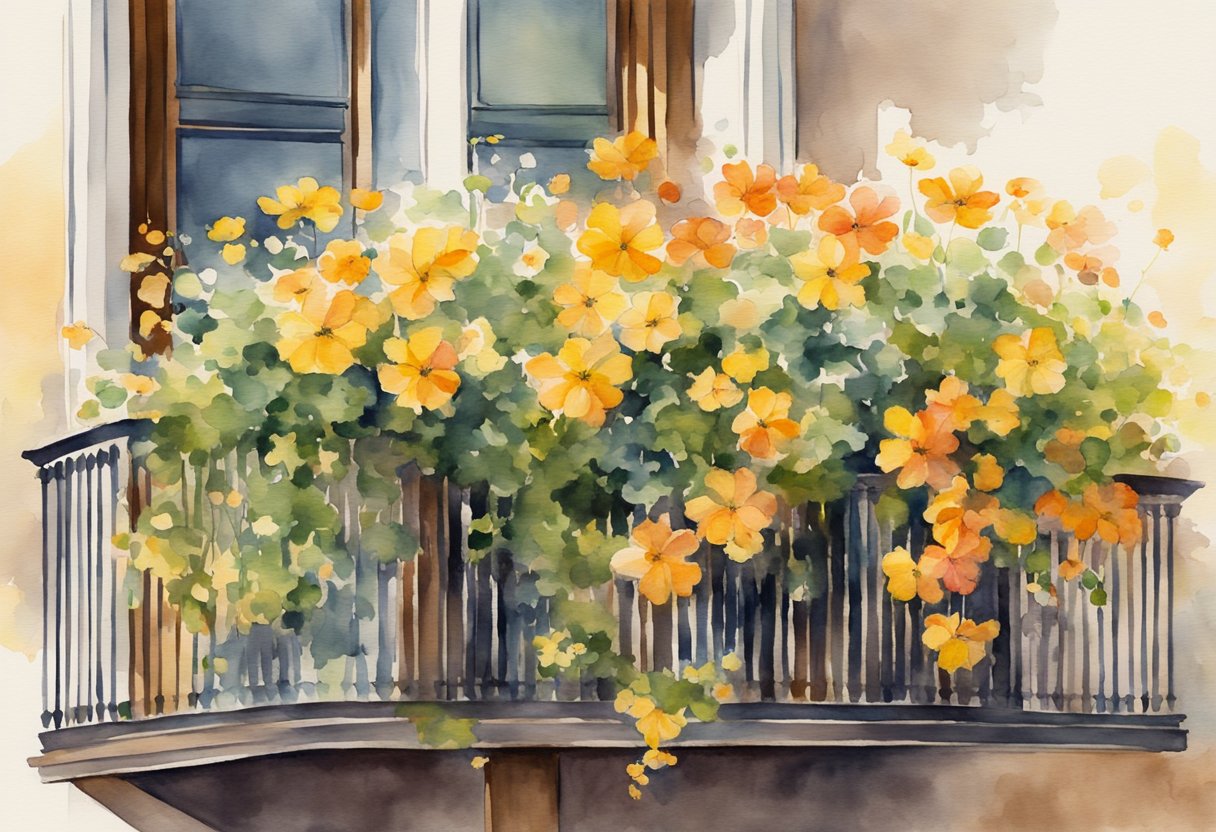
When it comes to selecting flowers for your balcony in the fall, you have many beautiful options. Showy asters and elegant anemones bring vibrant colors, while goldenrods and cheerful sunflowers offer unique textures and shapes.
Showy Asters and Anemones
Asters are a must-have for your fall balcony. They bloom in various colors, including purple, pink, and white. These flowers are not only lovely but also attract butterflies and bees, adding life to your outdoor space.
Japanese anemones are another delightful option. They feature elegant, cup-shaped blooms in shades of white and pink. These flowers blossom from late summer through fall and thrive in partial shade, making them perfect for balconies that don’t receive full sunlight.
You can easily grow both asters and anemones in containers. Just ensure they have well-drained soil and regular watering. Combining different varieties can create a stunning display.
Goldenrods and Sunflowers
Goldenrods are bright yellow flowers that add warmth to your balcony in the fall. They thrive in various conditions and can grow tall, providing a lovely backdrop for other plants. These flowers also bloom just when many gardens begin to fade.
Sunflowers are another excellent choice for fall. While often associated with summer, certain varieties bloom late into the season. Their large, cheerful heads can brighten up any space.
Make sure to choose dwarf varieties if you’re limited on space. Both goldenrods and sunflowers can be easily grown in pots, so you can enjoy their beauty right on your balcony.
Designing Your Autumn Balcony Display
Creating an inviting and vibrant autumn balcony is all about mixing colors, shapes, and sizes. This season allows you to combine late-blooming flowers with beautiful foliage for a stunning display. Let’s explore how to bring texture and height into your balcony design while keeping it lively through late fall.
Combining Textures and Heights
Begin by choosing a variety of plants that offer both visual interest and different heights. For instance, you might pair tall, elegant plants like sweet autumn clematis with short, sturdy ones such as stonecrop. This variation adds depth and makes your display eye-catching.
Consider using containers of various sizes. Large planters can hold cascading plants, while smaller pots can feature upright varieties. Mixing textures, such as the smooth leaves of the clematis with the thicker, fleshy leaves of stonecrop, enhances the visual appeal.
Don’t forget to include colorful foliage as well! Vibrant leaves can brighten up the space even when flowers might start fading.
Late Season Interest
For late fall, it’s essential to select plants that keep your balcony looking lively. Opt for hardy flowers that bloom into the cooler months. Chrysanthemums and asters provide beautiful bursts of color as temperatures drop.
Adding ornamental grasses can also be a great choice. Their movement in the breeze adds dynamic interest. They often thrive late into the season, ensuring your balcony remains attractive for longer.
Incorporate evergreens or semi-evergreens for year-round greenery. This keeps your display fresh even as other plants fade. With thoughtful selection, your autumn balcony can remain a source of enjoyment long into winter.
Dealing with Common Fall Flower Challenges
As you care for your fall-blooming flowers on your balcony, it’s important to address challenges like frost damage and pests. Understanding how to prevent these issues will help you maintain a vibrant and healthy display throughout the season.
Preventing Frost Damage
Frost can harm your flowers and threaten their growth. To protect them, consider covering your plants with cloth or using frost blankets when temperatures drop.
Another option is to bring potted plants indoors during cold nights. Placing them against a warm wall or near a heat source can also shield them.
You should also choose frost-resistant plants. Some options include ornamental grasses and hearty fall flowers that are better suited for cooler weather.
Awareness of your local frost dates will help you prepare in advance. Keeping an eye on the weather can save your balcony garden from frost damage.
Contending With Pests
Pests are a common problem for fall flowers. Aphids, spider mites, and whiteflies can appear as the weather changes.
To manage pests effectively, regularly inspect your plants for signs of infestation. If you notice any pests, you can wash them off with a strong stream of water or use insecticidal soap.
It’s also helpful to plant deer-resistant flowers. These tend to attract fewer pests and are less appealing to deer. Additionally, introducing beneficial insects like ladybugs can naturally reduce pest populations.
Using physical barriers, like row covers, can keep pests away. Make sure you check and maintain these barriers often to ensure they are effective.
End of Season Care and Preparation
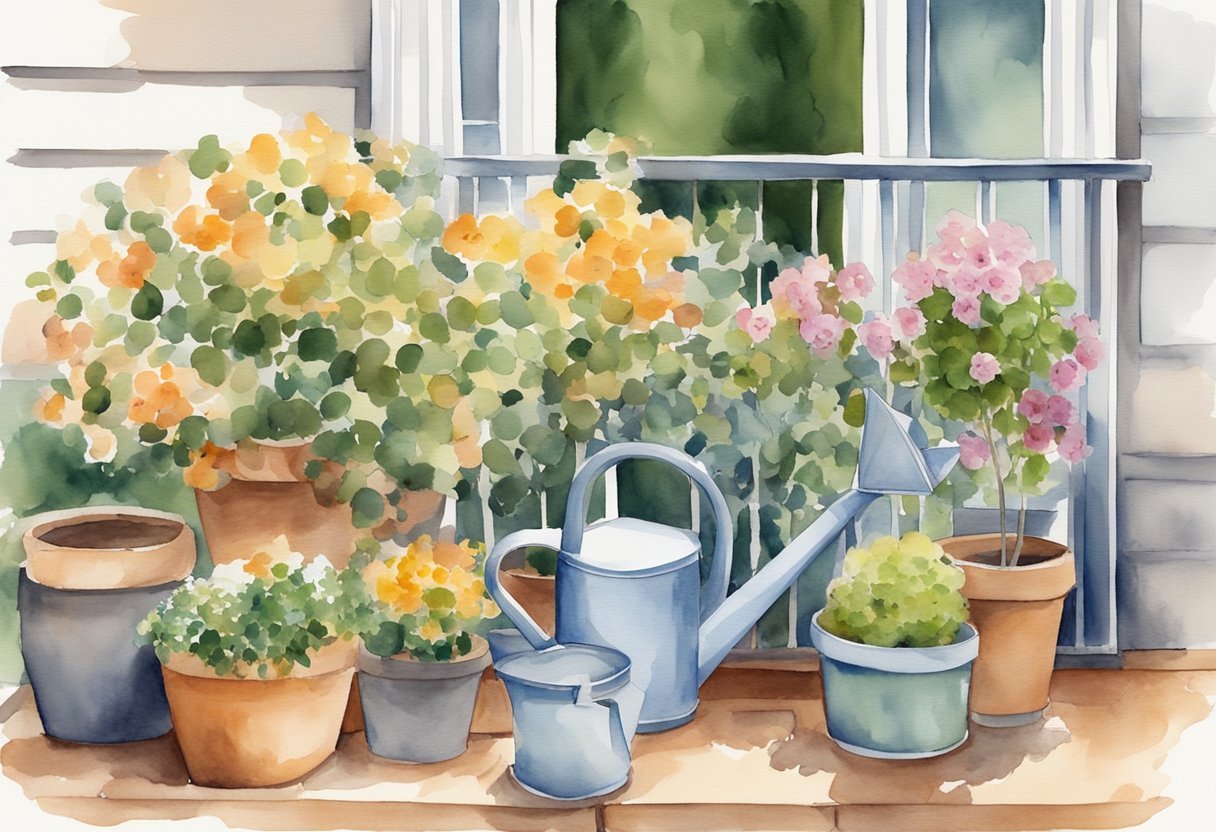
As the fall season comes to an end, it’s important to care for your fall-blooming flowers to ensure a vibrant display next year. Proper preparation will help your plants survive the winter and set the stage for a beautiful spring.
Preparing for Winter
To protect your fall-blooming flowers during winter, start by pruning herbaceous plants. Cut them back to about 3-4 inches above the soil. This helps to prevent disease and allows new growth to emerge in spring.
Next, if your flowers are in pots, consider bringing them indoors. Place them in a cool, light area. If this isn’t possible, cover outside pots with insulating materials, like burlap or bubble wrap, to guard against frost.
For self-seeding plants, allow some blooms to dry and drop seeds on your balcony. This natural process will help them return in the spring without extra effort on your part.
Planning for Spring Blooms
Once winter passes, you can start planning for spring blooms. First, inspect the pots for signs of decay or pests. Remove any dead material to give your plants a fresh start.
You may want to add nutrient-rich soil or compost to your pots. This will prepare it for healthy growth and vibrant flowers next season. Consider planting some tubular flowers that attract pollinators and add lovely colors to your space.
Don’t forget to place your cut flowers in a spot that gets ample sunlight as they wake up. With these strategies, you can look forward to a stunning balcony display in the spring!