Balcony Garden Paradise is reader-supported. When you buy through links on our site,
we may earn a small affiliate commission. Happy Gardening from the team! 🌿
Gardening, often seen as a rewarding pastime for growing your own food, can also be a valuable source of natural skincare remedies. If you have a balcony, it doesn’t take much space to cultivate a variety of herbs that can enhance the health and appearance of your skin. Not only do these plants purify the air around you, but they’re also readily available when you need them, offering fresh and potent benefits for a range of skin conditions. Grow these beautiful plants to enhance your balcony garden for skincare and fragrance ingredients.
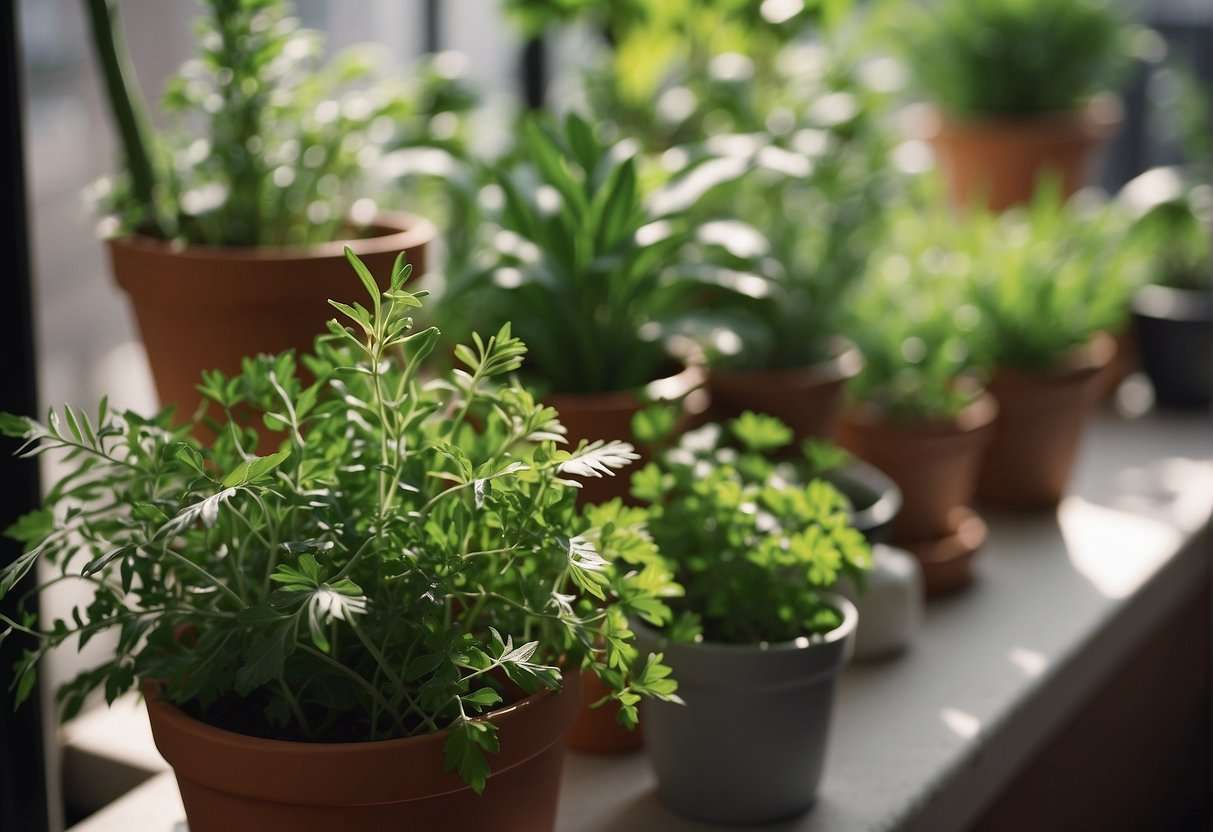
In the pursuit of glowing skin, herbs like chamomile are renowned for their anti-inflammatory properties that soothe acne, eczema, and rashes, while doubling as a remedy for sunburn and aiding in the reduction of skin discoloration. Starting an herb garden on your balcony provides the convenience of having these natural skincare treatments at hand. Whether you’re brewing a chamomile tea or infusing your skincare products with fresh herbs, you’re tapping into the age-old wisdom of plant-based remedies that have been trusted for centuries.
Benefits of Balcony Herb Gardening for Skincare
Cultivating your own herbs for skincare ensures you have access to natural, potent ingredients. The herbs you grow at home can have a profound impact on your skin’s health.
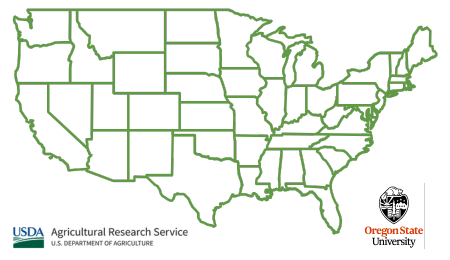
The 2023 USDA Plant Hardiness Zone Map was created by Oregon State University (PRISM Climate Group) and released by the USDA.
Introduction to Herbal Skincare
Your balcony herb garden can become a treasure trove for skincare. Plants like aloe vera, chamomile, and lavender offer natural solutions to skincare, harnessing antioxidants and anti-inflammatory properties. By using these in your skincare routine, you’re leveraging centuries-old wisdom that taps into the power of nature.
Health Benefits of Herbs for Skin
Herbs are rich in beneficial compounds that can help improve your skin’s appearance and health. For example:
- Aloe Vera: Known for its soothing and healing properties, perfect for treating burns and hydrating the skin.
- Chamomile: Contains anti-inflammatory compounds that can help calm irritated skin.
- Lavender: Its antioxidants can combat free radicals, protecting your skin from premature aging.
These natural ingredients offer gentle yet effective alternatives to commercial skincare products, which can sometimes contain harsh chemicals.
Why Choose Balcony-Grown Herbs
When you grow herbs on your balcony, you ensure they are as fresh as possible, which means:
- Maximum Potency: Fresh herbs preserve more of their active compounds like antioxidants and anti-inflammatory properties.
- Purity: You control what goes into your plants; no hidden pesticides or contaminants.
- Sustainability: Growing your own herbs for skincare is an eco-friendly choice, cutting down on packaging and carbon footprint from transported goods.
By incorporating balcony-grown herbs into your skincare routine, you’re choosing a path that’s beneficial for both your skin and the environment.
Choosing the Right Herbs for Your Skincare Needs
When cultivating an herb garden on your balcony for skincare, select herbs that offer specific benefits for your skin type and concerns. Here’s how to incorporate herbs for skincare into your routine.
Herbs for Soothing Inflammation
If you’re dealing with skin inflammation, herbs like chamomile and aloe vera have properties that can help soothe irritated skin. Chamomile is known for its calming effects, while aloe vera gel, when applied topically, provides a cooling sensation and reduces redness.
- Chamomile: Ideal for calming skin
- Aloe Vera: Effective in cooling and reducing inflammation
Herbs for Acne and Skin Repair
Basil and thyme possess antibacterial qualities, making them excellent choices for acne-prone skin. These herbs can help purify skin and promote healing.
- Basil: Helps to reduce bacterial proliferation
- Thyme: Known for its reparative properties
Herbs with Antioxidant Properties
Rosemary and mint are packed with antioxidants that can protect your skin from environmental stressors. Antioxidants help to prevent damage caused by free radicals.
- Rosemary: Shields skin from external elements
- Mint: Revitalizes skin with its high antioxidant content
Moisturizing and Healing Herbs
Lavender and calendula are herbs that moisturize dry skin and have healing properties. Lavender can aid in skin regeneration, while calendula is widely used in ointments and balms for its healing abilities.
- Lavender: Promotes skin regeneration
- Calendula: Known for its healing benefits
Cultivating Your Balcony Herb Garden
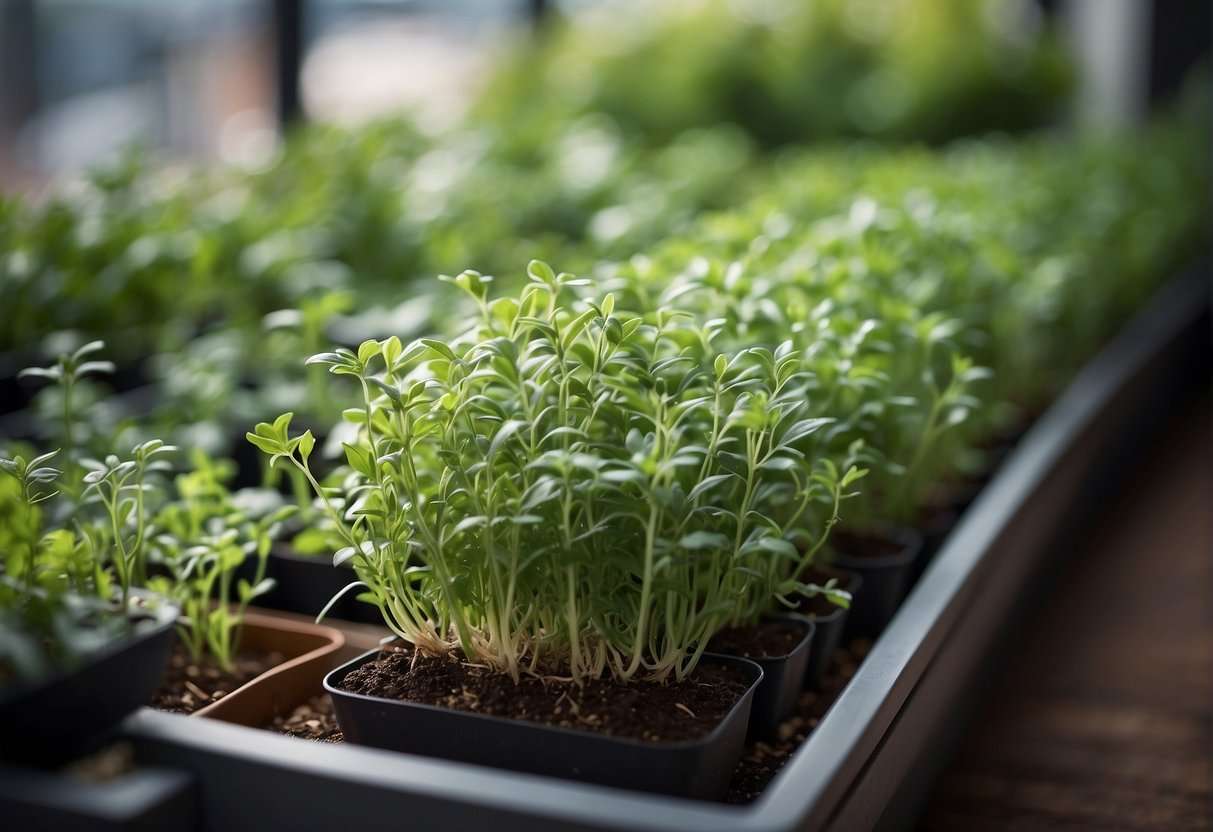
Creating a thriving herb garden on your balcony is both achievable and rewarding. Carefully select pots and understand the specific needs of your herbs to ensure healthy growth and plentiful harvests.
Selecting Containers and Pots
Choose containers that complement your balcony space and can accommodate the root system of your herbs. Pots should have adequate drainage to prevent waterlogging. Grow bags and vertical herb gardens offer innovative solutions for space constraints. Options include:
- Terracotta Pots: Ideal for their porosity.
- Plastic Containers: Lightweight and cost-effective.
- Grow Bags: Flexible and promote air pruning.
Understanding Light and Temperature Needs
Herbs generally require full sun, which means at least six hours of direct sunlight daily. However, some herbs can tolerate partial shade. The ideal temperature for growing herbs ranges from 60-70°F (15-21°C). For winter protection, consider insulating pots or moving herbs indoors if temperatures drop significantly.
Soil and Watering Tips for Herbs
Use potting soil that ensures well-drained conditions essential for herb vitality. A mixture of peat, perlite, and compost is beneficial for maintaining moisture while allowing excess water to drain. Water your herbs when the soil feels dry to the touch, avoiding over-saturation.
Here are key points for soil and watering:
- Soil Blend: Equal parts peat, perlite, and compost.
- Moisture Check: Feel the top inch of soil; water if dry.
- Drainage: Ensure pots have holes at the bottom.
Maintaining Perennial and Annual Herbs
Perennial herbs, like rosemary and thyme, require less frequent replanting and often become more robust over time. Annual herbs, such as basil and cilantro, need to be replanted each year. Regularly trim your herbs to promote growth and prevent them from becoming too woody or leggy.
Maintenance tips include:
- Trimming: Encourages bushier plants and greater yield.
- Seasonal Care:
- Annuals: Plant new seedlings annually.
- Perennials: Divide and replant every few years for vigor.
Harvesting and Storing Herbs for Skincare
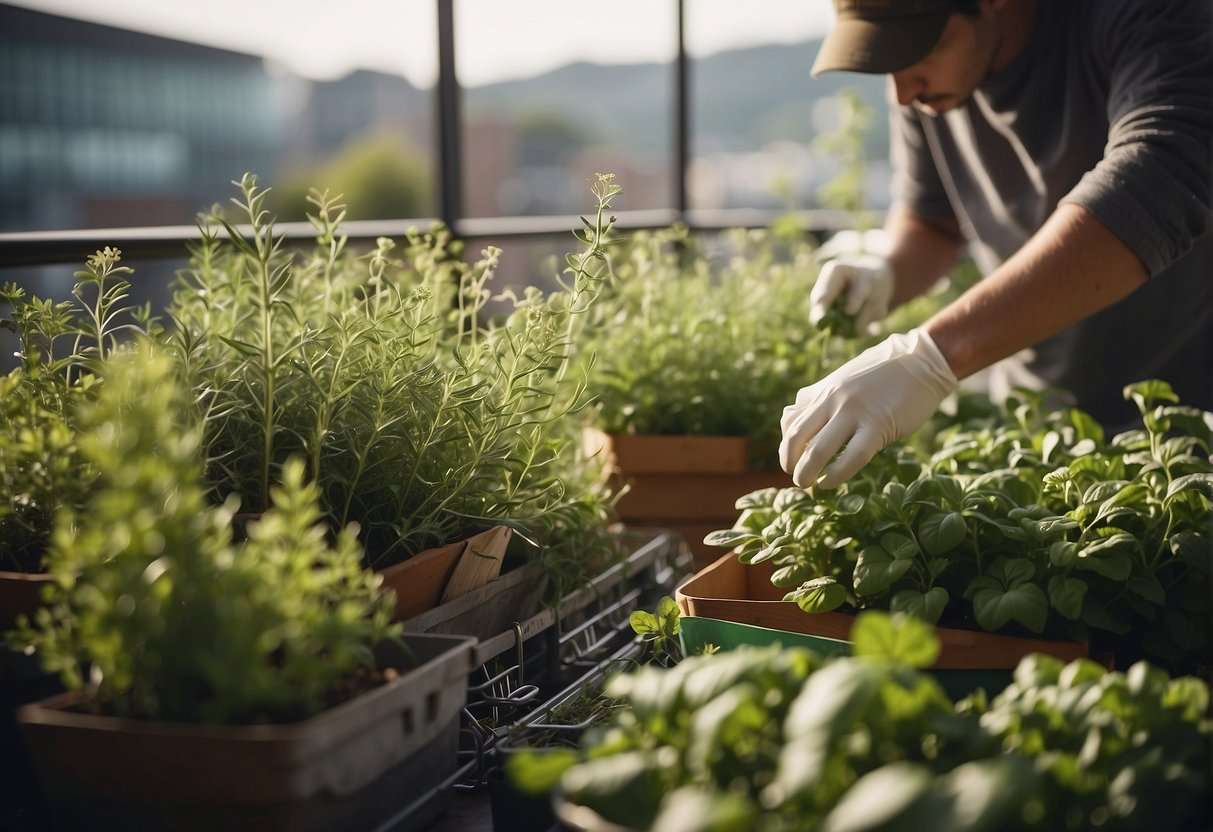
Knowing how to harvest and store your balcony-grown herbs is crucial for developing effective skincare products. Proper techniques ensure that the herbs maintain their healing properties, beneficial for addressing issues such as dry skin, burns, wounds, and skin irritation.
Best Practices for Harvesting Herbs
When collecting herbs for skincare, it’s important to do so during the morning hours after the dew has evaporated but before the sun is at its peak. This is when the herbs’ essential oils are most concentrated, providing the most potent medicinal qualities. Use clean, sharp scissors or pruning shears to make precise cuts, which will help the plant recover and continue to grow. Focus on harvesting small amounts, only what you’ll need for immediate use or preparation, to preserve the plant’s vitality.
Preserving Herbs for Off-Season Use
To keep herbs effective for skincare year-round, consider drying or freezing them. For drying, tie the herbs in small, loose bunches and hang them in a well-ventilated, dark place to prevent color loss and degradation of essential oils. Alternatively, lay them flat on a mesh screen. Once dried, store them in an airtight container in a cool, dark place to protect from light and moisture. For freezing, chop fresh herbs and place them in ice cube trays covered with water or olive oil, which can then be used directly in your skincare recipes.
Creating Infused Oils and Extracts
Infused oils can be a soothing remedy for skin irritation while providing a moisturizing effect for dry skin. To create them, fill a sterilized jar with dried herbs of your choice and cover with a carrier oil like olive oil. Leave the jar in a sunny spot for a few weeks, shaking daily, then strain the oil to remove the plant matter. These herb-infused oils can be used as a base for balms, salves, or directly on the skin to promote healing of wounds, burns, or rashes.
DIY Skincare Recipes Using Balcony Herbs
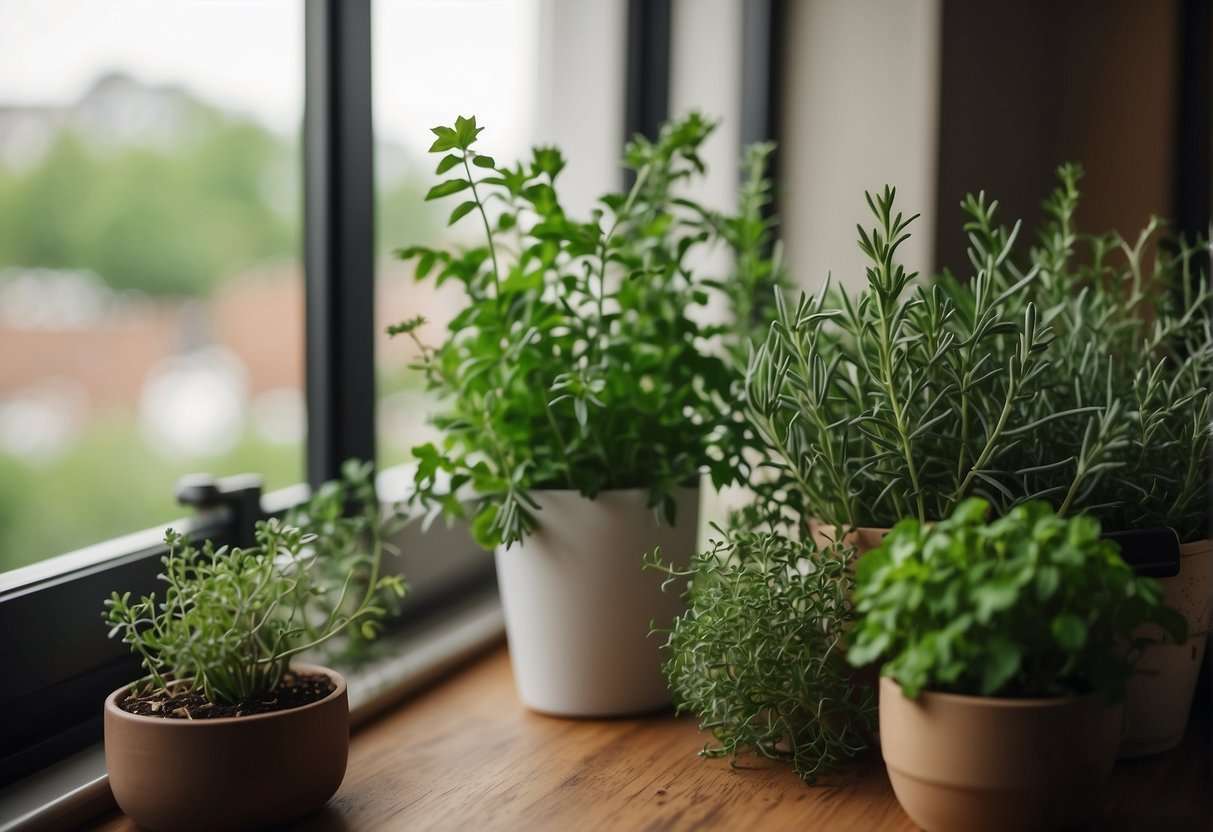
Creating your own skincare products with herbs from your balcony garden can be a fulfilling way to harness the natural benefits of plants. These easy-to-follow recipes will help you make teas, salves, and masks that are perfect for enhancing skin health right at home.
Teas and Infusions for Skin Health
To begin with, herbal teas and infusions can be both soothing to drink and beneficial for your skin when applied topically. For a simple skincare tea, steep fresh mint leaves in boiling water for about 10 minutes. Mint is known for its calming properties and is wonderful for facial treatments. You can also create an infusion with chamomile to ease skin irritations. Just place the flowers in a jar, cover with hot water, and let sit for several hours before straining. Chamomile is not only great for teas but can also be incorporated into salads for an added skin health boost.
Herbal Salves and Balms
For targeted skincare, try making a DIY herbal salve. Begin by infusing oils with herbs such as calendula or lavender picked from your balcony. Simply place the herbs in a jar with oil, let them sit in a warm spot for a few weeks, then strain. Mix the infused oil with beeswax to form a balm that’s perfect for chapped lips or dry skin patches, creating your own version of herbal lip balms.
Facial Treatments and Masks
Finally, bring your balcony herbs into your facial care routine with homemade masks. Blend oatmeal, honey, and mashed avocado—all excellent for nourishing the skin—with a handful of crushed rosemary or basil for an antioxidant-packed facial mask. Apply to your face for a refreshing treatment that will leave your skin feeling revitalized. These DIY skincare recipes turn your balcony garden into a personal skin care apothecary and merge the wellness of edible herbs with topical benefits.
Common Herbs to Grow in Your Balcony Garden for Skincare
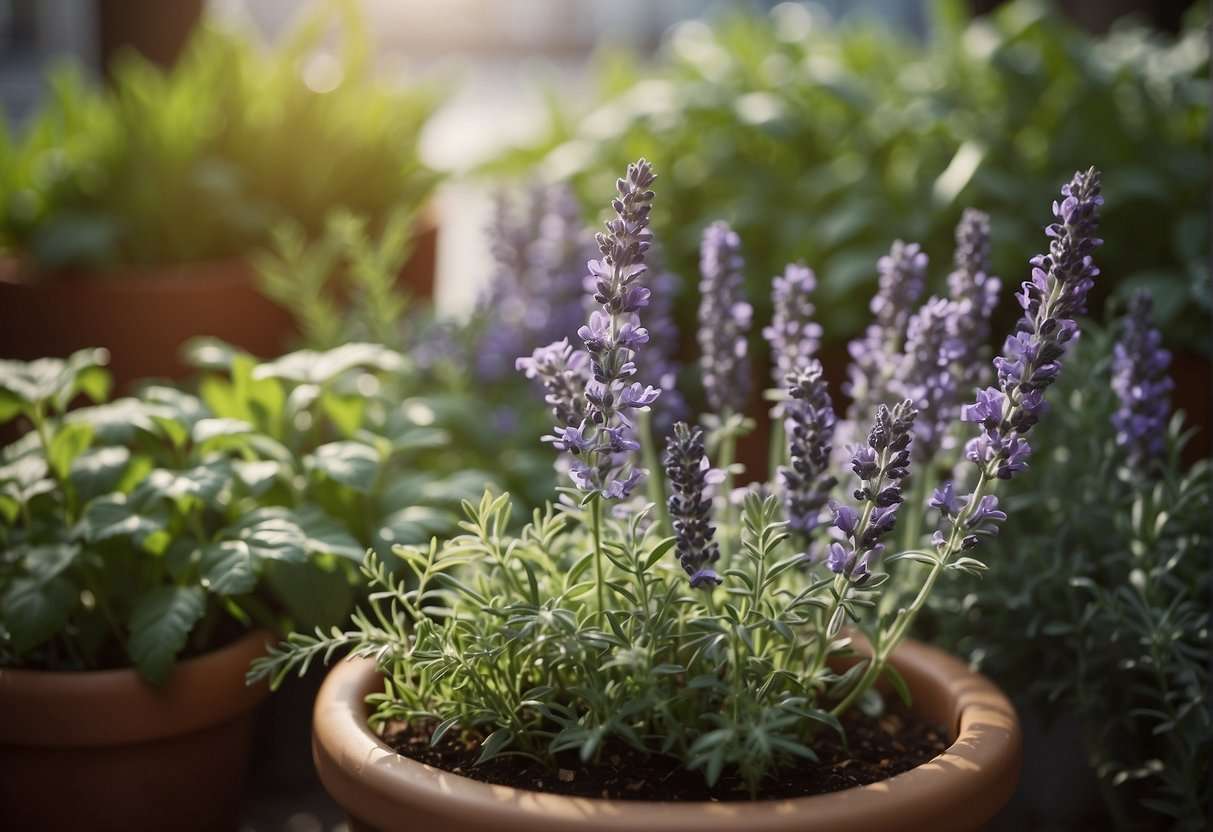
Herbs from your balcony garden can add natural benefits to your skincare routine, utilizing properties like anti-inflammatory effects and antimicrobial actions.
Extracting Essential Oils
To harness the skincare benefits of balcony-grown herbs, you can extract essential oils, which concentrate the plants’ beneficial properties. For instance, lavender oil, known for its calming and antimicrobial qualities, can be distilled at home through steam distillation. Similarly, rosehip seed oil can be cold-pressed, which preserves its anti-inflammatory benefits and essential fatty acids.
Using Herb-Derived Ingredients in Skincare Products
Incorporating herb-derived ingredients into your skincare products helps to soothe, repair, and protect your skin.
- Aloe Vera: Directly applying the gel from aloe vera leaves soothes and moisturizes with its anti-inflammatory properties.
- Cucumber: Creating infused water or extracts from cucumber can promote hydration and calm irritated skin.
- Rose: Rose water, made from the petals, provides a gentle antifungal and antibacterial ingredient suitable for sensitive skin types.
Managing Common Balcony Herb Garden Pests
Managing pests is crucial for maintaining a healthy balcony herb garden. Be vigilant about identifying common pests and use effective natural pest control methods to safeguard your herbs.
Identifying Common Herb Garden Pests
In a balcony herb garden, you are likely to encounter a variety of pests that can compromise the health of your plants. Aphids, small sap-sucking insects, can often be seen in clusters on the undersides of leaves. Spider mites are tiny critters that create fine webs around the foliage. You may also spot whiteflies, which flock away in a cloud when disturbed. Slugs and snails also pose a threat, leaving a telltale slime trail and ragged leaves behind.
Natural Pest Control Strategies
To tackle pests, start with preventative measures such as:
- Ensuring good air circulation between plants to keep the humidity low.
- Regularly checking for pests and removing them by hand where practical.
When interventions are necessary, consider these gentle, yet effective methods to protect your herb garden:
- Neem oil, an organic insecticide, efficiently deals with pests like aphids and spider mites.
- A spray made of water and mild dish soap can be effective against a range of soft-bodied pests.
- Introducing beneficial insects like ladybugs can naturally control aphid populations.
- For slugs and snails, diatomaceous earth sprinkled around the base of plants deters these pests without harmful chemicals.
By spotting pests early and using these strategies, you can keep your balcony herb garden thriving and ready to provide natural ingredients for your skincare regimen.
Special Considerations for Herb Gardening in Urban Spaces
When you’re cultivating a balcony herb garden, understanding how to navigate the unique challenges of urban spaces is essential. In this section, we’ll explore how to maximize your growing area, deal with the varying light conditions, and manage soil quality effectively.
Maximizing Space with Vertical Gardening
For many urban gardeners, space is a premium commodity. Vertical herb gardens allow you to grow more in a smaller footprint. Consider options like hanging planters, tiered shelves, or trellises that enable you to stack plants vertically. This method is not only space-efficient but also creates a visually appealing green area on your balcony.
Dealing with Light and Shade Challenges
Balconies, especially in urban environments, often face issues with inconsistent light. Herbs require a good balance of light and shade to thrive—too much direct sunlight in warmer climates can scorch leaves, while too little can stunt growth. Observe your balcony’s exposure and select herbs that are suited for your specific conditions. Options for areas with less light might include parsley or chives, while rosemary or basil may fare better in sunnier spots.
Soil Quality Management in Containers
In an urban setting, you’re likely growing herbs in containers, which can lead to soil quality challenges. Poor soil can be revitalized with the addition of compost or organic materials to ensure plants receive necessary nutrients. Be diligent about drainage as well, as waterlogged soil can quickly lead to root rot in container plants. It’s important to select the right type of soil and to refresh it periodically to maintain a healthy balcony herb garden.