Balcony Garden Paradise is reader-supported. When you buy through links on our site,
we may earn a small affiliate commission. Happy Gardening from the team! 🌿
Gardening is a fun and educational activity for kids. It teaches them about nature, responsibility, and where food comes from. Getting kids into gardening can be easy and enjoyable with the right approach.
Start by giving your children their own small garden space. Let them choose what to plant, like fast-growing veggies or colorful flowers. Provide kid-sized tools and teach them basic gardening skills. Make it exciting by turning tasks into games or challenges.
Involve kids in the whole process, from planting seeds to harvesting. This hands-on experience helps them learn patience and appreciate the growth cycle. Remember to keep it safe by supervising and teaching proper tool use.
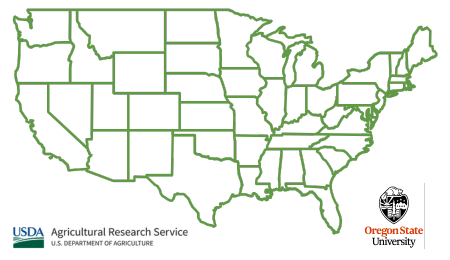
The 2023 USDA Plant Hardiness Zone Map was created by Oregon State University (PRISM Climate Group) and released by the USDA.
Key Takeaways
- Gardening teaches kids about nature and responsibility while being fun
- Give children their own garden space and let them choose plants
- Make gardening exciting with games and involve kids in the entire process
Benefits of Gardening for Kids
Gardening offers kids a fun way to learn and grow. It helps them develop important skills and knowledge that can last a lifetime.
Enhancing Motor Skills
Gardening helps kids improve their physical abilities. Digging, planting seeds, and watering plants all use different muscles. These tasks help kids get better at using their hands and fingers. They also learn to control their movements more precisely.
As they work in the garden, kids practice balance and coordination. Carrying watering cans or pushing wheelbarrows builds strength. These activities are great exercise and help kids stay active.
Learning Responsibility and Patience
Taking care of plants teaches kids important life lessons. They learn to be responsible by watering plants regularly and keeping the garden tidy. This helps them understand that their actions have consequences.
Gardening also teaches patience. Kids see that plants take time to grow and produce fruits or flowers. They learn to wait and enjoy the process. This patience can help them in other areas of life too.
Understanding Nature and Science
Gardens are like outdoor classrooms for kids. They learn about plant life cycles, weather, and seasons. Kids see how soil, water, and sunlight help plants grow.
They also learn about insects and animals that visit the garden. This hands-on experience makes science concepts easier to understand. Kids can observe changes in plants over time and ask questions about what they see.
Promoting Healthy Eating Habits
Growing their food can make kids more excited about eating fruits and vegetables. They’re more likely to try new foods if they’ve helped grow them. This can lead to healthier eating habits.
Kids learn where food comes from and how it’s produced. They understand the work that goes into growing food. This knowledge can help them make better food choices as they grow up.
Gardening gives kids a sense of pride in growing their food. They enjoy sharing the harvest with family and friends. This positive experience with healthy foods can last a lifetime.
Setting Up Your Kids’ Garden
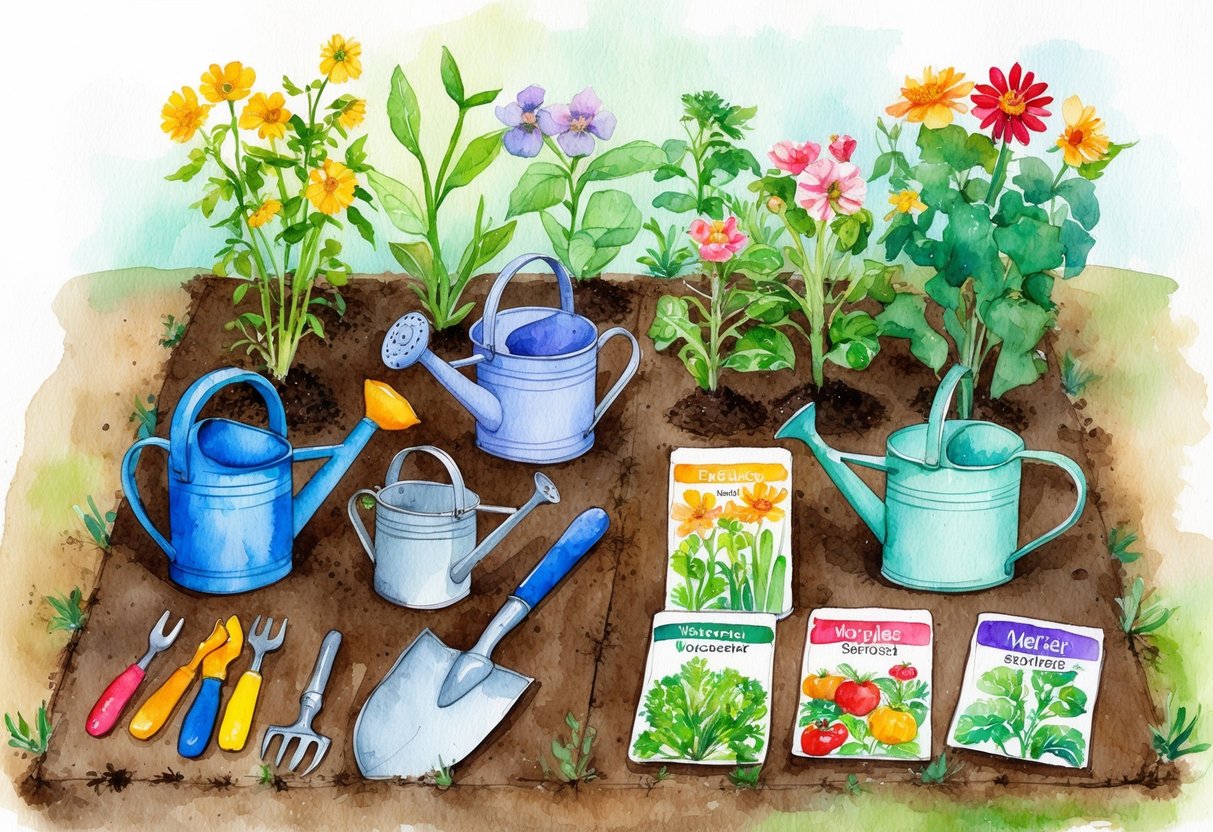
Creating a garden for kids involves choosing a good spot, getting the right tools, picking fun plants, and using good soil. These steps will help your children enjoy gardening.
Choosing the Right Location
Pick a sunny area in your yard for the kids’ garden. Most plants need at least 6 hours of sunlight daily. Make sure the spot is easy for kids to reach and work in.
If you don’t have outdoor space, consider container gardening on a patio or balcony. Window boxes or indoor pots can also work well for small plants.
Check that the area has good drainage. Avoid low spots where water collects. If needed, raise the garden bed to improve drainage.
Selecting Kid-Friendly Gardening Tools
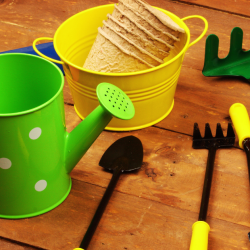
Get small, lightweight tools that fit your child’s hands. Look for:
- Child-sized gloves
- Small watering cans
- Kid-sized trowels and hand rakes
- Plastic plant markers
- Sturdy buckets for carrying soil or harvesting
Avoid tools with sharp edges. Choose bright, colorful tools to make gardening more fun. Consider a kid-sized wheelbarrow for hauling supplies.
Make sure tools are stored safely when not in use. A small tool shed or box can help keep everything organized.
Deciding on Plants and Seeds
Choose fast-growing plants that are easy to care for. Some good options include:
- Sunflowers
- Radishes
- Lettuce
- Cherry tomatoes
- Marigolds
Mix vegetables, fruits, and flowers to create a varied garden. Let your kids help pick the plants they want to grow.
Consider plants with large seeds that are easy for small hands to plant. Beans and pumpkins are good choices.
Look for plants that attract butterflies or hummingbirds to add extra interest to the garden.
Using Soil and Compost
Start with good quality potting soil for container gardens. For in-ground gardens, test your soil and add amendments if needed.
Teach kids about composting. Set up a small compost bin to recycle kitchen scraps and yard waste. Use the compost to enrich your garden soil.
Show children how to mix compost into the soil before planting. Explain how compost helps plants grow strong and healthy.
Use mulch around plants to keep moisture in and weeds out. Let kids help spread the mulch, but teach them to keep it away from plant stems.
Gardening Techniques for Kids
Kids can learn fun and easy ways to grow plants. These methods help young gardeners enjoy their time in the garden while learning important skills.
Planting Seeds and Seedlings
Start by picking the right seeds or small plants. Choose vegetables like carrots, radishes, or lettuce. These grow quickly and are easy to care for. Fill small pots with soil and poke holes for the seeds. Drop one or two seeds in each hole. Cover them gently with soil.
For seedlings, dig a hole in the garden big enough for the roots. Carefully remove the plant from its container. Place it in the hole and fill with soil. Pat the soil down softly.
Give your new plants water right away. Put labels next to them so you remember what you planted.
Watering and Feeding Plants
Plants need water to grow. Water your garden in the morning or evening. Use a watering can with a gentle spray. Aim for the soil, not the leaves. Stick your finger in the dirt to check if it’s dry before watering.
Feed your plants with compost or fertilizer. Mix compost into the soil before planting. For growing plants, use a liquid fertilizer every few weeks. Follow the instructions on the package. Don’t use too much, as this can harm plants.
Weeding and Pest Control
Weeds steal water and food from your plants. Pull them out by the roots when you see them. Use small garden tools to help. Be careful not to pull out your plants by mistake.
Look for bugs on your plants. Pick off large insects by hand. For smaller pests, try spraying plants with soapy water. This is safe and can help keep bugs away. Always ask an adult before using any pest control products.
Harvesting and Storing Homegrown Produce
Pick vegetables when they’re ripe. Carrots are ready when the tops show above the soil. Lettuce can be picked leaf by leaf. Tomatoes should be firm and fully colored.
Wash your veggies with cool water. Dry them with a clean towel. Store leafy greens in plastic bags in the fridge. Keep tomatoes on the counter. Root vegetables like carrots can go in the fridge too.
Enjoy your harvest right away for the best taste. Share extra veggies with friends and family.
Educational Activities in the Garden
Gardening offers many fun ways for kids to learn. Try these hands-on activities to spark curiosity and boost knowledge.
Conducting Simple Experiments
Set up basic experiments to teach kids about plant growth. Test how different factors affect seeds and plants. Use two pots with the same soil and seeds. Put one in sunlight and one in shade. Water them equally and watch what happens.
Try growing plants in different soils. Use regular potting mix, sand, and clay. See which works best. Kids can measure plant height weekly and track the results.
Test how music affects plant growth. Play soothing tunes for one plant and loud rock for another. Compare their progress over time.
Creating a Gardening Journal
Start a garden diary to record plant progress. Use a notebook or create a digital version. Draw pictures of seedlings and fully grown plants. Write down watering schedules and when you add fertilizer.
Track weather patterns and how they affect your garden. Note temperatures, rainfall, and sunny days. Kids can practice their writing skills while learning about nature.
Add pressed flowers or leaves to the journal. This creates a lasting record of your garden’s beauty. It also teaches plant identification.
Hosting a Plant Growth Challenge
Organize a friendly contest to see who can grow the tallest sunflower. Give each child the same type of seed and soil. Set a time limit, like 8 weeks. Measure the plants weekly and chart their growth.
Have kids predict which plant will grow fastest. They can explain their reasoning. This teaches critical thinking skills.
Award prizes for different categories. Include “Most Unique Leaf Shape” or “Best Smelling Herb”. This encourages kids to pay attention to plant details.
Safety and Accessibility in the Garden
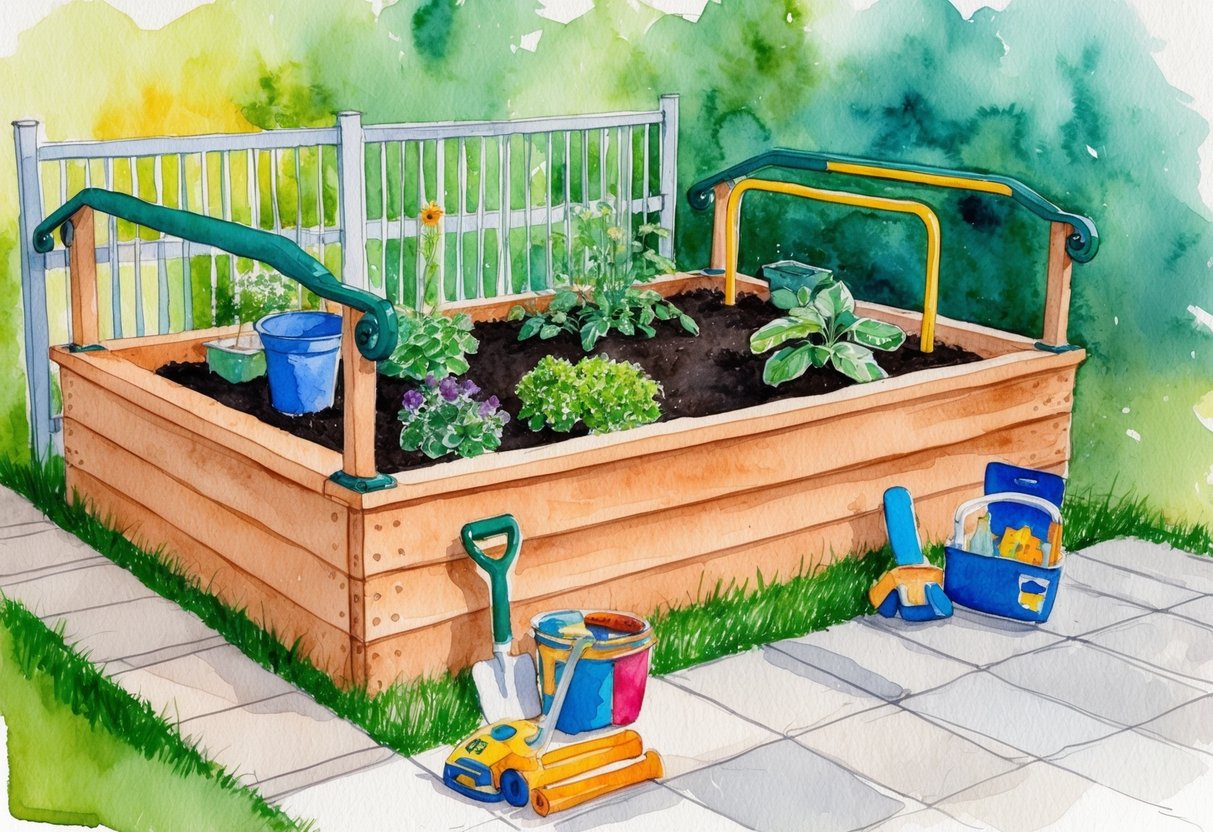
Creating a safe and accessible garden for kids is key. You’ll want to set up proper practices and design spaces that work for everyone.
Implementing Safe Gardening Practices
Wash your hands before and after gardening. This keeps food safe and stops diseases from spreading.
Choose the right tools for each job. Make sure they fit kids’ hands and are easy to use.
Teach kids not to eat plants, bugs, or dirt unless you say it’s okay.
Supervise children when they use tools. Don’t let young kids use sharp tools.
Wait until kids are 14 or older to teach them about power tools. Even then, make sure they’re strong enough and ready.
Wear gloves, long sleeves, and sunscreen to protect the skin. Use insect repellent to avoid bug bites.
Designing Accessible Garden Spaces
Make paths wide and flat for easy walking. Use smooth, hard surfaces that wheelchairs can roll on.
Put raised beds at different heights. This lets kids of all sizes reach plants easily.
Add seating areas for rest breaks. Place them in shady spots to cool off.
Use big, clear labels on plants. This helps everyone learn plant names.
Put tools in easy-to-reach spots. Make sure storage areas are close to the garden.
Add a water source nearby. This makes it simple to drink and water plants.
Create a sensory garden with plants to touch and smell. Kids will love it!
Incorporating Technology
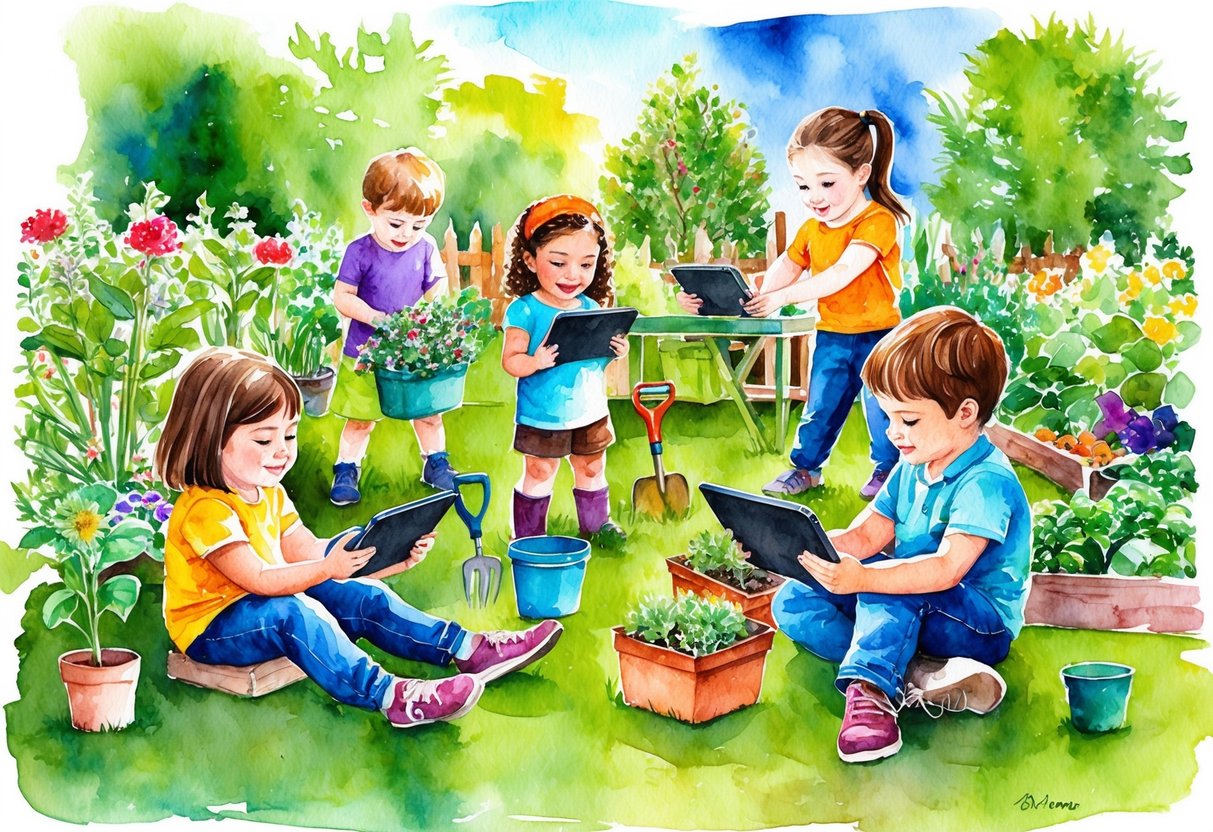
Technology offers exciting ways for kids to enhance their gardening experience. Digital tools can make learning about plants and nature more interactive and engaging.
Gardening Apps and Online Resources
Many apps and websites provide helpful gardening information for children. You can find plant identification apps that let you snap a photo to learn about different species. Some apps offer virtual garden planners to design layouts. Others provide care reminders and growth tracking.
Online resources like videos and games teach kids about seeds, soil, and plant life cycles. You can find step-by-step growing guides for popular vegetables and flowers. Interactive quizzes help reinforce learning in a fun way.
Using Weather Tracking Tools
Weather plays a big role in gardening success. Teaching kids to use weather tools helps them understand plant needs. Simple digital thermometers show daily temperatures. Rain gauges measure precipitation.
You can find kid-friendly weather stations that track multiple conditions. These often connect to smartphone apps for easy viewing. Checking forecasts together helps plan watering and planting activities.
Some weather tools even calculate growing degree days. This helps predict when plants will bloom or produce fruit. Learning to read weather data gives kids valuable science skills.
Community and Family Involvement
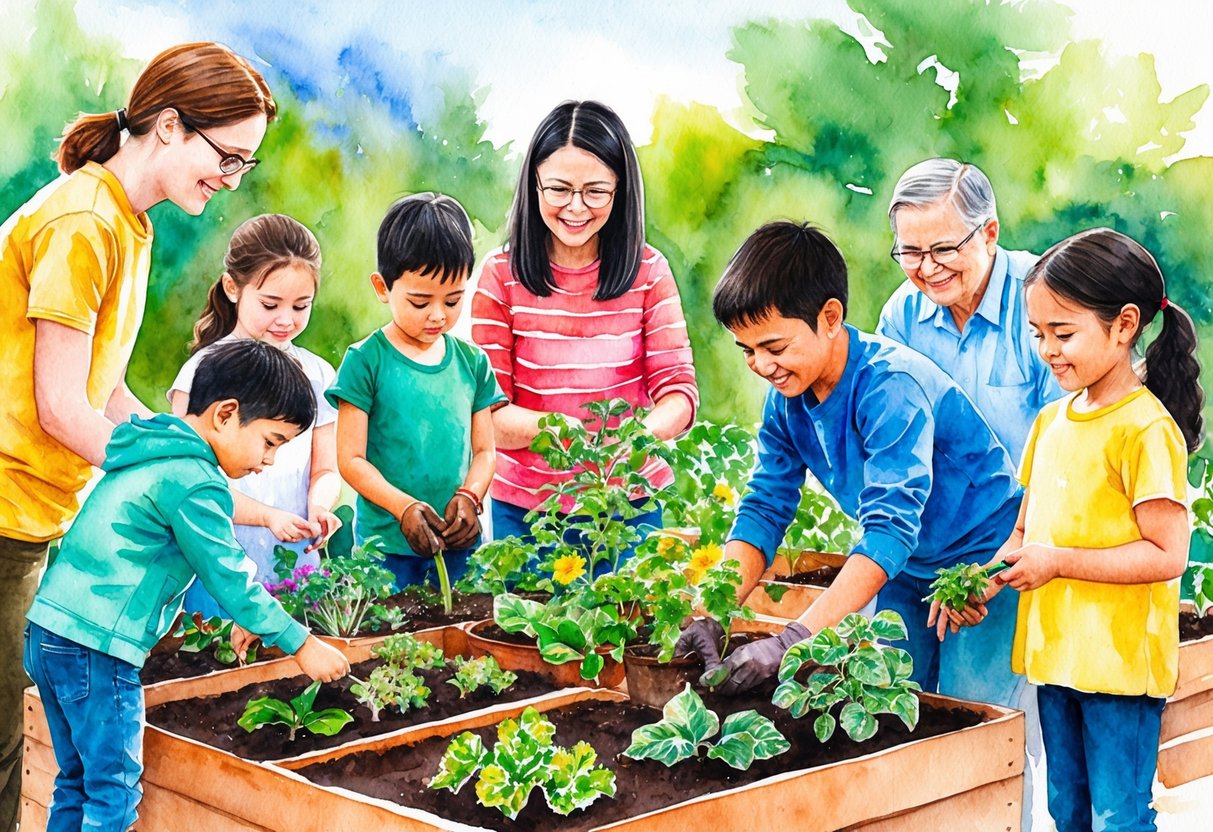
Gardening brings people together. It creates bonds and teaches valuable skills. Kids learn best when their families and communities get involved.
Organizing Community Gardening Events
Community gardening events are great for kids. You can plan a seed swap day. Ask neighbors to bring extra seeds to trade. Set up tables with labeled sections for different plant types. Kids can pick new seeds to try at home.
Another idea is a garden cleanup day. Choose a local park or school garden that needs help. Bring gloves, trash bags, and gardening tools. Kids can pull weeds, spread mulch, or plant flowers. This teaches teamwork and community pride.
Don’t forget to make it fun! Add music, snacks, and small prizes for the most trash collected or weeds pulled. Take before and after photos to show the impact.
Family Gardening Days
Set aside time for family gardening. Pick a weekend day each month as your family gardening day. Start with planning. Let kids look through seed catalogs or plant guides. They can choose what to grow.
Make a list of tasks. Divide them up based on age and skill. Younger kids can water plants or pull easy weeds. Older ones can dig holes or prune. Work together on bigger jobs like turning compost.
Take breaks to observe nature. Look for bugs, birds, or interesting leaves. This builds curiosity. End the day by enjoying the garden. Have a picnic or make a meal with fresh herbs you grew.
Challenges and Troubleshooting
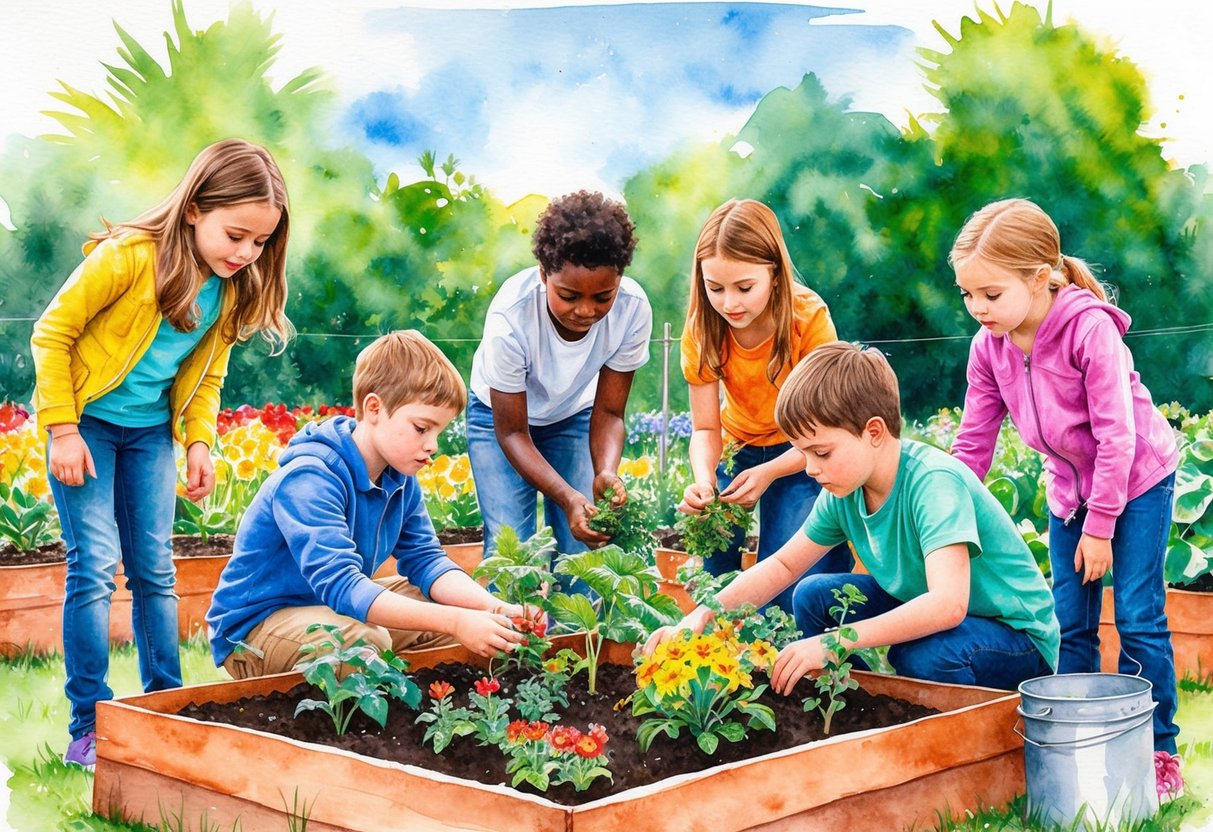
Gardening can be tricky for kids, but it’s also a great way to learn. Let’s look at some common issues and how to keep going when things don’t work out.
Dealing with Common Gardening Problems
Pests can be a big headache in the garden. Teach kids to pick off bugs by hand or use safe sprays. For plant diseases, show them how to remove sick leaves. Watering can be tricky too. Help kids check soil moisture with their fingers. Too much water is just as bad as too little.
Weeds are another challenge. Make it a game to see who can pull out the most weeds. For slow-growing plants, use markers to track progress. This helps kids stay excited.
Weather can cause trouble. Use covers for cold nights and shade cloth for hot days. If plants die, it’s a chance to learn. Try again with tougher plants or better timing.
Encouraging Persistence Through Failures
Not every seed will grow. That’s okay! It’s part of the learning process. Keep a garden journal to track what works and what doesn’t. This helps kids see progress over time.
Try different plants each season. Some might do better than others. Celebrate small wins, like the first sprout or flower. Set realistic goals, like growing one tomato instead of expecting a full harvest.
If a plant dies, have a mini science lesson. What went wrong? Was it too much sun, not enough water, or maybe the wrong season? Use these moments to spark curiosity.
Mix easy plants with harder ones. Quick-growing radishes or lettuce can boost confidence. Pair them with longer projects like pumpkins or sunflowers. This balance keeps kids engaged and learning.
Seasonal Gardening Activities
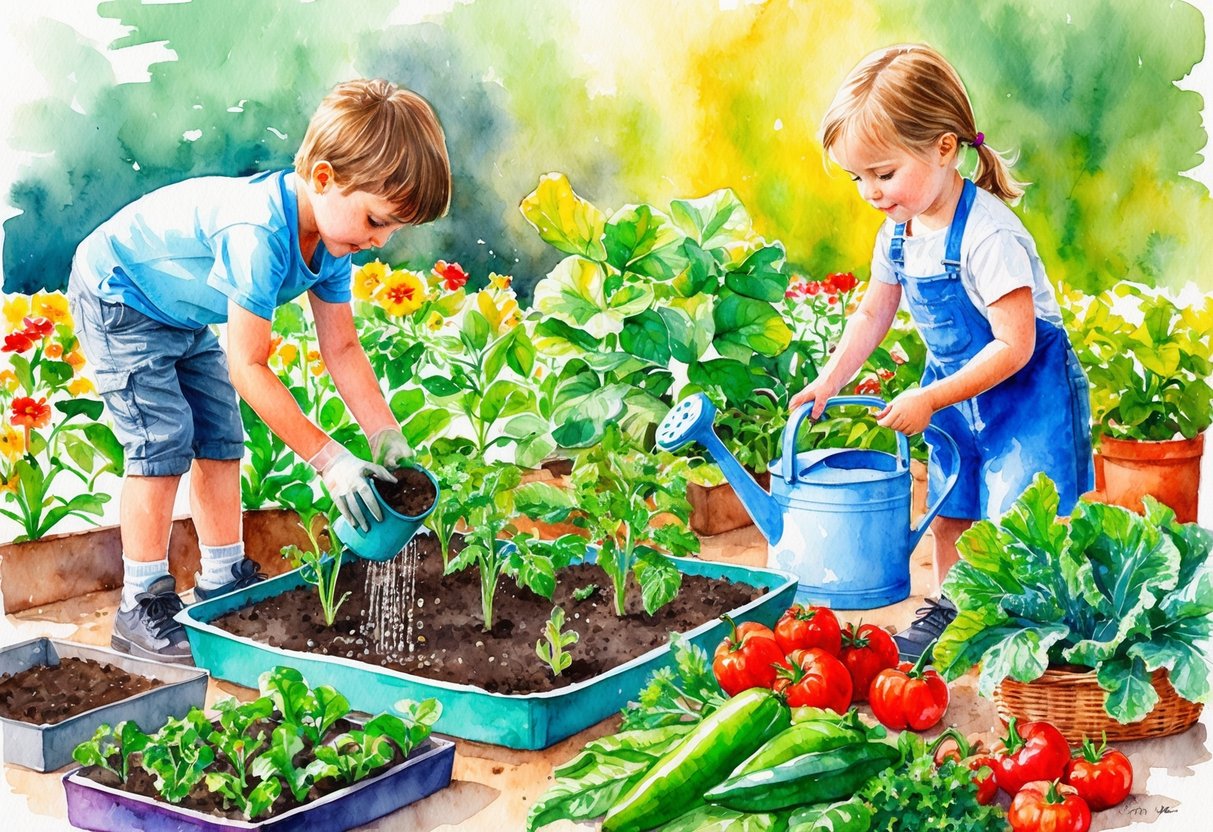
Kids can enjoy gardening all year round with fun activities tailored to each season. Different climates offer unique opportunities for young gardeners to learn and grow plants.
Planning a Year-Round Garden
Start by choosing plants that thrive in different seasons. In spring, plant fast-growing veggies like radishes and lettuce. Summer is perfect for sunflowers and tomatoes.
For fall, try pumpkins and squash. Winter can be for indoor herb gardens. Use a fun gardening calendar to track planting times.
Make a list of tools you’ll need for each season. Don’t forget gloves, watering cans, and small shovels. Prepare indoor spaces for colder months.
Create a compost bin to use year-round. This teaches kids about recycling and soil health.
Gardening in Different Climates
If you live in a warm climate, you can garden outdoors most of the year. Try heat-loving plants like peppers and okra. Use shade cloth to protect plants from intense sun.
In colder areas, focus on cold-hardy plants like kale and carrots. Build small greenhouses or cold frames to extend the growing season.
For rainy climates, make raised beds to improve drainage. Choose plants that like moisture, such as lettuce and peas.
Dry climates need drought-resistant plants. Try succulents or native plants. Teach kids about water conservation with drip irrigation systems.
Remember to adjust your gardening activities based on your local weather patterns.