Balcony Garden Paradise is reader-supported. When you buy through links on our site,
we may earn a small affiliate commission. Happy Gardening from the team! 🌿
In today’s rapidly growing world, reducing food waste has become increasingly important, and microgreens offer a promising solution. These tiny, nutrient-packed greens have gained popularity for their ease of cultivation and robust nutritional value. By growing microgreens at home, you can reduce food waste, as they require fewer resources and less time to reach maturity compared to traditional vegetables.
Microgreens reduce food waste by being a sustainable form of local production. With their short growth cycle and high yield, they allow you to harvest just the right amount you need without excess. Additionally, their ability to be cultivated in small spaces and urban environments makes them ideal for supporting global nutrition security.
Incorporating microgreens into your diet not only helps to cut down on waste but also provides essential nutrients. By integrating these greens into food supply chains, there is a potential to improve health outcomes and sustainability practices. Discover how you can be part of this movement towards better food utilization and environmental responsibility.
The 2023 USDA Plant Hardiness Zone Map was created by Oregon State University (PRISM Climate Group) and released by the USDA.
Key Takeaways
- Microgreens reduce food waste through local production.
- The nutritional value of microgreens supports global health.
- Sustainable growth methods help fight food waste.
Understanding Microgreens
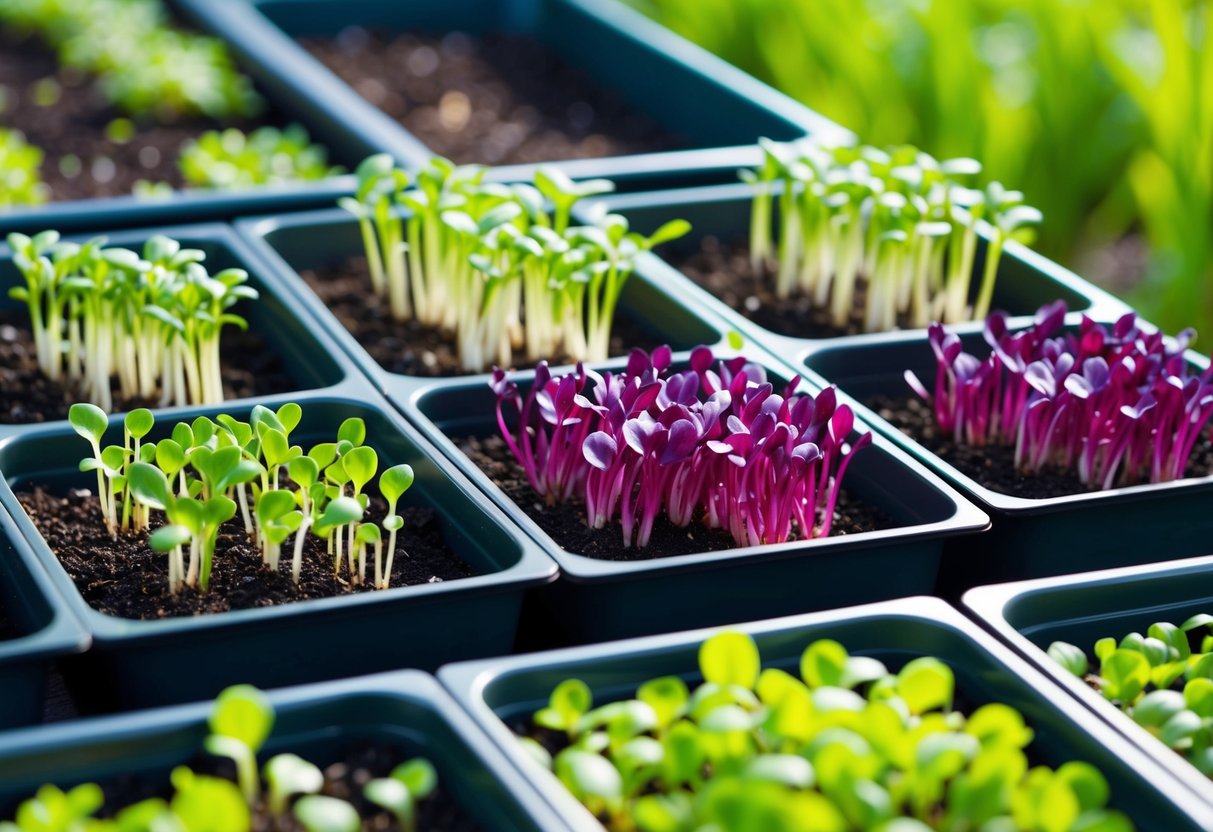
Microgreens are tiny, edible plants harvested at an early stage, usually just after the first true leaves appear. Despite their small size, they pack a significant nutritional punch. These young greens are known for their vibrant flavors and intense colors, making them a popular choice in culinary dishes.
Nutritional Profile:
Microgreens are rich in essential vitamins and minerals. They contain high levels of antioxidants, which can help protect your cells from damage. Microgreens can include a variety of plant families like Brassicaceae and Apiaceae.
Key Components:
- Phytochemicals: These compounds offer various health benefits and can help in reducing inflammation.
- Carotenoids: Known for their role in maintaining healthy vision.
- Phenolic Compounds & Polyphenols: Recognized for their potential in reducing the risk of chronic diseases.
Here’s a simple classification of some popular microgreens based on their plant families:
| Family | Examples |
|---|---|
| Brassicaceae | Broccoli, Radish, Mustard |
| Amaranthaceae | Amaranth, Beet |
| Amaryllidaceae | Onion, Leek |
| Apiaceae | Carrot, Celery |
| Asteraceae | Lettuce, Endive |
| Cucurbitaceae | Cucumber, Melon |
Including microgreens in your diet can enhance your intake of important nutrients without the need for large servings. They offer a sustainable choice to support healthier eating habits and can contribute to reducing food waste through their efficient growth cycle.
Sustainable Cultivation Techniques
Sustainable cultivation techniques for microgreens involve methods that make efficient use of resources and minimize environmental impact. Key approaches include hydroponics and soilless culture, which eliminate the need for traditional soil, as well as agronomic techniques that optimize growth conditions. Additionally, these practices adapt to space constraints, making them suitable for urban populations.
Hydroponics and Soilless Culture
Hydroponics is a method of growing plants without soil, using nutrient solutions in a water solvent. This approach is particularly beneficial for microgreens as it allows precise control over nutrient delivery, resulting in faster growth and higher yields. Soilless culture reduces environmental impact by conserving water and preventing soil degradation.
The use of a suitable growth medium, such as coconut coir or vermiculite, mimics the support role of soil while maintaining the benefits of soilless systems. Soilless techniques were highlighted during events like the International Symposium on Soilless Culture, emphasizing their potential in sustainable agriculture.
Agronomic Techniques for Microgreens
Agronomic techniques can also optimize microgreen production. Adjusting light intensity, temperature, and humidity is crucial to achieving continuous yield cycles. Implementing efficient watering systems and carefully selecting edible vegetable species are vital to reducing waste and enhancing quality.
You can increase sustainability by focusing on pest-resistant varieties, minimizing the need for chemical pest control. Using organic fertilizers and practicing crop rotation further contributes to sustainability while maintaining soil health where applicable.
Adapting to Space Constraints
Microgreens can be particularly useful in urban environments where space is limited. Vertical farming and the use of soilless production systems help maximize production in confined areas, providing fresh produce for urban populations. Techniques like stacking trays vertically and optimizing light sources can improve space efficiency.
These methods have applications beyond urban farming, including space missions where traditional agriculture is not feasible. By adapting to varying space constraints, microgreens serve as a viable solution for fresh food production in diverse environments, promoting sustainability and reducing food waste.
Health Benefits of Microgreens
Microgreens offer numerous advantages, primarily as nutrient-dense foods that can significantly aid in addressing micronutrient deficiencies. These young plants are rich sources of antioxidants, which play a role in reducing risks associated with chronic diseases like heart disease, diabetes, and even some cancers.
Addressing Micronutrient Deficiencies
Microgreens are packed with essential vitamins and minerals. They are known to be nutrient-dense, often containing higher levels of vitamins C, E, and K compared to their mature counterparts. For instance, red cabbage microgreens can help fill gaps in Vitamin C and beta-carotene intake. These nutritional assets can support your body’s immune system and improve overall vitality.
Including microgreens in your diet can be an effective way to combat micronutrient deficiencies without a drastic change in food intake. These small plants can be easily added to your meals, providing a flavorful boost that enhances your nutrient profile. Their rich nutrient content ensures that you receive a variety of essential elements crucial for maintaining good health.
Preventive Aspects for Chronic Diseases
Microgreens are abundant in antioxidant compounds. They have shown potential in reducing risks associated with conditions such as heart disease and certain types of cancer. For instance, cruciferous microgreens like broccoli contain glucosinolates, compounds known for their cancer-preventive properties. You can incorporate these into your diet to potentially lower cancer activity levels.
Regular consumption of microgreens may also contribute to reducing the risk of diabetes and Alzheimer’s disease. Fenugreek microgreens, for example, can enhance cellular sugar uptake, improving blood sugar management. For Alzheimer’s, the antioxidants found in various microgreens can prevent oxidative stress, a factor in cognitive decline. By including microgreens, you’re making a proactive choice for your long-term health.
Reducing Food Waste
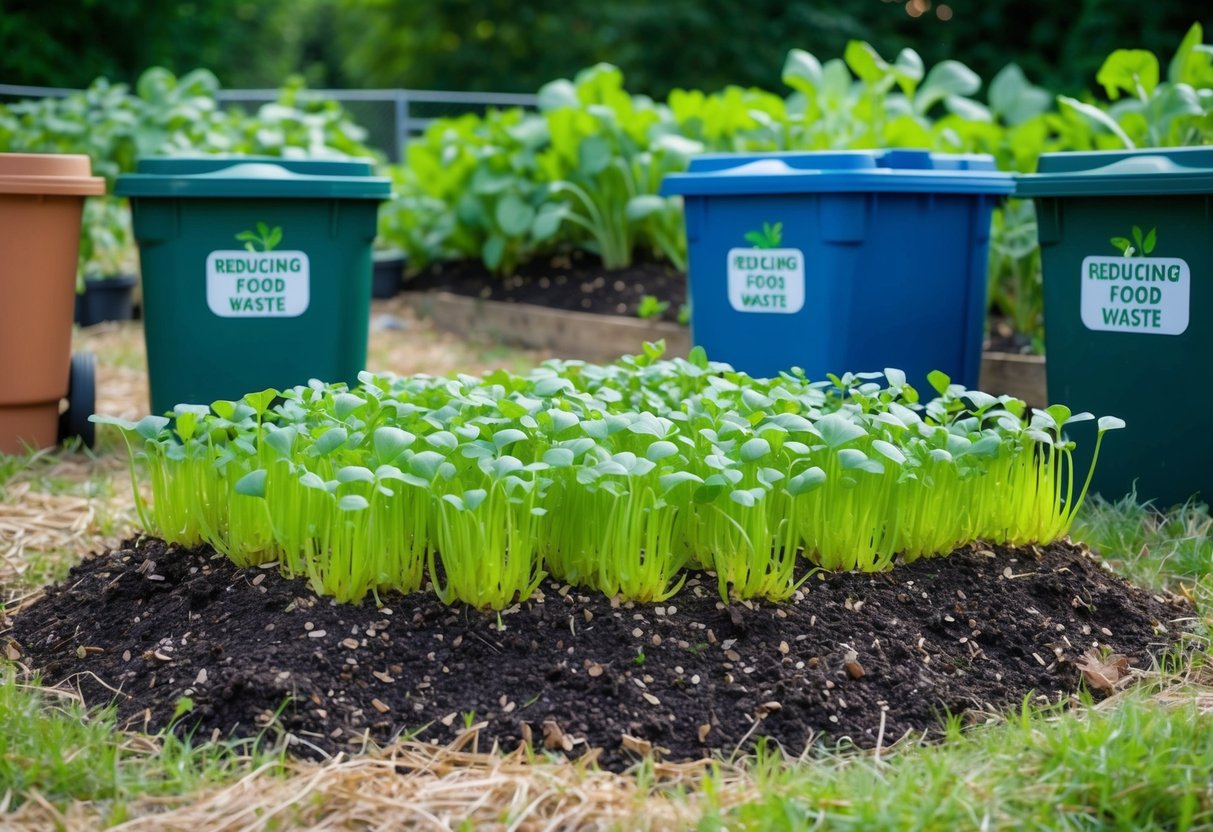
Efficient cultivation and transportation of microgreens reduce food waste. This involves focusing on strategic harvesting, right-sized packaging, and a streamlined local production-to-consumption cycle.
Efficient Harvesting and Packaging
Efficient harvesting is crucial in minimizing waste. Microgreens require precise harvest timing to ensure freshness and nutritional value. Harvesting too early or late can lead to spoilage. Utilizing technology to track growth cycles can optimize this process.
Packaging plays a significant role as well. Opt for biodegradable or recyclable materials to further support eco-friendly practices. Implementing vacuum-sealed packaging can extend shelf life and reduce spoilage during distribution and retail display. It helps maintain freshness from farm to table, contributing to more sustainable food systems.
Local Production to Consumption Cycle
Creating a direct cycle from production to consumption minimizes waste by reducing transportation time. Establishing local farms ensures quicker delivery to nearby stores or markets. This shortens the distribution chain and keeps microgreens fresh for longer, reducing loss to spoilage.
Support local food systems by encouraging community-based production. This boosts food security by ensuring a constant supply of fresh produce. It also strengthens regional economies and cuts down on carbon emissions from long-distance transportation. Promote awareness about the benefits of local consumption and engage consumers in reducing food waste collectively.
Integration in Food Supply Chains
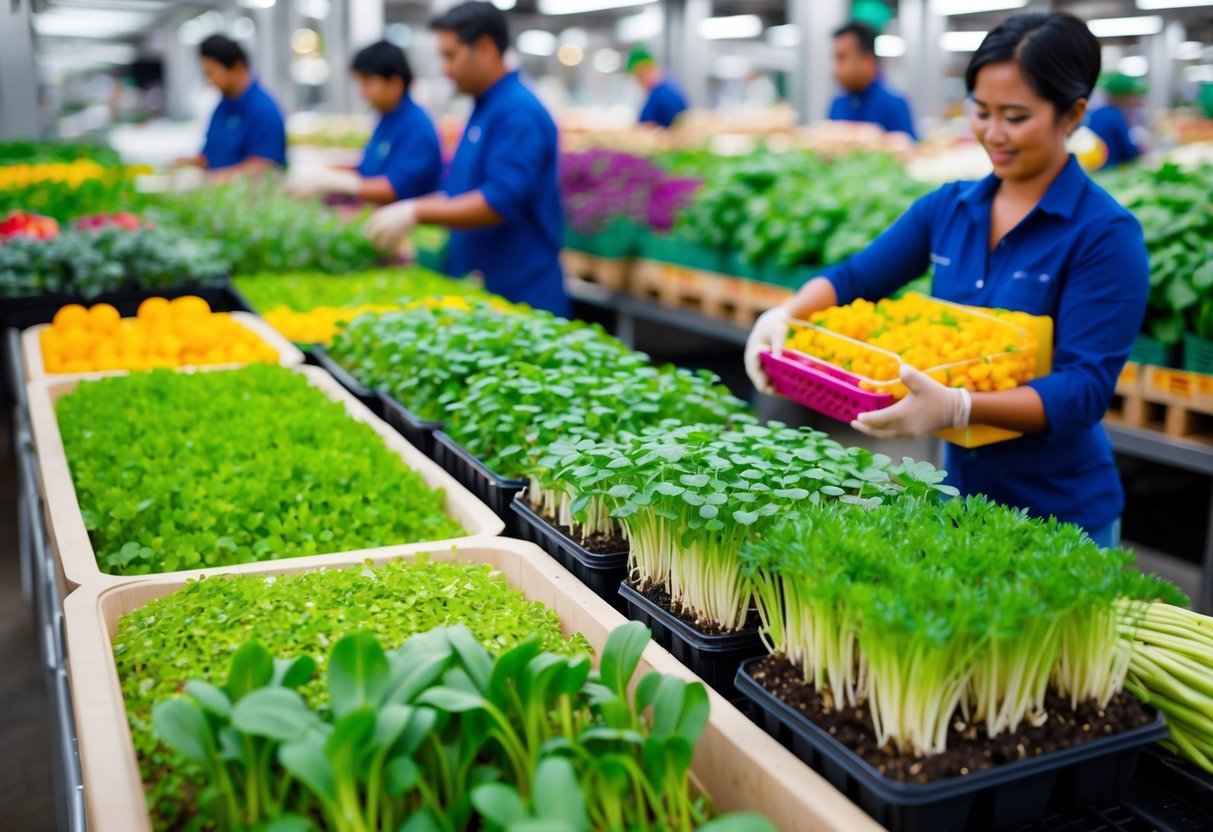
Integrating microgreens into food supply chains can address nutritional needs and enhance food resilience. Local production of microgreens boosts nutrition security and offers a resourceful approach to maintaining food supply during crises.
Boosting Global Nutrition Security
Microgreens have a dense nutritional profile and contribute significantly to global nutrition security. Incorporating microgreens in supply chains can address nutrition-security issues by providing essential vitamins and minerals, which cater to diverse dietary needs. Their short growth cycle allows for quick production, meeting local demands efficiently. This has the potential to reduce nutrition-security inequality, ensuring a more equitable distribution of nutritional resources across different regions. Growing these miniature crops locally can also decrease transportation needs, reducing emissions and resource usage in food supply chains.
Microgreens During the COVID-19 Pandemic
The COVID-19 pandemic highlighted vulnerabilities in global food supply chains. Many faced nutritional deficits as supply lines were disrupted. Microgreens provided a solution by offering a home-grown alternative that could be harvested in days, ensuring continuity in nutrition even during lockdowns. Local production of microgreens became a valuable resource during this period, reinforcing food security. This localized approach to growing helped communities become more self-sufficient, mitigating some impacts of the pandemic on traditional food distribution channels.
Food Resilience and Localized Growth
Microgreens enhance food resilience by supporting localized growth. Growing them closer to consumers shortens supply chains, making them less susceptible to global disruptions. This local production contributes to sustainable food practices, addressing food security issues by minimizing dependency on distant sources. You benefit from reduced food waste as fresh microgreens reach your plate faster, maintaining their quality and nutritional value. By integrating microgreens into food systems, communities can bolster their food-resilience resource and ensure consistent access to healthy produce.
Microgreens as Functional Food
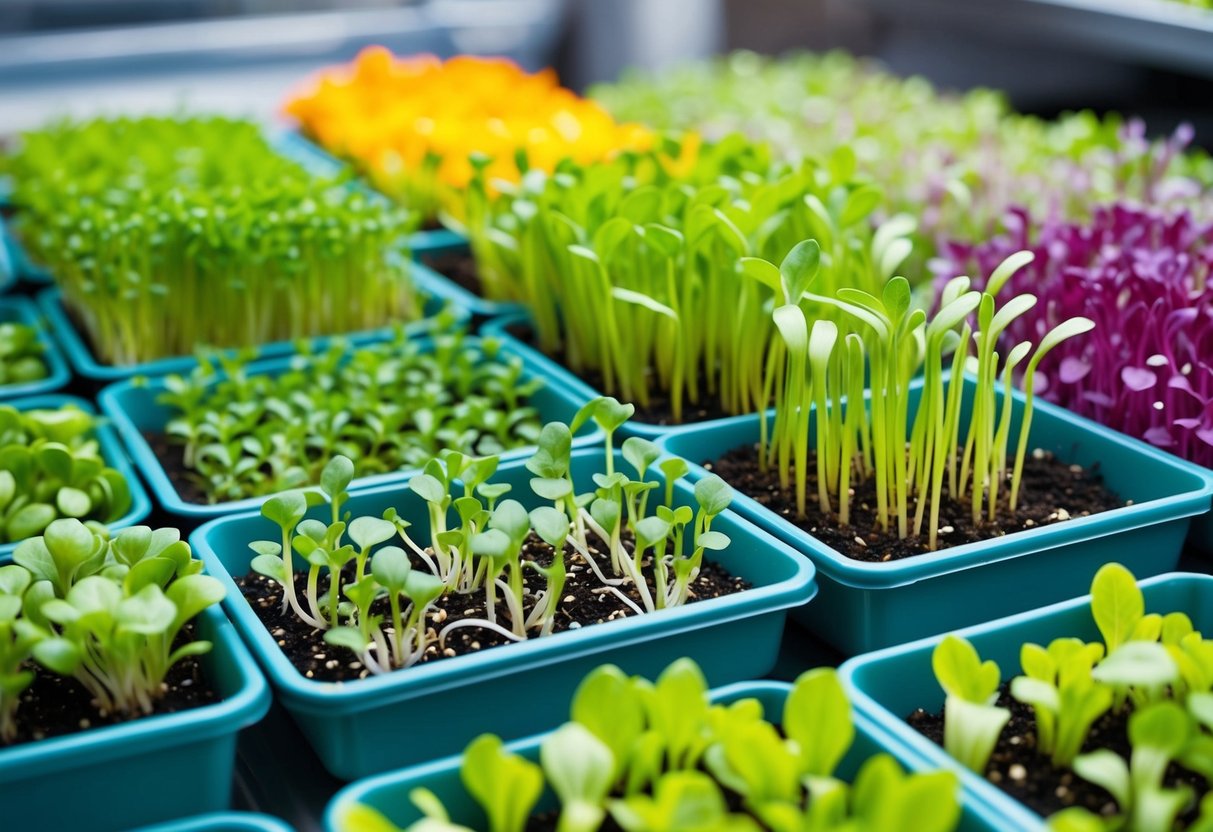
Microgreens have garnered attention for their dense nutritional content and potential utility as functional food. These small plants pack a punch with antioxidants and vitamins, serving as a versatile addition to meals with easy growing requirements, even in limited spaces like growing trays.
Incorporating Into Everyday Diet
Microgreens are an excellent way to boost the nutritional value of your daily meals. Their rich antioxidant profile makes them perfect for inclusion in various dishes. You can easily add microgreens to smoothies for an extra health kick. These tiny plants are simple to incorporate into salads or as a garnish for soups and main courses.
Growing microgreens at home can be straightforward, requiring only trays and seeds. This setup is not only efficient but highly effective, having even caught the interest of organizations like NASA and the European Space Agency. This effortless germination process makes growing microgreens accessible and convenient for fresh produce in your kitchen. This method can contribute to health and culinary diversity in your home.
Learn More
- Rapid Growth Cycle: Microgreens have a quick growth cycle, typically ready for harvest within 7 to 21 days. This fast production allows for continuous cropping, which can help meet demand without overproducing and wasting food. By providing a nutrient-dense food source that can be consumed quickly, they contribute to minimizing food waste (Giving Greens).
- Local Production: Many microgreens can be grown locally at home or on urban farms. This local production reduces the need for long-distance transportation, not only cutting greenhouse gas emissions but also ensuring that the greens are fresher and less likely to spoil before they reach consumers (Nutrition with Vibha).
- Minimal Waste in Cultivation: Microgreens can be grown using hydroponic or aeroponic systems, which use significantly less water and produce less waste than traditional farming methods. This efficiency contributes to a more sustainable food system overall.
- Consumption of Entire Plant: In many cases, the entire microgreen plant is edible, which reduces waste compared to larger vegetables where parts may be discarded. This encourages consumers to utilize the whole plant, further decreasing the likelihood of food waste (Green Living PDX).
By integrating microgreens into diets and agricultural practices, we can effectively reduce food waste while promoting a more sustainable approach to food production.