Balcony Garden Themes to Maximize Your Small Space in 2026
Tiny balcony? No problem! Transform it into a lush 2026 paradise with these 10 space-maximizing garden themes. 🌿 From jungle vibes to micro-farms—pick yours!

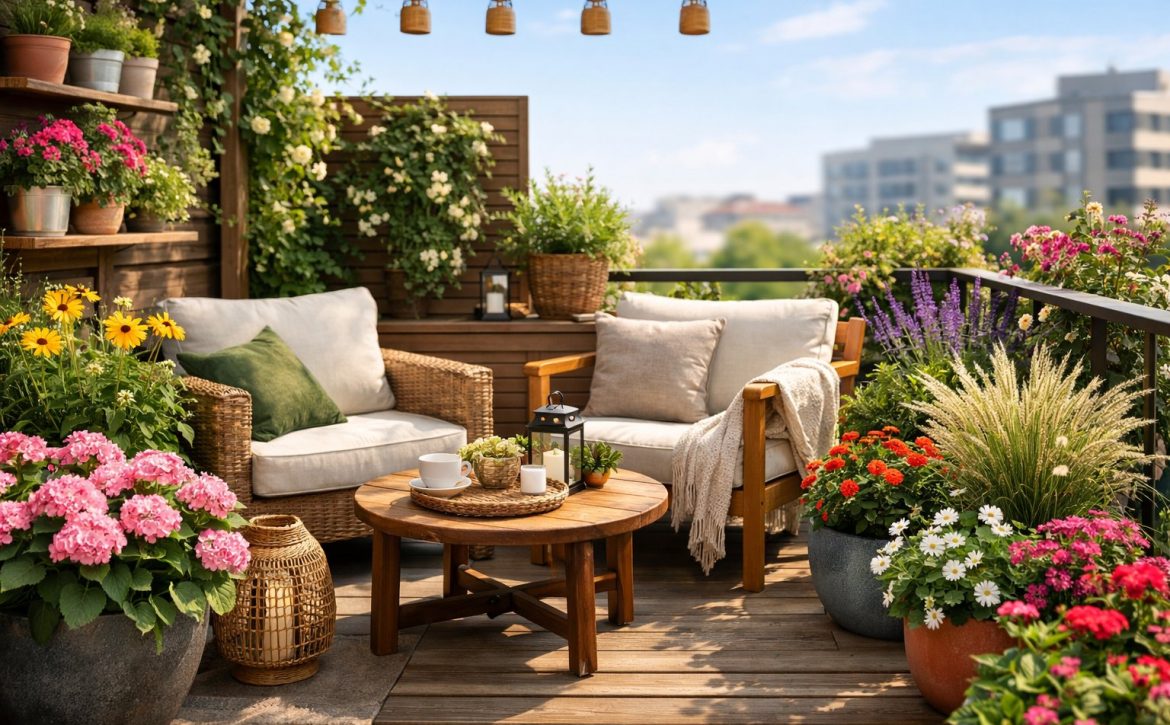
Tiny balcony? No problem! Transform it into a lush 2026 paradise with these 10 space-maximizing garden themes. 🌿 From jungle vibes to micro-farms—pick yours!

Cold months give you time to think, measure, and plan without rushing. You can use winter to plan a balcony garden by reviewing your space, choosing the right plants, and setting a clear plan before spring arrives. This quiet season helps you make smart choices that save time, money, and effort later.
Winter lets you study light, wind, and temperature on your balcony. You can research cold‑hardy plants, containers, soil, and simple ways to protect plants from the weather. Planning now also helps you avoid common mistakes with watering, pests, and storage.
Use your Balcony Garden Paradise Journal to gather ideas, sketch layouts, track supplies, and map out each month. A clear plan turns winter into a strong starting point for a healthy, well‑designed balcony garden.
Winter gives you time to think, measure, and prepare without pressure. You can review last season, set clear goals, and make practical choices before spring crowds and costs rise.
Winter planning helps you avoid rushed decisions. Garden centers stock limited items, but you gain time to research plants, containers, and layouts that fit your space. You can compare prices online and watch for sales on pots, soil, and tools.
Cold weather also shows real conditions on your balcony. You see wind patterns, shade hours, and areas that trap cold air. This information helps you plan a balcony garden with fewer mistakes.
Key advantages include:
Planning now reduces waste and saves money later.
Winter is ideal for an honest review. You can look at what worked and what failed last year without the distraction of daily care. Think about how you want to use the space and how much time you can commit.
Start by writing simple goals. Keep them realistic and specific to your balcony size.
Common goal types:
Match goals to constraints like weight limits, sunlight, and local rules. This process helps you plan a balcony garden that fits your life, not just your ideas.
You can use winter for tasks that often get skipped. Measure your balcony and sketch layouts. Note door swings, drains, and railing height. These details affect container size and placement.
Use this time to build a simple plan.
| Task | Why It Matters |
|---|---|
| Measure space | Prevents overcrowding |
| Check light | Guides plant choice |
| List supplies | Avoids last-minute gaps |
You can also start seeds indoors late winter if light allows. Even without planting, winter helps you plan a balcony garden with clear steps and fewer surprises.
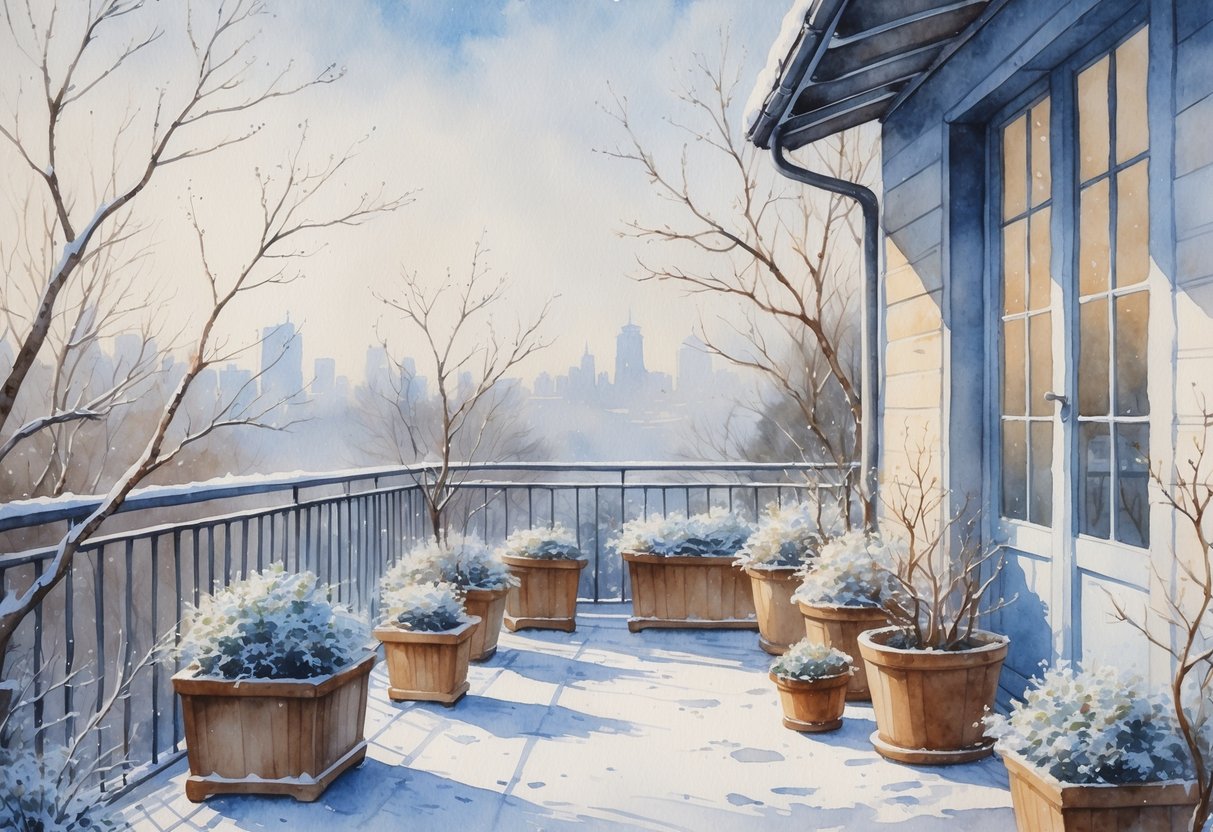
Winter gives you time to observe details you might miss in warmer months. When you use winter to plan a balcony garden, focus on light, space, and structure so your choices fit your balcony and your building rules.
Watch how sunlight moves across your balcony in winter. Note direct sun, partial shade, and full shade. Winter sun sits lower, so shadows from buildings and railings last longer.
Track wind, cold pockets, and heat traps. Corners near walls often stay warmer. Open railings face stronger wind. These details affect plant survival and container placement.
Use a simple log for one week. Check morning, midday, and late afternoon.
| Factor | What to Note |
|---|---|
| Sun hours | Count direct light each day |
| Wind | Strong, mild, or blocked |
| Cold spots | Frost or icy areas |
| Warm zones | Sheltered walls or corners |
Measure your balcony width, depth, and height. Write down exact numbers. This step prevents crowded paths and blocked doors.
Sketch a basic layout. Mark doors, drains, outlets, and railings. Leave a clear walking space for safety and ease of care.
Plan zones by use. Place tall plants along walls. Use corners for storage or vertical planters. Keep herbs or daily-use plants near the door.
Key layout checks:
Find your balcony’s weight limit. Check your lease, building guide, or ask management. Many balconies have strict load limits.
Remember that wet soil weighs much more than dry soil. Large pots, water trays, and planters add up fast.
Choose lighter materials when possible. Use resin, fiberglass, or fabric pots instead of concrete or stone. Spread weight across the balcony, not in one spot.
Common container weights (approximate):
Place heavy items near walls or support beams for better balance.
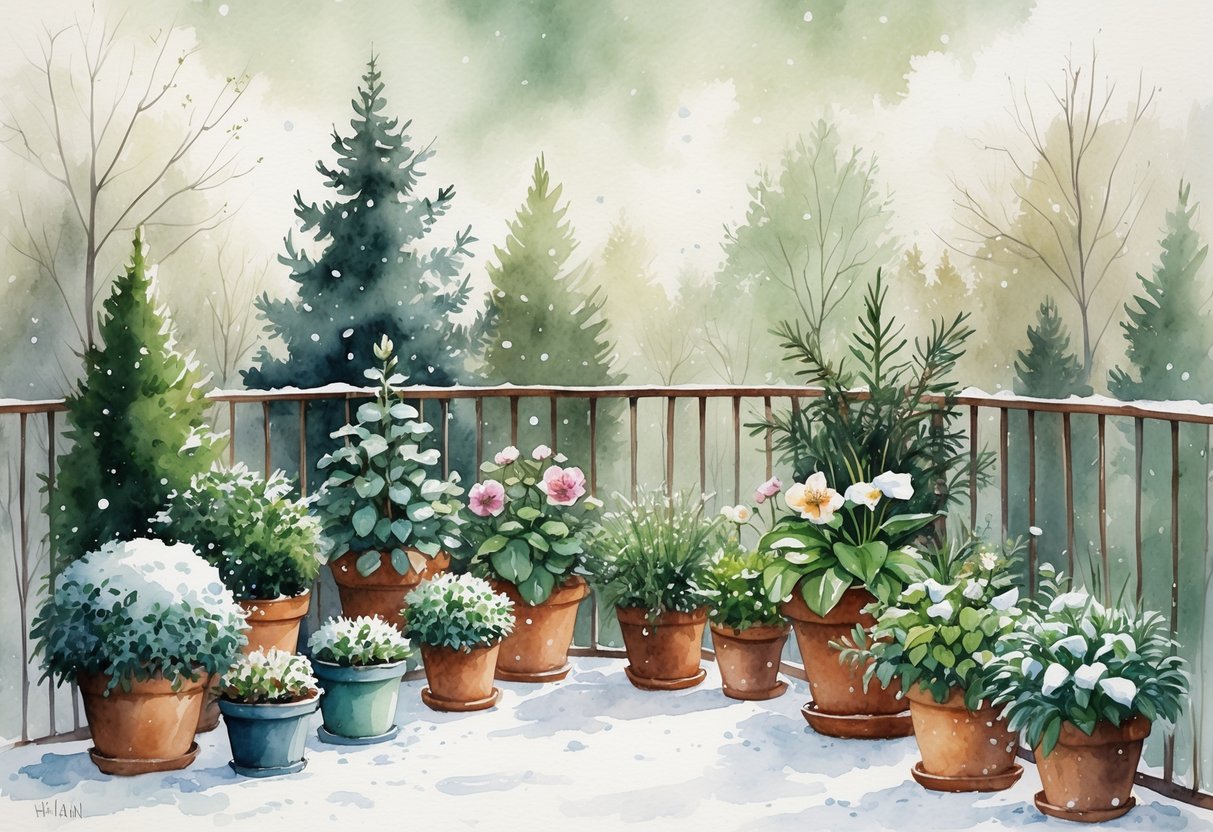
Plant choice shapes how well your balcony garden performs through the seasons. When you plan a balcony garden in winter, focus on climate fit, purpose, and how plants grow together in small spaces.
Start with your local climate zone, not the calendar. Winter exposes weak choices fast, especially on balconies with wind and limited shelter.
Cold-hardy plants work best in exposed spaces. Examples include dwarf evergreens, ornamental grasses, and winter pansies. In mild zones, you can also grow rosemary, lavender, and citrus in containers.
Use this quick guide:
| Climate Type | Reliable Balcony Plants |
|---|---|
| Cold winters | Boxwood, ivy, heather |
| Mild winters | Herbs, geraniums, succulents |
| Windy sites | Juniper, grasses, sedum |
Check container ratings too. Roots freeze faster in pots than in ground soil.

Decide early if your goal is food, looks, or both. This choice affects light needs, watering, and spacing.
Edible plants give steady value. Leafy greens, scallions, and hardy herbs grow well in cool weather and shallow pots. Many continue growing through winter with basic protection.
Ornamental plants offer structure and color. Evergreens keep their shape, while winter flowers add contrast. Mix textures instead of colors for a cleaner look.
A balanced approach works well. Pair one edible with one ornamental per container to save space and reduce care tasks.
Plants must share the same needs to thrive together. Match light, water, and soil preferences before planting.
Avoid mixing drought-tolerant plants with water-loving ones. One will fail. Group plants with similar growth rates so fast growers do not crowd others.
Use companions that help each other:
Leave space for airflow. Tight clusters trap moisture and raise disease risk, especially in winter.
When you use winter to plan a balcony garden, you gain time to measure space, test layouts, and choose materials. Careful layout planning helps you grow more plants, move with ease, and keep maintenance simple.
Vertical gardening lets you grow more without using floor space. You can mount wall planters, trellises, or pocket systems to hold herbs, greens, or small flowering plants. Rail planters also add growing space while keeping the floor clear.
Choose sturdy materials that handle moisture and cold. During winter, map anchor points and weight limits so you avoid damage later.
Common vertical options
Vertical systems also improve light use. You can place sun-loving plants higher and shade-tolerant ones below.
Small balconies need clear paths and flexible layouts. Start by measuring width, depth, and door clearance. Keep at least 18–24 inches open for walking and door swing.
Use containers that serve more than one role. A bench with storage can hold tools and soil. Stackable or tiered planters let you adjust height as plants grow.
| Space Challenge | Practical Fix |
|---|---|
| Narrow floor area | Tall planters |
| Low weight limit | Lightweight pots |
| Limited sun | Mobile containers |
Winter planning helps you test layouts on paper before you move heavy items.
A good layout balances looks and daily use. Choose a simple color palette for pots to reduce visual clutter. Neutral tones help plants stand out.
Add functional details early in the plan. Hooks for tools, a small shelf, or a fold-down table save space and time. Plan lighting now, even if you install it later.
Useful elements to include
These choices shape a balcony that feels organized and easy to use when the growing season starts.
The right containers shape how well your plants grow and how easy care feels. When you use winter to plan a balcony garden, focus on strong materials, correct sizing, and practical features that fit your space and climate.
Choose materials that handle cold, moisture, and wind without cracking or tipping. Frost-safe containers protect roots and last longer.
Common options and uses:
| Material | Why It Works | Watch For |
|---|---|---|
| Resin or plastic | Lightweight, affordable, frost-resistant | Can fade in sun |
| Fiberglass | Strong, modern look, handles cold well | Higher cost |
| Metal (steel, aluminum) | Clean style, durable | Can heat or chill roots |
| Glazed ceramic | Heavy, stable | Must be rated frost-safe |
Avoid thin terracotta in cold areas. It absorbs water and cracks in freezing weather. If you like the look, use it inside a protective outer pot.
Pick neutral colors if you want flexibility. Dark colors absorb more heat, which helps in winter but can stress roots in spring.
Match container size to plant roots, not just plant height. Roots need room to grow and stay insulated.
Use these size guidelines:
Larger containers hold moisture longer and change temperature more slowly. This helps in winter and early spring.
Avoid overcrowding. One healthy plant often grows better than several crowded ones. Plan spacing now so you do not need to repot during the busy growing season.
Check weight before buying large pots. Balconies have load limits, and heavy containers are hard to move.
Good drainage prevents root rot and salt buildup. Every outdoor container needs at least one drainage hole.
Look for:
Use pot feet to lift containers off the floor. This improves drainage and protects balcony surfaces.
Mobility matters in small spaces. Containers with casters or rolling stands let you shift plants for sun, wind, or frost protection. Lightweight pots also make seasonal changes easier.
Plan placement now so each container fits railings, corners, and walking paths without blocking doors or drains.
When you use winter to plan a balcony garden, soil and fertilizer choices shape how well plants grow in containers. Winter gives you time to select the right mixes, set a feeding schedule, and choose compost methods that fit a small space.
Container plants need light, well-drained soil. Do not use garden soil, as it compacts and holds too much water. Choose a quality potting mix labeled for containers or vegetables.
A good mix should include:
For herbs and greens, use a standard mix. For tomatoes or peppers, add extra compost. Check that pots have drainage holes. Soil health matters more in containers because roots cannot spread far.
Winter planning helps you avoid guesswork during the growing season. Most container plants need regular feeding since water washes nutrients out fast.
Set a simple plan:
Match fertilizer to plant needs. Leafy greens prefer more nitrogen. Flowering plants need more phosphorus and potassium. Read labels and avoid overfeeding, which can harm roots and reduce yields.
You can compost even with limited space. Winter gives you time to pick a system that fits your balcony rules and climate.
Common options include:
Keep compost dry and sealed to avoid pests. Use finished compost to refresh potting mix in spring. Even small amounts improve soil structure and nutrient levels in containers.
Winter gives you time to plan a balcony garden with fewer mistakes and lower costs. You can map water needs, choose the right tools, and fix drainage issues before plants arrive.
Small balconies need precise watering. Hand watering works, but it often leads to uneven moisture. A drip irrigation system delivers water slowly and directly to the soil, which helps roots grow strong.
You can use simple drip kits, watering cones, or gravity-fed bottles. These options fit tight spaces and work without a tap. Many kits connect to a timer, so you control frequency and duration.
In winter, plants use less water. Use this season to test flow rates and placement. Adjust emitters so each pot receives water without overflow.
Common options for balconies:
| System type | Best use |
|---|---|
| Drip lines | Multiple pots |
| Watering cones | Large containers |
| Self-watering pots | Herbs and greens |
Balcony gardens waste water easily due to wind and shallow containers. You can reduce loss with smart planning. Choose pots with good soil depth and add mulch to slow evaporation.
Water early in the day to reduce loss from heat and wind. Group plants with similar water needs so you avoid overwatering. In winter, reduce frequency but never let the soil fully dry out.
Collect household water when possible. For example, cooled water from rinsing vegetables works well for non-edible plants.
Simple ways to save water:
Poor drainage causes root rot and water stains below your balcony. Every container needs drainage holes. Place saucers under pots, but empty them after watering.
Use pot feet or risers to lift containers. This allows water to drain freely and keeps roots healthy. Check local building rules about runoff, especially in apartments.
Winter planning helps you spot problems early. Pour water into empty pots to test flow. Fix slow drainage before planting season starts.
Drainage checklist:
Winter gives you time to study risks and set clear protections for your balcony garden in winter. You can spot pest patterns, choose the right barriers, and set habits that limit damage before spring growth begins.
Cold weather slows pests, but it does not remove them. Many hide in soil, plant crowns, or small cracks near walls and railings. You should research pests common to container plants in your area.
Focus on pests that survive winter indoors or in sheltered spots. These often cause early spring damage.
Common balcony garden pests to watch for:
| Pest | Where they hide | Signs to look for |
|---|---|---|
| Aphids | Soil surface, stems | Sticky residue, curled leaves |
| Spider mites | Underside of leaves | Fine webbing, speckled leaves |
| Fungus gnats | Moist potting mix | Small flies near soil |
| Scale insects | Stems, leaf joints | Hard bumps on plants |
Check plant labels and local extension sites. Match pests to the plants you plan to grow. This step helps you choose better prevention tools now.
Balcony plants face wind, frost, and temperature swings. Containers lose heat faster than ground soil, so you need added insulation.
Move pots close to walls to reduce wind exposure. Use a frost cloth, burlap, or old blankets on cold nights. Avoid plastic touching leaves, since it traps moisture and causes damage.
Effective winterproofing methods:
Choose cold-hardy plants when possible. Many herbs and perennials handle light frost better than tender annuals.
Prevention lowers pest pressure and winter stress at the same time. Start with clean containers and fresh potting mix. Old soil often holds eggs and disease.
Water only when the soil feels dry below the surface. Overwatering in winter creates ideal pest conditions. Good drainage matters more than frequent watering.
You should also inspect plants every two weeks. Look under leaves and along stems.
Simple habits that protect your balcony garden:
These steps protect plants now and support stronger growth when temperatures rise.
Winter gives you time to sort what you own, decide what you need, and set up storage that fits a small space. When you use winter to plan a balcony garden, you can reduce clutter, protect supplies, and make spring setup fast and simple.
You only need a short list of tools for a balcony garden. Keep tools small, light, and easy to store. Skip large items made for yards.
Core tools to keep
Store duplicates only if you use them often. Clean tools before winter storage to prevent rust and dirt buildup.
| Tool Type | Why You Need It | Storage Tip |
|---|---|---|
| Pruners | Trim herbs and plants | Hang on a hook |
| Trowel | Plant and repot | Store in a bin |
| Gloves | Protect hands | Keep in a dry box |
Choose storage that uses vertical space and keeps items dry. Wall-mounted shelves and pegboards work well on balconies with solid walls. They hold tools, small pots, and watering cans without using floor space.
Use weather-resistant cabinets or sealed bins for soil, fertilizer, and seeds. Under-bench storage works well for cushions and larger items. Stackable bins help you sort supplies by task, such as planting or maintenance.
Label each container. Clear labels save time and reduce mess. Avoid cardboard boxes since moisture can damage them.
Set up storage so you can move between seasons with little effort. Keep winter-only items, like covers and wraps, in the back of cabinets. Place spring tools and pots near the front.
Create zones based on use. Store planting supplies together and cleaning tools in another spot. This setup helps you grab what you need without digging.
Keep a short checklist inside a storage bin. List items to inspect before spring, such as soil quality and tool condition. This habit keeps your balcony garden organized year after year.
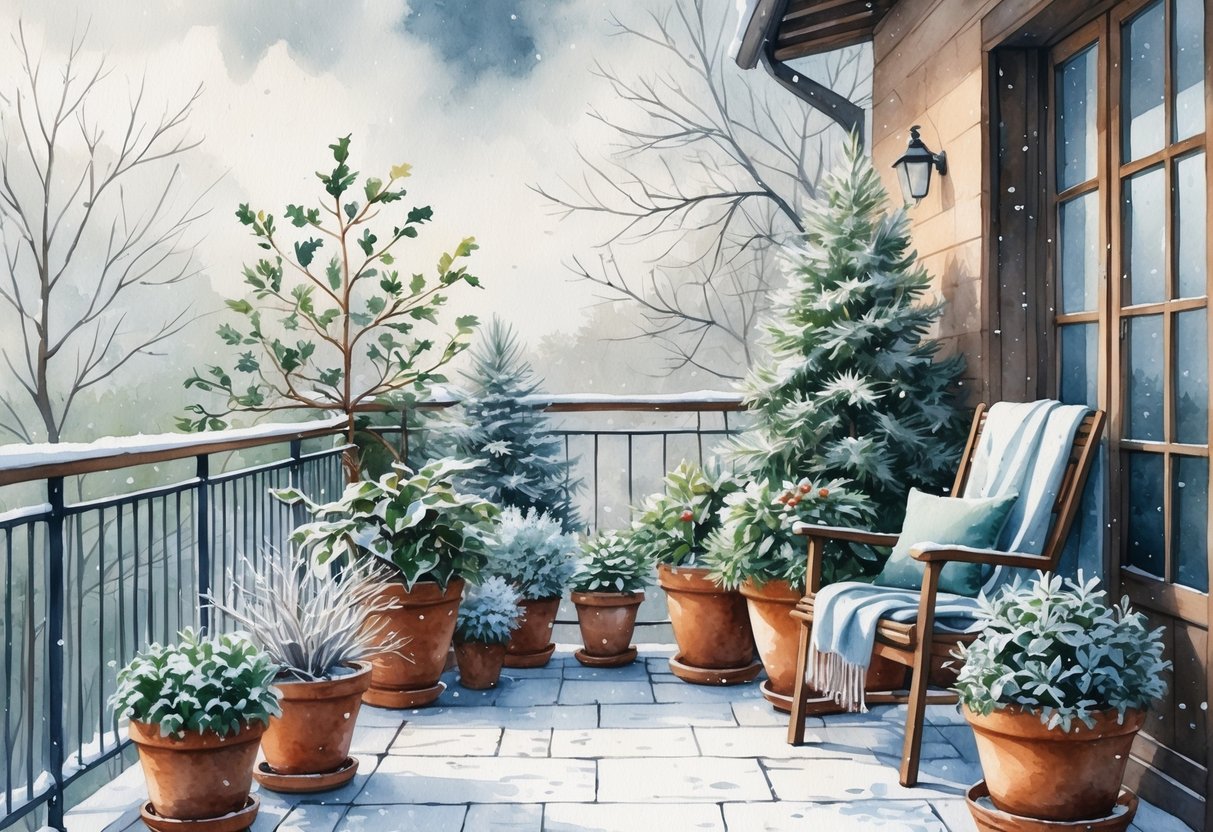
A clear checklist turns winter into a useful planning season. You set simple goals, track details, and make small fixes so you can plan a balcony garden with less stress and fewer surprises.
Start with clear goals for each winter month. Focus on tasks you can finish indoors, not outdoor work.
December: review last season and list limits. Measure your balcony, note sun hours, and check weight limits. Decide what you want to grow and how much space each plant needs.
January: choose plants and supplies. Pick crops that fit containers and your light level. Order seeds, pots, and soil early to avoid delays.
February: plan timing and layout. Set seed-start dates and sketch where each pot will sit.
| Month | Key Goal | Main Task |
|---|---|---|
| Dec | Review | Measure space |
| Jan | Select | Order seeds |
| Feb | Schedule | Map layout |
Track progress with a simple list or notebook. Write short notes once a week to keep plans current.
Check off tasks as you finish them. If a seed sells out, swap it for a similar plant with the same needs. If your light estimate was wrong, adjust plant choices now.
Use clear markers to flag changes:
Review your list at the end of each month. Small updates during winter help you plan a balcony garden that fits your space, schedule, and budget.
Winter gives you time to collect ideas and tools before planting begins. You can study balcony layouts, note what works in cold weather, and connect with people who share practical advice for a winter balcony garden.
Use winter to observe your balcony and plan a balcony garden in winter with purpose. Note sun exposure, wind patterns, and how much space you can use. These details shape your design choices.
Look for winter balcony garden ideas that focus on structure and layout. Evergreens, railing planters, and vertical shelves work well in small spaces. Lighting and weather‑safe containers also matter during cold months.
You can organize ideas with a simple list or sketch. Focus on function first, then style.
| Design Focus | What to Look For |
|---|---|
| Layout | Clear paths and safe access |
| Containers | Frost‑resistant pots |
| Plants | Cold‑hardy or dormant choices |
| Comfort | Rugs, covers, or seating storage |
You can save time by learning from others who already manage a winter balcony garden. Online articles and photo galleries show real setups and common mistakes. Many focus on winter care, planning, and plant selection.
Join local gardening groups on social media or forums. Members often share photos, plant lists, and timing tips based on climate. This helps you plan a balcony garden in winter using local knowledge.
Libraries and garden centers also offer planning guides and seed catalogs. These resources help you compare options and set clear goals before spring planting begins.







 Lisa Woods