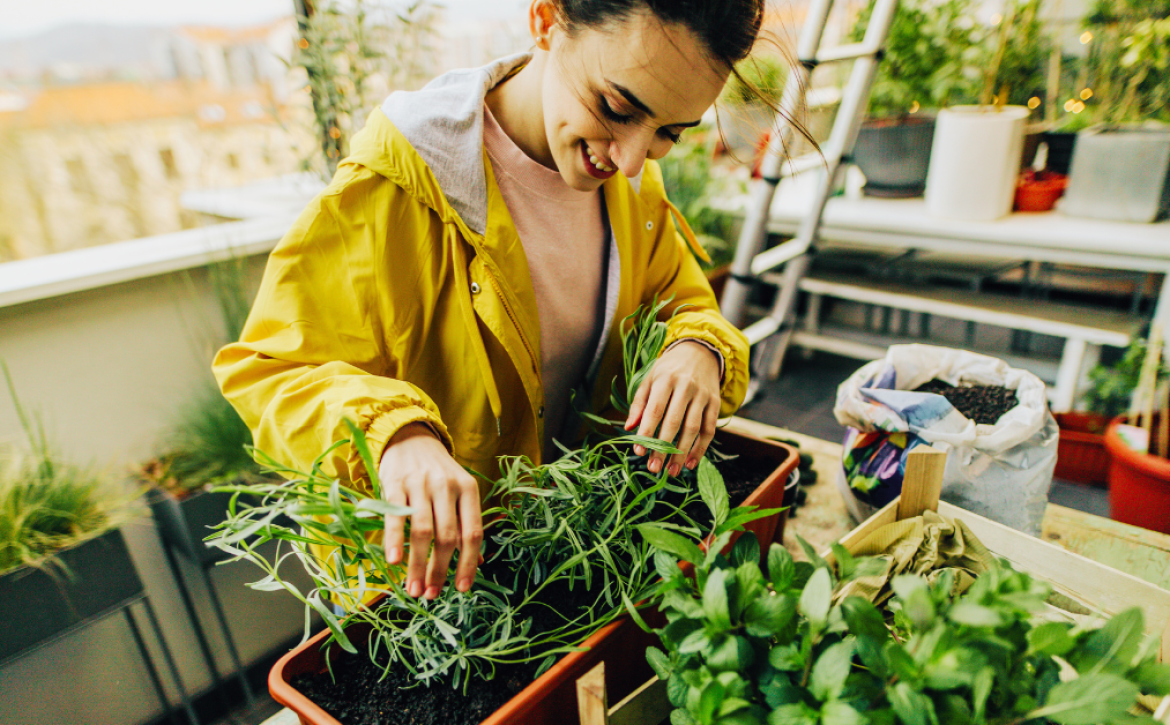
Discover the beauty of #LincolnPark and transform your balcony into a garden paradise! Our latest article shares tips on how to incorporate the park’s natural elements into your outdoor space.
Add some drama to your garden. Check out our latest blog post on Elephant Ear Plants! Learn how to grow these stunning plants both indoors and outdoors with our expert tips.
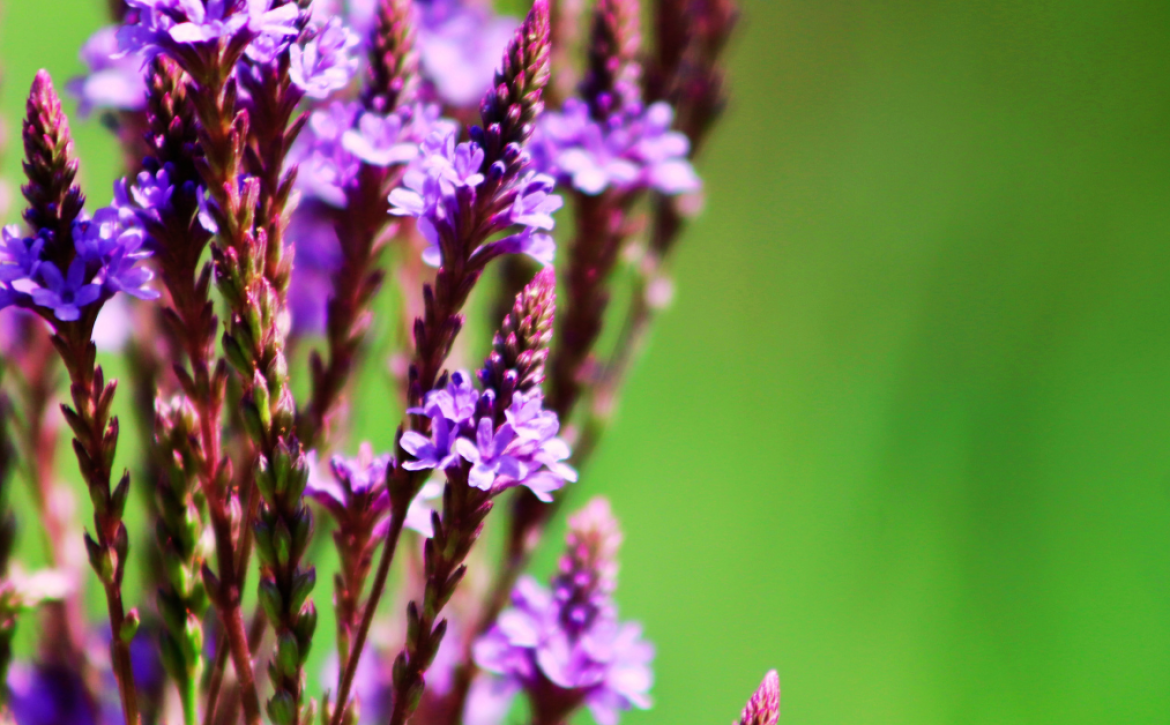
Looking for a beautiful and versatile plant for your balcony garden? Check out our latest post on growing and caring for balcony garden verbena! Our tips will help you keep your verbena healthy and blooming all season long.
If you’re an avid gardener or just starting to get your hands dirty, you know that fertilizing your plants is essential for their growth and health. While there are many commercial fertilizers available on the market, making your own DIY fertilizers can be a cost-effective and environmentally-friendly alternative. DIY fertilizers are natural and homemade, and they can be tailored to suit the specific needs of your plants.
One of the benefits of DIY fertilizers is that they are often made from ingredients that are readily available in your kitchen or backyard. For example, eggshells, coffee grounds, and banana peels are all common household items that can be used to make fertilizer. By repurposing these items, you can reduce waste and save money on expensive commercial fertilizers. Additionally, DIY fertilizers are often organic and free from harmful chemicals, making them a healthier option for your plants and the environment.
There are many different types of DIY fertilizers that you can make, each with its own unique benefits. For example, compost tea is a liquid fertilizer that is made by steeping compost in water. This fertilizer is rich in nutrients and beneficial microorganisms that can help improve soil health and plant growth. Another popular DIY fertilizer is fish emulsion, which is made by blending fish scraps with water. This fertilizer is high in nitrogen and is ideal for promoting leafy growth in plants. Whether you’re looking to boost the overall health of your garden or address a specific issue, there is a DIY fertilizer that can help.
Understanding Fertilizers
When it comes to fertilizers, there’s a lot to understand. Whether you’re interested in DIY fertilizers, natural fertilizers, or homemade fertilizers, it’s important to have a basic understanding of what fertilizers are and how they work.
At its most basic level, a fertilizer is any substance that is added to soil or plants to help them grow. Fertilizers can be organic or inorganic, and they can come in many different forms, including powders, liquids, and granules.
Most fertilizers contain three key nutrients that plants need to grow: nitrogen, phosphorus, and potassium. These nutrients are often referred to as NPK, and you’ll see these letters on many fertilizer packages.
Different plants have different nutrient needs, so it’s important to choose a fertilizer that is appropriate for the plants you’re growing. For example, if you’re growing vegetables, you’ll want a fertilizer that is high in nitrogen, which promotes leafy growth.
If you’re interested in DIY fertilizers, there are many different recipes and methods out there. Some popular options include compost tea, which is made by steeping compost in water, and fish emulsion, which is made by fermenting fish scraps.
Natural fertilizers, such as manure and bone meal, are also popular options for gardeners who want to avoid synthetic chemicals. These fertilizers are made from natural sources and are often rich in nutrients.
Homemade fertilizers can be a great option for gardeners who want to save money and reduce waste. By using kitchen scraps and other household materials, you can create a nutrient-rich fertilizer that is tailored to your specific needs.
Overall, understanding fertilizers is an important part of gardening. By choosing the right fertilizer for your plants and using it correctly, you can help your garden thrive and produce a bountiful harvest.
Advantages of DIY Fertilizers
If you’re looking for an affordable and eco-friendly way to fertilize your garden, then making your own DIY fertilizers is a great option. DIY fertilizers can offer several advantages over traditional fertilizers, including:
Cost-Effective
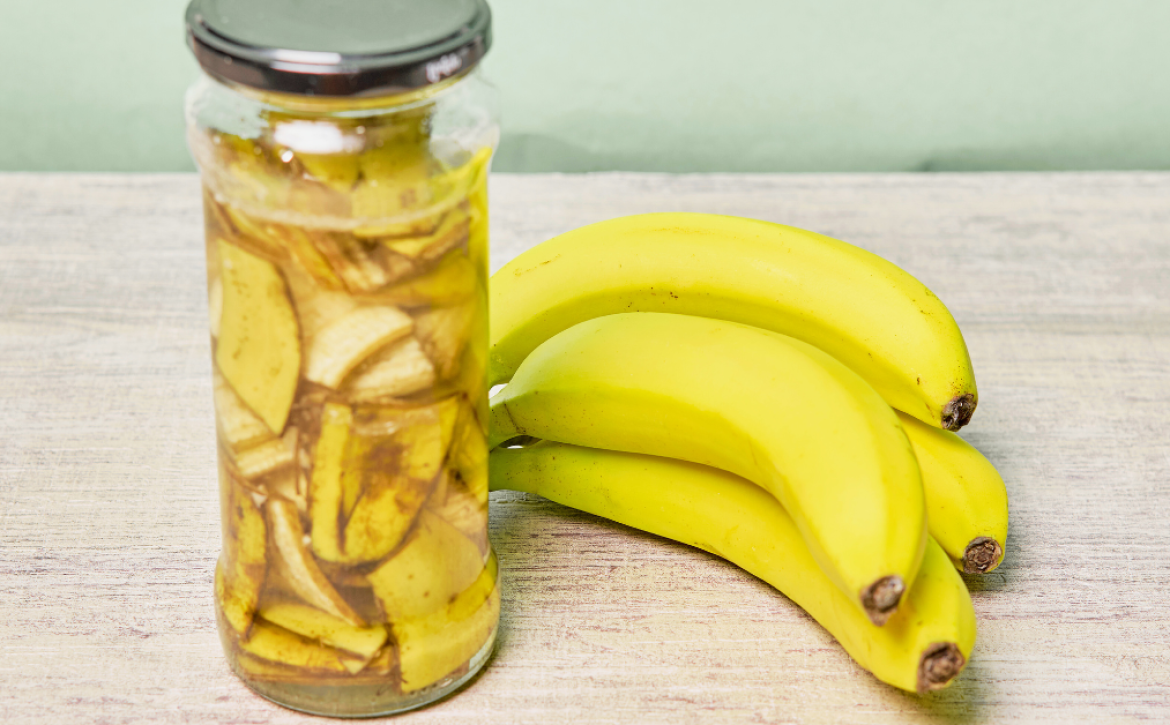
One of the primary advantages of DIY fertilizers is that they are often much cheaper than store-bought fertilizers. You can make DIY fertilizers using common household items, such as coffee grounds, eggshells, and banana peels, which means you don’t have to spend a lot of money on expensive fertilizers.
Natural and Organic
DIY fertilizers are also a great option if you’re looking for natural and organic ways to fertilize your plants. Many store-bought fertilizers contain synthetic chemicals that can be harmful to the environment and your health. DIY fertilizers, on the other hand, are made from natural ingredients that are safe for your plants and the environment.
Customizable
Another advantage of DIY fertilizers is that they are customizable. You can adjust the ingredients and ratios to meet the specific needs of your plants. For example, if your plants need more nitrogen, you can add more nitrogen-rich ingredients to your DIY fertilizer.
Easy to Make
DIY fertilizers are also very easy to make. Most recipes require only a few ingredients and can be made in just a few minutes. You don’t need any special equipment or expertise to make DIY fertilizers, which makes them accessible to everyone.
Overall, DIY fertilizers offer several advantages over traditional fertilizers. They are cost-effective, natural and organic, customizable, and easy to make. So, why not give DIY fertilizers a try and see the benefits for yourself?
Types of Natural Fertilizers
Making your own natural fertilizers is a great way to save money and reduce your environmental impact. Here are some types of natural fertilizers that you can make at home:
Compost
Compost is a great natural fertilizer that you can make from kitchen scraps, yard waste, and other organic matter. Composting is easy and can be done in a compost bin or pile. The resulting compost is rich in nutrients and can be used to fertilize your garden.
Animal Manure
Animal manure is another great natural fertilizer that can be used to fertilize your garden. You can use manure from cows, horses, chickens, and other animals. Manure is rich in nitrogen, phosphorus, and other nutrients that plants need to grow.
Green Manure
Green manure is a type of natural fertilizer that is made by planting cover crops, such as clover or alfalfa, and then tilling them back into the soil. This helps to improve soil fertility and structure, and can also help to control weeds.
Bone Meal
Bone meal is a natural fertilizer that is made from ground animal bones. It is rich in phosphorus, which is an important nutrient for plant growth. Bone meal is especially useful for plants that need a lot of phosphorus, such as tomatoes and peppers.
Fish Emulsion
Fish emulsion is a natural fertilizer that is made from fish waste. It is rich in nitrogen, which is an important nutrient for plant growth. Fish emulsion is especially useful for plants that need a lot of nitrogen, such as leafy greens and corn.
Natural fertilizers are a great way to fertilize your garden without using harmful chemicals. They are easy to make and can be very effective. By using natural fertilizers, you can help to improve the health of your soil and the quality of your crops.
How to Make Homemade Fertilizers
Making your own DIY fertilizers is an easy and cost-effective way to provide your plants with the nutrients they need to thrive. Here are some simple ways to make your own homemade fertilizers using kitchen scraps, grass clippings, coffee grounds, and eggshells.
Kitchen Scraps
Kitchen scraps such as fruit and vegetable peels, eggshells, and coffee grounds can be turned into a nutrient-rich fertilizer for your plants. Simply collect your kitchen scraps in a compost bin and let them decompose over time. Once the scraps have broken down, you can mix the compost into your soil or use it as a top dressing around your plants.
Grass Clippings
Grass clippings are an excellent source of nitrogen for your plants. Simply collect your grass clippings and spread them around the base of your plants. Be sure to spread the clippings thinly to prevent them from clumping together and blocking air and water from reaching the roots.
Coffee Grounds
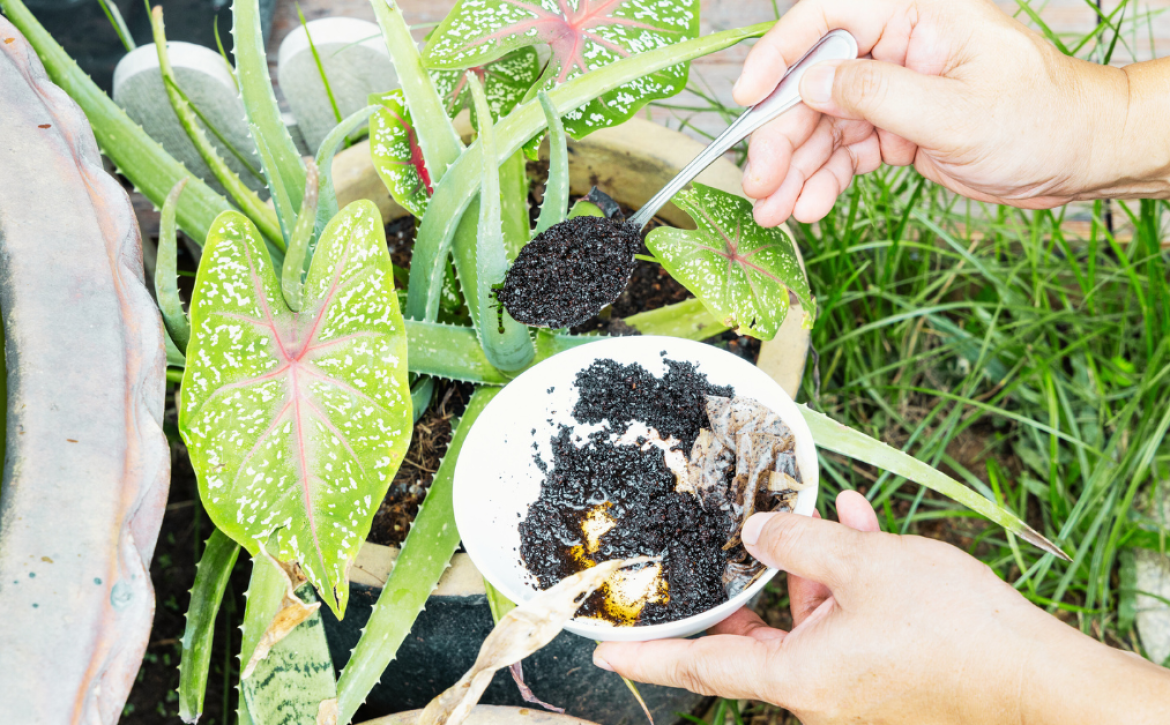
Coffee grounds are a great source of nitrogen, phosphorus, and potassium, making them an excellent fertilizer for your plants. Simply sprinkle the coffee grounds around the base of your plants or mix them into your soil. Be sure to use coffee grounds in moderation, as too much can make your soil acidic.
Eggshells
Eggshells are a great source of calcium for your plants. Simply crush up your eggshells and sprinkle them around the base of your plants or mix them into your soil. Be sure to rinse the eggshells thoroughly before using them to remove any residue that may attract pests.
By using these simple DIY fertilizers, you can provide your plants with the nutrients they need to grow strong and healthy. Plus, you’ll be reducing waste and saving money in the process.
Safety Measures in DIY Fertilizers
When it comes to making your own fertilizers, safety should always be a top priority. Here are some safety measures you should take to ensure that your DIY fertilizers are safe for you and the environment:
Protective Gear
Wear protective gear such as gloves, goggles, and a mask when handling chemicals and mixing ingredients. This will protect your skin, eyes, and lungs from harmful substances.
Proper Storage
Store your DIY fertilizers in a cool, dry, and well-ventilated area. Keep them out of reach of children and pets. Label each container with the name of the fertilizer and its ingredients.
Proper Disposal
Dispose of leftover fertilizers properly. Do not pour them down the drain or throw them in the trash. Contact your local waste management facility to find out how to dispose of hazardous waste.
Ingredient Safety
Research the safety of each ingredient you plan to use in your DIY fertilizer. Some ingredients can be harmful to humans, animals, and the environment. Use only ingredients that are safe and non-toxic.
Mixing Safety
Mix your DIY fertilizer in a well-ventilated area. Wear protective gear and avoid inhaling the fumes. Mix the ingredients thoroughly and follow the instructions carefully.
Testing
Test your DIY fertilizer on a small area before using it on your entire garden. This will help you determine if it is safe and effective.
By following these safety measures, you can ensure that your DIY fertilizers are safe and effective. Remember to always prioritize safety when making and using your own fertilizers.
Conclusion
In conclusion, creating your own DIY fertilizers can be a great way to save money and reduce waste. By using natural and homemade fertilizers, you can avoid harmful chemicals and ensure that your plants are getting the nutrients they need to thrive.
When it comes to DIY fertilizers, there are many options to choose from. Natural fertilizers like compost, manure, and bone meal can be effective and easy to make at home. Homemade fertilizers like banana peel fertilizer and vinegar fertilizer can also be effective and affordable.
However, it is important to do your research and make sure that you are using the right type of fertilizer for your plants. Some plants may require specific nutrients, and using the wrong type of fertilizer can actually harm your plants.
Overall, DIY fertilizers can be a great way to take control of your gardening and ensure that your plants are getting the nutrients they need to thrive. Whether you choose to use natural fertilizers, homemade fertilizers, or a combination of both, be sure to do your research and experiment to find what works best for your plants.
Frequently Asked Questions
What are some natural fertilizers for grass?
There are many natural fertilizers that can be used for grass, such as compost, manure, and bone meal. Compost is made from decomposed organic matter and is rich in nutrients that plants need to grow. Manure is also a great natural fertilizer, especially for grass, as it contains high levels of nitrogen, which is essential for healthy grass growth. Bone meal is another natural fertilizer that is made from ground-up animal bones and is rich in phosphorus, which is important for root development.
How can I make organic fertilizer from kitchen waste?
Making organic fertilizer from kitchen waste is easy and can be done by composting. Collect your kitchen waste, such as fruit and vegetable scraps, eggshells, and coffee grounds, and add them to a compost bin or pile. Add some yard waste, such as leaves or grass clippings, and mix it all together. Over time, the compost will break down and turn into a nutrient-rich fertilizer that can be added to your garden or lawn.
What are the steps to make organic fertilizer?
To make organic fertilizer, you will need to gather some organic materials, such as compost, manure, or bone meal. Mix these materials in a container or bin and add some water to create a moist mixture. Let the mixture sit for a few weeks, stirring it occasionally, until it has decomposed into a dark, crumbly substance. This can then be used as a natural fertilizer for your plants.
What is a good homemade liquid fertilizer?
A good homemade liquid fertilizer can be made using compost tea. To make compost tea, fill a bucket with water and add some compost. Let the mixture sit for a few days, stirring it occasionally, until it has turned into a dark, nutrient-rich liquid. Strain out the solids and use the liquid as a fertilizer for your plants.
How can I make nitrogen-rich fertilizer at home?
To make nitrogen-rich fertilizer at home, you can use coffee grounds or grass clippings. Both of these materials are high in nitrogen and can be added to your compost pile or used as a top dressing for your plants. Another option is to use blood meal, which is a byproduct of the meat industry and is rich in nitrogen.
What is the best homemade fertilizer for flowering plants?
The best homemade fertilizer for flowering plants is one that is high in phosphorus, which is essential for flower production. Bone meal is a great option for a phosphorus-rich fertilizer, as it is made from ground-up animal bones and is easily absorbed by plants. Another option is to use fish emulsion, which is made from fish waste and is high in both nitrogen and phosphorus.
For some great ways to use these natural fertilizers, here are some articles by Balcony Garden Paradise:
Transform your windy balcony into a green oasis with our tips and tricks for balcony gardening! From selecting the right plants to container gardening, we’ve got you covered. Check out our latest blog post for more inspiration!
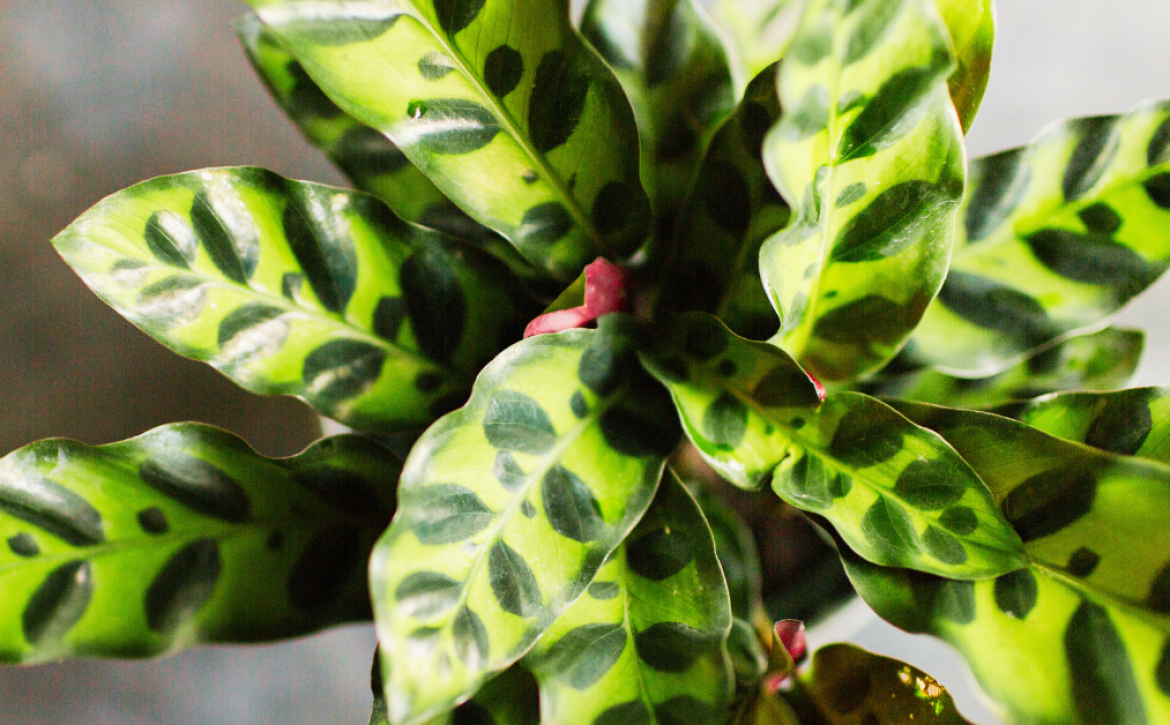
Are you looking to add some greenery to your balcony garden? Look no further than Rattlesnake Plants! These beautiful plants are easy to care for and will add color and texture to your outdoor space.

 Lisa Woods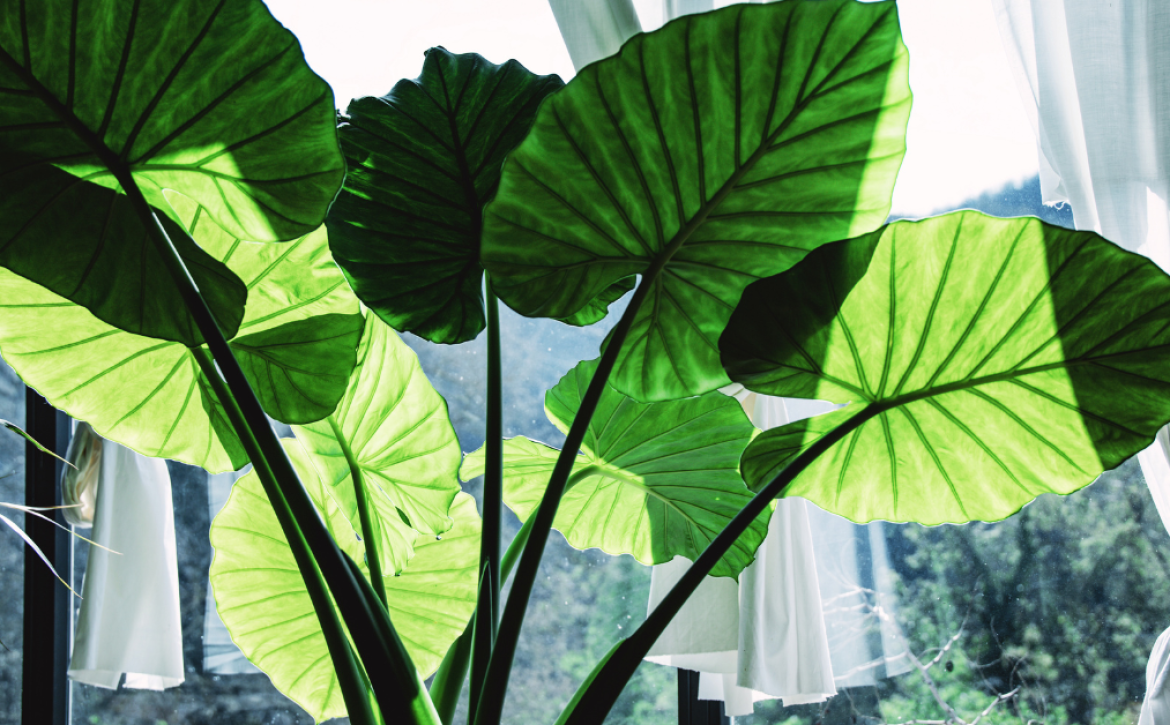
 welcome@balconygardenparadise.com