Balcony Garden Paradise is reader-supported. When you buy through links on our site,
we may earn a small affiliate commission. Happy Gardening from the team! 🌿
Vertical gardening is a clever way to expand your love for plants without needing abundant horizontal space. Whether you live in an apartment with a small balcony or have a compact backyard, this innovative gardening approach lets you cultivate a variety of plants in a limited area. By growing upwards instead of outwards, you can use vertical spaces such as walls, trellises, and fences to create your garden oasis.
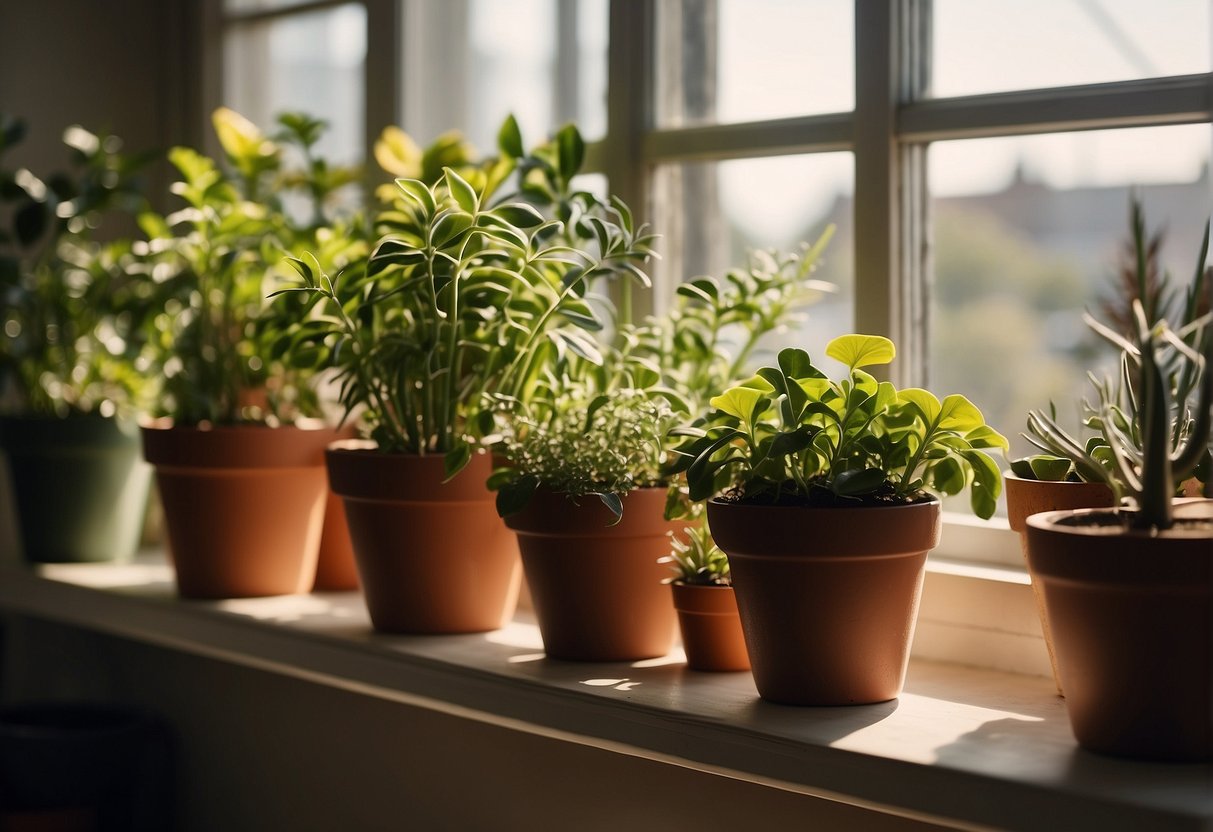
For beginners, starting a vertical garden is less daunting than it seems, with numerous easy-to-follow guides and ideas available to help you get started. You’ll find that it’s not only about saving space; vertical gardening also offers easier maintenance, potential for greater yields, and a unique visual appeal. Your vertical garden could become a lively feature of your living space, showcasing anything from lush foliage and beautiful flowers to fresh herbs and vegetables.
Selecting the right plants and structures is crucial to your success when starting your vertical gardening journey. Opt for plants that thrive in your climate and have suitable growth habits for vertical cultivation. Lightweight and flexible choices work best, allowing for easier manipulation and care. Furthermore, investing in the appropriate vertical supports, such as modular planters and climbing frames, ensures that your vertical garden is stable and aesthetically pleasing. With some planning and creativity, your vertical garden will thrive, providing a lush and enticing focal point in your home.
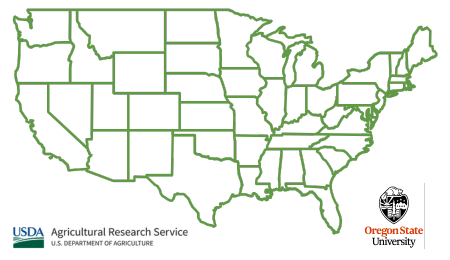
The 2023 USDA Plant Hardiness Zone Map was created by Oregon State University (PRISM Climate Group) and released by the USDA.
Understanding Vertical Gardening
Vertical gardening is a technique that allows you to grow plants upward rather than sprawling outwards, maximizing your growing space while saving on ground area.
The Basics of Vertical Gardening
Your journey into vertical gardening begins with understanding that you can transform practically any vertical surface into a productive garden. Vertical gardens consist of various planting systems like trellises, wall planters, and tower gardens. They are adaptable to various plants, from herbs and flowers to fruits and vegetables. When planning your vertical garden layout, consider the light requirements of your plants; some may need full sun, which means at least six hours of direct sunlight daily.
Benefits of Vertical Gardening
Vertical gardening not only saves space but also provides a multitude of benefits:
- Improved Air Circulation: Plants have less exposure to soil-borne diseases due to better air movement around the foliage.
- Ease of Maintenance: Harvesting and monitoring are more convenient at eye level, reducing the need for bending and squatting.
- Enhanced Plant Health: With proper sun exposure, plants in vertical setups often exhibit robust growth and vigor.
Choosing the Right Location
Selecting the ideal location is crucial for the success of your vertical garden. Look for a spot that receives adequate sunlight throughout the day—south-facing spaces often provide the best sun exposure for plants that require full sun. Moreover, ensure that the site is protected from strong winds, which could damage your vertical structure or dehydrate your plants. Remember, the right balance of light and protection will create a thriving vertical garden.
Planning Your Vertical Garden
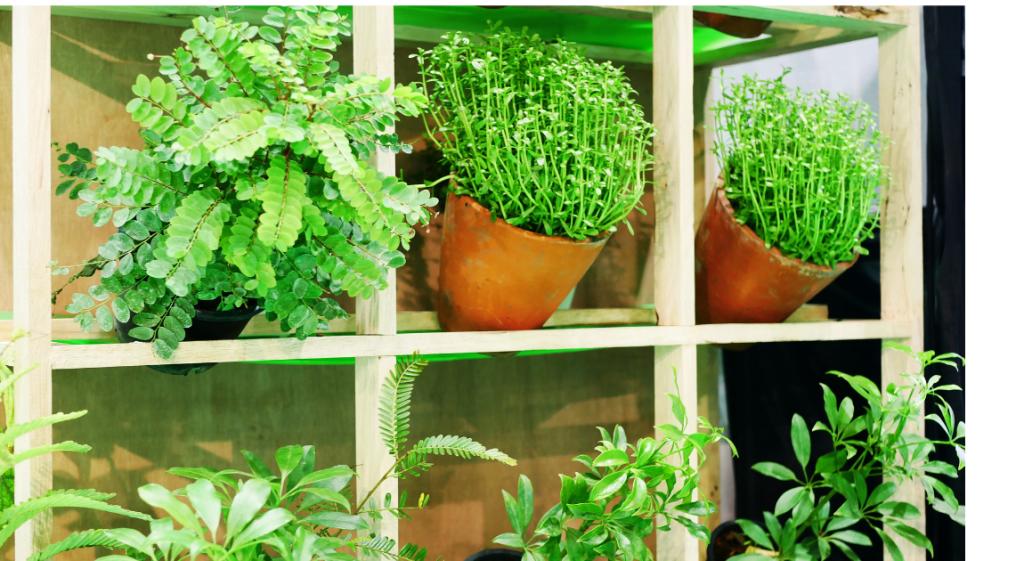
Embarking on your vertical gardening venture requires thoughtful consideration of the layout and the specific types of plants that will create your green haven. It’s essential to figure out the spatial arrangement and aesthetics to ensure your vertical garden thrives and enhances your living space.
Determining the Size and Scale
Begin by assessing the area where you will install your vertical garden. Measure the height and width of the space to understand the potential size and scale of your garden. If you’re short on space, take advantage of vertical surfaces such as walls, balcony railings, or even hanging structures. Always account for plant growth and ensure there’s adequate room for maintenance activities.
- Height: Aim for a manageable height to facilitate easy watering and pruning.
- Width: A narrower garden might fit better in small spaces, but consider plant spread.
Selecting Suitable Plants
Your choice of plants plays a pivotal role in the garden’s success. Opt for a mix of plants that share similar light and water requirements. If you’re a beginner, start with resilient species like succulents or ivy, which are more forgiving and easier to maintain. As you gain confidence, you can introduce more varieties. Here’s a quick list of plants suitable for beginners:
- Succulents: Require minimal water and thrive in direct sunlight.
- Ferns: Perfect for shady spots with high humidity.
- Herbs: Ideal for culinary enthusiasts with limited space.
Design Tips for Aesthetic Appeal
A visually appealing vertical garden combines functionality with aesthetic appeal. Work on a design that not only suits your practical needs but also complements your living space. Use contrasting plant textures and colors to create visual interest. Implement these design tips to enhance the beauty of your garden:
- Color Harmony: Group plants with complementary colors for a cohesive look.
- Texture Variation: Mix leafy plants with those having rigid or spiky forms for contrast.
By planning carefully and selecting the right plants and design elements, your vertical garden will be both a lush green space and an attractive feature in your home.
Setting Up the Structure
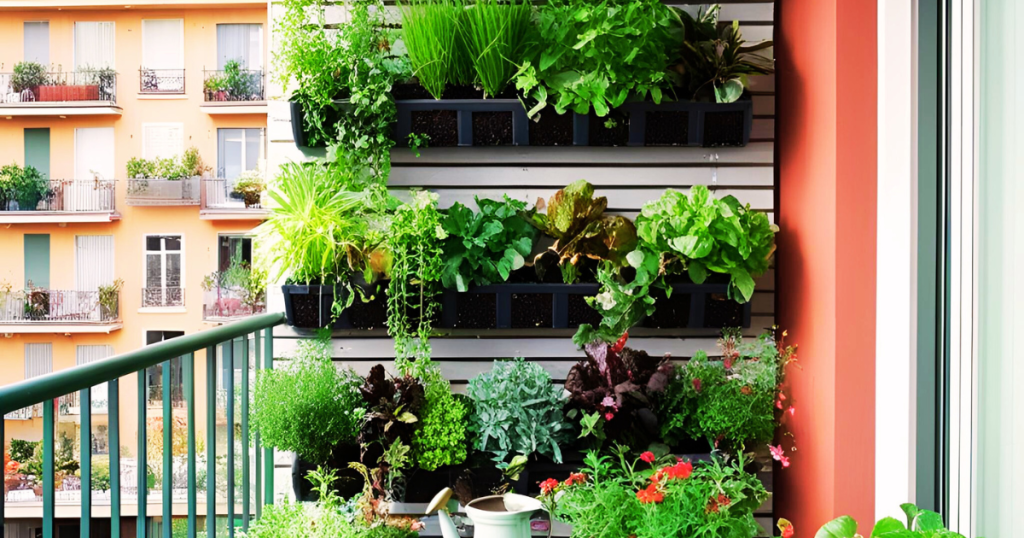
When embarking on vertical gardening, the foundation is your structure. It needs to be strong enough to support the weight of plants and soil while being versatile to accommodate different plant types.
Types of Vertical Structures
Your vertical garden structure should both fulfill functional requirements and match your aesthetic preferences. Trellises are a classic choice, suitable for climbing plants like ivy or certain vegetables. Living walls and green walls are more contemporary options, allowing for a variety of plants to grow directly on a wall structure. Pallet gardens provide a rustic look and make use of reclaimed materials for eco-friendly gardening. Garden arches, arbors, and pergolas can also serve as vertical gardening spaces, adding structure and height to your garden.
DIY Vertical Garden Options
If you prefer a personalized touch, DIY vertical gardens offer the freedom to create a garden that fits your unique space. A pallet garden involves securing a wooden pallet vertically and adding planters – it’s cost-effective and customizable. Trellises can be crafted from a variety of materials, such as wood, metal, or even repurposed items for climbing plants. Remember to ensure the strength and weight capacity of your homemade structures to avoid accidents.
Pre-made Vertical Gardening Kits
For convenience, pre-made vertical gardening kits are readily available. These kits come with all the necessary components, including planters and supporting structures, for a quick and straightforward setup. When selecting a kit, pay attention to the material’s strength and weight capacity to support your garden as it grows. Whether it’s a living wall kit for your kitchen herbs or a green wall for outdoor spaces, these kits simplify the vertical gardening process.
Planting and Growing
In this section, you’ll learn about the best practices for preparing your vertical garden’s foundation, planting strategies geared towards climbing and vining plants, and the essentials of ongoing plant care to ensure a healthy, thriving garden.
Soil Considerations and Preparation
Your vertical garden’s success starts with the right soil mix. For containers, a well-draining, nutrient-rich potting mix is essential. If you’re considering hydroponics, soil is replaced by a nutrient solution that provides all the necessary elements for plant growth. Whether you’re planting beans, peas, or tomatoes, make sure your soil is loose enough to promote root growth and water retention without becoming waterlogged. Add compost to enrich the soil and boost plant health.
Ideal Soil Mix for Containers:
- 60% Potting soil
- 30% Compost
- 10% Perlite or vermiculite
For those planting in garden beds, preparing the soil with organic matter and ensuring adequate drainage is key.
Planting Techniques and Training
When planting vining or climbing plants like beans, peas, cucumbers, or tomatoes, support structures such as a trellis or espalier are crucial. These structures allow the plants to grow upwards and are vital for a vertical garden. After planting, train your young plants to climb by gently tying them to the supports with soft garden ties.
Training Vines on a Trellis:
- Place the trellis near the plant at the time of planting.
- As plants grow, guide the vines along the trellis.
- Secure loosely with ties to allow for growth.
For fruit trees and certain types of vining tomatoes, consider training them to grow flat against a vertical surface or in a specific pattern that promotes optimal light exposure and air circulation.
Maintenance and Care
Regular maintenance keeps your vertical garden healthy. This includes monitoring water levels, especially in soil-less systems like hydroponics, where water and nutrients are circulated. For plants in containers, water when the top inch of soil feels dry.
Weekly Maintenance Checklist:
- Check soil moisture
- Inspect for pests and diseases
- Prune as necessary to promote growth
- Ensure ties and supports are secure but not constricting
Additionally, supplement with a balanced fertilizer according to the needs of your plants, whether they are leafy greens like lettuce and herbs or fruiting varieties like cucumbers and vining tomatoes. Trim and prune regularly to encourage new growth and air flow, which is essential for plants like beans and peas that can become dense.
Remember, different plants have different care requirements, so tailor your maintenance routine to suit your garden’s specific needs.
Irrigation and Fertilization
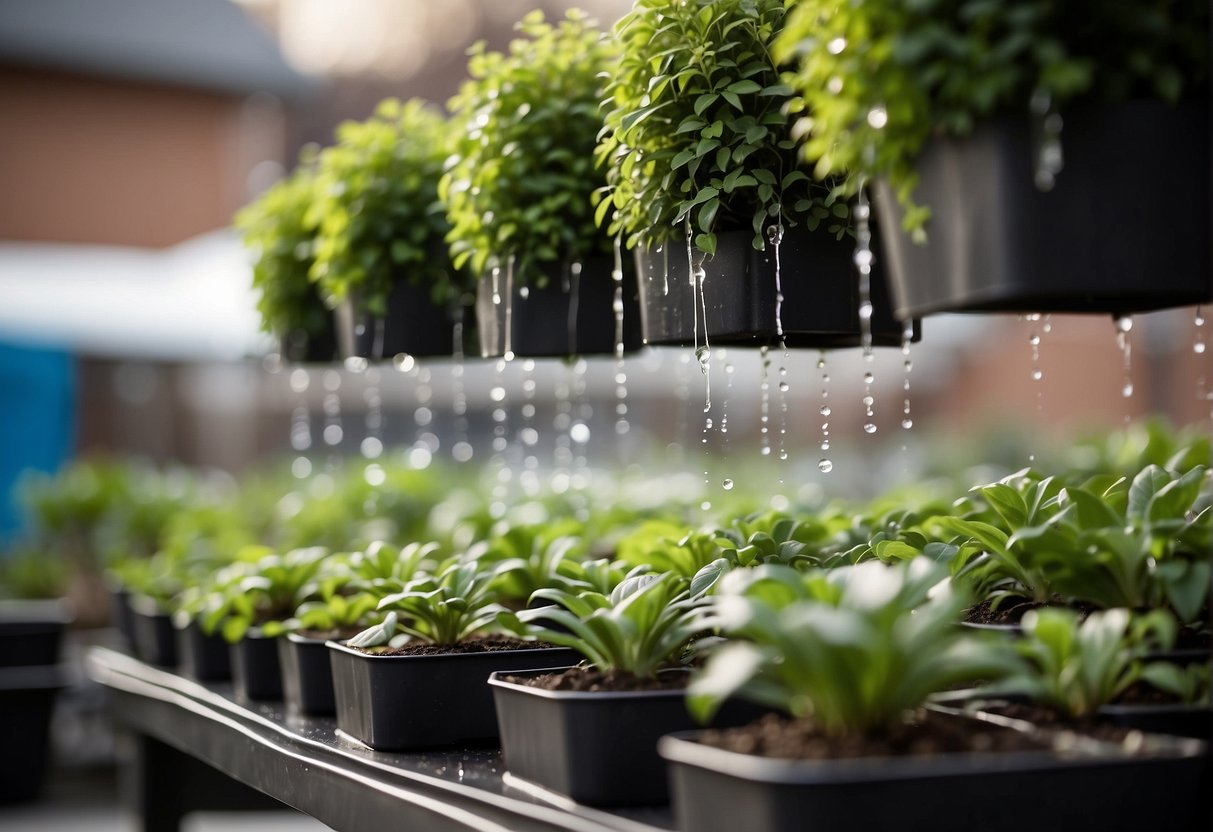
Proper irrigation and fertilization are critical to the health and success of your vertical garden. These systems ensure that your plants receive the right amount of water and nutrients essential for their growth.
Watering Systems for Vertical Gardens
For vertical gardens, an efficient watering system is vital. Drip irrigation is highly effective, as it delivers water directly to the roots of your plants, minimizing waste. You can set up a basic drip system with a network of tubing and emitters that distribute water evenly across your garden. Alternatively, consider a soaker hose system, which is easy to install and ideal for smaller vertical gardens.
Drainage and Air Circulation
Drainage and air circulation play significant roles in plant health. Ensure your vertical garden has a method to drain excess water, which will prevent root rot and other water-related diseases. Incorporate a space or barrier between the wall and your plants to promote air circulation. This spacing also allows the water to drain away efficiently.
Fertilizing Your Vertical Garden
Plants in vertical gardens may require more frequent fertilizing than those in traditional gardens due to the potential for nutrient run-off. Use a water-soluble fertilizer to provide your plants with the essential nutrients they need to thrive. Apply the fertilizer according to the product’s instructions, and consider the specific needs of your plants; some may require more nitrogen, while others may need more phosphorous or potassium.
Managing Garden Health
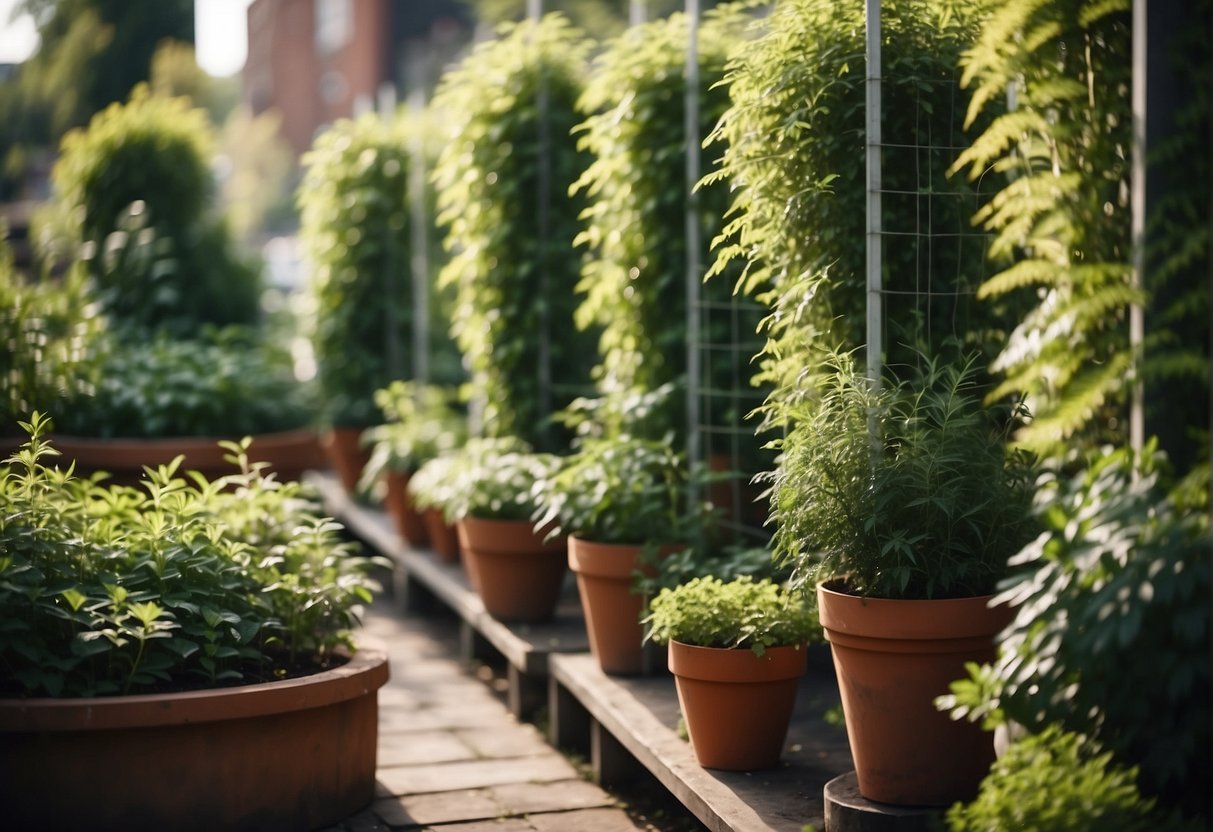
Maintaining a healthy vertical garden involves proactive pest control, disease prevention, and optimizing plant vitality. It’s crucial to implement strategies that address each of these areas to ensure your garden thrives.
Preventing and Treating Pests
To prevent pests in your vertical garden, regularly inspect your plants for signs of infestation. Introduce beneficial insects like ladybugs that feed on common pests such as aphids. For treatment, use neem oil or insecticidal soap sprays, which are effective against a wide range of insects and are safe for most plants.
- Common pests to watch out for include:
- Aphids
- Spider mites
- Whiteflies
Dealing With Diseases
Vertical gardens can be susceptible to fungal diseases, particularly if airflow is inadequate or humidity levels are too high. Ensure proper spacing between plants for air circulation and consider using a fan if necessary. If you spot signs of disease, such as discolored leaves or rot, remove the affected parts immediately. For persistent issues, apply a fungicide that’s suitable for the type of plants you are growing.
- Signs of disease include:
- Leaf spots
- Powdery mildew
- Root rot
Optimizing Plant Health
Plant health is closely tied to light requirements and soil health. Ensure that each plant receives the amount of light it needs, whether through natural sunlight or supplemental grow lights. Test your soil regularly to maintain proper pH levels and nutrient content, and amend it with organic matter to promote beneficial microorganisms. Healthy soil leads to robust plants that are better equipped to resist pests and diseases.
- Tips for soil and light management:
- Use a soil test kit to check pH and nutrient levels.
- Install grow lights for plants with high light requirements.
- Add compost to enrich soil health.
Harvesting and Upkeep
Understanding the nuances of harvesting and ensuring diligent maintenance are pivotal to the health and productivity of vertical gardening. Here’s how to reap the benefits efficiently while keeping your garden vibrant throughout the seasons.
Best Practices for Harvesting
When harvesting from your vertical garden, gentle handling is key to avoid damaging the plants and their support structures. Start by harvesting the mature produce at the peak of ripeness to ensure the best flavor and nutritional value.
- Height considerations: For higher-level plants, use a step stool or a reaching tool to safely harvest without straining.
- Sequential harvesting: Remove ripe produce sequentially; this not only makes room for the remaining growth but often stimulates further production.
Remember to check each plant from different angles as some fruits or vegetables might be hidden behind foliage.
Seasonal Maintenance Tips
Regular maintenance of your vertical garden is essential for its long-term success. Adapting your care routine to the changing seasons helps protect plants and maximizes yield.
- Spring: Prepare planters by removing any debris and replenishing soil nutrients.
- Summer: Ensure adequate watering and protect plants from intense heat.
- Autumn: Harvest any remaining produce and prune plants back.
- Winter (if applicable): Implement frost protection measures or move perishable plants indoors.
Pay close attention to the signs of each seasonal shift and adjust your garden’s maintenance schedule accordingly.
Extending the Life of Your Vertical Garden
To create a permanent fixture with your vertical garden, focus on its longevity through thoughtful care and suitable plant selections.
- Material quality: Use high-quality materials resistant to weather and wear for the garden’s framework.
- Soil health: Keep the soil nutrient-rich and well-draining; augment with compost or fertilizer periodically.
- Structural integrity: Regularly inspect and repair any structural damage to maintain a safe and strong garden setup.
By implementing these upkeep strategies, your vertical garden will remain a bountiful and beautiful part of your space through many seasons to come.
Creative Vertical Gardening Ideas
Vertical gardening offers an engaging way to cultivate plants in a small space while adding an aesthetic appeal to your home or garden. Let’s explore some inventive approaches that allow you to grow upwards with ease and style.
Innovative Planters and Containers
Your options for vertical gardening are expanded by using innovative planters and containers. Hanging baskets are a classic choice that can be used to create a cascade of colorful flowers or herbs. They are both functional and decorative, adding depth and vibrancy to any space. Wall pockets, similar to hanging baskets, can be attached to fences or walls, filled with soil, and used to grow an assortment of plants. They are perfect for creating a living wall. Alternatively, tower gardens stand upright, occupy minimal ground space, and can accommodate several plants in one vertical structure.
Decorative Edible Plant Walls
Turning your wall into a decorative edible plant wall is not only visually pleasing but also practical. Imagine picking fresh herbs and greens directly from a wall garden near your kitchen. Pallet gardens are a DIY enthusiast’s delight; by securing a pallet against the wall and inserting pots or creating spaces for soil, you can grow a variety of edible plants. It’s a space-savvy solution that utilizes vertical space effectively, which is especially beneficial for those interested in container gardening.
Unique DIY Projects
For the DIY fans, unique projects can transform your vertical gardening experience. Upcycling materials like old picture frames and wooden pallets is not only cost-effective but also provides a personal touch to your garden. You can create a living piece of art by planting inside a repurposed frame and hanging it on an exterior wall. It makes for an engaging and visually appealing garden feature. DIY pallet gardens can be customized to fit any area, from balcony railings to small patio corners, packing a punch of nature into your urban dwelling.