Balcony Garden Paradise is reader-supported. When you buy through links on our site,
we may earn a small affiliate commission. Happy Gardening from the team! 🌿
Transforming your balcony into an aromatherapy garden is a wonderful way to infuse your outdoor space with fragrances that can relax, invigorate, and delight the senses. Even in the smallest of spaces, such as a high-rise balcony, you can cultivate a selection of plants that bring the powerful benefits of aromatherapy right to your home. These plants not only purify the air but also offer a natural way to enhance your well-being.

With an understanding of which plants to choose, you can create your very own fragrant retreat. Lavender, for example, is renowned for its soothing scent and is a perfect fit for any aromatic balcony garden. It’s easy to grow and its beautiful purple flowers will not only calm your mind but also add a splash of color to your balcony.
Engaging in aromatherapy gardening doesn’t require you to be a horticulture expert. Selecting the right combination of fragrant foliage and colorful blooms, and understanding their care, will allow you to cultivate a space that appeals to the senses. Integrating plants like jasmine, rosemary, and mint, each with their distinctive aromas can help to create an aromatic balcony garden that caters to both aesthetic and therapeutic purposes.

The 2023 USDA Plant Hardiness Zone Map was created by Oregon State University (PRISM Climate Group) and released by the USDA.
Understanding Aromatherapy
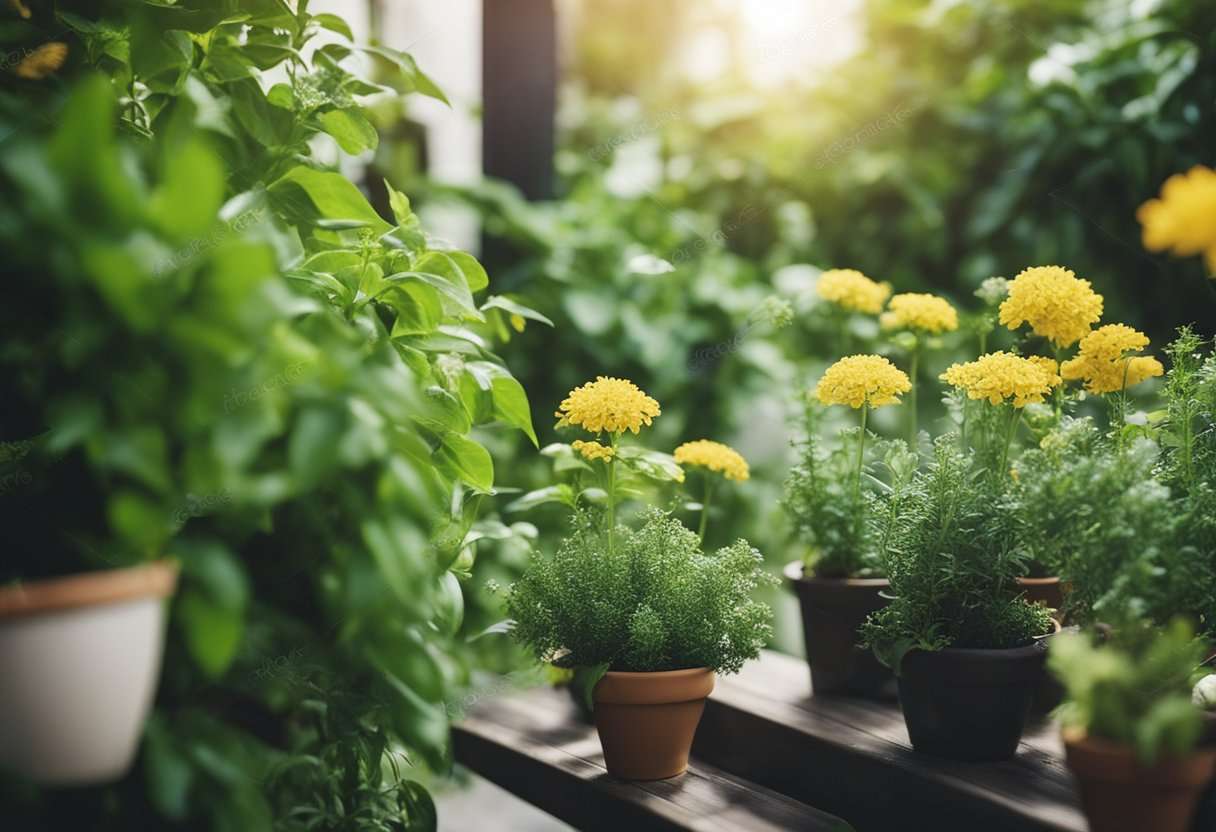
Aromatherapy harnesses the essence of plants in the form of essential oils, unlocking a spectrum of health benefits directly from your balcony garden. Delve into how these oils work and the wellness they can bring into your daily life.
Essential Oils Basics
Essential oils are concentrated extracts obtained from plants, capturing their scents and therapeutic properties. By cultivating aromatic plants on your balcony, you can create your own source of these potent oils. To start, popular plants like lavender and rosemary can be easily grown in pots and later processed into oils.
- Extraction methods: Include steam distillation and cold pressing.
- Usage: Can be inhaled via diffusers, or applied topically when diluted.
Benefits of Aromatherapy
Aromatherapy’s holistic approach can positively affect your physical and emotional health.
- Stress Relief: Inhaling the scent of lavender may reduce anxiety levels.
- Improved Sleep: Oils like chamomile support better sleep patterns.
Keep in mind that these benefits can vary from person to person, and it’s essential to use essential oils safely and responsibly.
Designing Your Balcony Garden

Creating an aromatherapy balcony garden transforms your outdoor space into a haven of fragrance and serenity. This guide will help you maximize your area and choose plants that provide both beauty and therapeutic benefits.
Space Planning
Before you start, assess your balcony’s dimensions and consider the weight capacity. Use a tape measure to find its length and width, giving you the total square footage to work with. Sketch a layout plan, noting areas for larger plants and where you can hang lighter pots or install shelves. Keep in mind the path of the sun; knowing which sections receive full light and which are shaded helps determine plant placement.
Selecting Aromatic Plants
Choose plants not only for their scent but also for their ability to thrive in your balcony’s conditions. For sunny spaces, consider lavender or rosemary, which offer robust fragrances and can tolerate heat. In shadier spots, mint or lemon balm can flourish, providing a fresh aroma with each breeze. Integrate a variety of textures and colors for visual interest, ensuring a continuous display of blooms and scents throughout the seasons. Look for plants that emit scents during different times of the day to enjoy a balcony garden that delights at all hours.
Cultivating Aromatherapy Plants

Creating your own aromatherapy balcony garden involves understanding the specific needs of each plant. Tailoring soil conditions, providing the right amount of water, and ensuring proper sun exposure are all vital for your plants to thrive.
Soil and Water Requirements
Lavender: For lavender to flourish, utilize well-draining soil, as it’s prone to root rot in soggy conditions. Water once or twice a week, allowing the soil to dry out between watering.
- Basil: Prefers moist, fertile soil. Provide regular watering but ensure the pot has good drainage to prevent waterlogging.
Sunlight and Temperature Conditions
- Full to partial sun is ideal.
- Mint is hardy but protect it from extreme temperatures.
Rose:
- Requires at least 6 hours of sunlight daily.
- Thrives in temperate conditions but can tolerate some shade.
Plant Arrangement and Aesthetics
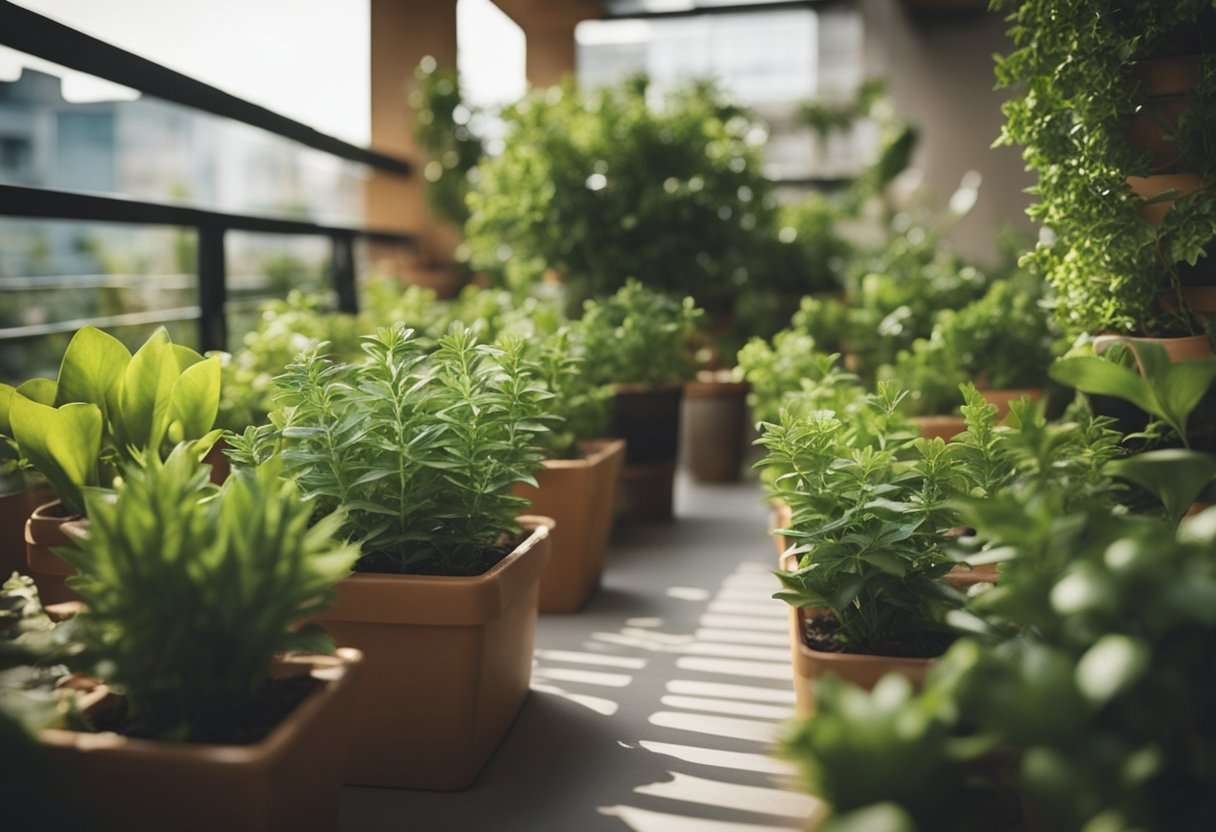
When creating your aromatherapy balcony garden, the arrangement of plants and the overall design aesthetics are crucial. They not only contribute to the garden’s visual appeal but also its ability to provide a fragrant and therapeutic ambiance.
Visual Design Principles
To optimize the visual impact of your balcony garden, consider principles such as balance, contrast, and harmony. Start by selecting pots that complement your outdoor furnishings, creating a cohesive look. Balance can be achieved by placing taller plants like Jasmine, mentioned in Create An Aromatic Balcony Garden, at the back or on the sides of your space, and progressively placing shorter plants towards the front. For contrast, include a variety of textures and colors; perhaps intersperse green leafy plants with bright-colored lavender or roses. Harmony is created when all visual elements of your balcony work together, unified by a consistent theme or pattern, enhancing the overall aesthetic.
Creating an Ambient Atmosphere
To encourage an ambient atmosphere, strategic use of lighting and plant positioning is key. Soft, warm lighting accentuates the plants and allows for evening enjoyment, highlighting their forms and shadows against the balcony’s surface. Position fragrant plants like jasmine, which releases its scent in the evenings, in areas where you’ll spend the most time to maximize their aromatherapy benefits. The sound of rustling leaves or the soft trickle of a water feature can further enhance the calming atmosphere of your garden, making it your own private oasis.
Maintenance and Care
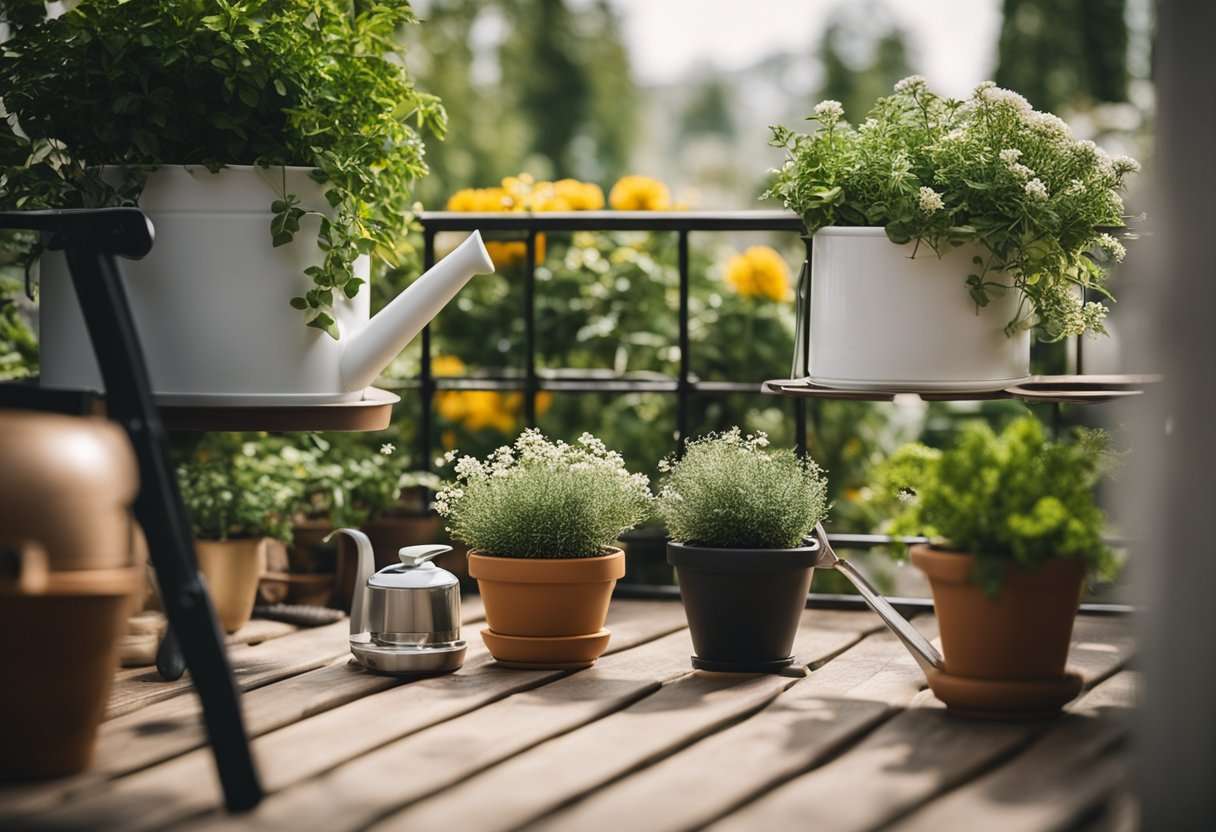
Creating a thriving aromatherapy balcony garden requires diligence and a strategic approach to upkeep. Attention to detail in daily routines and handling pesky intruders will ensure your garden remains a sanctuary of fragrance and tranquility.
Regular Upkeep
Watering: Ensure your plants receive ample water, but avoid overwatering. Use containers with drainage holes to prevent excess water accumulation. Consider the use of watering techniques that conserve water and keep your balcony tidy.
Pruning: Trim and remove dead or fading flowers regularly to promote growth. This will also keep your garden looking fresh and well-maintained.
Pest and Disease Management
Inspection: Regularly inspect your plants for signs of pests or disease. Early detection is key to preventing spread and ensuring the health of your garden.
Natural Remedies: Whenever possible, opt for natural pest control methods. Introduce beneficial insects, like ladybugs, to tackle aphid problems, or use neem oil as a safe, effective treatment for various garden afflictions.
Aromatherapy Practices

Creating an aromatherapy balcony garden allows you to nurture plants that can be used for their therapeutic scents. This endeavor is as rewarding as it is fragrant, promising a sensory-rich space for relaxation and well-being.
Harvesting and Storage
Harvest your balcony garden plants at the peak of their fragrance, usually during the morning when their essential oil content is highest. For leafy herbs like lavender or mint, snip off sprigs as needed, allowing the plant to continue growing. After harvesting, drying is essential. Tie the stems in bunches and hang them in a cool, dark place. Once completely dry, store the materials in airtight containers away from direct sunlight to preserve their aromatic properties.
- Harvest time: Early morning
- Method: Snip sprigs, allowing for regrowth
- Drying: Tie and hang in a cool, dark place
- Storage: Airtight containers, avoid sunlight
Using Plants for Aromatherapy
To utilize your balcony garden plants for aromatherapy, there are several methods to consider:
- Direct Inhalation: Simply crush a leaf between your fingers and inhale deeply to experience instant aromatic relief.
- Essential Oils: Extract oils from your harvested plants through distillation and use them in diffusers or as part of a massage oil.
- Dried Herb Sachets: Fill small cloth bags with dried herbs to create sachets that can be placed throughout your home for continuous fragrance.
Each method offers a unique way to enjoy the therapeutic benefits of your plants. Embrace the process and find what best suits your aromatherapy needs.
Safety Considerations
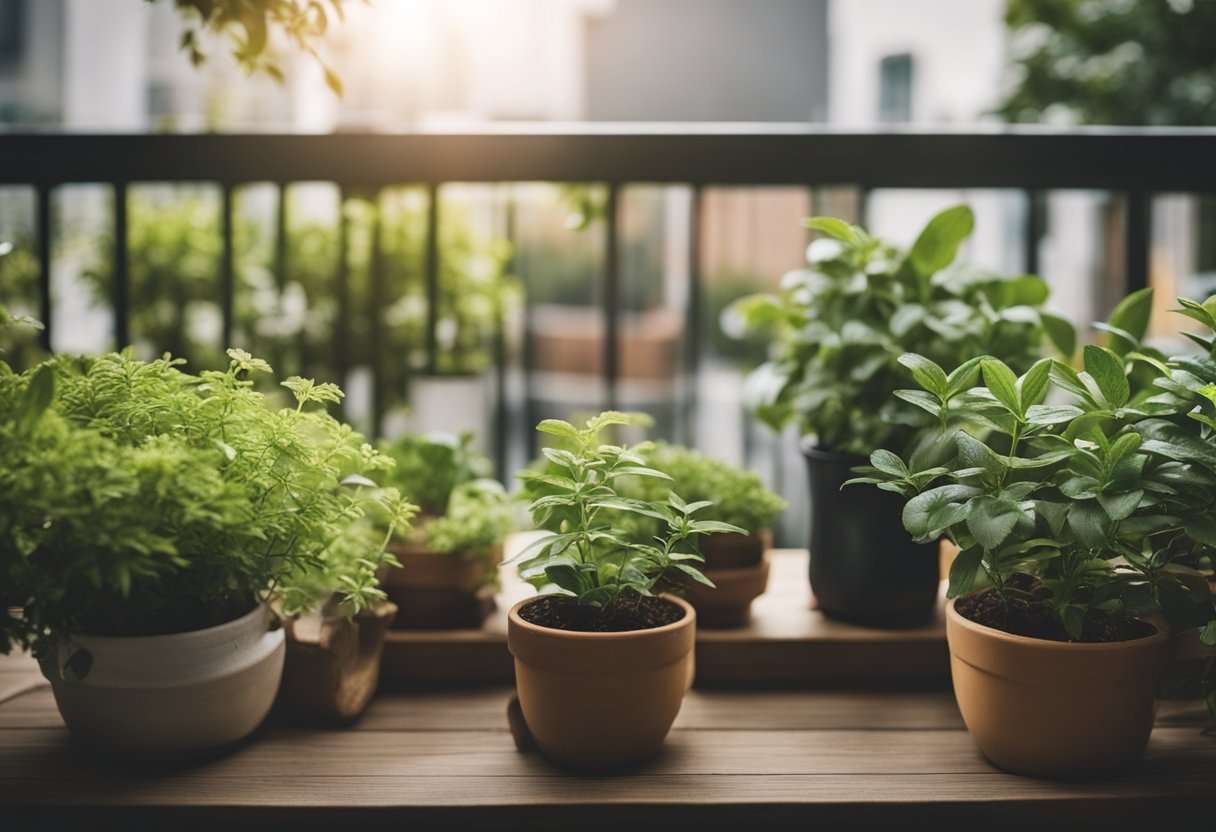
When cultivating your aromatherapy balcony garden, it’s crucial to be aware of the plants and essential oils that are safe to use and those that should be avoided due to potential risks.
Toxic Plants to Avoid
- Oleander: Beautiful but deadly if ingested.
- Foxglove: Digitalis purpurea, can cause heart issues.
Tip: Research each plant before adding it to your garden, ensuring it poses no threat to children or pets who may come into contact with it.
Safe Use of Essential Oils
- Dilution: Essential oils should be diluted before dermal application to prevent skin irritation. For instance, you should mix essential oils with a carrier oil before applying them to the skin. Example: Combine 1-2 drops of lavender oil with a teaspoon of sweet almond oil.
- Inhalation: Inhaling essential oils can have therapeutic benefits, but it must be done safely by using devices like diffusers. Remember, not all essential oils are suitable for everyone; some may trigger allergies or respiratory issues. Always do a patch test before using a new oil and consult with a professional if you’re unsure about the suitability of an oil. Look into guidelines from reputable sources like NAHA for safety practices specific to essential oils.
Expanding Your Aromatherapy Garden

Taking your aromatherapy balcony garden to the next level involves freshening up with new plant varieties and adapting to seasonal shifts. Let’s explore how to diversify your green retreat and keep it thriving throughout the year.
Incorporating New Varieties
To invigorate your senses and enhance the aesthetic appeal, consider adding new fragrant plants. Here’s a quick guide to help you choose:
- For Color and Aromatics: Introduce Pelargonium (scented geraniums), with varieties that smell like apple, mint, or rose.
- For Texture: Add plants like Lamb’s Ear with its soft, fuzzy foliage.
- For Height: Consider Lemon Verbena or Tall Lavender to create a multi-tiered effect.
When selecting plants, consider their light, water, and care requirements to ensure they are compatible with your current garden setup.
Seasonal Changes and Updates
Change is a constant in the gardening world, and adapting your plants to the seasons keeps your balcony garden vibrant:
- Spring Refresh: Swap out winter-hearty plants for early bloomers like primrose or sweet alyssum.
- Summer Transition: Incorporate heat-tolerant species such as citronella and agastache to add to the sensory experience.
Mark down these seasonal transitions in your calendar, so you have a plan for plant rotation that aligns with your local climate, ensuring a year-round aromatic haven.
Frequently Asked Questions

Creating an aromatherapy balcony garden is a delightful way to enhance your home’s relaxation and stress relief zones. These answers to common questions will guide you in nurturing a serene oasis right outside your door.
What are the best plants to include in an aromatherapy balcony garden for relaxation and stress relief?
For relaxation and stress relief, consider planting lavender, chamomile, and jasmine. These plants are known for their calming scents and can help create a tranquil environment on your balcony.
How can you create a DIY aromatherapy garden in a small balcony space?
You can create a DIY aromatherapy garden in a small balcony space by utilizing vertical planters and hanging pots. Choose compact, fragrant plants like sweet alyssum or herbs such as basil and thyme to maximize your area.
In what ways do essential oils from a balcony garden contribute to overall well-being?
Essential oils derived from balcony garden plants like rosemary and peppermint can help improve focus and energy levels. The aromatic properties of these plants can also reduce stress and promote a sense of well-being.
What are the benefits of having an aromatherapy garden on your balcony?
An aromatherapy garden on your balcony can provide sensory stimulation, which promotes relaxation and can alleviate symptoms of anxiety and depression. Additionally, the presence of plants can improve air quality and enhance the aesthetic appeal of your space.
Can essential oils be used to enhance the growth and health of balcony garden plants?
While essential oils are primarily used for their scent and therapeutic properties, some oils have been known to possess antibacterial and antifungal qualities that may help protect plants against certain pests and diseases.
What steps should be taken to start an aromatherapy garden on a balcony?
To start an aromatherapy garden on a balcony, first assess your space for sunlight and choose plants accordingly. Prepare the soil with proper nutrients and ensure adequate drainage. Begin with easy-to-grow plants such as herbs and add in a mix of perennials and annuals for variety. Regular maintenance, including watering and pruning, will keep your garden thriving.
For further reading, check out some of our other titles:
- Balcony Gardening for Beginners: What You Need to Know
- 20 Best Plants for Balconies: Thriving in Sun and Shade
- 10 Feng Shui Tips for Creating a Harmonious Balcony Garden
- Windy Balcony Garden: Tips and Tricks for a Flourishing Outdoor Oasis
- Balcony Garden Verbena: Tips for Growing and Caring for this Beautiful Plant
- 5 Winter Plants That Will Thrive on Your Balcony Garden
- Sweet Alyssum: The Perfect Addition to Your Balcony Garden
- The Ultimate Guide to Creating a Small Balcony Garden
- Your Balcony Garden: Mastering Natural Light for Stunning Plant Imagery
- Balcony Companion Gardening: The Ultimate Guide to Plant Pairing