Balcony Garden Paradise is reader-supported. When you buy through links on our site,
we may earn a small affiliate commission. Happy Gardening from the team! 🌿
Visiting Lincoln Park Zoo in Chicago is a fantastic way to spend a day with family and friends. Not only is it one of the oldest zoos in North America, but it also offers free admission, making it a fun and affordable experience. With over 200 species of animals residing within the zoo, you can witness a wide range of wildlife from lions and tigers to gorillas and lemurs. The zoo strives to provide an enjoyable, educational, and engaging environment for all ages.
While strolling through the zoo, you may even find some inspiration for your own Balcony Garden Paradise. Lincoln Park Zoo’s commitment to conservation efforts and protecting endangered species makes it an excellent place to learn about biodiversity and sustainable practices for your own garden. So, don’t miss this incredible opportunity to immerse yourself in the wonders of the animal kingdom and gain valuable knowledge to bring back to your own little paradise.
History of Lincoln Park Zoo
Founding
Lincoln Park Zoo has grown along with the city of Chicago, starting from a small menagerie with a few swans. Over time, it expanded to include a variety of animals. The first director of the zoo, Marlin Perkins, went on to become a well-known television personality and conservationist.

The 2023 USDA Plant Hardiness Zone Map was created by Oregon State University (PRISM Climate Group) and released by the USDA.
Evolution Over the Years
Throughout the years, the zoo has experienced numerous changes and renovations. In the early 20th century, the collection expanded to feature a lion house, monkey house, and elephant house. New additions included a children’s zoo and a farm-in-the-zoo exhibit.
In the 1970s and 1980s, Lincoln Park Zoo underwent a significant renovation and modernization program. Old exhibits were replaced with more naturalistic habitats, enabling visitors to observe animals in realistic environments. The zoo became increasingly focused on conservation and education, implementing programs to help visitors learn about animals and habitats.
Nowadays, Lincoln Park Zoo is among the oldest and most respected zoos in the country. Home to over 1,000 animals from 200 species, it attracts millions of visitors annually. The zoo is a leader in conservation and research, with efforts to protect endangered species and preserve their habitats. You can also find information on creating your own Balcony Garden Paradise to bring a touch of nature to your home.
The history of Lincoln Park Zoo highlights the significance of conservation and education. As the zoo evolved and underwent renovations, it remained dedicated to connecting people with nature and promoting exceptional animal care, education, science, and conservation.
Animal Exhibits

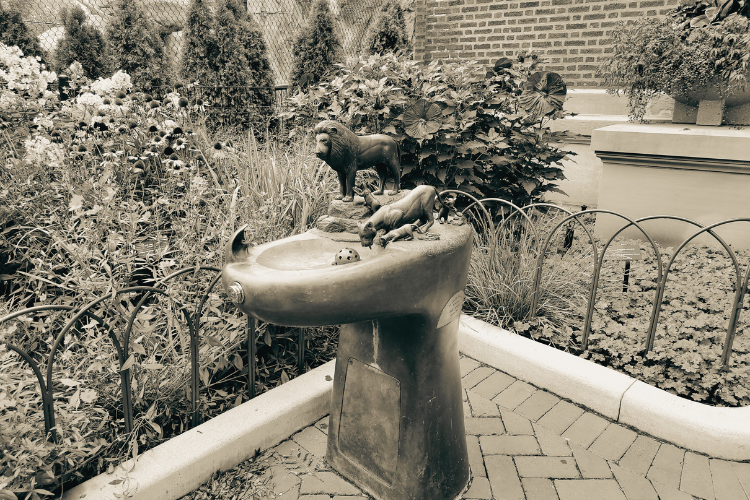
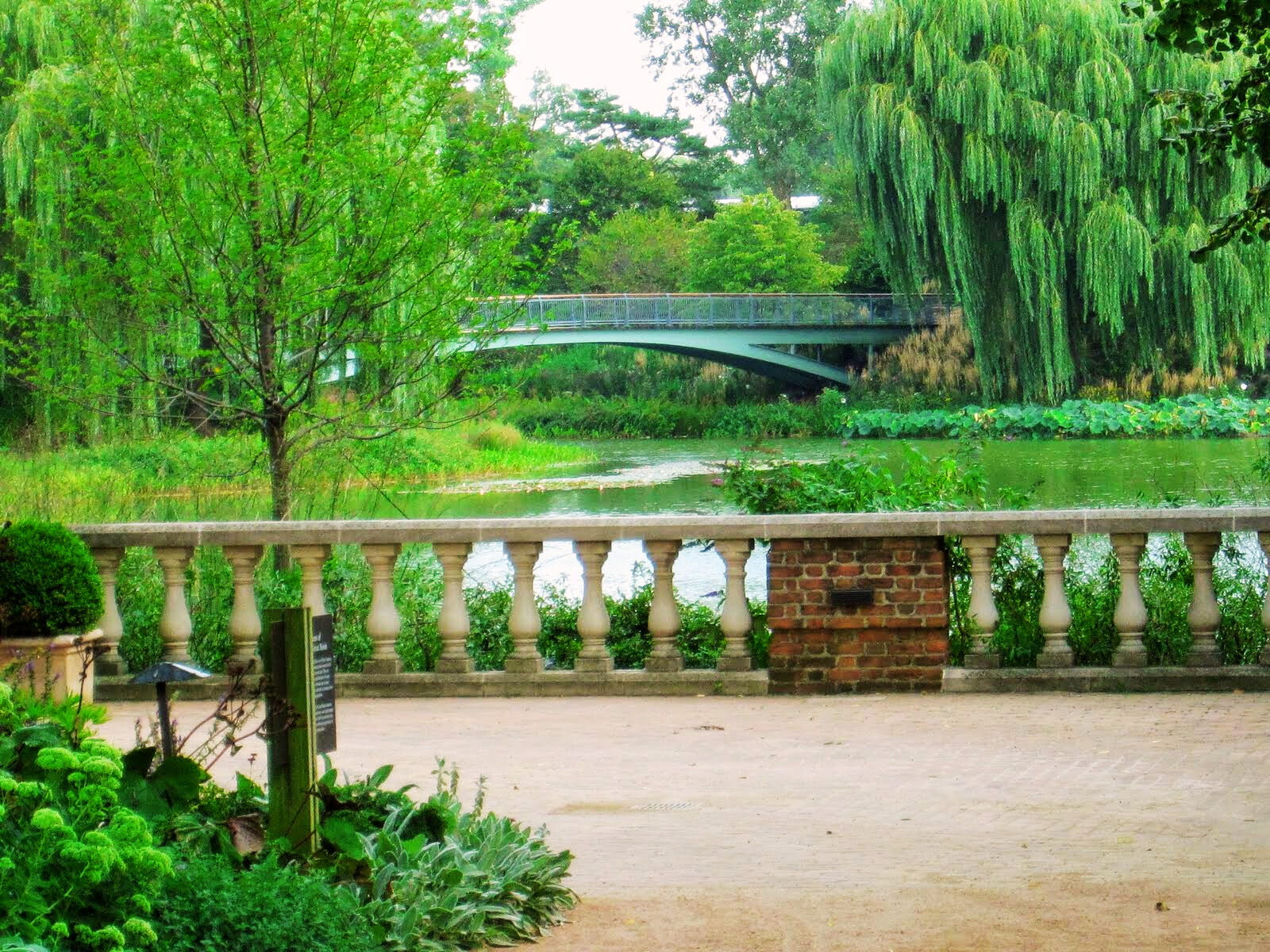
They are part of the park’s “water” element that you can incorporate into your balcony garden.
Mammals
At Lincoln Park Zoo, you’ll encounter a diverse collection of mammals ranging from African wild dogs to zebras. Some of the most popular mammal exhibits to visit include:
- African Journey: This exhibit transports you to the African savanna, immersing you in the natural habitat of animals like giraffes, zebras, and rhinos.
- Regenstein Center for African Apes: Home to a family of western lowland gorillas and a group of chimpanzees, you can observe these intelligent primates interacting with each other and their environment.
- Pritzker Family Children’s Zoo: Geared towards children, this exhibit features various animals native to North America, such as black bears, river otters, and red wolves.
Birds
Bird enthusiasts will be delighted by the variety of feathered friends at Lincoln Park Zoo. Some must-see bird exhibits include:
- McCormick Bird House: Showcasing birds from around the world, you’ll encounter species like parrots, toucans, and hornbills.
- Regenstein Birds of Prey Exhibit: Observe birds of prey, including bald eagles, owls, and hawks, as they fly and hunt in their specially designed habitats.
A visit to the zoo can transform your balcony garden paradise as you gain inspiration from observing nature’s wonders.
Reptiles
Reptile lovers will enjoy the variety of snakes, lizards, and turtles at Lincoln Park Zoo. Be sure to visit these popular reptile exhibits:
- Regenstein Small Mammal-Reptile House: Housing reptiles and amphibians from around the world, you’ll see poison dart frogs, chameleons, and geckos.
- Kovler Seal Pool: In addition to reptiles, this exhibit is home to aquatic animals, including harbor seals and sea lions.
Amphibians
Discover a variety of amphibians such as frogs, toads, and salamanders at Lincoln Park Zoo. The most popular amphibian exhibit to visit is:
- Regenstein Small Mammal-Reptile House: Offering different amphibians from around the world, you’ll encounter dart poison frogs, axolotls, and giant waxy monkey tree frogs.
With such a diverse range of animal exhibits to explore, you’ll likely spend an entire day at Lincoln Park Zoo, experiencing the confident, knowledgeable, and neutral information provided by the zookeepers and signage.
Conservation Efforts
Species Preservation
At Lincoln Park Zoo, you can witness their commitment to preserving endangered species. The zoo takes part in numerous conservation programs, such as the Species Survival Plan (SSP) and the Population Management Center (PMC). The SSP aims to maintain genetically diverse and self-sustaining populations of endangered species through cooperative breeding. Meanwhile, the PMC offers scientific support for managing zoo populations, including research, data analysis, and training.
Furthermore, a dedicated team of conservation scientists and veterinarians at the zoo work diligently to protect endangered species in their natural habitats. They conduct research, monitor populations, and devise conservation strategies that aid endangered species recovery.
Habitat Restoration
Alongside species preservation, Lincoln Park Zoo is dedicated to restoring habitats. Their scientists have collaborated with multiple organizations to restore habitats worldwide. By conducting research, monitoring populations, and crafting conservation strategies, they actively work on habitat restoration.
Additionally, within the Chicago region, the zoo has implemented numerous habitat restoration initiatives. These projects encompass the restoration of wetlands, prairies, and woodlands. The zoo’s scientists engage with local communities to raise awareness of habitat restoration importance and involve them in the efforts.
Through species preservation and habitat restoration endeavors, Lincoln Park Zoo is making a significant impact on protecting endangered species and restoring habitats globally. And if you’re interested in having a mini-conservation effort in your own space, check out Balcony Garden Paradise for inspiration.
Educational Programs
School Programs
At Lincoln Park Zoo, you’ll find a variety of engaging programs crafted for schools ranging from pre-K to college levels. Aligned with state and national standards, these programs offer you hands-on learning experiences. Here are some of the school programs provided by the zoo:
- Zoo Adventure Programs: Suitable for pre-K to 5th-grade students, where you can participate in hands-on activities, interact with animals, and enjoy guided tours of the zoo.
- ZooLab Programs: Designed for students in 6th to 12th grade, these programs include interactive labs, encounters with animals, and guided tours of the zoo.
- College Programs: If you’re a college-level student, you can join lectures, discussions, and behind-the-scenes tours of the zoo.
Public Programs
Lincoln Park Zoo also offers numerous programs open to the general public, catering to families, adults, and children. These programs deliver interactive and educational experiences for everyone. Below are some of the public programs available at the zoo:
- Zoo Camps: Developed for children aged 4 to 14, these camps feature half-day, full-day, and multi-day options, with hands-on activities, animal encounters, and guided tours of the zoo.
- LEAP: Learn, Explore, and Play: This program, perfect for children aged 2 to 3 along with their caregivers, encompasses hands-on activities, animal interactions, and guided tours of the zoo. You might also enjoy exploring creative ideas from Balcony Garden Paradise to continue fostering your child’s love for nature.
- Adult Programs: Engage in lectures, workshops, and behind-the-scenes tours of the zoo specifically designed for adults. To get more information, make sure to check the events calendar.
Regardless of whether you are a student, a teacher, or simply visiting the zoo on your own, Lincoln Park Zoo offers an array of educational programs that are sure to expand your knowledge and admiration of wildlife and nature.
Visitor Information
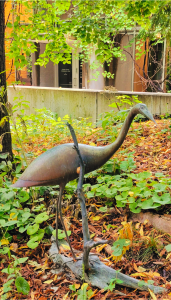
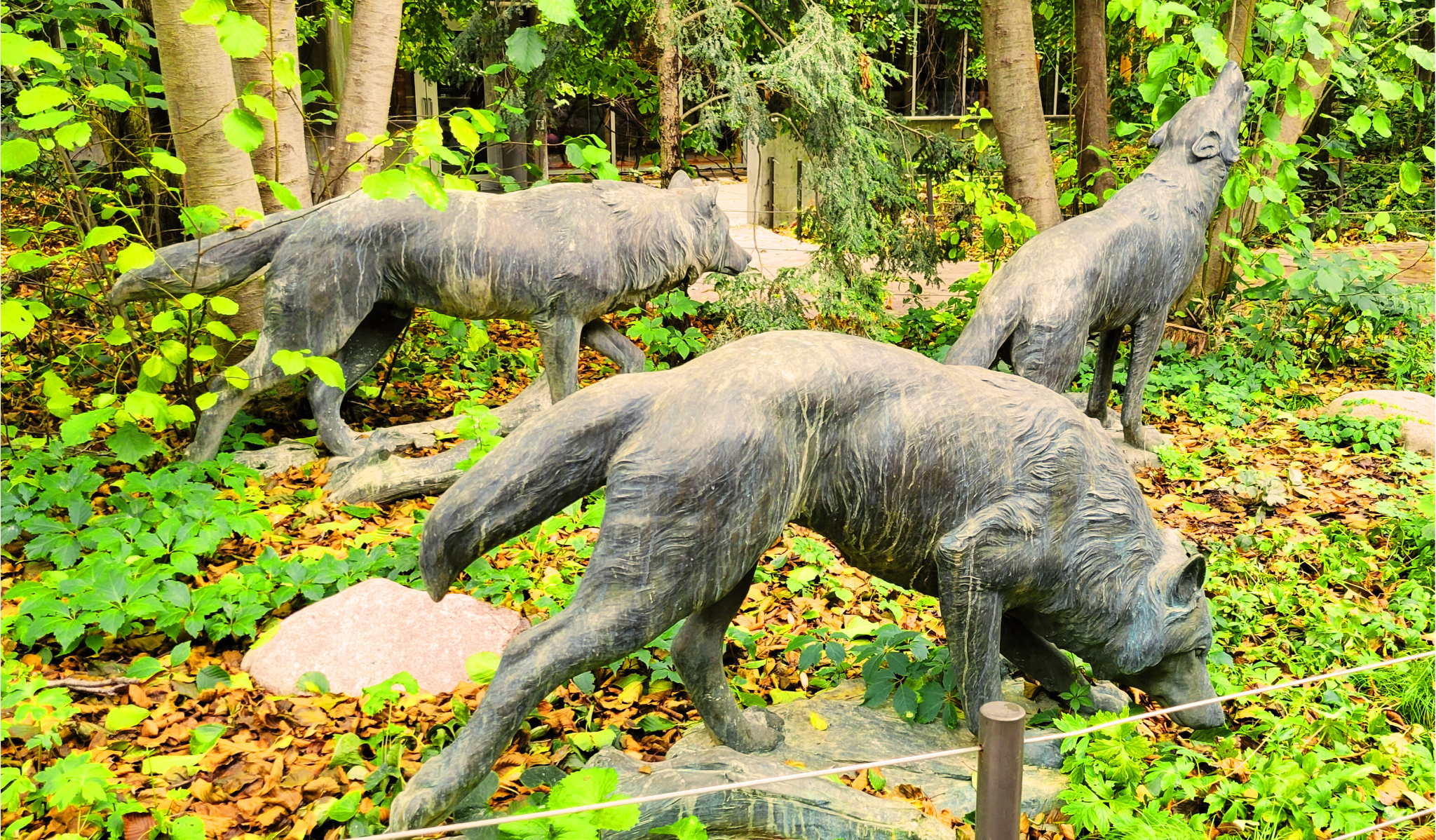
Another idea for your balcony garden paradise!
Hours and Admission
The Lincoln Park Zoo is open 365 days a year, with seasonal hours that vary. Be sure to check their website for the most up-to-date hours. Admission is free for all visitors, although some exhibits and attractions may have additional fees. If you become a member, you will receive complimentary parking and enjoy extra perks and benefits throughout the year. Parking is available for a fee, ranging from $20 to $35 depending on the lot.
Special Events
You can attend a variety of special events at the Lincoln Park Zoo throughout the year, including after-hours events for adults, seasonal celebrations, and educational programs. Visit their website for a calendar of upcoming events and to purchase tickets.
Amenities
During your visit to the Lincoln Park Zoo, you will have access to a range of amenities designed for your comfort and enjoyment. These include:
- Restrooms located throughout the zoo
- Wheelchair and stroller rentals
- Food and beverage options, such as cafes and snack stands
- Gift shops filled with souvenirs and merchandise
In addition, the zoo is situated in the heart of Chicago and easily accessible by public transportation. To plan your visit, use their interactive map, explore their animal pages, or select a self-guided tour on their website. Don’t forget to check the website for the most up-to-date information on hours, events, and amenities before your visit.
Now that you’re prepared for your visit to the Lincoln Park Zoo, why not consider growing your own little piece of paradise at home? Check out the website Balcony Garden Paradise for tips and inspiration on creating a beautiful, thriving garden right on your balcony.
Read more articles like this:
- Discover the Beauty of Chicago Botanic Garden: A Complete Guide
- Brand Park in Glendale, CA: A Guide to the City’s Hidden Gem
- Santa Monica Flowers and Plants: A Floral Tour of Paradise