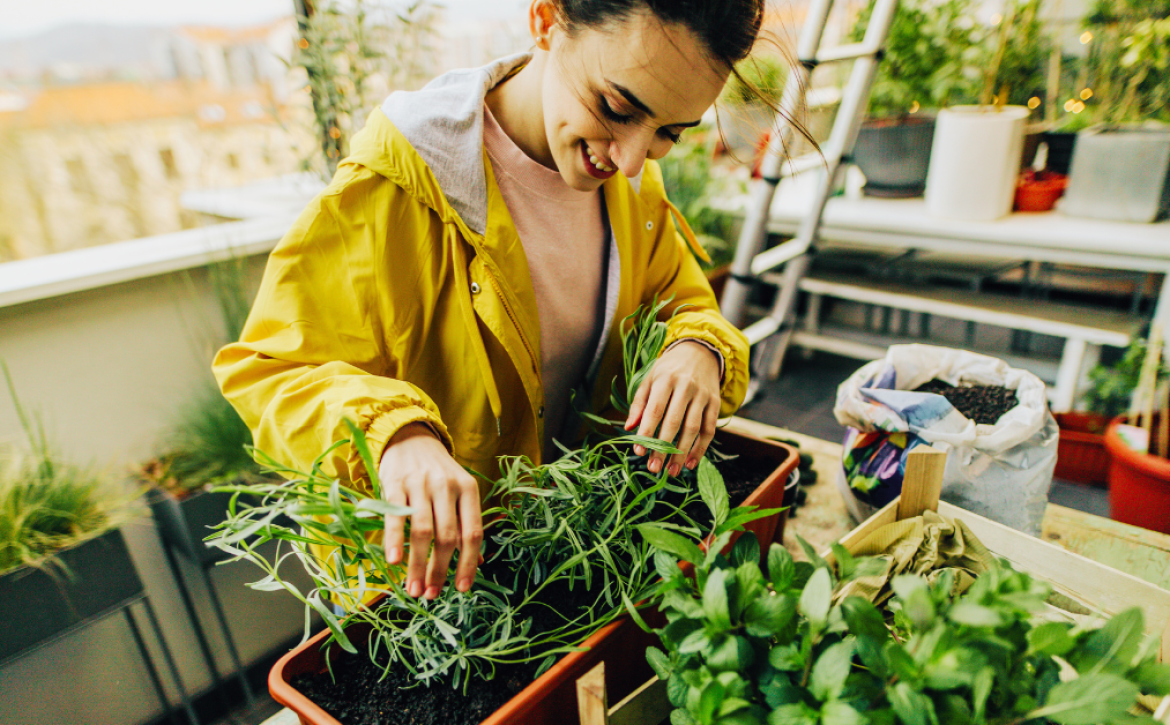
Looking for a beautiful and versatile plant for your balcony garden? Check out our latest post on growing and caring for balcony garden verbena! Our tips will help you keep your verbena healthy and blooming all season long.
If you’re an avid gardener or just starting to get your hands dirty, you know that fertilizing your plants is essential for their growth and health. While there are many commercial fertilizers available on the market, making your own DIY fertilizers can be a cost-effective and environmentally-friendly alternative. DIY fertilizers are natural and homemade, and they can be tailored to suit the specific needs of your plants.
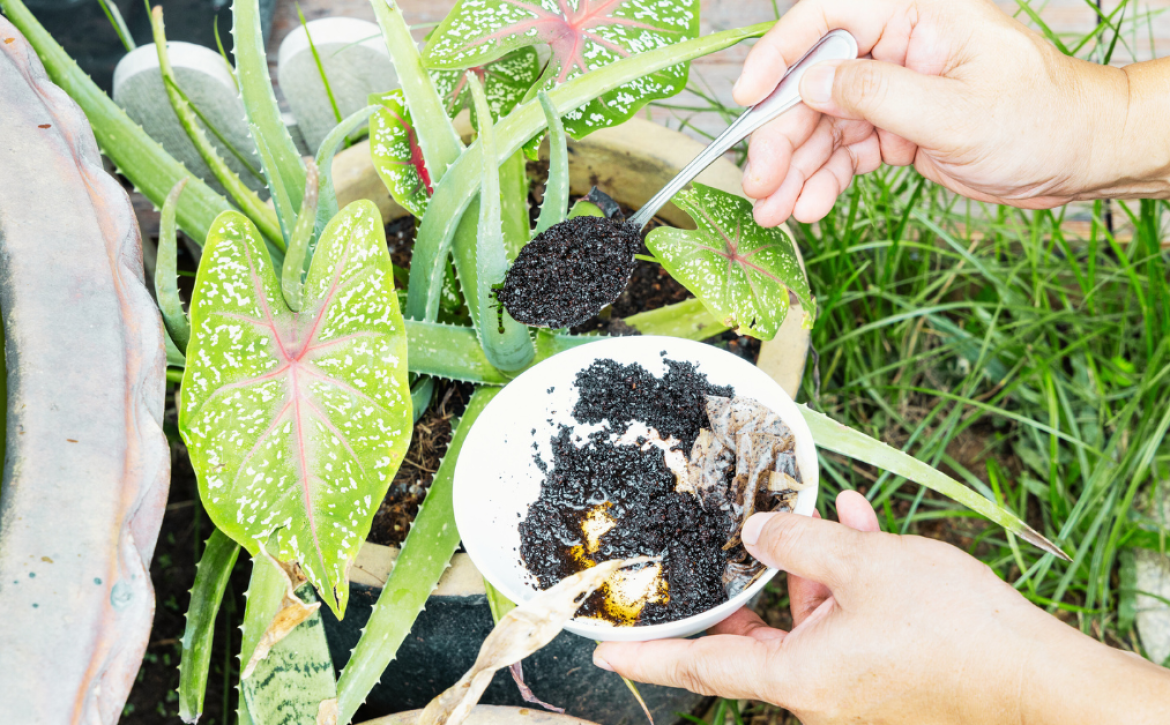
One of the benefits of DIY fertilizers is that they are often made from ingredients that are readily available in your kitchen or backyard. For example, eggshells, coffee grounds, and banana peels are all common household items that can be used to make fertilizer. By repurposing these items, you can reduce waste and save money on expensive commercial fertilizers. Additionally, DIY fertilizers are often organic and free from harmful chemicals, making them a healthier option for your plants and the environment.
There are many different types of DIY fertilizers that you can make, each with its own unique benefits. For example, compost tea is a liquid fertilizer that is made by steeping compost in water. This fertilizer is rich in nutrients and beneficial microorganisms that can help improve soil health and plant growth. Another popular DIY fertilizer is fish emulsion, which is made by blending fish scraps with water. This fertilizer is high in nitrogen and is ideal for promoting leafy growth in plants. Whether you’re looking to boost the overall health of your garden or address a specific issue, there is a DIY fertilizer that can help.
Understanding Fertilizers
When it comes to fertilizers, there’s a lot to understand. Whether you’re interested in DIY fertilizers, natural fertilizers, or homemade fertilizers, it’s important to have a basic understanding of what fertilizers are and how they work.
At its most basic level, a fertilizer is any substance that is added to soil or plants to help them grow. Fertilizers can be organic or inorganic, and they can come in many different forms, including powders, liquids, and granules.
Most fertilizers contain three key nutrients that plants need to grow: nitrogen, phosphorus, and potassium. These nutrients are often referred to as NPK, and you’ll see these letters on many fertilizer packages.
Different plants have different nutrient needs, so it’s important to choose a fertilizer that is appropriate for the plants you’re growing. For example, if you’re growing vegetables, you’ll want a fertilizer that is high in nitrogen, which promotes leafy growth.
If you’re interested in DIY fertilizers, there are many different recipes and methods out there. Some popular options include compost tea, which is made by steeping compost in water, and fish emulsion, which is made by fermenting fish scraps.
Natural fertilizers, such as manure and bone meal, are also popular options for gardeners who want to avoid synthetic chemicals. These fertilizers are made from natural sources and are often rich in nutrients.
Homemade fertilizers can be a great option for gardeners who want to save money and reduce waste. By using kitchen scraps and other household materials, you can create a nutrient-rich fertilizer that is tailored to your specific needs.
Overall, understanding fertilizers is an important part of gardening. By choosing the right fertilizer for your plants and using it correctly, you can help your garden thrive and produce a bountiful harvest.
Advantages of DIY Fertilizers
If you’re looking for an affordable and eco-friendly way to fertilize your garden, then making your own DIY fertilizers is a great option. DIY fertilizers can offer several advantages over traditional fertilizers, including:
Cost-Effective
One of the primary advantages of DIY fertilizers is that they are often much cheaper than store-bought fertilizers. You can make DIY fertilizers using common household items, such as coffee grounds, eggshells, and banana peels, which means you don’t have to spend a lot of money on expensive fertilizers.
Natural and Organic
DIY fertilizers are also a great option if you’re looking for natural and organic ways to fertilize your plants. Many store-bought fertilizers contain synthetic chemicals that can be harmful to the environment and your health. DIY fertilizers, on the other hand, are made from natural ingredients that are safe for your plants and the environment.
Customizable
Another advantage of DIY fertilizers is that they are customizable. You can adjust the ingredients and ratios to meet the specific needs of your plants. For example, if your plants need more nitrogen, you can add more nitrogen-rich ingredients to your DIY fertilizer.
Easy to Make
DIY fertilizers are also very easy to make. Most recipes require only a few ingredients and can be made in just a few minutes. You don’t need any special equipment or expertise to make DIY fertilizers, which makes them accessible to everyone.
Overall, DIY fertilizers offer several advantages over traditional fertilizers. They are cost-effective, natural and organic, customizable, and easy to make. So, why not give DIY fertilizers a try and see the benefits for yourself?
Types of Natural Fertilizers
Making your own natural fertilizers is a great way to save money and reduce your environmental impact. Here are some types of natural fertilizers that you can make at home:
Compost
Compost is a great natural fertilizer that you can make from kitchen scraps, yard waste, and other organic matter. Composting is easy and can be done in a compost bin or pile. The resulting compost is rich in nutrients and can be used to fertilize your garden.
Animal Manure
Animal manure is another great natural fertilizer that can be used to fertilize your garden. You can use manure from cows, horses, chickens, and other animals. Manure is rich in nitrogen, phosphorus, and other nutrients that plants need to grow.
Green Manure
Green manure is a type of natural fertilizer that is made by planting cover crops, such as clover or alfalfa, and then tilling them back into the soil. This helps to improve soil fertility and structure, and can also help to control weeds.
Bone Meal
Bone meal is a natural fertilizer that is made from ground animal bones. It is rich in phosphorus, which is an important nutrient for plant growth. Bone meal is especially useful for plants that need a lot of phosphorus, such as tomatoes and peppers.
Fish Emulsion
Fish emulsion is a natural fertilizer that is made from fish waste. It is rich in nitrogen, which is an important nutrient for plant growth. Fish emulsion is especially useful for plants that need a lot of nitrogen, such as leafy greens and corn.
Natural fertilizers are a great way to fertilize your garden without using harmful chemicals. They are easy to make and can be very effective. By using natural fertilizers, you can help to improve the health of your soil and the quality of your crops.
How to Make Homemade Fertilizers
Making your own DIY fertilizers is an easy and cost-effective way to provide your plants with the nutrients they need to thrive. Here are some simple ways to make your own homemade fertilizers using kitchen scraps, grass clippings, coffee grounds, and eggshells.
Kitchen Scraps
Kitchen scraps such as fruit and vegetable peels, eggshells, and coffee grounds can be turned into a nutrient-rich fertilizer for your plants. Simply collect your kitchen scraps in a compost bin and let them decompose over time. Once the scraps have broken down, you can mix the compost into your soil or use it as a top dressing around your plants.
Grass Clippings
Grass clippings are an excellent source of nitrogen for your plants. Simply collect your grass clippings and spread them around the base of your plants. Be sure to spread the clippings thinly to prevent them from clumping together and blocking air and water from reaching the roots.
Coffee Grounds
Coffee grounds are a great source of nitrogen, phosphorus, and potassium, making them an excellent fertilizer for your plants. Simply sprinkle the coffee grounds around the base of your plants or mix them into your soil. Be sure to use coffee grounds in moderation, as too much can make your soil acidic.
Eggshells
Eggshells are a great source of calcium for your plants. Simply crush up your eggshells and sprinkle them around the base of your plants or mix them into your soil. Be sure to rinse the eggshells thoroughly before using them to remove any residue that may attract pests.
By using these simple DIY fertilizers, you can provide your plants with the nutrients they need to grow strong and healthy. Plus, you’ll be reducing waste and saving money in the process.
Safety Measures in DIY Fertilizers
When it comes to making your own fertilizers, safety should always be a top priority. Here are some safety measures you should take to ensure that your DIY fertilizers are safe for you and the environment:
Protective Gear
Wear protective gear such as gloves, goggles, and a mask when handling chemicals and mixing ingredients. This will protect your skin, eyes, and lungs from harmful substances.
Proper Storage
Store your DIY fertilizers in a cool, dry, and well-ventilated area. Keep them out of reach of children and pets. Label each container with the name of the fertilizer and its ingredients.
Proper Disposal
Dispose of leftover fertilizers properly. Do not pour them down the drain or throw them in the trash. Contact your local waste management facility to find out how to dispose of hazardous waste.
Ingredient Safety
Research the safety of each ingredient you plan to use in your DIY fertilizer. Some ingredients can be harmful to humans, animals, and the environment. Use only ingredients that are safe and non-toxic.
Mixing Safety
Mix your DIY fertilizer in a well-ventilated area. Wear protective gear and avoid inhaling the fumes. Mix the ingredients thoroughly and follow the instructions carefully.
Testing
Test your DIY fertilizer on a small area before using it on your entire garden. This will help you determine if it is safe and effective.
By following these safety measures, you can ensure that your DIY fertilizers are safe and effective. Remember to always prioritize safety when making and using your own fertilizers.
Conclusion
In conclusion, creating your own DIY fertilizers can be a great way to save money and reduce waste. By using natural and homemade fertilizers, you can avoid harmful chemicals and ensure that your plants are getting the nutrients they need to thrive.
When it comes to DIY fertilizers, there are many options to choose from. Natural fertilizers like compost, manure, and bone meal can be effective and easy to make at home. Homemade fertilizers like banana peel fertilizer and vinegar fertilizer can also be effective and affordable.
However, it is important to do your research and make sure that you are using the right type of fertilizer for your plants. Some plants may require specific nutrients, and using the wrong type of fertilizer can actually harm your plants.
Overall, DIY fertilizers can be a great way to take control of your gardening and ensure that your plants are getting the nutrients they need to thrive. Whether you choose to use natural fertilizers, homemade fertilizers, or a combination of both, be sure to do your research and experiment to find what works best for your plants.
Frequently Asked Questions
What are some natural fertilizers for grass?
There are many natural fertilizers that can be used for grass, such as compost, manure, and bone meal. Compost is made from decomposed organic matter and is rich in nutrients that plants need to grow. Manure is also a great natural fertilizer, especially for grass, as it contains high levels of nitrogen, which is essential for healthy grass growth. Bone meal is another natural fertilizer that is made from ground-up animal bones and is rich in phosphorus, which is important for root development.
How can I make organic fertilizer from kitchen waste?
Making organic fertilizer from kitchen waste is easy and can be done by composting. Collect your kitchen waste, such as fruit and vegetable scraps, eggshells, and coffee grounds, and add them to a compost bin or pile. Add some yard waste, such as leaves or grass clippings, and mix it all together. Over time, the compost will break down and turn into a nutrient-rich fertilizer that can be added to your garden or lawn.
What are the steps to make organic fertilizer?
To make organic fertilizer, you will need to gather some organic materials, such as compost, manure, or bone meal. Mix these materials in a container or bin and add some water to create a moist mixture. Let the mixture sit for a few weeks, stirring it occasionally, until it has decomposed into a dark, crumbly substance. This can then be used as a natural fertilizer for your plants.
What is a good homemade liquid fertilizer?
A good homemade liquid fertilizer can be made using compost tea. To make compost tea, fill a bucket with water and add some compost. Let the mixture sit for a few days, stirring it occasionally, until it has turned into a dark, nutrient-rich liquid. Strain out the solids and use the liquid as a fertilizer for your plants.
How can I make nitrogen-rich fertilizer at home?
To make nitrogen-rich fertilizer at home, you can use coffee grounds or grass clippings. Both of these materials are high in nitrogen and can be added to your compost pile or used as a top dressing for your plants. Another option is to use blood meal, which is a byproduct of the meat industry and is rich in nitrogen.
What is the best homemade fertilizer for flowering plants?
The best homemade fertilizer for flowering plants is one that is high in phosphorus, which is essential for flower production. Bone meal is a great option for a phosphorus-rich fertilizer, as it is made from ground-up animal bones and is easily absorbed by plants. Another option is to use fish emulsion, which is made from fish waste and is high in both nitrogen and phosphorus.
For some great ways to use these natural fertilizers, here are some articles by Balcony Garden Paradise:
Transform your windy balcony into a green oasis with our tips and tricks for balcony gardening! From selecting the right plants to container gardening, we’ve got you covered. Check out our latest blog post for more inspiration!
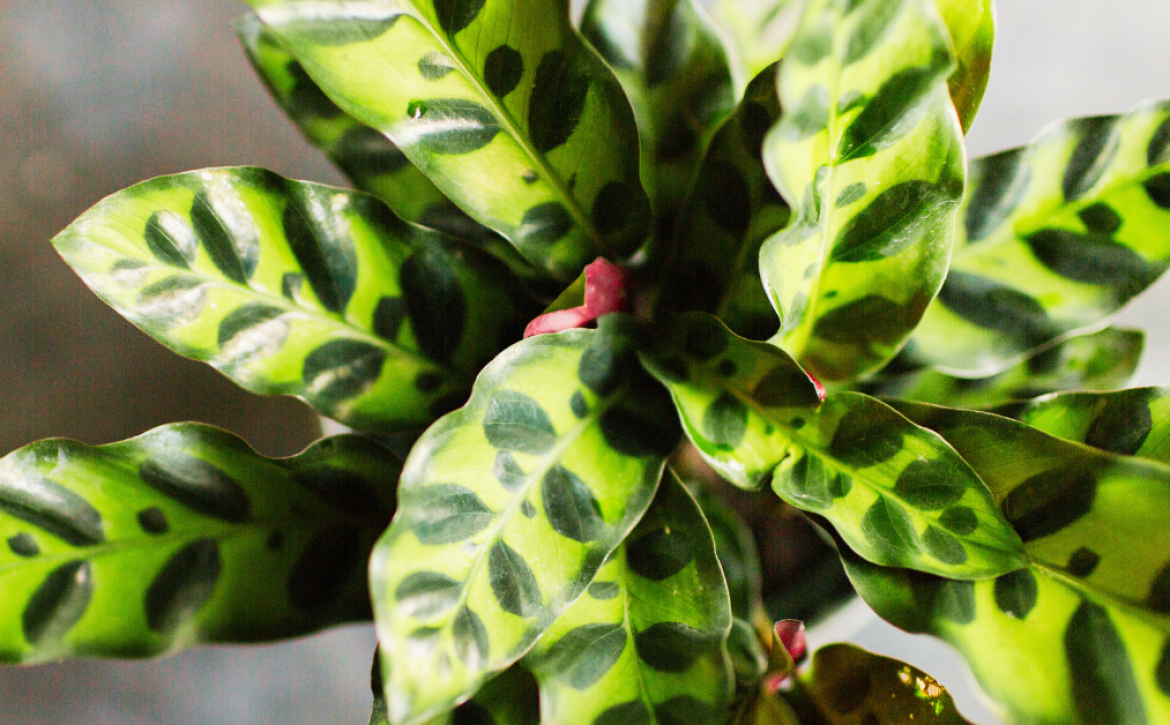
Are you looking to add some greenery to your balcony garden? Look no further than Rattlesnake Plants! These beautiful plants are easy to care for and will add color and texture to your outdoor space.
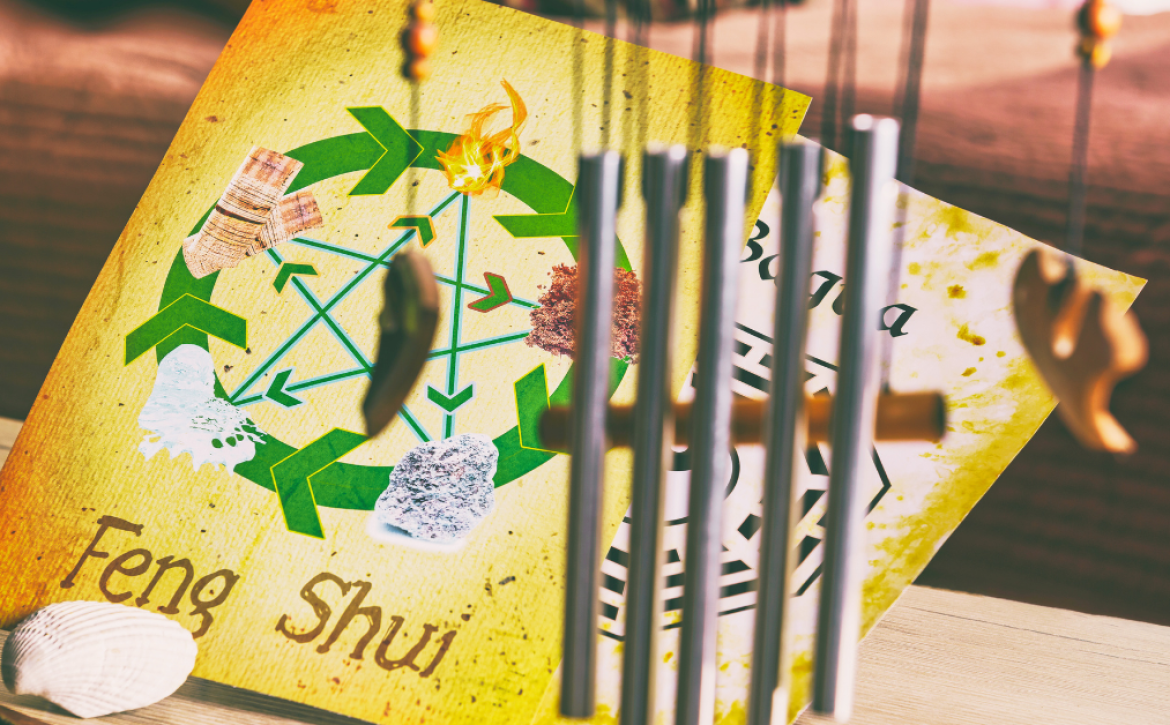
Are you looking to create a peaceful and harmonious outdoor space on your balcony? Look no further than the ancient art of feng shui. By following these 10 feng shui tips, you can transform your balcony garden into a serene oasis that promotes relaxation and positive energy.
Add some Lucky Bamboo for that perfect touch of balcony garden feng shui.
When it comes to balcony garden feng shui, the plants you choose are key. Opt for plants with rounded or soft leaves, as they promote positive energy flow. Avoid plants with sharp or spiky leaves, as they can create negative energy. Additionally, choose plants that are healthy and vibrant, as they will bring more positive energy into your space.
Tip #2: Create a Balanced Layout
In feng shui, balance is essential. Create a symmetrical layout by placing matching planters or pots on either side of the balcony. You can also achieve a similar effect by using similar plants on both sides.
Tip #3: Incorporate Water Elements
Water is a powerful element in feng shui, as it represents wealth and abundance. Incorporating water elements into your balcony garden, such as a small fountain or birdbath, can help to promote positive energy flow and create a more harmonious space.
Tip #4: Use Color to Your Advantage
Color plays a significant role in feng shui, as different colors can promote a positive flow and create a more harmonious space. Consider incorporating colors that are soothing and calming, such as blues and greens, to create a peaceful and relaxing atmosphere in your balcony garden.
Tip #5: Remove Clutter
Clutter is a major hindrance to positive energy flow in feng shui. Keep your balcony garden tidy and organized by removing any unnecessary items or clutter. This will create a more peaceful and harmonious space.
Tip #6: Add Lighting
Good lighting is essential in feng shui, as it promotes positive energy flow and creates a more inviting atmosphere. Consider adding soft lighting to your balcony garden, such as string lights or lanterns, to create a warm and welcoming space.
Tip #7: Incorporate Natural Materials
Incorporating natural materials into your balcony garden, such as wood or stone, can help to promote positive energy flow and create a more harmonious space. Consider adding a wooden bench or stone pathway to your balcony garden to create a more natural and peaceful atmosphere.
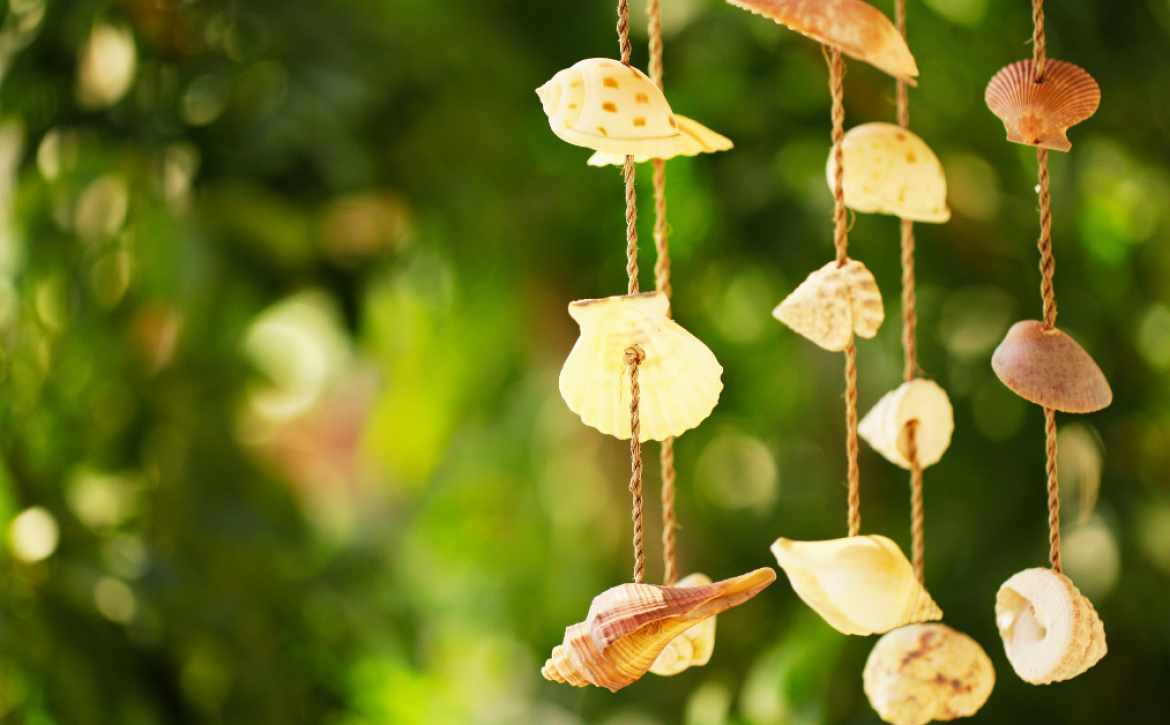
Tip #8: Use Wind Chimes
Wind chimes are a popular feng shui cure, as they promote positive energy flow and create a more peaceful and harmonious space. Hang wind chimes in your balcony garden to create a soothing and relaxing atmosphere.
Tip #9: Add Artwork
Artwork is a powerful feng shui cure, as it can promote positive energy flow and create a more harmonious space. Consider adding artwork to your balcony garden, such as a painting or sculpture, to create a more inviting and peaceful atmosphere.
Tip #10: Keep Your Balcony Garden Maintained
Finally, it is important to keep your balcony garden well-maintained to promote positive energy flow and create a more harmonious space. Regularly prune your plants, sweep the floors, and remove any dead leaves or debris to keep your balcony garden looking its best.
Conclusion
By following these 10 feng shui tips, you can transform your balcony garden into a peaceful and harmonious outdoor space. Promote relaxation and positive and watch your life bloom. For more information related to this topic, check out some of our other blog articles:
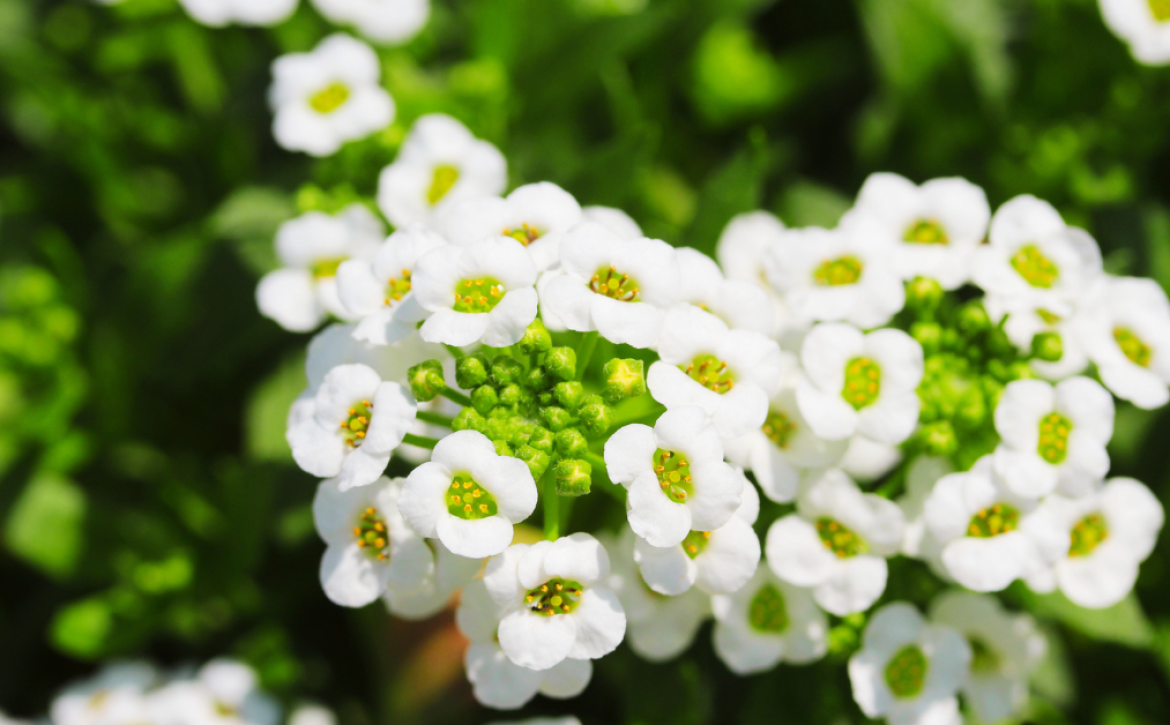
Discover how Sweet Alyssum can transform your balcony garden with its delicate white flowers and sweet fragrance. Learn how to care for this easy-to-grow plant and create a beautiful outdoor space.
Learn how to create a stunning balcony garden with lavender. Discover tips and tricks for growing and caring for this fragrant herb that will add beauty and relaxation to your outdoor space.
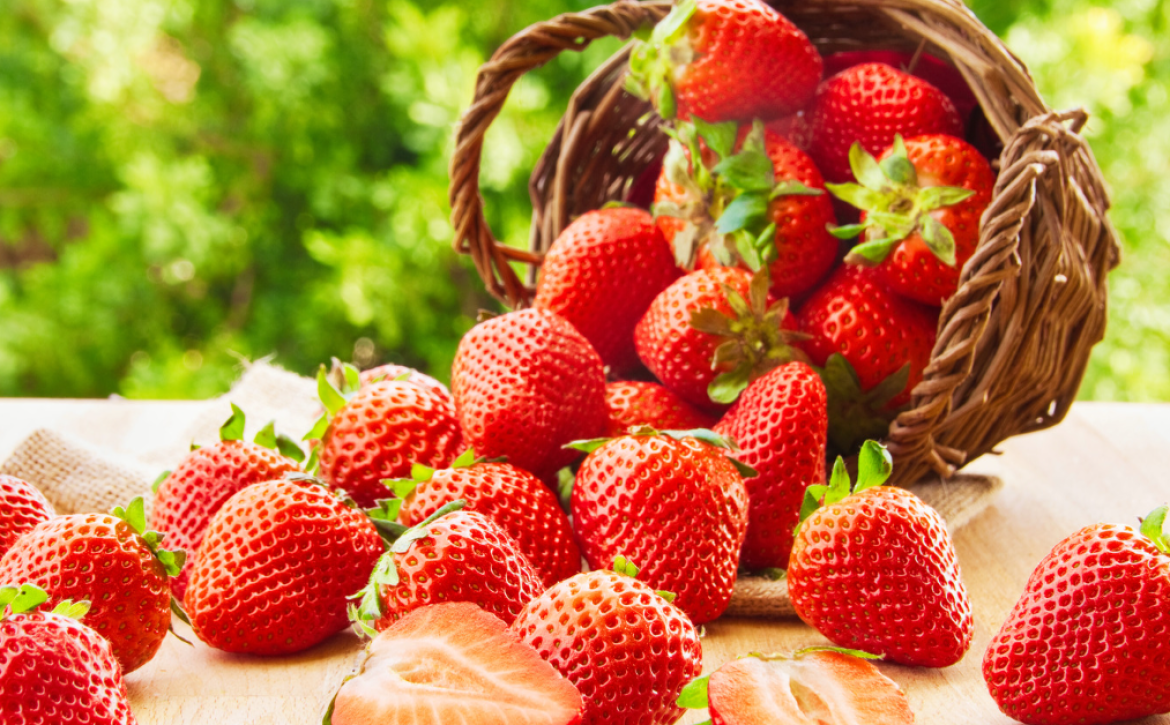
If you’re looking for a fun and rewarding way to grow your own fresh produce, consider starting a balcony garden with strawberries. Not only do strawberries produce delicious fruit, but they are also well-suited to growing in small spaces and require very little maintenance. With the right techniques and a little bit of care, you can enjoy juicy, sweet strawberries all season long.
There are many benefits to growing strawberries in a balcony garden. For one, they are easy to care for and require minimal space. Additionally, they are rich in vitamin C and antioxidants, making them a healthy addition to your diet. With a few simple steps, you can start growing your own strawberries and enjoy the taste of fresh, homegrown fruit all summer long.
Key Takeaways
Balcony gardens are a great way to grow your own fresh produce, including strawberries.
Choosing the right variety of strawberries and preparing your balcony garden properly are key to a successful harvest.
With the right care and maintenance, you can enjoy juicy, sweet strawberries from your balcony garden all season long.
Benefits of Balcony Garden Strawberries
Growing strawberries in a balcony garden has numerous benefits. Here are some of the benefits of having a balcony garden:
Fresh, Organic Produce
One of the biggest benefits of having a balcony garden is the availability of fresh, organic produce. By growing your own strawberries, you can ensure that the fruit is free from harmful chemicals and pesticides. Plus, you can pick the strawberries at the peak of ripeness, ensuring maximum flavor and nutrition.
Saves Money
Growing your own strawberries in a balcony garden can also save you money in the long run. By eliminating the need to purchase strawberries from the grocery store, you can save money on your grocery bill. Plus, you can grow other fruits and vegetables in your balcony garden, further reducing your grocery expenses.
Aesthetic Appeal
A balcony garden can also add aesthetic appeal to your home. With a variety of plants and flowers, you can create a beautiful and inviting space on your balcony. Plus, the sight and smell of fresh strawberries can be a delightful addition to your balcony garden.
Stress Relief
Gardening has been shown to have stress-relieving benefits. By tending to your balcony garden, you can reduce stress and anxiety, improve your mood, and promote overall well-being.
In conclusion, a balcony garden can provide numerous benefits, including fresh, organic produce, cost savings, aesthetic appeal, and stress relief. By growing your own strawberries in a balcony garden, you can enjoy all of these benefits and more.
Choosing the Right Strawberry Varieties
When it comes to growing strawberries on your balcony, choosing the right variety is essential. With so many different types of strawberries available, it can be challenging to know which ones will work best for your balcony garden.
Here are some factors to consider when selecting strawberry varieties for your balcony garden:
1. Space and Pot Size
The first thing to consider is the space you have available on your balcony and the size of the pots you plan to use. Some strawberry varieties, such as Alpine strawberries, are compact and can be grown in small pots. Other varieties, such as June-bearing strawberries, require more space and larger pots to grow successfully.
2. Climate
Another important factor to consider is your climate. Some strawberry varieties, such as Everbearing strawberries, are better suited for cooler climates, while others, such as Day-neutral strawberries, can thrive in warmer temperatures.
3. Yield and Fruit Size
Consider the yield and size of the fruit when selecting strawberry varieties. June-bearing strawberries typically produce larger fruit, while Everbearing and Day-neutral strawberries produce smaller fruit but over a more extended period.
4. Taste and Flavor
Finally, consider the taste and flavor of the strawberries you plan to grow. Some varieties, such as Chandler strawberries, are known for their sweet flavor, while others, such as Seascape strawberries, have a more tangy taste.
Overall, the best strawberry varieties for your balcony garden will depend on your specific needs and preferences. Take the time to research different varieties and choose the ones that are best suited for your balcony garden. With the right variety, you can enjoy fresh, delicious strawberries right from your balcony all season long.
Preparing Your Balcony Garden for Strawberries
Growing strawberries on a balcony is a fun and rewarding project that can yield delicious fruit right outside your door. However, before planting your strawberries, it’s important to prepare your balcony garden properly. Here are some tips to help you get started.
Assess Your Balcony’s Sunlight
Strawberries need at least six hours of direct sunlight per day to thrive. Before planting your strawberries, assess your balcony’s sunlight exposure. Observe how much sunlight your balcony receives throughout the day and determine the best location for your strawberry plants. If your balcony doesn’t get enough sunlight, consider using grow lights to supplement the natural light.
Choose the Right Containers
Strawberries can be grown in a variety of containers, including pots, hanging baskets, and window boxes. When choosing containers, make sure they have drainage holes to prevent water from accumulating in the soil. Also, the containers should be large enough to accommodate the roots of the strawberry plants and allow for proper drainage.
Select the Right Soil
Strawberries prefer well-draining soil that is rich in organic matter. Choose a potting mix that is specifically formulated for container gardening, or make your own by combining equal parts of peat moss, vermiculite, and perlite. Additionally, you can add compost or aged manure to the soil to provide additional nutrients.
Consider Companion Planting
Companion planting is a gardening technique that involves planting different plants together to benefit each other. Consider planting companion plants with your strawberries, such as herbs or flowers, to help repel pests and attract beneficial insects.
By following these tips, you can prepare your balcony garden for strawberries and set yourself up for a successful harvest. With a little bit of planning and care, you can enjoy fresh, juicy strawberries right from your balcony.
Planting and Caring for Your Strawberry Plants
When it comes to planting and caring for your strawberry plants, there are a few key things to keep in mind. Follow these tips to ensure that your balcony garden strawberries thrive.
Choosing the Right Variety
When selecting the type of strawberry to grow, consider whether you want to grow them as an annual or perennial. There are three types of strawberry varieties: June bearer or summer fruiting, which bear fruits once in a year in summer and grow as annuals; everbearing, which produce fruit twice a year in summer and fall; and day neutral, which produce fruit throughout the growing season. Choose the variety that best suits your needs and growing conditions.
Planting Your Strawberry Plants
To plant your strawberry plants, follow these simple steps:
Fill your pot with soil and dig out a small hole for the plant.
Place the plant in the soil and then backfill.
Water the plant thoroughly after planting.
Make sure to space your plants at least 12 inches apart to allow for proper growth and development.
Caring for Your Strawberry Plants
Once your strawberry plants are planted, it’s important to care for them properly. Here are some tips to help your plants thrive:
Water your plants regularly, making sure not to overwater them.
Fertilize your plants with a balanced fertilizer once a month during the growing season.
Mulch around the base of your plants to help retain moisture and protect the fruit from rotting.
Keep an eye out for pests and diseases, and treat them promptly if necessary.
By following these simple tips, you can enjoy a bountiful harvest of delicious strawberries from your balcony garden.
Harvesting and Storing Your Strawberries
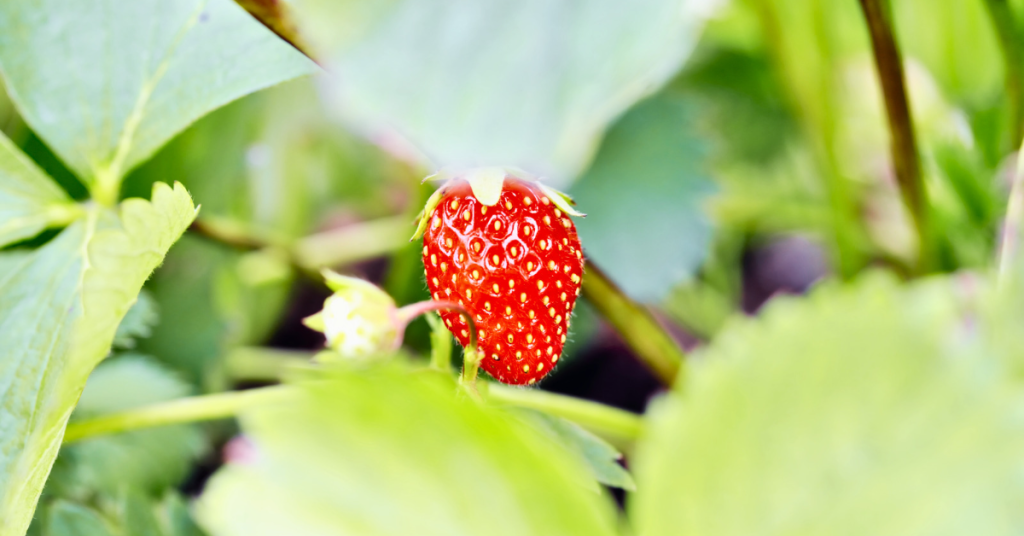
When it comes to harvesting your balcony garden strawberries, timing is key. The fruit should be left on the plant until it is fully ripe. Look for a deep red color and a slightly soft texture. If you are unsure whether the fruit is ripe, give it a gentle tug. If it comes off easily, it is ready to be harvested.
To pick the strawberries, grasp the stem just above the berry and gently pull it off the plant. Be careful not to damage the plant or the remaining fruit. If you have a larger harvest, consider using a pair of scissors or pruning shears to cut the stem just above the berry.
Once you have harvested your strawberries, it is important to store them properly to ensure they stay fresh and delicious. Here are a few tips for storing your balcony garden strawberries:
Remove any damaged or moldy berries before storing. These can cause the rest of the fruit to spoil more quickly.
Store the strawberries in a single layer in a shallow container. This will help prevent them from getting crushed and will allow air to circulate around them.
Do not wash the strawberries until you are ready to eat them. Excess moisture can cause them to spoil more quickly.
Store the container of strawberries in the refrigerator. They should last for up to a week.
By following these simple tips, you can enjoy the fruits of your balcony garden labor for days to come.
Frequently Asked Questions
Can strawberries be grown in containers?
Yes, strawberries can be grown in containers. In fact, growing strawberries in containers is a great way to enjoy fresh, juicy strawberries even if you don’t have a garden. Make sure to choose a container that is at least 5 inches in diameter and has drainage holes at the bottom to prevent waterlogging.
What are some tips for growing strawberries in pots?
To grow healthy strawberries in pots, use a rich and loamy growing medium and add compost, manure, rotted sawdust, and organic matter to increase soil acidity and fertility. Water your plants regularly and keep the soil moist but not soggy. Provide your plants with at least 6 hours of full sun a day and fertilize them every 2-3 weeks with a balanced fertilizer.
What are the best varieties of strawberries for balcony gardens?
Some of the best varieties of strawberries for balcony gardens include Alpine, Everbearing, and Day-neutral. These varieties are compact, produce a lot of fruit, and are well-suited for growing in containers.
How often should I water my balcony garden strawberries?
Strawberries need to be watered regularly, especially during hot and dry weather. Water your plants deeply once a week, and increase the frequency during periods of drought or high temperatures. Make sure the soil is moist but not soggy, as overwatering can lead to root rot.
What are some common pests and diseases that affect balcony garden strawberries?
Some common pests and diseases that affect balcony garden strawberries include spider mites, aphids, slugs, and powdery mildew. To prevent these problems, make sure to keep your plants healthy and well-fed, and remove any damaged or diseased leaves or fruit immediately.
Do balcony garden strawberries need full sun or partial shade?
Balcony garden strawberries need at least 6 hours of full sun a day to thrive and produce fruit. However, they can also tolerate some shade, especially during the hottest hours of the day. If you live in a hot and sunny area, consider providing your plants with some afternoon shade to prevent them from getting sunburned. Check out this article by Orange Cable Railing called “Can You Grow Strawberries on a Balcony”. (source: orangecountycablerailing.com) As a cable railing installer, they’ve seen a few decks!

 Lisa Woods