🪴Balcony Garden Paradise is reader-supported. When you buy through links on our site,
we may earn a small affiliate commission at no extra cost to you. As an Amazon Associate,
we earn from qualifying purchases. Happy Gardening from the team! 🌿
Creative recipes using your microgreens offer a delightful opportunity to elevate your home cooking with fresh, vibrant flavors. Incorporating homegrown microgreens into your meals enhances the presentation and boosts the nutritional value of your dishes. These miniature greens, despite their tiny size, pack a punch of vitamins and minerals, making them a smart addition to any recipe. recipes using your microgreens
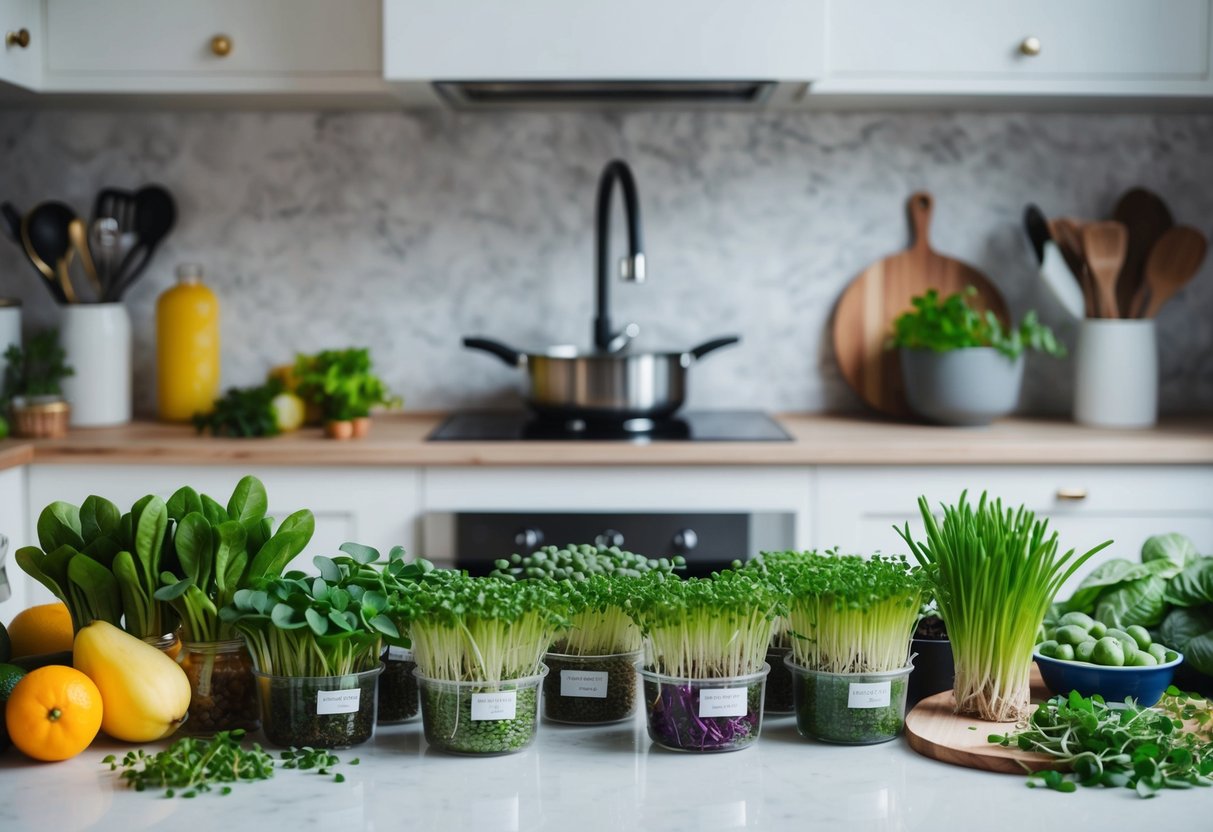
Exploring creative recipes with microgreens can open a world of culinary possibilities. Whether you’re tossing them into salads, layering them on sandwiches, or blending them into smoothies, microgreens add a distinct texture and taste that makes every bite exciting. Their versatility allows you to experiment with various flavors and combinations, transforming everyday meals into gourmet experiences.

Your homegrown microgreens can become the star ingredient in multiple creative dishes. From garnishing soups to creating microgreen pestos, these nutrient-rich greens can easily be the highlight of any dish. With endless possibilities, microgreens encourage you to think outside the box and explore advanced culinary techniques, all while enjoying the freshness homegrown produce brings.

The 2023 USDA Plant Hardiness Zone Map was created by Oregon State University (PRISM Climate Group) and released by the USDA.
Key Takeaways
- Homegrown microgreens enhance meals with flavor and nutrition.
- Creative recipes use microgreens in diverse culinary applications.
- Explore flavors and combinations for unique dish experiences.
The Basics of Microgreens
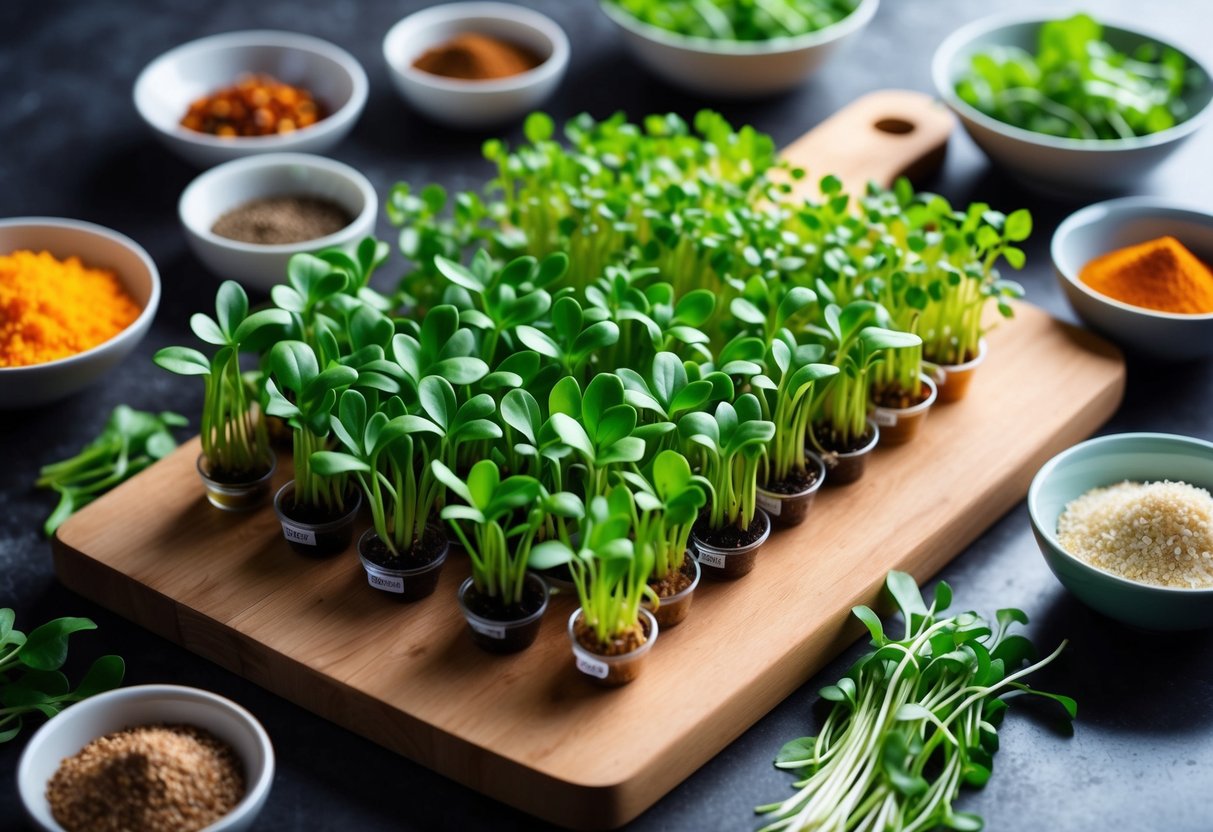
Microgreens are nutrient-dense young plants often used in salads and garnishes. Growing your own microgreens can provide fresh, flavorful greens rich in vitamins and minerals. Understanding the differences between microgreens, sprouts, and mature vegetables can help you make informed choices for your garden and kitchen.
What Are Microgreens?
Microgreens are small, young plants, typically harvested at the seedling stage. Usually just a few inches tall, they come from a variety of plants, including herbs like basil and vegetables like radish. Unlike sprouts, microgreens grow in soil and are harvested above the root. They’re used to add flavor, texture, and visual appeal to various dishes. Microgreens are packed with nutrients, often offering higher vitamin and mineral content than their mature counterparts. This makes them a popular choice for those looking to boost their nutrient intake with fresh, homegrown produce.
Benefits of Growing Your Microgreens
Growing microgreens at home provides multiple advantages. By cultivating these plants yourself, you ensure they are consistently fresh, allowing you to enjoy maximum flavor and nutritional benefits. Microgreens like broccoli or kale can contain elevated amounts of vitamins such as A, C, and E.
Homegrown microgreens often have fewer pesticides and can be harvested in about two weeks, offering a quick and efficient way to enhance your meals. Their rapid growth makes them an ideal crop for anyone looking to start gardening without the long wait associated with maturing vegetables.
Microgreens Vs. Sprouts and Mature Vegetables
Understanding the difference between microgreens, sprouts, and mature vegetables helps in choosing what’s best for your needs. Microgreens are grown in soil and require light about a week before harvest, whereas sprouts grow without soil. Sprouts are eaten whole, including roots, while microgreens are cut above the soil line, providing leaves and stems.
Compared to mature vegetables, microgreens offer more intense flavors due to their concentrated nutrition. While each form of vegetable presents unique benefits, you can choose to integrate all into your diet for variety and maximum nutritional intake.
Growing and Harvesting Microgreens at Home
Growing microgreens at home provides a fresh supply of nutritious greens that can be used in a variety of recipes. This section guides you through selecting seeds, preparing the soil, watering, timing your harvest, and storing your bounty efficiently.
Selecting the Right Seeds
Choosing the appropriate seeds is crucial for a successful microgreen harvest. Opt for seeds that are known for their quick growth and robust flavor, such as radish, sunflower, or basil. Consider organic seeds to avoid chemical residues. Examine the seed packets for specific instructions and germination rates. Buying from reputable suppliers guarantees quality and increases your chances of a bountiful yield.
A variety of seeds offers diverse flavors and textures. Experiment with combinations to suit your taste preferences. Begin with small amounts, gradually expanding your selections as you become more comfortable with the growing process.
Soil Selection and Planting
Selecting the right soil ensures your microgreens receive the necessary nutrients. Use a light, well-draining soil mix or a dedicated microgreen growing medium. Seed-starting soil or coconut coir are popular choices. These provide the required aeration and moisture retention for healthy growth.
Prepare shallow trays or containers with drainage holes. Spread an even layer of soil and lightly tamp it down. Scatter the seeds evenly over the surface and cover with a thin layer of soil. Gently mist the surface to provide initial moisture, aiding germination. Ensure trays receive indirect sunlight or artificial grow lights for optimal growth.
Proper Watering and Moisture Control
Maintaining the correct moisture level is vital for microgreens. Too much water can lead to mold, while too little causes wilting. Water using a fine mist spray to avoid disturbing delicate sprouts. Aim for consistent moisture without saturation.
Consider bottom watering by placing trays in a shallow basin of water for a brief period. This method helps evenly distribute water and prevents surface disruption. Regularly check the soil’s moisture levels, ensuring it remains slightly damp to the touch.
Timing the Harvest
Microgreens are typically ready for harvesting within 7 to 21 days, depending on the variety. Observe the height and leaf development for indicators of readiness. Most microgreens are cut when they reach 1 to 3 inches tall and have developed their first true leaves.
Use sharp scissors to snip the greens just above the soil line. Harvesting in the morning retains maximum moisture and taste. Consistency in timing ensures a continuous supply of fresh greens.
Storing and Preserving Freshness
Once harvested, properly storing your microgreens is essential for maintaining freshness. Wrap them in a slightly damp paper towel and place them in a sealed container or zip-top bag. Store in the refrigerator to maximize shelf life.
Microgreens are best consumed within a week of harvesting. Keep an eye on their moisture levels, refreshing the paper towel if necessary. If you have an abundant harvest, consider options like blending them into pestos or freezing them to preserve them beyond their typical lifespan.
Incorporating Microgreens Into Meals
Incorporating microgreens into your meals can elevate flavors and boost nutrition. These tiny greens are versatile and can be used in various dishes, from breakfasts to main courses and even beverages.
Enhancing Breakfasts With Microgreens
Start your day with a nutritious kick by adding microgreens to your breakfast. Sprinkle them on avocado toast for a fresh, peppery flavor. They pair well with cheese in omelets, adding both color and taste.
For those who prefer smoothies, blend a handful of microgreens with fruits to create a drink that’s not just refreshing but also packed with nutrients. Consider a yogurt parfait topped with microgreens for a unique twist.
Creative Salads and Wraps
Microgreens add a burst of flavor and crunch to salads and wraps. Use them as a base in a microgreen salad, combining with nuts and cheese for a satisfying meal.
In wraps, they can replace or complement lettuce, offering a more nuanced taste. The ideal pairing includes proteins like chicken or tofu, drizzled with a light dressing. Layer them into sandwiches, enhancing both texture and taste.
Microgreens in Main Courses
Infuse main courses with microgreens for added flair. Stir them into soups just before serving to retain their vibrant color and nutrients. In pasta dishes, they work well when mixed with creamy sauces, providing a contrasting flavor.
Consider topping grilled meat or fish with microgreens to enhance the presentation and taste. They can also be used in stir-fries, complementing other vegetables.
Drinks and Smoothies With a Nutritious Twist
Transform your drinks with microgreens. Add them to your morning smoothies, blending them with fruits like bananas or berries for a refreshing, nutrient-rich start.
For an inventive cocktail, muddle microgreens with gin or vodka, creating a unique herbal note. You can also steep them in hot water for a delicate herbal tea. These additions not only enhance flavor but also introduce a healthy component to your beverages.
Creative Recipe Ideas Using Microgreens
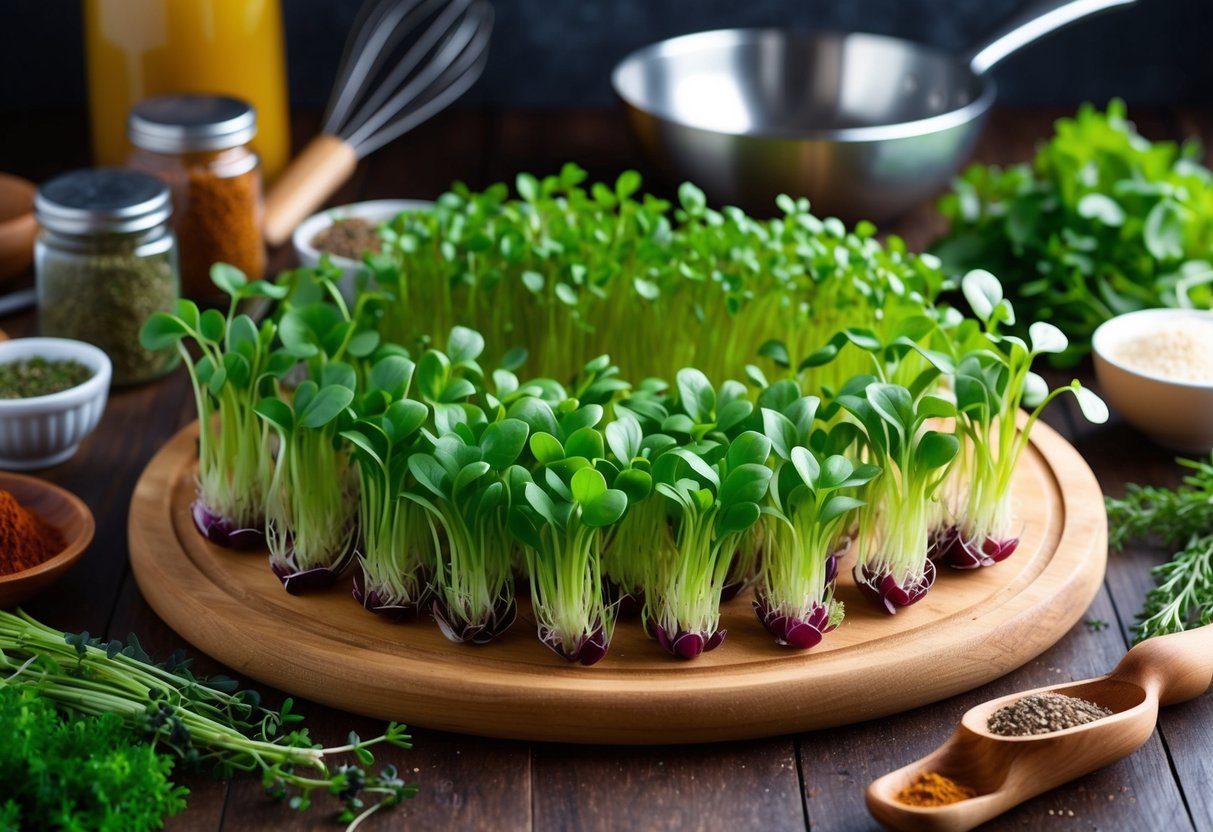
Microgreens can transform a variety of dishes, adding a burst of color, unique flavors, and nutritional benefits. From refreshing lemon pasta to the invigorating crunch atop your favorite pizza, explore how to creatively integrate these tiny greens into your meals.
Microgreens as a Flavorful Garnish
Enhance the visual and taste appeal of your dishes with microgreens as a flavorful garnish. These small but mighty greens can top soups, salads, and even cocktails, bringing a fresh, crisp element to each bite. Consider garnishing a tomato soup with spicy microgreens like arugula for an added peppery kick, or use milder varieties such as basil microgreens to complement creamy dishes. Experimenting with different flavor profiles gives you the flexibility to elevate any dish effortlessly.
Pasta Dishes With a Fresh Twist
Microgreens bring a fresh twist to pasta dishes, particularly enriched with flavors like lemon zest and garlic. Toss arugula or radish microgreens into lemon pasta for a vibrant, tangy finish that cuts through rich sauces. These greens add an appealing texture and deepen the overall flavor profile, making your pasta not only more nutritious but also more exciting. Whether you prefer white or tomato-based sauces, microgreens have the adaptability to complement a wide range of pasta dishes.
Elevating Pizzas With Microgreens
Topping your pizza with microgreens can add an unexpected and delightful dimension. For example, a peach ricotta pizza gains a sophisticated touch with a handful of microgreens. Not only do they offer a pop of color, but they also bring a fresh brightness that contrasts the sweetness of peach and the creaminess of ricotta. Microgreens such as sunflower or red cabbage can be perfect choices, enriching the taste without overpowering other ingredients on your pizza.
Innovative Sandwich and Toast Variations
Sandwiches and toasts become super greens sandwiches with the incorporation of microgreens. Whether you prefer them on a classic turkey sandwich or atop avocado toast, they deliver a fresh crunch and visual appeal. Combine them with soft cheeses like goat cheese for a balanced flavor or with strong options like aged cheddar to create a sharp, satisfying bite. Their versatility makes them suitable for both simple and gourmet sandwich creations.
Combining Microgreens With Proteins
Integrating microgreens with proteins like chicken, fish, or tofu enhances the dish both nutritionally and aesthetically. For roasted chicken, a garnish of microgreens can add subtle flavor and a vibrant finish. When paired with grilled fish, the greens’ peppery undertones can balance the dish’s flavors. Consider them as part of a marinade or as a fresh topping, allowing their bright flavors to complement and refine the dish’s taste.
Flavors and Combinations
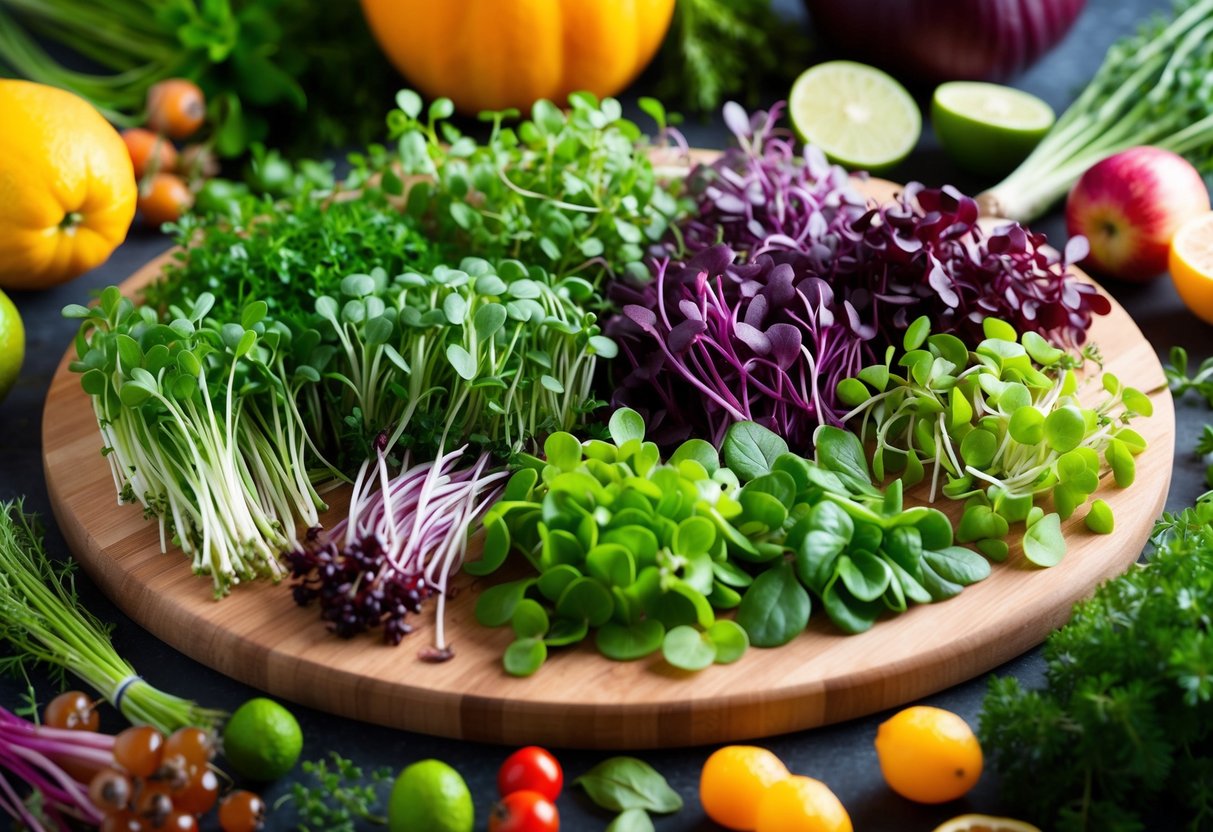
Unlock the vibrant world of microgreen flavors by exploring diverse pairings with fruits, vegetables, spices, and herbs. Discover various ways to infuse boldness into salads and learn about trending combinations that enhance each dish’s flavor profile.
Pairing Microgreens With Fruits and Vegetables
Microgreens such as radish, kale, and broccoli add an exciting twist to your meals. Pairing them with fruits like strawberries or citrus fruits enhances their natural zing.
Vegetables such as bell peppers or cucumbers work well in contrast to the microgreens’ bold flavors, offering a refreshing balance. The mix of earthy microgreens with tangy fruits or crisp vegetables creates a delightful melody that tantalizes the taste buds. For instance, broccoli microgreens can pair beautifully with roasted squash for a hearty dish.
Choosing the Right Spices and Herbs
Enhancing the flavor profile of microgreens involves careful selection of spices and herbs. Consider using black pepper or cumin for stronger microgreens like radish; their robust characteristics complement these spices. Softer greens, such as kale microgreens, benefit from more subtle seasonings like rosemary or thyme.
Experiment with different combinations to find the perfect match that elevates your dishes. Pairing these greens with contrasting spices brings out their unique notes and adds depth to your culinary creations.
Creating Bold and Vibrant Salads
Bold and vibrant salads are possible with the right mix of microgreens, bold vegetables, and colorful ingredients. Start with a base of mixed microgreens, such as kale and radish, known for their lively colors. Add vibrant vegetables like cherry tomatoes or shredded carrots to create an eye-catching visual appeal.
Incorporate freshly cut herbs like cilantro to enhance both aroma and taste. Dress your salad with a zesty lime vinaigrette or tangy balsamic dressing, adding an extra layer of flavor. This approach makes salads not only a feast for the stomach but also for the eyes.
Trending Microgreen Flavor Pairings
Popular trends focus on unique flavor combinations and unexpected pairings. Radish microgreens add a peppery spice that pairs surprisingly well with sweet ingredients like mango or pineapple. Blend these microgreens into smoothies or wraps, achieving a fresh and vibrant taste.
Protein-rich dishes, such as those featuring quinoa or chickpeas, are being combined with broccoli microgreens for an earthy richness. These trends aim to create dynamic, flavorful experiences, showcasing the versatility and potential of homegrown microgreens in modern cuisine.
Advanced Microgreen Culinary Techniques
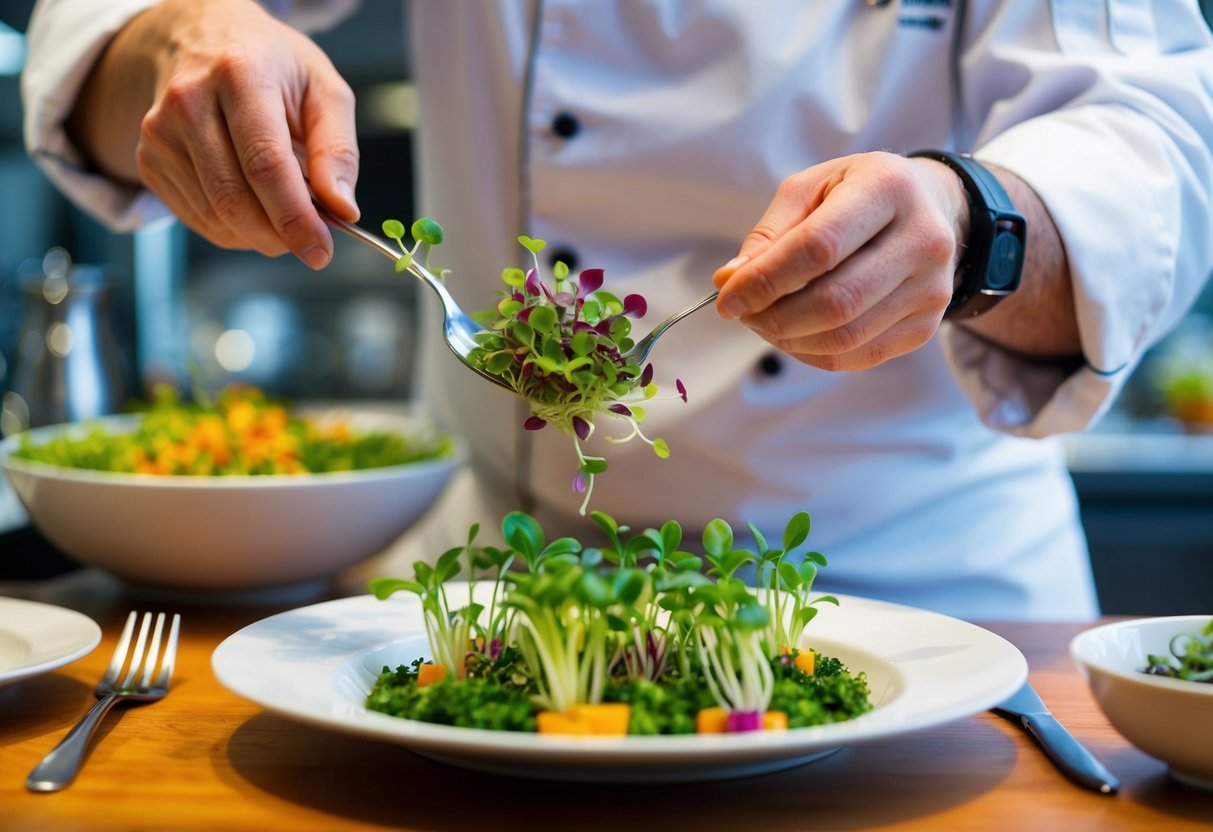
Unlock the full potential of your homegrown microgreens by experimenting with advanced culinary techniques. From enhancing flavor profiles in international dishes to creating nutritious beverages and inventive appetizers, there’s a world of possibilities.
Curries and International Dishes
Incorporate microgreens into your curries to add a fresh, vibrant touch. For instance, micro broccoli can be a fantastic garnish for Thai or Indian curries, providing a burst of flavor and nutrition. When preparing dishes like corned beef tacos, consider using microgreens as a topping to give an elegant and spicy kick.
Try experimenting with microgreens in Mediterranean dishes as well. Add them to a roasted beet salad with feta and walnuts, using the microgreens as a unique bed for the other ingredients. By mixing them into such dishes, you enhance both taste and presentation.
Juices and Cleanses for Wellness
Microgreens are perfect for juicing, offering a concentrated source of nutrients. Broccoli microgreens, in particular, are packed with vitamins C and K. Blend a handful with your favorite fruits to create an invigorating juice. This can be a part of a morning cleanse or a post-workout refreshment.
Mix microgreens with kale, cucumber, and apple. This combination can give you a vibrant drink that promotes wellness and detoxification. Adding a slice of ginger or lemon can enhance the flavor profile and provide additional health benefits. Use microgreens to take your juicing routine to the next level.
Making Microgreen Pesto and Sauces
Microgreen pesto adds a fresh twist to traditional Italian sauces. Blend your choice of microgreens with garlic, pine nuts, olive oil, and Parmigiano Reggiano. This pesto can be used as a pasta sauce or a spread for sandwiches. It’s versatile and retains the microgreens’ vibrant taste and color.
For a different flavor, try incorporating microgreens into salsa verde. This bright and herby sauce can be paired with grilled meats or as a dip for chips. Microgreens blend well with ingredients like parsley and cilantro, offering a fresh take on classic sauce recipes.
Inventive Appetizers and Sides
Create inventive appetizers using microgreens by integrating them into everyday dishes. Sweet potato hash becomes more dynamic with the addition of microgreens, adding both color and flavor. Stir them in just before serving to preserve their delicate texture.
For a unique appetizer, consider microgreen salads. Use them as a base for dishes featuring ingredients like goat cheese or smoked salmon. Their peppery and fresh taste complements rich foods well. Using microgreens in appetizers and sides showcases their versatility and elevates your culinary creations.
Nutritional Information and Health Benefits
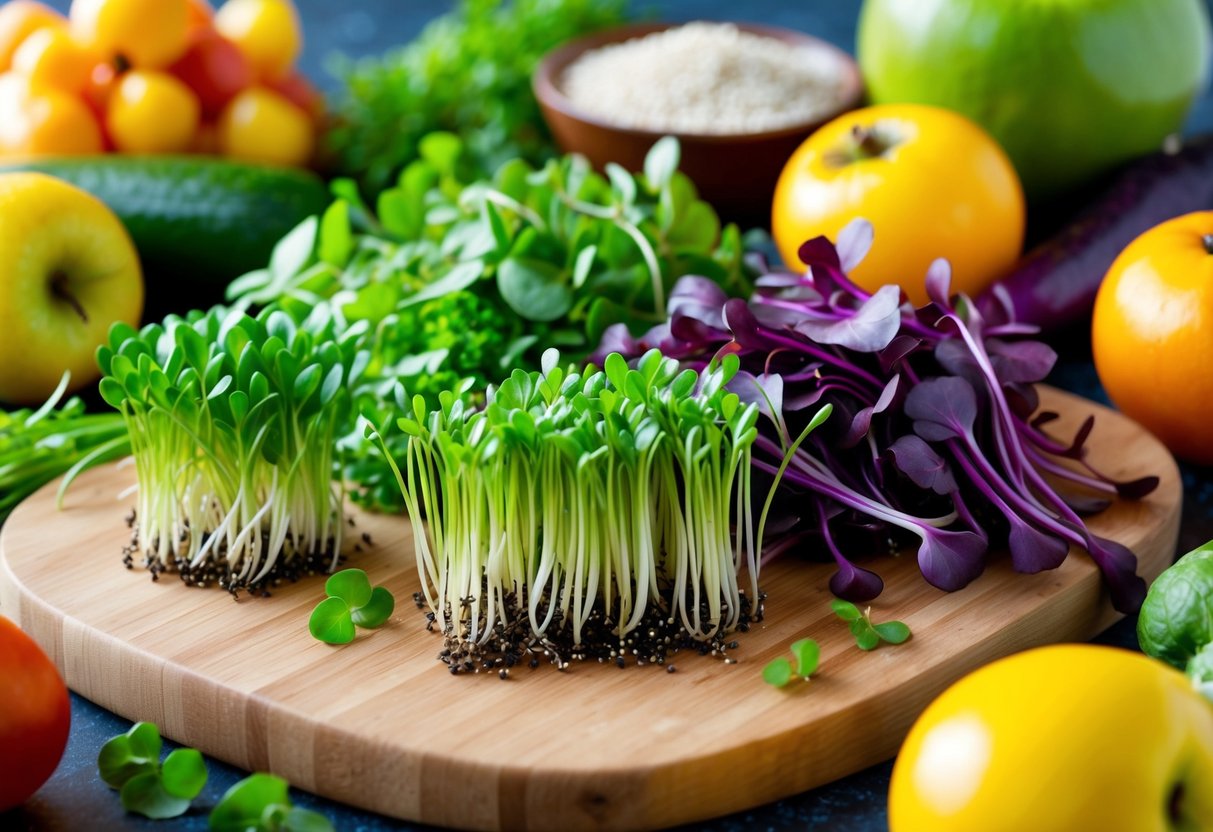
Microgreens provide a concentrated source of essential nutrients. They offer benefits for digestive health and weight management. Their rich vitamin and mineral content makes them an excellent addition to a balanced diet.
Analyzing the Nutrient Content
Microgreens are incredibly nutritious, boasting high levels of vitamins and minerals. For instance, these small greens often contain up to 40 times more nutrients than their mature counterparts. Varieties like kale and broccoli are particularly rich in vitamin C and vitamin E. These nutrients are essential for maintaining a strong immune system and healthy skin.
Nutritious microgreens like sunflower and broccoli offer a significant amount of beta-carotene, an antioxidant crucial for eye health. The nutritional density of these plants makes them a favored choice for enriching meals naturally.
Digestive Health and Microgreens
Including microgreens in your diet can positively impact digestive health. Their fiber content aids digestion and promotes regular bowel movements. The fibers found in microgreens encourage the growth of beneficial gut bacteria, which supports a healthy digestive tract.
Sunflower microgreens, in particular, are noted for their high fiber content, which can help in preventing constipation. Additionally, microgreens like kale contribute not only fiber but also a selection of enzymes that further assist in breaking down food, making nutrients more accessible to your body.
Weight Management and Microgreens
Microgreens can be a valuable ally in weight management efforts. They are low in calories but rich in nutrition, making them suitable for weight-conscious diets. Adding microgreens like kale or broccoli to meals increases nutrient intake without significantly boosting calorie count.
Their fiber content increases satiety, helping you feel fuller for longer periods. This can lead to reduced calorie consumption throughout the day. For those seeking to balance nutrient intake while managing weight, incorporating microgreens could be a beneficial strategy.
Microgreens as Superfoods
These small greens can truly be considered superfoods due to their high nutrient density. The abundance of vitamins, minerals, and beneficial plant compounds supports overall health. Microgreens such as kale and broccoli contain glucosinolates, which have potential anti-cancer properties.
Moreover, these super greens are easy to grow at home. You can make fresh, nutrient-rich food accessible. Incorporating nutritious microgreens regularly can significantly contribute to a well-rounded diet, supplying essential nutrients that bolster overall wellness.
Check out this article for some great ideas: 8 Microgreen Dishes to Celebrate the Best of Summer