Balcony Garden Paradise is reader-supported. When you buy through links on our site,
we may earn a small affiliate commission. Happy Gardening from the team! 🌿
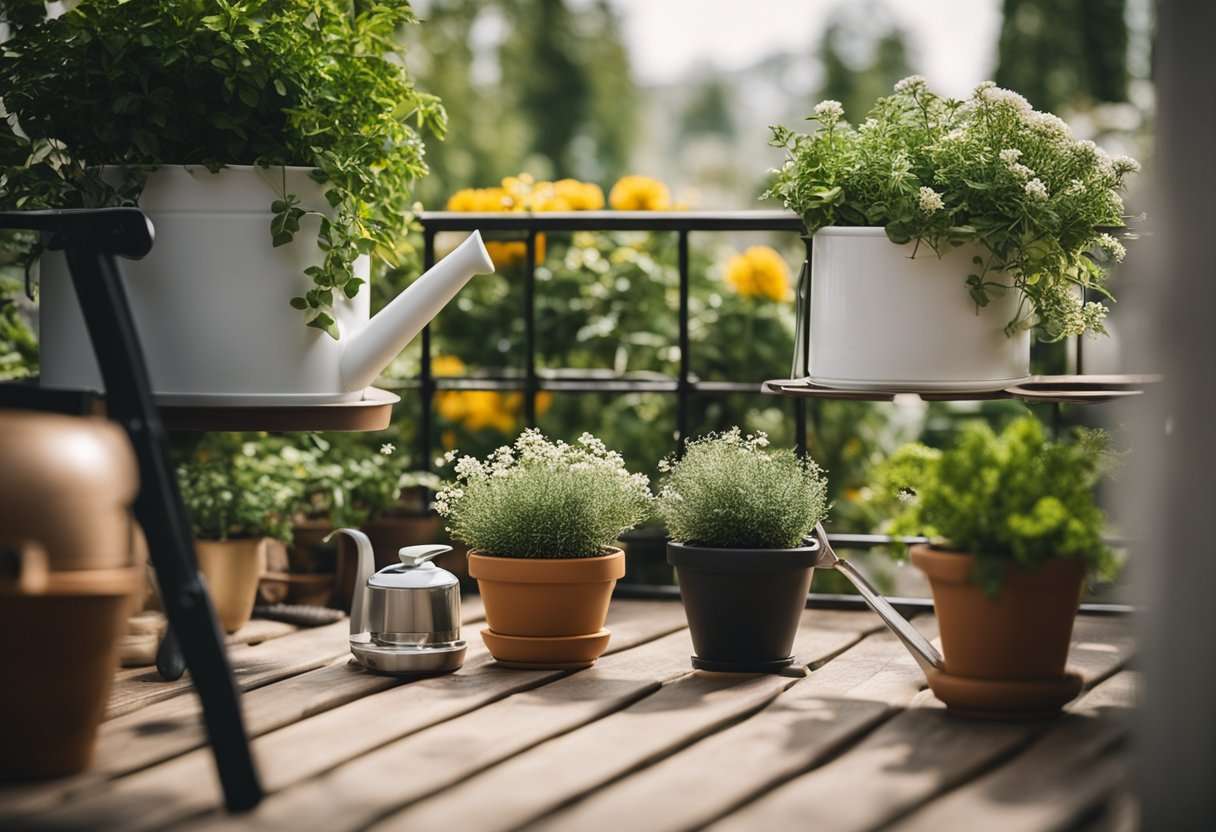
Growing herbs on your balcony garden offers a satisfying way to enhance your cooking and beautify your living space. Whether you’re seasoned in gardening or new to the endeavor, cultivating a balcony herb garden allows you to enjoy a range of aromatic and fresh herbs at your fingertips. With the right approach, you can transform even the smallest balcony into a lush, productive space.
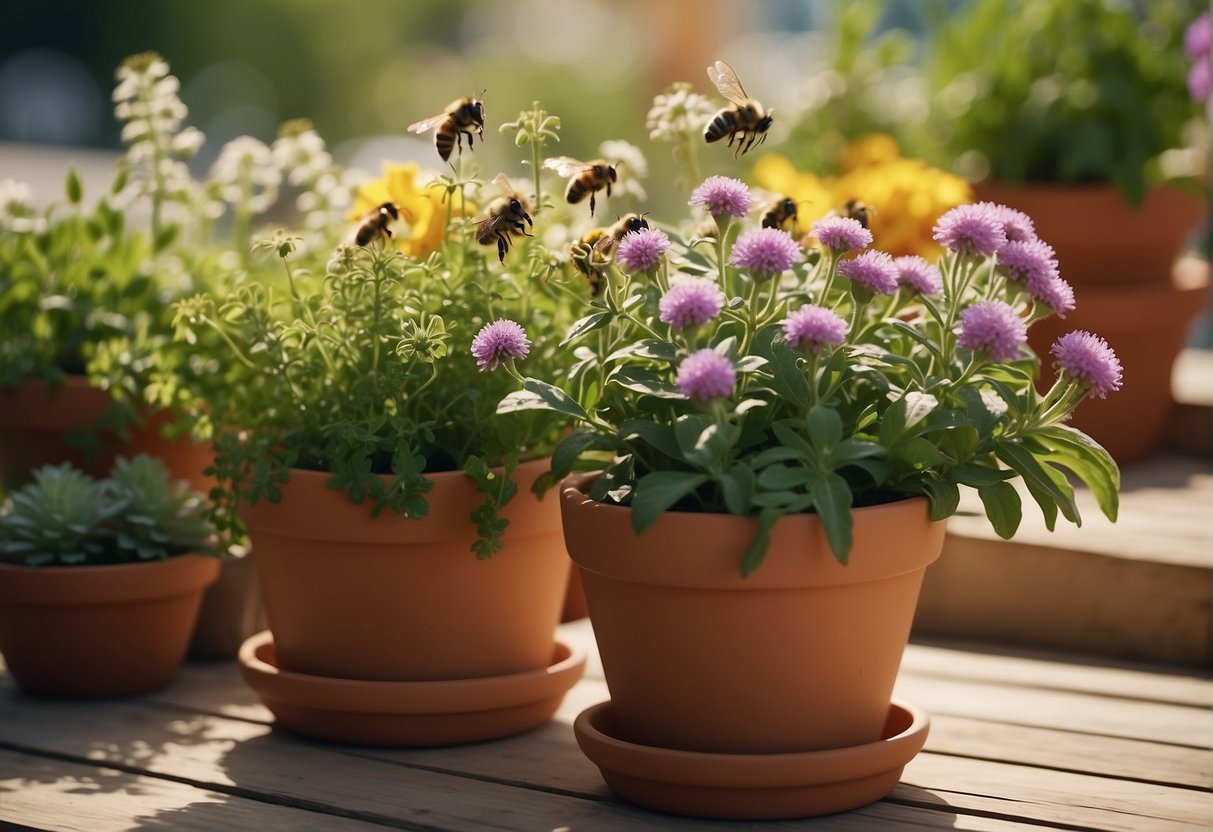
Embarking on your balcony garden journey requires understanding the basics of herb care and the unique conditions of balcony environments. Herbs need ample sunlight, so selecting a spot that receives several hours of direct sun each day is crucial. Additionally, regular watering is important, as potted herbs tend to dry out faster than those in the ground. However, overwatering can be just as detrimental, so ensuring your containers have good drainage is key to avoiding waterlogged roots.
Your culinary preferences and the particular conditions of your balcony should guide your choice of herbs. Mint, for example, is robust and can thrive in its own pot, preventing it from overtaking other plants. Selecting a variety of herbs such as rosemary, parsley, and thyme will not only give you a range of flavors for your cooking but will also create a verdant and diverse garden experience right outside your door. With care and attention, your balcony garden will flourish, bringing a piece of nature into your urban living space.
The 2023 USDA Plant Hardiness Zone Map was created by Oregon State University (PRISM Climate Group) and released by the USDA.
Planning Your Balcony Herb Garden
Creating a flourishing herb garden on your balcony starts with careful planning. Consider the space available, the growing conditions, and your culinary preferences to ensure a prosperous and aromatic garden.
Assessing the Space and Conditions
Evaluate the amount of sunlight your balcony receives throughout the day. Herbs like basil and cilantro require plenty of sunlight, while mint and lemon balm can tolerate partial shade. Note the direction your balcony faces: south-facing spaces typically receive more light.
- Full Sun: 6+ hours (e.g., basil, rosemary)
- Partial Sun / Partial Shade: 3-6 hours (e.g., parsley, thyme)
- Full Shade: less than 3 hours (less common for herbs)
Also, consider the wind conditions and balcony materials, as these can affect the microclimate of your growing space.
Selecting Suitable Herbs
Choose herbs that align with your culinary preferences and growing conditions. Here’s a list of some popular herbs for growing on your balcony garden:
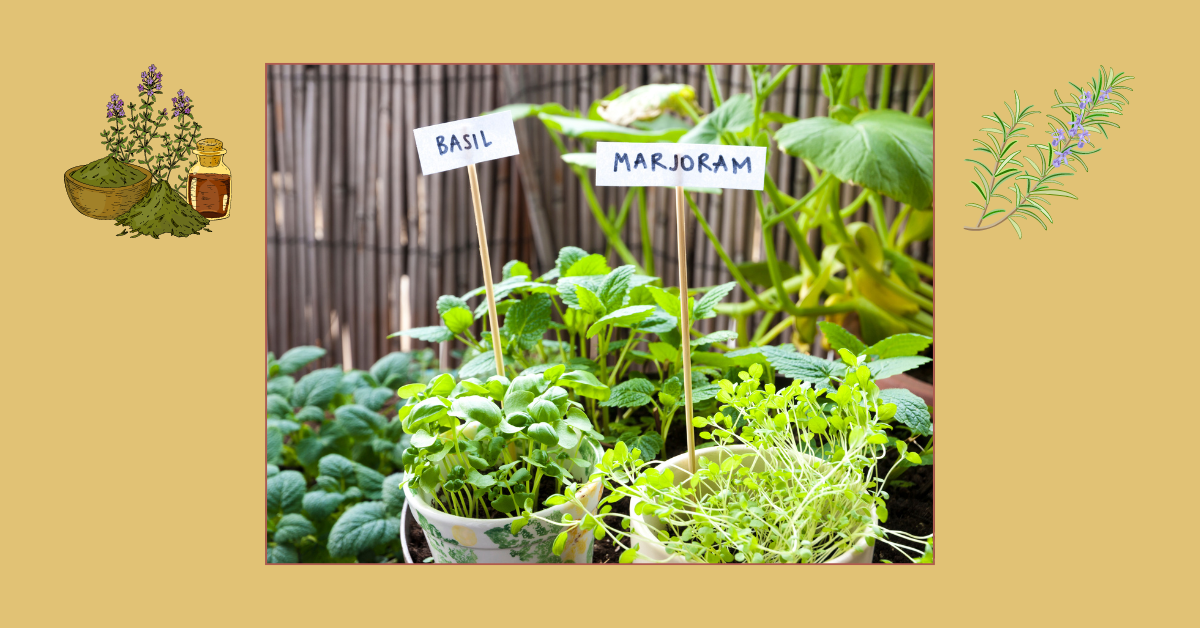
- Annuals: basil, cilantro, dill
- Perennials: rosemary, thyme, sage, oregano
- Mediterranean Herbs: need more light and drainage
- Aromatic Herbs: lavender, lemon balm
Prioritize herbs you frequently use to add fresh flavors to your meals.
Choosing the Right Containers
Select containers based on the size and growth habits of the herbs:
- Pots and Planters: Ensure they have drainage holes and are large enough to accommodate the herb’s root system.
- Railing Planters: Great for small spaces and can maximize vertical space.
- Self-Watering Containers: Ideal for maintaining consistent moisture levels.
Understanding Soil and Compost
For healthy herb growth, use a well-drained soil or potting mix. Enrich the soil with compost or well-rotted manure to provide nutrients. Soil preparation is key, so mix in the compost a few weeks before planting.
Designing the Layout
Plan your layout by grouping herbs with similar light and water needs together. Vertical gardening techniques can help utilize space efficiently. Consider tiered planters for depth.
Sourcing Seeds and Seedlings
You can start herbs from seeds or buy seedlings from a local nursery. Seeds may require more time to germinate but offer more variety, while seedlings can give you a head start.
- Seeds: Start indoors or on the balcony based on the herb’s need.
- Seedlings: Check the roots and plant health before purchasing.
Planting and Growing Herbs
Embarking on the journey of planting and growing herbs on your balcony can be both rewarding and flavorful. Pay attention to the specifics of soil composition, careful sowing of seeds, and optimal sunlight exposure to ensure a thriving herb garden.
Soil and Potting
Choosing the right soil and containers is crucial for your herbs. Use high-quality potting soil that provides adequate drainage and nutrients. Containers should have holes at the bottom to prevent waterlogging. Opt for clay or plastic pots that accommodate the root size of your chosen herbs.
Sowing Seeds and Transplanting
Start with seeds or seedlings depending on your preference. Sow seeds directly into your containers or start them indoors if the climate requires. To transplant, handle the root ball with care and give each plant enough space to grow. This is crucial to avoid overcrowding and to promote healthier, more robust plants.
Lighting and Positioning
You will need plenty of light for growing herbs on your balcony garden. Place your containers in a position where they will receive at least six hours of sunlight per day. Balconies facing south or west usually provide the best sunlight exposure. However, if excessive heat is a concern, consider using a sheer curtain or moving the plants to a slightly shaded area during the peak heat hours.